8 French Specialties You Rarely See on U.S. Menus

French cuisine goes far beyond croissants and crème brûlée, yet many regional specialties rarely make it onto American menus. Some rely on ingredients that are hard to source outside France, while others demand long preparation times, specialized techniques, or flavors that don’t neatly match U.S. dining expectations. A few dishes celebrate nose-to-tail cooking, which can feel unfamiliar to American diners. Others lean into textures and traditions that require explanation rather than quick recognition. What this really means is that a huge part of French food culture stays hidden unless you travel or seek out dedicated regional kitchens.
1. Andouillette Sausage That Challenges Even Adventurous Eaters
Andouillette is one of those French foods that locals either adore or politely avoid, which already hints at why it rarely appears on U.S. menus. This coarse sausage is traditionally made from pork intestines and tripe, seasoned with onions, wine, and spices, then grilled or pan-seared until crisp on the outside. Its aroma is strong and unmistakable, and the texture is chewy and rustic rather than smooth like typical American sausages. In France, the appeal lies in its honest, nose-to-tail craftsmanship and deep savory character. In the U.S., strict regulations around offal processing, combined with unfamiliar flavor expectations, make it a hard sell for restaurants. Even diners who love charcuterie may find the scent and mouthfeel surprising. When prepared well, andouillette offers complex richness and a satisfying snap, often served with mustard or simple potatoes. But because American dining culture generally favors cleaner, milder sausage profiles, this specialty remains mostly unknown outside of French markets and regional bistros.
2. Aligot That Stretches Like Melted Silk
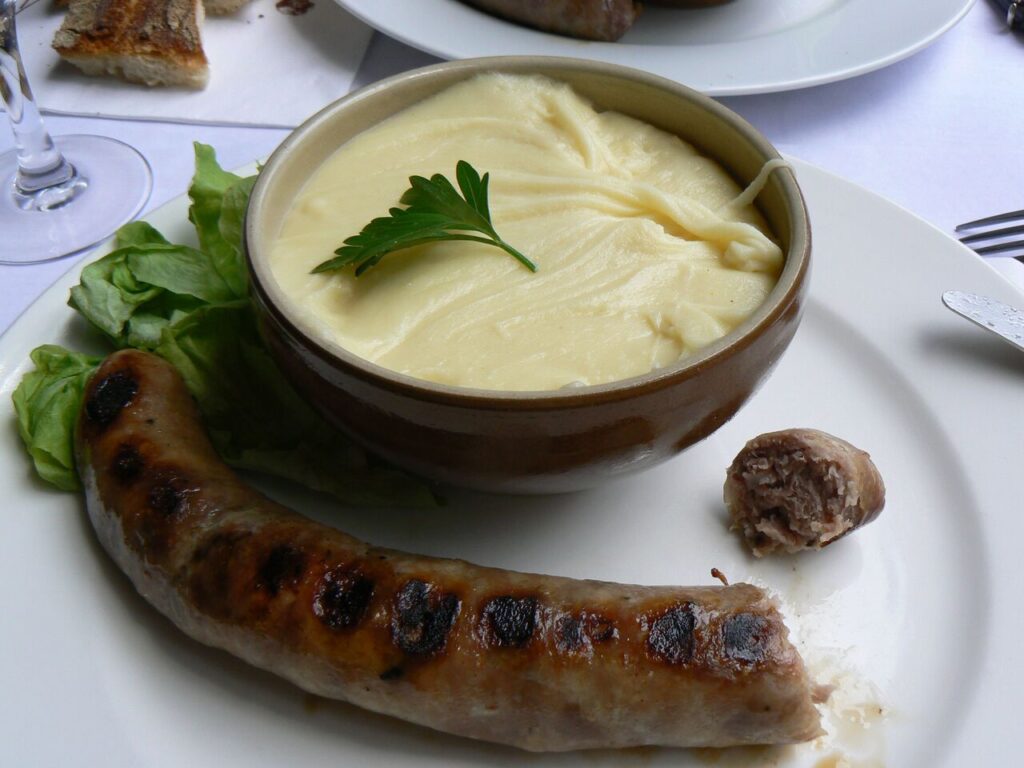
Aligot looks like mashed potatoes until the spoon lifts and reveals long ribbons of stretchy cheese pulling through the bowl. This comforting dish from the Massif Central blends potatoes with butter, cream, garlic, and a specific regional cheese that melts into elastic strands. The texture is the real magic. It becomes smooth, glossy, and almost taffy-like when stirred properly. Achieving this consistency requires patience, continuous stirring, and the correct cheese, which is rarely available in American grocery stores. Substitutes can change the melt behavior and flavor balance, leading to disappointment. Aligot is traditionally served alongside roasted meats or sausages and is meant to be eaten hot and fresh. It’s a dramatic stretch that surprises first-timers and delights locals, but many U.S. diners are unfamiliar with savory foods that behave this way. The labor involved and ingredient sourcing make it impractical for most restaurants, keeping aligot firmly rooted in its home region rather than on mainstream American menus.
3. Quenelles That Blur the Line Between Dumpling and Soufflé
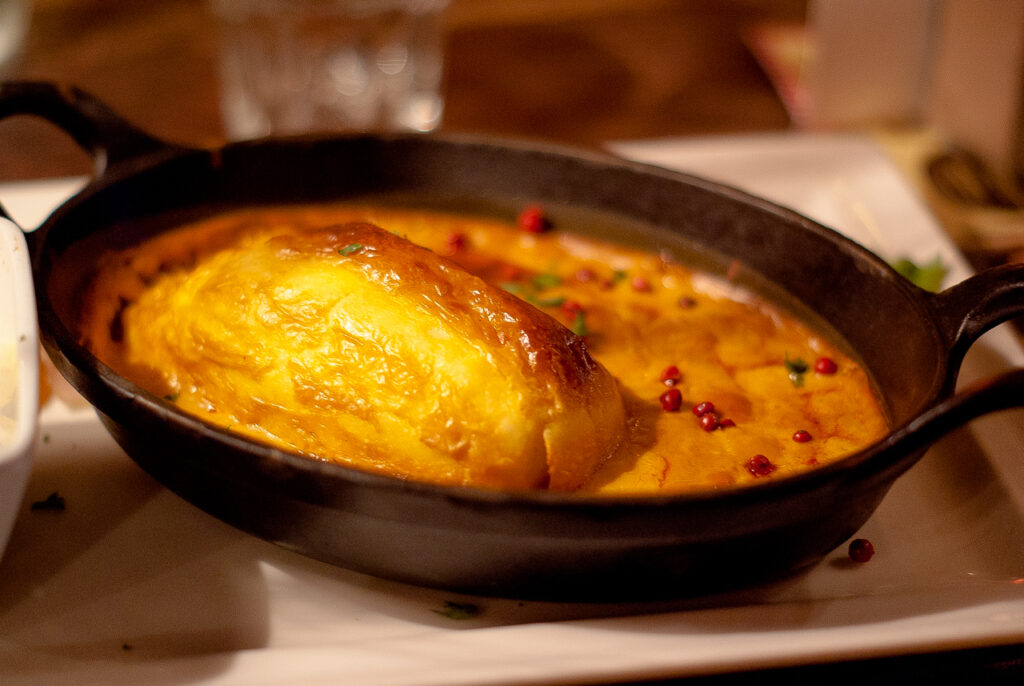
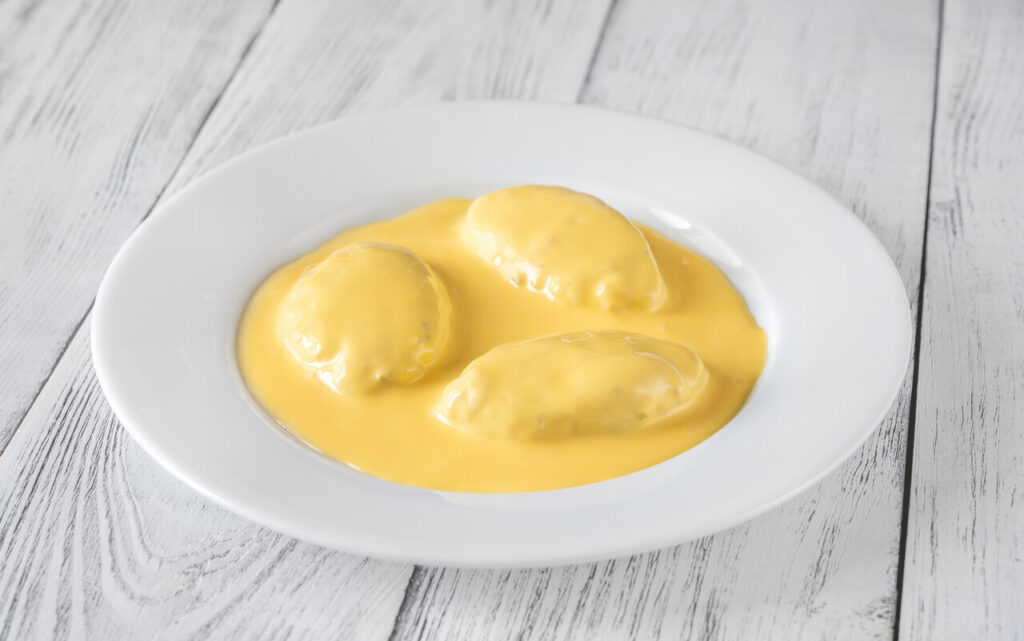
Quenelles are delicate oval-shaped dumplings made from a paste of fish or meat combined with flour, butter, eggs, and milk. Once poached, they puff slightly and develop a light, airy interior that feels closer to a soufflé than a traditional dumpling. The mixture must be mixed precisely to trap air without collapsing, which requires technique and timing. Quenelles are often baked afterward with a creamy sauce, making them rich yet surprisingly delicate. In France, they are valued for their elegance and subtle flavor rather than bold seasoning. American kitchens rarely feature them because the process is labor-intensive and the texture may confuse diners expecting something firmer or heartier. Fish-based quenelles also require very fresh ingredients and careful temperature control to avoid dense results. Their understated nature makes them better suited to refined dining rooms than casual menus, which limits their exposure in the U.S. despite their long culinary history.
4. Tripés à la Mode de Caen That Reward Slow Patience
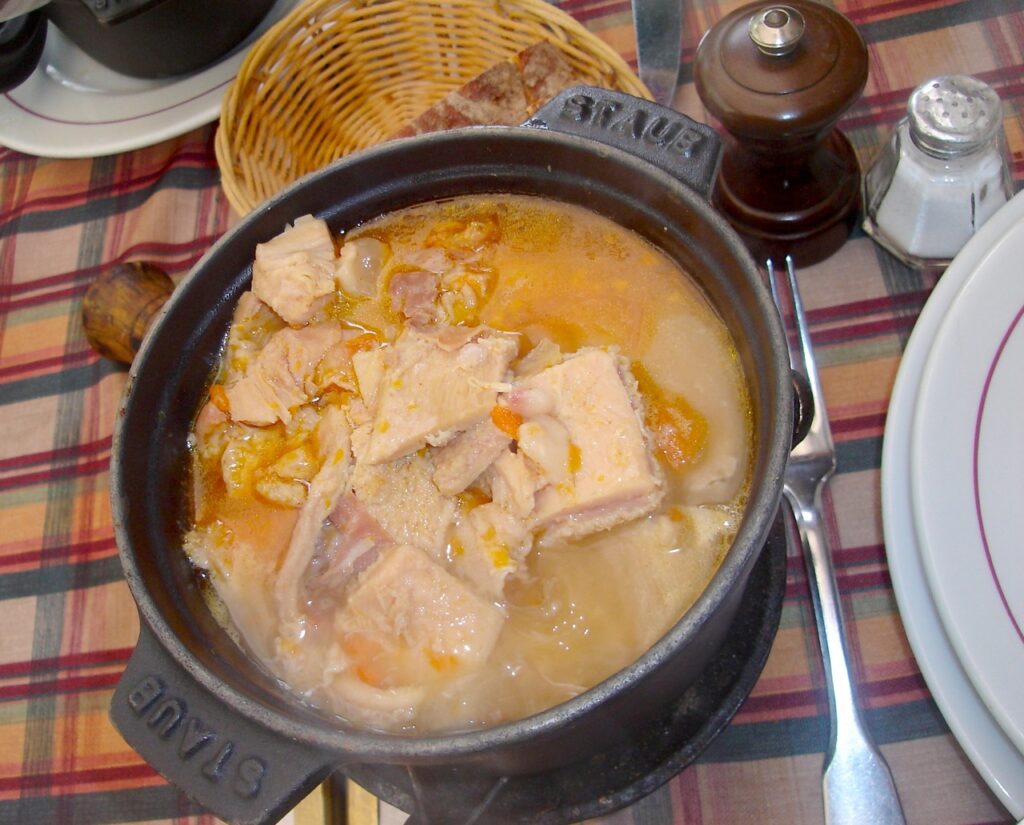
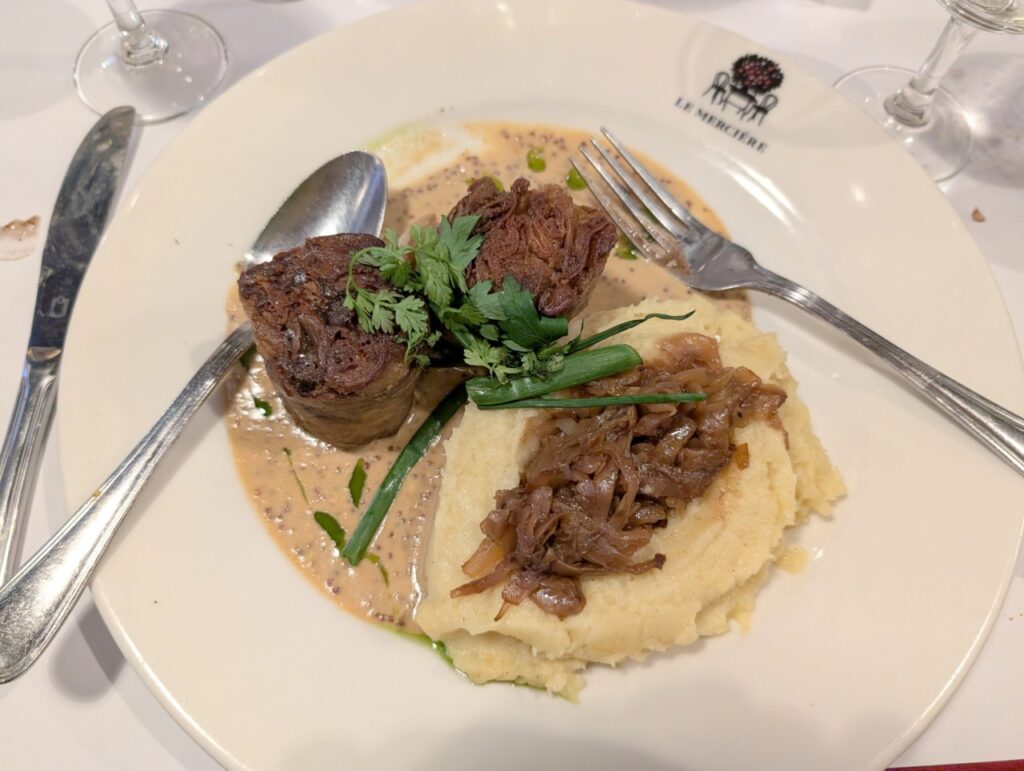
Tripés à la mode de Caen is a Normandy specialty built around beef tripe, slow-cooked with vegetables, herbs, cider, and apple brandy until meltingly tender. The dish is traditionally cooked for many hours, allowing collagen to break down and flavors to deepen gradually. The result is rich, savory, and deeply aromatic, especially when served with crusty bread or potatoes. Handling tripe requires careful cleaning and preparation, which many American kitchens avoid due to labor and customer hesitation. The long cooking time also makes it impractical for modern restaurant operations that favor faster turnover. While offal dishes remain respected in French regional cooking, U.S. diners often associate tripe with unfamiliar textures and strong aromas. When prepared well, the broth becomes silky and comforting rather than heavy. Still, ingredient perception and kitchen logistics keep this slow-cooked classic from gaining widespread traction in American dining.
5. Baeckeoffe That Blends Three Meats Into One Comfort Dish
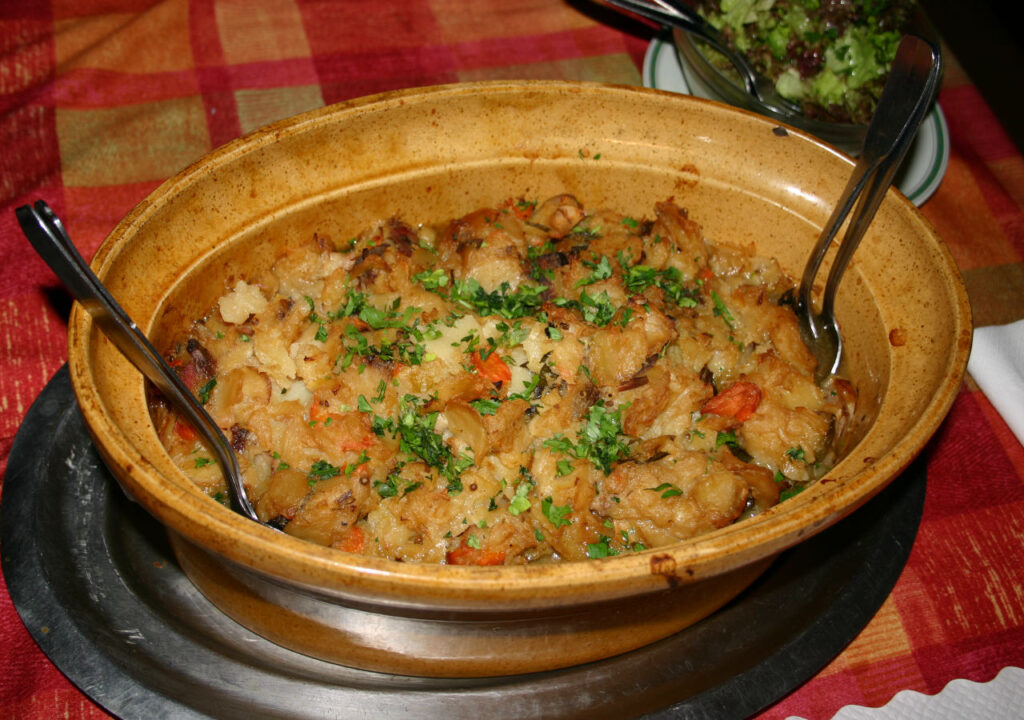
Baeckeoffe is a hearty Alsatian casserole combining marinated beef, pork, lamb, potatoes, onions, herbs, and white wine, sealed and baked slowly until everything melds together. The name loosely translates to baker’s oven, reflecting its communal roots when families once brought their assembled dishes to local bakers for long, gentle cooking. The flavors become deeply integrated, producing tender meat and richly infused potatoes. The marinade step requires hours or overnight preparation, which adds complexity for restaurant kitchens. American diners may recognize similar comfort casseroles, but this specific combination of meats, wine seasoning, and regional technique remains unfamiliar. It lacks the immediate visual appeal of more recognizable French dishes and relies on slow depth rather than dramatic presentation. Without widespread cultural awareness or easy shortcuts, baeckeoffe remains mostly confined to Alsace and specialty French kitchens abroad.
6. Pieds et Paquets That Showcase Traditional Nose-to-Tail Cooking
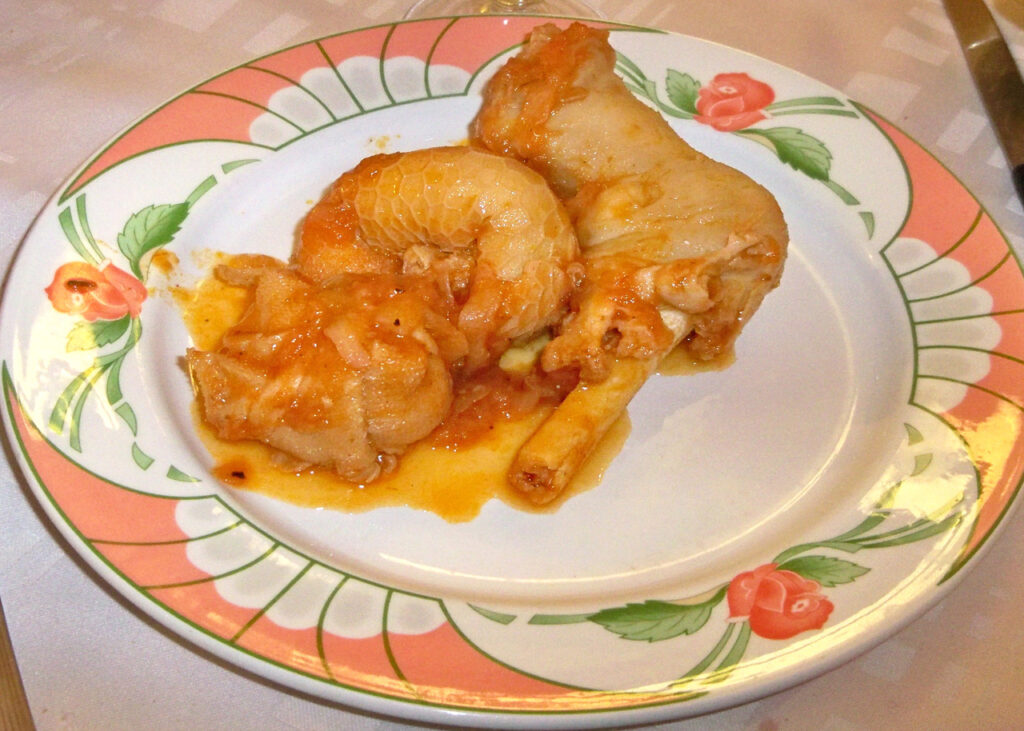
Pieds et paquets is a Provençal dish made from lamb’s feet and tripe parcels simmered with garlic, herbs, and white wine until tender. It represents classic rural cooking where every part of the animal was valued, and nothing went to waste. The dish develops a rich gelatinous texture from the connective tissue in the feet, creating a silky mouthfeel when cooked correctly. Preparation is detailed and time-consuming, involving careful cleaning, rolling of tripe parcels, and extended simmering. Many American kitchens and diners are unfamiliar with lamb offal and gelatin-rich textures, which limits acceptance. The flavor itself is aromatic and savory rather than overpowering, but the visual and textural unfamiliarity often creates hesitation. In France, it is celebrated as a heritage dish tied to regional identity. In the U.S., it remains rare due to ingredient availability, labor demands, and cultural preference for leaner cuts of meat.
7. Bouchée à la Reine That Feels Luxurious Yet Old World
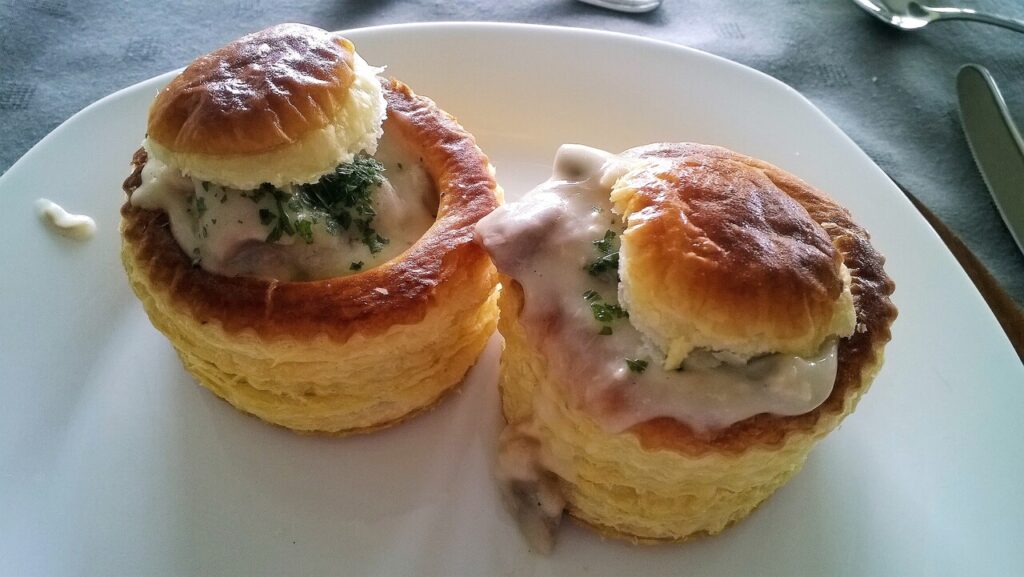
Bouchée à la reine consists of a puff pastry shell filled with creamy chicken, mushrooms, and sometimes sweetbreads or seafood in a velvety sauce. The pastry must be baked to remain crisp while supporting the warm filling without collapsing or becoming soggy. Balancing sauce thickness and seasoning takes finesse. In France, this dish often appears in traditional restaurants and celebratory meals rather than casual dining. American menus rarely feature it because it requires careful assembly, precise timing, and higher ingredient cost. It also carries a slightly formal image that contrasts with modern fast casual trends. While the flavors are comforting and familiar, the presentation and execution demand attention that many restaurants avoid for efficiency reasons. As a result, this elegant pastry dish remains more of a European dining experience than a common sight in the U.S.
8. Tarte à l’Oignon That Highlights Slow Caramelization
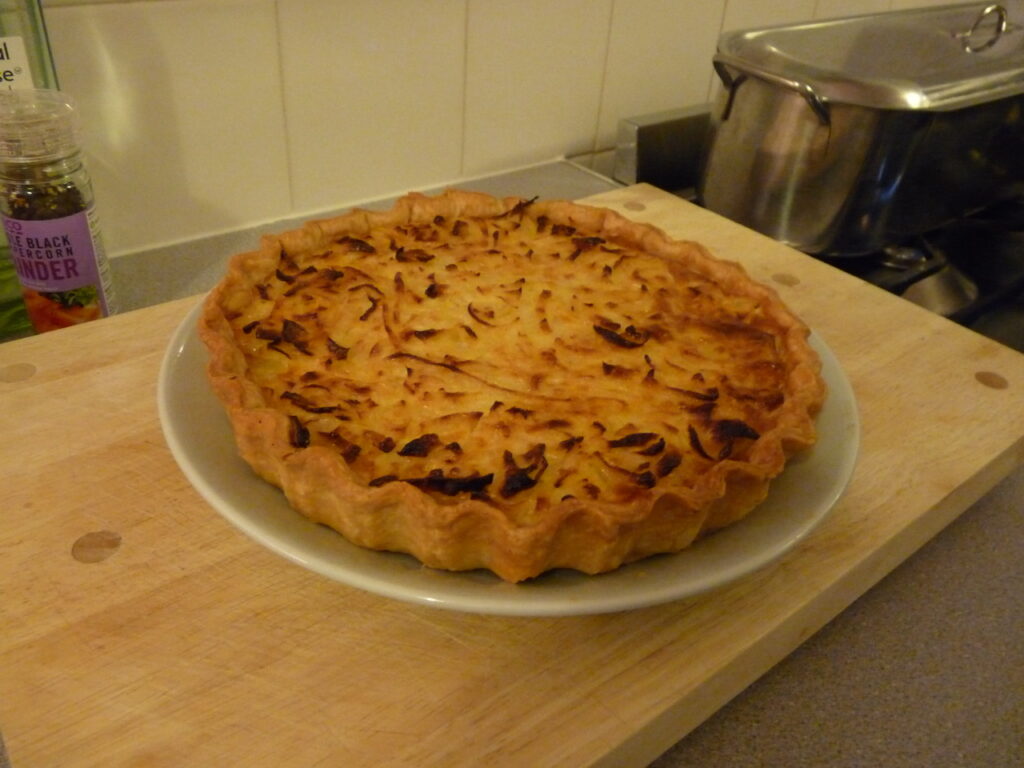
Tarte à l’oignon is an Alsatian onion tart built on deeply caramelized onions folded into a lightly seasoned custard and baked on a rustic crust. The sweetness comes entirely from slow cooking the onions, which can take close to an hour to achieve proper color and depth without burning. This patience-driven technique creates complexity that cannot be rushed. While Americans enjoy quiche and savory pies, this regional version leans heavily into onion sweetness rather than cheese or meat, making it less familiar. Ingredient simplicity means flaws are easily noticeable if timing is rushed or seasoning is off. Restaurants often avoid long prep items with narrow appeal. In France, the tart is beloved as a bistro staple and family dish. In the U.S., it remains overshadowed by more recognizable pastries and pizzas, despite its elegant balance of sweetness, richness, and gentle savory depth.