8 Latin American Dishes Americans Still Struggle to Recreate at Home

Latin American food looks joyful and inviting on the plate, but many of its most beloved dishes rely on techniques, ingredients, and instincts that don’t always translate easily into a typical American kitchen. Long-simmering sauces, specialty chiles, fermentation, precise frying temperatures, and equipment that most homes simply don’t own all play a role. Add in regional traditions that are passed down by feel rather than written measurement, and even experienced home cooks can feel humbled. What this really means is that the gap between tasting these dishes and recreating them authentically can be wider than it looks, even when you follow a solid recipe.
1. Mole Negro That Demands Time, Patience, and Precision
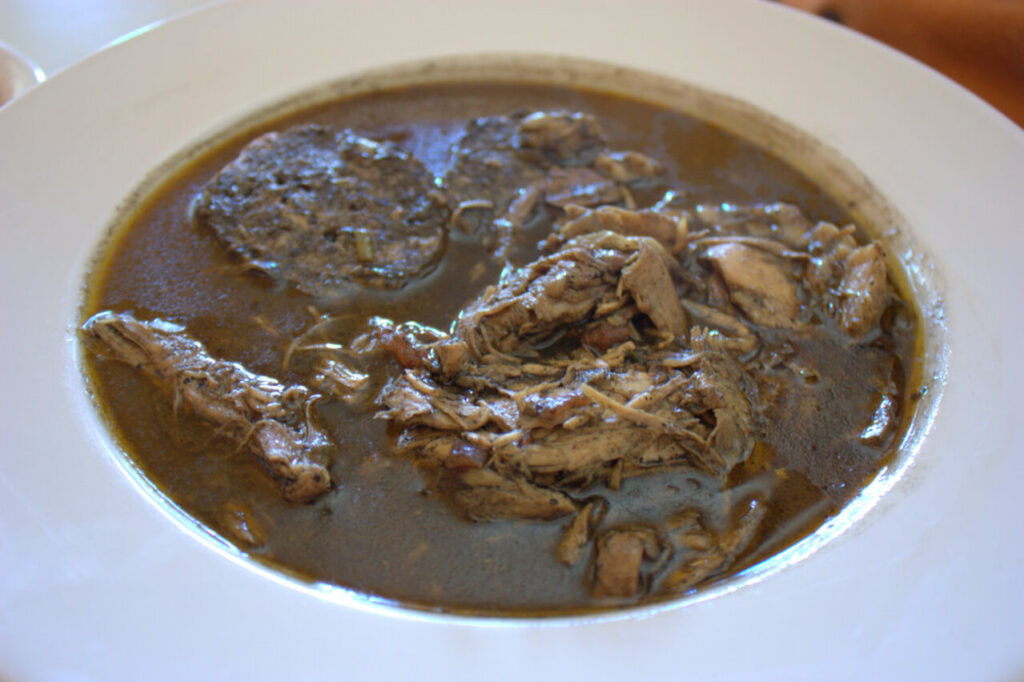
Mole negro looks like a simple dark sauce, but in reality, it is one of the most complex flavor constructions in Latin American cooking. Traditional versions often use multiple dried chiles, toasted seeds, nuts, spices, herbs, stale bread or tortillas, and a touch of chocolate, all layered carefully so no single element dominates. Each ingredient must be toasted or softened correctly to avoid bitterness, then blended until silky and simmered long enough for the flavors to meld. Many American kitchens struggle with sourcing the right chiles and balancing heat, sweetness, smoke, and bitterness at the same time. Texture is another hurdle. Mole should be thick yet smooth, never grainy or greasy. Small timing mistakes can flatten the flavor or introduce harsh notes. What makes mole especially difficult is that it rewards intuition developed through repetition rather than strict measurements. Home cooks often discover that even when they follow a recipe closely, the depth and harmony of restaurant or regional versions are hard to match without experience.
2. Tamales That Turn Into a Full-Day Project

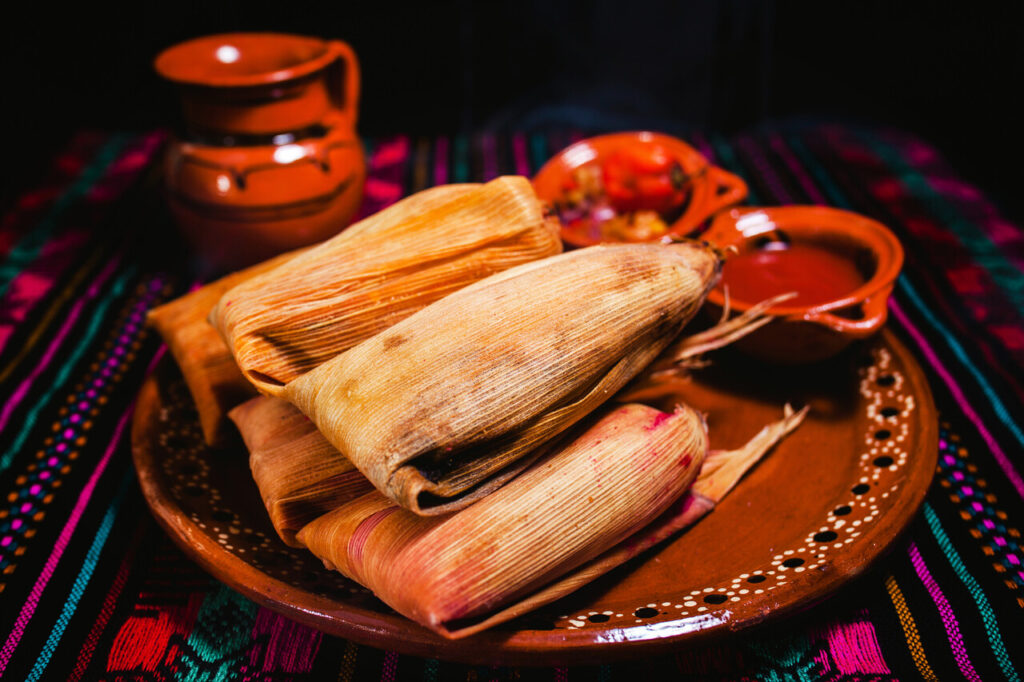
Tamales look comforting and simple once they’re unwrapped, but making them from scratch is a serious commitment. The masa dough must be whipped with fat and broth until light enough to float in water, which requires proper technique and patience. If the texture is off, the tamale becomes dense or crumbly instead of tender. Filling preparation adds another layer of work, especially when slow-cooked meats or complex sauces are involved. Wrapping each tamale neatly in soaked corn husks or banana leaves takes practice and steady hands. Steaming them evenly without drying out the masa or undercooking the center is another challenge. Many American kitchens lack large steamers, making batch consistency difficult. Tamales also benefit from generational knowledge that teaches subtle cues like dough elasticity and moisture levels. Without those instincts, home cooks often struggle to recreate the soft texture and balanced seasoning found in traditional tamales.
3. Tacos al Pastor That Need Specialized Equipment
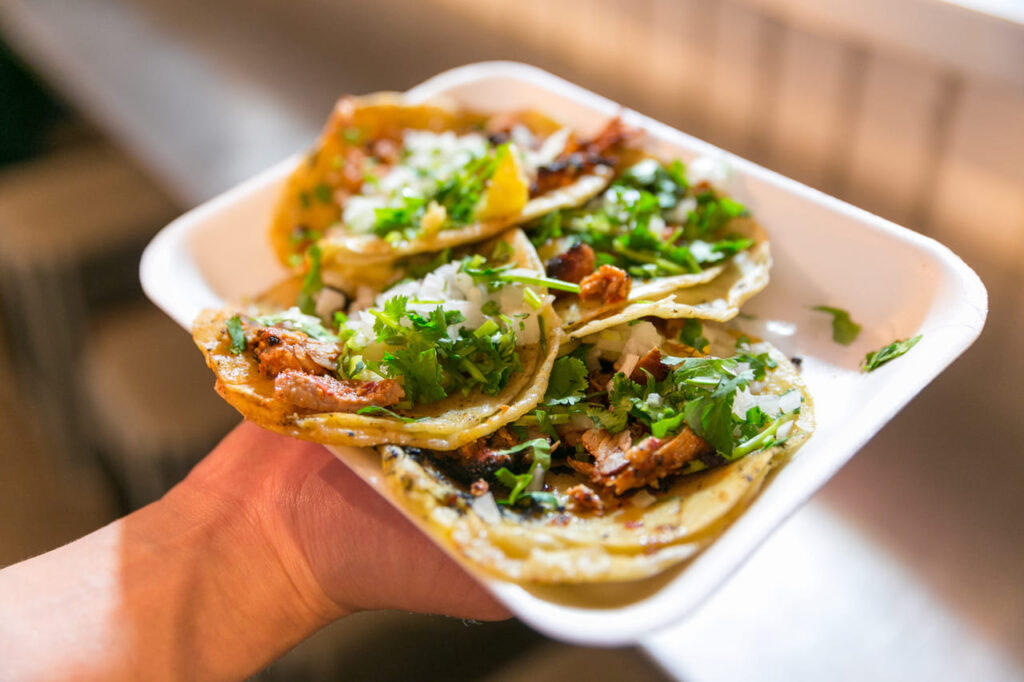
Tacos al pastor are famous for their deeply marinated pork shaved from a vertical spit, where layers of meat slowly caramelize and baste themselves. Most home kitchens simply do not have this equipment, which immediately changes the cooking method and final flavor. Even when adapted to grills or ovens, it is difficult to replicate the smoky char, juicy interior, and crisp edges created by continuous rotation. The marinade itself uses dried chiles, achiote, spices, vinegar, and sometimes pineapple juice, all of which must be balanced carefully to avoid overpowering sweetness or acidity. Proper slicing against the grain also affects tenderness. Street vendors master timing and heat control through repetition, something recipes cannot fully teach. Without the visual cues and equipment, American cooks often end up with pork that tastes good but lacks the signature texture and complexity that define authentic al pastor.
4. Ropa Vieja That Relies on Long, Slow Flavor Development
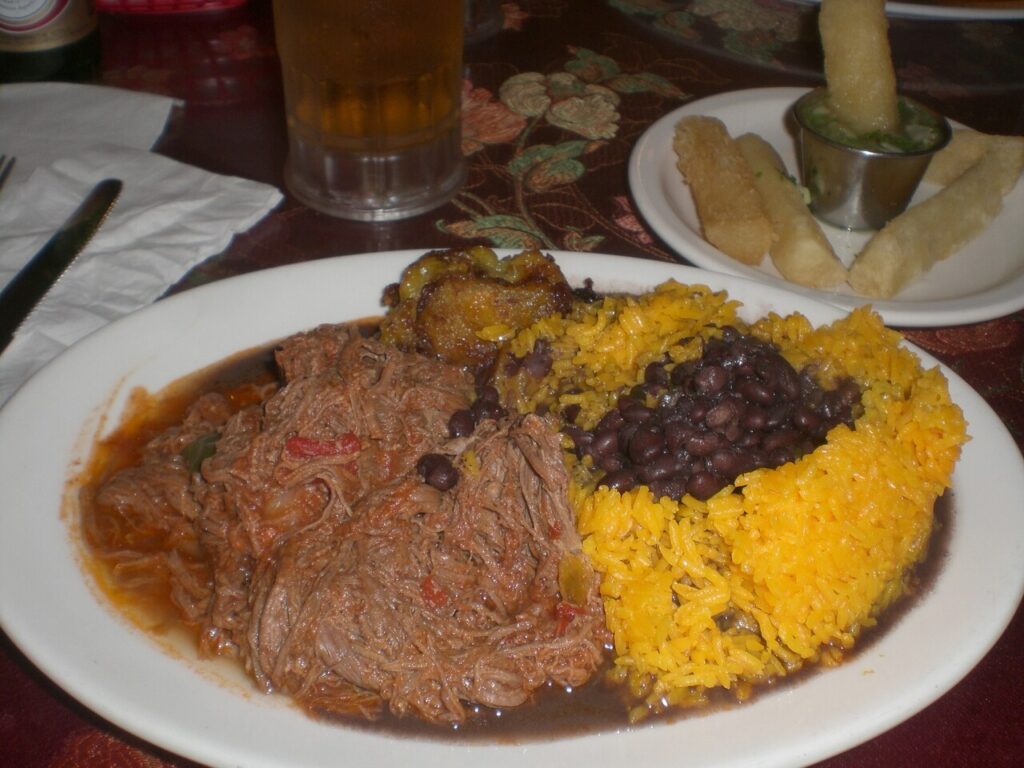
Ropa vieja appears straightforward as shredded beef in a tomato-based sauce, yet its success depends on slow braising, layered seasoning, and careful moisture control. The beef must become tender enough to shred without drying out, which requires consistent low heat and patience. Sofrito, a blend of aromatics like onions, peppers, garlic, and herbs, builds the foundation of flavor and varies by household tradition. Balancing acidity from tomatoes with sweetness from peppers and depth from spices takes experience. If rushed, the sauce tastes thin and unfinished rather than rich and rounded. Many American cooks also underestimate how resting time improves the dish as flavors continue to develop. Texture matters as much as flavor, since the beef should remain juicy while absorbing the sauce. These subtle details make ropa vieja harder than it looks when trying to recreate authentic versions at home.
5. Sopa de Mondongo That Tests Ingredient Comfort Levels
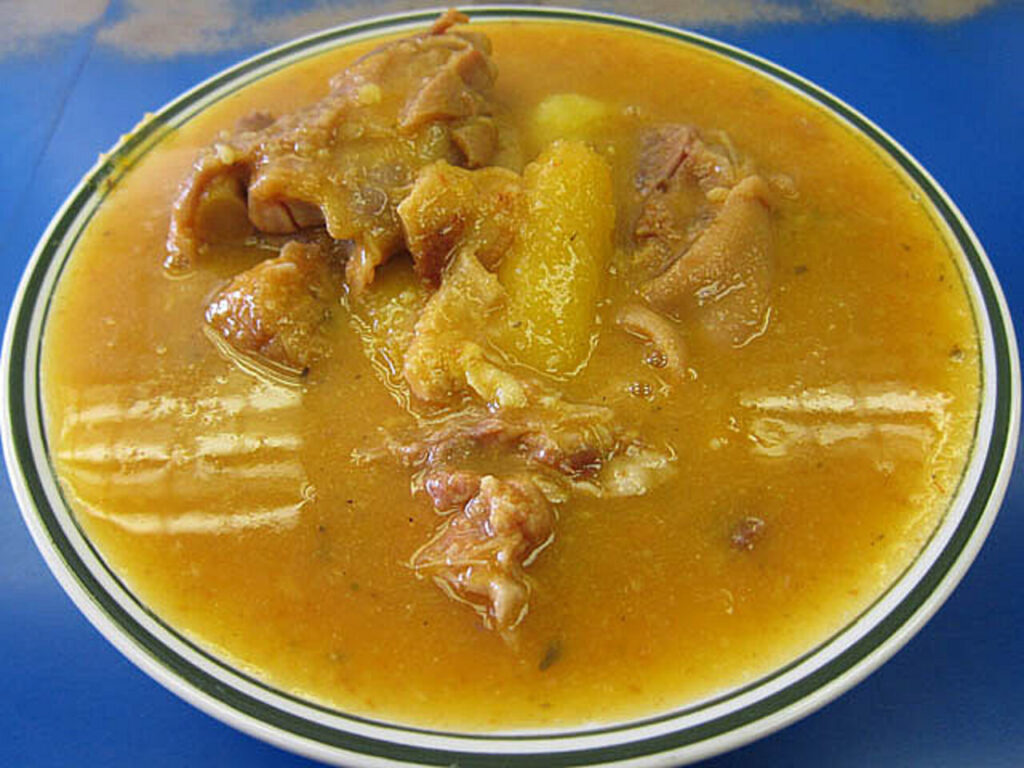
Sopa de mondongo centers around tripe, which requires careful cleaning and long cooking to achieve the right tenderness and flavor. Many home cooks are unfamiliar with handling tripe and may struggle with odor control and preparation steps. If not properly cleaned or simmered long enough, the texture can remain rubbery or unpleasant. The broth builds slowly from aromatics, vegetables, herbs, and spices that vary by region, making standardization difficult. Achieving a balanced broth without overpowering the delicate richness of the tripe takes experience. Cooking time can stretch for hours, which discourages casual experimentation. Ingredient availability also plays a role, as quality tripe and traditional seasonings are not always easy to find in mainstream grocery stores. The result is a dish that shines in traditional kitchens but feels intimidating for many American home cooks to master consistently.
6. Arroz con Gandules That Depends on Proper Sofrito Technique
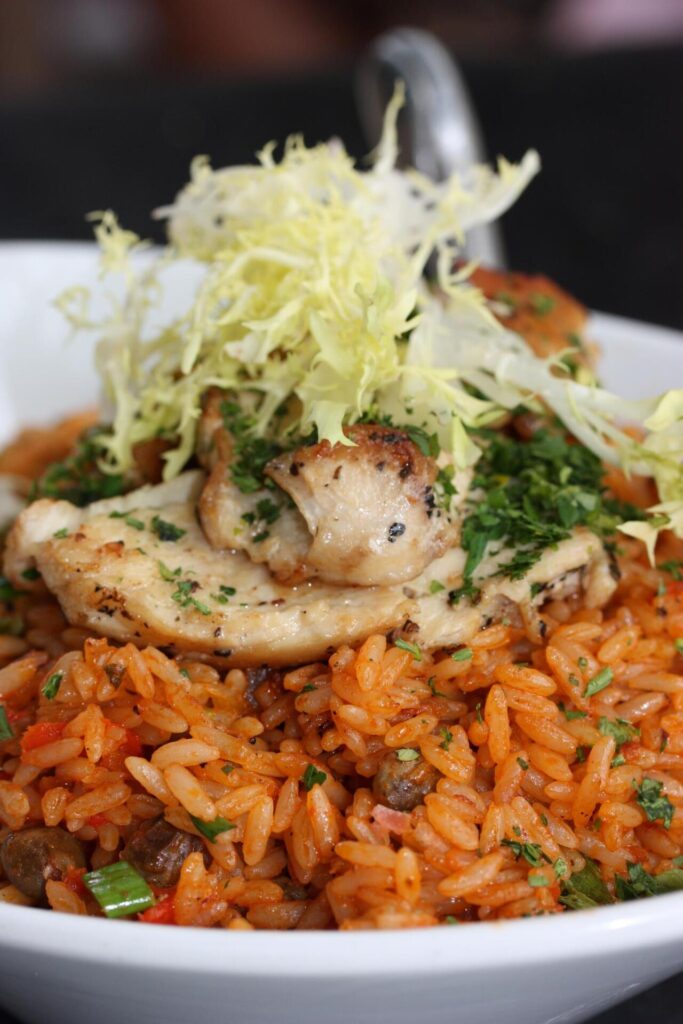
Arroz con gandules is a celebratory rice dish layered with flavor from sofrito, pigeon peas, pork, and spices. The sofrito itself requires careful chopping, blending, and sautéing to release aromatic oils without burning. Pigeon peas are not always easy to source fresh, and canned versions behave differently in texture and moisture. Rice cooking must be precise so the grains remain fluffy and evenly seasoned rather than mushy or dry. The pot must steam correctly after liquid absorption, a step that demands heat control and timing awareness. Seasoning balance is subtle, relying on savory depth rather than aggressive spice. Many American kitchens struggle to replicate the gentle layering of flavor and proper rice texture without cultural familiarity. Small missteps can lead to uneven cooking or flat flavor that misses the comforting richness of authentic versions.
7. Chile Relleno That Challenges Frying Technique
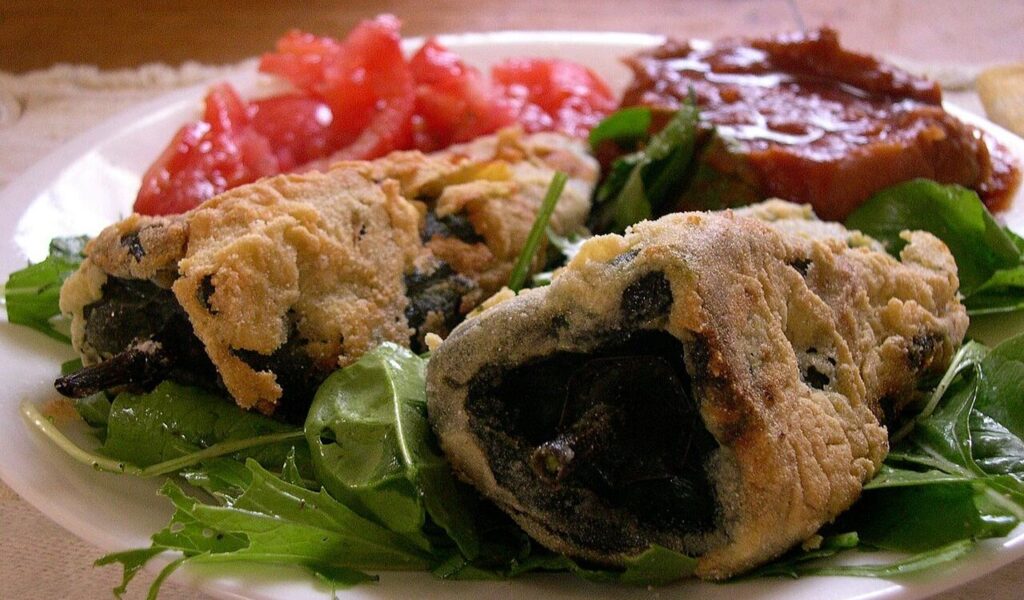
Chile rellenos combine roasted poblano peppers, melted cheese or meat filling, delicate egg batter, and shallow frying. Each step presents its own learning curve. Peppers must be blistered and peeled without tearing, which requires heat control and careful handling. Stuffing them evenly without leaking filling takes practice. The egg batter must be airy enough to puff yet stable enough to coat evenly. Frying temperature is critical, as oil that is too cool leads to a greasy coating, while oil that is too hot burns the exterior before the inside warms. Draining properly prevents sogginess. Many home cooks struggle with batter consistency and oil management, leading to uneven texture. The final dish should feel light, crisp, and tender rather than heavy or oily. Achieving that balance consistently at home can be surprisingly difficult without repetition and confidence.
8. Moqueca That Depends on Hard-to-Find Ingredients
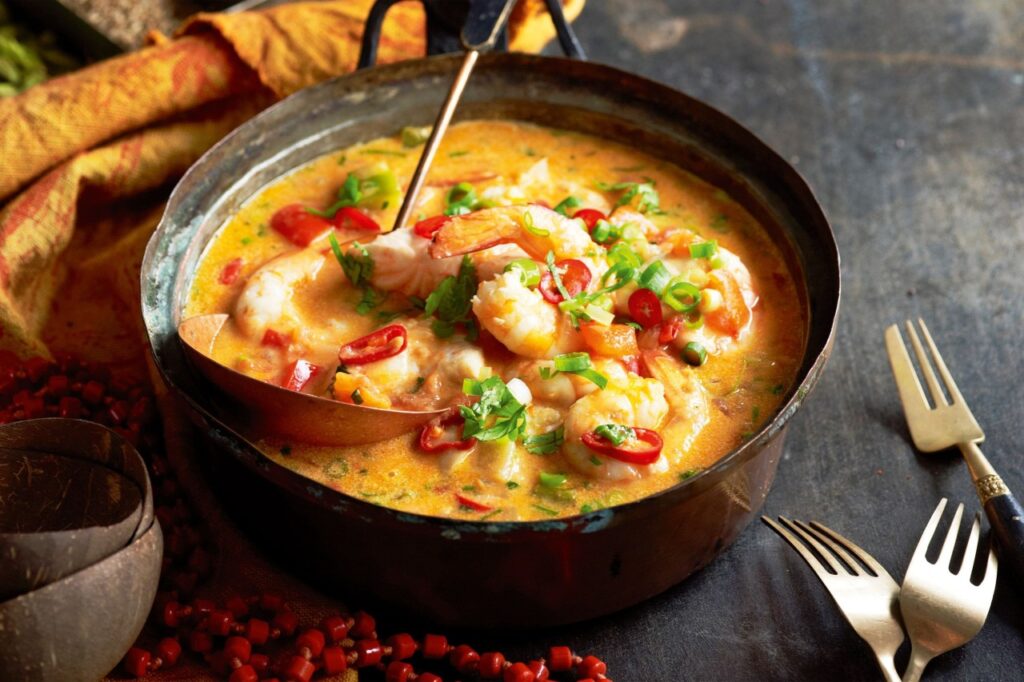
Moqueca is a Brazilian seafood stew known for its bright aroma, gentle heat, and luxurious texture. Traditional versions often rely on dendê palm oil, fresh seafood, coconut milk, peppers, onions, and herbs. Palm oil is not always easy to find in American markets, and substitutes change the flavor profile significantly. Seafood quality and freshness strongly influence the outcome, making consistency harder for inland cooks. Timing matters because seafood overcooks quickly and becomes tough or dry. The broth should feel rich but clean, never greasy or heavy. Balancing coconut sweetness with acidity and spice takes careful seasoning. Without familiarity with the ingredients and cooking rhythm, many home cooks struggle to capture the dish’s vibrant freshness and depth that define authentic moqueca.