11 Hardest Desserts to Make According to Pastry Chefs

Some desserts look beautiful and effortless, but behind the scenes, they demand skill, patience, and precise technique. Pastry chefs know that these creations test everything from temperature control to timing, structure, and ingredient behavior. A small mistake can undo hours of careful work, which is why these desserts are often reserved for professionals or experienced bakers. Understanding what makes them so challenging also reveals why a perfect version feels so special. These desserts are not just recipes; they are technical achievements built on practice and precision. Each one represents a level of craftsmanship that goes far beyond simply following instructions.
1. Croissants
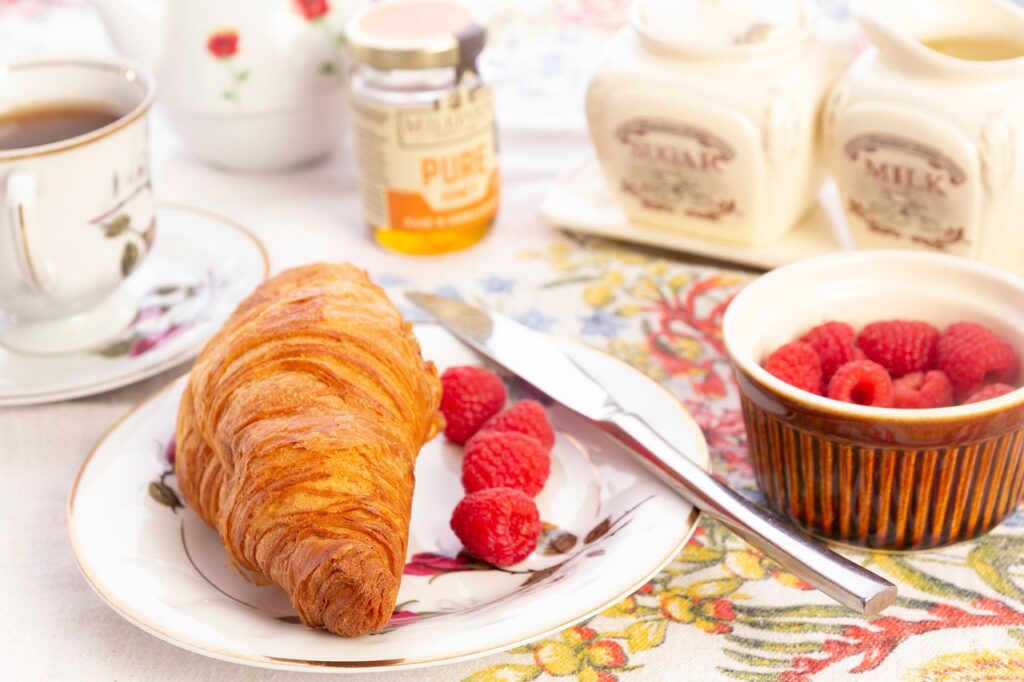
Few desserts look as simple yet demand as much precision as a croissant. What makes them difficult is lamination, the process of folding butter into dough dozens of times to create thin, even layers. The butter must stay cold but pliable, the dough must rest at the right moments, and temperature control is constant from start to finish. Too warm and the butter melts into the dough, destroying the layers. Too cold, and it breaks through, ruining the structure. Fermentation timing also matters, since underproofed croissants bake dense while overproofed ones collapse. Pastry chefs spend years refining their technique because success depends on touch, timing, and experience more than a recipe.
2. Macarons
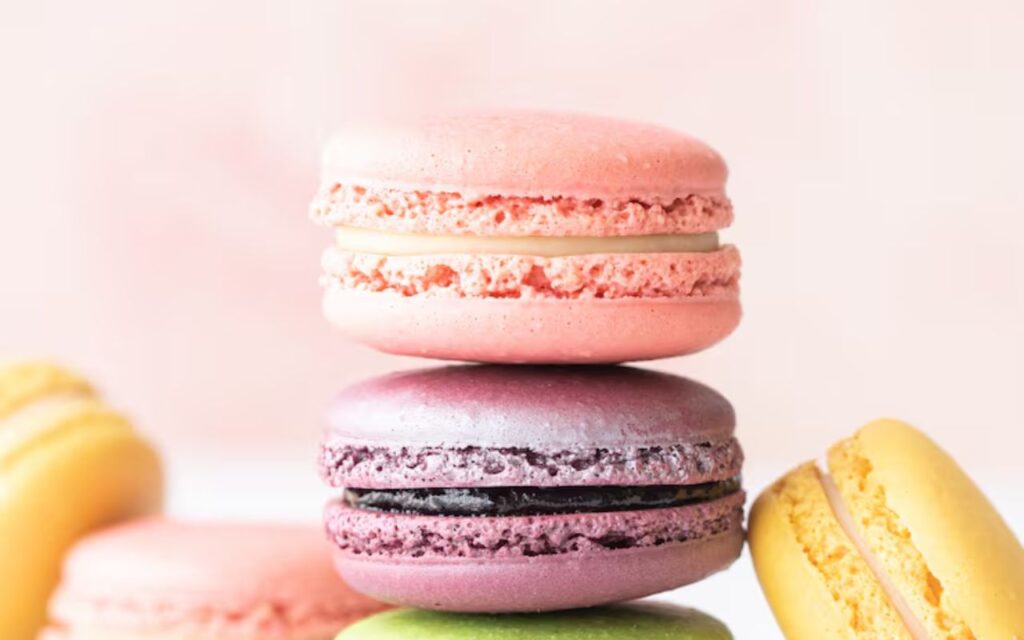
Macarons are small, elegant, and famously unforgiving. These almond meringue cookies rely on precise ratios, exact mixing, and controlled baking conditions. Even slight changes in humidity, oven temperature, or egg white consistency can cause cracking, hollows, or flat shells. The batter must be mixed just enough to flow smoothly without becoming runny, a stage known as macaronage that takes practice to recognize. Resting the shells before baking is essential for forming the signature smooth tops and ruffled feet. Pastry chefs consider macarons difficult because success depends on understanding how ingredients behave, not just measuring them correctly.
3. Soufflés
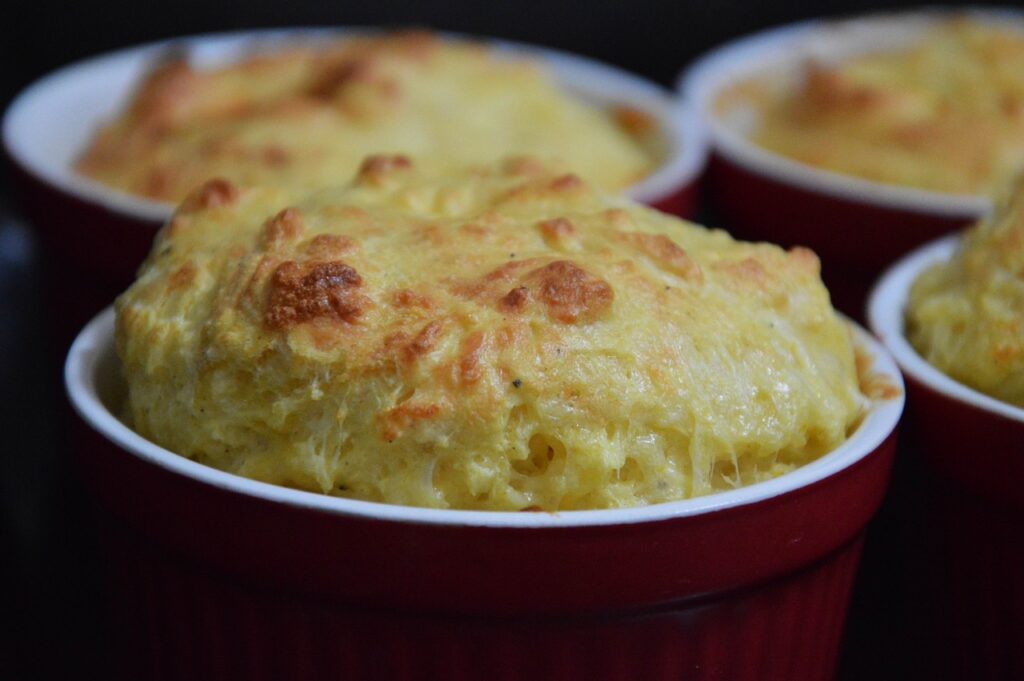
Soufflés test a baker’s understanding of structure and timing. They rely on whipped egg whites to provide lift, and that delicate air must be preserved from mixing through baking. Overmixing deflates the batter, while undermixing causes uneven rise. Oven temperature must be exact, since too low prevents lift and too high causes cracking. The real challenge comes at serving time, because soufflés begin collapsing almost immediately after leaving the oven. Pastry chefs often describe them as a race against gravity. A successful soufflé rises tall, remains light inside, and holds just long enough to impress before gently sinking.
4. Croquembouche
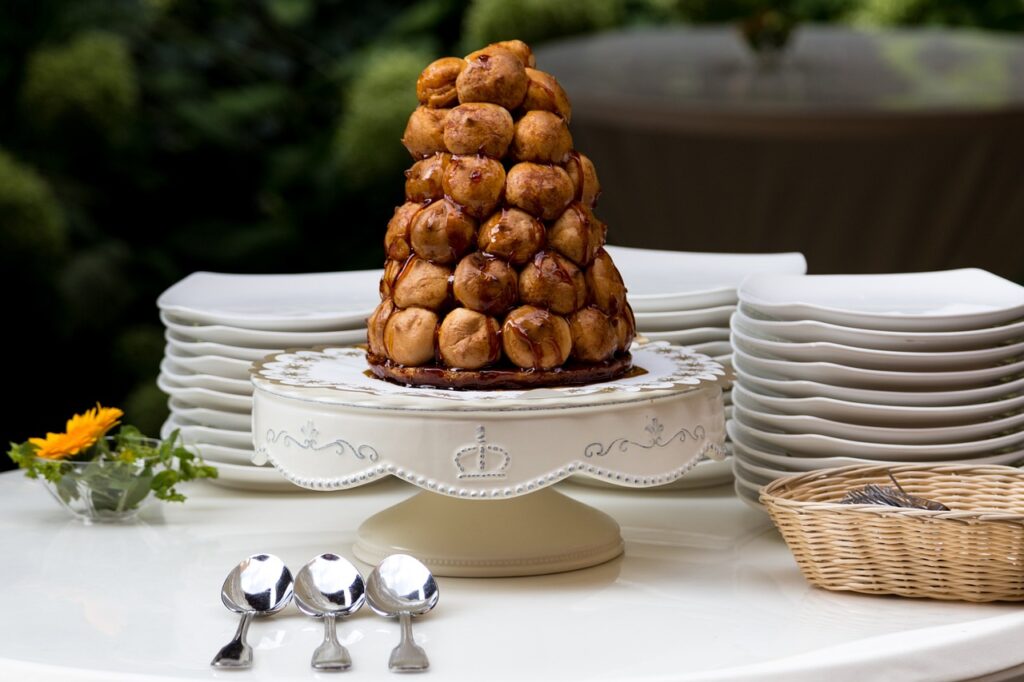
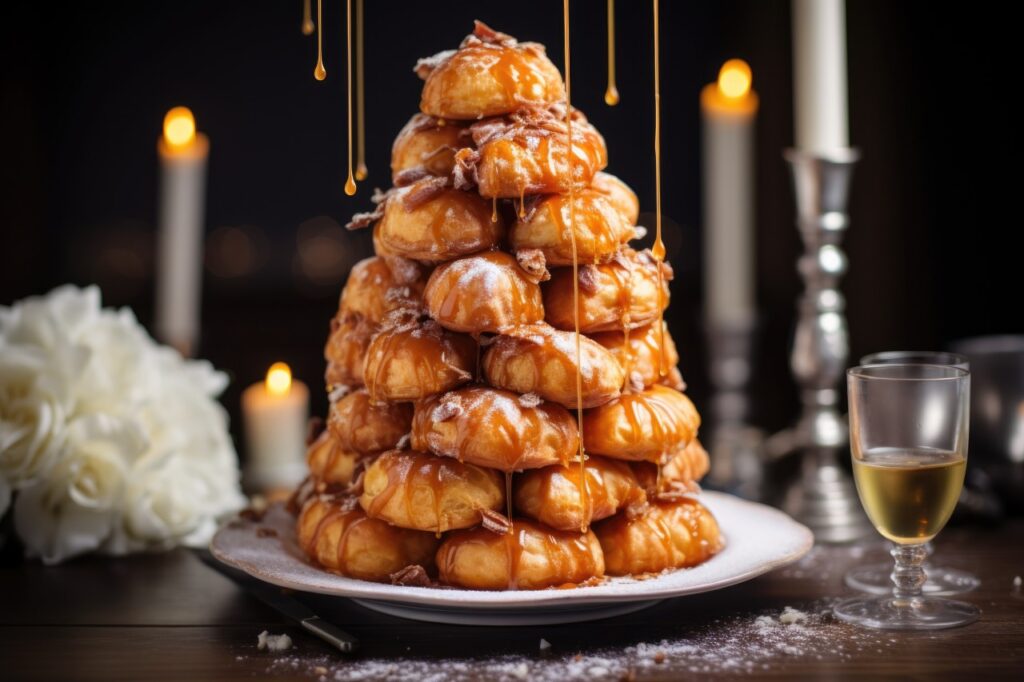
A croquembouche looks festive and dramatic, but its complexity is hidden beneath its beauty. This towering dessert is made from dozens of cream-filled choux puffs stacked and glued together with hot caramel. Each component has its own challenges. Choux pastry must be properly cooked and dried, pastry cream must be smooth and stable, and caramel must be heated to the correct stage without burning. Assembly is risky, since hot sugar can harden too fast or drip dangerously. Structural balance is crucial to prevent collapse. Pastry chefs consider croquembouche difficult because it combines technical baking, sugar work, and architectural precision in one dessert.
5. Tempered Chocolate Bonbons
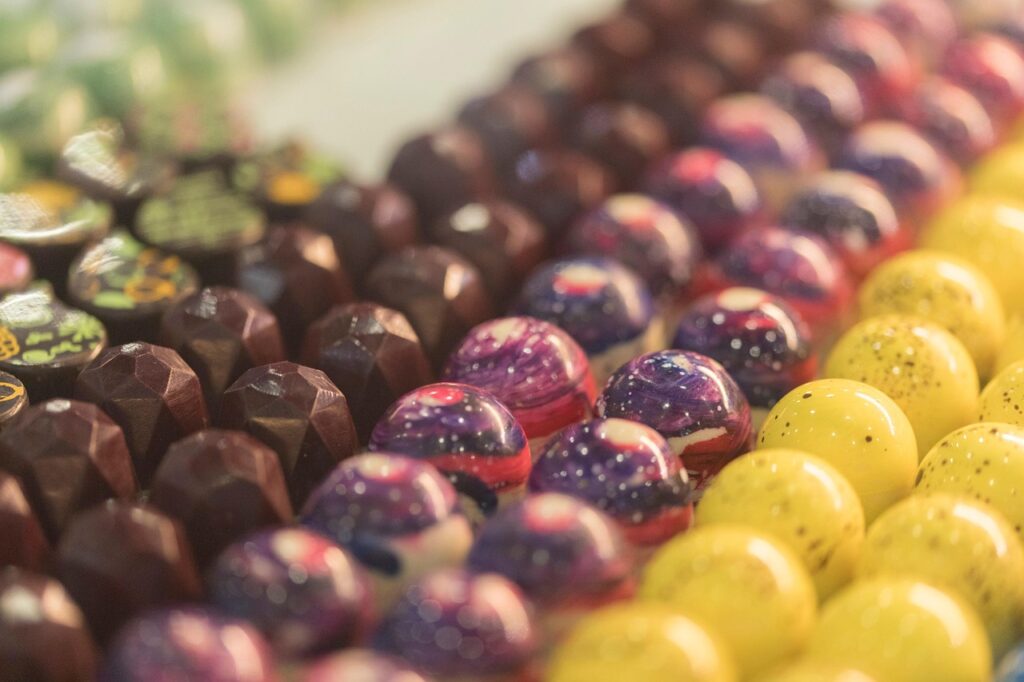
Working with chocolate demands patience and precision, especially when tempering. Chocolate must be melted, cooled, and reheated within narrow temperature ranges to achieve a glossy finish and crisp snap. If the temper is off, bonbons turn dull, streaky, or soft at room temperature. Filling adds another layer of complexity, since moisture can cause separation or mold growth. Shell thickness must be even, and sealing requires careful timing. Pastry chefs value tempering skills because they reflect a deep understanding of cocoa butter crystallization. Bonbons reward precision but punish shortcuts, making them one of the most technical desserts to master.
6. Mille-Feuille
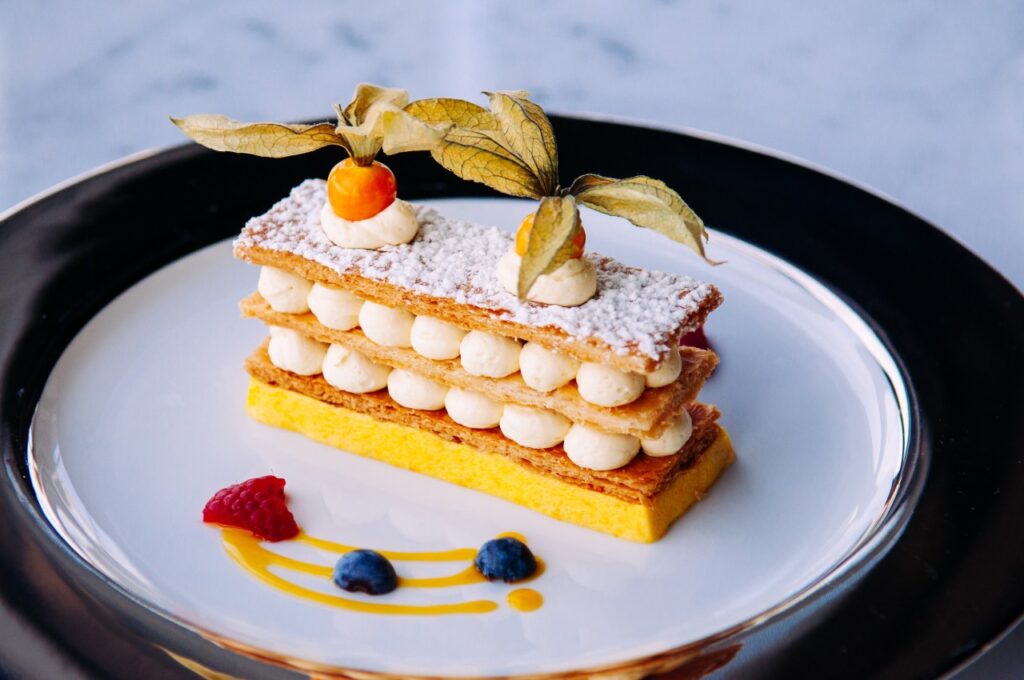
Mille-feuille means a thousand layers, and that description is not an exaggeration. This dessert relies on perfectly baked puff pastry that rises evenly and remains crisp. Any unevenness in rolling or baking leads to collapsed layers. Assembly is just as challenging, since pastry cream must be thick enough to hold its shape without soaking the pastry. Cutting requires a steady hand to avoid crushing the layers. Pastry chefs find mille-feuille difficult because flaws are instantly visible. When done well, it delivers clean layers, delicate crunch, and smooth cream in every bite, leaving no room for error.
7. Sugar Showpieces
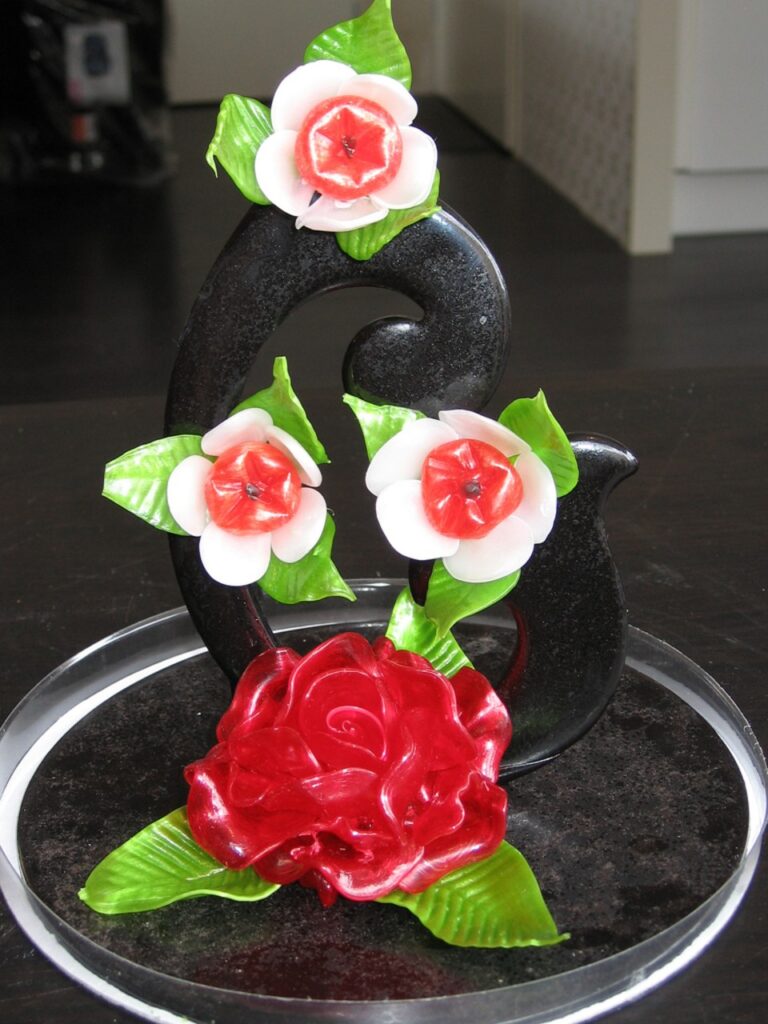
Sugar showpieces push pastry into the realm of sculpture. These creations involve cooking sugar to precise temperatures and shaping it while molten. Timing is critical, since sugar hardens quickly and reheating can cause discoloration or bubbles. Humidity is a constant enemy, as moisture weakens structure and causes surfaces to dull. Burns are a real risk, adding physical danger to the challenge. Pastry chefs train extensively to master sugar pulling, casting, and blowing techniques. These desserts are difficult because they demand speed, confidence, and experience. The result is visually stunning but fleeting, as sugar art is as fragile as it is beautiful.
8. Baked Alaska
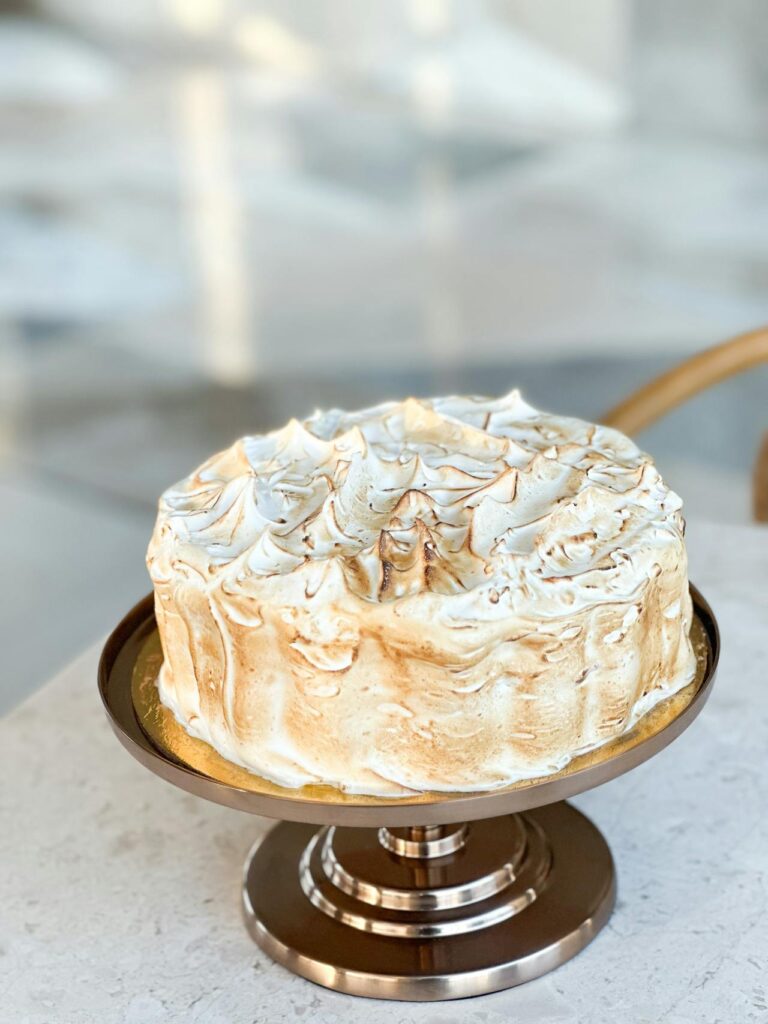
Baked Alaska defies logic by combining ice cream, cake, and flame. The challenge lies in insulating ice cream with cake and meringue so it does not melt during baking or torching. Meringue must be whipped correctly to trap air and retain its structure. Timing is critical, since even a few extra seconds of heat can ruin the structure. Assembly must be precise and efficient. Pastry chefs respect this dessert because it requires understanding heat transfer, not just baking skills. When successful, it delivers a dramatic contrast of hot and cold in a single slice. The dessert leaves no room for hesitation once the heat is applied.
9. Mirror Glaze Cakes
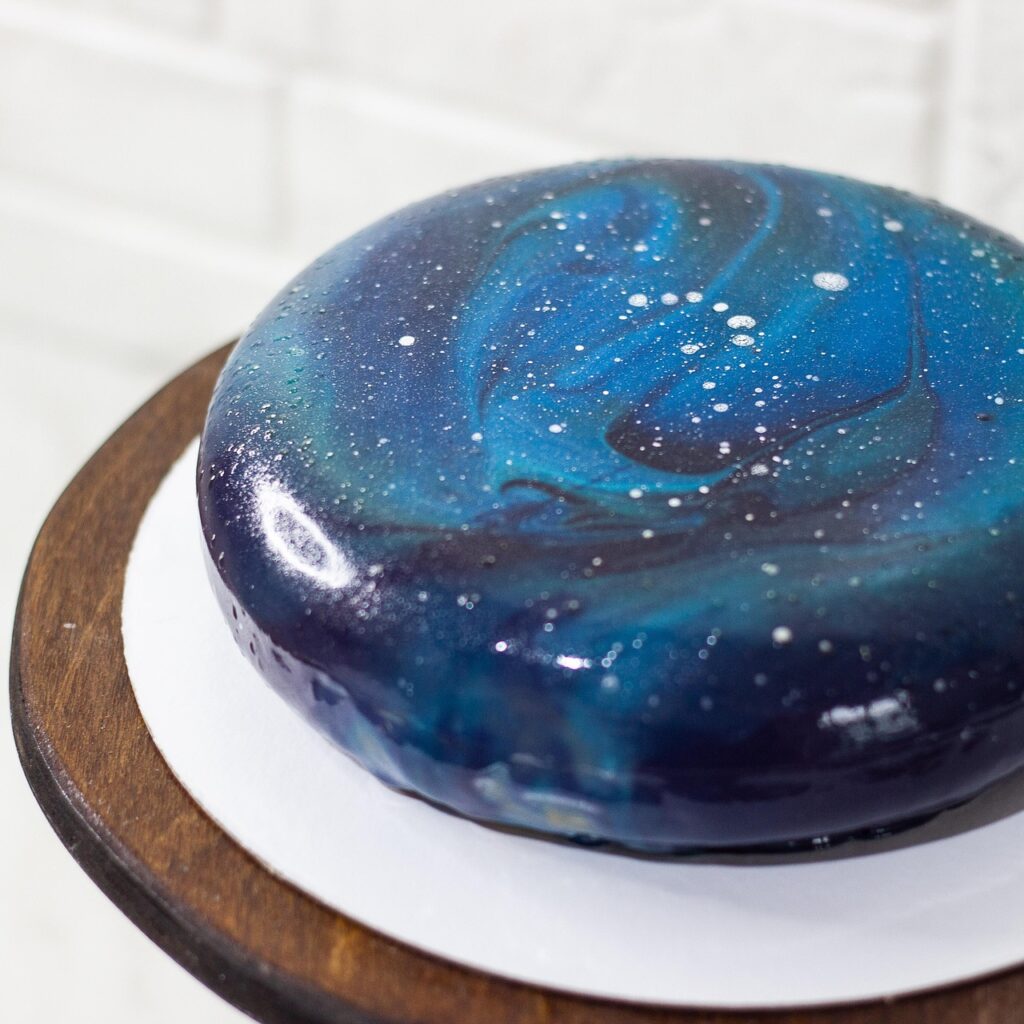
Mirror glaze cakes demand visual perfection. The glaze must be smooth, glossy, and poured at an exact temperature to coat evenly without streaks or bubbles. Cakes must be frozen solid and flawlessly smooth before glazing, since imperfections show instantly. Color balance, thickness, and flow rate all matter. Even experienced pastry chefs find mirror glaze stressful because small mistakes cannot be hidden. The dessert may taste simple, but its appearance requires precision and planning. A flawless mirror glaze reflects light like glass, making it one of the most visually striking yet technically demanding finishes.
10. Choux Pastry Éclairs
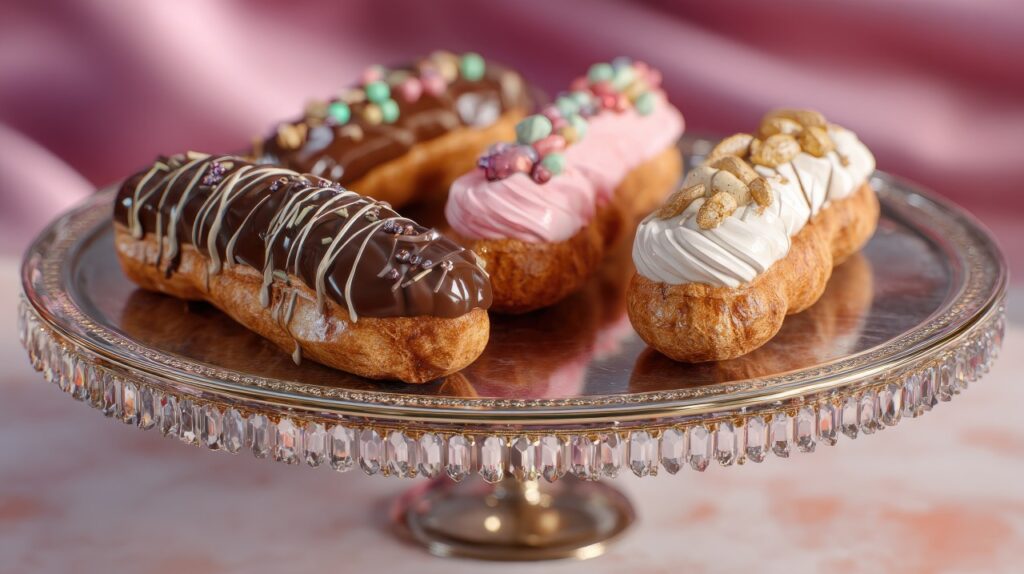
Choux pastry may look basic, but it reveals its difficulty quickly. The dough must be cooked properly on the stove before baking to develop structure. Too much moisture causes collapse, while too little prevents expansion. Oven temperature and steam control affect how well the éclairs puff and dry. Filling adds another challenge, since shells must remain crisp while holding creamy fillings. Glazing requires balance to avoid sogginess. Pastry chefs often say choux teaches discipline because each step builds on the last. A perfect éclair is light, hollow, crisp, and evenly shaped. Any shortcut along the way is immediately visible in the final result.
11. Laminated Brioche
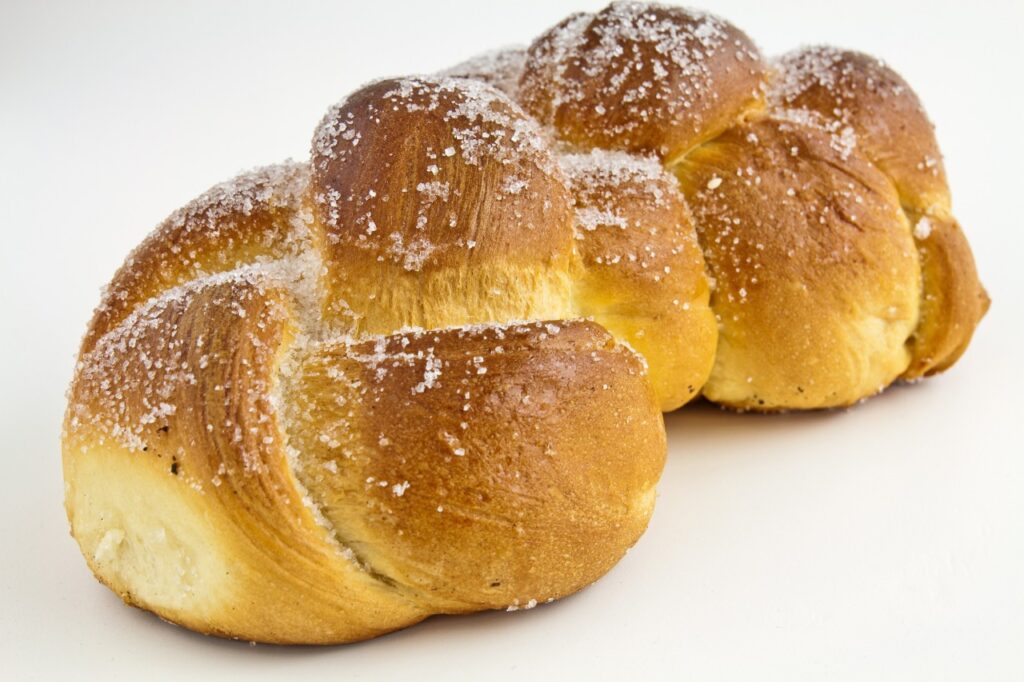
Laminated brioche blends richness with technical difficulty. Unlike puff pastry, brioche contains eggs, sugar, and butter, which complicate lamination. The dough must stay elastic while holding layers of butter, a balance that is easy to lose. Fermentation timing is critical, as enriched doughs behave differently from lean ones. Overproofing leads to collapse, while underproofing produces dense results. Pastry chefs find this dessert challenging because it demands mastery of both bread baking and pastry lamination. When successful, laminated brioche delivers delicate layers with deep flavor and tender crumb, making the effort worthwhile.