The Flavor Problem Home Cooks Keep Running Into Lately

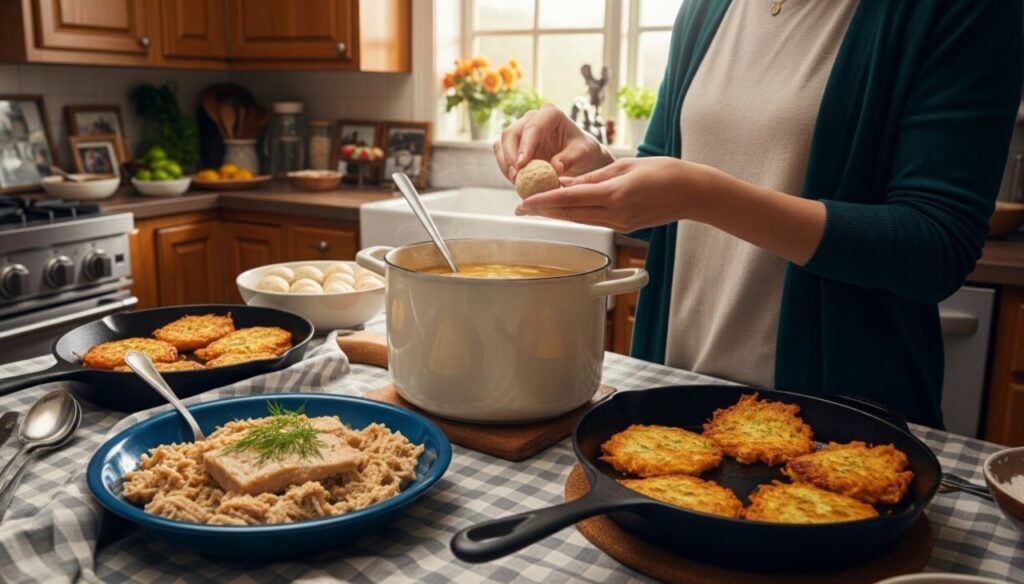
Have you followed a trusted recipe step by step, only to find the final dish tastes flat? Many home cooks are running into this frustration more often than expected. Meals that once felt bold and satisfying now seem muted, even when the same techniques and timing are used. The issue is not always a lack of skill or attention. Subtle shifts in ingredient quality, salt content, and pantry staples have quietly altered how flavors build in everyday kitchens. Lower-sodium broths, leaner proteins, and mass-produced produce harvested for durability rather than ripeness can reduce depth. When foundational ingredients carry less intensity, even well-executed recipes can feel less vibrant.
From less aromatic herbs to reformulated packaged goods and spices that lose potency quickly, small changes accumulate in ways that are easy to overlook. Flavor relies on contrast between salt, acid, fat, sweetness, and bitterness, and when one weakens, the dish can taste incomplete. Even oils and vinegars vary in character, influencing aroma and mouthfeel more than many realize. Modern supply chains prioritize consistency and shelf life, sometimes at the expense of vibrancy. Understanding these shifts helps explain why cooking may feel different lately and offers a path toward restoring richness and balance in home-prepared meals.
Why Food Tastes Flat
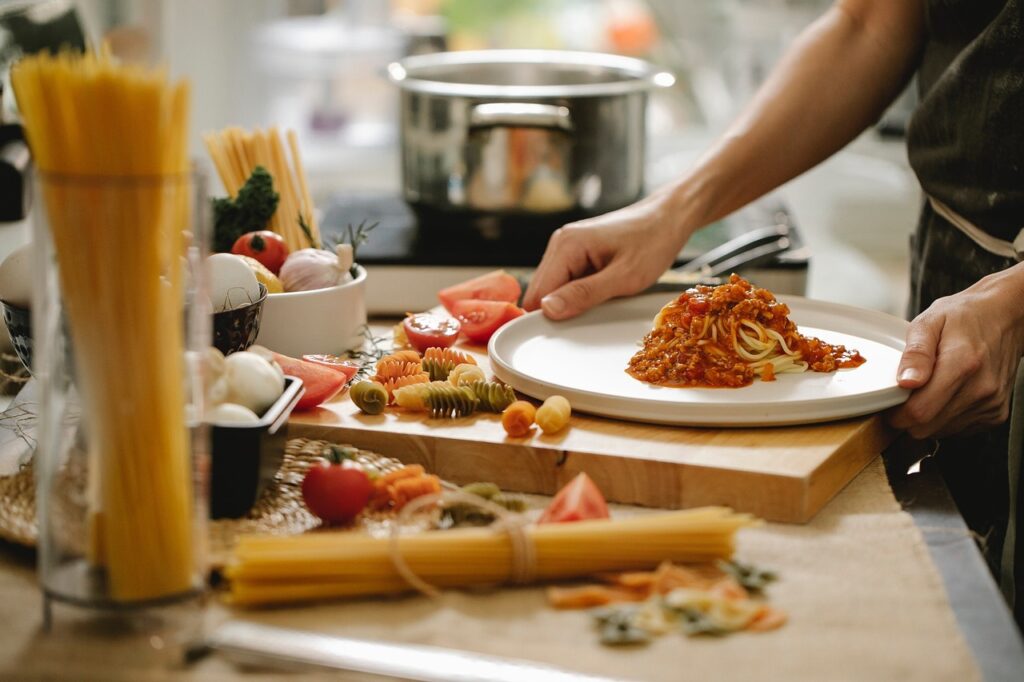
Many home cooks describe the same frustration: a recipe that once delivered bold, balanced flavor now tastes muted or incomplete. The problem is not always technique or timing. In recent years, subtle shifts in ingredient composition, salt reduction trends, and food processing adjustments have influenced how flavors show up in everyday cooking. Lower-sodium packaged broths, leaner cuts of meat, and reduced-fat dairy products can affect depth and mouthfeel. Even canned tomatoes and prepared sauces may contain less natural sweetness than before. When foundational ingredients lose intensity, finished dishes feel less layered and satisfying, even when the recipe remains carefully followed.
Flavor also depends heavily on contrast and balance. Sweetness, acidity, salt, bitterness, and umami must interact in the right proportions to create a full sensory experience. If one element is reduced, the overall profile can feel flat or slightly off. Many modern pantry staples are formulated for longer shelf life and cost efficiency, which can soften their flavor impact. Dried herbs may lose potency faster, and pre-ground spices fade more quickly than cooks expect. What many people interpret as a personal misstep often reflects broader shifts in ingredient quality and formulation that subtly reshape how home-cooked meals taste.
The Ingredient Quality Shift
One of the most noticeable shifts affecting home kitchens is ingredient variability. Produce is often bred and harvested for durability and transport rather than ripeness, which impacts flavor intensity. Tomatoes picked early may appear vibrant but contain fewer natural sugars and aromatic compounds. Onions and garlic can vary in pungency depending on storage time and growing conditions. Herbs lose volatile oils quickly once cut and shipped long distances. Climate fluctuations, soil composition, and large-scale farming practices also influence flavor chemistry. Even when ingredients look fresh and appealing, their flavor may not match what home cooks remember from past seasons.
Proteins and dairy have evolved in quieter ways. Leaner breeding and feeding practices in livestock can reduce fat marbling, which plays a major role in carrying flavor and moisture. Mass-produced cheeses are often aged for shorter periods to meet demand, limiting the depth and complexity that aging develops. Commercial broths, canned goods, and condiments have also undergone reformulation to reduce sodium or manage costs. These adjustments may improve shelf stability or labeling, but they can soften overall flavor impact. Over time, these gradual shifts reshape many recipes, leaving dishes tasting lighter and less robust than before.
Seasoning Mistakes That Add Up
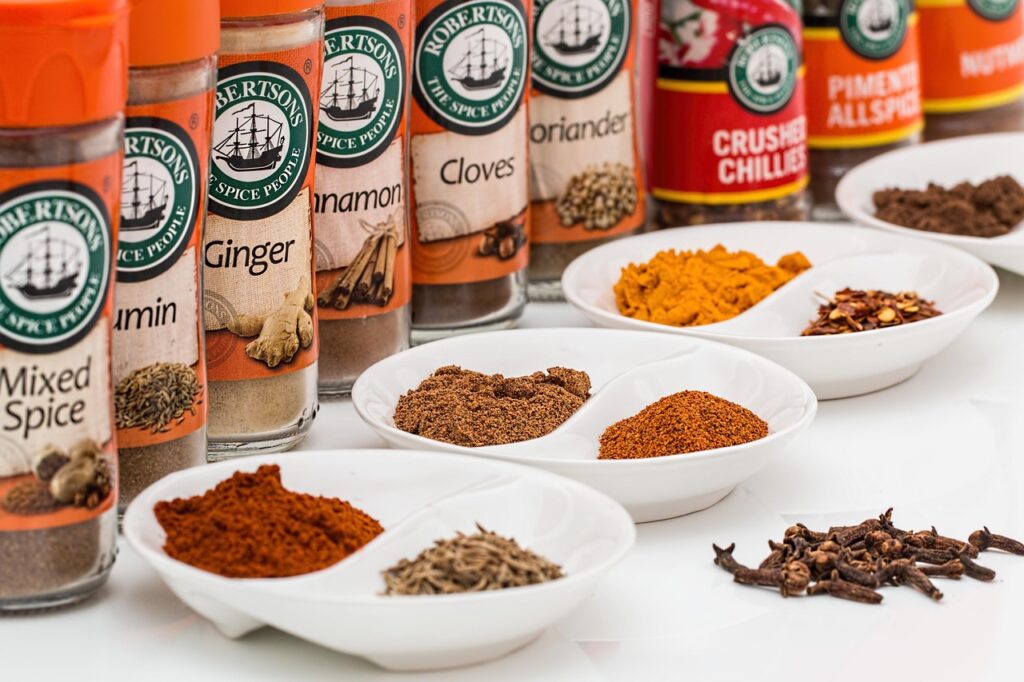
Another factor lies in how seasoning is applied throughout the cooking process. Many home cooks wait until the very end to add salt, hoping to correct flavor in one final step. However, salt behaves differently when introduced early. It draws moisture to the surface of proteins, improves browning, and penetrates vegetables as they soften. When seasoning is layered during cooking rather than sprinkled on top afterward, it builds structure and depth. Salting pasta water properly, seasoning meat before searing, and adjusting in stages allows flavors to develop evenly. Without that gradual layering, dishes often taste flat even if the total amount of salt seems adequate.
Acidity is equally important yet frequently overlooked in everyday meals. A small squeeze of lemon, a splash of vinegar, or a spoonful of yogurt can sharpen and balance richness in ways salt alone cannot achieve. Acid brightens sweetness, tempers bitterness, and lifts heavy flavors, creating contrast that makes food feel more vibrant. At the same time, many dried spices sitting in home pantries have lost much of their volatile oils, weakening their aroma and intensity. When spices are stale and acid is missing, dishes lack dimension. Even minor seasoning oversights compound over time, leaving carefully prepared meals tasting incomplete.
Pantry Staples That Lost Punch
Many pantry staples have quietly changed in ways that are easy to miss but noticeable on the plate. Canned tomatoes, for example, may include added stabilizers or come from varieties bred more for durability than sweetness. Store-bought sauces often rely on starches and gums for thickness rather than slow simmering to concentrate flavor. Pre-ground spices, which lose volatile oils quickly once processed, can sit on shelves long enough to dull their aroma before they ever reach a home kitchen. These adjustments rarely stand out on labels, yet they shape how dishes taste once cooked. What once provided natural brightness or depth may now deliver a softer, less defined flavor base.
Cooking oils and vinegars show significant variation in quality and character. Lower-grade olive oils may lack the peppery, grassy notes that add dimension to simple preparations. Neutral oils can feel flat if overly refined. Vinegars produced for mass distribution are sometimes diluted to ensure consistency, resulting in sharper acidity but less nuance. Even soy sauces, mustards, and condiments differ in fermentation time and ingredient concentration. When these components lack complexity, recipes depend more heavily on added seasoning to compensate. Over time, the cumulative effect of these quieter downgrades can make home-cooked meals feel less vibrant than before.
How to Bring Flavor Back
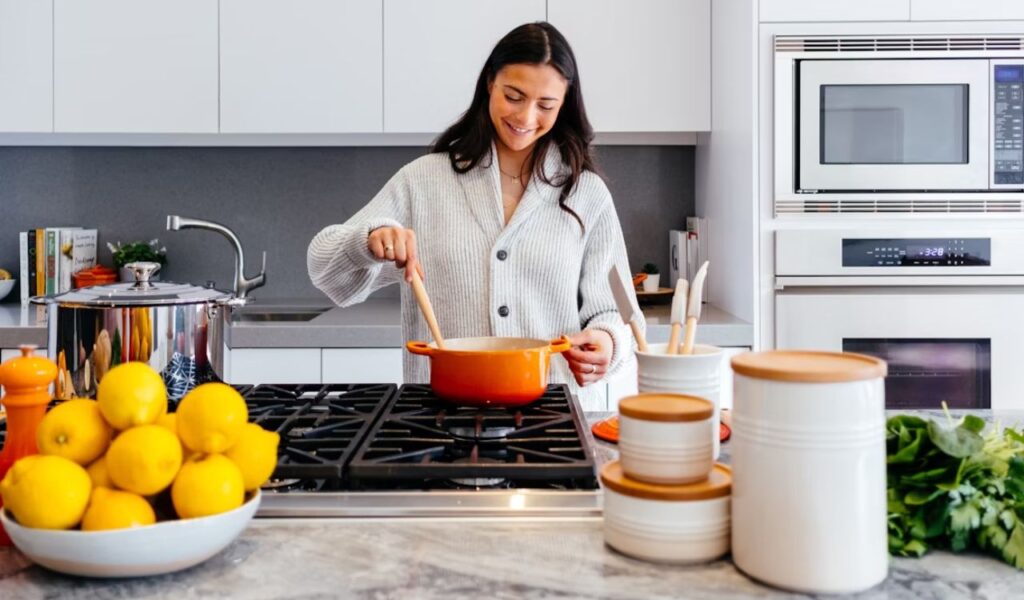
Restoring vibrancy in home cooking rarely requires dramatic reinvention; it depends on deliberate adjustments that rebuild flavor from the foundation up. Choosing produce in season, when natural sugars and aromatic compounds are developed, can improve depth. Tasting ingredients before adding them allows cooks to gauge strength and adjust accordingly. Refreshing dried spices regularly ensures their oils are active and aromatic. Using better-quality oils and properly salting cooking water from the start strengthens structure. Even small shifts in attention, such as allowing onions to caramelize or seasoning in stages, create noticeable improvement in balance and intensity.
Layering remains one of the most reliable ways to restore depth. Browning proteins thoroughly builds savory compounds through caramelization, while deglazing pans captures concentrated flavor left during cooking. Allowing sauces to simmer long enough to reduce enhances richness without relying on thickeners. Finishing dishes with fresh herbs, citrus zest, or a splash of acid adds brightness that awakens heavier elements. Texture also matters; contrast between crisp and tender components makes flavors feel more dynamic. When cooks season thoughtfully and give ingredients time to develop, meals regain the fullness and clarity that may have seemed missing.
Reference
- “It Makes All The Flavors Pop”: Home Cooks Are Sharing The Simple Little Secret That Makes Their Food Taste Soooo Much Better – yahoo.com
- Can Flavor Make Scientific Sense? – issues.org