Limited Time Fast Food Releases Are Losing Their Magic and Brands Are Concerned

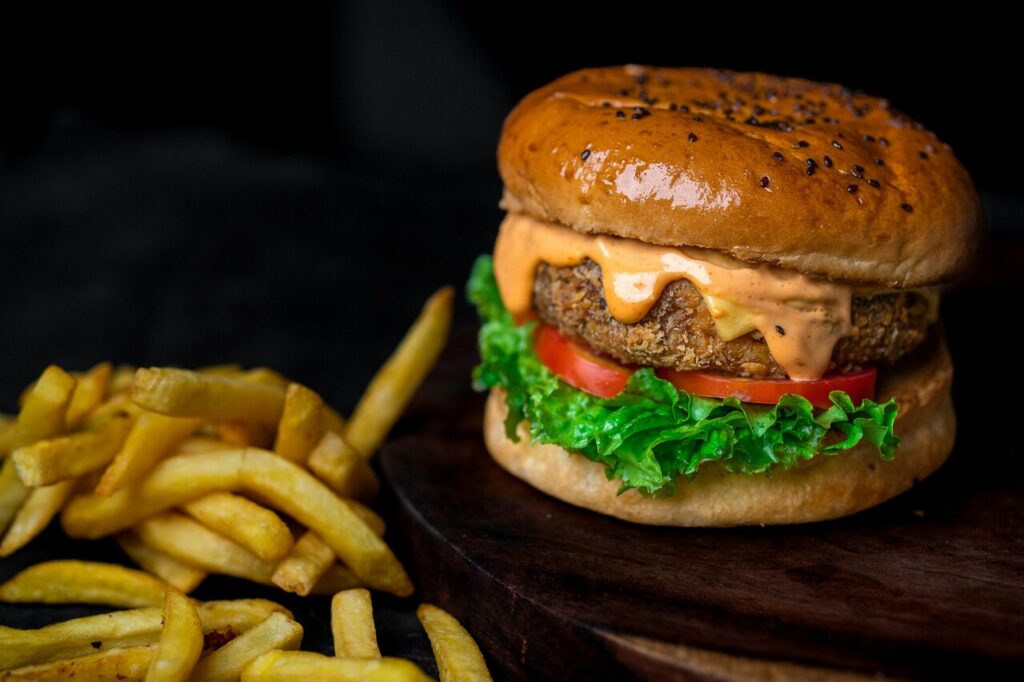
Limited time menu items have long been a powerful marketing tool for fast food brands. These short-term releases once created excitement by offering something new and unexpected to loyal customers. In recent years, however, the strategy has begun to show signs of fatigue. Frequent promotions, rising customer expectations, and shifting spending habits are changing how diners respond to these launches. What once felt like a rare opportunity to try something different can now appear routine. As a result, many fast food companies are reconsidering how they use limited releases and how often they introduce them.
The Limited Time Craze
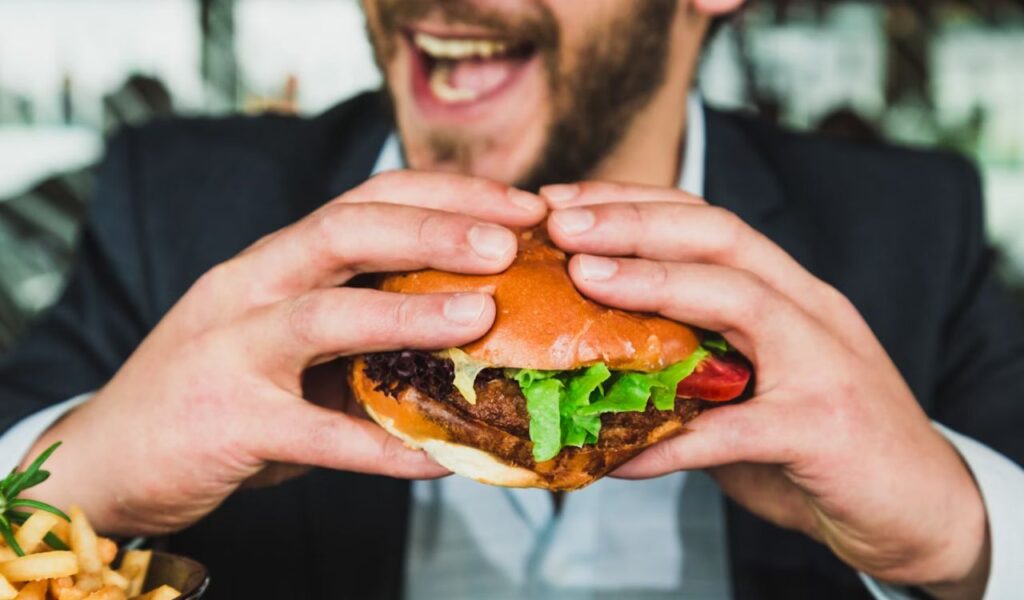
Fast food restaurants have long relied on limited releases to create excitement around their menus. Temporary items promise something different from the everyday offerings that customers already know. By introducing a new burger, dessert, or sauce for only a short period, brands encourage people to visit quickly before the item disappears. This sense of urgency has traditionally helped drive traffic. Customers often feel motivated to try something new before it is gone. Marketing teams carefully design these promotions to capture attention. Bright visuals and bold names help the items stand out.
Limited releases also help restaurants keep their menus feeling fresh without making permanent changes. A short-term product allows brands to experiment with flavors that may not fit into the regular menu. If the item performs well, it generates buzz and boosts sales for a brief period. If it fails, the brand can quietly remove it without long-term consequences. This flexibility made limited offers an appealing strategy for fast food chains. It allowed companies to take creative risks. Chefs could explore unusual flavor combinations. This approach helped brands learn what diners might want in future menu additions.
Another advantage of temporary releases is the marketing opportunity they create. Announcements about new items give brands a reason to communicate with customers and appear in advertising campaigns. These launches often include promotional images, social media posts, and collaborations with influencers. The combination of novelty and urgency once made limited items one of the most effective tools for attracting attention. Media coverage often amplified the excitement around these launches. Fans sometimes shared reviews and reactions online. This discussion helped spread awareness quickly. The buzz around the product often encouraged curious customers to visit.
The Early Success Formula
In the early years of this strategy, limited-time menu items generated genuine excitement among customers. New flavors appeared only occasionally, which made each launch feel special. Seasonal ingredients, unusual toppings, or regional inspirations gave customers something unexpected to try. Many diners viewed these releases as an opportunity to experience something different from the standard fast food menu. Restaurants sometimes tied these items to holidays or seasonal themes. Promotional campaigns often highlighted the uniqueness of the product. Customers often looked forward to these moments as rare menu events.
Brands also used limited releases to explore new culinary ideas without changing their core identity. A chain known for burgers could experiment with a spicy sauce or a new style of sandwich for a few weeks. If customers responded positively, the company gained valuable insights about flavor preferences. This ability to test ideas helped restaurants refine their menus while keeping customers engaged. The experiments often revealed unexpected customer favorites. Some limited items were later returned as permanent options. Data collected during the promotion helped guide such future menu decisions.
The Novelty Fatigue
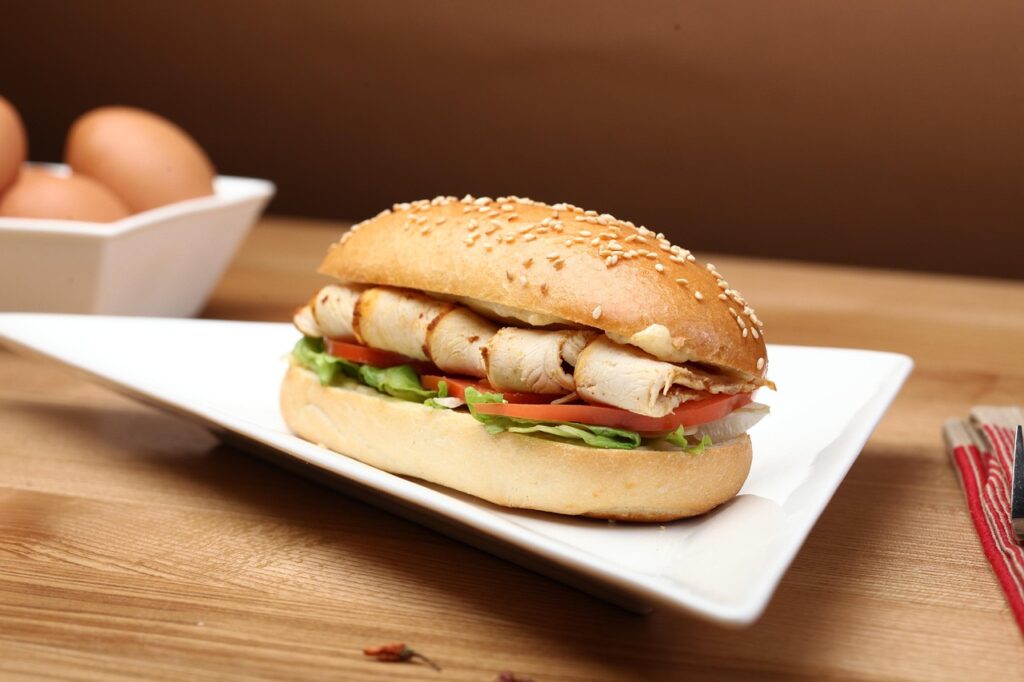
The strategy began to lose some of its power as limited releases became more frequent. When new items appear every few weeks, the sense of novelty starts to fade. Customers become accustomed to seeing promotional announcements and may no longer feel the same urgency to try the product immediately. What once felt special begins to feel routine. Frequent promotions reduce the element of surprise. Customers may ignore announcements they once found exciting. Repetition weakens the emotional impact of the launch. This gradual fatigue reduces the effectiveness of the strategy. Some diners begin to treat these promotions as ordinary menu updates.
Frequent launches also make it harder for any single item to stand out. When multiple chains introduce temporary products at the same time, customers are exposed to many competing promotions. This crowded environment reduces the impact of individual campaigns. Instead of generating excitement, the constant stream of new items can create fatigue among consumers. Promotions may begin to blur together. Customers struggle to remember specific products. Advertising messages compete for limited attention. The result is a weaker response from diners. Many promotions disappear before customers even notice them.
Another challenge is that repeated promotions may raise expectations that are difficult to satisfy. Customers may expect each new item to be dramatically different from the last. When the differences are small, or the flavor combinations feel familiar, the excitement quickly fades. As a result, the overall impact of limited releases becomes weaker than it once was. Customers may become skeptical of promotional claims. Some diners choose to wait for reviews before trying new items. Others simply stick with their favorite menu choices. The promotional excitement slowly declines. Over time, the novelty begins to feel predictable.
The Expectation Problem
As limited releases became a common marketing tactic, customer expectations began to rise. People now expect temporary items to offer something truly different from the regular menu. A simple variation of an existing burger may not feel exciting enough to attract attention. Diners increasingly look for bold flavors or unusual combinations that justify the promotional hype. Customers want experiences that feel memorable. Ordinary variations may not capture their interest. The demand for creativity becomes stronger. This pressure influences product development teams. Brands must work harder to surprise their customers.
This expectation can create difficulties for restaurants. Developing truly unique menu items requires significant testing and planning. Kitchens must consider ingredient sourcing, preparation methods, and cost control. Creating something distinctive while maintaining efficiency in a fast-paced kitchen environment is not always easy. Teams must balance creativity with practicality. New ingredients may require special storage conditions. Preparation steps must remain simple enough for busy kitchens. Operational limits influence the final product. These practical limits often shape the final recipe.
If the final product fails to meet expectations, customers may react with disappointment. Online reviews and social media discussions quickly highlight any shortcomings. Negative reactions can spread rapidly, reducing the effectiveness of the promotion. Brands, therefore, face increasing pressure to deliver temporary items that genuinely surprise and satisfy customers. A weak product can damage the campaign. Customers may lose trust in future promotions. Brands must therefore plan launches carefully. Consistent quality becomes essential. Maintaining credibility becomes just as important as creating excitement.
The Data Testing Strategy
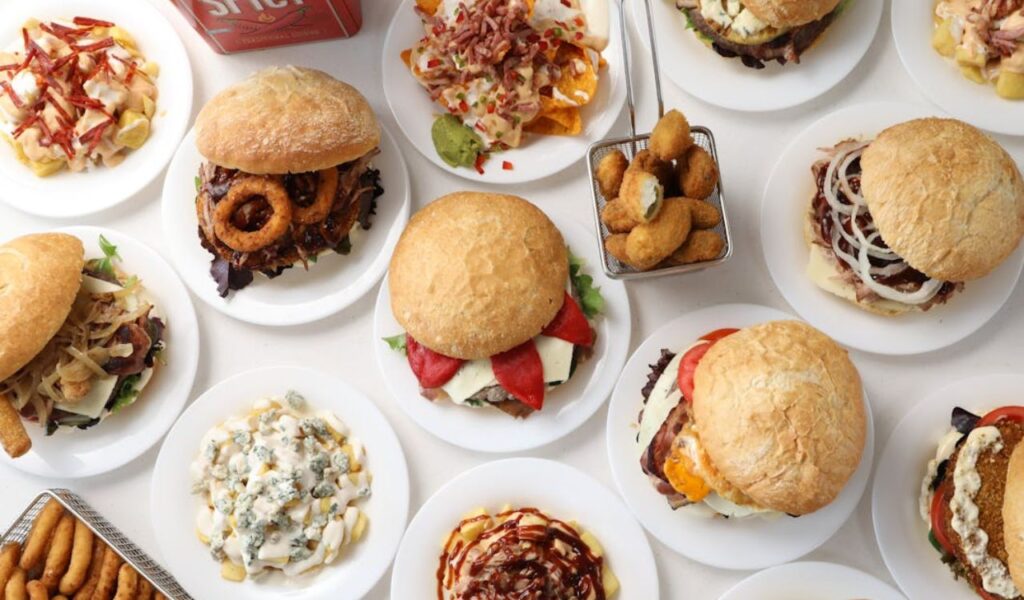
Limited-time menu items are not only marketing tools but also valuable testing opportunities for fast food companies. Restaurants often introduce these products to observe how customers respond to new ingredients or flavor combinations. Sales performance during the promotional period provides useful information about consumer preferences. This feedback helps companies evaluate whether the idea has long-term potential. Data collected during the release can reveal patterns in purchasing behavior. Companies study which locations sell the product most successfully. These insights help guide future menu decisions.
Limited releases can also reveal operational challenges before a product becomes permanent. If preparation slows down kitchen workflows, managers quickly notice the issue. Feedback from restaurant staff becomes part of the evaluation process. These operational insights help determine whether the product is practical for daily service. Testing, therefore, involves both customer reactions and kitchen performance. Managers analyze preparation time and ingredient availability. This careful analysis helps restaurants maintain efficiency while exploring new ideas. Operational feedback often determines whether the concept moves forward.
The Operational Strain
Behind the scenes, limited-time releases often create extra pressure for restaurant operations. Temporary menu items require ingredients that may not be part of the normal supply chain. Restaurants must coordinate deliveries carefully so that supplies arrive in time for the promotion. Forecasting demand becomes challenging because the product has no previous sales history. Managers must estimate how much inventory will be needed. Too little supply leads to shortages and customer frustration. Too much inventory creates waste when the promotion ends. These risks add complexity to the planning process.
Operational strain can also extend to kitchen equipment and workflow design. Certain temporary items may require new sauces, toppings, or cooking steps. These additions can disrupt the rhythm of an already busy kitchen. If the process becomes too complicated, service times may increase during peak hours. Restaurants must therefore evaluate whether a creative idea is practical for daily preparation. Efficiency remains a critical priority in fast food environments. Even a small delay in preparation can affect overall service speed. Operational practicality ultimately determines whether an item can succeed.
The Social Media Effect
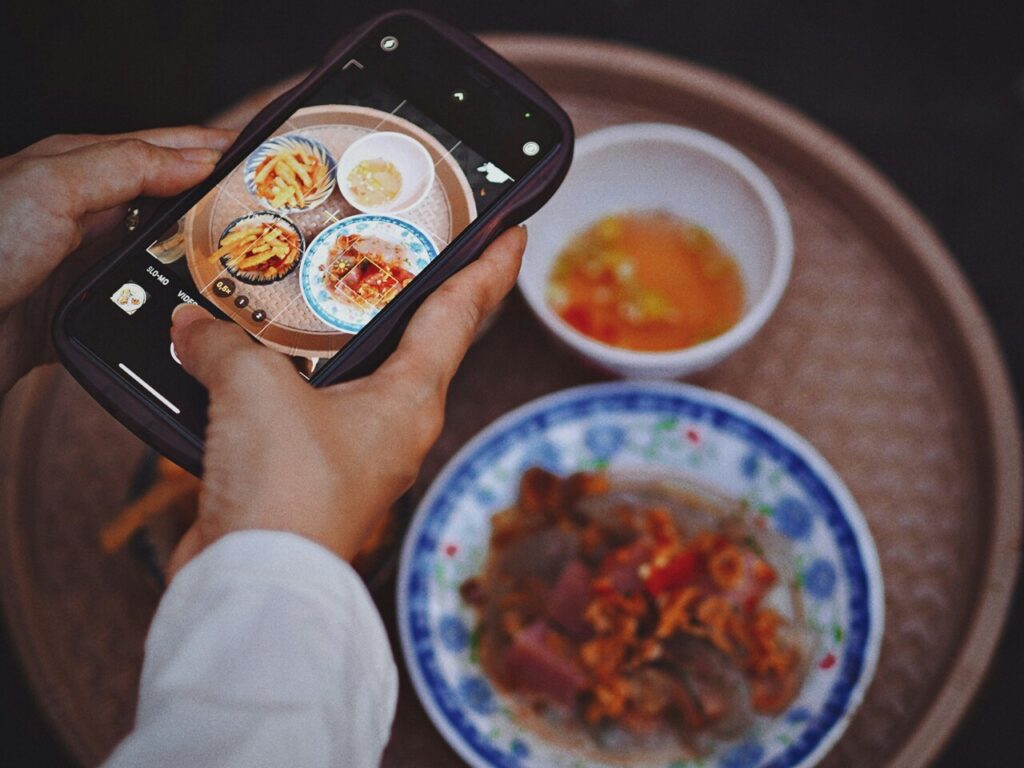
Social media has become a major channel for promoting new fast food products. Brands frequently announce limited releases through visually striking posts and short promotional videos. These digital campaigns are designed to capture attention quickly. A colorful burger or unusual dessert can generate significant online interest within hours. Influencers and food bloggers often amplify this visibility. Their reviews and reactions reach large audiences. The online conversation creates a sense of excitement around the product. This digital buzz helps spread awareness rapidly. Social platforms, therefore, play a central role in modern promotions.
Social media can also amplify negative reactions. If customers feel disappointed by a product, they often share their opinions publicly. Critical reviews and photos spread quickly across platforms. This rapid feedback can influence potential customers who have not yet tried the item. A single negative trend can affect public perception of the product. Brands must monitor online conversations carefully. Managing reputation has become part of every product launch. Public reaction now shapes the success of promotional campaigns. Online commentary can strongly influence the life of a promotion. Companies often respond quickly to address concerns.
The Value Shift
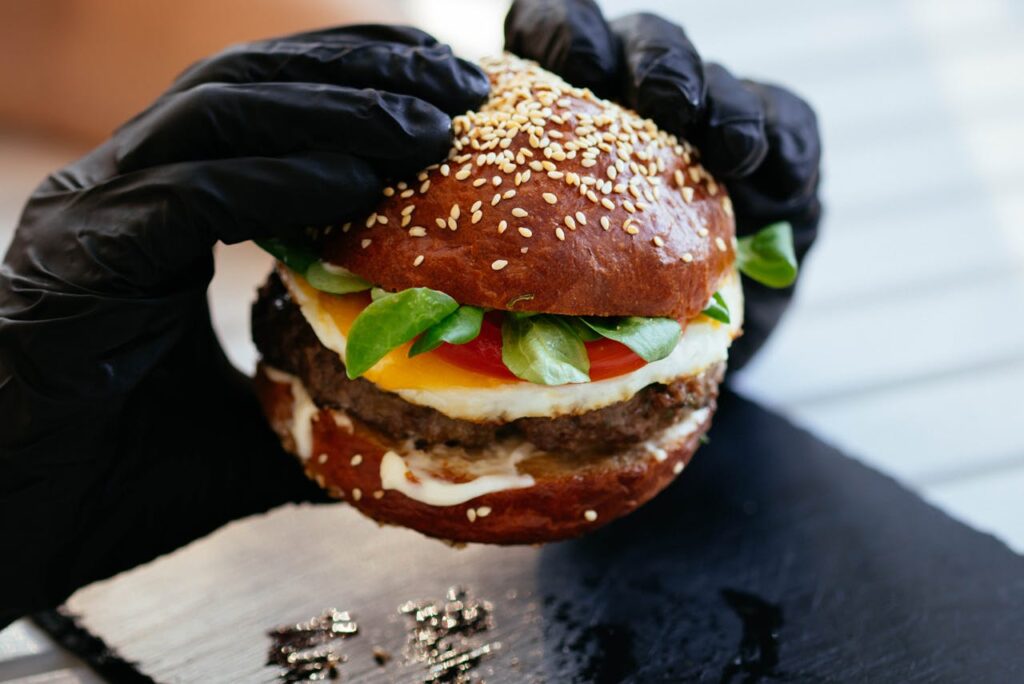
Customer priorities in the fast food industry have been shifting in recent years. Many diners are now more focused on affordability than on novelty. Rising menu prices have encouraged people to pay closer attention to value. Customers often compare the cost of different menu items before making a decision. In this environment, value meals and discounts attract strong interest. Budget considerations influence how frequently people visit restaurants. Diners may choose familiar meals that feel reliable and reasonably priced. This practical mindset affects the success of experimental items. Price awareness now plays a larger role in customer decisions.
Limited-time releases sometimes include premium ingredients or more complex preparation methods. These factors can increase the price of the item compared with standard menu choices. Customers who are watching their spending may hesitate to try a product that costs more than usual. Even an appealing promotion may not overcome concerns about price. When budgets are tight, value becomes the deciding factor. Diners often choose meals that provide the best perceived deal. This behavior shifts attention away from novelty. Affordability often outweighs curiosity. Price sensitivity can limit the success of promotional items.
Restaurants, therefore, face the challenge of balancing creativity with affordability. A unique product may generate curiosity, but it must still feel accessible to customers. If the price appears too high, many diners simply skip the promotion. Successful launches often combine interesting flavors with reasonable pricing. This balance increases the chances that customers will give the product a try. Pricing strategy, therefore, plays an important role in promotional success. Value perception strongly influences customer decisions. Restaurants must design promotions that feel worthwhile. Affordability remains a central factor in customer satisfaction.
The Menu Strategy Reset
In response to changing customer behavior, some fast food brands are reconsidering how often they launch limited releases. Instead of introducing new items every few weeks, companies may choose a slower schedule. This approach allows them to focus on fewer products that receive more careful development. By reducing the frequency of launches, brands can restore a sense of anticipation. Each new item feels more significant when promotions are less common. Customers may pay closer attention to the announcement. The reduced pace helps maintain excitement. A slower strategy can strengthen the impact of each launch.
A more selective strategy also allows companies to refine product quality. Development teams have additional time to test recipes and adjust ingredients. Marketing campaigns can highlight the product more effectively when fewer promotions compete for attention. This careful preparation increases the likelihood of a successful launch. Stronger planning helps avoid disappointing customer experiences. Brands aim to create products that genuinely stand out. The goal is to rebuild trust in promotional releases. Well-prepared launches often generate stronger customer responses. Thoughtful planning improves the overall impact of the promotion.