Think Your Air Fryer Can Handle Everything These 11 Dishes Say Otherwise

Air fryers have become one of the most popular kitchen appliances in recent years. Their ability to create crisp textures with little oil makes them appealing for everything from fries to chicken wings. As enthusiasm for the appliance has grown, many home cooks have started experimenting with a wide range of foods inside the basket. Some ingredients rely on boiling liquid, deep frying, or gentle simmering to develop the right texture and flavor. When placed in an air fryer, these foods can behave very differently from what people expect.
1. Beer Battered Fish
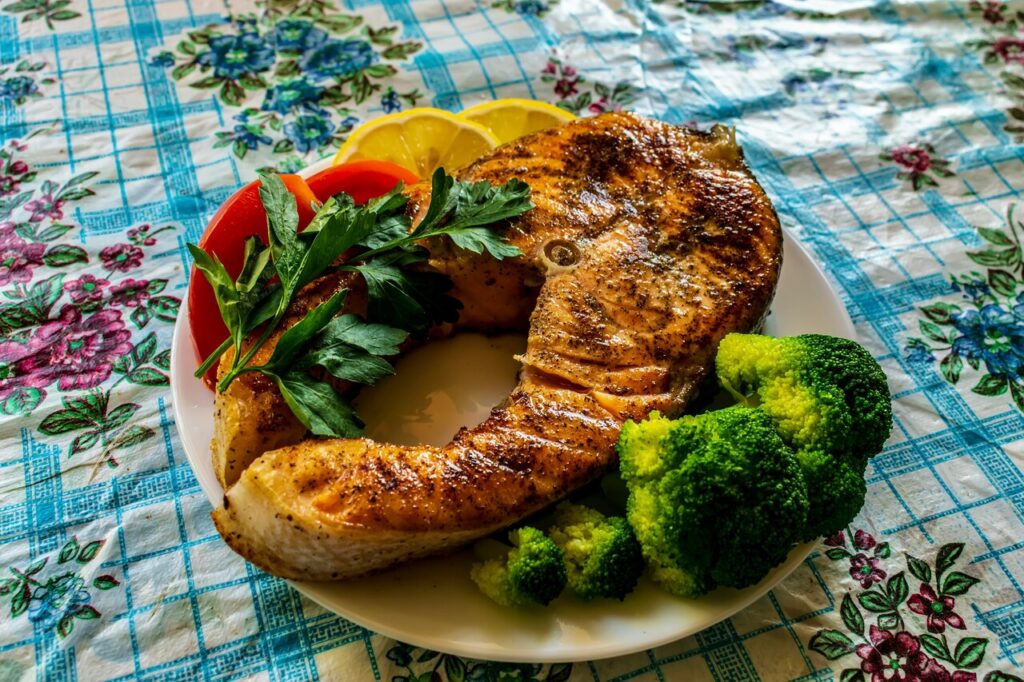
Beer-battered fish is known for its crisp shell and airy interior, which are traditionally achieved through deep frying. The batter coats the fish while the hot oil immediately sets the surface, forming a light crust that keeps the fish moist inside.
Instead of immersing food in hot oil, it circulates extremely hot air around the basket. When a wet batter like beer batter is placed directly in the basket, it often drips before it has time to cook and firm up.
As a result, the coating may slide off the fish or pool underneath it. The final dish can taste good, but it rarely develops the crisp shell that makes beer-battered fish so satisfying in the first place.
2. Tempura Vegetables
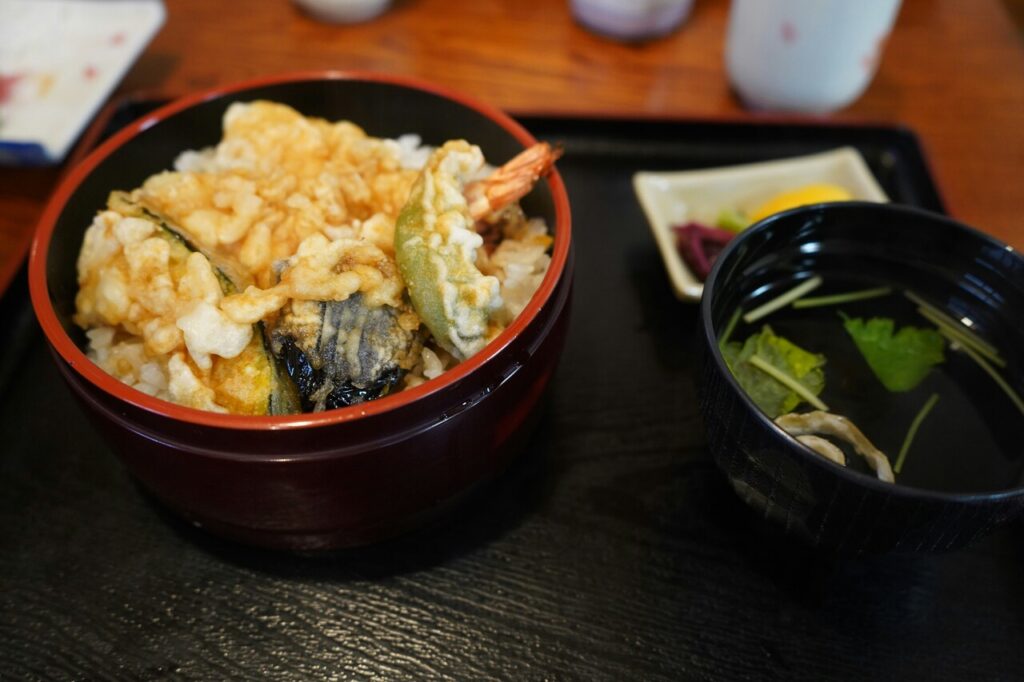
Tempura vegetables are prized for their delicate crunch and light batter. In traditional preparation, vegetables are dipped into a thin batter and quickly fried in hot oil. The oil immediately cooks the coating, creating a crisp surface while keeping the vegetables tender.
Air fryers cannot replicate that same process. Because the appliance relies on circulating air rather than oil, the batter does not solidify as quickly.
Even when the coating remains in place, the texture tends to feel heavier and less airy. The vegetables inside may still cook through, but the signature lightness that defines tempura is often missing.
3. Leafy Greens
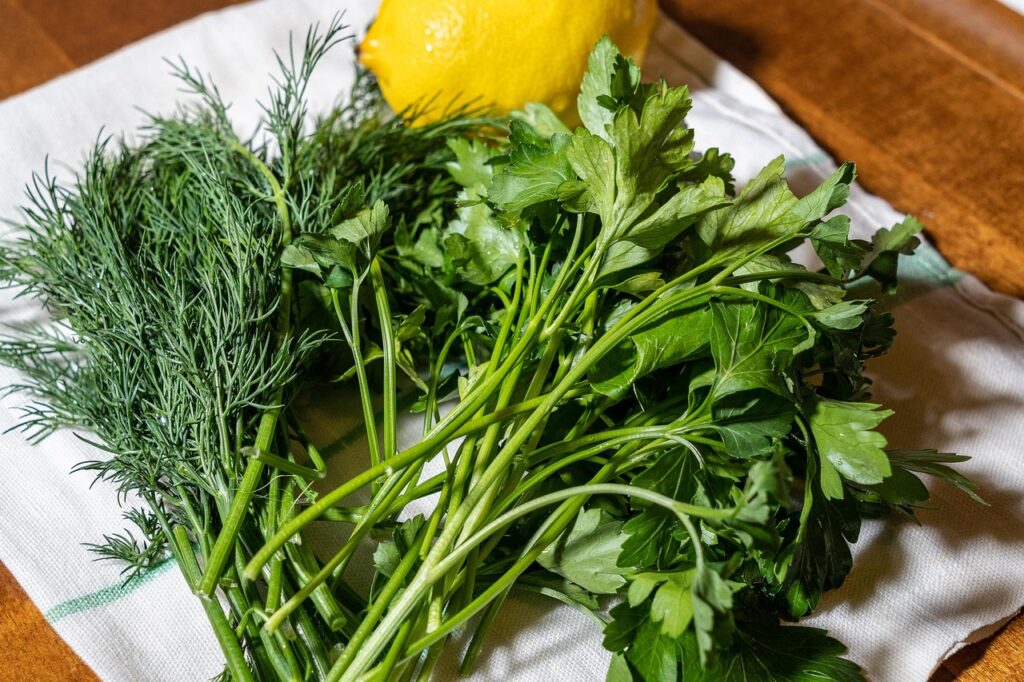
Leafy greens like spinach, kale, and arugula are extremely lightweight. Their delicate structure makes them cook quickly, which is usually an advantage when preparing them on a stovetop or in an oven.
Inside an air fryer, however, the powerful airflow becomes a problem. The circulating air can lift and move the leaves around the basket while they cook.
This movement leads to uneven results. Some leaves may burn quickly while others remain undercooked. Because of this, leafy greens are generally better suited to sautéing, steaming, or roasting methods where they remain in place during cooking.
4. Loose Melted Cheese
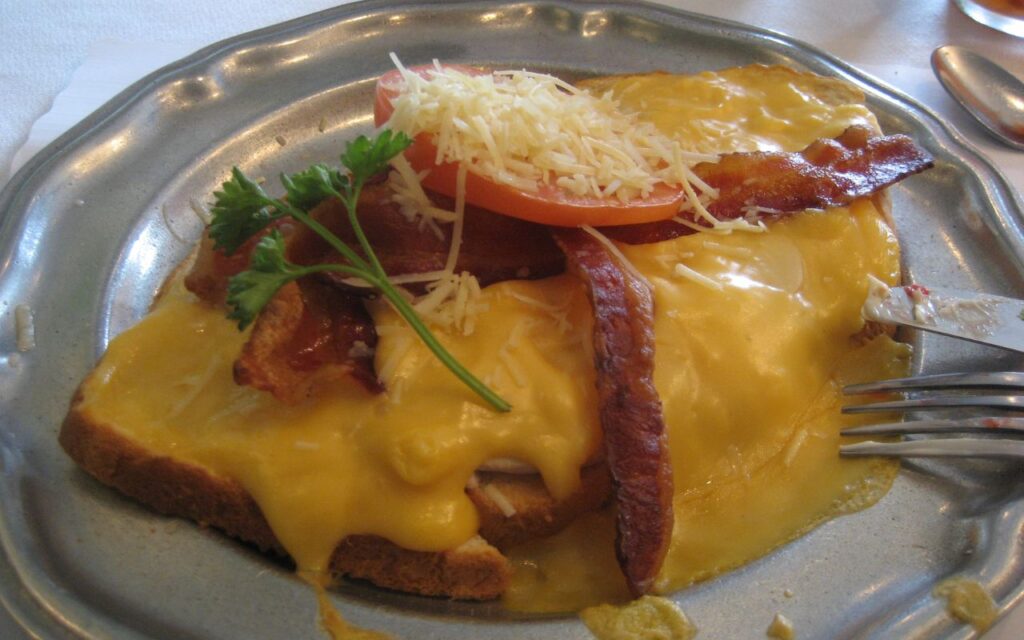
Cheese can produce delicious results when it melts properly. In dishes such as grilled sandwiches or baked casseroles, melted cheese becomes creamy and slightly golden on the surface.
The open basket of an air fryer makes this process difficult. When cheese melts, it becomes fluid and can drip through the perforated tray before it has a chance to set. Once the melted cheese falls through the holes, it can burn on the heating element or collect at the bottom of the fryer.
Instead of forming a crisp topping, the cheese often melts into the bottom of the appliance. The result can be a sticky mess that requires extra cleaning and does not deliver the texture most people expect.
5. Raw Pasta
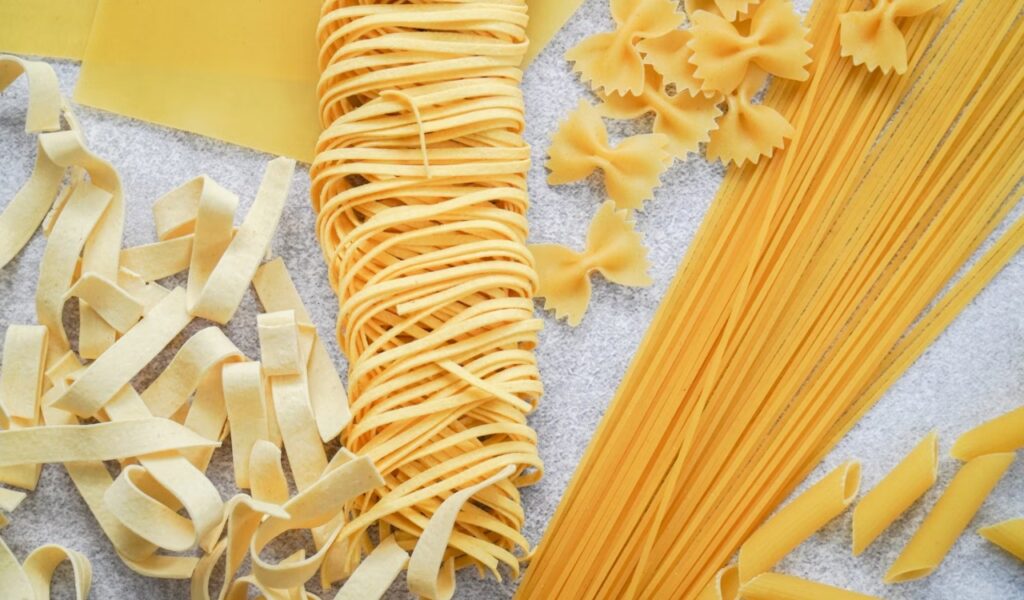
Pasta requires water to cook properly. During boiling, the starch in the pasta absorbs moisture and softens, which transforms the hard dried noodles into a tender texture. This hydration process is essential for developing the familiar texture associated with cooked pasta.
An air fryer does not provide the moisture needed for that process. The circulating hot air removes moisture rather than adding it, which means the pasta simply dries out.
Without boiling water, the noodles remain firm and uncooked. For this reason, pasta is best prepared using traditional methods before being finished with sauces or baked in other dishes.
6. Saucy Stews
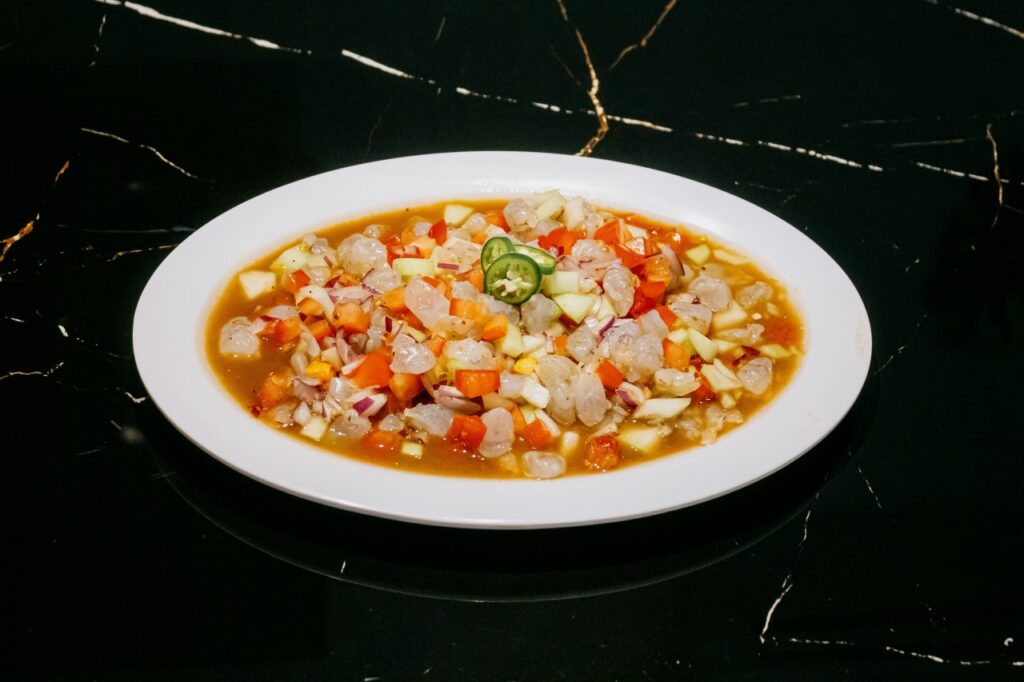
Stews and chili rely on slow simmering to develop flavor. The liquid base allows ingredients such as meat, beans, and vegetables to cook gently while absorbing spices and seasonings.
Air fryers are not designed to handle large amounts of liquid. The circulating air can cause splattering or uneven heating, which interferes with the cooking process. Most air fryer baskets are perforated, allowing excess moisture to drip away.
Because the appliance lacks the stable environment of a pot or slow cooker, stews and chili rarely turn out well inside an air fryer. These dishes benefit far more from stovetop or slow cooking methods.
7. Popcorn

Popcorn kernels transform when heated to the right temperature. The moisture inside each kernel expands until the outer shell bursts, creating the fluffy texture people recognize as popcorn.
Most air fryers cannot consistently reach the precise temperature required for this reaction. Without that heat, the kernels may simply dry out rather than pop. Popcorn requires rapid heating so that the moisture inside each kernel turns into steam and builds pressure.
Loose kernels can also move around the basket due to the strong airflow. In some cases, they may come into contact with the heating element, which is why popcorn is generally not recommended for air fryer cooking.
8. Whole Roast Chicken
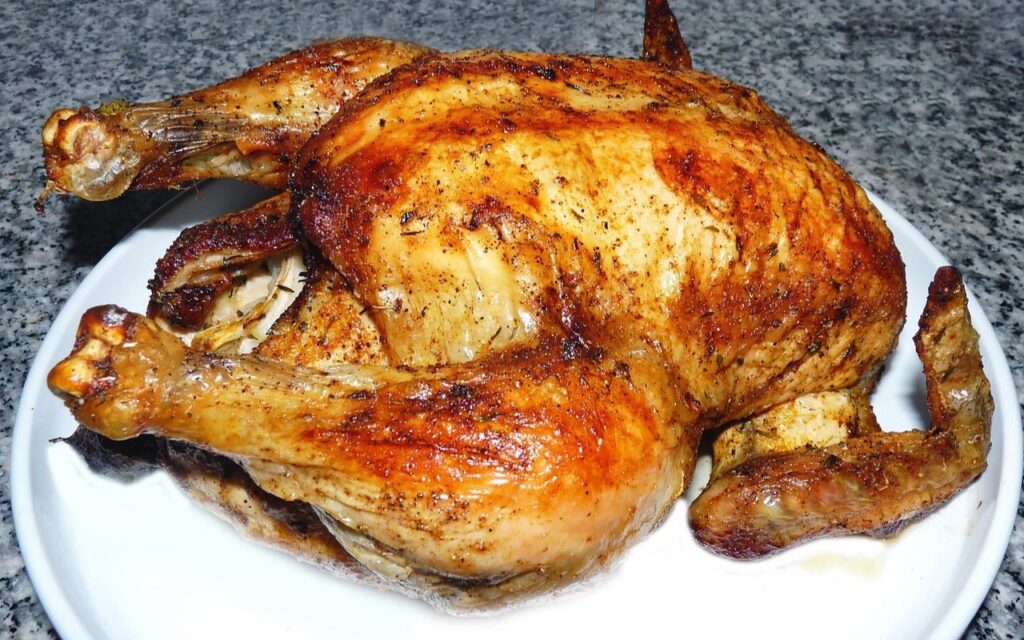
Roasting a whole chicken requires even heat circulation so the meat cooks thoroughly while the skin becomes golden. In a conventional oven, there is enough space around the bird for hot air to move freely.
Many air fryer baskets are relatively compact. When a whole chicken fills most of the basket, the airflow becomes restricted. Proper circulation is essential for even cooking in an air fryer. When space becomes tight, hot air cannot move freely around the bird.
This can lead to uneven cooking. The outer areas may brown quickly, while the thicker parts take longer to cook through. Smaller cuts of chicken tend to perform much better in an air fryer than a full bird.
9. Raw Rice
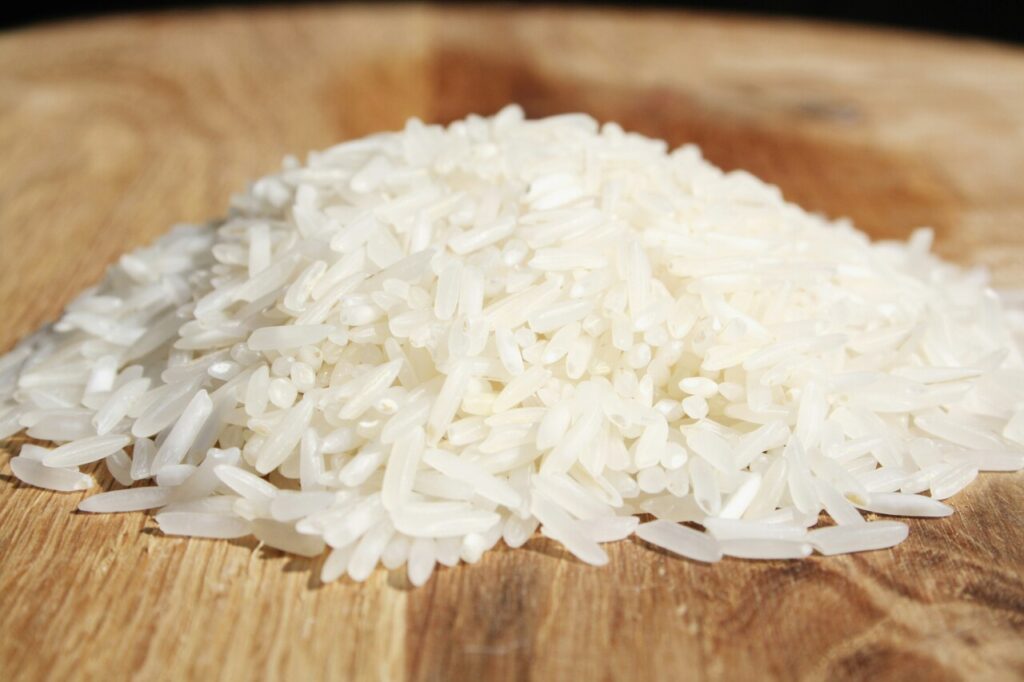
Rice undergoes a transformation similar to pasta when it cooks. The grains absorb water and expand, which softens them into the fluffy texture people expect. This process relies on steady heat and sufficient moisture to allow the starch inside the grains to gelatinize.
An air fryer cannot supply the boiling liquid required for this process. Instead, the hot air simply dries the grains while leaving the interior hard. Foods such as rice or similar grains rely on water absorption to soften during cooking.
Because of this, raw rice rarely cooks properly inside an air fryer. Traditional boiling or steaming methods remain the most reliable way to achieve the correct texture.
10. Toast
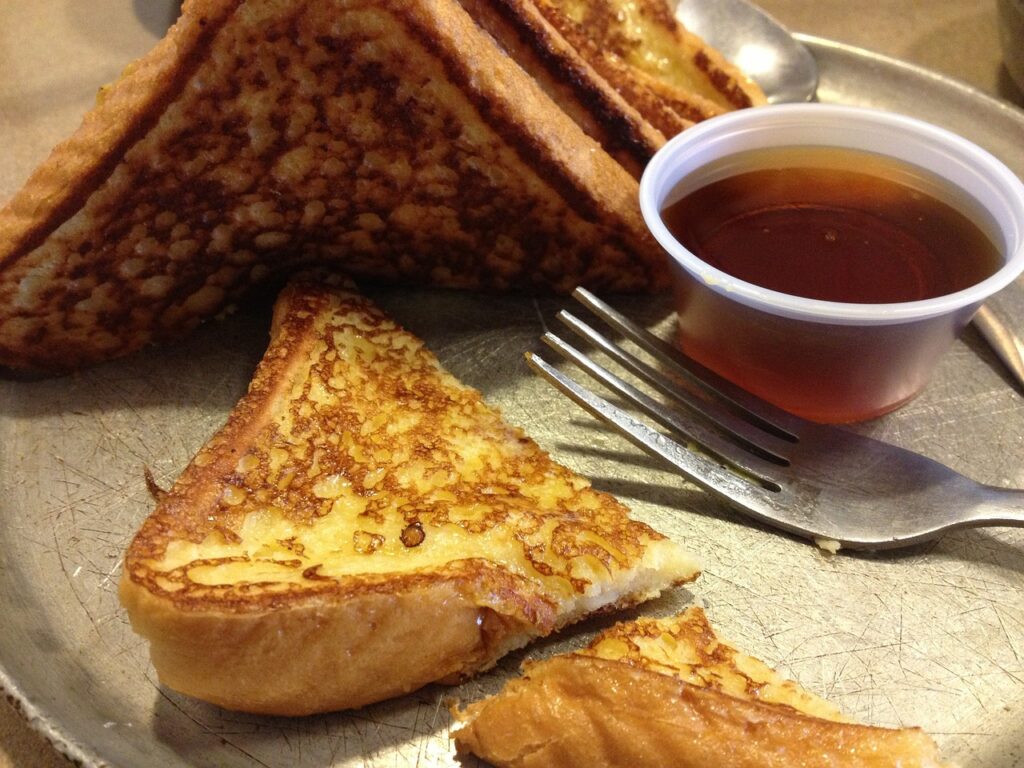
Making toast may seem like an easy task for any hot appliance. Bread placed in a toaster browns evenly because the heating elements are positioned close to both sides of the slice.
Air fryers heat food using circulating air rather than direct contact with heating surfaces. Lightweight bread can shift or lift slightly during cooking. The moving air inside the basket may cause slices to move or tilt.
This movement can cause uneven browning. One side may become crisp while another remains pale, which is why a toaster usually produces more consistent results. Toasters hold bread in a fixed position between heating elements, allowing both sides to receive steady, direct heat.
11. Broccoli
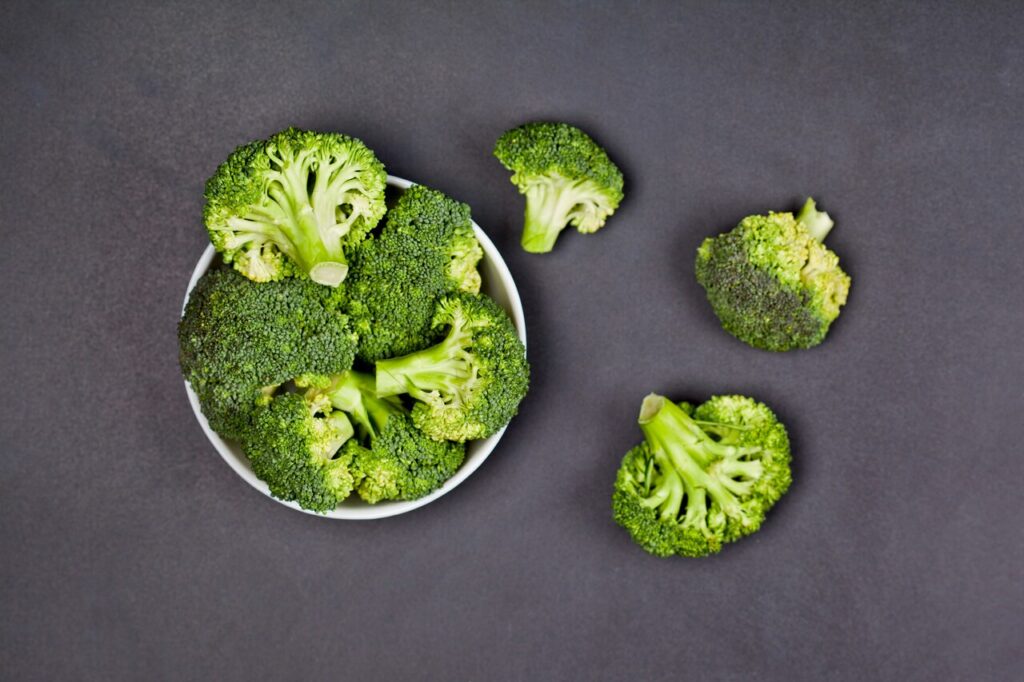
Broccoli can become delicious when roasted correctly. High heat encourages the edges to caramelize while the stems stay tender.
In an air fryer, however, the intense airflow may remove moisture from the vegetable too quickly. Without enough oil or seasoning, the florets can become dry.
The final texture sometimes turns slightly chewy rather than crisp. While broccoli can still cook in an air fryer, careful preparation and timing are needed to prevent it from drying out.