The Real Reason Some Cuisines Never Broke Through in America No Matter How Hard Restaurants Tried


The American food landscape is often described as diverse, but not every cuisine has had the same path to success.
While some have become household staples, others have remained on the edges despite years of effort from chefs and restaurant owners.
The difference is rarely about quality. Instead, it comes down to a mix of familiarity, adaptation, pricing expectations, and how people perceive certain foods before they even taste them.
These factors shape which cuisines break into the mainstream and which ones struggle to move beyond a niche audience.
The Cuisines That Never Fully Caught On
Some cuisines arrive with strong traditions and loyal communities but never reach mainstream popularity. Even with skilled chefs and authentic recipes, they often remain limited to specific neighborhoods or audiences.
Visibility alone does not guarantee success. A cuisine can be well represented in certain cities yet still fail to gain widespread recognition across the country. This gap between presence and popularity is a common pattern.
Part of the challenge is scale. Expanding a cuisine beyond its core audience requires consistent demand, which is not always easy to build. Without that demand, restaurants struggle to grow beyond a niche.
Media and exposure also play a role in shaping what people notice. Some cuisines receive more attention through television, social media, or food journalism, while others remain underrepresented. This affects how familiar they feel to the average diner.
Over time, this creates a cycle where certain cuisines stay on the margins. Limited exposure leads to limited demand, which in turn limits growth. Breaking out of that cycle requires more than just good food.
The Adaptation Gap That Shapes Acceptance
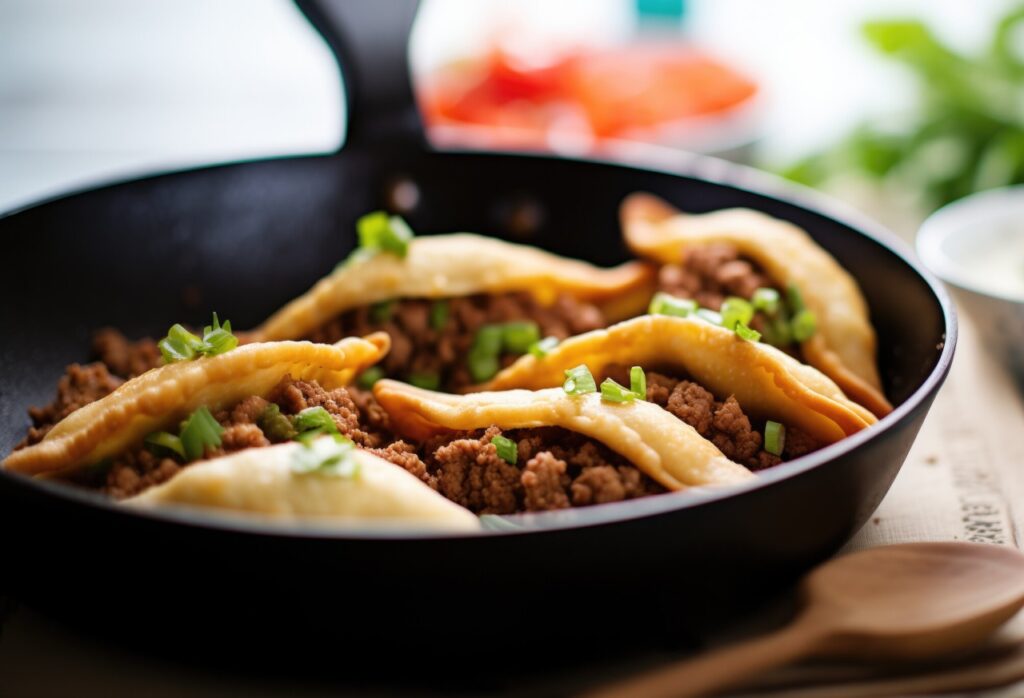
What many successful cuisines share is a willingness to adapt. Dishes are often adjusted to match local tastes, making them more approachable to a wider audience. This process can include changes in spice levels, ingredients, or presentation.
When adaptation does not happen, the gap between the cuisine and the consumer remains wide. Flavors that are unfamiliar or intense may feel challenging to new diners. This can limit repeat visits and slow broader acceptance.
Adaptation is not always easy or desirable. Some chefs aim to preserve authenticity, which can create tension between tradition and accessibility. Balancing these two goals is a key challenge for many restaurants.
Cuisines that successfully adapt often develop hybrid versions of their dishes. These versions act as an entry point for new customers. Over time, they can lead to greater interest in more traditional forms.
The absence of this bridge can hold a cuisine back. Without a way for new diners to ease into the experience, it becomes harder to expand beyond a core audience.
The Role of Cultural Familiarity
Familiarity plays a major role in how people choose what to eat. Foods that resemble what people already know are easier to accept. This makes certain cuisines feel more accessible than others.
When flavors, ingredients, or cooking methods are very different, they can feel unfamiliar or even intimidating. This does not mean they are less appealing, but it can affect how quickly people are willing to try them.
Exposure is key to building familiarity. People who grow up around diverse foods are often more open to new cuisines. In contrast, limited exposure can make unfamiliar dishes feel less approachable.
Cultural storytelling also influences perception. When a cuisine is explained through media, restaurants, or community events, it becomes easier to understand and appreciate. This helps reduce the sense of distance.
Without familiarity, even high-quality food can struggle to gain traction. The challenge is not just taste, but how comfortable people feel with the experience.
The Economics Behind What Gets Popular

Economic factors play a significant role in which cuisines succeed. Some foods are expected to be affordable, which limits how they can be priced. This creates challenges for restaurants trying to maintain quality.
When a cuisine is associated with low cost, raising prices can be difficult. Customers may resist paying more, even if the ingredients or preparation justify it. This can affect profitability and growth.
Operational costs also vary depending on ingredients and techniques. Some cuisines require specialized components or time-intensive preparation. These factors can make expansion more difficult.
Location and market positioning matter as well. Restaurants need to choose areas where there is enough demand to support them. Without that demand, even well-executed concepts may struggle.
These economic realities shape which cuisines become widespread. Success depends not only on taste but also on whether the business model can sustain growth.
The Bias That Shapes What Americans Embrace
Perception plays a powerful role in how cuisines are received. Some are seen as familiar and approachable, while others are labeled as exotic or unfamiliar. These labels influence how people decide what to try.
Bias can affect expectations before a meal even begins. Diners may approach certain cuisines with curiosity but also hesitation. This can limit how often they choose those options.
Media representation contributes to these perceptions. Cuisines that are frequently featured in mainstream outlets tend to feel more normalized. Others may remain outside the spotlight.
Historical and cultural factors also shape these dynamics. Immigration patterns, community size, and social narratives all influence how a cuisine is viewed. These factors can either support or limit its growth.
Over time, perception becomes a barrier that is difficult to overcome. Even with strong food and dedicated chefs, changing how people see a cuisine can take years.