6 Naturally Red Foods That Have Nothing to Do with Pomegranate Juice

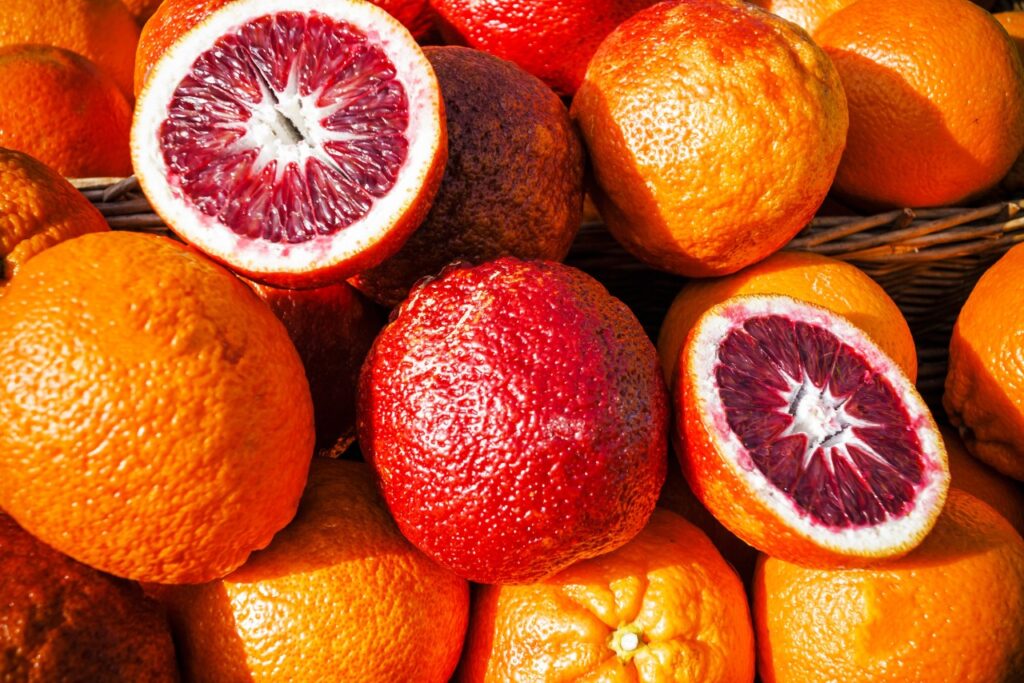
Red foods have a way of catching your eye before they ever reach your plate, but not every vibrant shade comes from familiar sources like pomegranate. Nature has crafted an entire palette of crimson ingredients that owe their color to unique pigments, growing conditions, and plant chemistry, creating foods that are as striking as they are nutritious. These ingredients bring their own flavors, textures, and stories, making them stand out long before the first bite. Whether you want to brighten a dish, explore new produce, or simply uncover what gives certain foods their bold hues, this list offers a welcoming look at the surprising diversity of naturally red foods.
1. Red Dragon Fruit
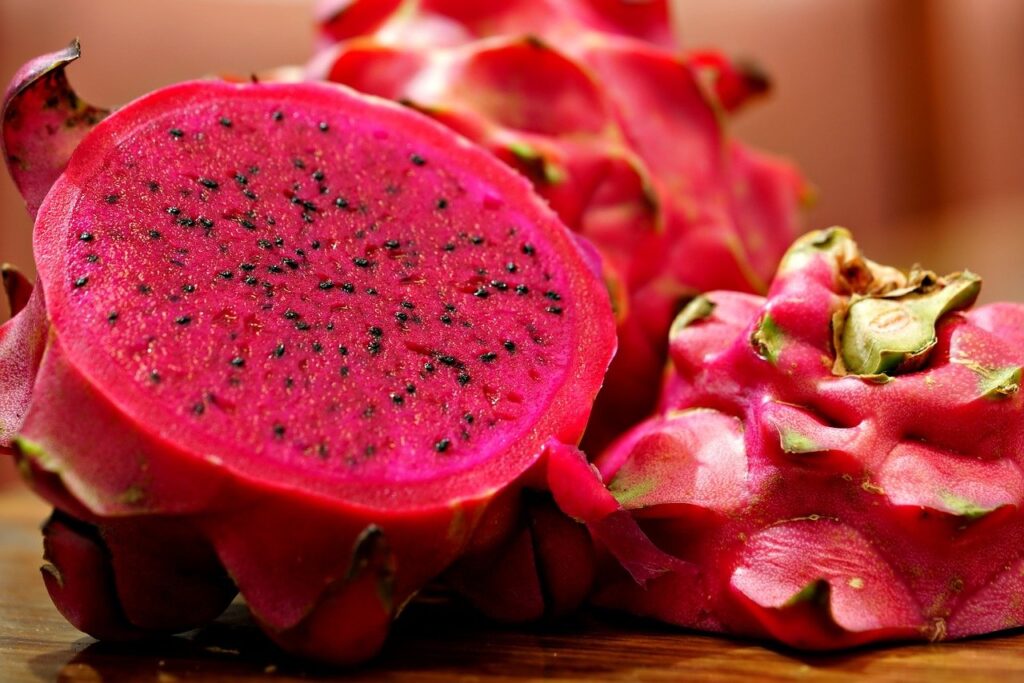
Think of red dragon fruit as a neon postcard from the tropics, all sweetness and antioxidants inside a showy shell. The magenta flesh gets its color from betalain pigments, the same family that colors beets, and those compounds contribute antioxidant and anti-inflammatory properties. Texture-wise it sits between kiwi and pear, with tiny edible seeds that add a gentle crunch. It is low in calories, offers vitamin C and fiber, and holds up well in smoothies, salads, and chilled desserts, where its color becomes the main attraction. Because the pigment is stable when chilled but sensitive to prolonged heat, using dragon fruit fresh preserves both its vivid hue and delicate nutrients.
2. Blood Oranges
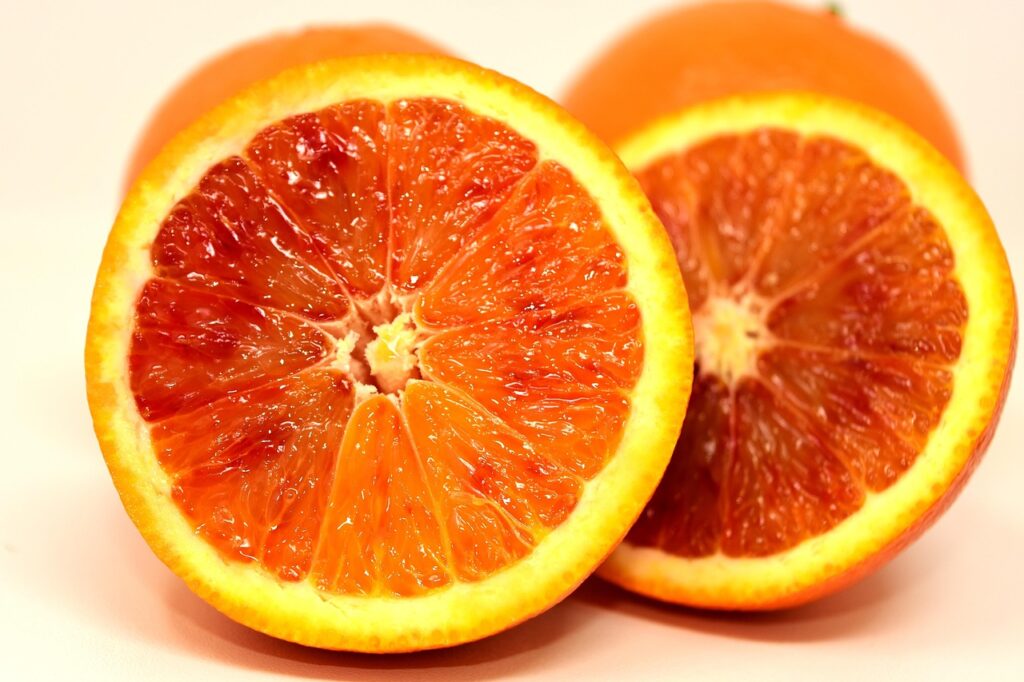
Imagine an orange that tastes like sunshine with a berry note; that is the magic of the blood orange. Its crimson interior is the result of anthocyanin pigments, unusual for citrus and activated by cooler growing temperatures during ripening. This pigment not only creates dramatic color but also carries antioxidant benefits. Flavor combines the familiar citrus brightness with subtle raspberry or strawberry undertones, which makes blood oranges excellent for fresh eating, cocktails, and dressings where the color and flavor both play starring roles. Because anthocyanins form under specific climate conditions, blood oranges thrive in regions with warm days and cool nights.
3. Red Cabbage
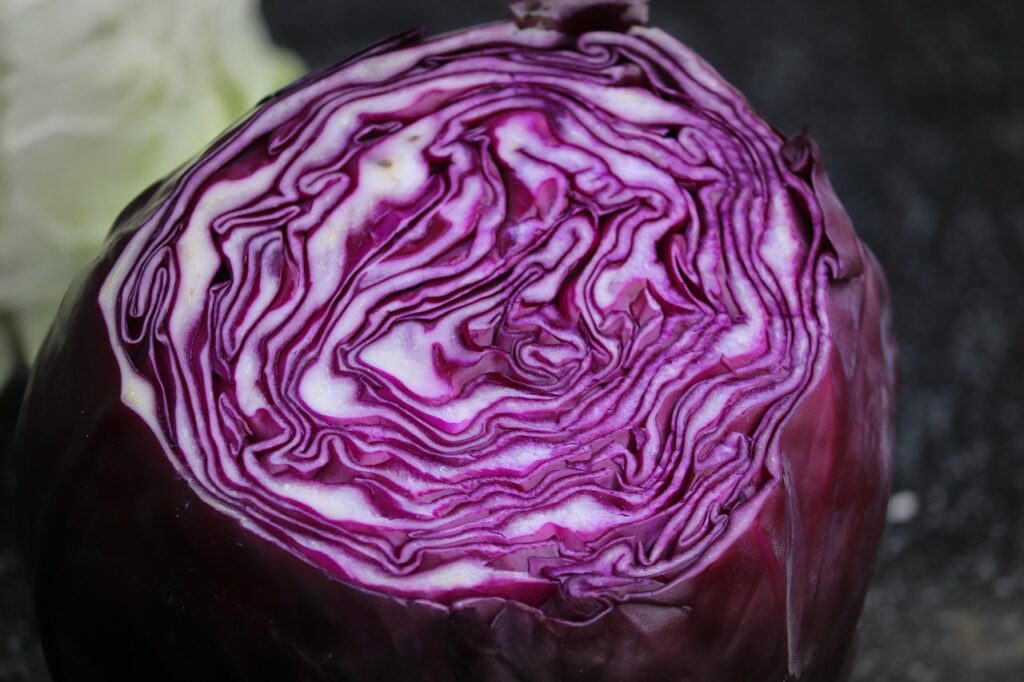
Red cabbage often surprises cooks because its color reacts dramatically to what it meets in the pot. The vegetable’s purple-red tone comes from anthocyanins, pigments that change hue with acidity: brightening in acid and deepening in alkaline conditions. That chemical play means a splash of lemon or vinegar intensifies red, while baking soda can turn it blue. Beyond color chemistry, red cabbage is a nutritional heavyweight, delivering fiber, vitamin C, vitamin K, and phytonutrients linked to heart and gut health. It keeps well raw in slaws or fermented as sauerkraut, and the pigments remain robust when briefly cooked with acid.
4. Cranberries
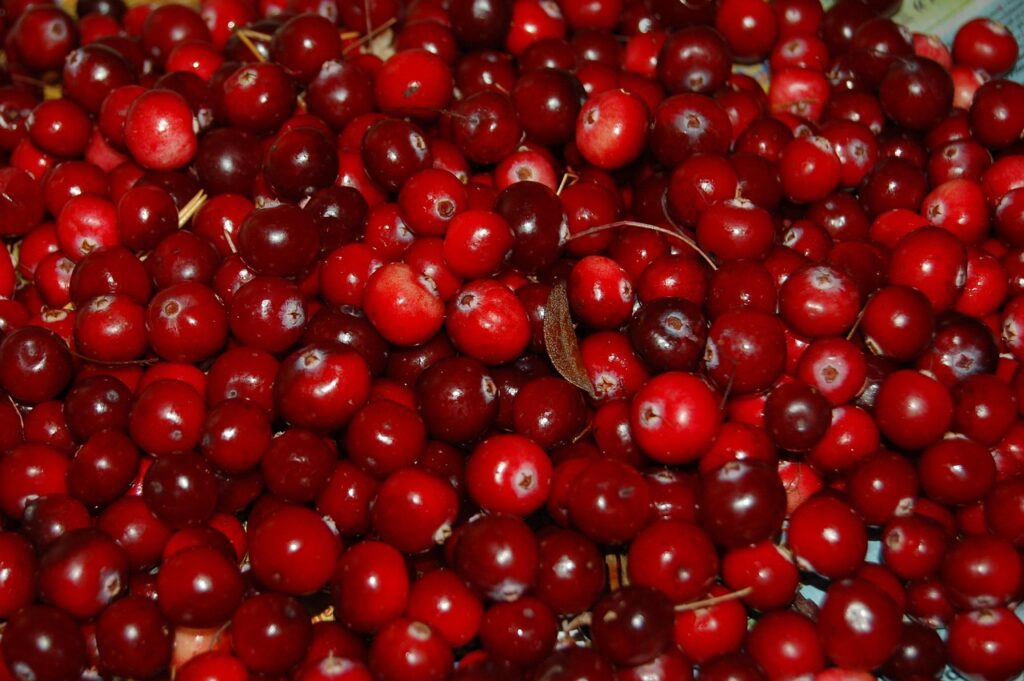
Cranberries wear their color proudly, glossy and deep red when fully ripe, and their pigments reflect a suite of antioxidants that form as the berry matures. These fruits are naturally tart due to organic acids, which is why they are often sweetened for sauces and juices, but raw cranberries are rich in proanthocyanidins and other flavonoids associated with urinary tract and cardiovascular support. Cranberries grow in acidic, water-retentive soils, and their color intensifies as sugar builds and acids shift during ripening. In culinary use, they are prized for their ability to cut through fatty and sweet dishes, adding bright contrast and astringent lift.
5. Red Kidney Beans
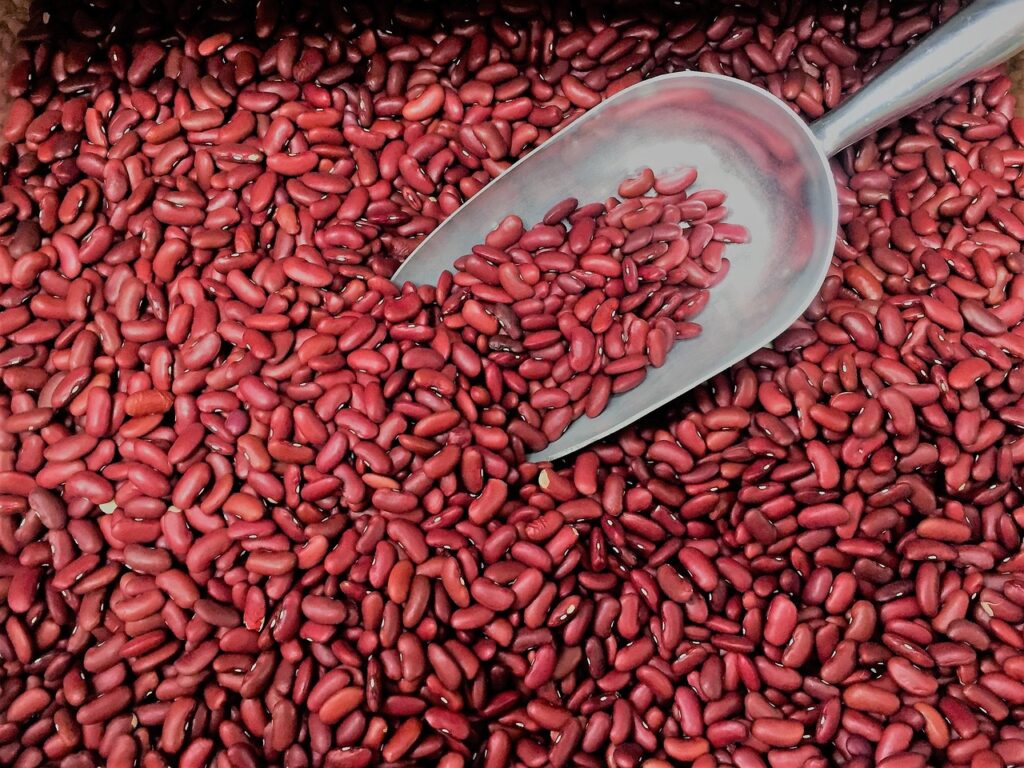
Don’t let their humble appearance fool you; red kidney beans carry a natural, consistent brick-red color that forms during seed development and remains after cooking. The pigments are flavonoid compounds concentrated in the seed coat, and they are part of a nutrition profile that includes plant protein, fiber, iron, and folate. Red kidney beans are staples in many cuisines because they absorb flavors while maintaining shape and color, which makes them ideal for chilis, stews, and salads. Proper soaking and thorough cooking are essential to neutralize lectins that raw beans contain, but once prepared, they offer a hearty, nutritious base that visually anchors dishes.
6. Red Swiss Chard
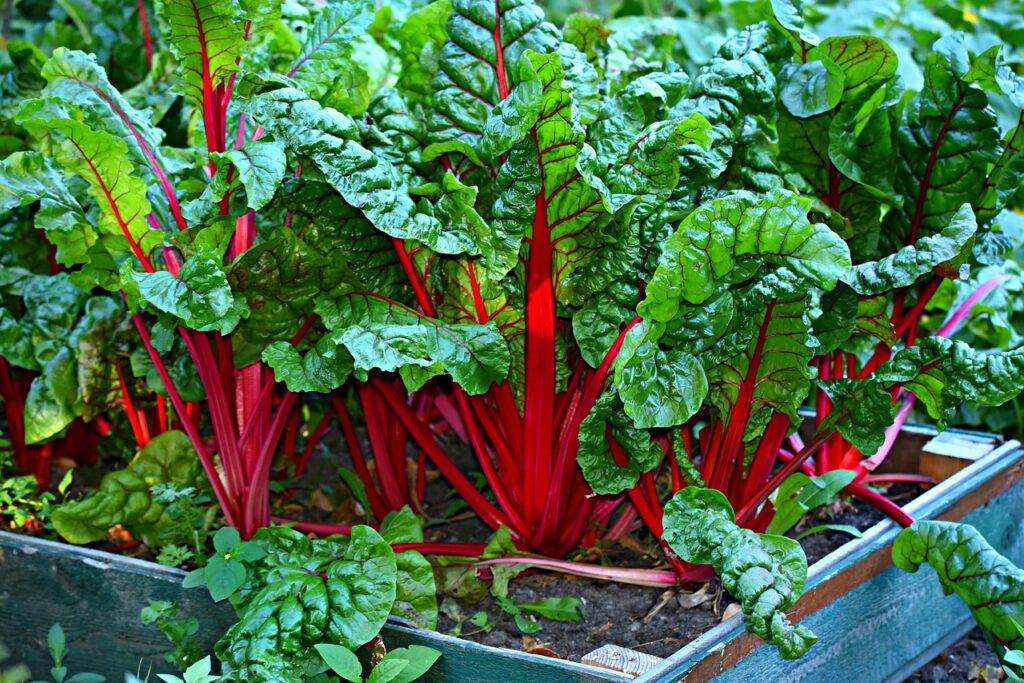
Red Swiss chard is essentially a leafy green that chooses to accessorize vivid red stems and veins run through deep green leaves, created by betalain pigments similar to those in beets. The stems provide both visual drama and a slightly earthy, beet-like counterpoint to the tender leaves, which offer vitamins A, C, and K plus abundant minerals. Unlike more delicate greens, red chard stands up to quick sautés, braises, and hearty soups while keeping its color vivid, especially when cooked briefly. Gardeners often grow red chard both for its edible qualities and for the ornamental splash it brings to beds and containers.