The Same Restaurant Dish Can Taste Completely Different Depending on the State

Traveling often brings small surprises, and food is one of the most memorable ones. Many people have experienced ordering their favorite restaurant dish in a different state only to notice that it tastes slightly different from what they remember back home. The name on the menu is identical, the restaurant brand is the same, and the ingredients appear familiar, yet the flavor has shifted in subtle ways. That small change can catch diners off guard. What seems like a simple variation usually has deeper roots tied to geography, ingredient sourcing, and the everyday cooking practices that vary across regions.
Behind that unexpected flavor difference are many quiet influences that shape how a dish turns out. Restaurants in different states often rely on nearby farms, regional distributors, and locally available ingredients, all of which can affect taste and freshness. Water composition, climate, and storage conditions also play a role in how food behaves during cooking. At the same time, kitchens may adapt seasoning levels or preparation styles to match what local customers enjoy most. When all these elements come together, the same dish can feel comfortingly familiar in one place while tasting noticeably different in another.
Regional Ingredients Shape the Flavor
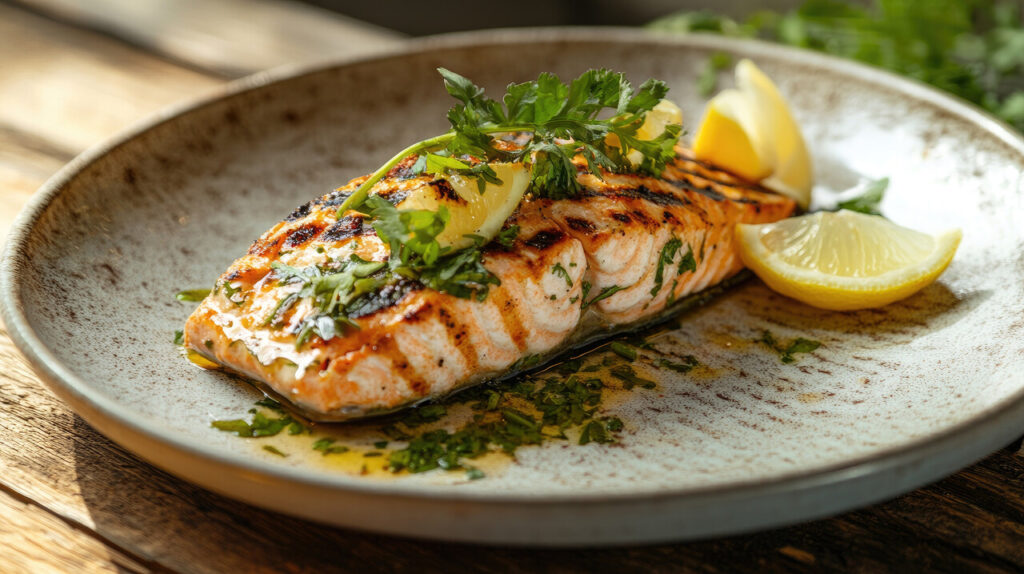
Fresh ingredients quietly shape the character of a dish long before it reaches the plate. Even when restaurants follow the same recipe across locations, the raw ingredients often come from nearby farms, fisheries, and dairies. These local sources naturally differ in soil quality, climate, animal feed, and harvesting conditions. As a result, vegetables, meats, dairy products, and seafood carry subtle variations in flavor and texture. When cooks prepare the same dish in different states using ingredients grown or raised in those regions, the natural qualities of those foods begin to influence the overall taste.
Climate and farming practices also leave a noticeable mark on ingredients. Tomatoes grown in sunnier regions often develop higher sugar levels, while those from cooler areas may carry brighter acidity. Dairy products reflect what cattle are fed, which can influence the richness of butter, milk, and cheese used in cooking. Seafood harvested near coastal areas is typically fresher and more delicate in flavor than products transported long distances. Even grains, herbs, and spices can vary depending on soil nutrients and growing conditions, meaning the same dish prepared in different states rarely tastes exactly alike.
Local Cooking Traditions Change the Recipe
Local food culture quietly shapes how a dish is prepared, even when restaurants aim to keep recipes consistent. Cooking traditions develop over decades as communities pass down preferred techniques, flavors, and preparation styles. When a restaurant operates in multiple states, the kitchen staff often works within those regional habits without even realizing it. Small choices, such as how long something is grilled, how ingredients are layered, or when seasoning is added, can influence the final flavor. These subtle adjustments allow the dish to feel familiar to local diners while still staying close to the original recipe.
Seasoning and cooking style are especially influenced by regional expectations. In some areas, diners enjoy bold, deeply seasoned food, encouraging cooks to use more spices, garlic, or herbs to build stronger flavor. Other regions lean toward lighter preparation that highlights the natural taste of the ingredients rather than heavy seasoning. These patterns often reflect long-standing culinary traditions, from slow-cooked Southern comfort dishes to coastal cooking styles that emphasize freshness. As local cooks bring their own experience and instincts into the kitchen, the same restaurant dish gradually develops a slightly different personality in each state.
Supply Chains Influence Ingredient Quality
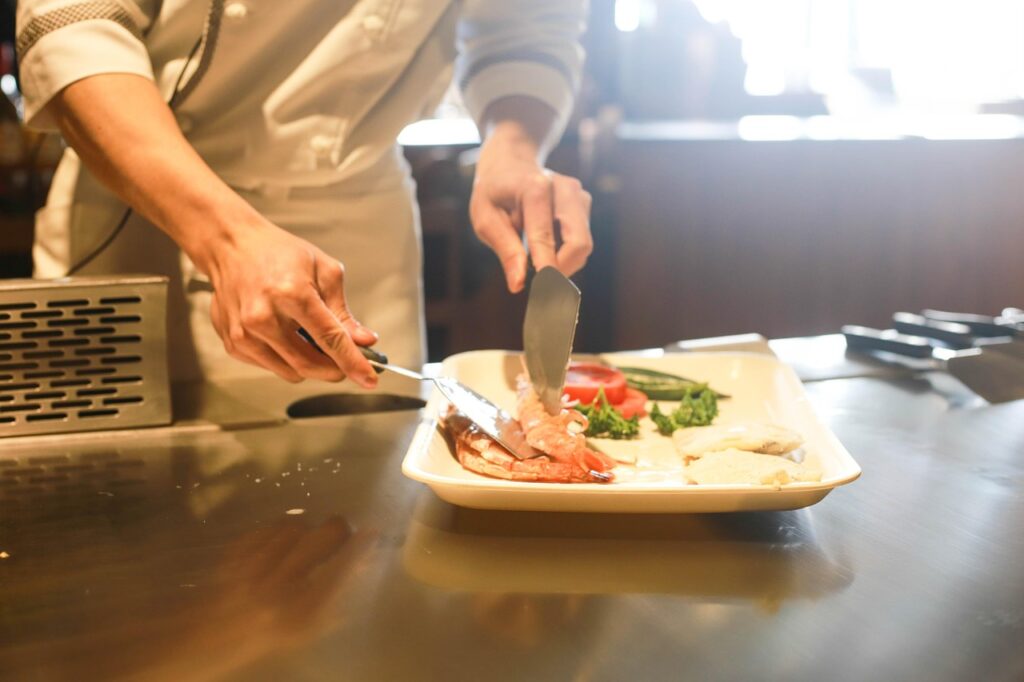
Every restaurant kitchen depends on a network that moves ingredients from farms, fisheries, and food producers to the cooking line. These supply chains can look very different from one state to another. Some restaurant locations are close to regional distribution centers or local farms, which allows ingredients to arrive quickly after harvest or processing. In other areas, food may travel hundreds or even thousands of kilometers before reaching the kitchen. The longer an ingredient spends in transportation or storage, the more likely its texture, aroma, and freshness can change slightly, sometimes affecting overall taste.
Storage and transport conditions also influence how ingredients behave during cooking. Many foods must be refrigerated, frozen, or packed carefully to maintain safety while traveling long distances. While these methods preserve quality, they can still cause small shifts in flavor or moisture levels. Fresh herbs may lose some fragrance, leafy vegetables can soften, and seafood may not taste as vibrant as when it is freshly caught. Even when restaurants order from the same national suppliers, differences in travel time and handling can quietly shape how ingredients perform once they reach the grill, pan, or oven in busy kitchens.
Regional Taste Preferences Alter Seasoning
Regional taste preferences play a powerful role in how restaurants season their food. Even when a chain restaurant follows the same core recipe across locations, kitchens often adjust flavors to better match what local diners enjoy. A dish that tastes perfectly balanced in one state might feel overly salty, too mild, or unexpectedly spicy in another. Because restaurants depend on repeat customers, they pay close attention to how people respond to flavor. Over time, small seasoning adjustments help ensure the dish feels familiar and satisfying to the community it serves, reflecting what people nearby expect.
Food culture across the United States varies widely, and these traditions shape how flavors are used in everyday cooking. Some regions lean toward bold, deeply seasoned meals that include generous amounts of spices, garlic, or smoky flavors. Other areas prefer lighter seasoning that allows the natural taste of ingredients to stand out more clearly. Sweetness in sauces, the level of chili heat, and even the amount of salt can shift depending on local habits. These subtle differences may go unnoticed by many diners, yet they quietly influence how the same restaurant dish tastes in different states and cities.
Environmental Factors Affect How Food Is Cooked
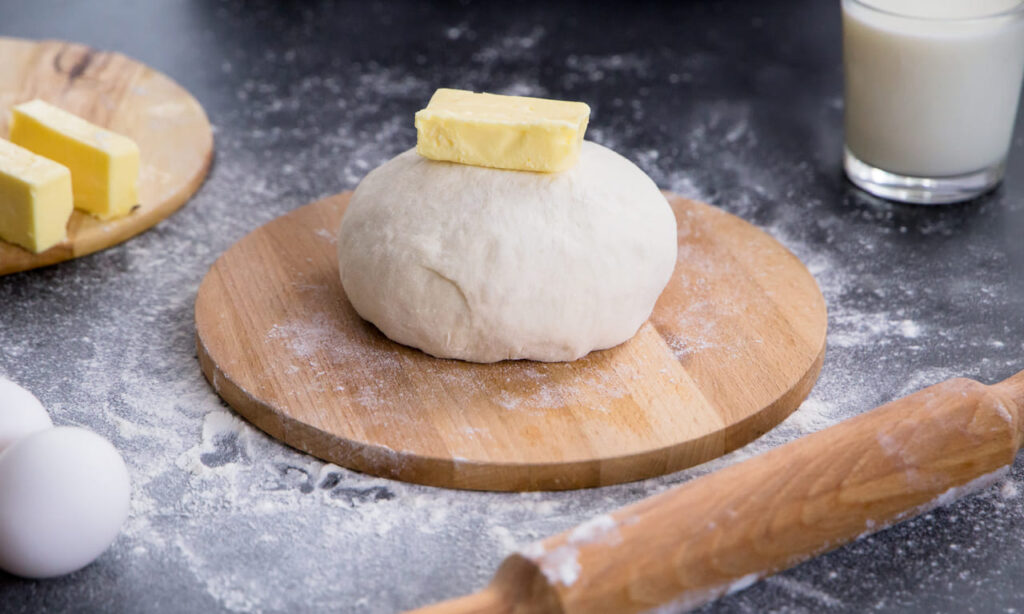
Environmental conditions quietly shape the way food behaves in the kitchen, and these factors can vary greatly from one state to another. Elements such as altitude, humidity, and air pressure all influence how heat interacts with ingredients during cooking. While these changes may seem small, they can alter texture, moisture levels, and overall flavor in noticeable ways. Restaurants that operate across different regions often encounter these variations, which means a dish prepared in one state may require slightly different handling to achieve the same appearance, taste, and consistency that diners expect.
Altitude is one of the most significant environmental factors affecting cooking. In higher elevations, water boils at a lower temperature because of reduced air pressure, which can extend cooking times for foods like pasta, rice, and vegetables. Baking is even more sensitive to these conditions since dough rises differently when air pressure drops, changing how bread or pastries develop structure. Water composition also varies across regions, with different mineral levels influencing the taste of soups, sauces, and even beverages. When these environmental elements combine with local ingredients and kitchen techniques, the final dish can take on subtle but noticeable differences.