8 Restaurant Cost Cuts That Changed Texture, Not Just Taste


Restaurant food rarely changes overnight. It shifts quietly, one substitution at a time, until a dish that once felt rich or crisp starts to feel slightly off. The flavor may still be familiar, but the texture gives it away.
Many of these changes come from cost control. Ingredient swaps, faster prep, frozen components, and longer holding times help manage labor and waste. What’s often missed is how strongly these decisions affect structure, melt, crunch, and moisture.
This list looks at restaurant cost cuts that changed how food feels, not just how it tastes. It explains why familiar dishes lost their bite or creaminess, and why diners sense the difference even when they can’t name it.
1. Switching Butter for Blended Oils
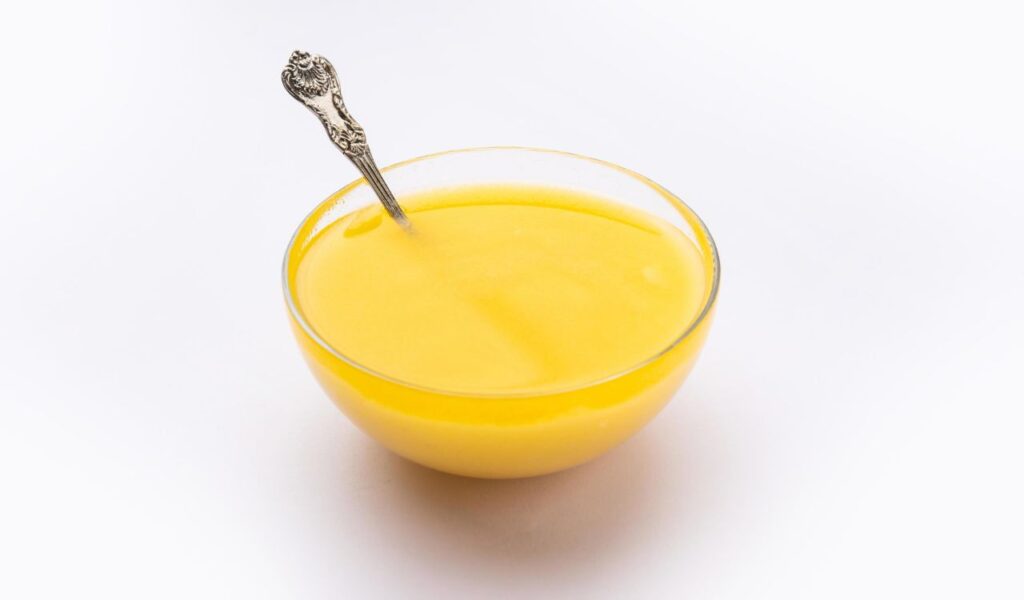
Butter behaves differently from oil, and diners feel the change quickly. Butter firms when cool and melts fast under heat, creating snap, richness, and layered mouthfeel in sauces, pastries, and sautéed dishes. When restaurants replace it with oil blends, that temperature-driven texture is lost.
Blended oils stay liquid, making sauces feel slick rather than creamy and baked goods softer but flatter. Without milk solids, oils also remove the subtle structure butter provides during browning and emulsification.
The food may still taste fine, but it feels less satisfying. Diners often notice sauces that coat poorly and breads that lack the familiar tender bite, even if they cannot name the cause.
2. Lower-Fat Dairy Substitutions
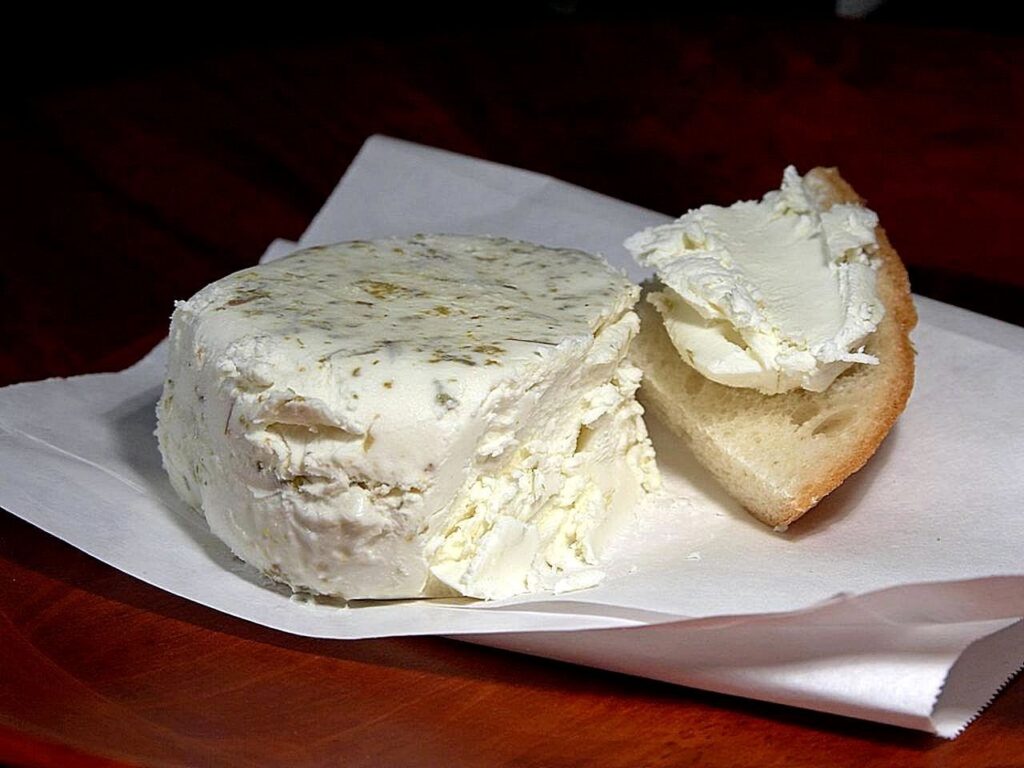
Full-fat dairy provides body, elasticity, and moisture retention. When restaurants switch to reduced-fat cheese, milk, or cream, they lose the fat that supports smooth melting and stable structure. This change often shows up first in texture, not flavor.
Lower-fat cheeses stretch less and can turn rubbery under heat. Reduced-fat cream breaks more easily, producing thinner sauces that separate or feel watery. Even soups lose their velvety consistency when fat is removed.
These substitutions reduce ingredient costs but alter how food behaves under heat. Diners experience dishes that feel less rich and less cohesive, even if the seasoning remains unchanged.
3. Pre-Shredded Cheese Instead of Block Cheese
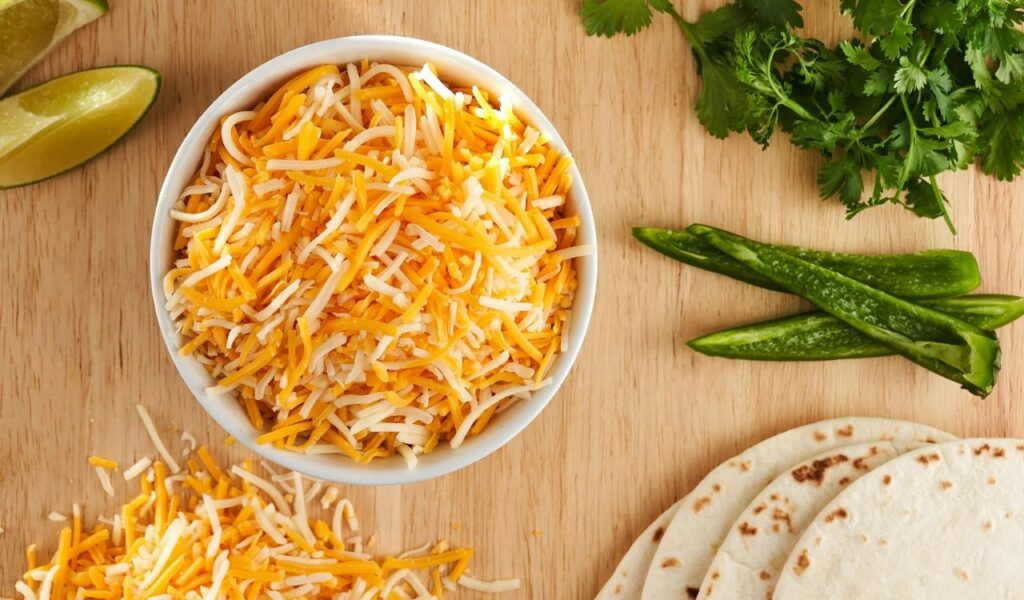
Freshly grated cheese melts smoothly because its surface is clean. Pre-shredded cheese is coated with anti-caking agents to prevent clumping during storage. Those coatings interfere with melting and moisture release once heated. The change begins before the cheese ever hits the pan.
Instead of flowing evenly, the cheese melts unevenly or stays grainy. On pizzas and pastas, this creates a broken texture where fat separates and proteins tighten. Stretch and pull are reduced. Visual appeal suffers along with mouthfeel.
The flavor may remain similar, but the mouthfeel changes noticeably. What was once gooey becomes stiff, and diners sense something is off even if they cannot explain why. Texture carries much of the eating experience.
4. Frozen Proteins Over Fresh
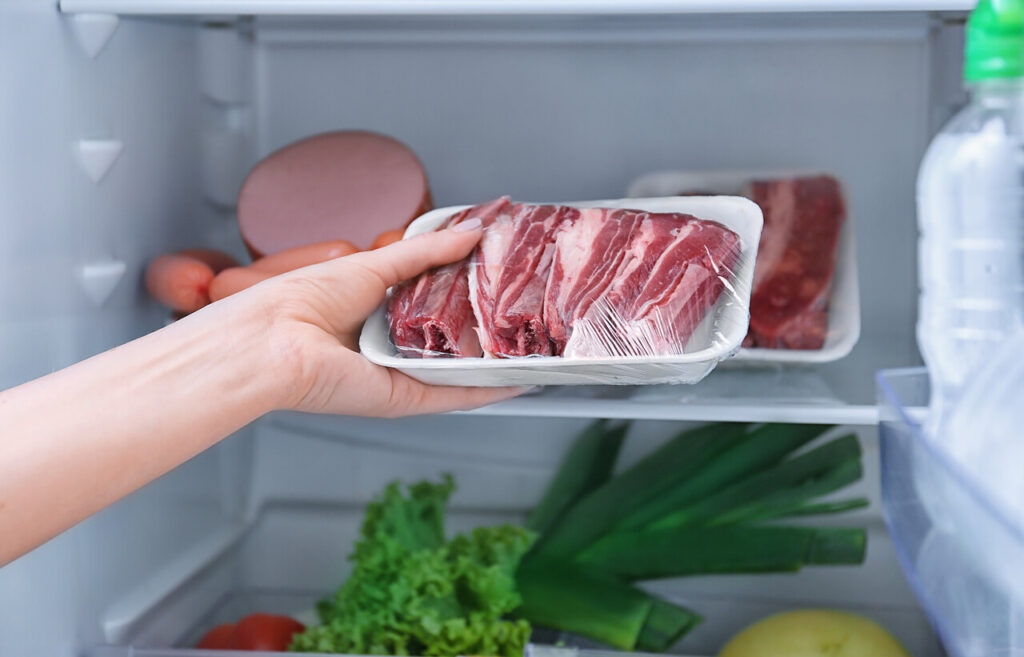
Freezing improves inventory control but affects muscle structure. Ice crystals form inside meat fibers, rupturing cell walls. When thawed and cooked, moisture escapes more easily, leaving proteins drier or oddly spongy. This damage cannot be fully reversed.
Fresh meat retains natural elasticity and juiciness when cooked properly. Frozen proteins often contract more under heat, tightening texture even when seasoning is correct. Marinades can mask dryness but not fully restore structure. Juices are still lost during cooking.
The cost savings are real, but so is the texture loss. Diners notice meats that chew differently, especially in simple preparations where nothing hides the change. Subtle dishes reveal the difference fastest.
5. Pre-Cooked and Reheated Components
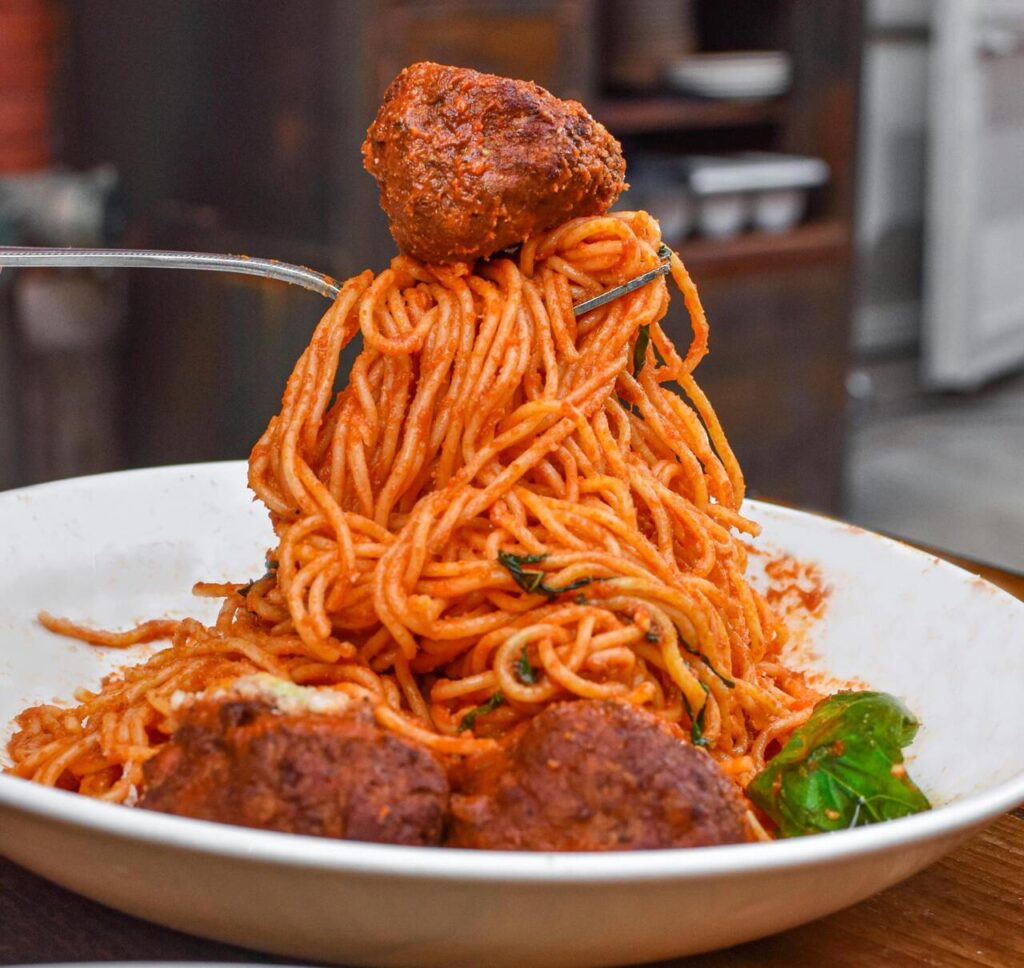
Pre-cooking saves labor but changes how food holds together. Pasta, rice, and proteins cooked in advance lose structural integrity when cooled and reheated. Starches continue absorbing moisture, while proteins tighten. Texture shifts before reheating even begins.
Reheating drives off surface moisture and alters internal texture. Pasta turns mushy, rice clumps, and meats become rubbery or dry. Timing windows are narrow, and holding too long compounds the problem. Small delays have big effects.
The food remains edible and consistent, but freshness suffers. Diners experience meals that feel assembled rather than cooked, with textures that lack resilience and bounce. The food feels tired rather than lively.
6. Cheaper Cuts Masked by Marinades
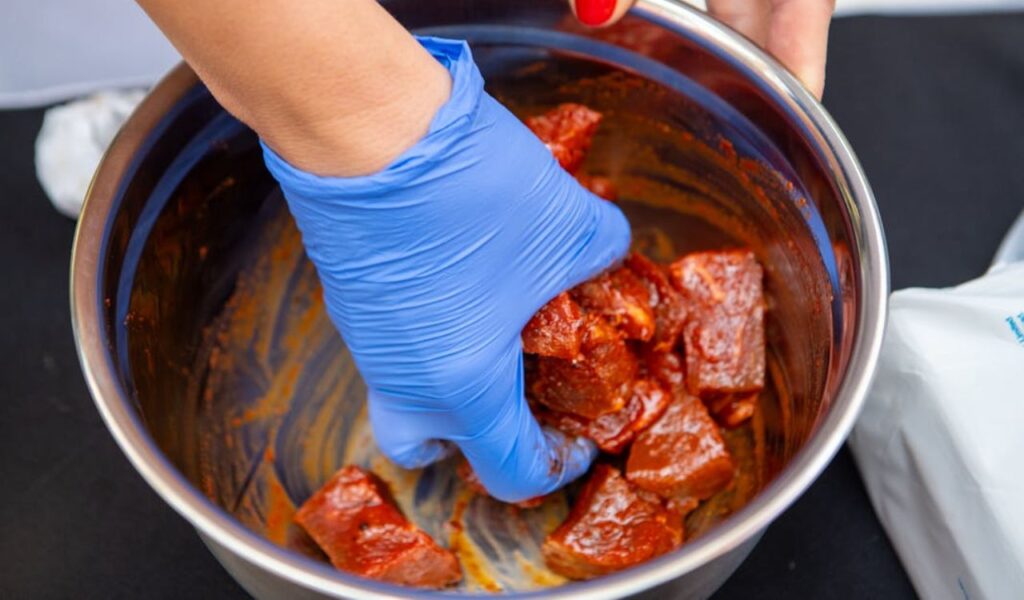
Lower-cost cuts contain more connective tissue, which requires careful cooking to soften properly. When time is limited, heavy marinades are used to add flavor and moisture quickly. Texture issues remain underneath. Surface flavor does not fix structure.
Marinades penetrate only the surface. If the meat is cooked too fast, connective tissue stays firm, producing chewiness or an oddly soft exterior with a tough center. Acids can worsen this by breaking surface fibers unevenly. The interior remains resistant.
The flavor may seem bold, but the bite feels inconsistent. Diners sense resistance where tenderness was expected, even when seasoning is generous. Texture tells the truth first.
7. Starch Thickeners Replacing Reduction
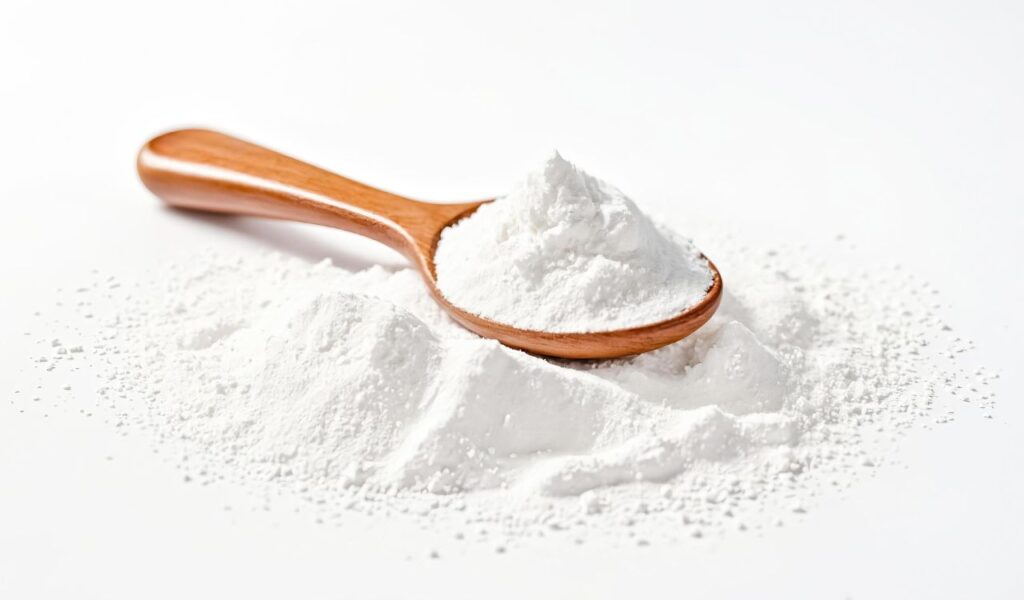
Traditional reductions rely on evaporation to concentrate flavor and naturally thicken sauces. Starch thickeners shortcut that process by binding water quickly, saving time and labor. Texture is the trade-off. Speed replaces development.
Starches create uniform thickness but lack the layered viscosity of a reduction. Sauces can feel slippery, gluey, or heavy on the tongue rather than silky. They also break differently when reheated. Mouthfeel becomes blunt.
The dish looks similar, but the mouthfeel changes. Diners notice sauces that coat awkwardly and lose elegance as they cool. Texture reveals the shortcut.
8. Extended Holding Times
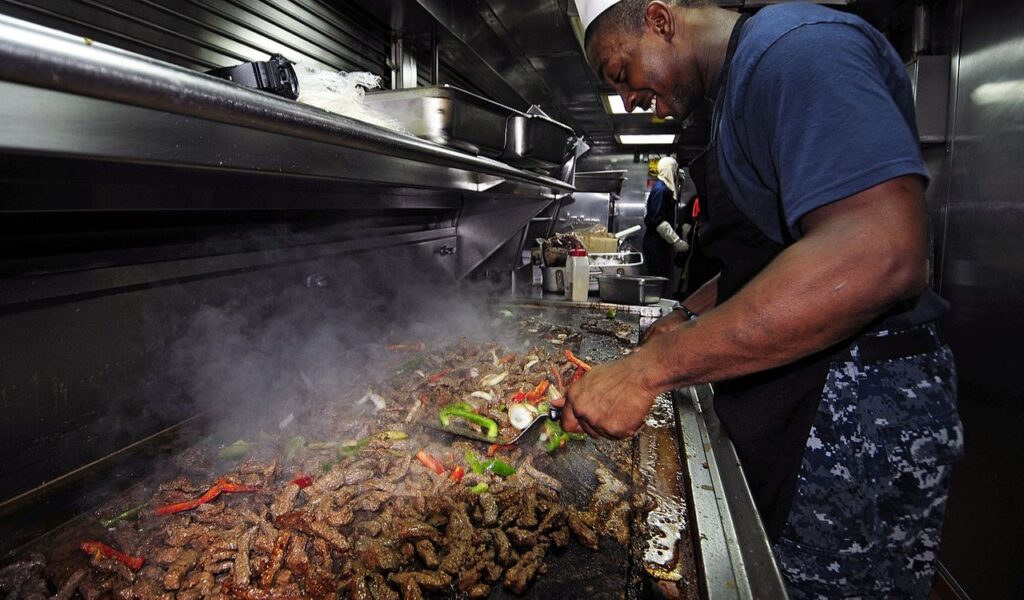
Holding food longer reduces waste but damages texture. Heat continues breaking down structure, especially in proteins and fried items. Crisp coatings soften, and moisture escapes from meats. Time becomes the enemy.
Steam trapped in holding units accelerates sogginess. Proteins dry out as juices migrate and evaporate, while starches swell and collapse. Even well-cooked food deteriorates quickly when exposed to prolonged heat. Quality drops fast.
The result is food that tastes familiar but feels tired. Diners experience meals that lack contrast, with crisp, tender, and juicy textures quietly disappearing. Everything blurs together.