How to Turn an Ordinary Bottle of Wine Into a Christmas Tradition

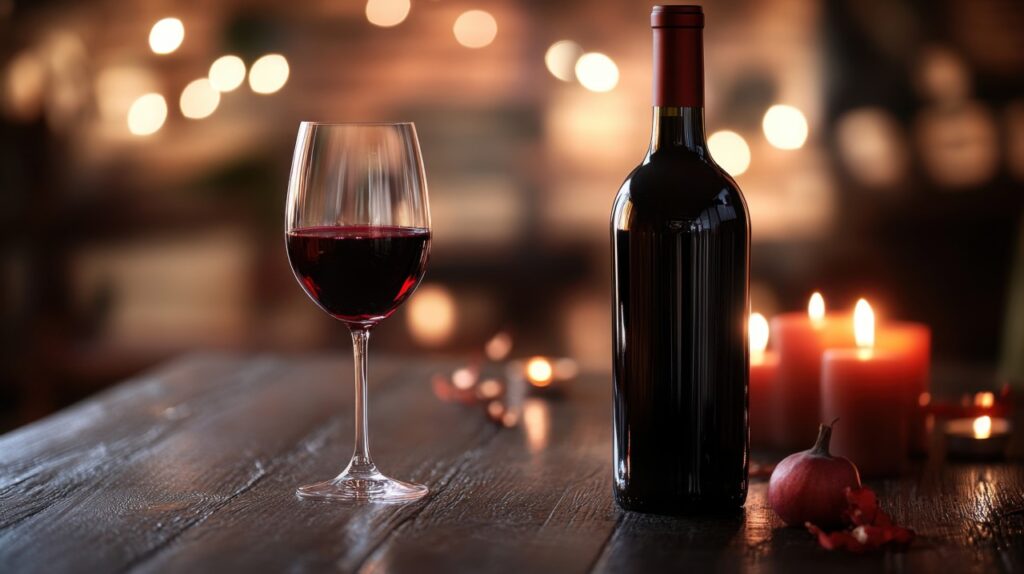
Some holiday traditions do not arrive with grand gestures. They begin quietly, repeating year after year until they feel inseparable from the season itself. Turning an ordinary bottle of wine into a Christmas ritual works the same way. The transformation has little to do with price, labels, or rarity and everything to do with consistency and intention. When the same style or bottle is brought out each Christmas, it becomes a signal that the season has arrived. Over time, opening it slows the moment, invites conversation, and creates a shared pause that feels different from any other day of the year.
As the tradition repeats, the wine starts to hold meaning that goes far beyond flavor. Each year adds another layer of memory, whether it comes from laughter at the table, quiet reflection, or familiar faces gathered together. Small personal touches deepen that connection, turning the bottle into something symbolic rather than consumable. What began as an ordinary choice becomes a marker of togetherness, comfort, and continuity. In that way, the wine no longer represents what is poured into the glass, but what is shared around it, making the season feel warmer, more familiar, and deeply personal.
Why Wine Makes a Perfect Holiday Tradition
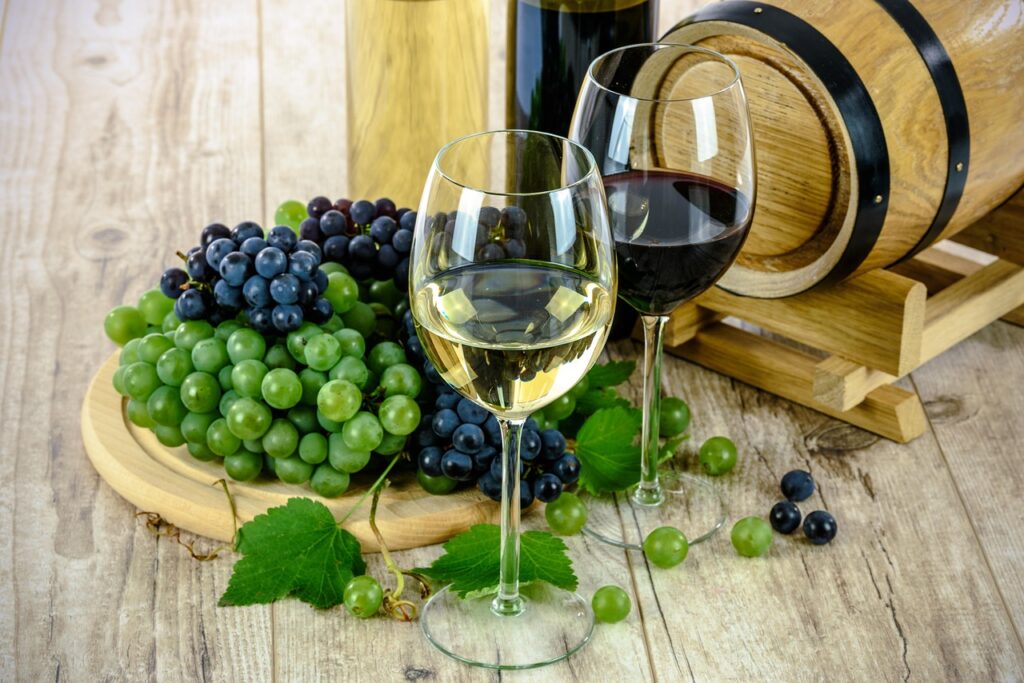
Holiday traditions last because they create emotional anchors, and wine fits that role naturally and effortlessly. Opening a bottle slows the pace of the day, invites people to linger, and signals that the moment matters. Wine engages multiple senses at once, allowing taste and aroma to attach themselves to memory in a way few other traditions can. Over time, those sensory cues become familiar and comforting. The same style of wine, opened at the same point in the holiday, starts to feel like part of the season itself rather than just another drink. That repeated association gives the ritual depth and meaning beyond the glass.
Wine’s flexibility is another reason it works so well as a holiday tradition. It adapts to different homes, personalities, and celebrations without losing its significance. Some families open their bottles during Christmas dinner, others wait for a quiet toast after the house settles. The setting may change, but the ritual remains. What matters is not the label or cost, but the act of sharing it. As years pass, repetition creates familiarity, and familiarity creates emotional weight. In that way, wine becomes less about what is poured and more about the shared experience it represents. That shared moment is often what people remember long after the holiday has passed.
Choose the Right Wine for Lasting Memories
Choosing a wine for a lasting Christmas tradition is less about prestige and more about reliability. The most meaningful traditions are built on familiarity, not extravagance. A wine that consistently fits your holiday meals and appeals to a wide range of tastes makes the ritual easy to repeat year after year. Balanced reds with moderate acidity or whites with gentle richness tend to work well because they complement classic holiday foods without overpowering them. When the wine feels approachable, it invites participation rather than hesitation, which is essential for a tradition meant to bring people together and feel welcoming rather than formal.
Consistency is what allows a wine to become symbolic over time. Selecting a bottle or style that is readily available each year removes stress and guesswork from holiday planning. The goal is not to surprise guests, but to create recognition. When the same wine appears every Christmas, it begins to signal the season before a word is spoken. That familiarity builds emotional connection, turning the bottle into a seasonal marker. Without constant reinvention, the wine quietly reinforces the holiday atmosphere and strengthens the sense of continuity year after year. Over time, that repetition becomes as meaningful as any long-standing family tradition.
Add Personalized Touches to Every Bottle
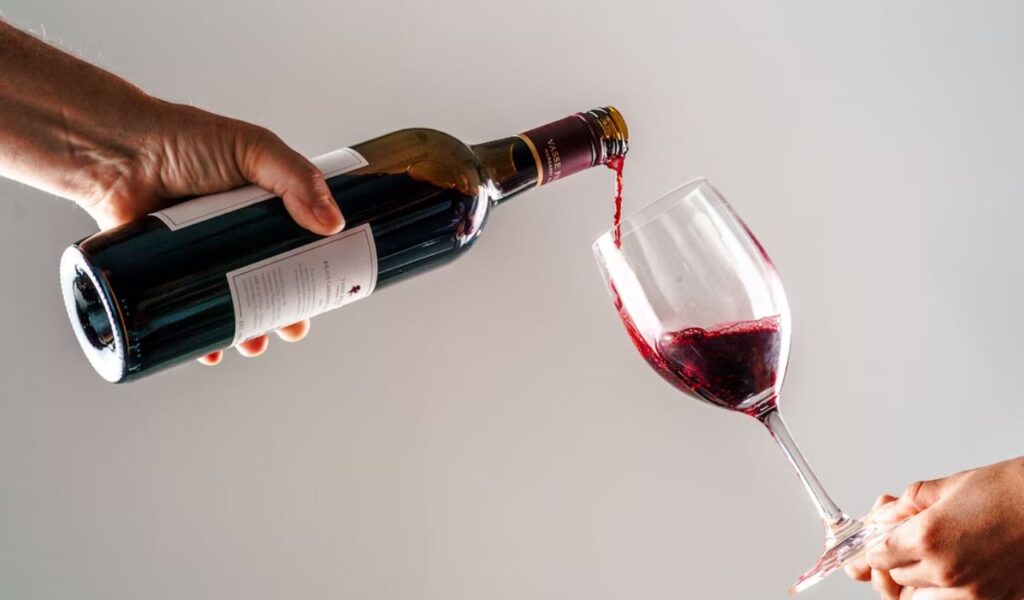
Personalization is what turns an ordinary bottle of wine into something people pause over before opening. A handwritten tag, a note with the year, or a brief message explaining why that wine was chosen adds emotional context that cannot be bought. These small details shift the bottle from being just a beverage to becoming part of a story. When guests read a note or recognize a familiar marking, the wine feels intentional rather than incidental. That sense of purpose makes the moment feel special and reinforces the idea that the bottle exists for this occasion, not just consumption. It quietly tells everyone that this bottle was meant to be remembered, not rushed.
Decorative touches work best when they are subtle and consistent rather than elaborate. A ribbon tied the same way each year, a simple wax seal, or a recurring label design visually signals tradition without feeling staged. More importantly, personalization creates continuity. When every bottle carries a date, message, or shared memory, the tradition begins to document itself. Over time, the wine becomes a quiet record of passing years, holding meaning that extends well beyond the moment it is opened and shared. Those visual cues help turn memory into something tangible that returns each Christmas.
Pair Wine With Festive Flavors
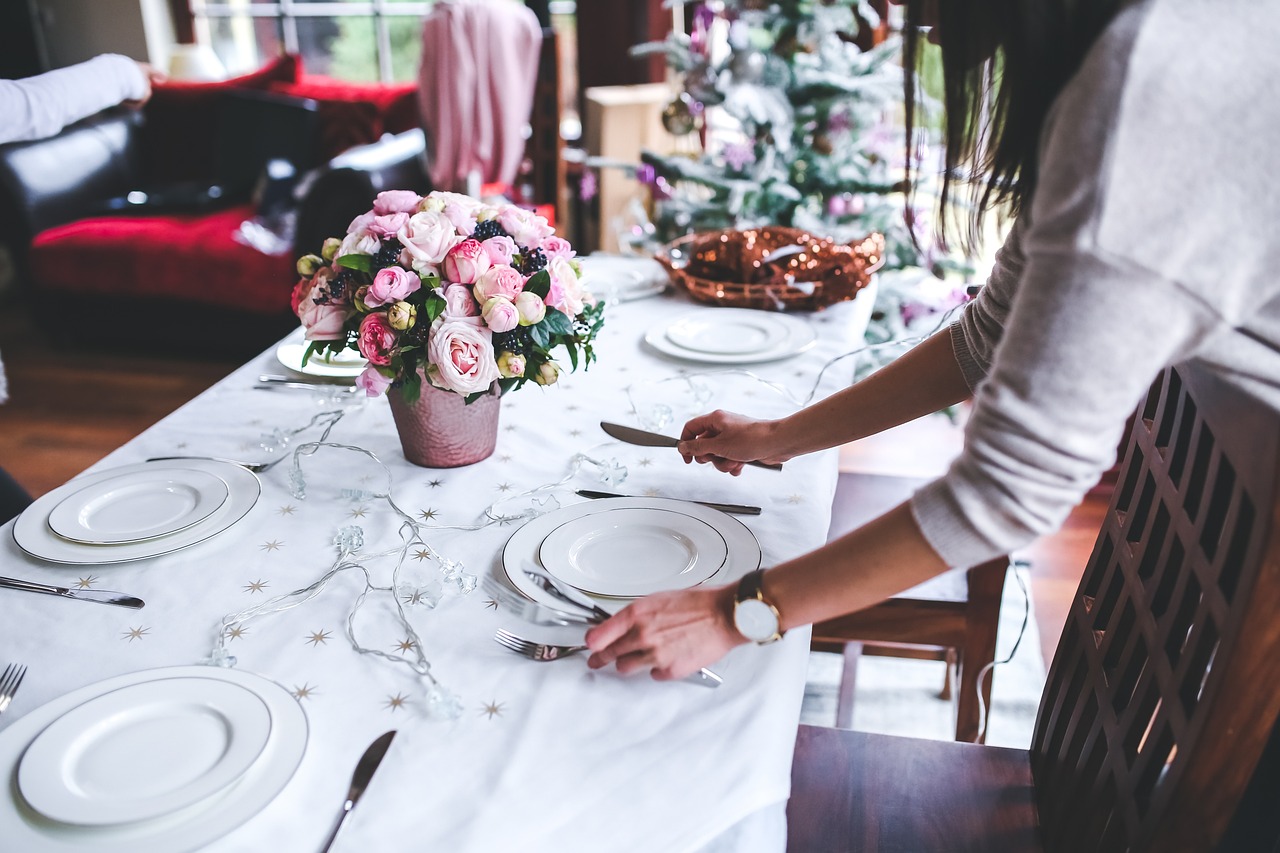
Food pairing is what firmly anchors a wine tradition to the holiday table instead of letting it float as a separate moment. When a wine complements familiar Christmas dishes, it becomes part of the meal’s rhythm rather than competing for attention. Balanced wines work especially well because they can stand up to rich roasts, buttery sides, and savory sauces without overwhelming the palate. This harmony allows the wine to enhance flavors already present, reinforcing its role in the celebration. Over time, the pairing feels intentional, teaching guests to expect that wine alongside those specific holiday foods.
Simplicity is what makes festive pairings last year after year. Cheese boards, roasted meats, or gently spiced vegetables allow the wine to shine without requiring elaborate planning. As the same combinations return each Christmas, they become familiar and comforting. Guests begin to associate certain flavors with the season itself, strengthening the sensory memory tied to the wine. That consistency builds anticipation and warmth, turning the bottle into an expected part of the holiday rhythm rather than a one-off choice. In this way, pairing helps transform wine into tradition through repetition and shared experience.
Make It an Annual Celebration
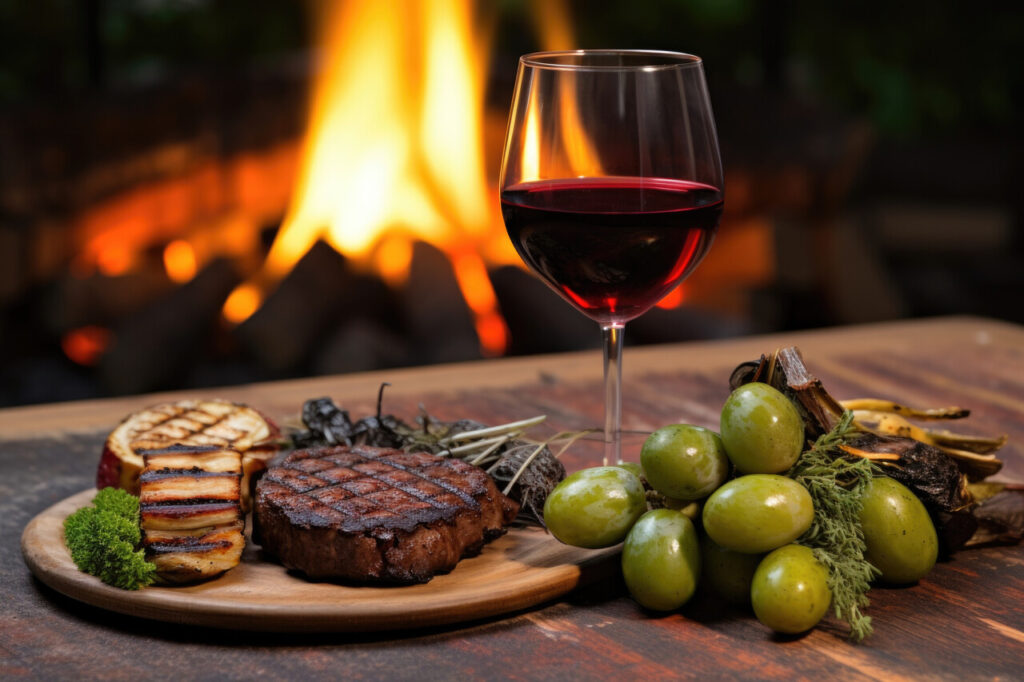
A wine tradition lasts when it includes ritual rather than simple repetition. Opening the bottle at the same moment each Christmas creates a predictable pause that signals the celebration has truly begun. Sharing a toast, offering a few words about the year, or acknowledging who is present adds emotional framing to the act. These gestures give the wine meaning beyond taste and turn it into a shared marker of time. Structure matters because it creates expectation. When people know the moment is coming, it feels intentional rather than incidental, and the ritual becomes something everyone looks forward to each year.
Allowing the tradition to evolve naturally keeps it meaningful instead of rigid. Some years may be lively and crowded, while others are quieter and more reflective, yet the core ritual stays intact. Small practices like noting the year, saving corks, or taking a photo help preserve continuity without effort. Over time, these details form a gentle record of changing seasons and gatherings. The wine becomes a thread linking past and present, carrying memory forward. That continuity is what elevates an ordinary bottle into a lasting Christmas tradition rooted in shared experience. Each return of the ritual quietly reinforces a sense of belonging and shared history.
Reference
- How to Perfectly Wrap a Bottle of Wine for Christmas – beefsteakclubwines.com
- Christmas Wine Traditions Around The World – ralphs.com
- Wrap wine bottles to ‘expert level’ by swapping paper for 1 item this Christmas – express.co.uk