How to Actually Get Fresh McDonald’s Food According to a Former Chef

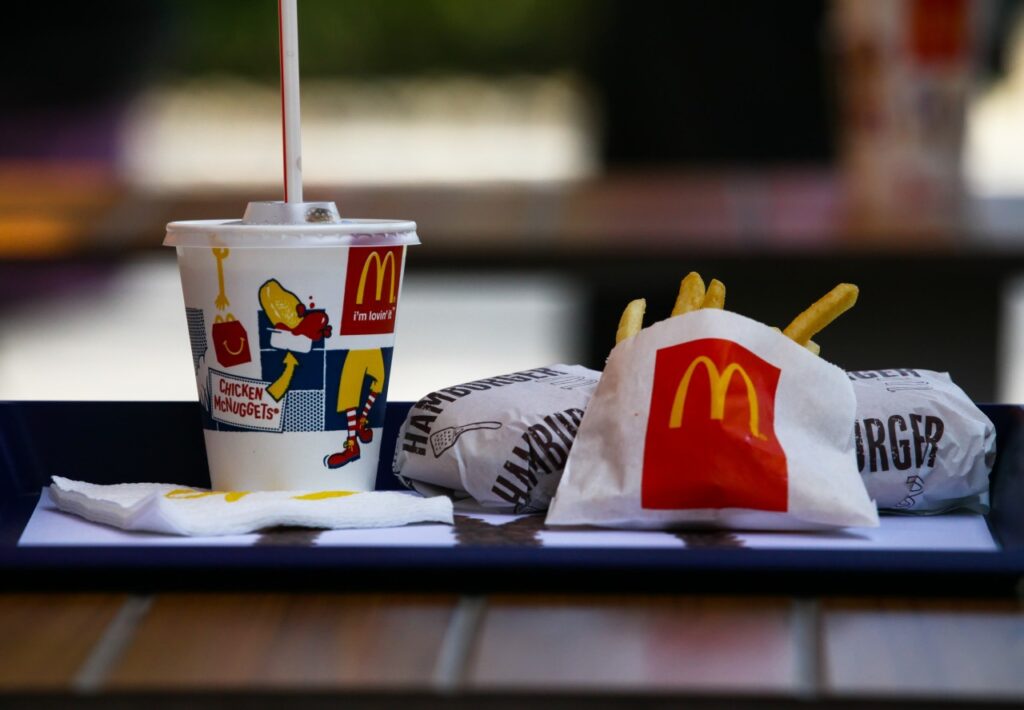
Most people assume getting fresh food at McDonald’s is mostly a matter of luck. One visit delivers hot fries and juicy burgers, while the next feels flat and forgettable, leaving customers confused about what changed. Behind the counter, though, there is a carefully structured system built to balance speed, safety, and consistency across thousands of locations. Food is prepared in batches based on expected demand, then held at safe temperatures for defined time windows. Former McDonald’s chefs explain that freshness is managed, not accidental. Items are rarely old, but they are not always brand new, either.
What many customers do not realize is that they can influence the outcome with small, reasonable choices. Visiting during busy hours increases turnover, which means food moves quickly from grill to bag. Politely asking for freshly prepared items often works because staff can adjust cooking schedules without breaking rules. Even minor customizations can trigger fresh preparation since pre-made items cannot always be altered. These approaches require patience rather than pressure, but they align with how the kitchen already functions. When customers understand the system instead of fighting it, freshness stops feeling like luck and becomes something they can actually control.
Why McDonald’s Freshness Is Often Misjudged
Many customers assume fast food is either fresh or stale, with no middle ground, but the reality is far more structured. McDonald’s kitchens are built around speed, consistency, and food safety, not individually made-to-order meals. Items are cooked in batches based on predicted demand and placed into temperature-controlled holding units. This allows restaurants to serve large volumes quickly while maintaining uniform standards across locations. Food does not sit indefinitely, but it also does not come straight off the grill for every order. This balance keeps operations efficient, though it can make freshness feel inconsistent from one visit to the next.
The confusion usually comes from how customers define freshness compared to how the company measures it. Many people think fresh means cooked only after they order, while McDonald’s defines fresh by strict holding times. Each item has a limited window before it must be discarded, which means food is rarely old, even if it is not brand new. During busy periods, items move quickly and taste fresher. During slower times, they may sit longer within approved limits. This difference in definition often leads to unrealistic expectations at the counter. Understanding this system explains why experiences vary and why timing often matters more than luck.
How Food Is Really Handled Behind the Counter
Behind the counter, food follows a tightly controlled routine designed to balance safety, speed, and consistency. Once items are cooked, they are transferred into warming cabinets that hold food at precise temperatures to prevent bacterial growth while maintaining texture. Each tray is labeled or digitally tracked with timers, ensuring staff know exactly how long items have been held. Employees are trained to remove and discard food once it reaches the end of its approved holding window, even if it still looks fine. This process exists to protect quality and safety, not to cut corners. It ensures customers rarely receive food that is unsafe or excessively old.
Turnover has a direct impact on how fresh that food feels when it reaches the bag. During peak hours, items often move from the grill to the customer in a short span because demand constantly clears the cabinets. In slower periods, food may remain in holding closer to its allowed limit before being served. That difference can affect texture, heat, and overall satisfaction. Customers may notice softer fries or less crisp coatings during these quieter windows. The system itself does not change from hour to hour. What changes is how quickly food cycles through it. Understanding this explains why timing influences quality more than location or luck.
What a Former Chef Says Actually Works
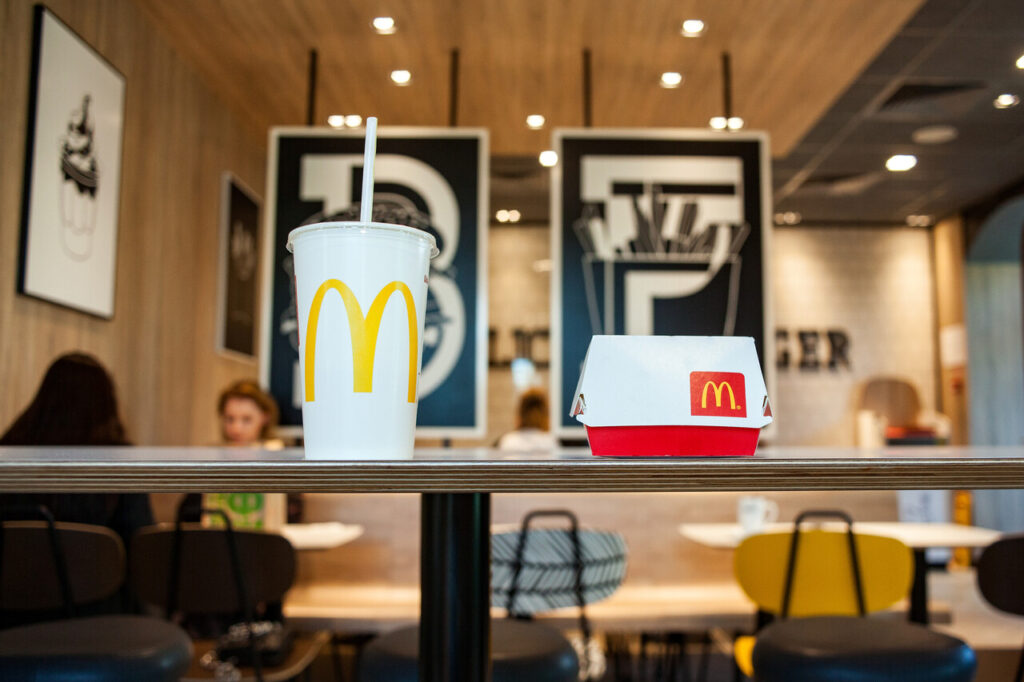
Former McDonald’s chefs often point out that the most effective way to get fresher food is also the simplest. Politely asking for a freshly prepared item shows staff that you understand it may take a few extra minutes and that you are willing to wait. This approach works because it fits naturally into how the kitchen operates. Employees are trained to cook new batches when needed, and a calm request helps them prioritize without disrupting workflow. During slower periods, this is especially manageable, as staff can prepare food fresh without slowing down other orders. Respectful communication signals cooperation rather than complaint, which makes a real difference behind the counter.
Tone and timing matter just as much as the request itself. Demanding language or frustration rarely produces better results, because it creates pressure rather than flexibility. Clear and courteous wording allows staff to adjust cooking schedules without breaking any rules or procedures. They are not bending policies when they prepare fresh food on request. They are simply starting a new batch sooner. Former chefs emphasize that patience often leads to better quality because the system is designed to respond to reasonable customer needs. When customers work with the process instead of against it, they are far more likely to leave with hotter, fresher food.
The Smartest Way to Place Your Order
Ordering method plays a larger role in food freshness than most customers realize. Ordering in person or through the drive-thru gives staff immediate awareness of your request and allows the kitchen to respond in real time. When an order is placed face-to-face or through the speaker, employees can decide whether to pull from existing stock or start a new batch based on demand. Small customizations, such as asking for an item without a standard ingredient, often require fresh preparation because pre-assembled food cannot easily be altered. This does not disrupt operations; it simply shifts timing.
What tends to be less effective are indirect strategies that customers assume will force freshness. Removing condiments after the fact or making vague requests often fails because those changes can be handled at the assembly stage without cooking new food. Mobile and app orders do not guarantee fresher items, as they are often prepared quickly to meet pickup timing rather than special requests. Clear communication matters more than clever workarounds. When customers state preferences directly at the counter or drive-thru, the kitchen can respond appropriately. This approach aligns with workflow, reduces confusion, and increases the likelihood of receiving food that feels fresher.
Timing and Menu Choices That Matter Most
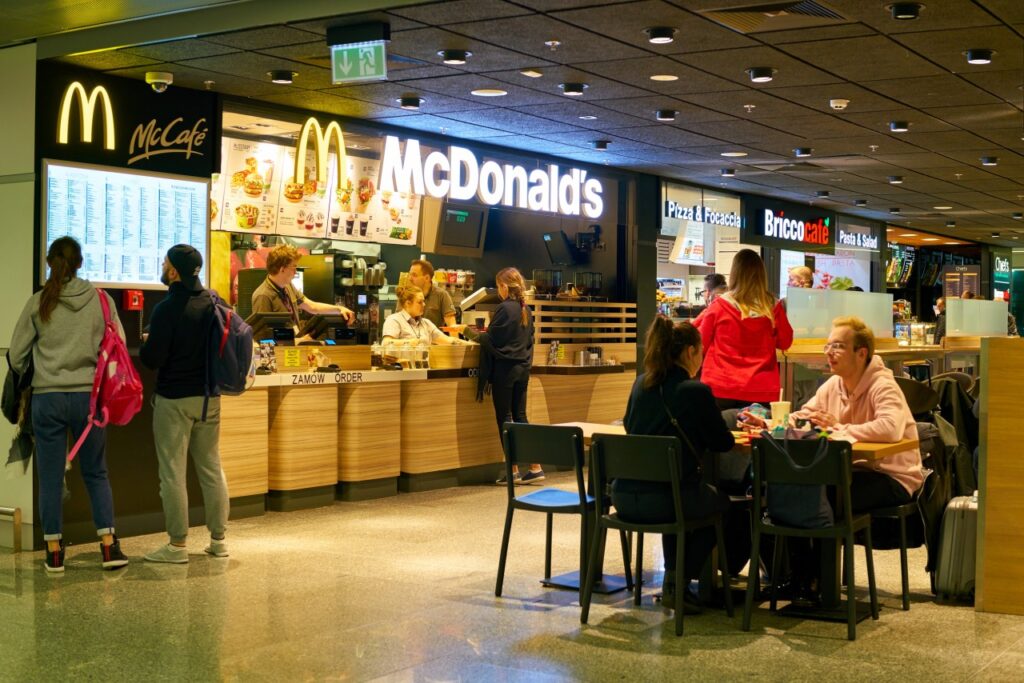
Timing plays a larger role in food freshness than most customers realize, and it is one of the few factors completely within a customer’s control. Fast food kitchens operate on demand patterns, meaning food is prepared based on expected traffic rather than random guesses. Lunch rushes, dinner peaks, and busy weekends create constant movement, with items cycling rapidly from grill to counter. This steady turnover reduces how long food sits in holding and increases the chance that it was cooked minutes earlier. Early mornings can also work well for breakfast, since grills are starting fresh and demand ramps up quickly. Choosing these windows improves freshness without changing what you order.
Menu selection influences freshness just as much as timing. High-volume items like fries, burgers, and nuggets are ordered frequently, which means they are replenished often and rarely linger. Specialty items or limited-demand products move more slowly and may sit longer within approved holding times. Ordering popular items during busy periods minimizes wait time while improving quality. During slower hours, waiting a few extra minutes for fresh preparation can make a noticeable difference. In fast food, freshness is rarely about luck. It comes from understanding how demand, timing, and menu flow work together behind the counter.