How Barcelona Is Redefining Its Modern Food Scene

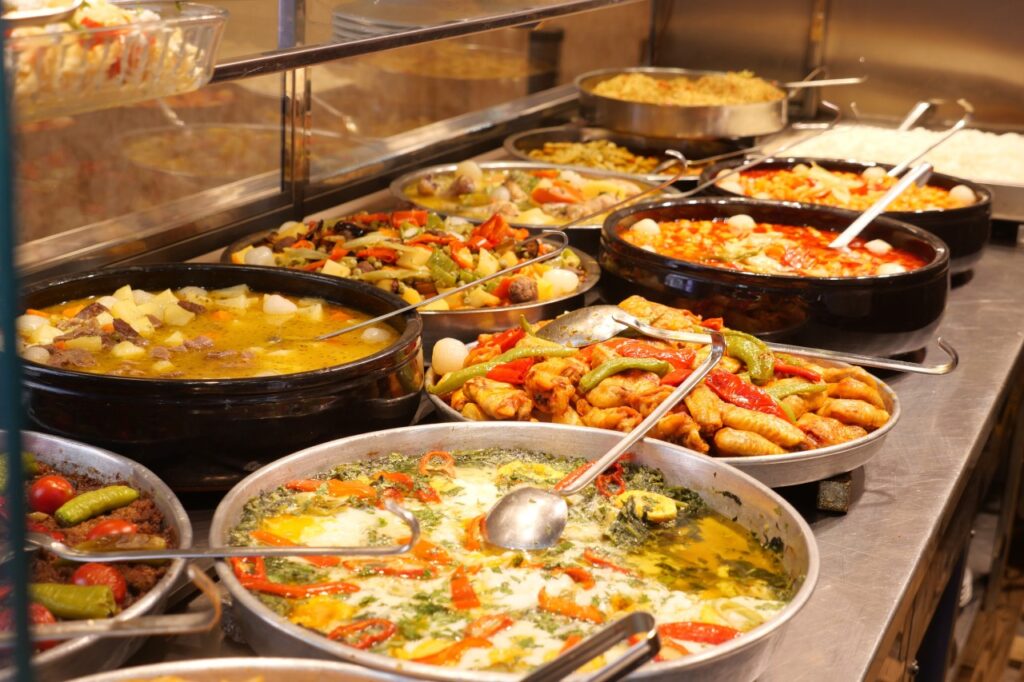
Barcelona’s food scene is quietly rewriting its own story, moving far beyond the narrow expectations many visitors still carry. Once defined almost entirely by tapas counters and rustic Catalan comfort dishes, the city now thrives on thoughtful reinvention. Chefs are no longer chasing novelty for its own sake. Instead, they are asking how tradition fits into modern life. Neighborhood restaurants lead this shift, focusing on seasonality, careful sourcing, and menus that reflect everyday Barcelona rather than postcard clichés. The result is food that feels grounded yet current, shaped by curiosity instead of nostalgia, and confident enough to evolve without losing its roots.
This modern movement is not driven by spectacle, oversized portions, or flashy techniques meant to impress social media feeds. Clarity, balance, and purpose guide the way dishes are built and served. Global influences appear subtly, adding perspective rather than distraction, while local ingredients remain central to the plate. Sustainability is treated as a practical necessity, not a trend. Every meal tells a quiet story about where the city has been and where it is going. That sense of direction is what makes Barcelona stand out today, positioning it as one of Europe’s most compelling food destinations right now.
Barcelona’s New Culinary Identity
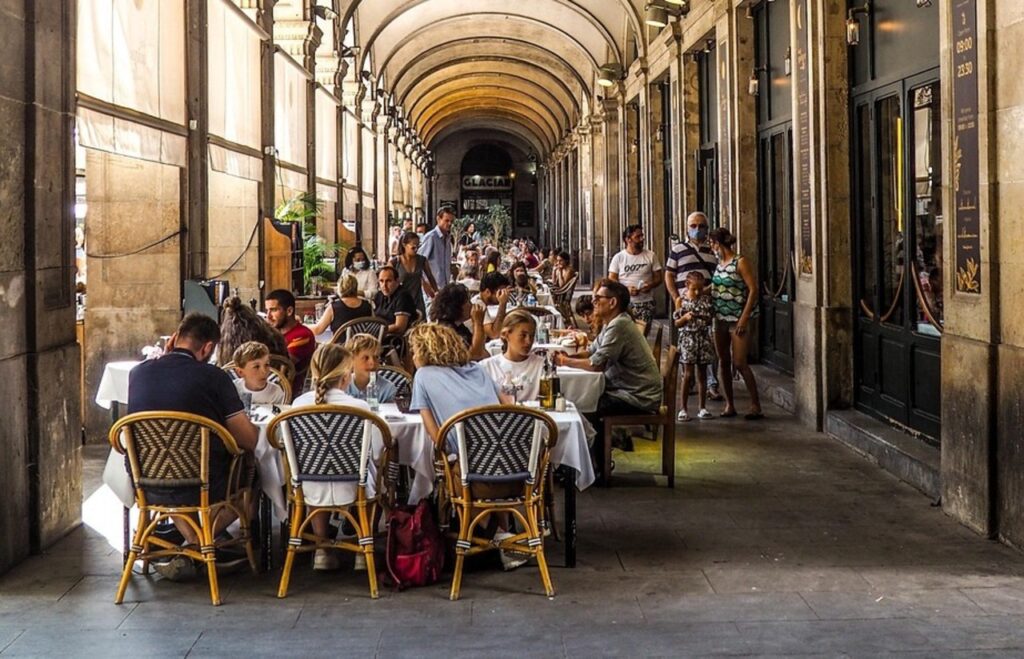
Barcelona’s food scene is no longer shaped only by tapas bars, seaside paella, or the expectations visitors bring with them. In recent years, the city has undergone a quiet but meaningful shift, redefining its culinary identity through balance rather than disruption. Chefs are moving away from strict recreations of traditional dishes and instead focusing on how those flavors translate into modern life. Food is treated less as a staged experience and more as a daily expression of culture. This change reflects how locals actually eat, valuing comfort, quality, and rhythm over formality. The result is a scene that feels lived in, thoughtful, and deeply connected to the city itself.
What makes this evolution stand out is how effortless it appears. Modern restaurants still embrace familiar habits such as shared plates, casual pacing, and seasonal ingredients, but they apply sharper technique and clearer purpose. Dishes feel refined without feeling precious, and innovation comes from understanding rather than rejection. Barcelona is not turning its back on its past. Instead, it is allowing tradition to guide progress. That confidence creates a dining culture rooted in familiarity yet open to change, giving the city a modern food identity that feels authentic, current, and unmistakably its own.
Reinventing Catalan Cuisine
Catalan cuisine continues to anchor Barcelona’s modern food identity, even as chefs reshape how those familiar flavors appear on the plate. Core ingredients like olive oil, seafood, pork, legumes, and seasonal vegetables remain essential, but they are treated with greater restraint and precision. Heavy preparations are lightened, portions are refined, and cooking methods are adjusted to suit contemporary tastes. Slow braises may be cleaner and shorter, sauces less dense and more focused, and vegetables allowed to stand on their own. The emphasis is on clarity rather than abundance, letting each ingredient speak without unnecessary weight or excess.
This evolution succeeds because it respects memory instead of discarding it. Chefs understand that diners carry emotional connections to these flavors from family kitchens and shared meals. Rather than replacing tradition, they adjust balance, texture, and presentation to refresh it. Familiar dishes arrive in updated forms that feel recognizable yet new, creating comfort without repetition. The intention is never to shock or disrupt, but to keep Catalan food relevant to modern life. By honoring its roots while allowing room for change, the cuisine proves it can evolve naturally without losing its identity or cultural meaning.
Neighborhoods Driving the Food Movement
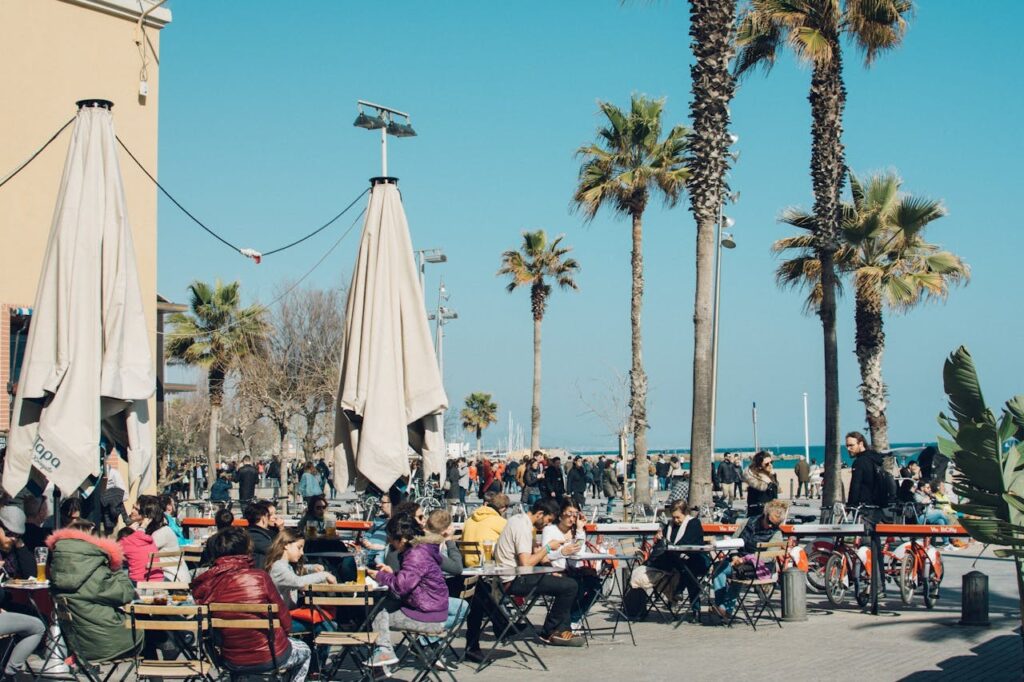
Much of Barcelona’s culinary momentum now comes from its neighborhoods rather than its traditional dining districts. Small, chef-run restaurants are shaping the modern food scene long before ideas reach high-profile venues. These kitchens often operate with concise menus that change with the seasons, allowing chefs to cook what is freshest rather than what is expected. Close relationships with nearby farmers, fishers, and markets influence daily decisions, giving menus a strong sense of place. Without the pressure of prestige locations, chefs focus on clarity, consistency, and creativity rooted in everyday life, making neighborhoods the true engines of change.
This neighborhood-driven approach creates a more personal connection between chefs and diners. Restaurants mirror the pace of local routines instead of catering primarily to visitors, which encourages experimentation without spectacle. Lower overhead and flexible expectations give chefs room to refine ideas thoughtfully rather than rush trends. These spaces function as quiet testing grounds where techniques, flavors, and formats are explored organically. Over time, successful ideas spread outward, proving that meaningful culinary innovation often begins at the community level, built on trust, familiarity, and daily interaction rather than luxury or attention.
Global Influence on Local Plates
Barcelona’s modern food scene reflects a city that has always been outward-looking, shaped by travel, trade, and cultural exchange. Today’s chefs draw inspiration from time spent cooking abroad, stages in international kitchens, and daily exposure to a diverse population that brings global tastes into local neighborhoods. Techniques from Asian, Latin American, and Northern European cuisines now appear naturally on menus, influencing how ingredients are handled rather than replacing them. Fermentation, precision grilling, spice layering, and minimalist plating have all found a place in Barcelona kitchens.
What makes this global influence work is a clear sense of restraint and intention. Chefs use international ideas to highlight local ingredients instead of masking them. A seasonal vegetable might be prepared with an unfamiliar spice, or a traditional protein cooked using a method learned abroad, but the core flavor remains rooted in place. This careful balance keeps dishes grounded and avoids confusion on the plate. Barcelona’s openness to outside influence strengthens its culinary identity rather than diluting it, proving that global perspective and local pride can exist comfortably side by side.
Sustainability Shaping the Future
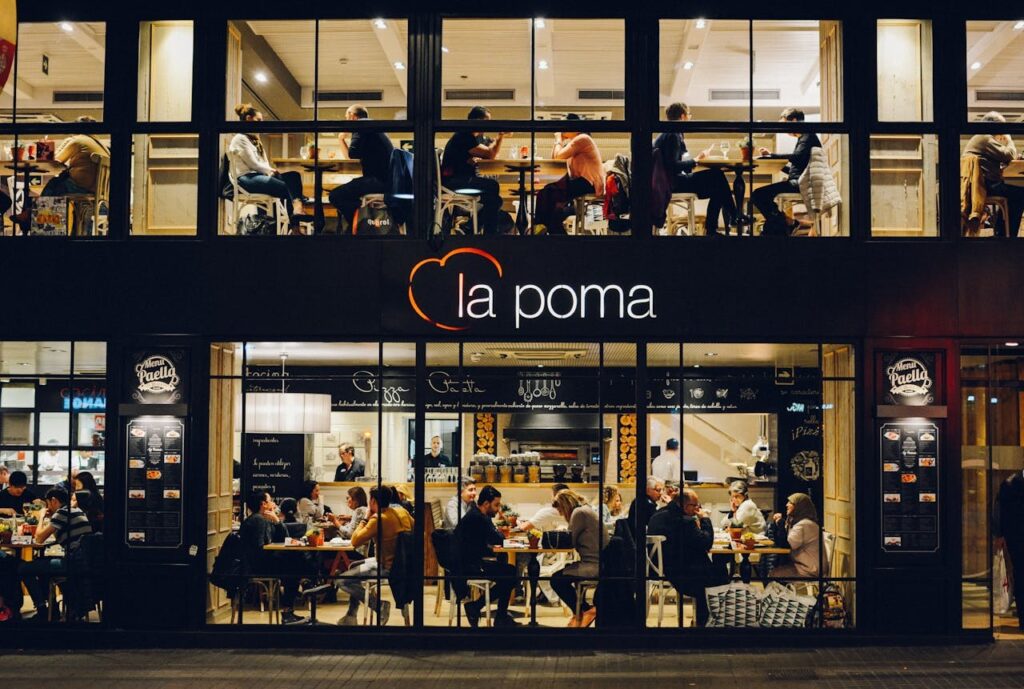
Sustainability is no longer treated as a trend in Barcelona’s food scene, but as a practical foundation for how kitchens function every day. Many chefs now build menus around what local farmers, fishers, and producers can supply seasonally, rather than forcing ingredients to fit preconceived ideas. Shorter supply chains mean fresher food, clearer flavors, and stronger ties between restaurants and their surrounding regions. This approach also reduces transportation impact and supports small-scale producers, making sustainability a working system rather than a talking point. The focus is on efficiency, responsibility, and respect for ingredients from the moment they arrive in the kitchen.
Menus across the city are increasingly smaller by intention, allowing chefs to reduce waste while concentrating on quality and consistency. Limited offerings make it easier to manage inventory, repurpose trimmings, and adjust dishes based on availability. Creativity thrives within these limits, as chefs find smarter ways to use each ingredient fully. Sustainability in Barcelona feels integrated instead of performative because it shapes daily decisions rather than marketing language. How food is sourced, cooked, and served reflects long-term thinking, reinforcing the idea that the city’s future cuisine depends on thoughtful choices made at every stage.
Reference
- Barcelona City Food: A Delicious Journey through Catalan Cuisine – bcn.travel
- Exploring Barcelona’s Treasure Trove of Culinary Delights! – cook-eat-go.com
- Exploring Barcelona’s Culinary Culture – drifttravel.com