We Tested 8 Store-Brand Butters Against Kerrygold. Here’s What Happened

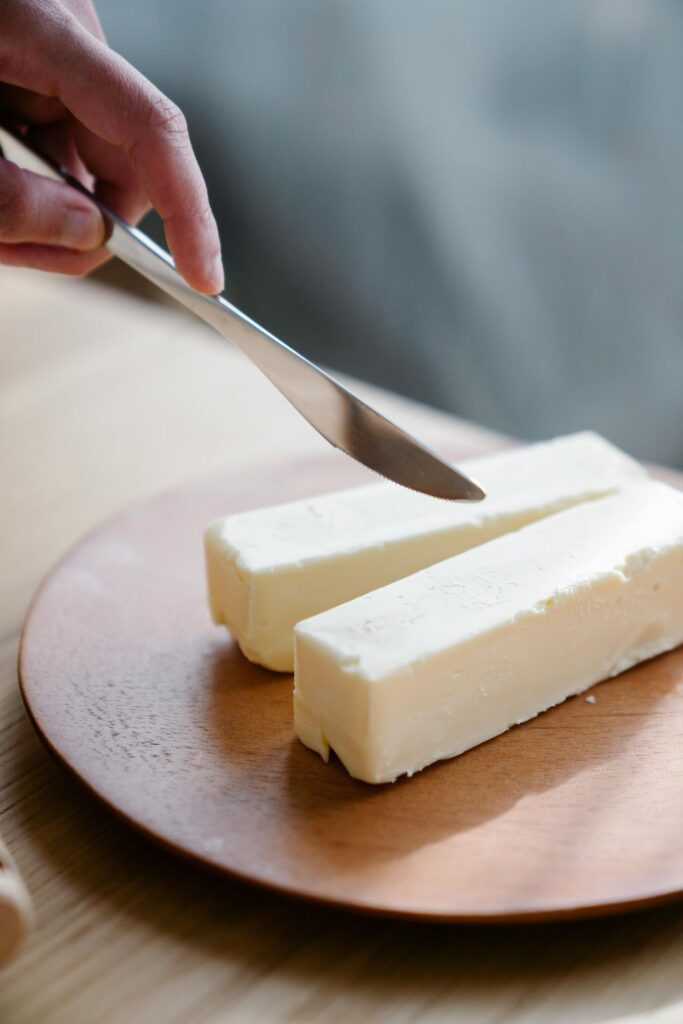
Kerrygold has a devoted following, but its premium price makes plenty of shoppers wonder whether a cheaper stick can deliver the same rich, creamy payoff. So we lined up eight store-brand butters and put them head-to-head with the gold standard. Some tasted surprisingly close, a few fell flat, and one or two made a serious case for a permanent spot in the butter dish.
How We Set Up the Taste Test
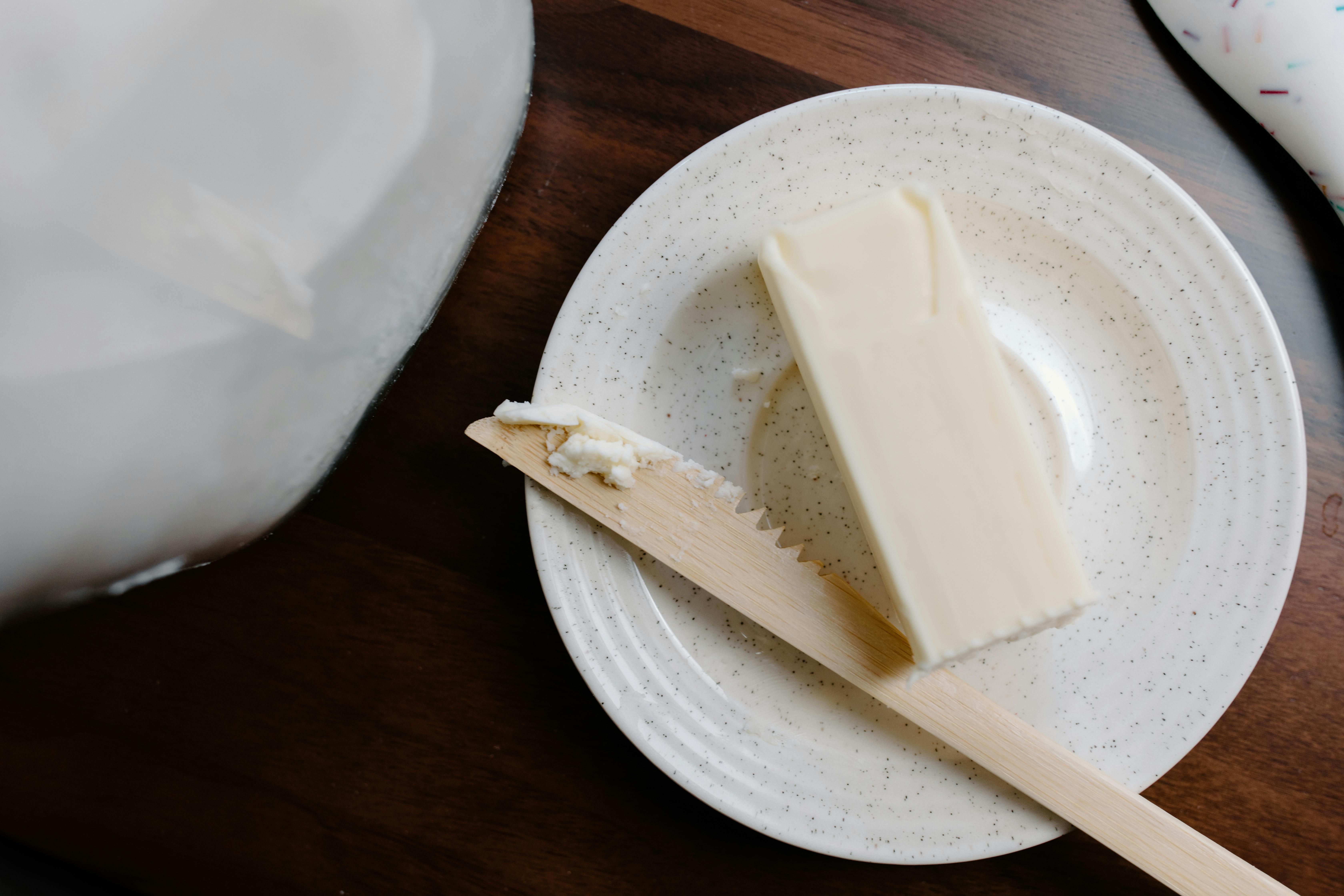
To keep things fair, we compared Kerrygold with eight store-brand butters in a few everyday situations: spread on plain toast, tasted cold straight from the fridge, and softened slightly at room temperature. That let us see how each one handled flavor, texture, and that all-important melt.
We paid close attention to salt level, creaminess, and whether the butter tasted fresh or flat. Some were clearly made for baking first and table use second, while others had the kind of rich, cultured vibe that instantly reminded us why people splurge on premium butter in the first place.
What Makes Kerrygold So Hard to Beat
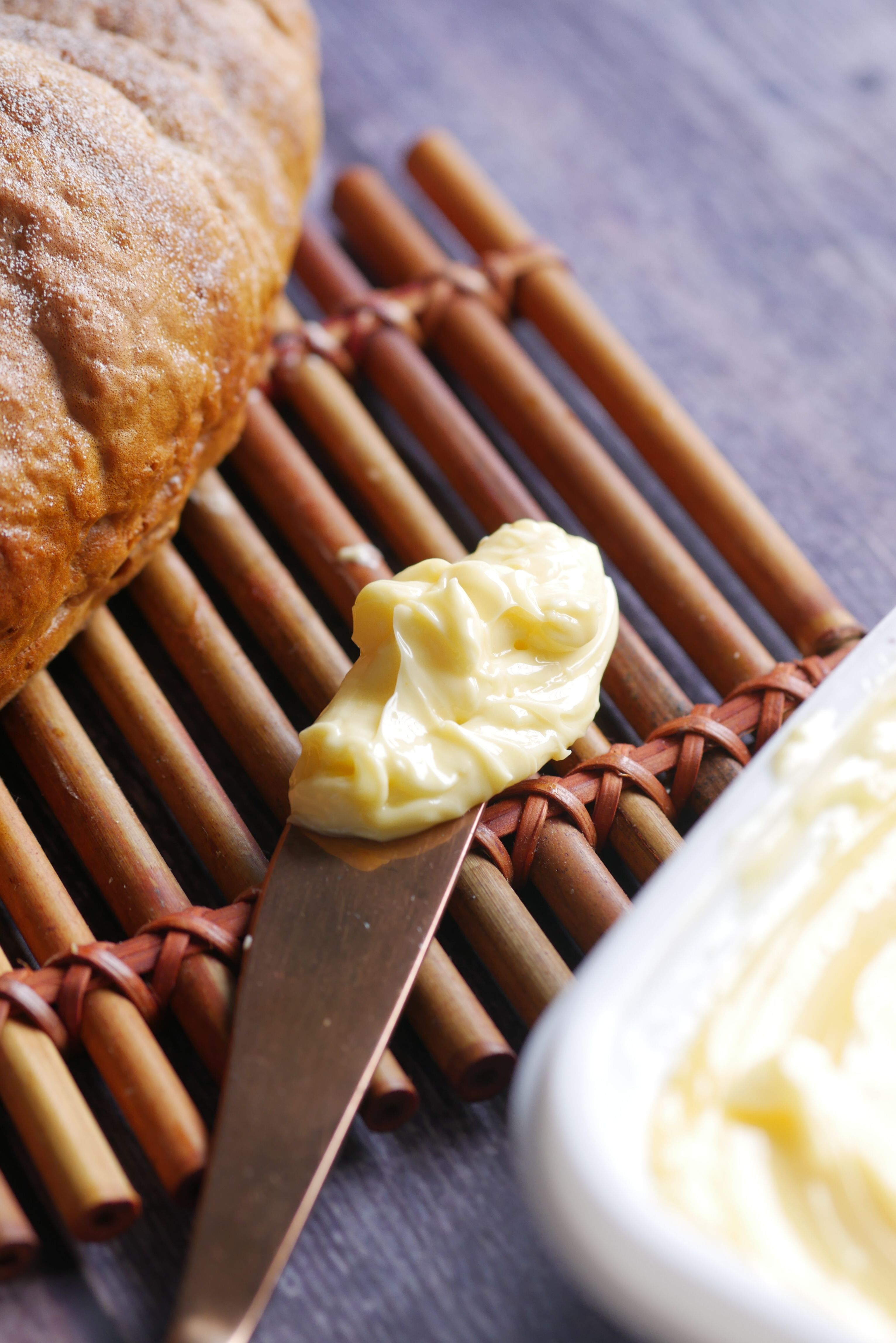
Kerrygold’s appeal starts with texture. It’s dense yet silky, and even when it’s cold, it doesn’t feel waxy or stiff in the way some supermarket butters do. Once it hits warm toast, it melts into glossy puddles instead of sitting there in pale streaks.
The flavor is what really sets it apart. It tastes distinctly creamy, slightly sweet, and deeply buttery without being greasy. There’s also a rounded finish that lingers a little longer, which is why so many home cooks swear it makes everything from scrambled eggs to pie crust feel just a touch more luxurious.
The Budget Picks That Tasted Bland
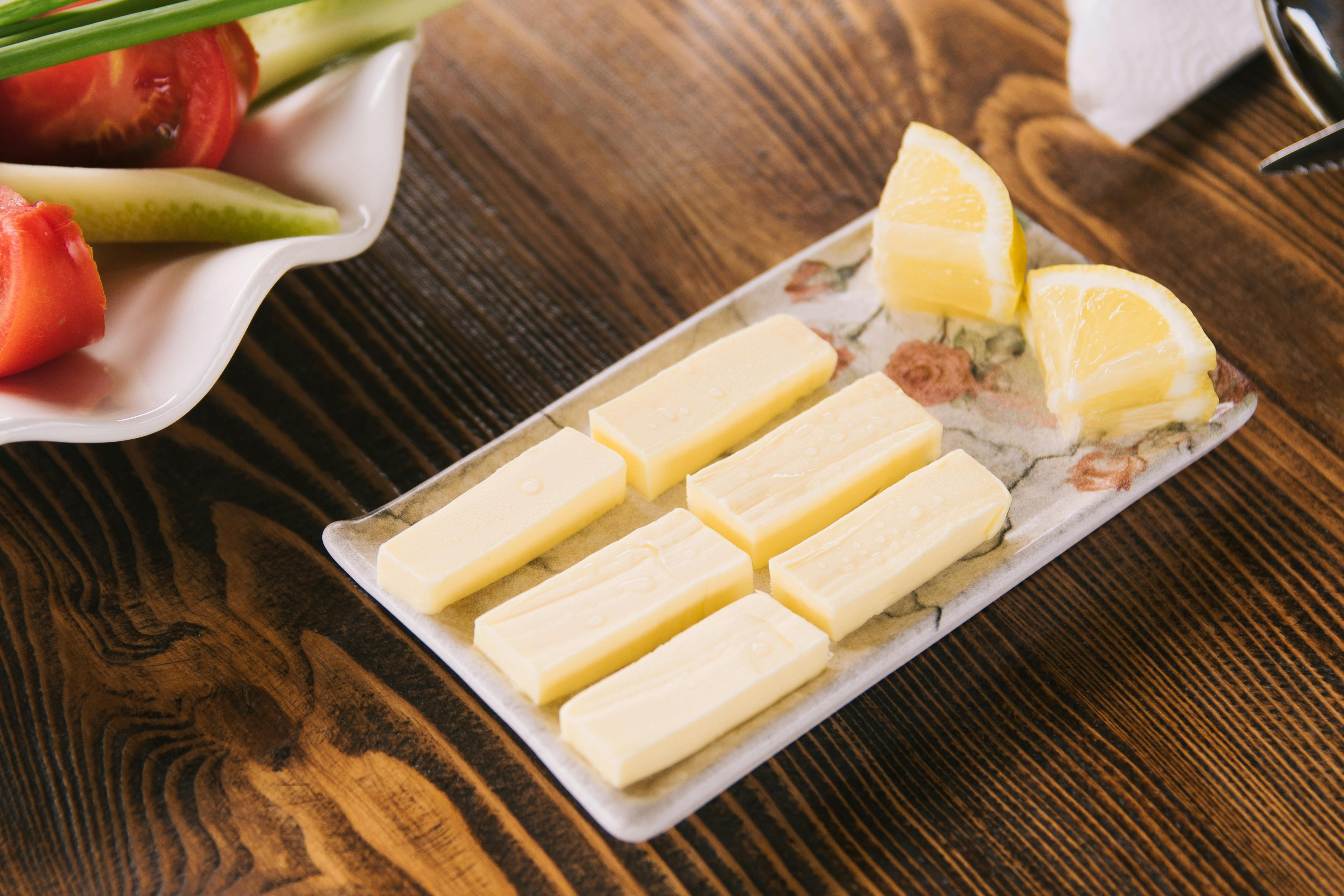
A few of the least expensive store brands delivered exactly what you’d expect from budget butter: decent performance, very little personality. On toast, they melted fast enough, but the flavor disappeared almost immediately, leaving behind more salt than cream.
Texture was another giveaway. Instead of tasting smooth and rich, these butters felt thin or slightly greasy, especially when sampled plain. They’d probably be fine folded into cookie dough or used in a pan where other ingredients take over, but next to Kerrygold, they came across as functional rather than memorable.
The Store Brand That Came Surprisingly Close
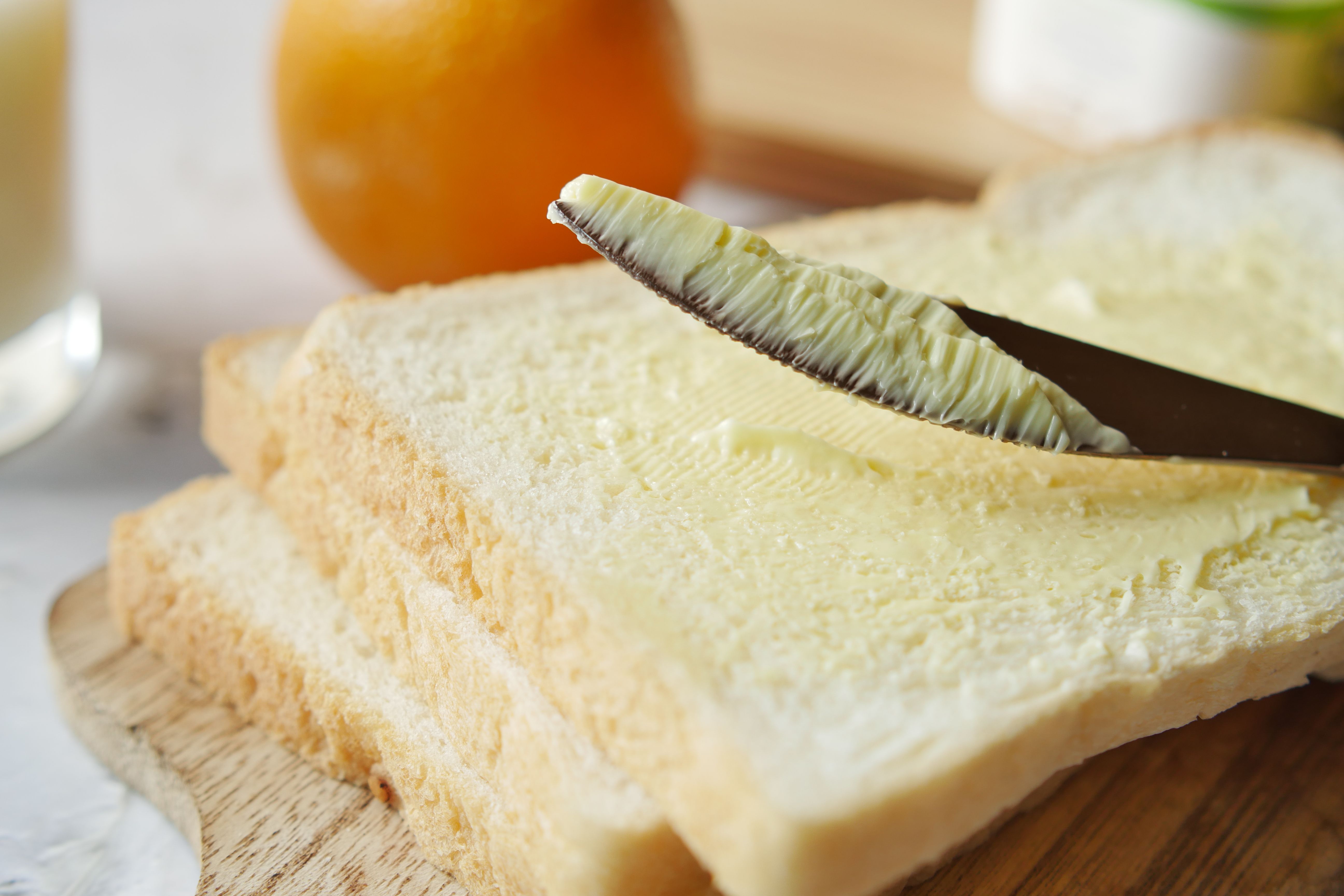
One standout store brand got closer to Kerrygold than we expected. It had a fuller dairy flavor, a softer spread, and a more appealing golden tone than the rest of the pack. Even before tasting it, it looked like it might be a contender.
On warm toast, it held up beautifully, melting evenly and delivering a pleasant creamy finish. It still lacked a bit of Kerrygold’s depth and complexity, but not by much. If you want a less expensive option for everyday use, this was the one that felt most like a smart swap rather than a compromise.
Salt Levels Changed Everything
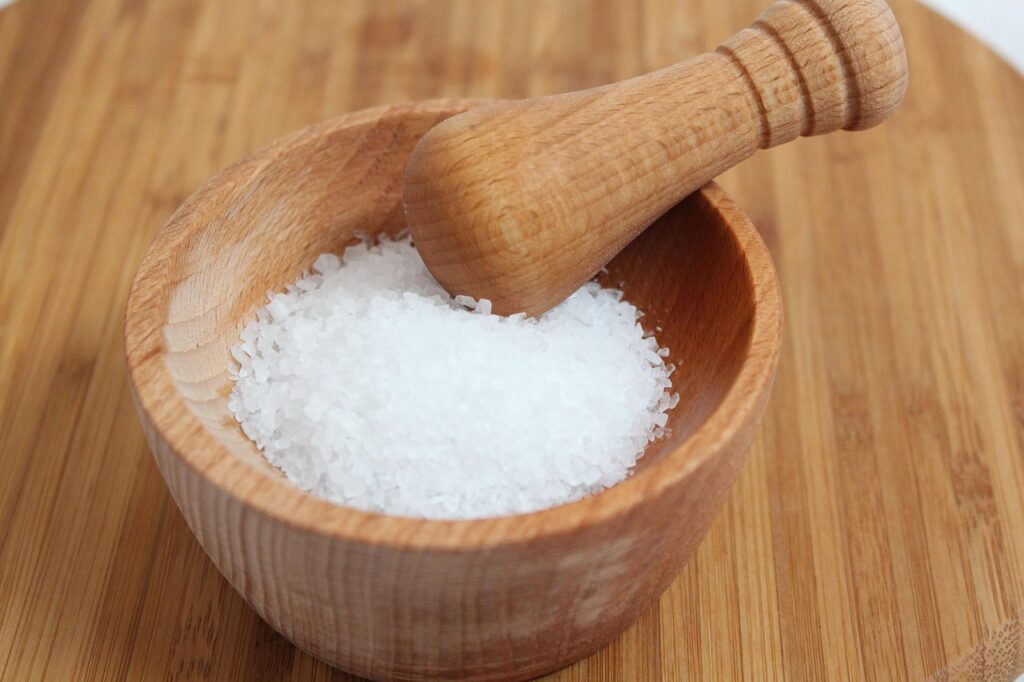
One thing the tasting made obvious is that salt can make or break a butter. Some store brands leaned so salty that they masked whatever cream flavor was underneath. Others barely registered at all, which left them tasting oddly flat and unfinished.
Kerrygold managed a better balance than most. The salt sharpened the flavor without overwhelming it, so the butter still tasted rich and rounded. A couple of store brands got this right too, but many seemed to use salt as a shortcut for flavor, and in a side-by-side test, that strategy was easy to spot.
Texture Was the Real Dealbreaker
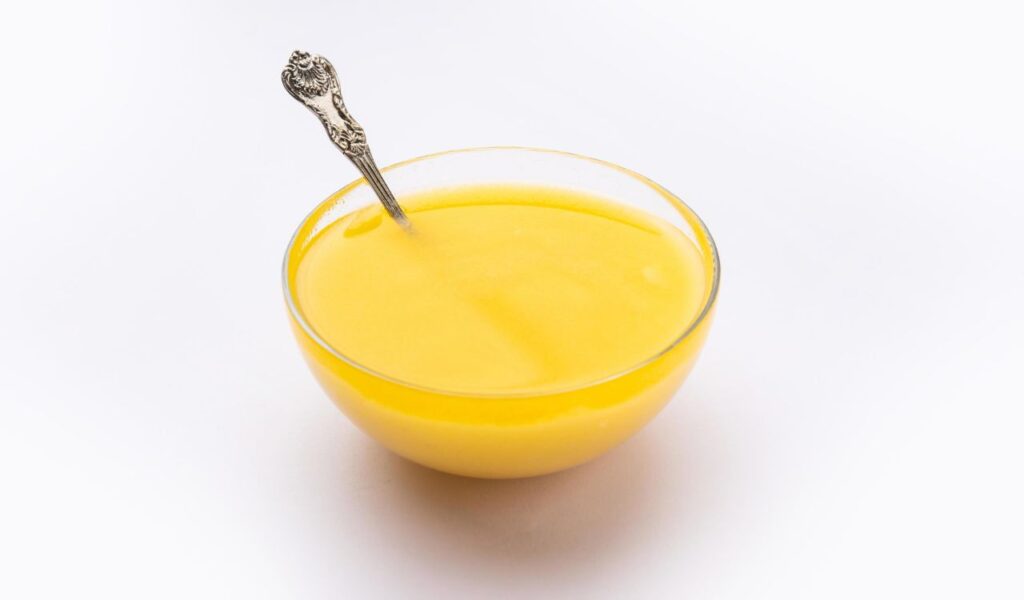
Flavor matters, but texture ended up separating the middle-of-the-pack butters from the truly good ones. The best samples felt creamy and cohesive, not oily or crumbly. They spread cleanly, even when cold, and melted into food instead of breaking apart.
The weaker contenders had a harder, more brittle feel straight from the fridge and sometimes left a waxy coating on the palate. That may not sound dramatic, but it changes the whole experience. Butter is one of those foods where mouthfeel does a lot of heavy lifting, and Kerrygold still set the benchmark here.
Which Butters Worked Best for Baking
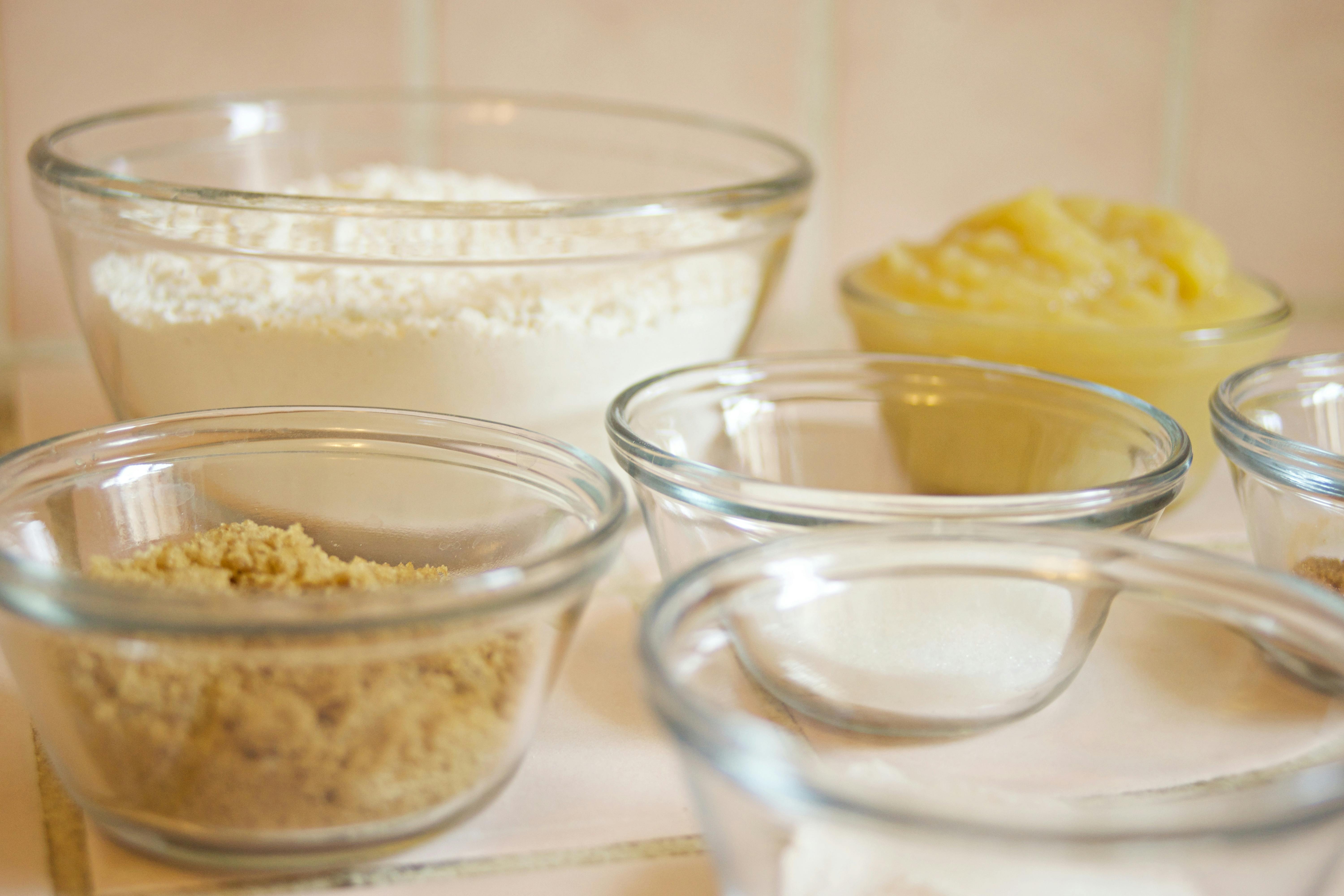
Not every butter needs to win a plain-toast showdown to be worth buying. Some of the more neutral store brands actually make perfect sense for baking, where sugar, flour, and vanilla do most of the talking. In that setting, subtle flavor differences matter less than consistency and price.
Kerrygold still brings extra richness to pastries and shortbread, but using it for every batch can get expensive fast. For cookies, cakes, or quick breads, several of the store brands were perfectly solid choices. We’d save the premium stuff for recipes where butter is front and center.
The Final Verdict on the Best Buy

If you want the richest flavor and the best all-around texture, Kerrygold still earns its reputation. It was the butter we kept going back to, especially for toast, simple sauces, and any dish where butter isn’t hiding behind a dozen other ingredients.
That said, the tasting also proved you don’t always have to pay premium prices to get something good. One store brand came impressively close, and a few others were perfectly respectable in baking or everyday cooking. The takeaway is simple: splurge when butter is the star, and save when it’s just part of the supporting cast.