11 Protein Labeled Snacks Facing Lawsuits in 2026

Protein sells. From bars and shakes to chips and cereal, bold labels promise strength, energy, and smarter snacking in a single serving. For millions of shoppers, that number on the front of the package carries real weight.
But as protein claims grow louder, so does legal scrutiny. In 2026, several well-known brands are facing lawsuits questioning how protein is calculated, presented, and understood. At the center are debates about digestibility, labeling standards, and whether marketing creates expectations that the product does not fully meet.
These cases are not just courtroom headlines. They reflect a broader shift in how consumers read labels and how carefully companies must support every gram they advertise.
1. Gatorade Protein Bars
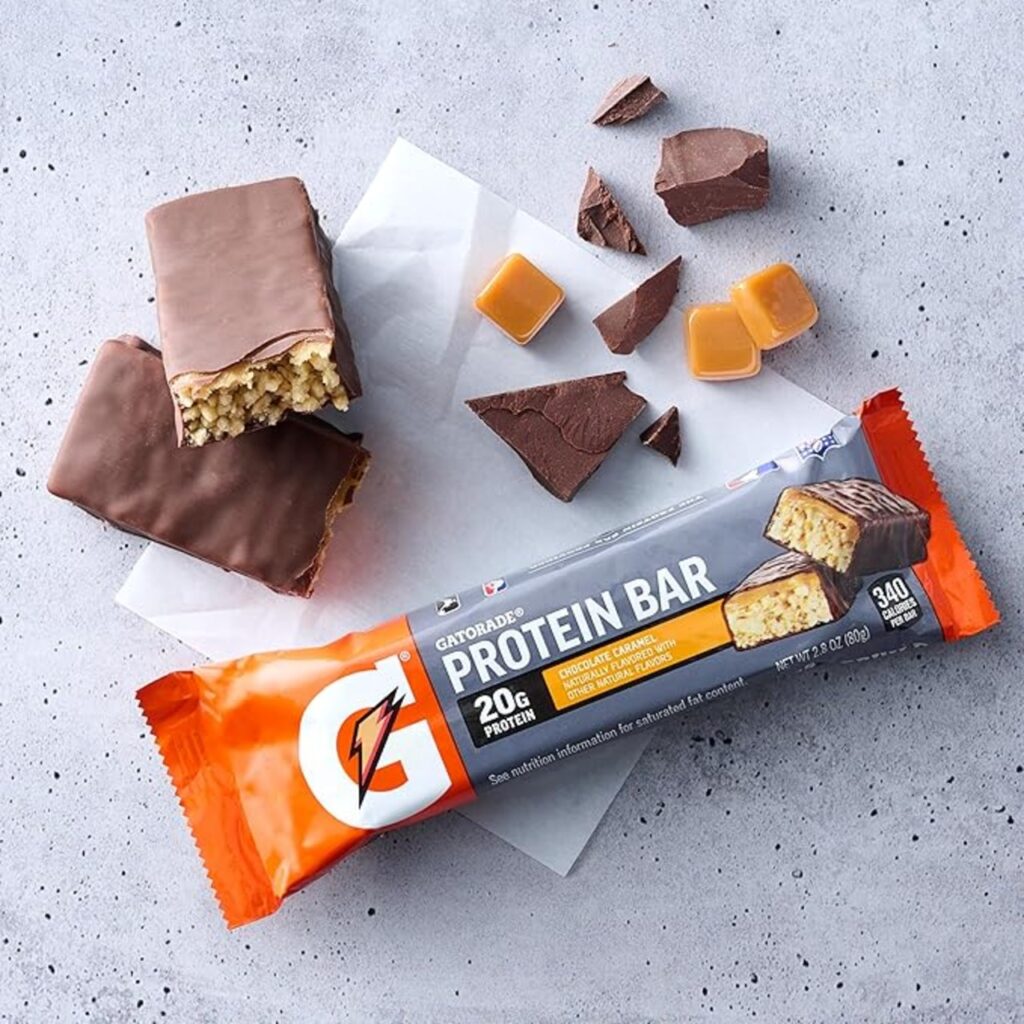
What looks like a sports recovery boost has landed in legal crosshairs. Gatorade Protein Bars have faced claims questioning whether their protein-forward branding overshadows high sugar content.
Plaintiffs argue that prominent protein messaging may lead consumers to view the bars as performance nutrition rather than sweet snack products. Lawsuits often focus on front-of-package emphasis compared to the full nutrition panel.
These cases reflect a broader scrutiny of how protein is marketed in convenience foods. As shoppers increasingly seek functional benefits, courts are being asked to decide how much clarity brands must provide when health cues and indulgent ingredients share the same wrapper.
2. GoMacro Snack Bars
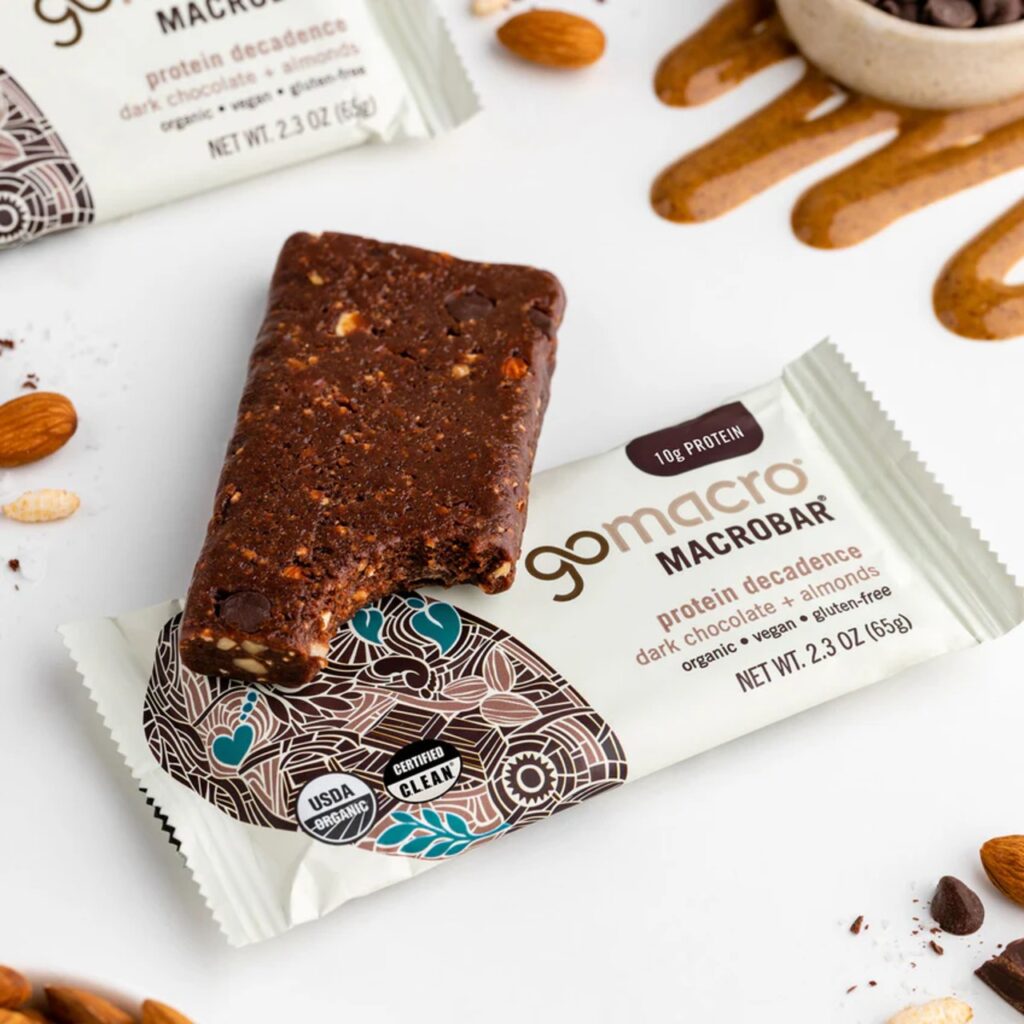
Health-focused packaging can raise expectations. GoMacro bars have faced litigation over whether certain “healthy” or protein-related claims align with overall ingredient profiles.
Legal complaints typically examine sugar levels, calorie density, and how prominently protein is featured in advertising. When consumers see plant-based or organic labels paired with protein claims, assumptions about nutritional balance often follow.
The lawsuits reflect tension between marketing language and consumer interpretation. As protein becomes a selling point, companies must ensure that supporting details in the nutrition facts panel do not contradict the impression created on the front of the box.
3. PlantFusion Protein Powder
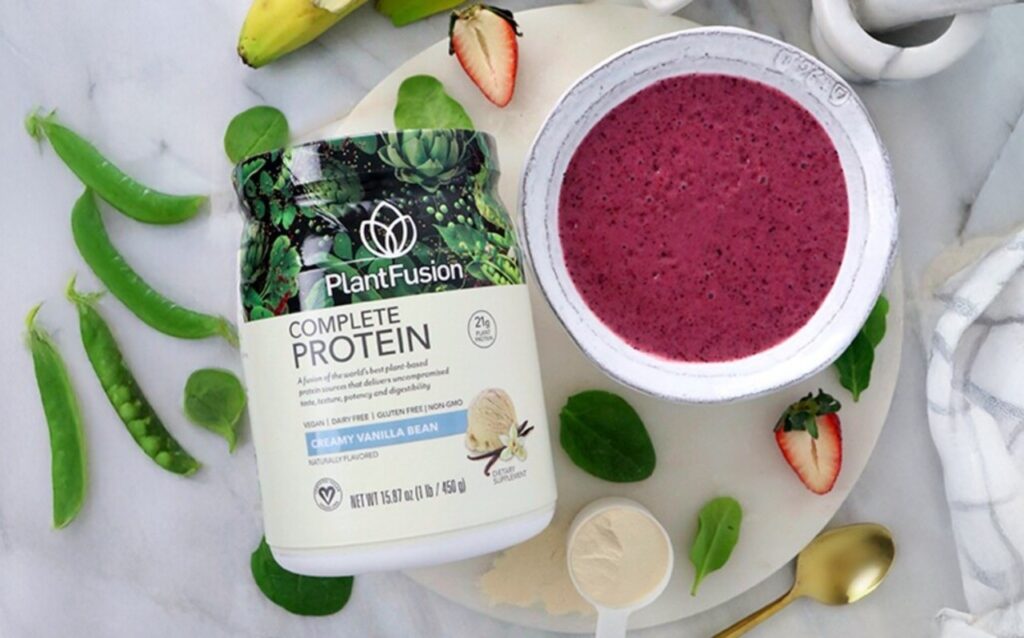
Protein powders promise measurable results, which makes precise labeling critical. PlantFusion has faced scrutiny over whether its protein claims accurately reflect usable or digestible protein.
Some lawsuits focus on testing methods and whether total protein numbers account for digestibility standards recognized in labeling regulations. Differences between laboratory measurements and bioavailable protein can become central to disputes.
As plant-based powders grow in popularity, regulators and courts are paying closer attention to how protein quality is calculated. The outcome of such cases could influence how all supplement brands present protein percentages moving forward.
4. Enjoy Life Lentil Chips
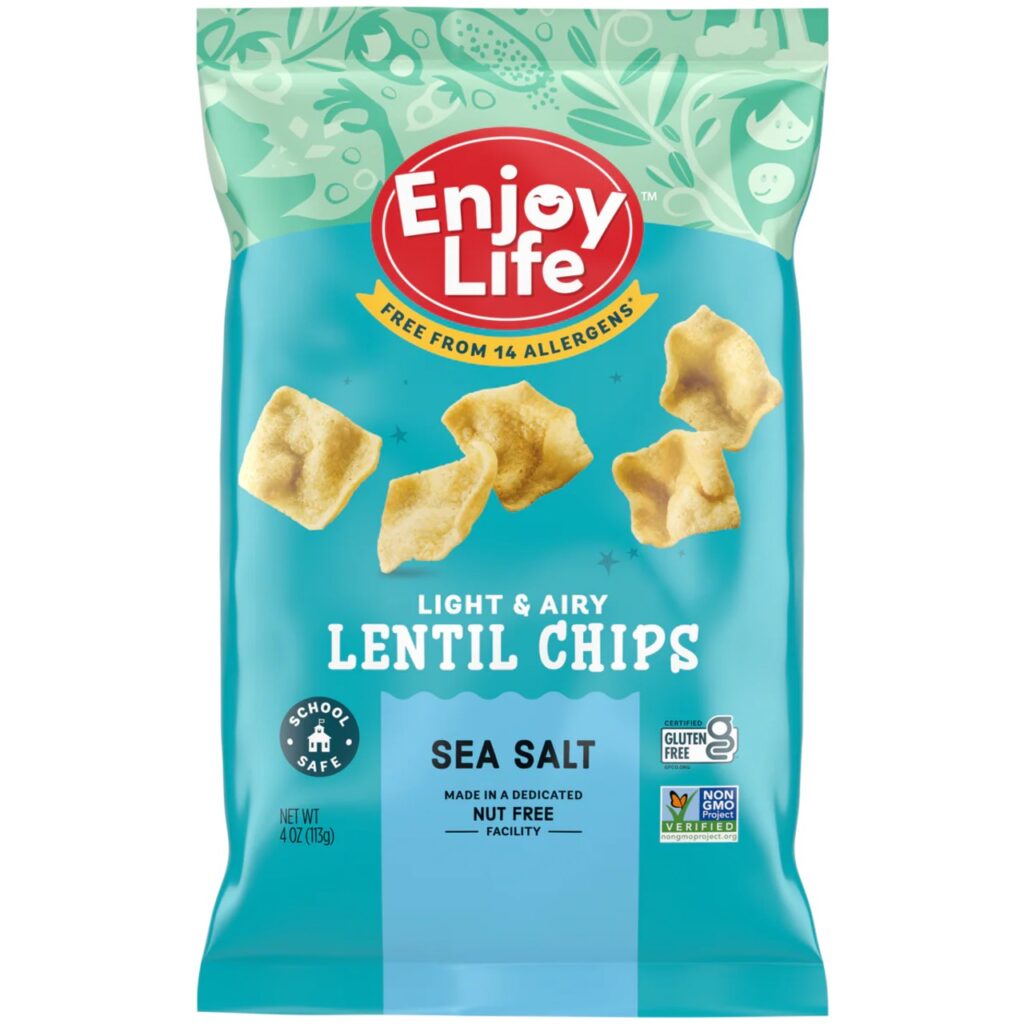
A crunchy snack marketed with protein appeal can blur categories. Enjoy Life Lentil Chips have faced claims questioning the prominence of protein messaging on packaging.
Legal arguments often center on whether phrases like “protein-packed” could mislead shoppers into assuming a significant nutritional advantage over traditional chips. Plaintiffs typically compare protein grams per serving against consumer expectations.
These cases highlight how even modest protein amounts can become contentious when featured boldly. As consumers scan shelves, courts are evaluating how much weight reasonable buyers place on a single nutrient claim.
5. SlimFast Protein Shakes
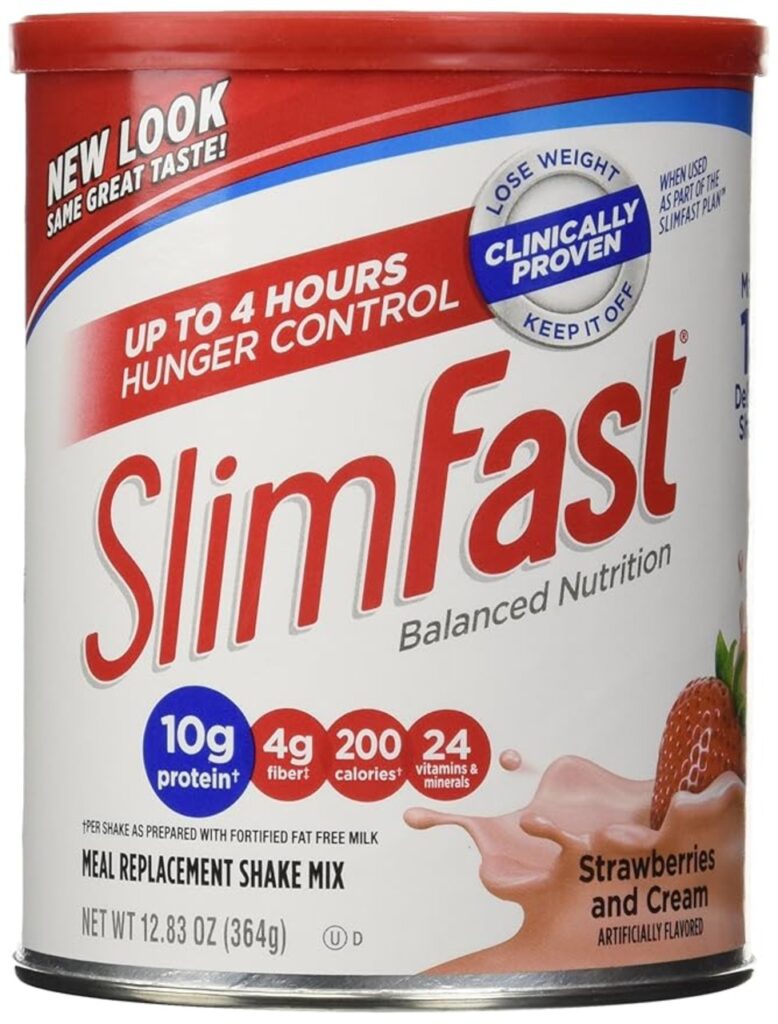
Meal replacement shakes are built on trust. When a label promises a specific number of protein grams, consumers often rely on that figure to support weight management or muscle goals. SlimFast has faced lawsuits alleging that the tested protein levels did not fully match what was advertised on packaging.
In products positioned as nutritional tools rather than casual drinks, precision matters. Plaintiffs argue that even small per-serving discrepancies can add up over weeks of daily use. The cases highlight how closely courts now examine laboratory testing methods and manufacturing consistency.
As protein beverages compete in a crowded wellness market, the litigation underscores a simple reality: measurable claims must align with measurable results.
6. Perfect Bar
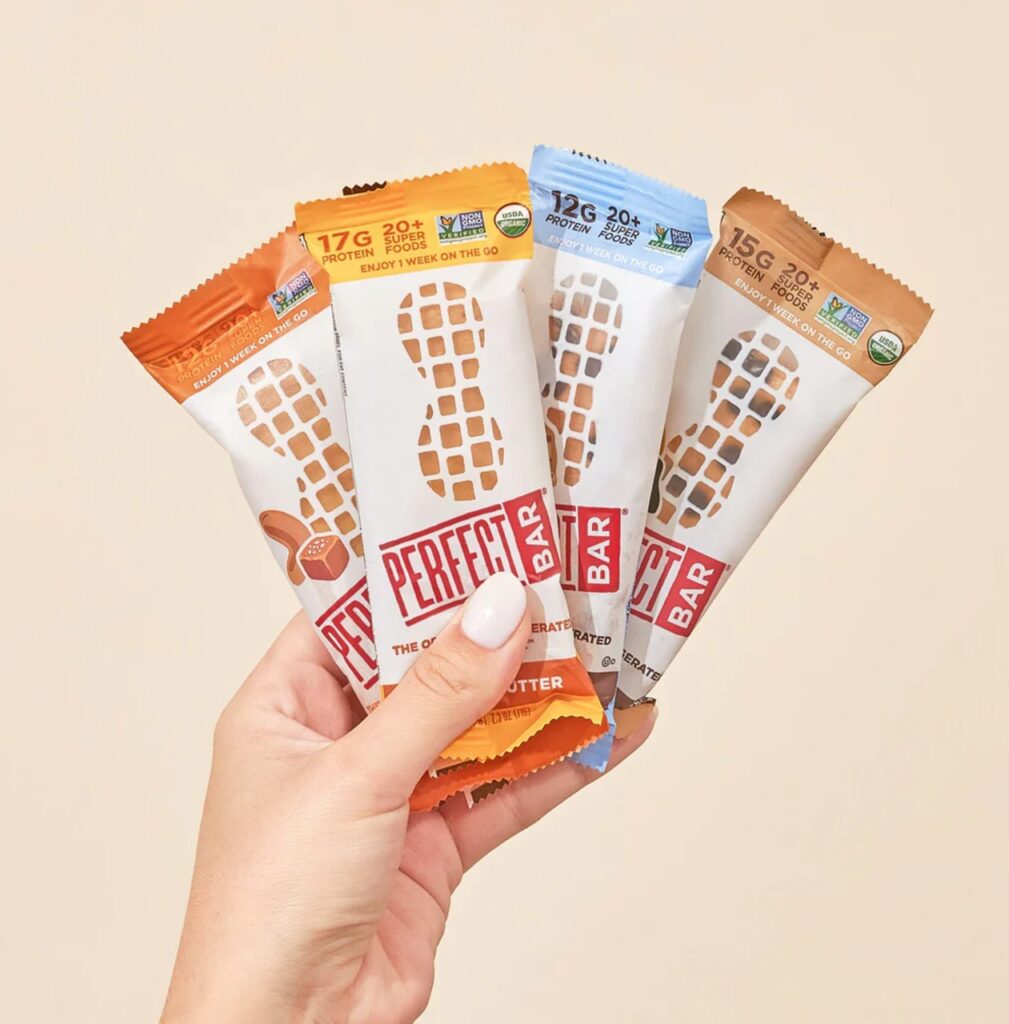
Refrigerated protein bars are marketed as fresher, less processed alternatives. Perfect Bar has encountered legal challenges centered on how its protein content and nutritional value are presented to consumers.
Some complaints focus on whether the total listed protein accounts for digestibility and amino acid quality. When brands emphasize whole-food ingredients and natural sourcing, shoppers may assume superior absorption or functional benefit beyond the raw gram count.
Courts reviewing these disputes often turn to regulatory definitions that govern nutrient labeling. As demand for minimally processed protein snacks grows, the accuracy of front-label claims is being measured against increasingly detailed scientific and legal standards.
7. Beyond Meat
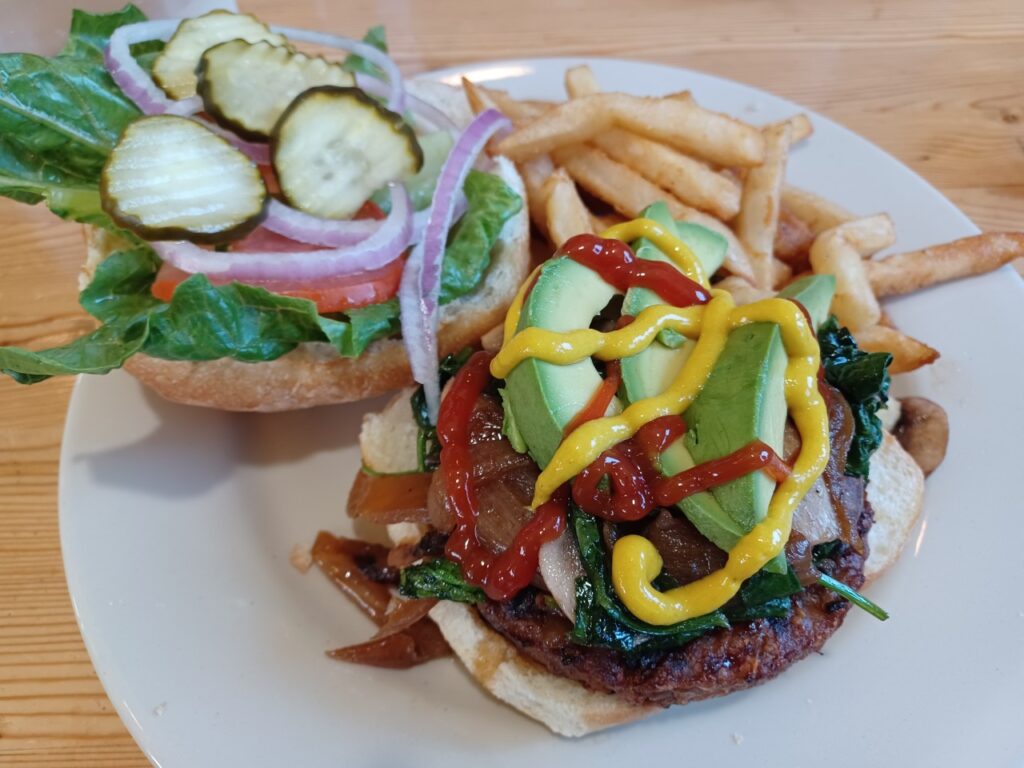
Plant-based meat alternatives reshaped how protein is marketed. Beyond Meat has faced scrutiny over how its protein content is described and how consumers interpret that information.
Some disputes question whether plant-derived protein should be framed differently from animal protein, particularly regarding amino acid profiles and digestibility. When marketing suggests equivalency, plaintiffs may argue that nutritional nuances deserve clearer explanation.
These legal challenges reflect the evolving rules around alternative proteins. As more shoppers substitute traditional meat with plant-based options, regulators and courts are examining how protein comparisons are communicated to ensure accuracy and avoid overstating nutritional parity.
8. Nature’s Path Protein Cereal

Breakfast cereal has long carried a health halo, and adding protein to the front of the box strengthens that image. Nature’s Path has faced legal challenges questioning whether its protein-focused messaging reflects the product’s overall nutritional profile.
Complaints argue that prominent protein callouts may suggest a stronger benefit than the cereal delivers in context. While it contains added protein, it may also include sugars or refined grains that shape its total nutritional value.
These cases show how closely front-label wording is examined. In a competitive cereal aisle, even established brands are being pushed to ensure protein claims are precise, balanced, and supported by the nutrition facts panel.
9. Protein-Labeled Cereals Across Multiple Brands

The broader cereal category has drawn legal attention as more boxes highlight protein in bold type. Several brands have faced scrutiny over whether the grams listed reflect protein quality and digestibility standards.
Many disputes center on how protein is measured and communicated. Plant-based cereals may contain adequate grams, yet differences in amino acid balance can affect how the body uses that protein. Plaintiffs argue that this distinction matters when protein is the key selling point.
As these lawsuits progress, manufacturers are reassessing phrasing and disclosures. The outcome may influence how cereal brands nationwide frame protein content to align marketing language with regulatory standards and consumer understanding.
10. Plant-Based Protein Snack Startups
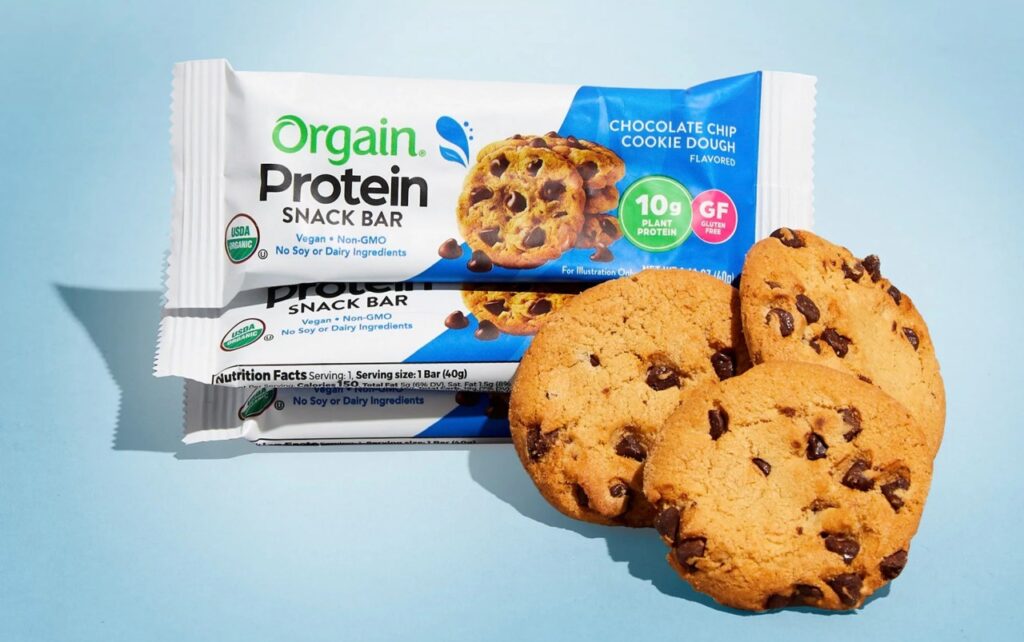
Plant-based snack startups surged as demand for protein-rich, better-for-you foods climbed. With limited shelf space and modest marketing budgets, many relied on bold front-of-package protein claims to compete with larger, established brands.
That approach has attracted legal scrutiny. Lawsuits question whether listed protein grams align with recognized testing standards and digestibility measures. Rapid growth can strain quality control, raising the risk of gaps between labeled and verified values.
As the category matures, emerging brands are discovering that innovation must be matched by compliance. Careful testing, clear documentation, and precise wording are essential when protein is the primary promise on the package.
11. Ultra-Processed Snacks With Added Protein
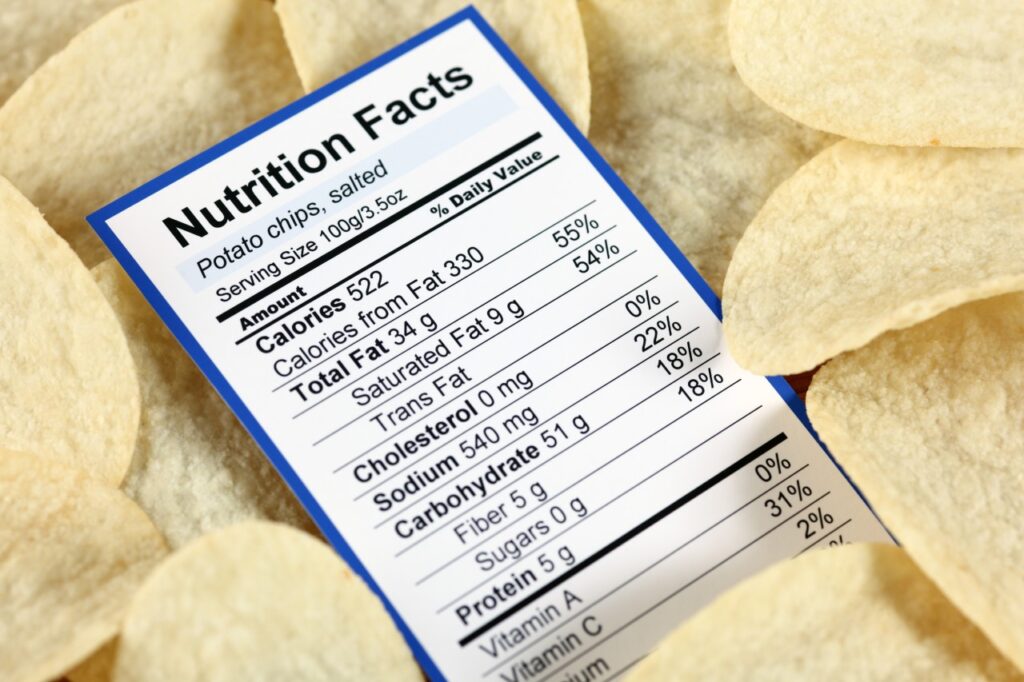
A growing number of snack foods now include added protein isolates to appeal to health-conscious shoppers. Lawsuits have questioned whether spotlighting protein meaningfully changes how consumers view the product as a whole.
Plaintiffs claim that emphasizing protein can create a healthier impression, even when sodium, sugar, or saturated fat levels remain high. Courts evaluate whether the marketing presents a balanced nutritional picture or risks overstating benefits.
These disputes reflect a larger conversation about nutrient-specific advertising. Adding protein alone does not transform a snack into a healthier choice, and brands are increasingly expected to ensure their claims match the full nutritional reality.