7 Psychedelic Fruits and Berries from Around the World


Around the world, certain fruits, berries, and fruiting plants have been associated with altered perception, heightened senses, or changes in how the mind processes experience. Some influence taste, others affect mood, dreams, or awareness, and many are woven into cultural traditions rather than everyday diets. Studied through ethnobotany, history, and sensory science, these plants show that perception can be shaped in many ways beyond intoxication alone. Exploring them offers insight into how humans have long interpreted the boundary between nature and consciousness.
1. Fly Agaric

Few natural forms are as visually striking as fly agaric, the red cap dotted with white flecks that appears in folklore, art, and winter imagery across Eurasia. Although technically a mushroom rather than a fruit, it has long been grouped with mind-altering plants because of its psychoactive compounds, muscimol and ibotenic acid. Historically, Indigenous Siberian cultures documented altered perception, vivid imagery, and dreamlike states associated with ritual use, which later entered Western mythology through travel accounts. Its effects are unpredictable, which is why it is studied more for anthropology than for culinary purposes.
2. Kava Fruit

Kava is widely recognized for its roots, but the plant also produces small berry-like fruits that are part of its reproductive cycle. Native to the Pacific Islands, kava has been cultivated for thousands of years and plays a central role in social and ceremonial life. Compounds known as kavalactones influence mood, relaxation, and mental clarity, contributing to its reputation as a perception-shifting plant. Researchers continue to study kava for its neurological effects and cultural importance, particularly how communities integrate mind-altering plants into structured, communal settings rather than individual use.
3. Miracle Berry
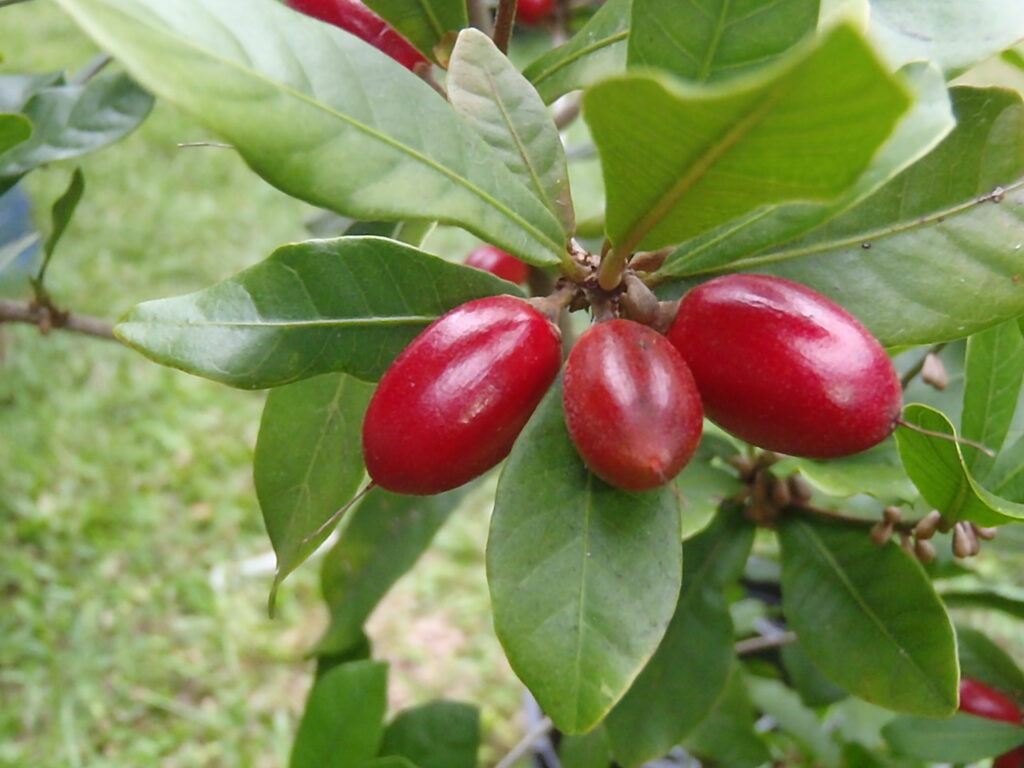
Miracle berry earns its psychedelic reputation not through intoxication but through its dramatic effect on taste perception. Native to West Africa, the berry contains miraculin, a glycoprotein that binds to taste receptors and temporarily makes sour foods taste sweet. Lemons, vinegar, and other acidic foods can suddenly resemble candy, creating a sensory experience that feels almost unreal. This phenomenon has fascinated scientists, chefs, and food technologists, leading to research into its potential for reducing sugar consumption. The berry does not alter consciousness, but it reshapes sensory input in a way that challenges expectations of flavor.
4. Betel Nut

Betel nut, the fruit of the areca palm, has been chewed for centuries across South and Southeast Asia for its stimulating effects. The nut contains alkaloids that increase alertness and produce a mild sense of euphoria, often accompanied by heightened focus. Culturally, betel nut chewing is deeply embedded in social rituals, hospitality customs, and traditional ceremonies. The fruit is typically wrapped in betel leaf, creating a symbolic and communal experience rather than a solitary one. Long-term health impacts have made it a subject of public health research, but its historical role remains significant.
5. Durian
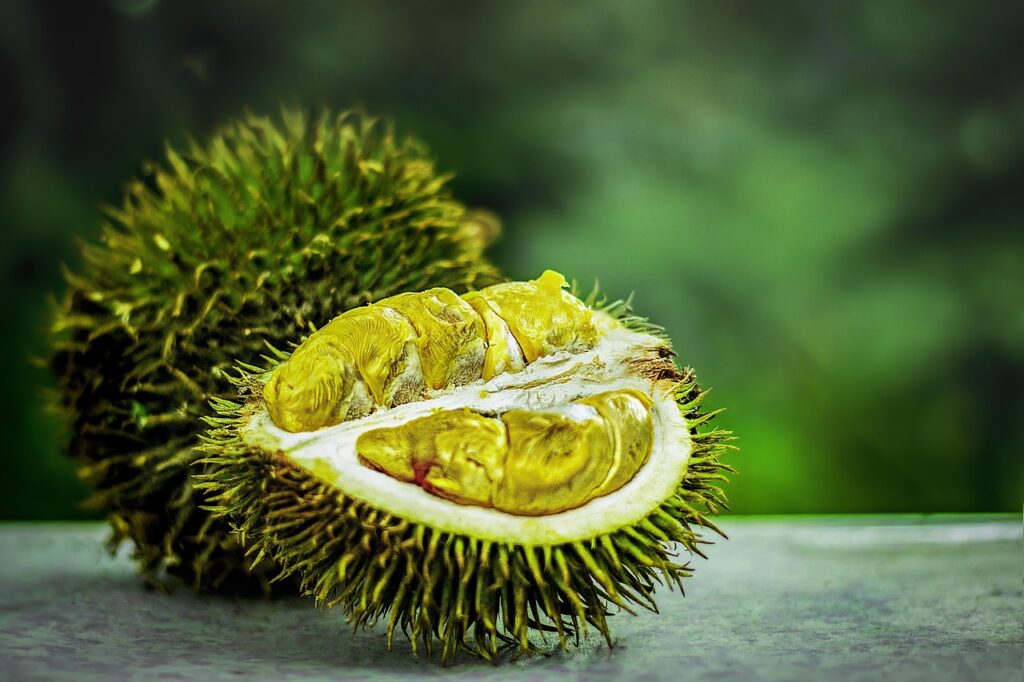
Durian is often described as a sensory overload rather than a psychoactive fruit, yet its intense aroma and rich chemical profile can strongly affect perception. Compounds such as sulfur-containing volatiles interact with smell receptors in ways that provoke strong emotional responses, ranging from pleasure to aversion. This powerful sensory impact can alter mood and appetite almost instantly. While it does not contain hallucinogenic compounds, its ability to dominate sensory attention earns it a place among perception-shifting foods. Durian illustrates how powerful sensory stimuli alone can influence mental states without altering brain chemistry directly.
6. Coffee Cherry
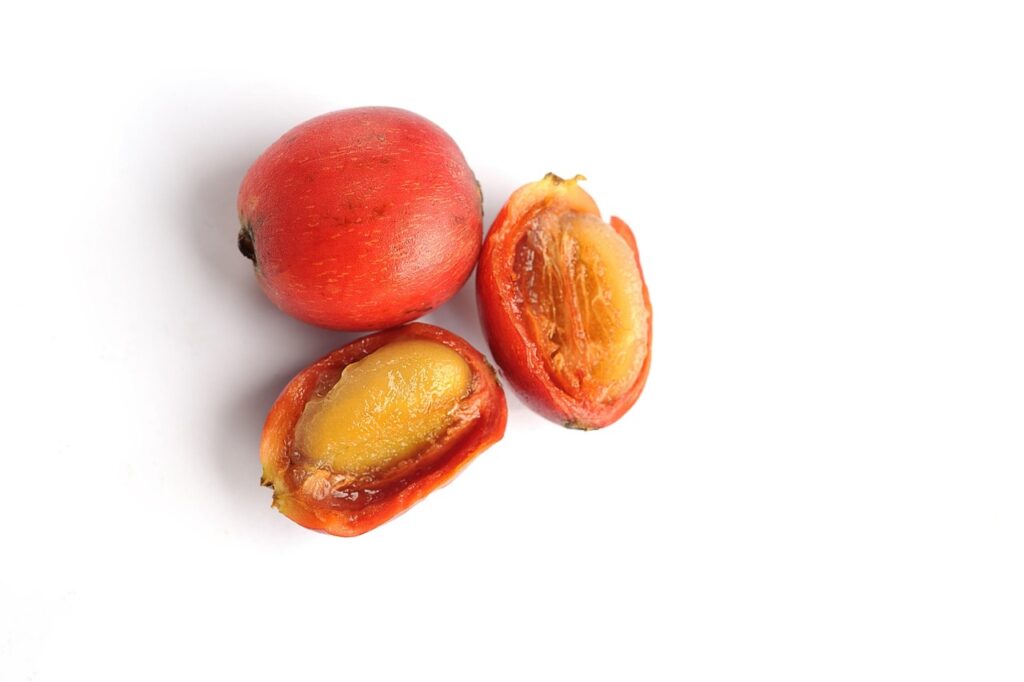
The coffee cherry is the fruit that surrounds the coffee bean and is increasingly recognized for its distinct effects on energy and mental clarity. Unlike roasted coffee beans, the fruit delivers caffeine in lower concentrations alongside antioxidants and polyphenols that influence focus without overstimulation. Traditionally used in teas and fermented beverages in coffee-growing regions, coffee cherry produces a smoother, longer-lasting alertness often described as mentally clean rather than jittery. Scientific studies have explored its role in increasing brain-derived neurotrophic factor, which is linked to cognitive function and memory support.
7. Kola Nut Fruit

The kola nut fruit has played a significant role in shaping alertness and social rituals across Africa. The seeds inside the fruit contain caffeine and theobromine, compounds that stimulate the nervous system and heighten mental focus. Traditionally chewed rather than brewed, kola nuts produce a gradual increase in energy and wakefulness, often used during long conversations, ceremonies, or periods of physical effort. The bitter taste triggers sensory awareness, reinforcing its reputation as a functional rather than indulgent food. It shows how mild psychoactive fruits have shaped human behavior through routine use rather than altered states.