12 Crunchy Veggie Recipes to Try When You’re Over Beans

Crunchy vegetables can be just as satisfying as any protein-heavy dish when they’re handled the right way. When you’re over beans and tired of soft textures, the answer isn’t giving up on vegetables. It’s changing how they’re cooked. High heat, smart coatings, and the right cuts can turn everyday produce into dishes with real bite and structure. These recipes focus on vegetables that hold their shape, develop crisp edges, and deliver texture first, flavor second, and satisfaction every time. Whether roasted, baked, or lightly fried, each dish proves that crunch is a technique, not an ingredient.
1. Crispy Parmesan Roasted Broccoli
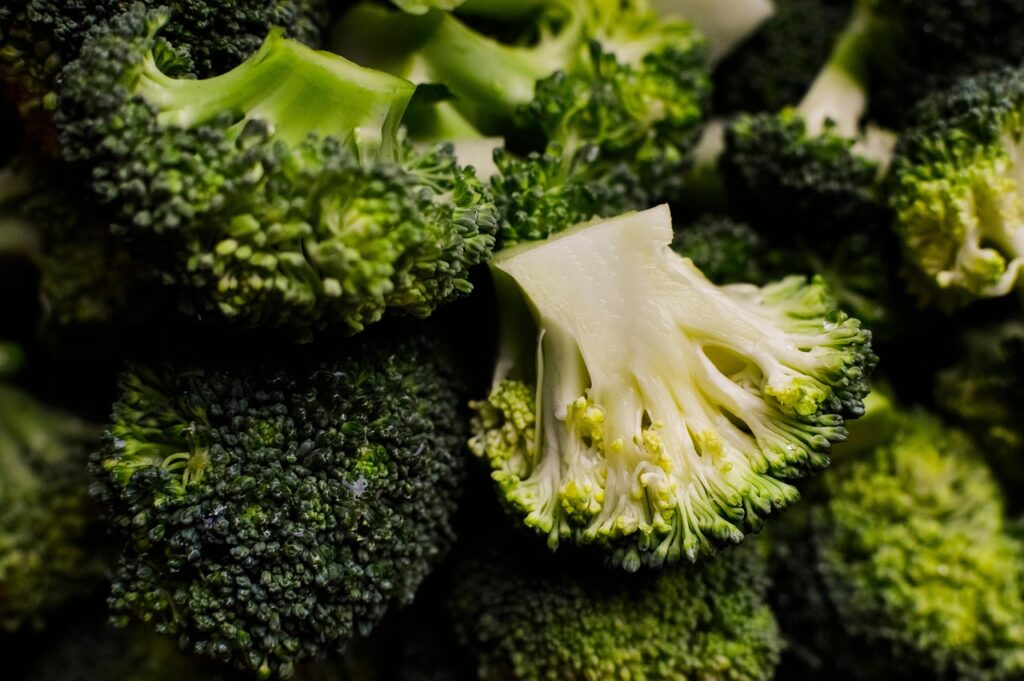
Broccoli becomes something entirely different when roasted properly with Parmesan. High heat drives off excess moisture, allowing the edges to brown and crisp instead of turning soft. Parmesan plays a functional role here, not just a flavor one. As it melts and bakes, it forms a salty crust that clings to the florets and hardens into crunchy bits. Broccoli’s natural sugars caramelize during roasting, balancing the sharpness of the cheese. This method preserves structure, so each bite has resistance rather than collapse. It also eliminates the grassy flavor people often associate with steamed broccoli. The result is a vegetable that feels snackable and craveable, offering crunch without breading or beans. It works well as a side, a topping, or even straight from the pan when you want texture without heaviness.
2. Panko-Crusted Cauliflower Bites
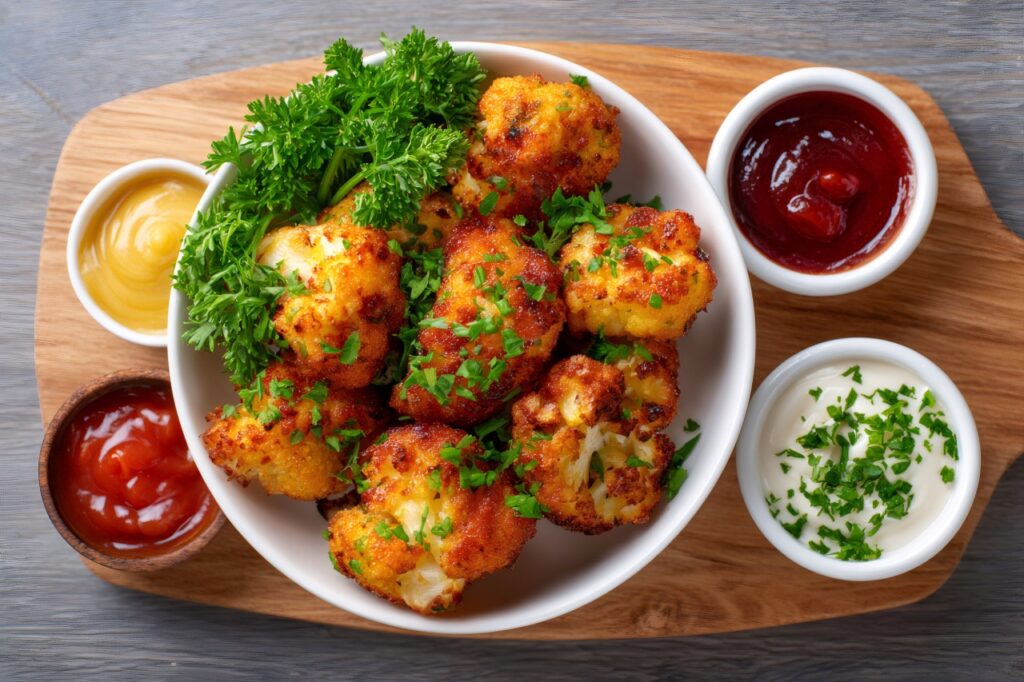
Cauliflower excels at crunch because of its firm structure and neutral flavor. When coated in panko, it gains a shattering exterior that contrasts with a tender interior. Panko breadcrumbs are lighter and flakier than traditional crumbs, which allows air pockets to form during baking or frying. This creates crunch without excessive oil. Cauliflower holds up well under heat, avoiding the mushiness that turns people away from vegetable dishes. Proper seasoning in the coating is essential, since cauliflower absorbs surface flavor rather than carrying it internally. These bites satisfy the urge for fried food while remaining vegetable-forward. They are especially appealing when beans feel repetitive, offering texture and structure instead of softness.
3. Smashed Crispy Potatoes with Herbs
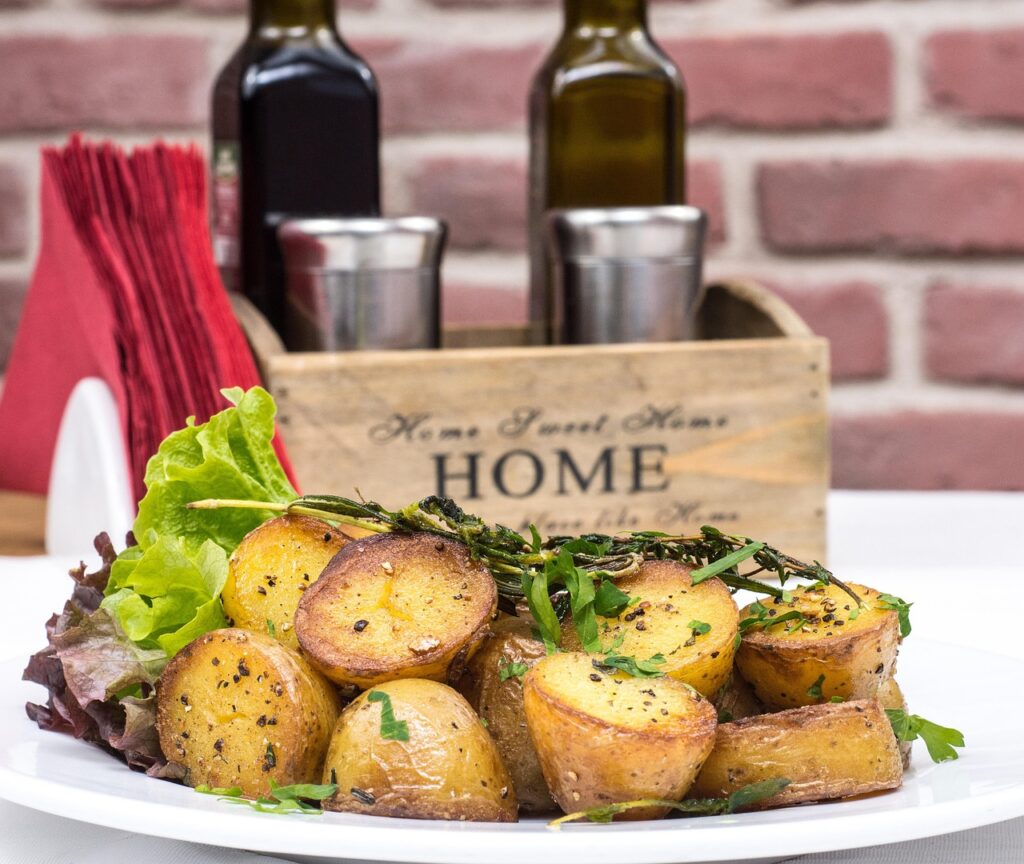
Smashed potatoes deliver crunch through surface area. Boiling first softens the interior, while smashing exposes edges that crisp aggressively in the oven. The contrast between creamy centers and browned edges is what makes this dish work. Herbs added at the right stage perfume the potatoes without burning. Potatoes naturally contain starch, which dehydrates on the surface and forms a crust under high heat. This makes them reliable for crunch without breading. Unlike fries, smashed potatoes feel rustic and substantial, offering texture without greasiness. They work well when you want a vegetable-based dish that still feels indulgent and grounding.
4. Crispy Zucchini Tempura-Style
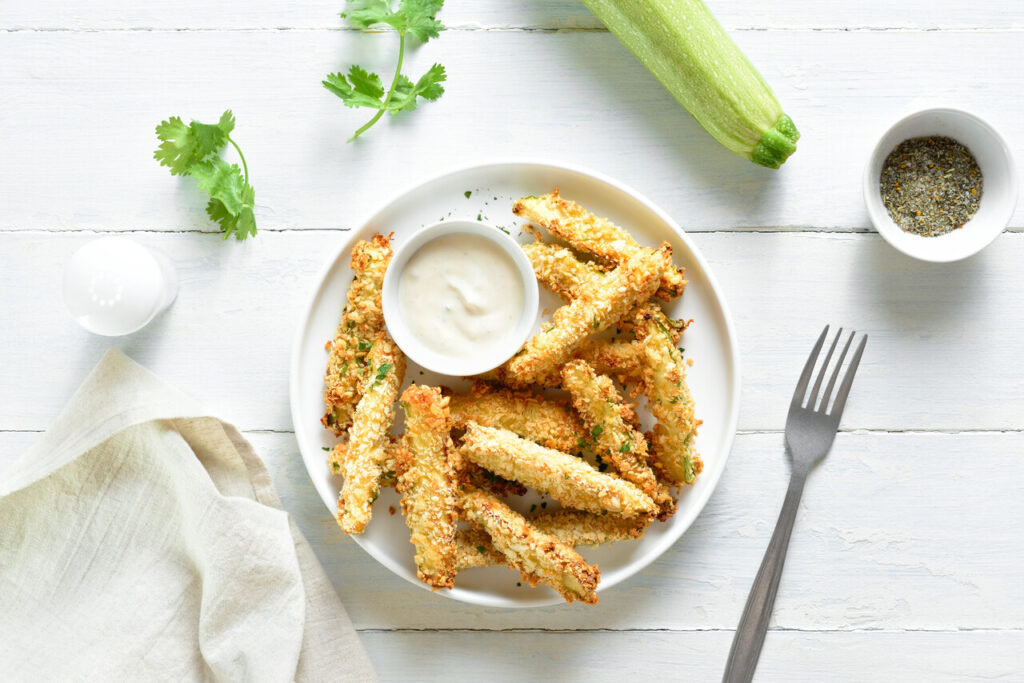
Zucchini replaces green beans effectively because it holds moisture while offering a mild flavor that welcomes batter. A light tempura-style coating creates crispness without heaviness. The key is cold batter and hot oil, which causes rapid steam release and immediate crust formation. Zucchini’s interior stays tender but structured, avoiding sogginess. Unlike beans, zucchini slices provide a broader surface area, increasing crunch per bite. This dish satisfies the desire for fried texture while keeping the vegetable recognizable. It works well as a snack or side when you want crunch without legumes or dense coatings.
5. Crunchy Cabbage and Carrot Slaw
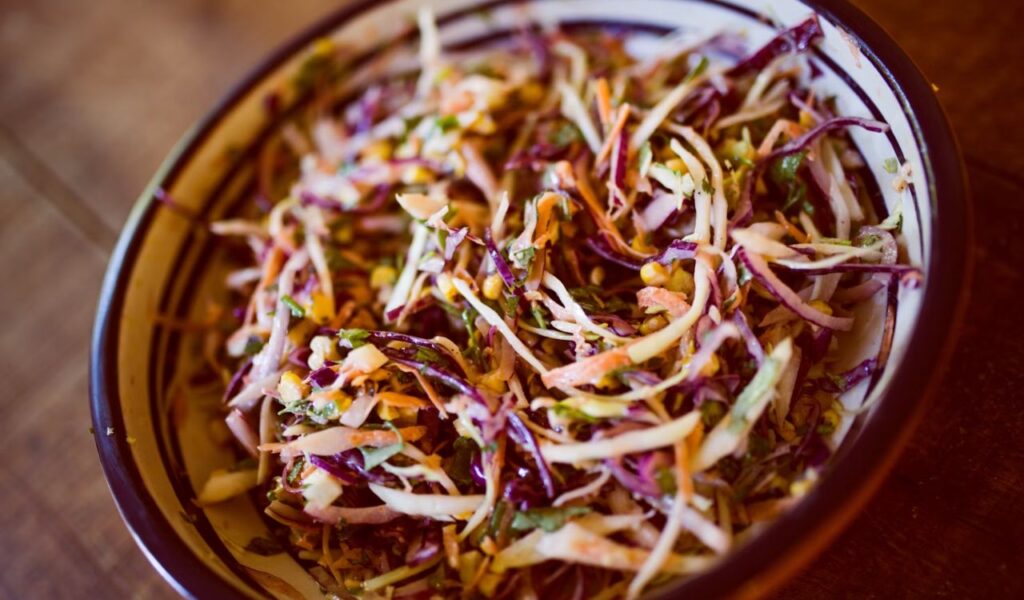
Raw vegetables offer crunch that cooked dishes cannot replicate. Cabbage is especially valuable because its cell walls remain firm even after dressing. When sliced thinly, it provides snap rather than chew. Carrots add sweetness and extra resistance. The key to a crunchy slaw is restraint with dressing. Acid softens fibers over time, so lightly coating just before serving preserves texture. This dish replaces bean salads with something fresher and more dynamic. Each bite delivers crispness that cleans the palate, making it ideal alongside heavier foods. Using very cold vegetables helps amplify the snap and keeps the slaw refreshing longer.
6. Oven-Baked Carrot Fries
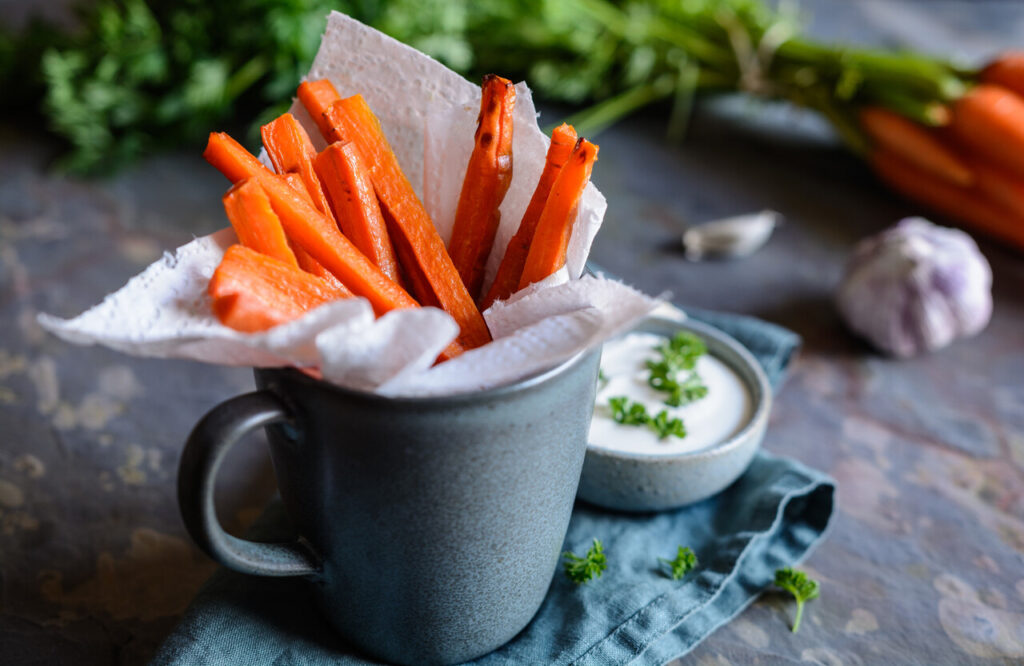
Carrots become crunchy when moisture is driven off slowly and evenly. Cutting them uniformly ensures consistent cooking, preventing limp centers. Roasting at high heat caramelizes their natural sugars, forming crisp edges without deep frying. Carrots contain enough fiber to maintain structure while developing a firm bite. Unlike beans, they provide resistance and snap when cooked correctly. Carrot fries satisfy the craving for fries while remaining vegetable-forward. They also reheat better than many roasted vegetables, retaining texture rather than collapsing. Spacing them well on the tray prevents steaming and helps every piece brown properly.
7. Crispy Brussels Sprouts Chips
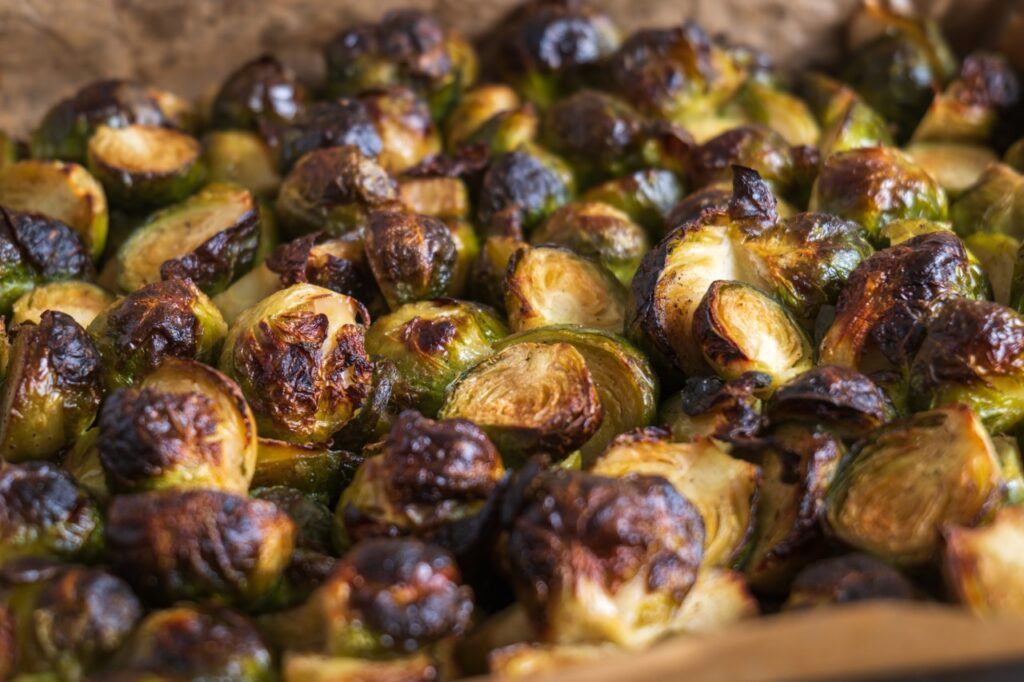
Brussels sprouts contain layered leaves that separate under heat. When roasted or baked into chips, these leaves dry and crisp individually. The result is a light, brittle crunch similar to snack chips. Removing excess moisture is critical, as steam prevents proper crisping and leads to soggy results. Brussels sprouts also bring a natural bitterness that balances salt and oil, making them addictive rather than bland. This preparation transforms a polarizing vegetable into a crunchy snack that replaces bean-based sides with texture and bite. Using high heat helps the leaves blister instead of wilt, which is key to achieving chip-like crispness.
8. Cornflake-Crusted Zucchini Sticks
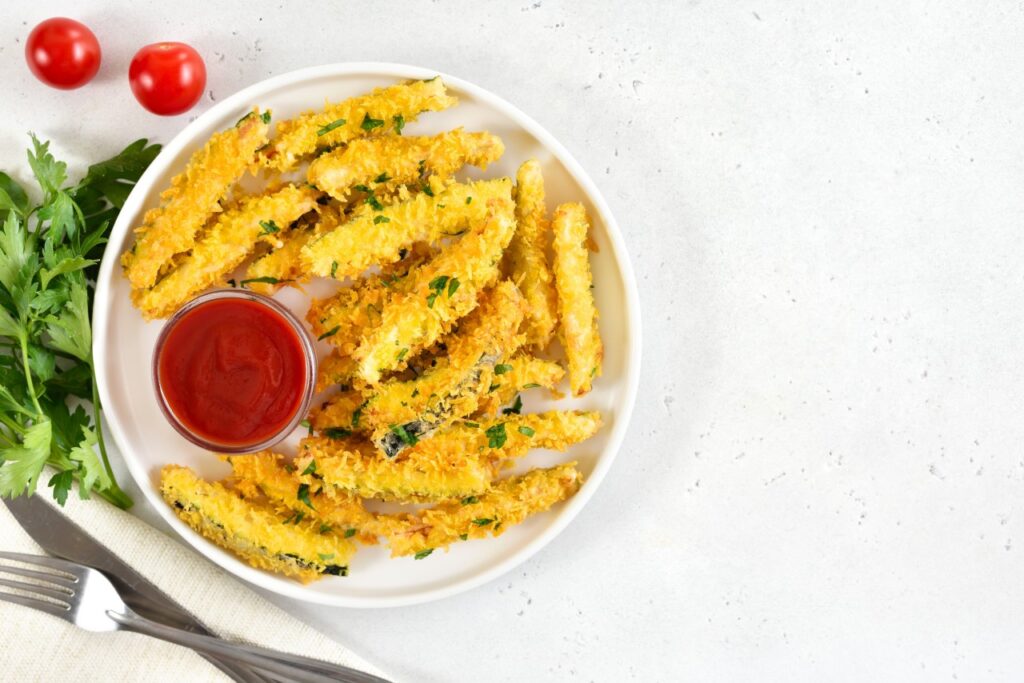
Cornflakes provide crunch without heaviness because they shatter rather than compact. When crushed and used as a coating, they create an irregular crust that crisps aggressively in the oven. Zucchini supports this coating well when excess moisture is removed before breading. Baking rather than frying keeps the interior tender without greasiness. The contrast between the crunchy exterior and the soft center makes this dish satisfying in a way beans rarely are. It appeals to anyone craving texture without dense protein fillers. Cornflakes also brown evenly, giving consistent crunch from end to end. Proper spacing on the baking tray prevents steam buildup that can soften the coating.
9. Roasted Radishes with Garlic
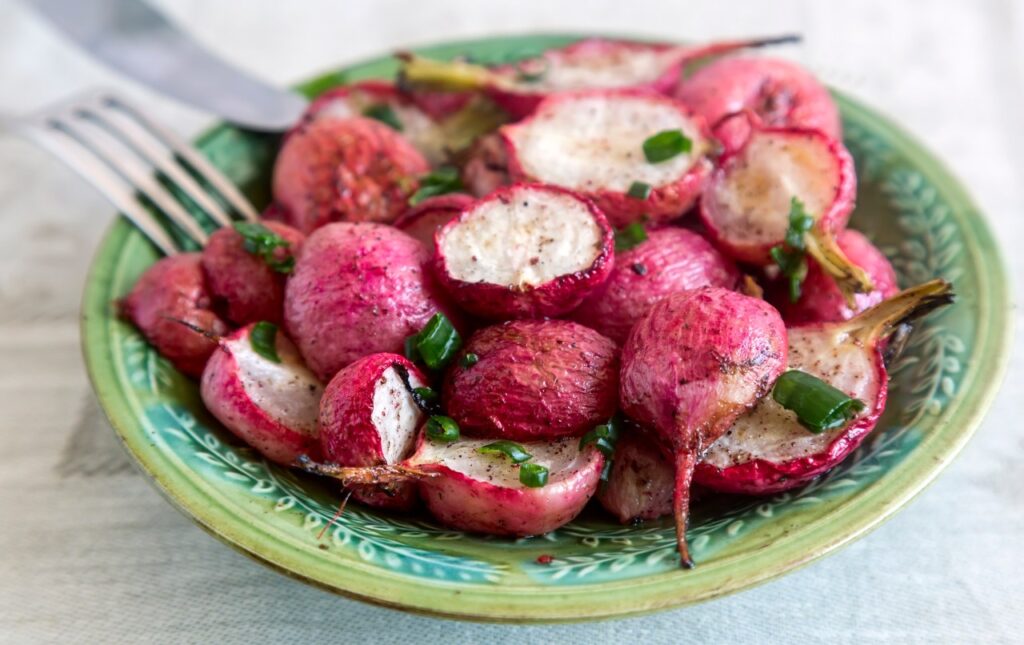
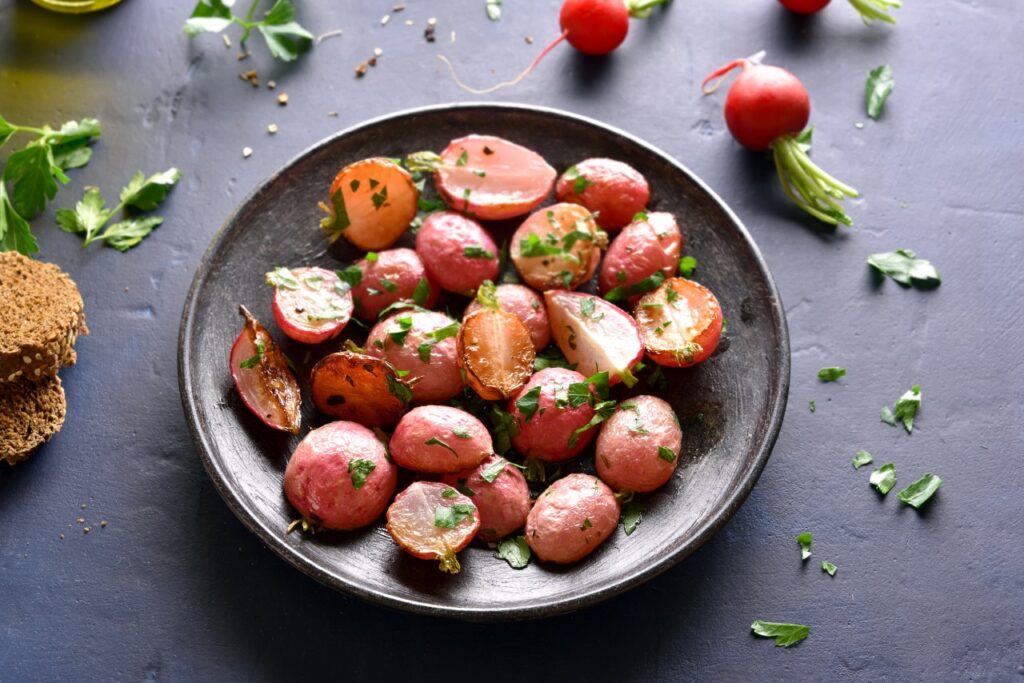
Radishes lose sharpness when roasted but gain firmness and mild sweetness. High heat evaporates moisture quickly, allowing the exterior to brown while the interior stays crisp-tender. Garlic adds aroma without overpowering the radish’s subtle bite. This dish surprises people who associate radishes only with raw crunch. Roasting preserves structure better than boiling or steaming, offering texture instead of softness. It works well when you want something crunchy yet unexpected. Radishes also hold their shape well after roasting, which keeps the dish visually appealing. Their mild sweetness pairs naturally with simple fats like olive oil or butter.
10. Crispy Tofu-Free Vegetable Stir Fry
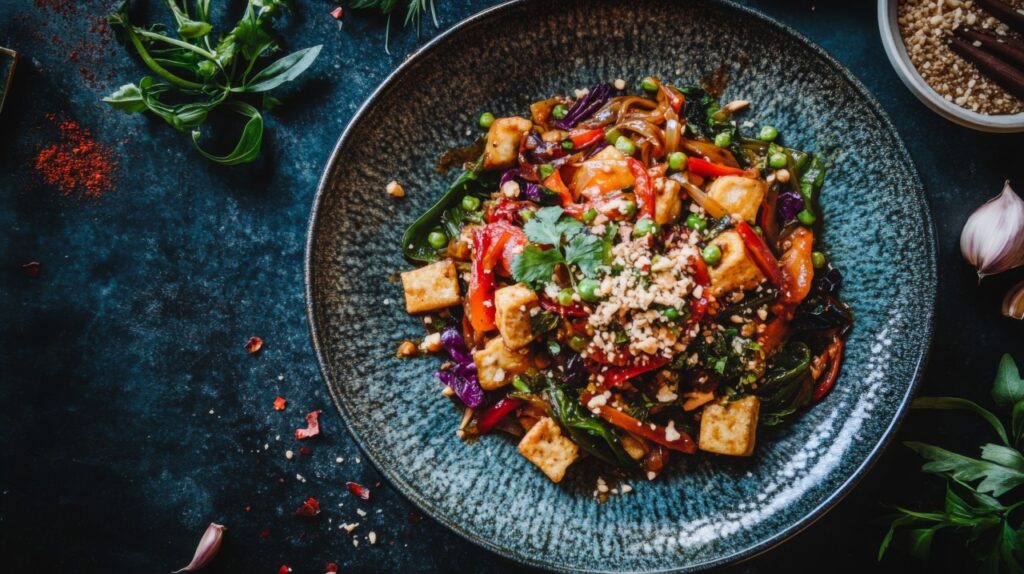
Crunch in stir fry comes from timing, not protein. Cooking vegetables quickly over high heat allows surfaces to sear before moisture releases. Using vegetables with natural firmness, like bell peppers, snap peas, and broccoli, ensures bite. Avoiding tofu or beans keeps the dish focused on texture rather than softness. Proper oil distribution and spacing prevent steaming. The result is a vegetable-forward dish that crackles slightly when eaten, offering freshness and resistance instead of mush. Cutting vegetables uniformly helps them cook evenly and retain crunch. A short cooking time preserves color, texture, and natural sweetness.
11. Baked Eggplant Cutlets
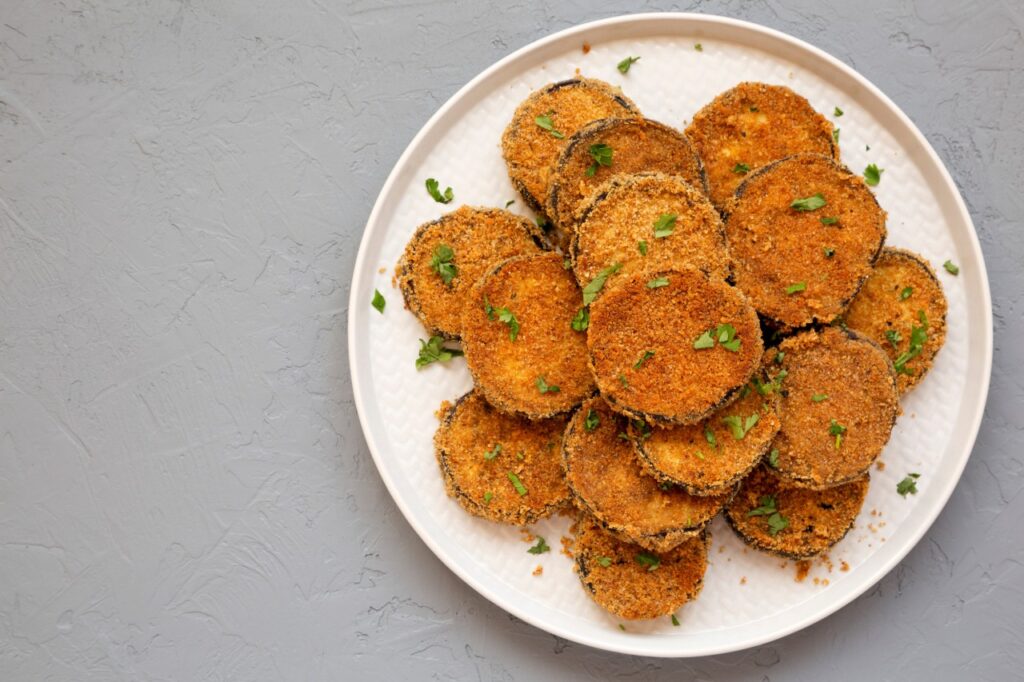
Eggplant often fails due to excess moisture, but when sliced, salted, and baked properly, it becomes crisp and structured. Breading adds texture, while baking avoids oil saturation. Eggplant’s sponge-like nature allows it to absorb seasoning deeply, while the coating provides crunch. When done correctly, it mimics the bite of cutlets without heaviness. This makes it a strong alternative when beans feel monotonous, and texture is the priority. Letting the slices rest after salting draws out water that would otherwise soften the coating. Baking on a rack improves airflow and keeps both sides crisp.
12. Crunchy Kale and Almond Salad
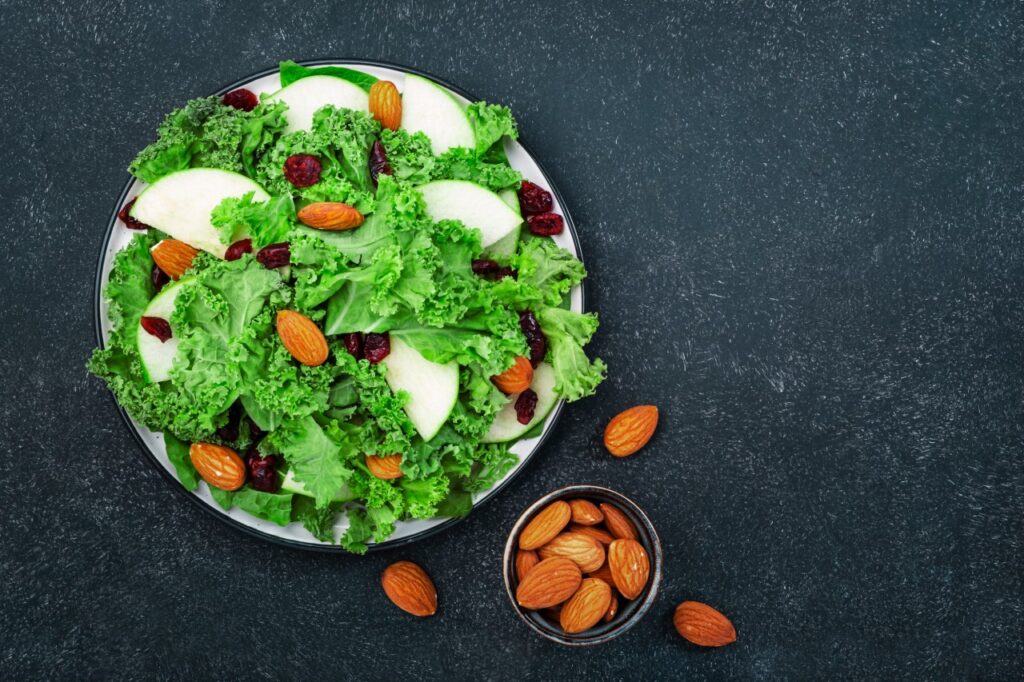
Kale provides crunch when massaged lightly but not overdressed. Its sturdy leaves resist wilting, maintaining texture over time. Almonds add hard crunch, creating contrast with the leafy base. This salad avoids the softness common in bean-heavy bowls, focusing instead on snap and chew. The balance of raw greens and nuts delivers sustained texture that stays satisfying throughout a meal. It works especially well when you want crunch that feels clean and refreshing rather than fried. Thin slicing helps the leaves stay crisp while remaining easy to chew. Dressing added just before serving preserves the salad’s structure and bite.