7 Budget Pressures Quietly Reshaping American Comfort Food

American comfort food hasn’t disappeared; it has quietly shifted. The dishes still sound familiar and look the same on the menu, yet something feels different once you start eating. The change is subtle, but hard to ignore.
Rising ingredient costs, labor shortages, and tighter margins are reshaping how comfort food is made. Proteins are stretched, shortcuts replace slower methods, and presentation works harder to hide what budgets remove. These choices happen out of sight.
This list explores the budget pressures quietly rewriting comfort food nationwide. Not to criticize, but to explain why meals that once felt deeply satisfying now feel lighter or less memorable, even when flavors seem familiar.
1. Cheaper Protein Swaps

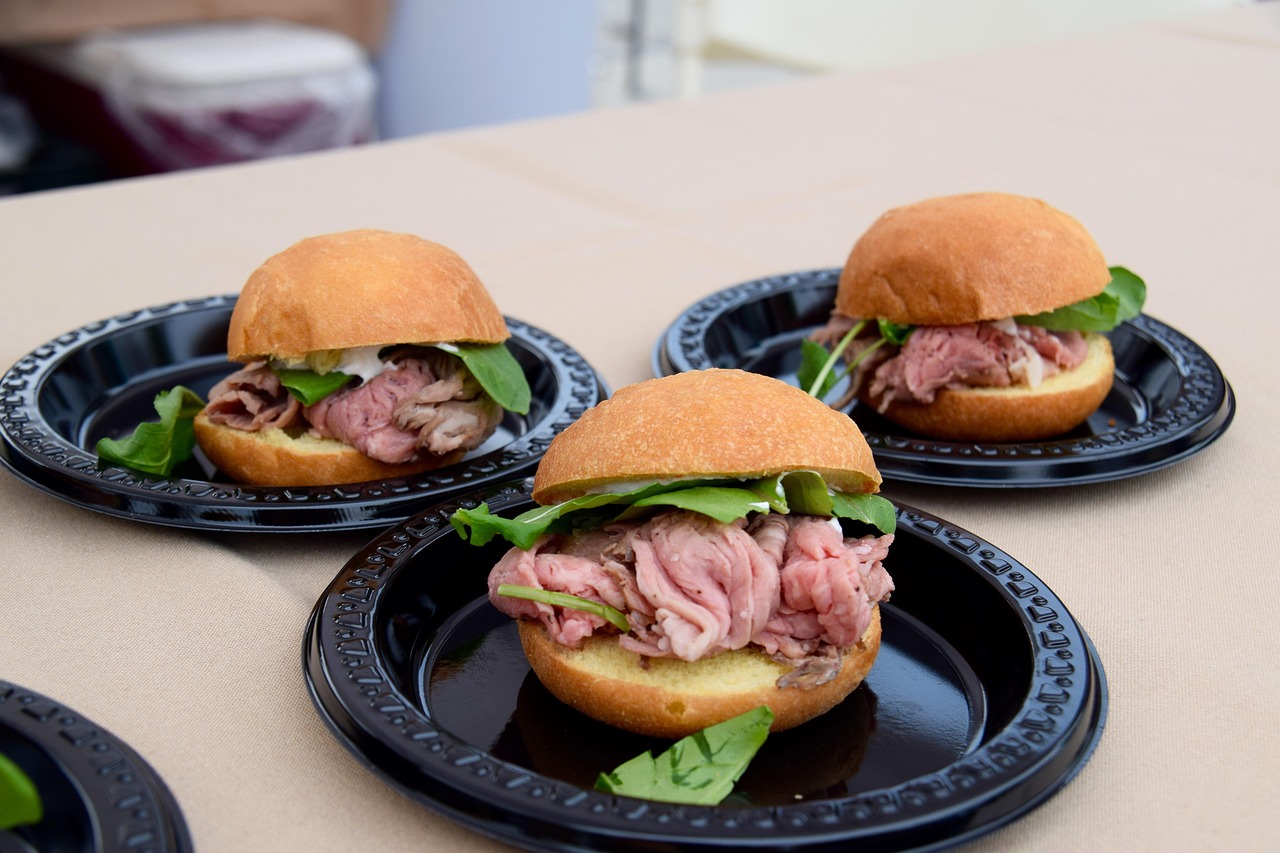
Rising costs push kitchens toward cheaper protein strategies. Whole cuts are stretched with ground blends, smaller portions, or partial grain and plant extenders that keep plates looking full while lowering cost. The change often shows up first in texture rather than flavor.
These swaps are practical but noticeable. Ground blends cook and release moisture differently than intact cuts, altering chew and density. What once felt hearty now feels softer or less structured.
Diners sense the shift as reduced satisfaction. The meal still tastes seasoned and familiar, but the lasting fullness of a solid protein cut is diminished.
2. More Fillers, Fewer Core Ingredients
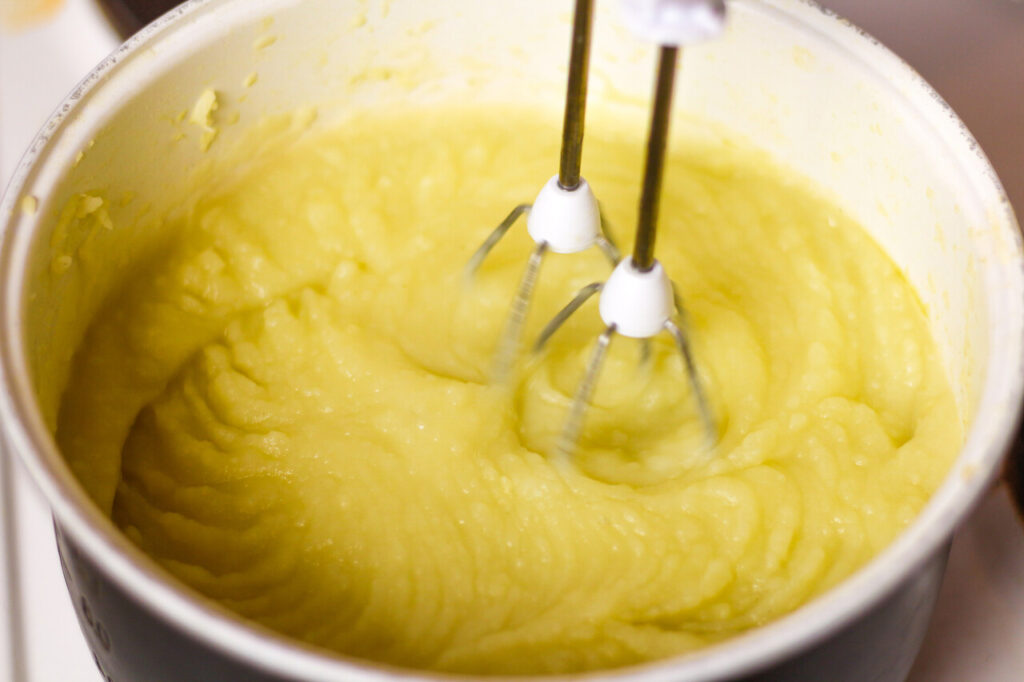
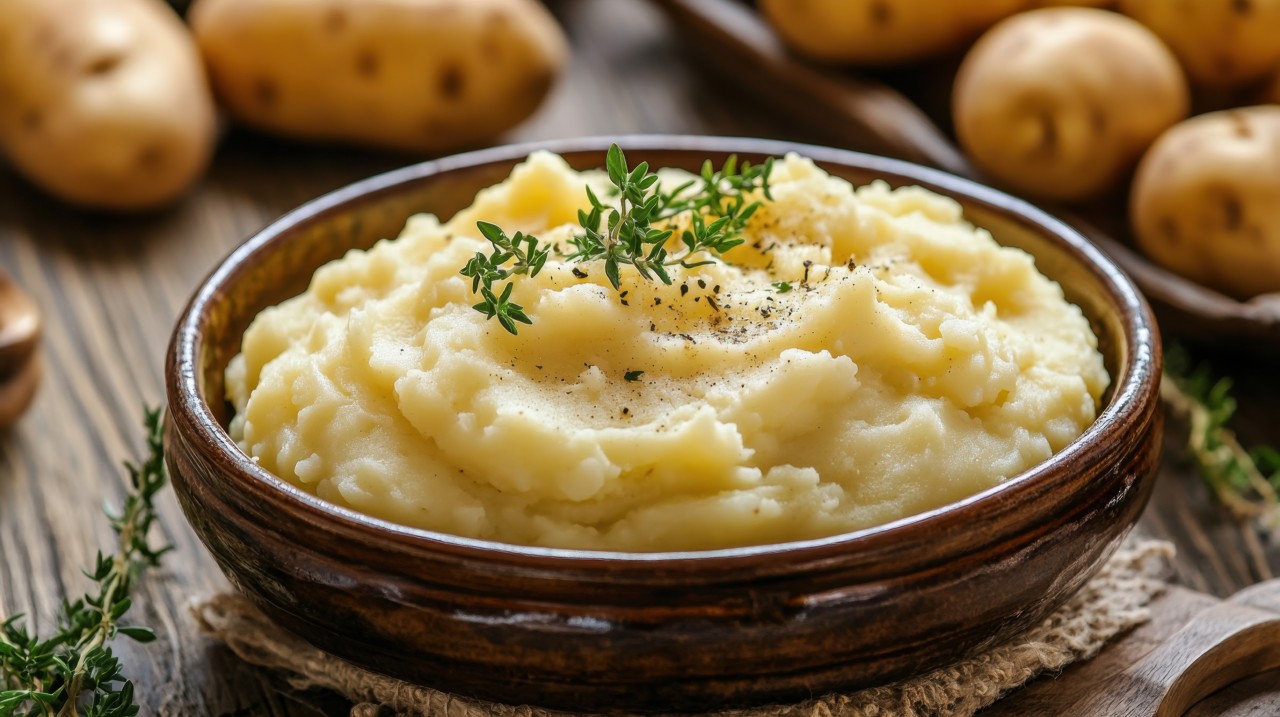
To control food costs, restaurants rely more on fillers to bulk up dishes. Mashed potatoes are loosened, casseroles lean heavier on pasta or rice, and gravies do more of the work once handled by the main ingredient. This approach stretches volume without increasing cost.
Fillers can be useful and comforting, but they move the dish’s focus. Where protein or vegetables once anchored the plate, starches and binders now carry volume and weight. The center of the meal quietly shifts.
The result is a meal that feels familiar but lighter. Diners enjoy the flavors yet often notice the dish feels less substantial than it once did. Fullness fades faster after eating.
3. Frozen and Pre-Cooked Components
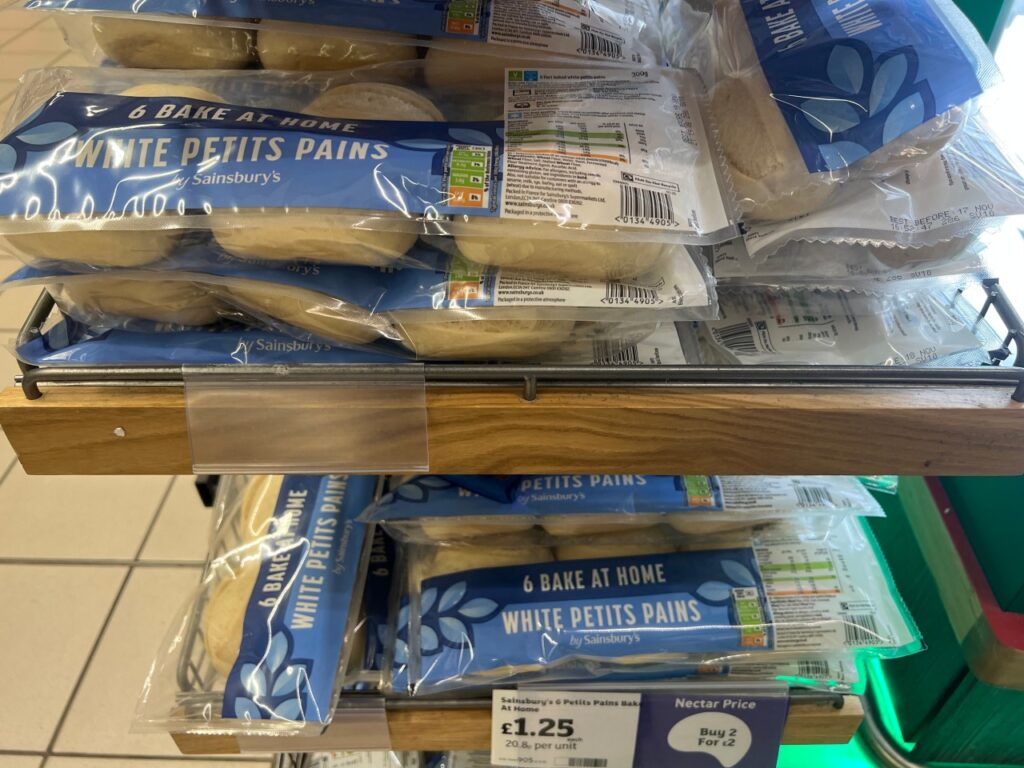
Labor pressure has increased reliance on frozen and par-cooked foods. Par-baked breads, frozen sides, and pre-finished proteins reduce prep time and waste while keeping kitchens running smoothly. These items simplify staffing demands.
These shortcuts affect texture. Freezing and reheating alter moisture, crispness, and cell structure, while pre-cooked grains and pasta lose resilience and bite. Freshness is harder to preserve.
For diners, this means consistency over contrast. The food looks correct, but the lively textures that define comfort food are often muted. Meals feel assembled rather than cooked.
4. Smaller Portions Disguised by Plating
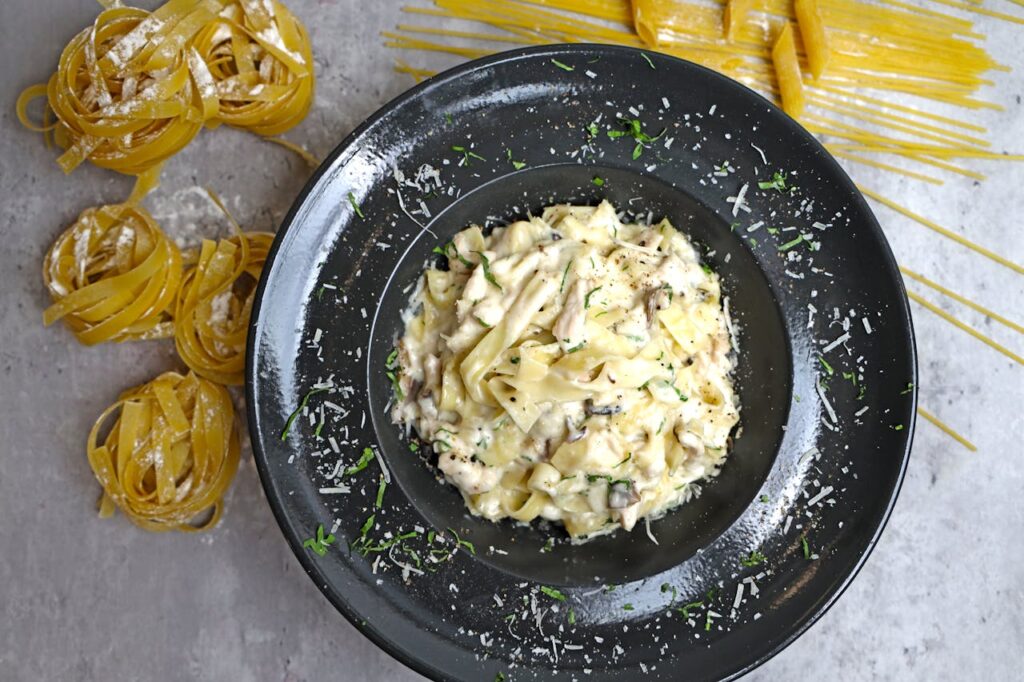
Rather than shrink plates, restaurants use visual strategies. Wider bowls, taller stacks, and generous sauces preserve the appearance of abundance while quietly reducing portion weight. The plate still looks full. Size is suggested, not delivered.
Presentation works because fullness is judged visually first. Height and coverage distract from missing ounces, especially when protein or grains are reduced. The eye is satisfied before the stomach. Perception leads appetite.
The trade-off favors appearance over satiety. Diners leave with a photo-ready plate but may feel hungry sooner than expected. The effect shows up later. Fullness fades quietly.
5. Simpler Seasoning Profiles
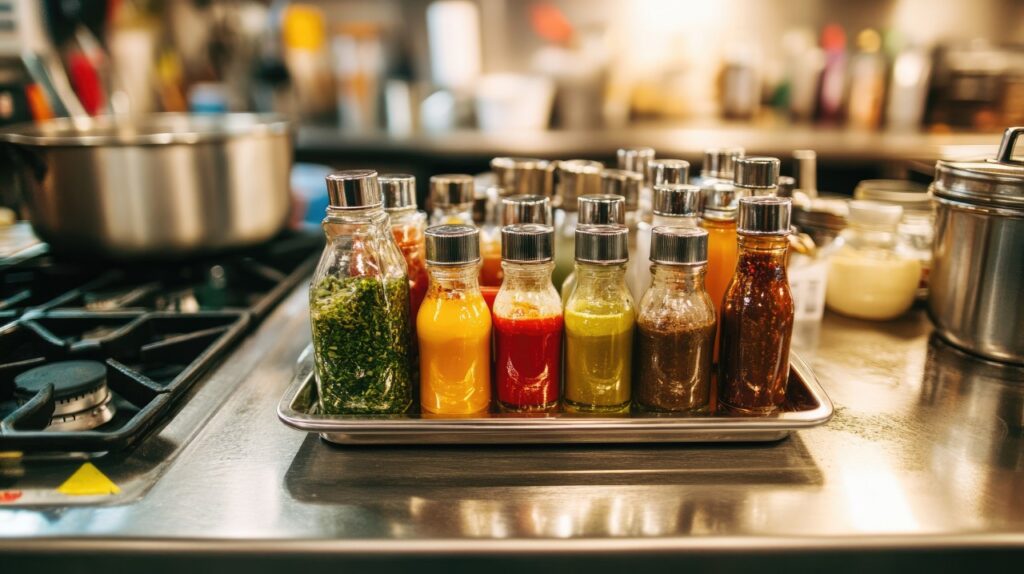
Cost and time pressures push kitchens toward simpler seasoning. Long-simmered sauces and layered flavors are replaced by faster, salt-forward blends that deliver immediate impact. Speed becomes the priority. Complexity takes a back seat.
Simpler seasoning also standardizes food across locations. The downside is less complexity to balance lighter portions or texture changes. Subtle notes disappear. Nuance is harder to find.
Customers often describe the result as flatter. The food is consistent and safe, but it lacks the depth that once made comfort dishes memorable. Emotional attachment weakens. The dish feels less personal.
6. Ingredient Substitutions for Shelf Life
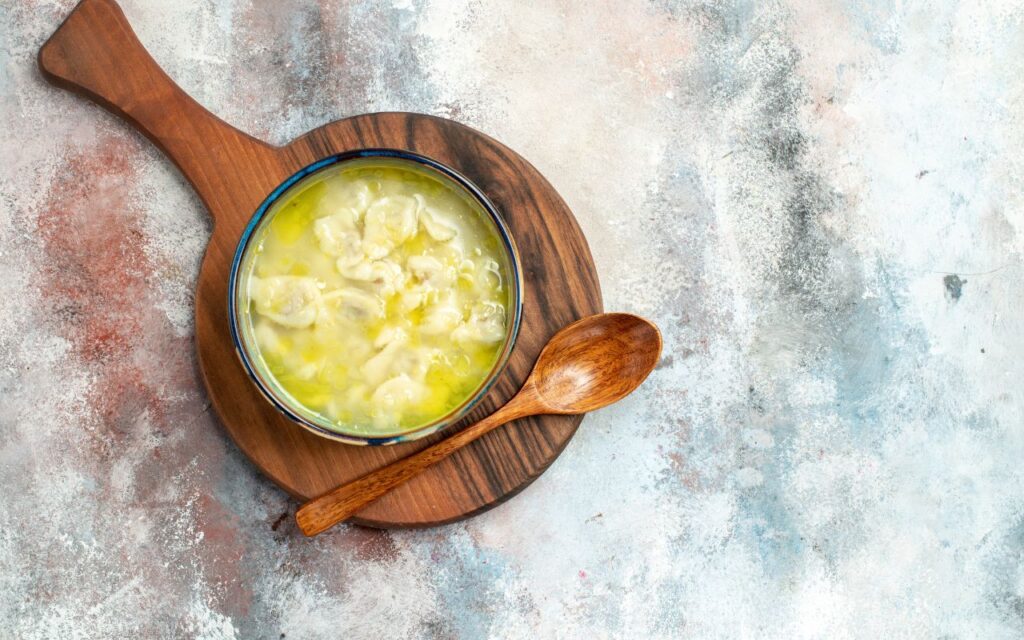
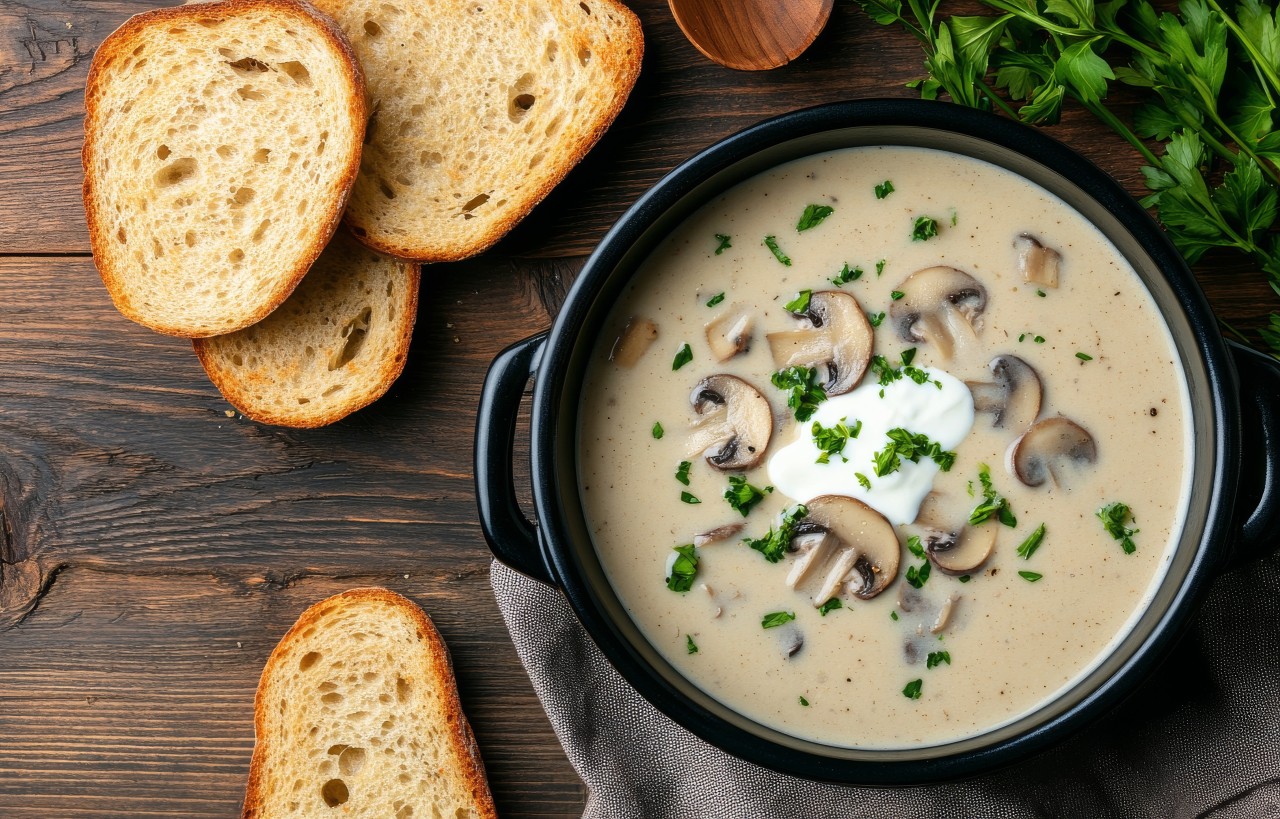
To reduce waste, operators swap perishables for longer-lasting alternatives. Butter becomes oil blends, fresh cream becomes stabilized bases, and herbs shift to dried or frozen forms. Storage life improves. Spoilage risk drops. Inventory becomes easier to control.
These substitutions affect mouthfeel and aroma. Butter’s melt and fresh herbs’ brightness are difficult to fully replace, even when flavor remains acceptable. Texture changes first. Aroma softens. The sensory impact becomes more muted.
Over time, dishes move toward uniformity. The gain is stability, but the cost is immediacy and vibrancy. Food feels less alive. Freshness becomes muted. Distinctiveness slowly fades.
7. Menu Narrowing Disguised as “Focus”
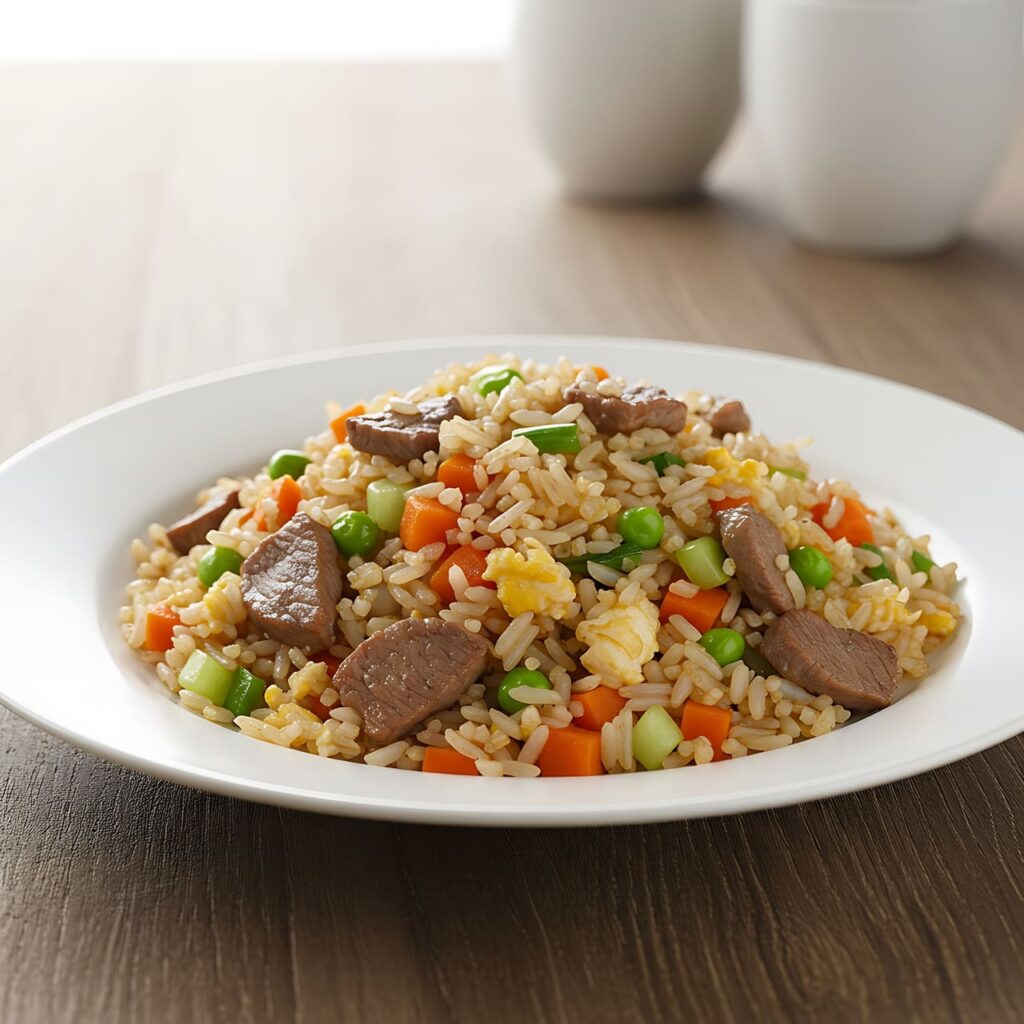
Many restaurants reduce menu size to cut costs and simplify operations. Fewer dishes increase consistency and reduce inventory strain. Kitchens become easier to manage, and execution grows more predictable.
Framed as a focus, this shift also removes labor-intensive comfort dishes that require time and care. Scale favors repetition over craft, and variety slowly shrinks as experimentation fades.
For diners, menus feel curated but less soulful. Reliable plates replace the distinctive dishes people remember most. Familiar favorites disappear, narrowing choice and dulling nostalgia.