7 African Delicacies Most Travelers Quietly Regret Trying

Travel often sparks curiosity, but food is where that curiosity is most thoroughly tested. Across Africa, many traditional dishes are built on practicality, nutrition, and generations of knowledge rather than outside comfort. To locals, these foods are everyday meals tied to culture and survival. To visitors, they can feel unfamiliar in ways that challenge both the palate and expectations. These delicacies are not meant to shock, yet many travelers quietly wish they had known more before ordering. Understanding what goes into these dishes reveals why reactions vary so widely between cultures. Knowing the story behind each dish often changes how the experience is remembered.
1. Mopane Worms
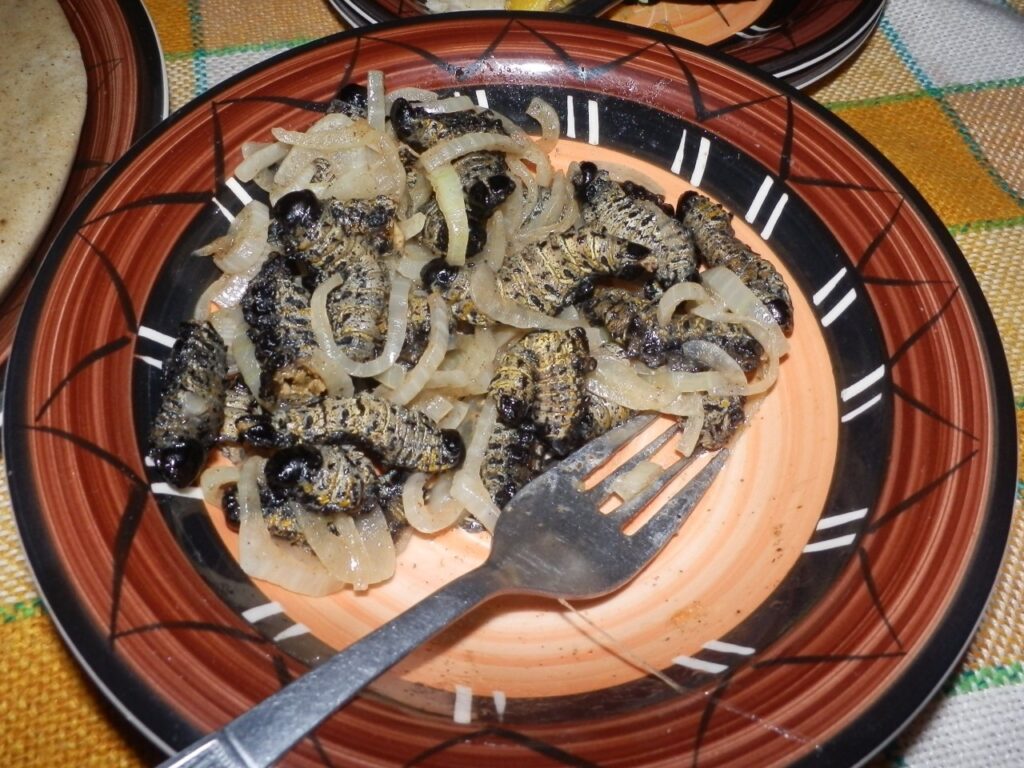
At first glance, mopane worms look more like bait than food, which is often where regret begins for travelers. These caterpillars are harvested from mopane trees, then dried or fried to preserve them. Nutritionally, they are impressive, offering high levels of protein, iron, and healthy fats. The challenge for visitors is sensory. The worms are eaten whole, including their shape and texture, which can be difficult to ignore. When dried, they become chewy and concentrated, with an earthy bitterness that lingers on the tongue. Fried versions can be crunchy, but the internal texture still surprises many first-time eaters. The smell during cooking can also feel intense.
2. Fermented Milk
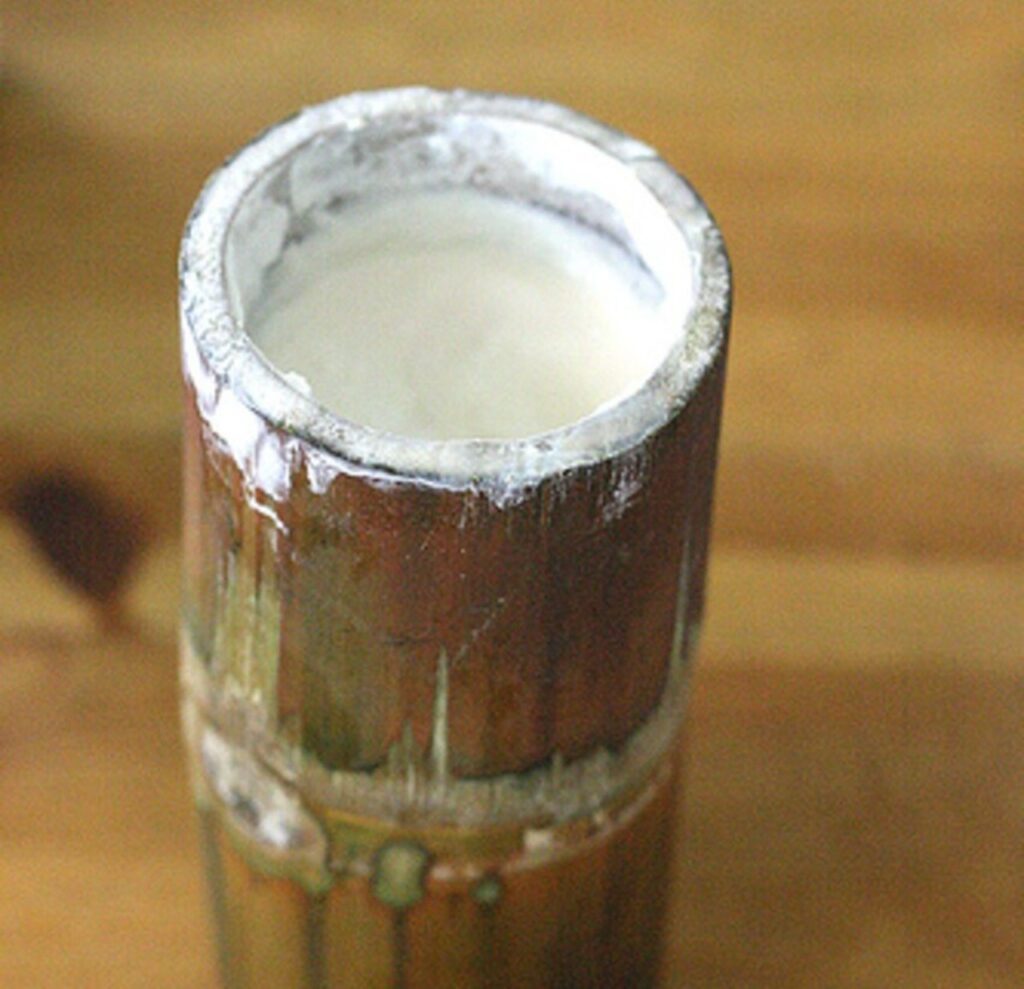
Fermented milk products are common across Africa, valued for preservation, digestion, and hydration in hot climates. The regret for travelers often comes from expectation. Many assume it will taste like yogurt or kefir, but these drinks are usually far more sour and sharp. The fermentation process creates strong acidity, and separation is normal, giving the liquid a slightly grainy texture. The smell can be pungent, especially to those unfamiliar with fermented dairy. What locals experience as refreshing and nourishing can feel harsh and overwhelming to visitors. The first sip often surprises people with how fast the tang hits the palate.
3. Cow Hoof Stew
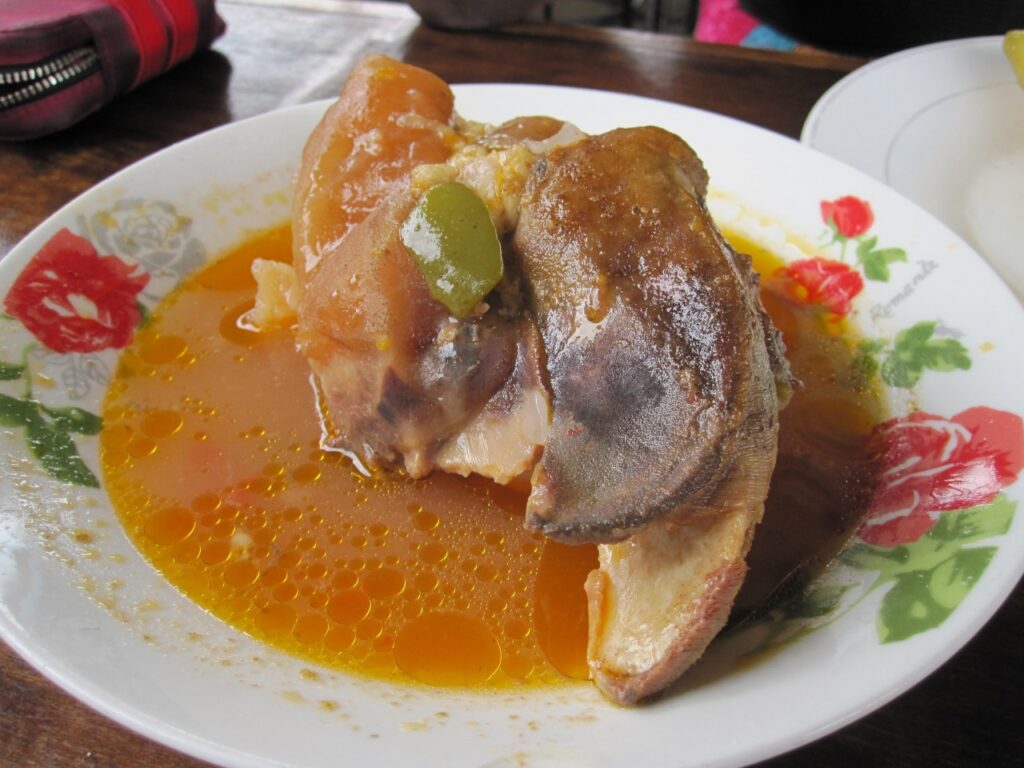
Cow hoof stew is slow food in the truest sense, cooked for hours until tough connective tissue breaks down. The result is a thick, gelatin-rich broth prized for its richness and filling nature. Travelers tend to regret this dish because of texture rather than flavor. Hoof meat contains very little muscle and a lot of collagen, creating a sticky, slippery mouthfeel that can feel heavy. The stew often coats the lips and tongue, which surprises those expecting tender meat. In warm climates, the richness can feel overwhelming after only a few bites. Locals value the dish for its ability to provide energy and warmth, but visitors often find the texture difficult to enjoy without familiarity.
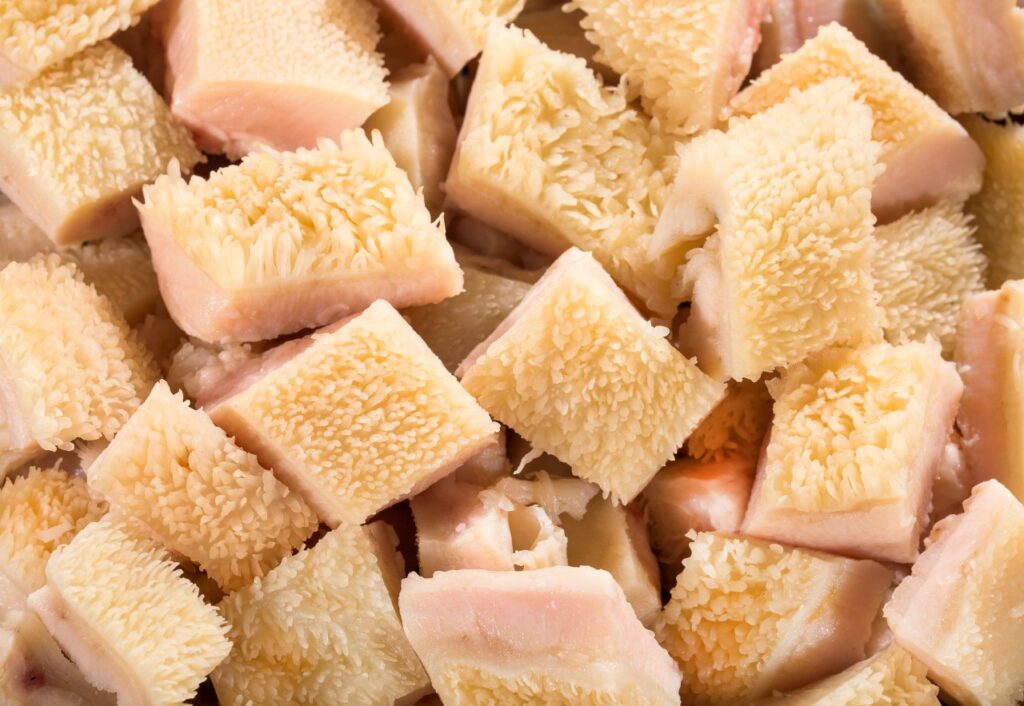
4. Tripe
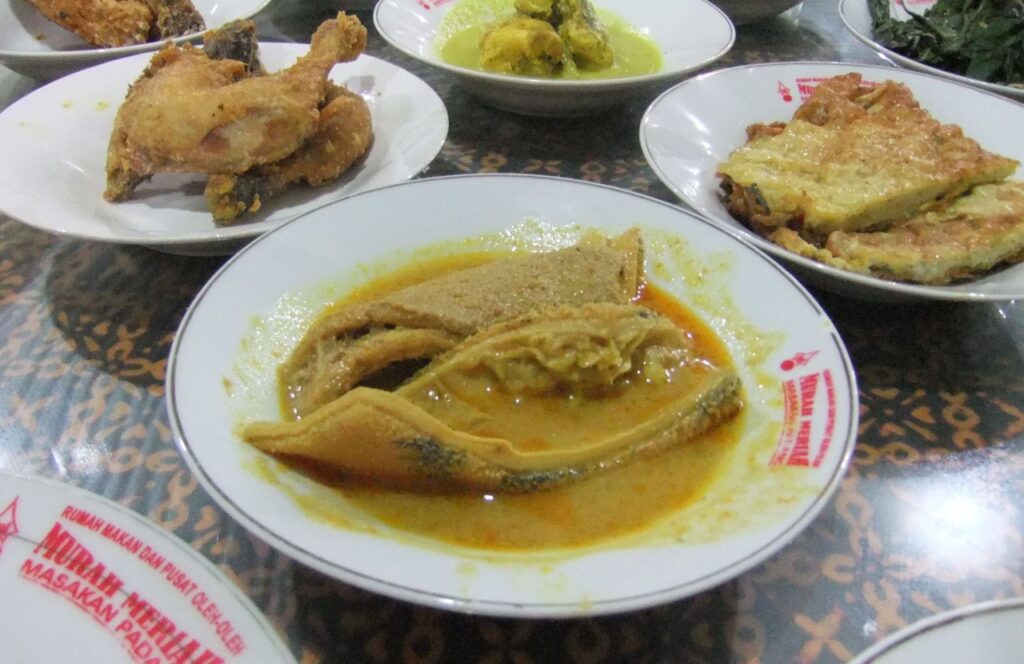
Tripe is made from the stomach lining of cattle or goats and appears in many African stews and soups. For travelers, the biggest hurdle is sensory. Even when cleaned carefully, tripe retains a strong aroma that becomes more noticeable as it cooks. The texture is chewy and spongy, requiring slow eating. Many visitors expect spices to completely mask the flavor, but tripe always announces itself. The taste absorbs seasoning well, yet the underlying character remains. Those unfamiliar with organ meats often struggle to move past the smell and mouthfeel. While locals appreciate tripe for its affordability and heartiness, travelers frequently regret ordering it without understanding what it is.
5. Fermented Fish Paste
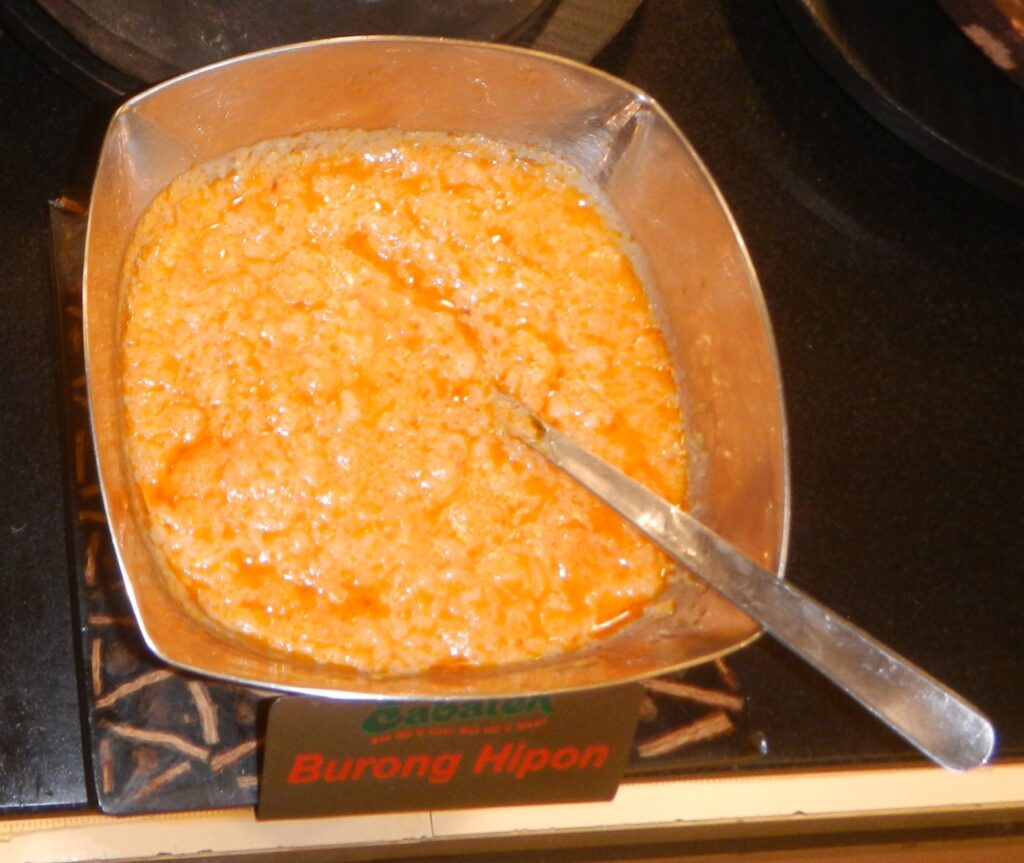
Fermented fish paste is used as a seasoning rather than a main dish, but it leaves a strong impression. The fermentation process intensifies both aroma and flavor, creating a sharp, savory punch that lingers. For travelers, the regret often comes from smell before taste. The scent can fill a room and cling to dishes. Even in small amounts, the paste can dominate a meal. Locals rely on it to add depth and umami, especially where fresh fish is scarce. Visitors unfamiliar with fermented seafood often find the flavor overpowering and difficult to balance. Trying it without preparation can quickly overwhelm the palate.
6. Raw Blood Mixed With Milk

Few foods challenge travelers as much as raw blood mixed with milk, consumed in some pastoral communities. The combination is valued for strength and nutrition, particularly iron and protein. The regret usually begins with texture and temperature. Warm milk mixed with fresh blood creates a thick, metallic-tasting drink that clashes with most people’s expectations. Even adventurous eaters often struggle with the flavor contrast. Cultural context matters greatly here, but without it, the experience can feel uncomfortable and difficult to finish. The dish is deeply traditional, yet mentally challenging for those raised far from similar practices.
7. Spiced Intestinal Dishes
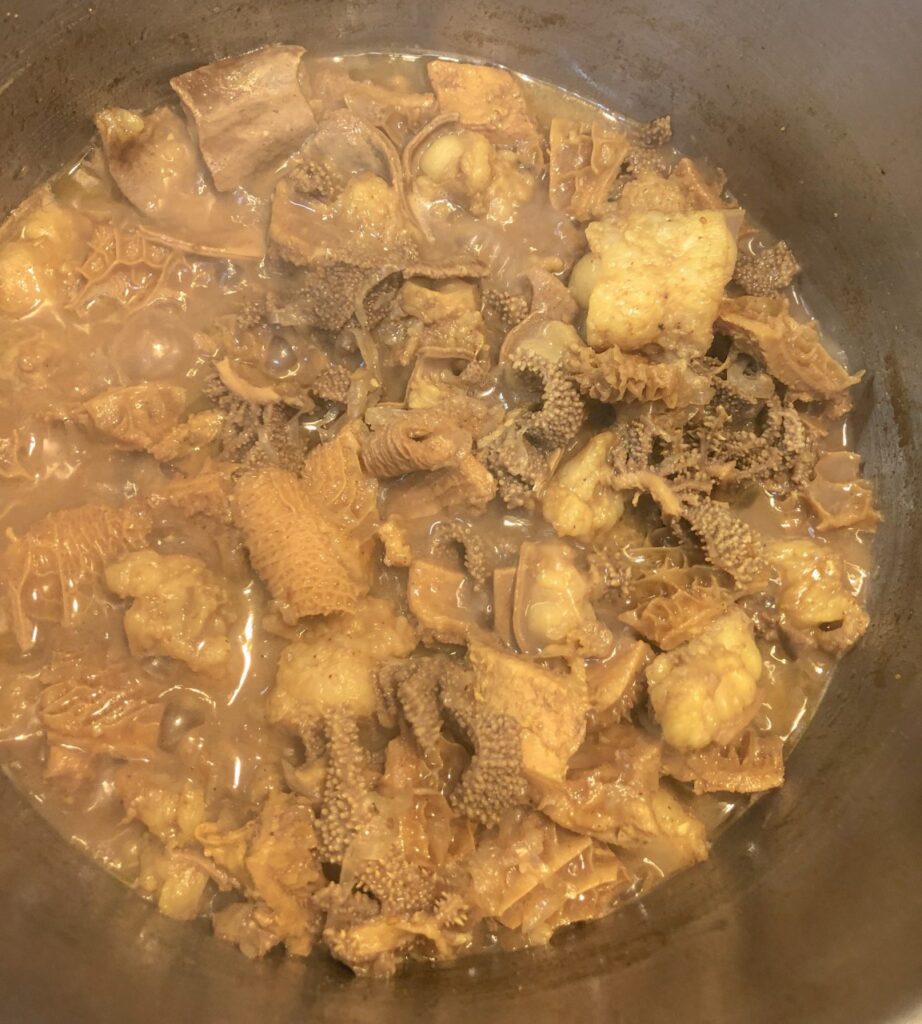
Intestines are widely eaten across Africa, grilled or stewed with bold spices and aromatics. Travelers often assume seasoning will completely disguise the ingredient, but this is rarely the case. Intestines have a distinct flavor and chewy texture that remains present. Even when prepared carefully, the mouthfeel can be firm and slightly elastic. If not accustomed to organ meats, many visitors find the experience overwhelming after the first few bites. The spices enhance rather than hide the natural taste. Locals value these dishes for their richness and efficient use of the whole animal, while travelers sometimes regret underestimating how prominent the ingredient still feels.