The Only Way To Store Strawberries So They Stay Fresh Longer

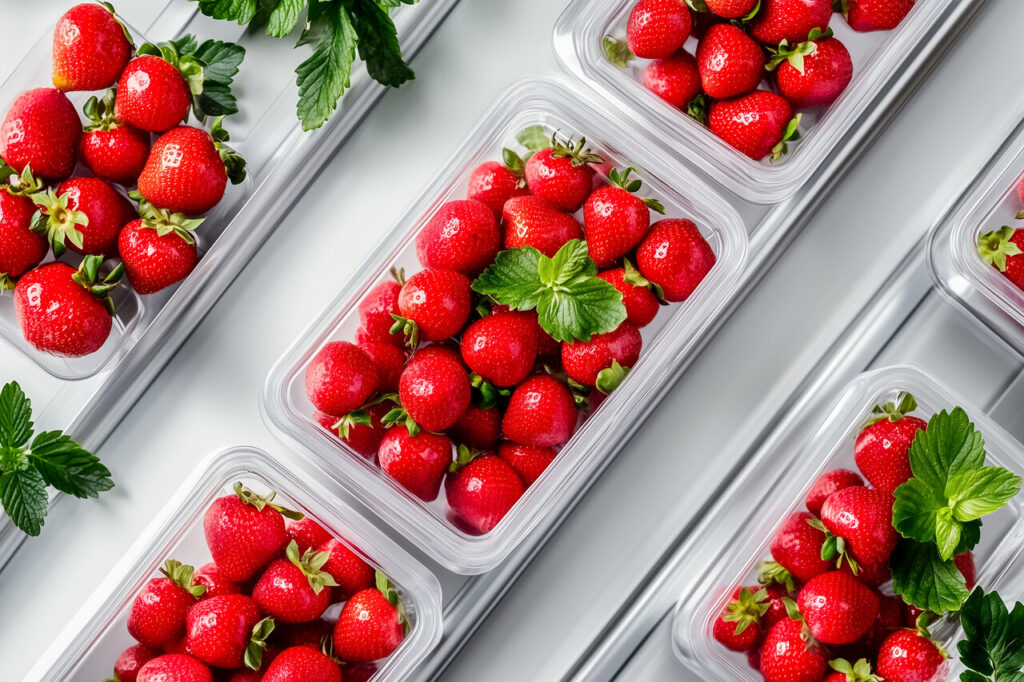
Strawberries never seem to last as long as you expect. One day they look bright and firm, and the next they’re soft, leaking juice, or growing mold. The problem isn’t the fruit itself. It’s how moisture, air, and bacteria interact once strawberries come home from the store. A few small changes in how you prep and store them can dramatically slow that process and keep berries fresh for days longer than most people are used to. When you understand what strawberries actually need to stay stable, freshness stops feeling like luck and starts feeling predictable.
Why Storing Strawberries Right Matters
Strawberries are one of the most delicate fruits you can bring home, and their short shelf life isn’t accidental. They’re made up of more than 90 percent water, have thin skins, and lack the protective rind that fruits like apples or oranges rely on. That combination makes them extremely vulnerable to moisture buildup, bruising, and mold growth. Even a small amount of trapped condensation inside a container can accelerate spoilage, allowing mold spores to spread quickly from one berry to the next. This is why a beautiful container of strawberries can look perfect one day and suddenly collapse into mush the next. What this really means is that how you store them matters just as much as how fresh they were when you bought them.
Improper storage doesn’t just shorten their lifespan; it also affects flavor and texture. When strawberries sit in damp environments, they soften rapidly and lose their bright, juicy bite. Refrigeration alone is not enough to slow this process if excess moisture is present. Leaving berries in the original plastic clamshell, washing them too early, or stacking them tightly together all increase the risk of rot. Strawberries also continue to respire after harvest, releasing moisture and heat that create a microclimate inside containers. If that environment isn’t controlled properly, spoilage speeds up dramatically. Understanding these vulnerabilities sets the stage for why a specific storage method works better than every shortcut people typically try.
The Prep Step That Makes All the Difference
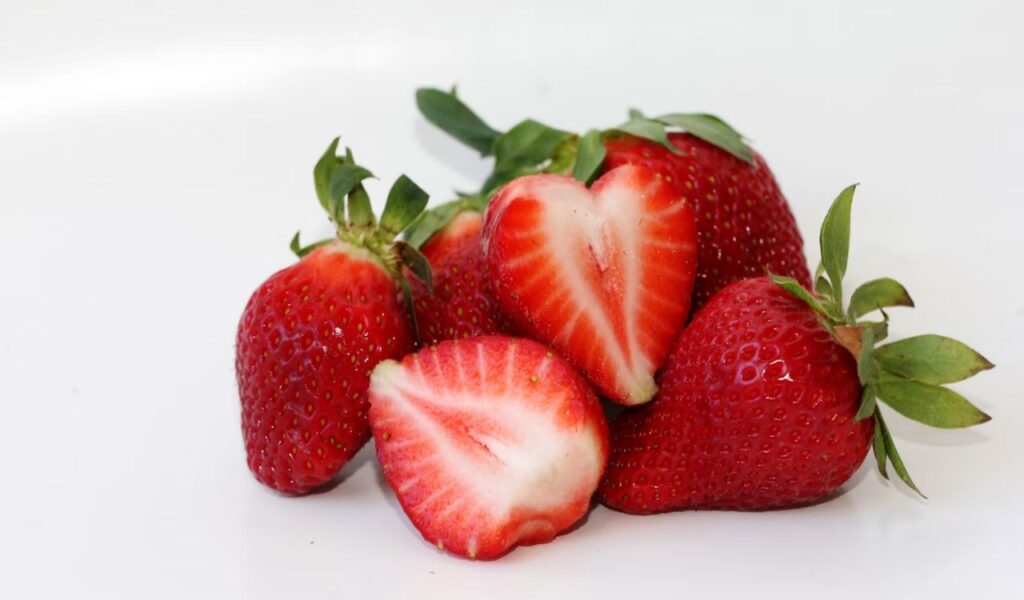
The first step to extending strawberry life happens before they ever go into the fridge. Sorting matters more than most people realize. One damaged or moldy berry can release spores that quickly spread through the entire batch, even if the rest of the fruit looks fine. Gently inspecting strawberries and removing any soft, bruised, or questionable berries immediately reduces the risk of contamination. This simple habit alone can add days to their usable life because it removes the primary source of rapid spoilage inside the container.
Equally important is resisting the urge to wash strawberries right away. Water left clinging to the surface or trapped around the stems creates the perfect breeding ground for mold. While washing feels hygienic, it actually introduces more moisture into an already sensitive environment. Instead, strawberries should stay dry until just before eating or using them. If dirt or residue is visible, gently brushing it off with a dry paper towel is a safer option. Keeping berries dry at this stage preserves their natural protective coating and prevents unnecessary moisture from shortening their shelf life before storage even begins.
The Storage Method That Truly Works
The most effective way to dramatically extend strawberry freshness combines a gentle vinegar rinse with thorough drying and breathable storage. A diluted vinegar bath helps neutralize mold spores and bacteria that naturally exist on the surface of berries, even when they appear perfectly clean. This doesn’t make the fruit taste like vinegar when done correctly because the solution is weak and the berries are rinsed afterward with clean water. The key is that it reduces the invisible microbes that trigger spoilage before they ever gain momentum inside the fridge. This step alone can slow down the chain reaction that causes berries to deteriorate so quickly.
Drying is where most people go wrong. Strawberries must be completely dry before storage. Laying them out in a single layer on clean kitchen towels or paper towels and allowing air circulation ensures moisture evaporates fully from the surface and stem areas. Once dry, the berries should be placed in a container lined with fresh paper towels to absorb any residual humidity that develops during refrigeration. The container should not be airtight, as strawberries still need airflow to prevent condensation buildup. This balance of cleanliness, dryness, and gentle ventilation is what allows strawberries to stay firm, flavorful, and mold-free far longer than standard storage methods.
The Best Containers and Conditions for Longevity
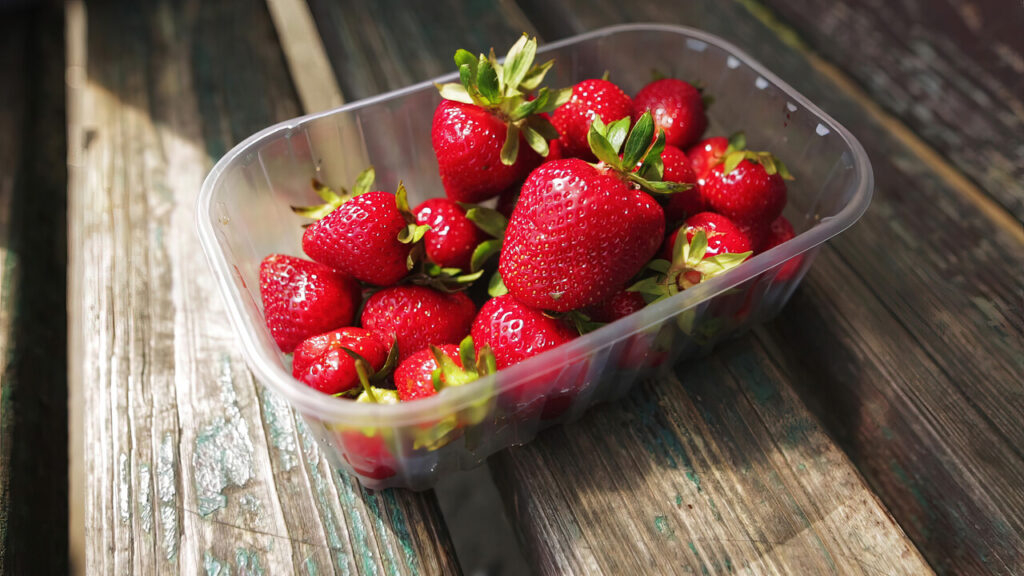
Choosing the right container makes a noticeable difference in how long strawberries stay fresh. Shallow containers prevent crushing and allow better air circulation around the fruit. Lining the bottom with paper towels absorbs excess moisture released during refrigeration, acting as a humidity buffer rather than trapping dampness against the berries. Containers with loose-fitting lids or small ventilation holes help prevent condensation buildup while still protecting the fruit from refrigerator odors and dehydration. Overcrowding should be avoided because tightly packed berries create pressure points where bruising and moisture accumulation begin.
Placement inside the refrigerator matters too. Strawberries keep best in the crisper drawer or a stable shelf where temperature fluctuations are minimal. Constant opening near the front of the fridge exposes fruit to warm air bursts that speed up breakdown. Ideal refrigeration temperatures slow respiration and microbial activity without freezing delicate flesh. Keeping strawberries away from ethylene-producing fruits like apples or bananas also helps preserve texture, since ethylene accelerates ripening and softening. When container choice and fridge placement work together, strawberries maintain their color, firmness, and sweetness for significantly longer periods.
What Not to Do With Fresh Strawberries
Some common habits unintentionally shorten strawberry’s life. Leaving berries in sealed plastic packaging traps moisture and accelerates mold growth. Storing them unwashed in tightly sealed containers creates condensation as temperature shifts occur inside the fridge. Cutting or removing stems before storage exposes moist interior flesh that spoils faster than intact berries. Stacking heavy items on top of strawberry containers leads to bruising that becomes an entry point for bacteria and decay. These small oversights compound quickly, turning fresh fruit into waste far sooner than expected.
Freezing and sugaring also change strawberries in ways that aren’t suitable for fresh eating later. Freezing breaks down cell walls, resulting in soft, watery texture once thawed, which works for smoothies or baking but not for fresh snacking. Sugaring draws moisture out of the fruit, creating syrup and altering the structure permanently. While both methods have culinary uses, they are preservation strategies, not freshness strategies. If the goal is crisp, juicy strawberries that still taste like they were just picked, controlling moisture, airflow, and cleanliness remains the only reliable path to longer-lasting berries.
References
- I Tried 7 Methods of Storing Strawberries, And the Winner Outlasted Them All – thekitchn.com
- Best Way to Store Strawberries (17 Methods Tested) – jerryjamesstone.com
- I Tested 7 Ways to Store Strawberries — Only One Kept Them Juicy for 10 Days – foodandwine.com