How Simple Kitchen Habits Can Cut Food Waste at Home Without Changing How You Cook

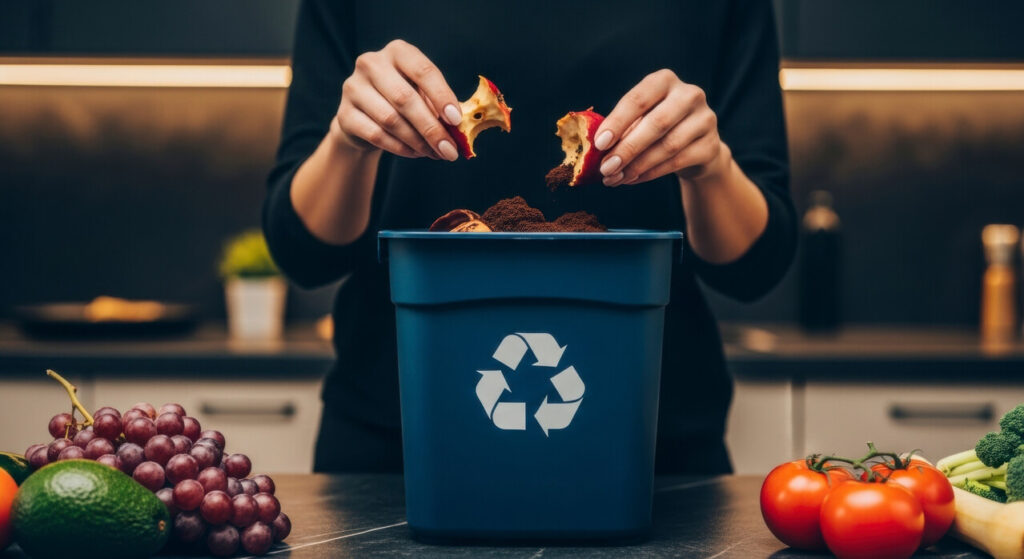
Most food waste doesn’t come from bad cooking or poor planning. It comes from small everyday habits that quietly pile up, like buying a little too much, forgetting what’s already in the fridge, or letting leftovers sit until they’re past saving. The good news is that cutting waste doesn’t require changing what you cook or how you eat. A few simple shifts in how you shop, store, and organize food can make a noticeable difference almost immediately. Once those habits settle in, your kitchen runs more smoothly, your grocery budget stretches further, and far less food ends up in the trash.
Why Everyday Food Waste Matters
Food waste doesn’t usually happen in dramatic ways. It happens quietly, one forgotten bag of spinach at a time, one half container of leftovers pushed to the back of the fridge, one impulse purchase that never quite finds its way onto a plate. In most homes, the majority of wasted food comes from simple misjudgments about how much to buy, how long food stays fresh, and what to do with small leftovers. What this really means is that cutting food waste doesn’t require changing your recipes or learning new cooking techniques. It starts with becoming aware of how food moves through your kitchen and how easily small habits influence what gets eaten and what gets tossed.
The impact stretches beyond a single grocery bill. Wasted food represents wasted money, wasted energy used to grow and transport it, and wasted landfill space when it decomposes. When food breaks down in landfills, it produces methane, a powerful greenhouse gas that contributes to climate change. On a household level, food waste quietly adds up to hundreds or even thousands of dollars each year, depending on family size and shopping habits. When people realize that reducing waste saves both money and resources without sacrificing convenience or enjoyment, the motivation becomes practical rather than abstract. It’s less about guilt and more about making your kitchen work smarter.
Plan Smarter Without Rethinking Meals
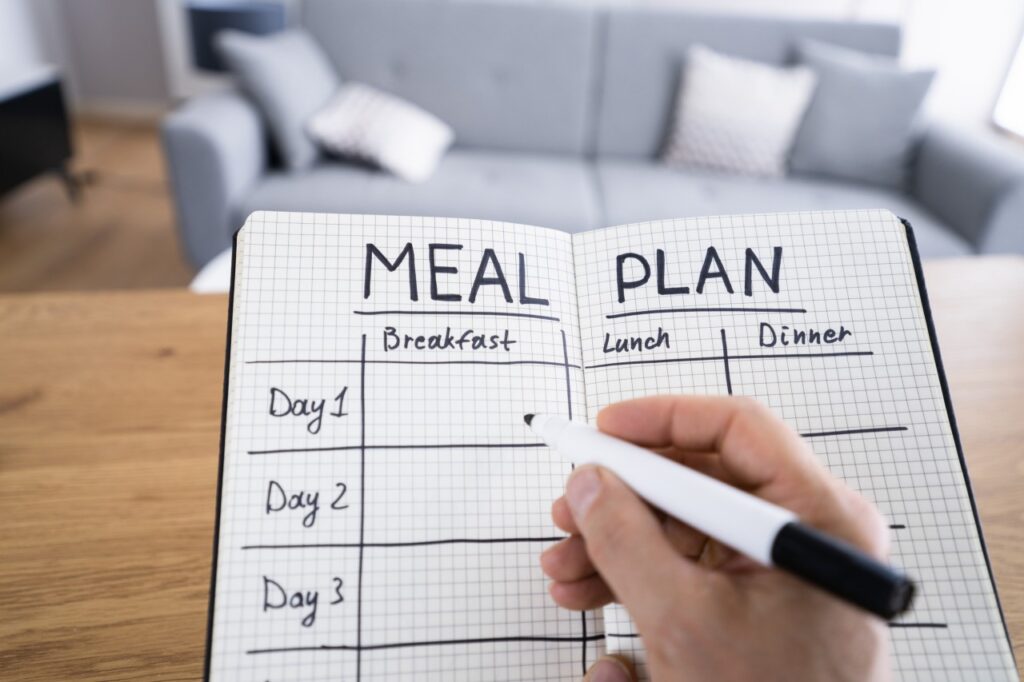
One of the simplest ways to cut waste is to give your shopping trips a bit more structure. That doesn’t mean rigid meal plans or complicated spreadsheets. It means knowing roughly what you’ll cook over the next few days and checking what you already have before you buy more. Many households end up with duplicate items or overbuy perishable ingredients because the pantry and fridge aren’t checked consistently. A glance before heading to the store often prevents buying things that are already sitting unopened at home. This small pause alone reduces the odds of food expiring unnoticed.
Store Foods So They Last Longer
How food is stored has a direct impact on how long it stays usable. Many fruits and vegetables spoil early because moisture builds up or airflow is restricted. Using breathable containers, paper towels to absorb excess moisture, and proper refrigerator zones helps slow decay. Keeping foods visible also matters. Items hidden behind taller containers often get forgotten until they’re past their prime. Arranging the fridge so older items are front and center makes it easier to use them before opening something new. The refrigerator should stay consistently cold, and dry goods should be stored in sealed containers to protect against humidity and pests. Bread stored improperly goes stale faster, herbs wilt prematurely without moisture control, and dairy deteriorates when exposed to fluctuating temperatures near the fridge door.
Use Every Part of What You Buy
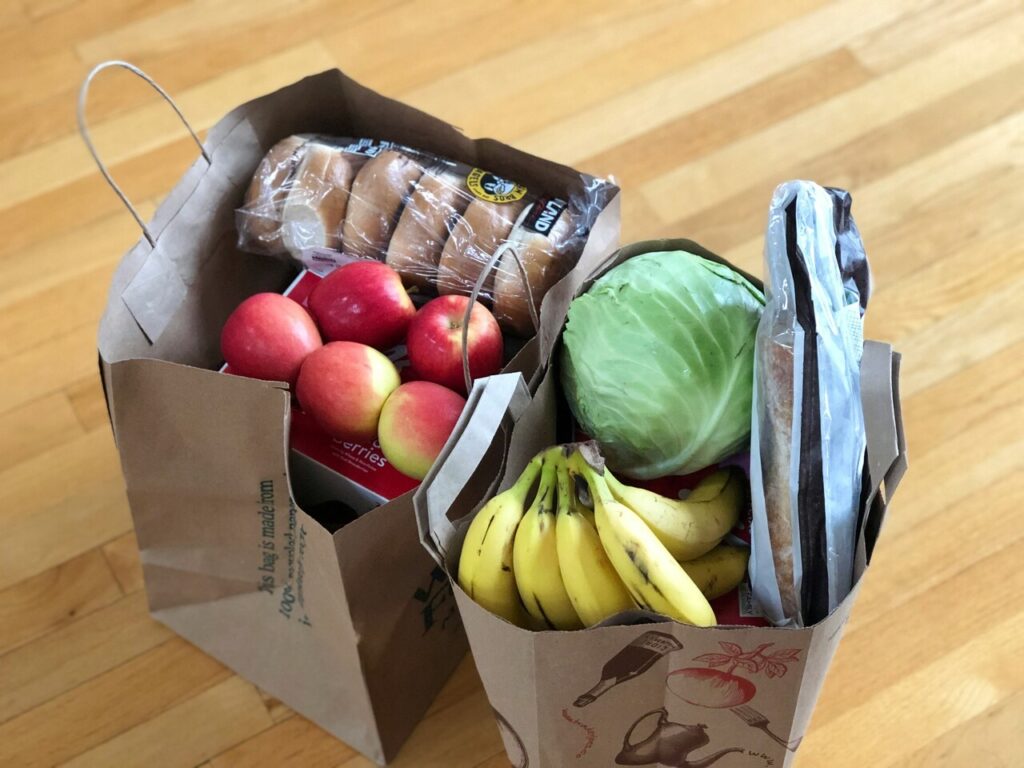
Leftovers and scraps often get a bad reputation, but they’re one of the easiest opportunities to reduce waste without changing how you cook. Leftover vegetables can be added to omelets, soups, stir-fries, or grain bowls without much effort. Cooked proteins stretch easily into wraps, salads, and sandwiches. Even small portions can be combined creatively rather than discarded. The goal isn’t to reinvent meals but to treat leftovers as building blocks instead of burdens. Food scraps also have value. Vegetable peels and herb stems can be saved for broth. Citrus peels can be dried for flavoring or cleaning uses. Stale bread becomes croutons or breadcrumbs.
Track and Adjust With Simple Habits
Awareness is one of the most powerful tools in waste reduction. Keeping a loose mental note or small list of what gets thrown away each week helps identify patterns. Labeling leftovers with dates, rotating pantry items, and doing quick fridge check-ins every few days prevent food from slipping into forgotten corners. These habits take minutes but save hours of frustration and money over time. The goal is not perfection. It’s steady improvement. When small adjustments stack up, food waste drops significantly without changing how you cook, eat, or enjoy your kitchen. It becomes less about discipline and more about rhythm, creating a home environment where food gets used thoughtfully and consistently.
References
- Preventing Wasted Food At Home – epa.gov
- 15 quick tips for reducing food waste and becoming a Food hero – fao.org
- 8 Tactics to Reduce Food Waste at Home – zerowastechef.com