Nobody Asked for These to Go But 8 Chain Restaurant Table Staples Vanished Anyway

Some of the most memorable parts of dining out were never written on the menu. They arrived quietly at the table, setting the tone before the first bite of your meal even began. These small touches made restaurants feel warm, familiar, and worth returning to.
Over time, many of these staples faded away. Changing costs, shifting habits, and new expectations reshaped how restaurants operate, often trimming the extras that once defined the experience. What remains is more efficient, but sometimes less personal.
This list revisits those table traditions that disappeared without much warning. They may have seemed simple, but their absence is still felt by diners who remember how they made a meal feel complete.
1. Complimentary Peanuts
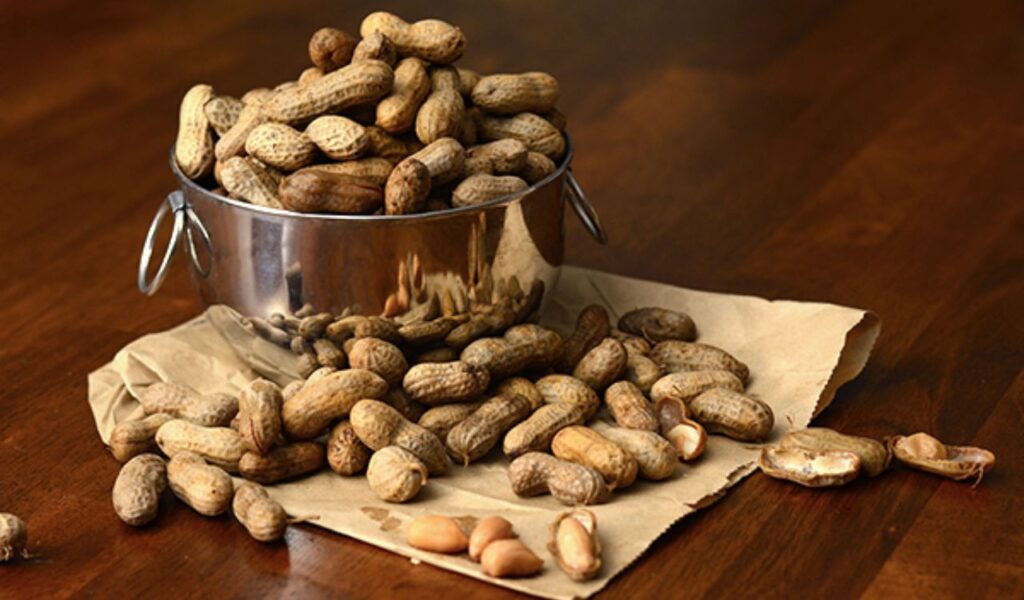
Before menus even opened, some restaurants set the tone with a simple bowl of peanuts. It was casual, interactive, and encouraged diners to relax while waiting for their meals. The act of cracking shells at the table became part of the experience itself.
Over time, concerns began to outweigh the charm. Peanut shells on the floor created cleaning challenges, and allergy awareness became a serious issue for both guests and staff. What once felt carefree started to carry risk.
As dining standards shifted toward cleanliness and safety, many chains quietly removed this feature. The change reflects a broader move toward controlled environments, even if it meant losing a small but memorable ritual.
2. Unlimited Salad Bars
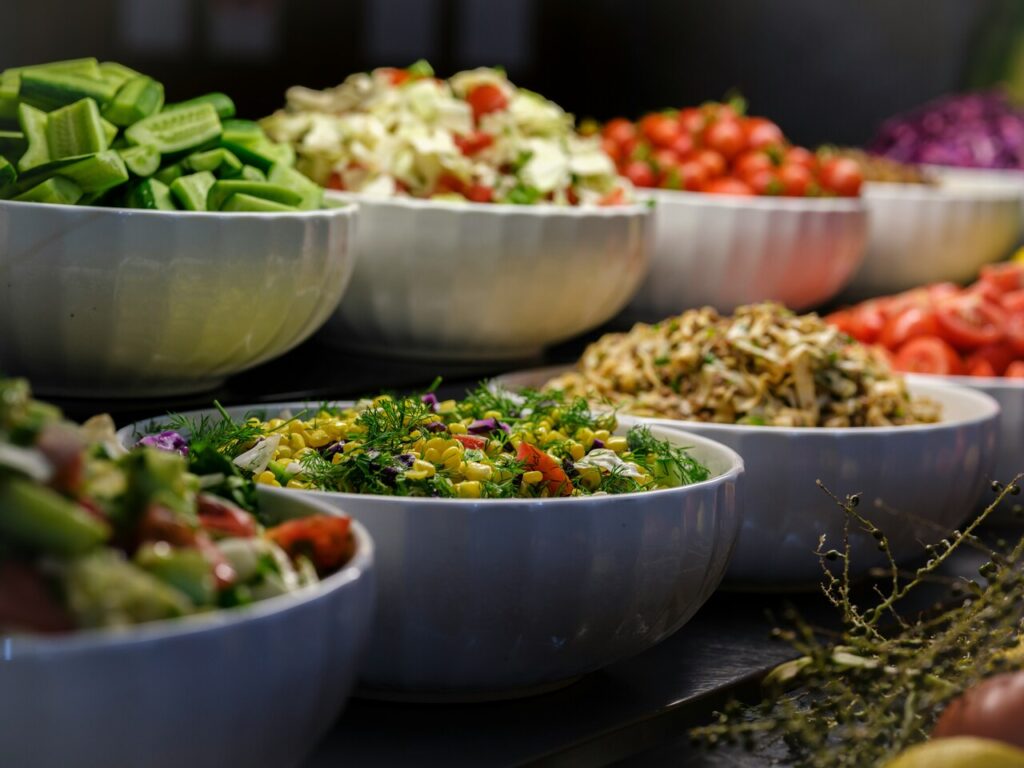
At their peak, salad bars were a symbol of choice and abundance. Guests could build their own plates, returning as often as they liked, which made the dining experience feel generous and flexible.
Maintaining these stations, however, required constant attention. Fresh ingredients had to be replenished, temperatures monitored, and hygiene strictly managed. These demands became more difficult as operational costs rose.
The decline accelerated with changing health expectations. Self-serve stations became less appealing in a more cautious dining climate. Many chains replaced them with pre-portioned options, trading variety for efficiency and control.
3. Free Biscuits
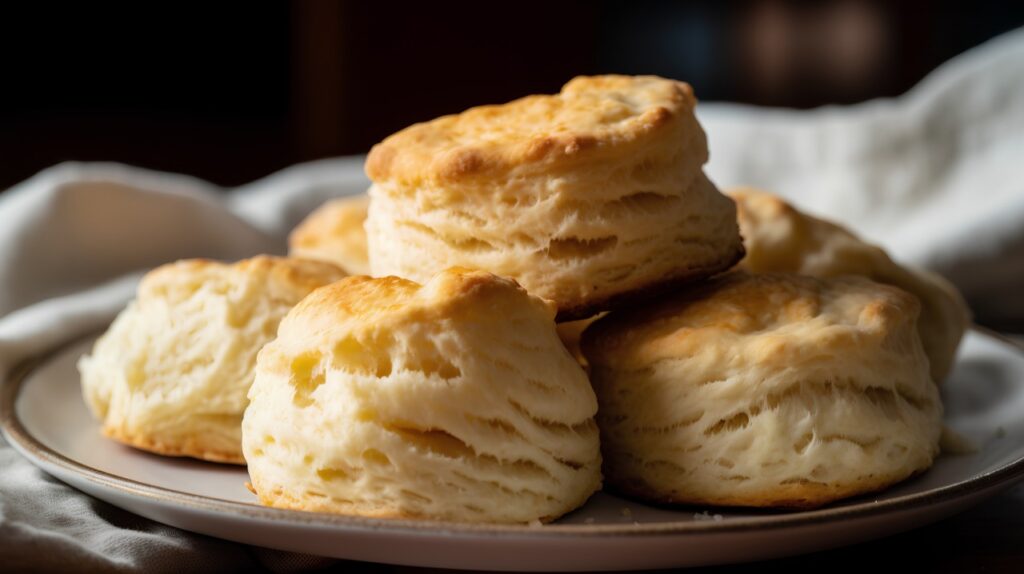
There was a time when a basket of warm biscuits arriving at the table felt like an unspoken welcome. It signaled care, hospitality, and a promise that the meal ahead would be comforting. The aroma alone often set the tone before anything else arrived.
Behind the scenes, however, maintaining that consistency was not simple. Fresh batches had to be prepared throughout the day, requiring labor, timing, and attention that could strain busy kitchens. Even small delays could affect quality.
As restaurants streamlined operations, these extras were often removed first. Eliminating complimentary biscuits reduced waste and simplified workflows, but it also took away a small ritual that made dining feel more personal and inviting.
4. Table Bread & Rolls Variety Reductions
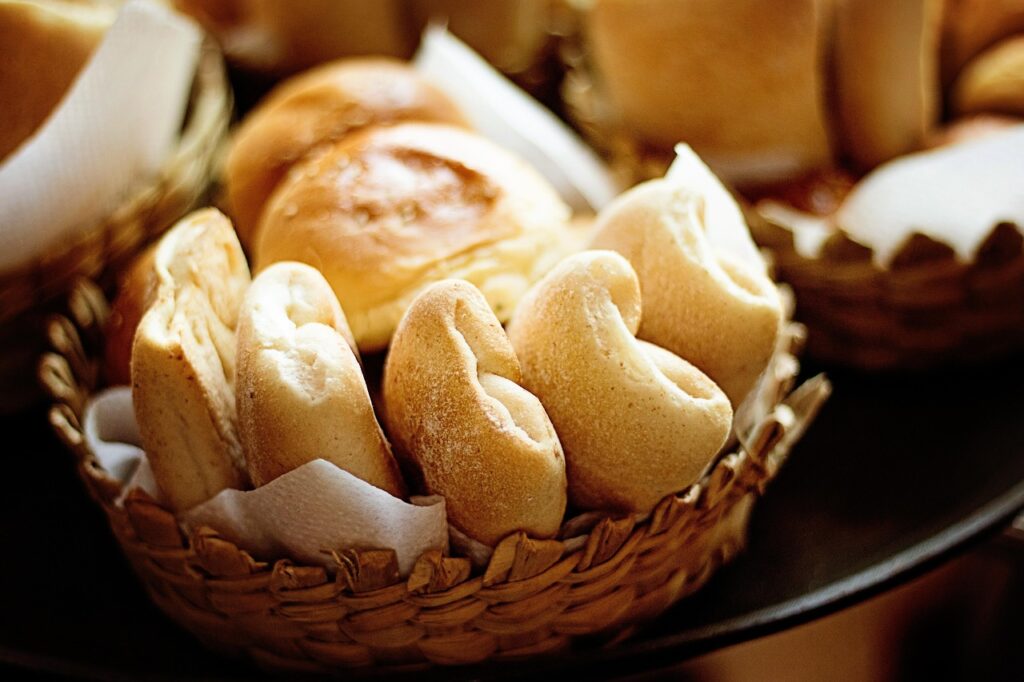
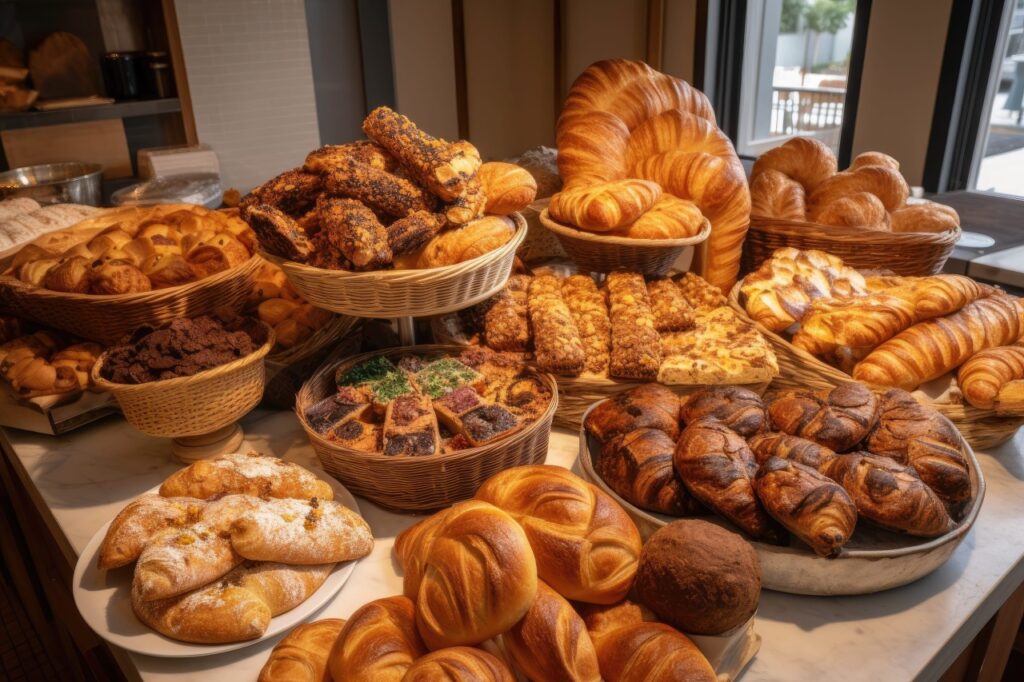
Bread baskets once brought variety to the table, offering a mix of textures and flavors that made the start of a meal feel abundant. It was a simple gesture that added depth to the overall experience.
Maintaining multiple options, however, introduced complexity. Each type required separate storage, preparation, and timing, which added pressure in fast-paced kitchen environments where efficiency mattered most.
Many chains chose to simplify their offerings. Some reduced variety, while others removed complimentary bread entirely. The decision reflects a shift toward cost control and consistency, even as it quietly changes how meals begin.
5. Free Popcorn Bowls

A simple bowl of popcorn once had the power to shift the mood of a table. It signaled that dining out could be relaxed, unhurried, and a little playful. Guests could snack while they waited, making the experience feel more social from the start.
Maintaining that simplicity, however, required constant effort behind the scenes. Popcorn had to stay fresh, bowls needed regular refilling, and spills were common during busy hours. What seemed effortless to diners often meant added work for staff.
As restaurants moved toward cleaner setups and faster service, this feature quietly disappeared. The change improved efficiency, but it also removed a small detail that once made meals feel more welcoming and easygoing.
6. Pre-Meal Appetizer Staples Like Quesadillas
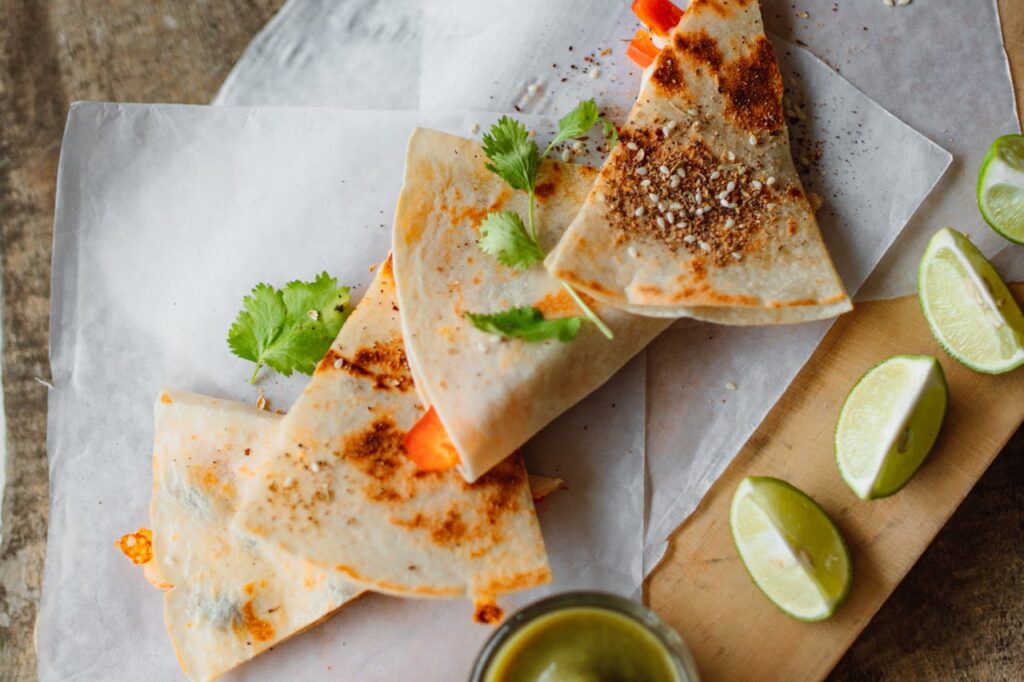
Some appetizers became so familiar that they felt like part of the dining ritual itself. Quesadillas, with their crisp edges and melted filling, were a dependable choice that many guests returned to without thinking twice.
From an operational standpoint, these items could be demanding. They required specific ingredients, careful timing, and consistent preparation to meet expectations across locations. Small variations could quickly affect quality.
As menus evolved, even popular staples were removed to make space for new options and simplify kitchen workflows. While replacements appear, they rarely carry the same sense of reliability that long-time diners had come to expect.
7. Fried Pickles as a Standard Starter
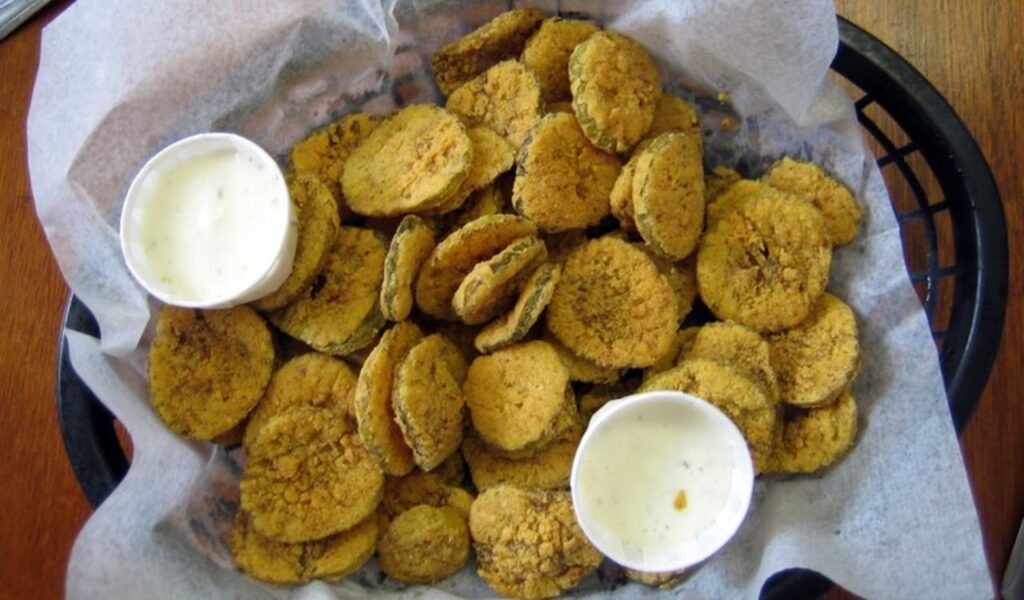
Fried pickles offered a bold contrast to typical appetizers, combining tangy flavor with a crisp exterior. Their distinct taste made them memorable and often sparked curiosity among first-time diners.
Consistency, however, was not always easy to achieve. Frying demands precise timing and temperature control, and even slight variations can change the texture. Maintaining that standard across multiple locations added complexity.
When restaurants streamlined their menus, items like this became vulnerable. Despite a loyal following, they were often removed in favor of simpler dishes that were easier to prepare and scale consistently.
8. Bread Basket Culture as a Core Experience
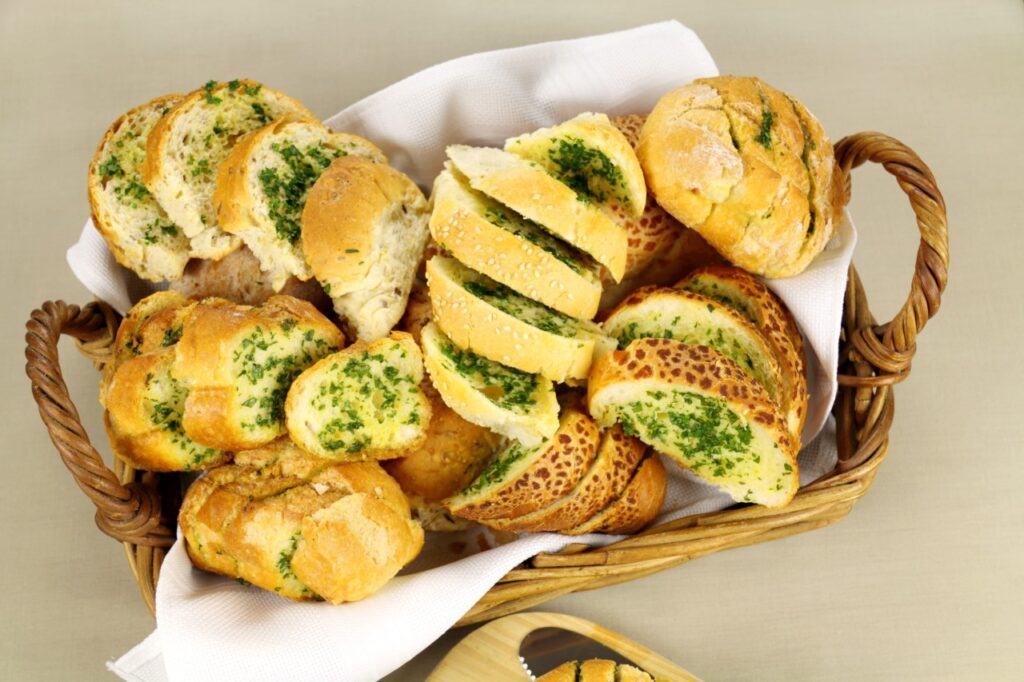
The bread basket once defined the opening moments of a meal. It encouraged diners to slow down, share, and settle into the experience before the main course arrived. It was less about the bread itself and more about the pace it created.
Dining habits have shifted over time, with many guests now favoring quicker service. Restaurants adapted by removing steps that extended waiting periods, including complimentary starters that required preparation and delivery.
As a result, this tradition has gradually faded. While efficiency has improved, the absence of the bread basket reflects a broader change in dining, where convenience often replaces the small comforts that once made meals feel complete.