You’re Probably Slowing Down the Drive-Thru Without Realizing It: 10 Common Mistakes


Drive-thrus are built for convenience, offering quick meals without ever leaving your car. But what feels like a simple stop can easily turn into a longer wait, often because of small habits that go unnoticed.
Most delays are not caused by the system itself, but by everyday actions that interrupt the flow. From ordering to payment, each step depends on timing, clarity, and preparation to keep things moving efficiently.
This list highlights the common mistakes that slow down the line more than people realize. A few small adjustments can make the experience smoother, faster, and more pleasant for everyone involved.
1. Not Knowing What You Want Before Reaching the Speaker
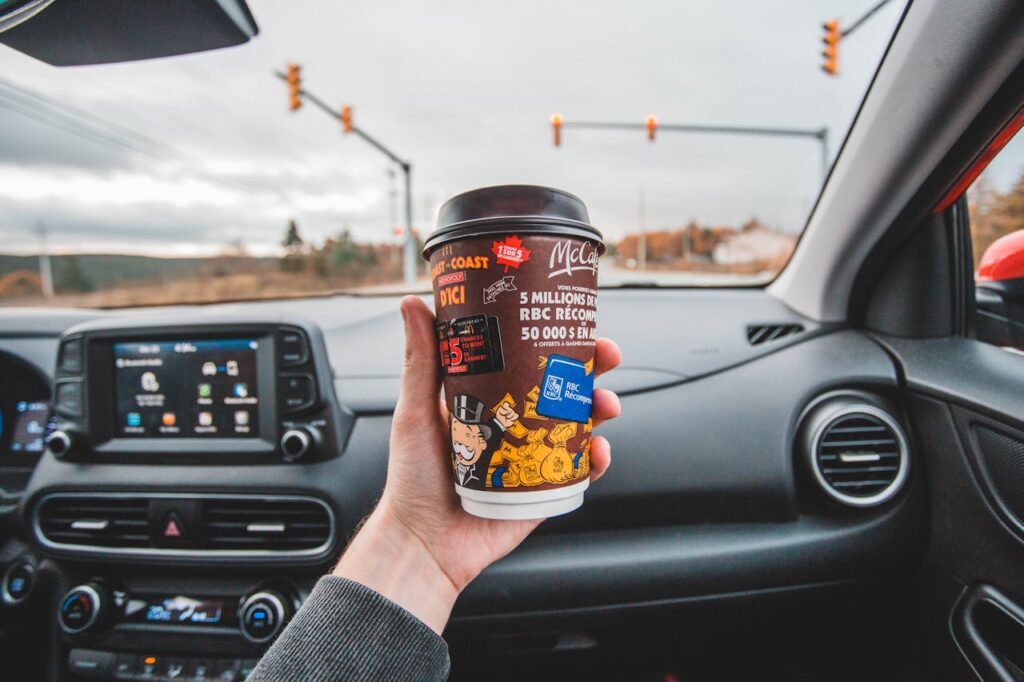
The drive-thru is designed for speed, and the first delay often begins before you even order. Arriving at the speaker without a clear choice forces the system to pause while you scan the menu, holding up every car behind you.
Menus are structured for quick decisions, with popular items placed front and center. Taking a moment earlier in the line to decide can make a noticeable difference in overall flow and timing.
When one car hesitates, it creates a ripple effect that extends through the entire queue. Preparing your order in advance keeps the process moving smoothly and helps maintain the pace that drive-thrus rely on.
2. Ordering for a Large Group Without Preparation

Group orders can turn a quick stop into a delay when they are not organized in advance. Listing items one by one without structure often leads to confusion, repeated questions, and more time for the speaker. This slows the pace for the entire line behind it.
Efficiency improves when everything is decided beforehand. Knowing each person’s order, including sizes and changes, allows staff to enter details correctly the first time. This reduces corrections and keeps communication smooth and direct.
Drive-thrus are built for speed and simplicity. Large, unprepared orders interrupt that flow and create delays through the system. A little preparation helps maintain the rhythm and makes the experience easier for both staff and customers.
3. Asking Too Many Menu Questions at the Speaker
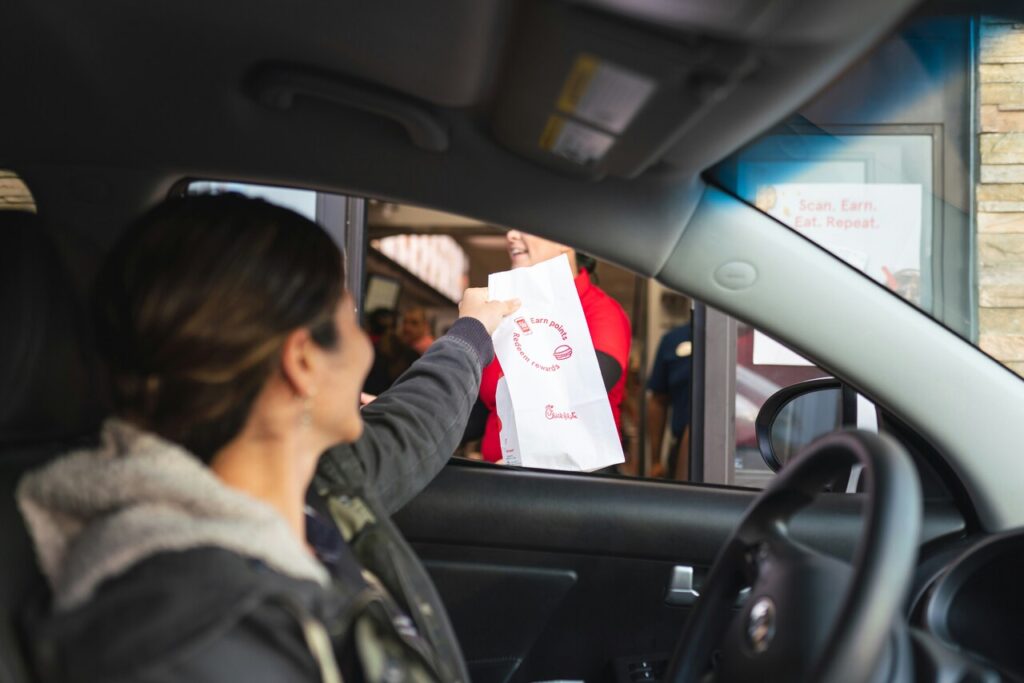
The drive-thru is designed for quick decisions, not extended conversations. Asking multiple questions about ingredients, options, or recommendations can slow down communication and delay the order process. Even short pauses add up during busy hours.
Staff are trained to take orders efficiently, and long exchanges can disrupt that rhythm. Repeating questions or clarifying details takes time that affects everyone waiting behind. This becomes more noticeable during peak periods.
If you need more information, checking the menu online or ordering inside can be more practical. Keeping questions brief for the speaker helps maintain flow and ensures the line moves steadily for everyone involved.
4. Changing Your Order Multiple Times
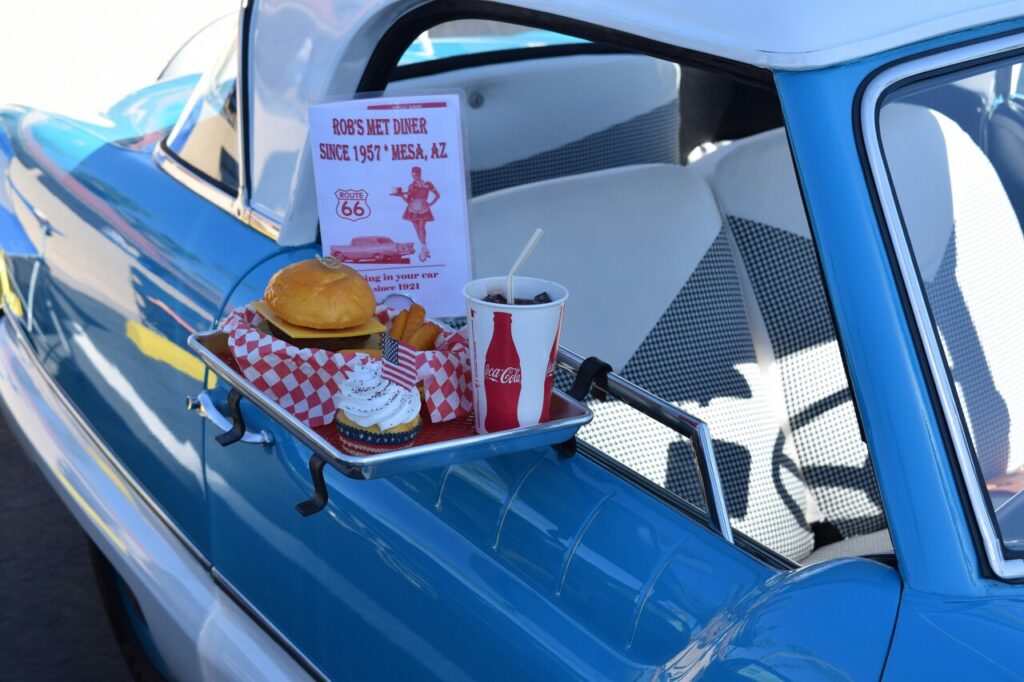
Making changes after starting your order can quickly complicate the process. Each adjustment requires staff to update the system, which takes time and increases the chance of errors. What seems like a small change can slow things down more than expected.
Order systems are designed for accuracy, but repeated edits disrupt that structure. When changes happen frequently, it creates extra steps that delay completion and affect the overall pace of service.
Deciding your order before speaking and sticking to it keeps everything simple. It reduces back-and-forth communication and allows staff to process orders efficiently without unnecessary interruptions.
5. Ordering Complex Customizations
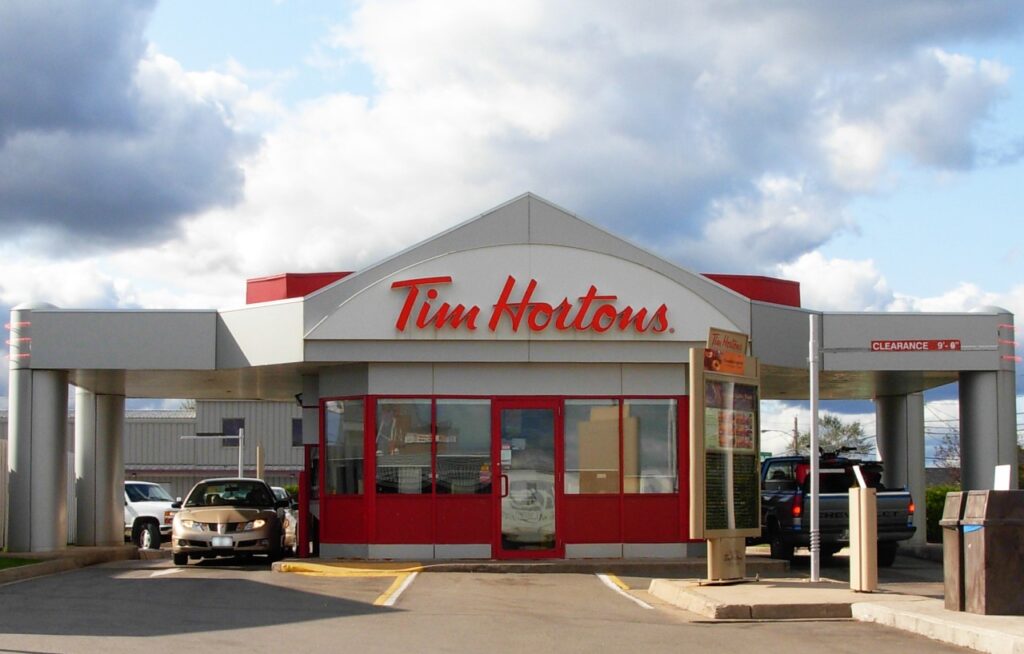
Personalizing your order can make a meal feel just right, but too many changes can slow things down more than expected. Each added or removed ingredient creates extra steps, turning a simple order into a more detailed task for the kitchen.
Every modification requires attention and accuracy. Staff must follow specific instructions while managing multiple orders at once, which increases preparation time and the chance of small mistakes. This can delay not only your food but also that of others in line.
Drive-thrus are built for speed and consistency. Keeping customizations minimal helps maintain that flow. For more detailed requests, ordering inside can be a better option where time pressure is lower, and accuracy is easier to manage.
6. Not Speaking Clearly or Loudly Enough
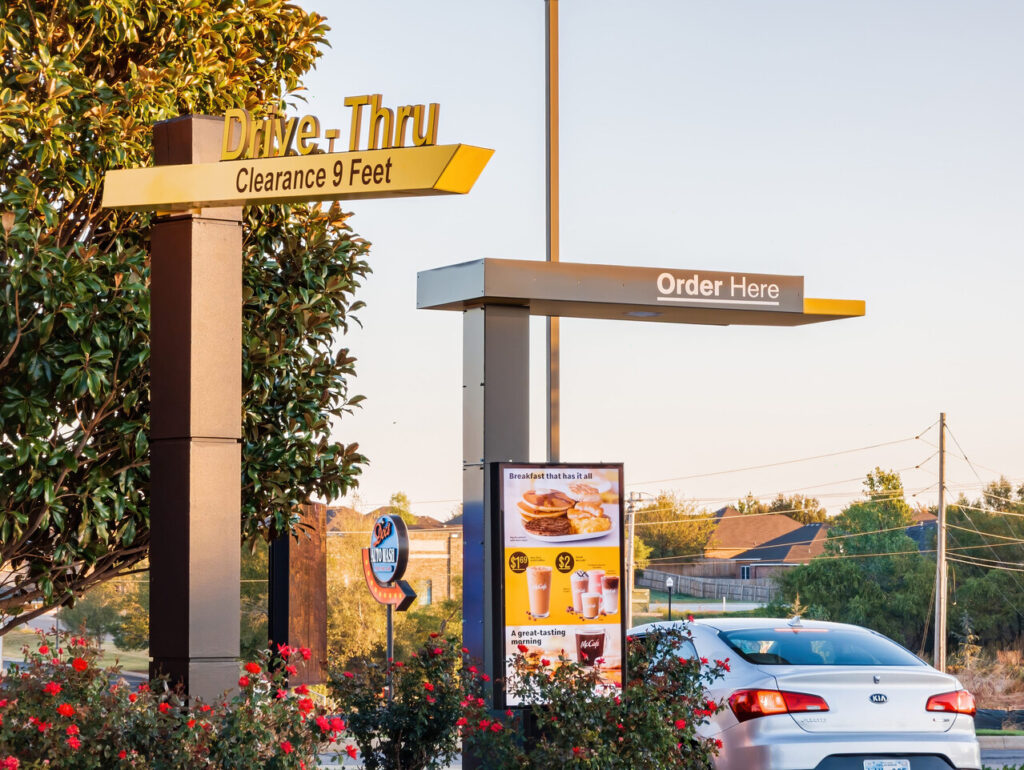
Clear communication is one of the most important parts of a smooth drive-thru experience. Background noise, traffic sounds, and speaker limitations can make it difficult for staff to hear unclear or rushed orders.
When something is not understood, staff must ask for repetition or clarification. This adds extra time and can lead to errors if details are missed or misheard. Even small misunderstandings can slow the entire process.
Speaking at a steady pace and confirming key items helps ensure accuracy. A clear order reduces the need for back-and-forth conversation and allows everything to move forward without unnecessary delays.
7. Waiting Until the Window to Pay or Look for Money

Payment is meant to be one of the fastest steps in the drive-thru, yet it often becomes a delay. When customers start searching for cash, cards, or apps only after reaching the window, the line is forced to pause. Even a short delay can create a backup.
This step works best when it is anticipated. Preparing your payment while still in line allows for a smooth transition once you reach the window. Whether it is cash, a card, or a mobile app, being prepared keeps the interaction quick.
Drive-thrus depend on steady movement between each stage. A delay at the payment window affects every car behind you. Being ready to pay is a simple habit that helps maintain flow and keeps the experience faster for everyone.
8. Splitting Payments at the Window
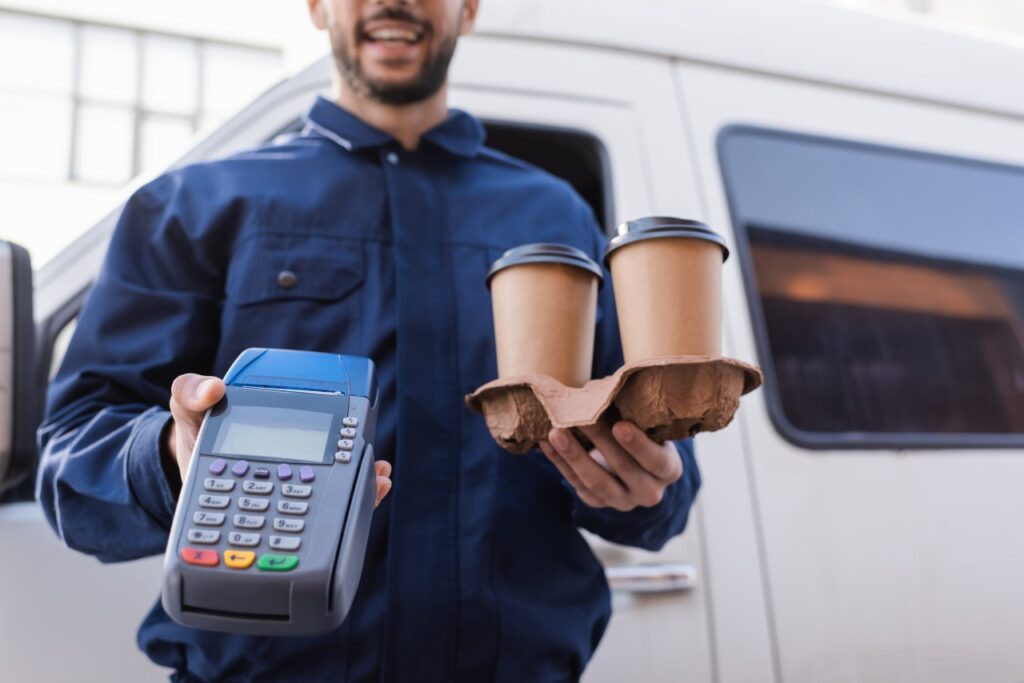
Using multiple payment methods may seem convenient, but it slows down a system built for speed. Each additional transaction requires separate processing, which increases the time spent at the window and interrupts the flow of service.
For staff, handling split payments adds extra steps and increases the chance of confusion. Switching between transactions, confirming amounts, and completing each payment takes time, especially during busy periods when efficiency matters most.
Whenever possible, using a single payment method helps keep things simple. It allows the transaction to be completed quickly and reduces unnecessary delays, helping the line move forward without interruption.
9. Taking Too Long to Check Your Order at the Window
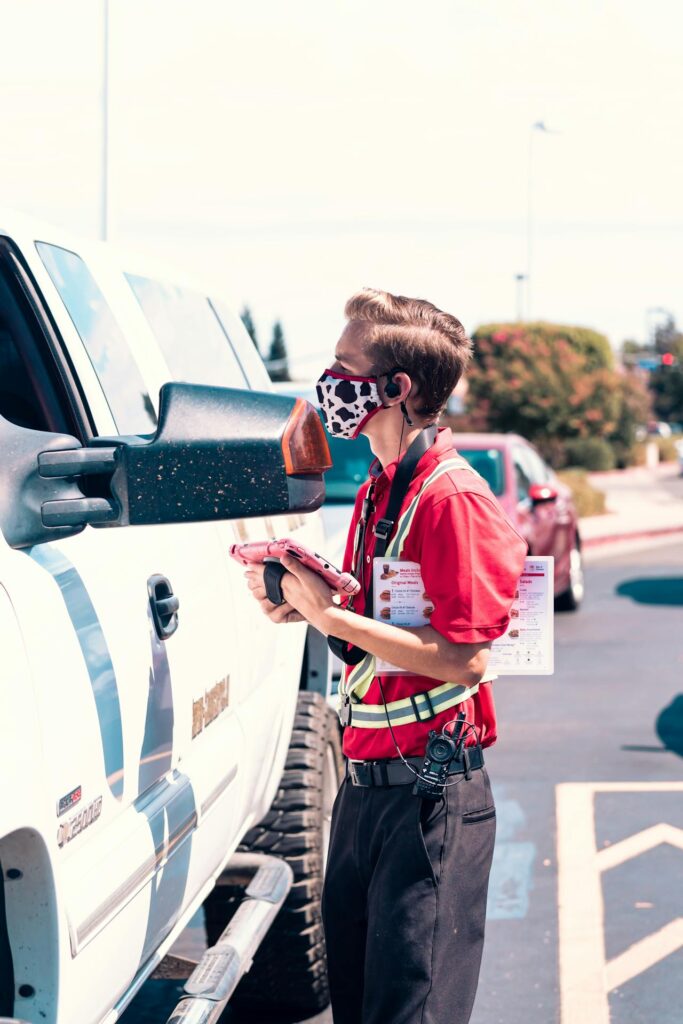
It is understandable to want to make sure your order is correct before leaving. However, checking every item in detail while still at the window can slow down the entire line. Since only one car can move forward at a time, even a short delay creates a backup behind you.
Drive-thru layouts are designed with flow in mind. Many locations have parking spots just beyond the window for order checks. Moving ahead before reviewing your items lets you take your time without affecting others waiting.
A glance to confirm the main items is usually enough at the window. If something is missing or incorrect, it can be handled after pulling forward. This small step helps keep the process smooth and fair for everyone.
10. Pulling Away Slowly or Hesitating After Getting Your Order
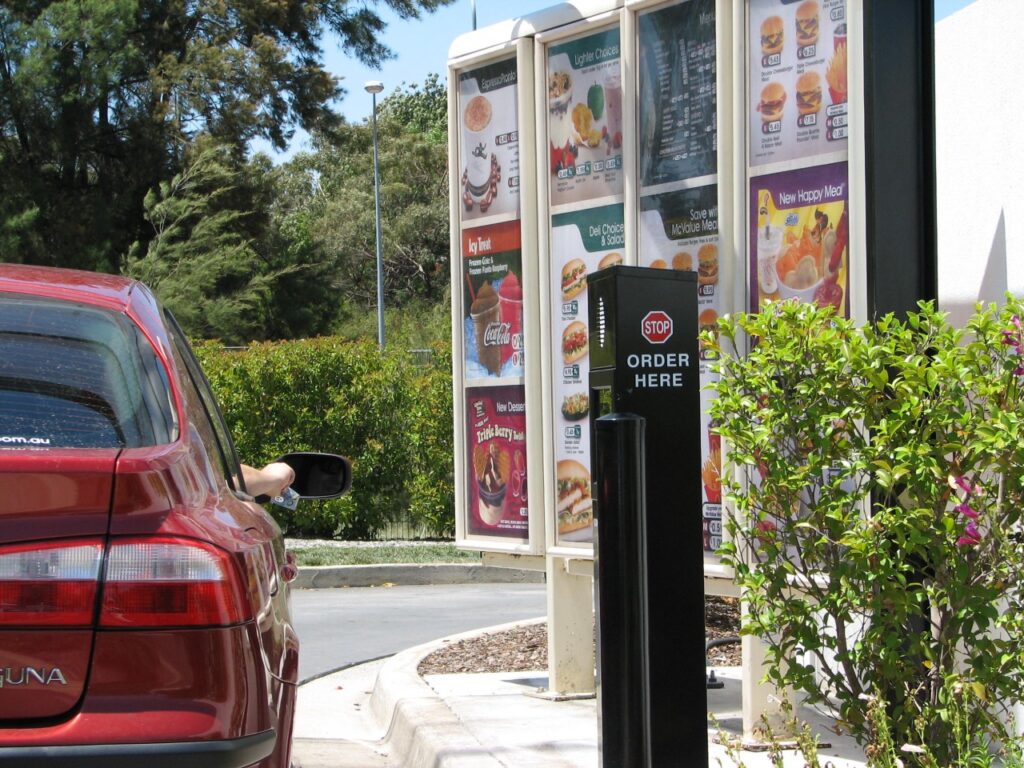
The final step of a drive-thru visit may seem minor, but it plays an important role in keeping everything moving. Once your order is handed over, any hesitation can delay the next car from stepping into position.
Pausing to rearrange food, check receipts, or get settled before moving forward may feel harmless, but these seconds quickly add up. During busy hours, even small delays can affect multiple cars waiting behind you.
Drive-thru systems are built for continuous motion. Being ready to move as soon as you receive your order helps maintain that flow. A smooth exit ensures the line keeps moving efficiently and keeps wait times lower for everyone.