8 Grocery Store Rotisserie Chickens That Aren’t What They Seem

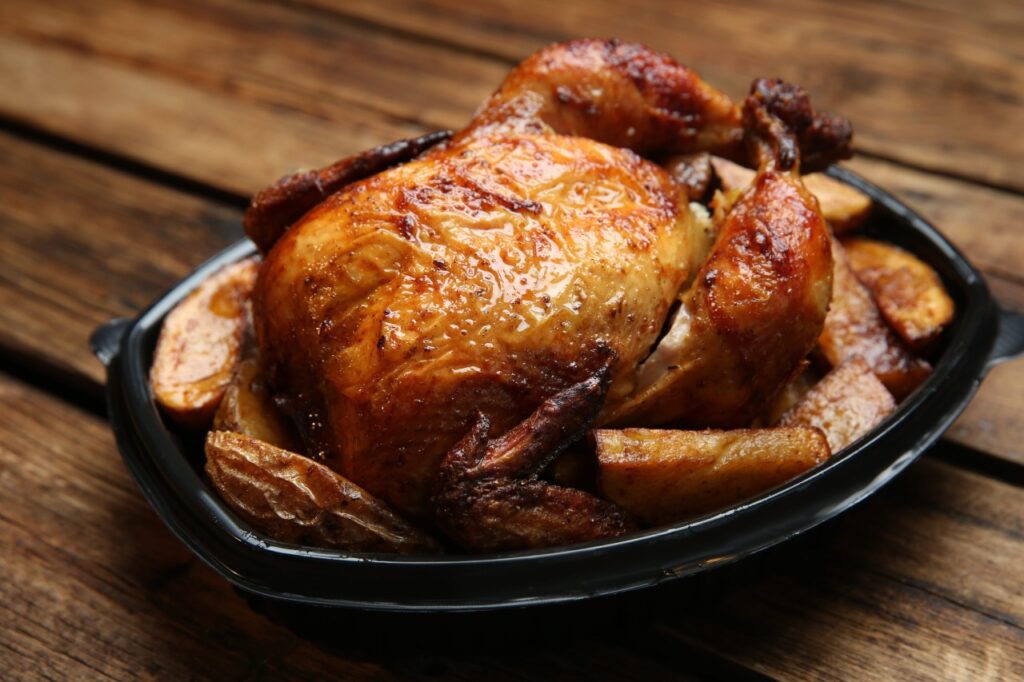
Rotisserie chicken has become one of the most trusted shortcuts in grocery stores. It looks simple, smells fresh, and feels like an easy way to bring home a ready-made meal without much effort. For many shoppers, it represents convenience without compromise.
But behind that golden, seasoned exterior, the story is often more complex. Large-scale preparation, added solutions, and standardized processes play a bigger role than most people realize. What appears freshly roasted is carefully managed for consistency and shelf life.
This list takes a closer look at popular rotisserie chickens that don’t always match their image. It’s not about avoiding them, but understanding what you’re really getting with every purchase.
1. Walmart Deli Rotisserie Chicken

Value is the first thing most shoppers notice here, and it’s easy to see why. The price is low, the size is generous, and it’s almost always available. At a glance, it feels like a simple, ready-to-eat option that saves both time and effort.
Behind that convenience, there is more going on than it appears. These chickens are typically enhanced with salt solutions and flavorings to keep the meat moist under heat lamps for long periods. This helps maintain texture but also changes the natural composition of the product.
The result is consistent and satisfying in the moment, but not as straightforward as it looks. What feels like a basic roasted chicken is actually a carefully controlled, processed item designed for shelf stability and uniform taste.
2. Costco Rotisserie Chicken
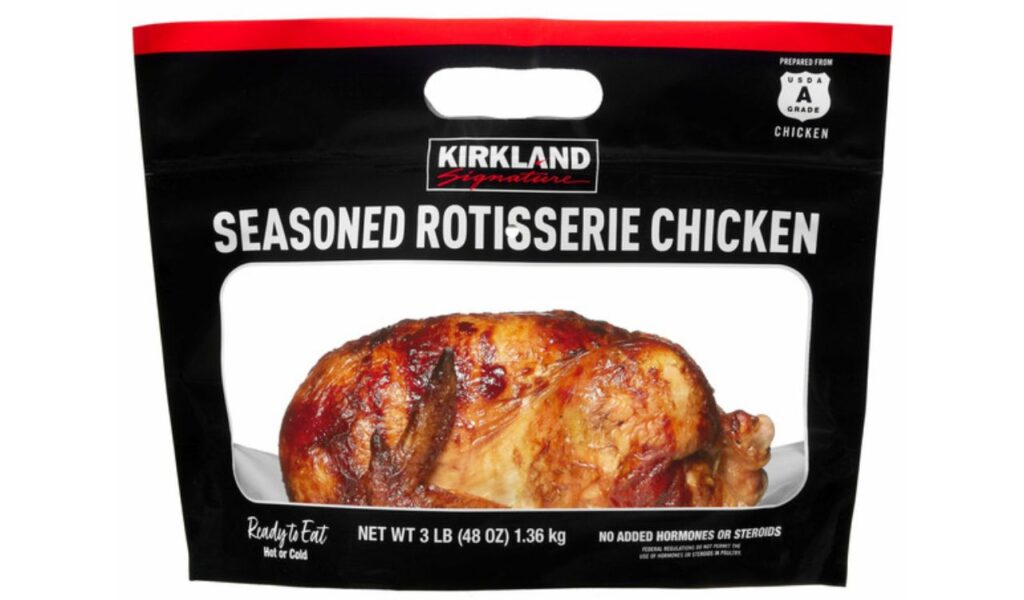
Few grocery items are as well-known as Costco’s rotisserie chicken. Its low price and large size make it feel like one of the best deals in retail, often drawing shoppers into the store on its own.
That value, however, is part of a larger system. The chickens are produced at scale, often using larger birds and standardized preparation methods. Seasoning solutions are added to ensure the meat stays juicy and flavorful across thousands of locations.
It remains a strong option for convenience and cost, but it is not a simple oven-roasted product. The consistency people rely on comes from careful processing, not just traditional cooking.
3. Kroger Rotisserie Chicken

Kroger’s version often looks more understated, which can give the impression of a more natural product. The seasoning tends to be lighter, and the presentation feels closer to a home-style roast.
Even so, the same industry practices are at work. Brining and added solutions are used to keep the chicken tender and visually appealing throughout the day. Without these steps, maintaining consistency at scale would be difficult.
The cleaner appearance can be misleading. While it may seem less processed, it still relies on the same methods that prioritize uniformity and extended holding time over simplicity.
4. Publix Rotisserie Chicken
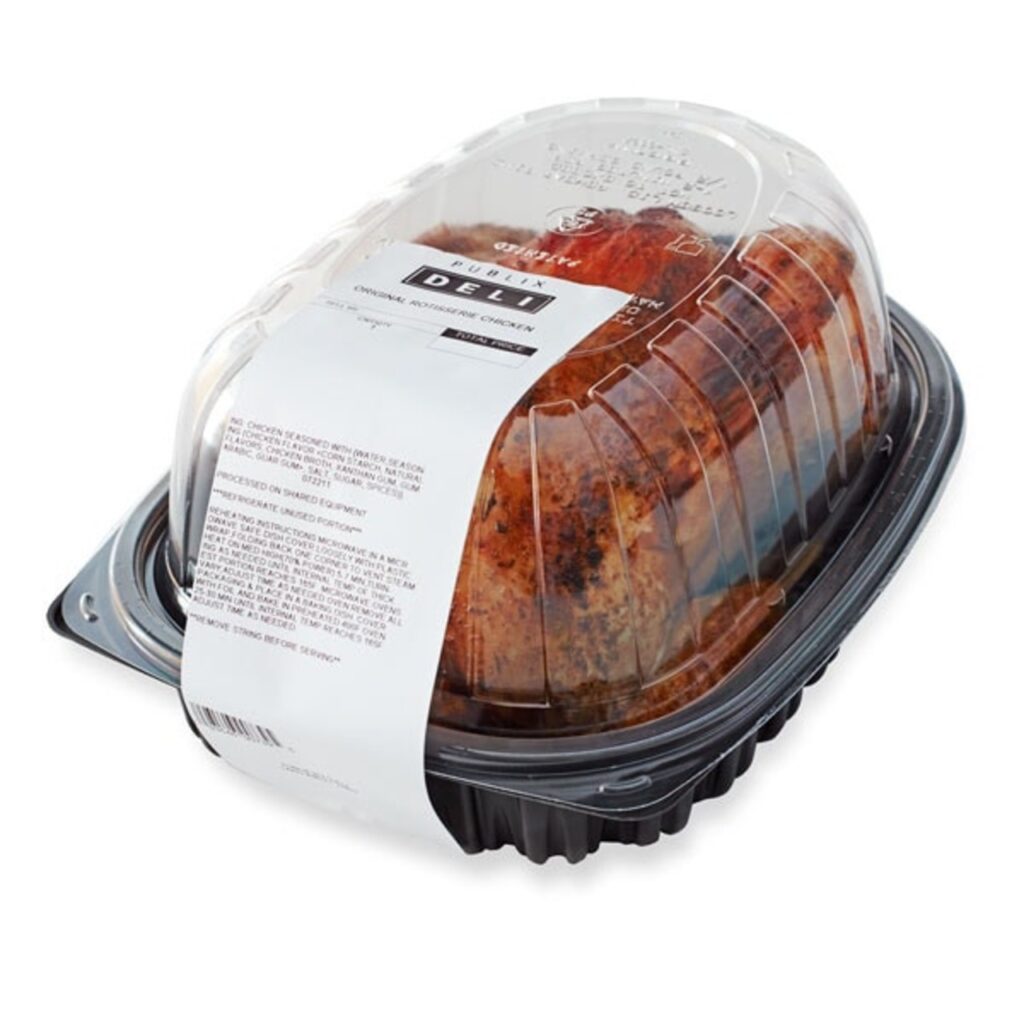
Publix has built a reputation for quality deli items, and its rotisserie chicken reflects that image. The flavor is often richer, and the texture tends to be well-balanced, which sets it apart at first bite.
That taste is not purely from roasting alone. Seasoning blends and moisture-retaining techniques are used to enhance flavor and ensure the chicken holds up under display conditions. These methods are standard in large-scale prepared foods.
It delivers a more premium experience, but it is still a managed product. The quality is consistent, yet the process behind it is more complex than the label might suggest.
5. Whole Foods Market Rotisserie Chicken
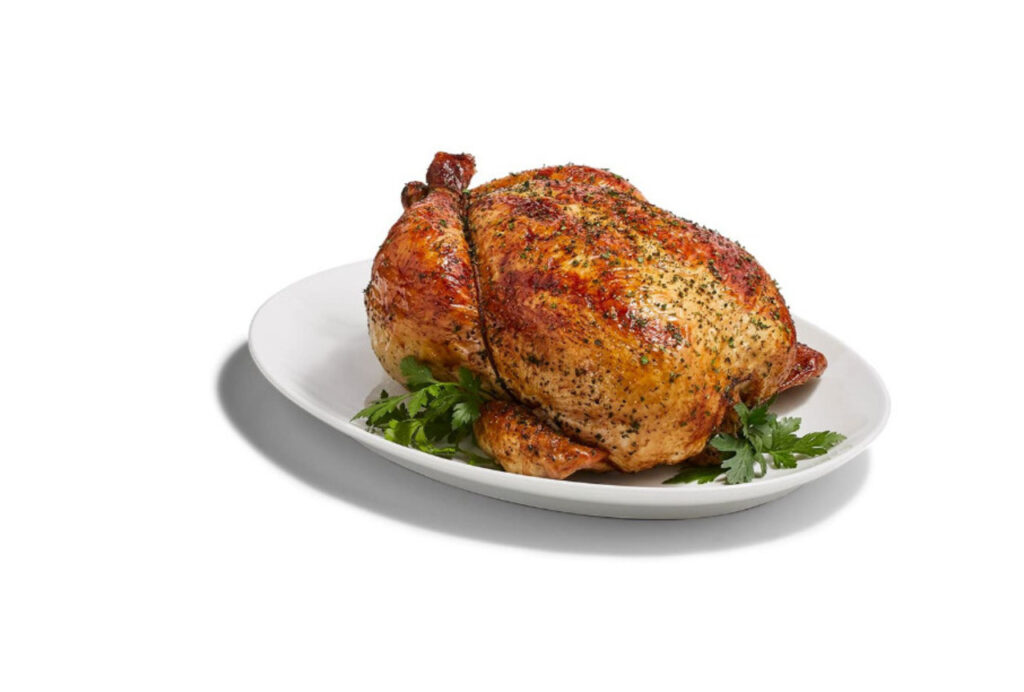
A cleaner label is what draws many shoppers to Whole Foods Market. The rotisserie chicken is often marketed as more natural, with better sourcing and fewer additives compared to typical grocery options found in standard chains.
While the ingredient list may be simpler, the preparation still involves brining and controlled seasoning. These steps are necessary to maintain moisture, texture, and overall consistency, even in higher-quality prepared products.
The difference lies in ingredient standards, not the absence of processing. It is closer to what shoppers expect from a “cleaner” option, but it is not entirely untouched or as basic as it may appear at first glance.
6. Sam’s Club Rotisserie Chicken
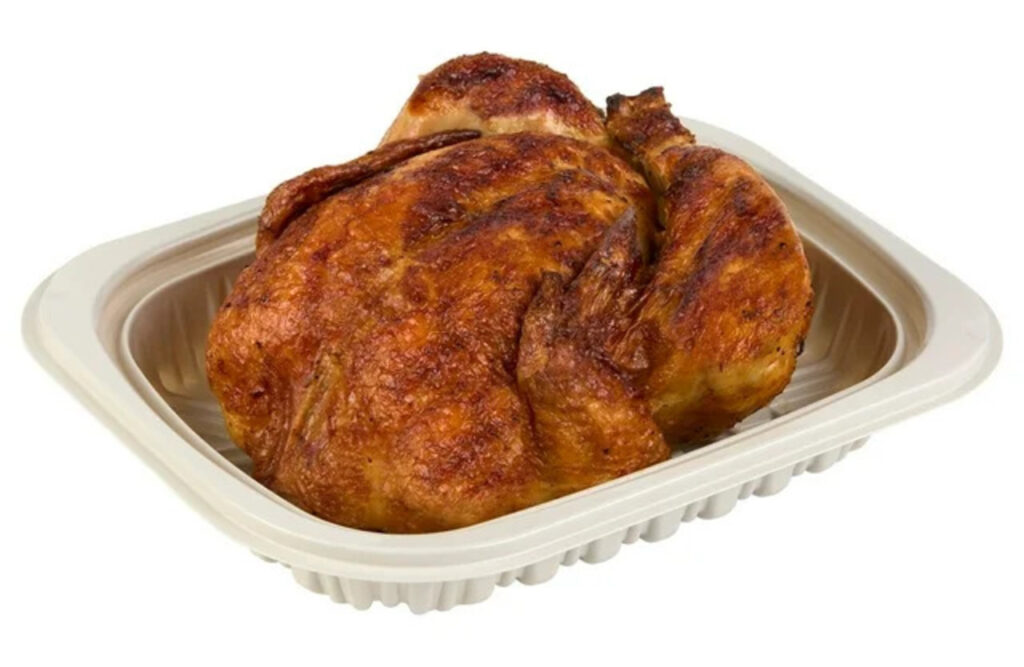
Large size and low price define Sam’s Club’s approach. Like Costco, it focuses on delivering value at scale, offering a product that feels substantial, filling, and affordable for families shopping in bulk.
To achieve that consistency, the chickens are prepared using injected solutions and standardized seasoning. This ensures uniform flavor and moisture, especially when the product sits under warming conditions for extended periods.
It performs well as a convenient meal option, but the process behind it is engineered for efficiency. What appears simple is actually designed for repeatable results across many locations and high daily demand.
7. Albertsons Rotisserie Chicken
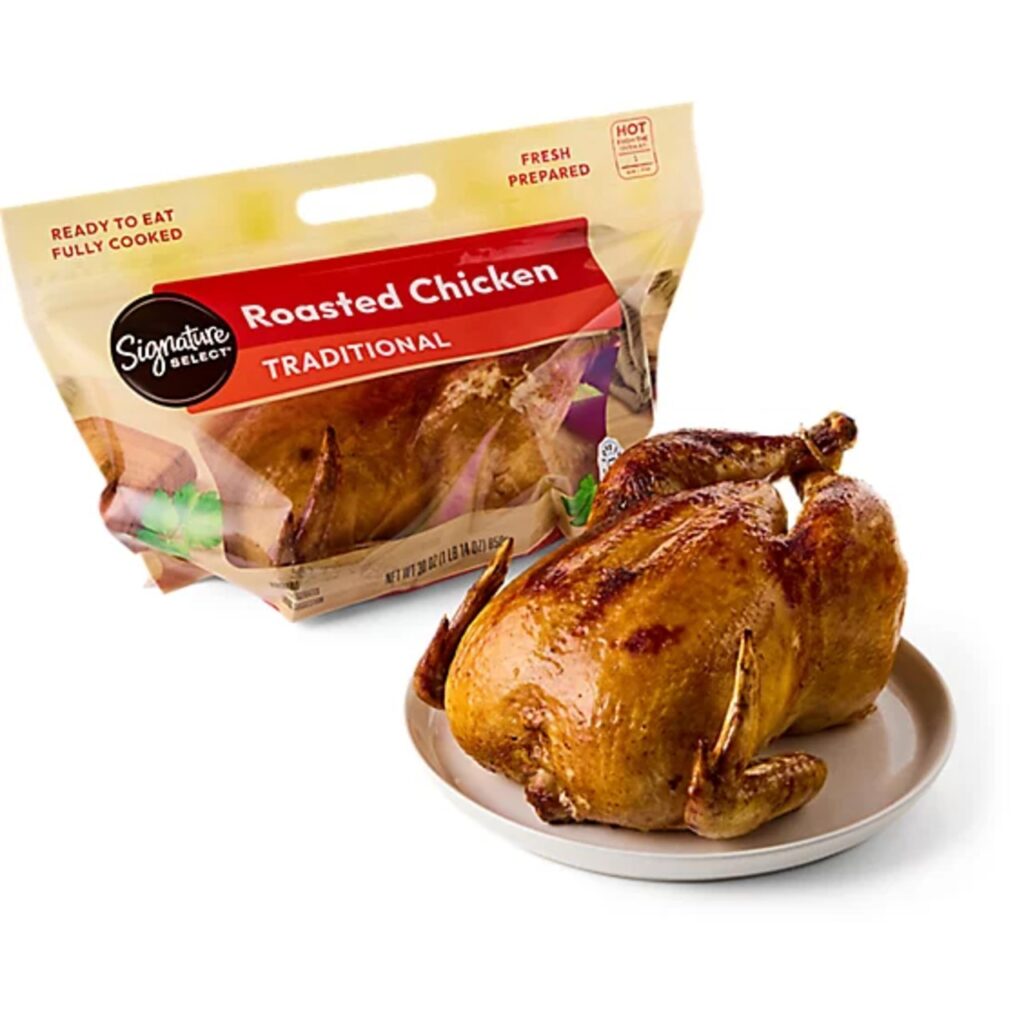
Visual appeal plays a big role in how Albertsons’ rotisserie chicken is perceived by shoppers. A golden exterior and strong aroma create the impression of something freshly prepared and ready to serve immediately.
Maintaining that look requires more than roasting alone. Brining and moisture-retention techniques help keep the chicken from drying out while it sits on display for hours. These steps also help preserve texture and consistent flavor.
The result is appealing and reliable, but it is carefully managed behind the scenes. The freshness suggested by its appearance does not fully reflect the preparation process or handling involved.
8. Target Rotisserie Chicken
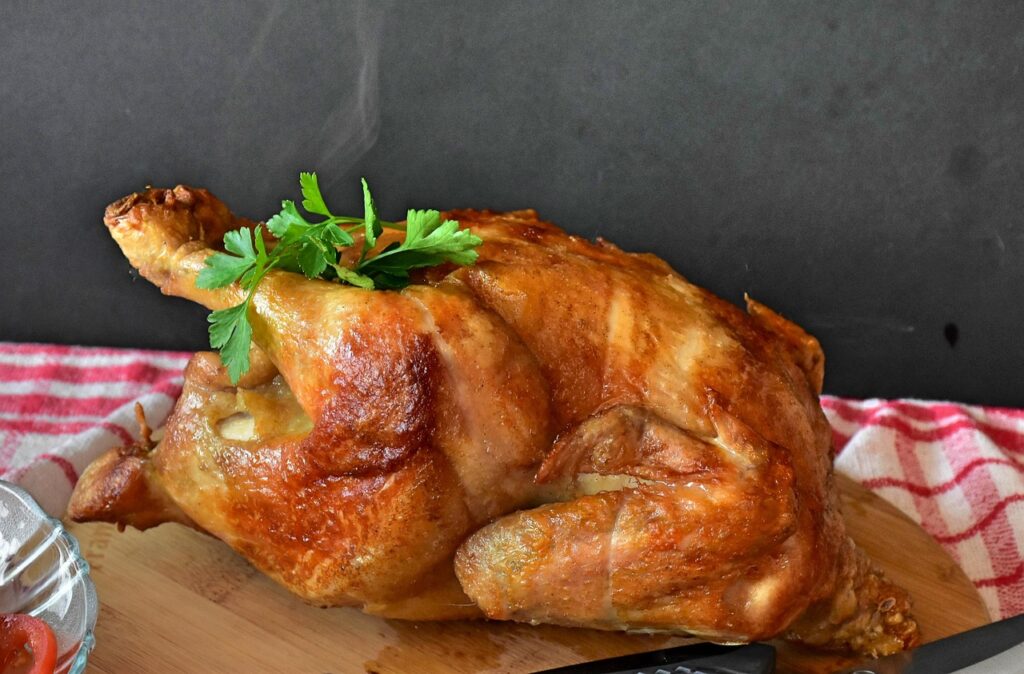
Convenience is the main focus at Target, fitting into its broader grab-and-go grocery approach. The rotisserie chicken is positioned as a quick solution for busy shoppers looking for an easy, ready-to-eat meal.
To support that convenience, the product relies on pre-seasoning and controlled preparation methods. These help maintain flavor, moisture, and shelf life, especially in a retail environment not centered solely on fresh food production.
It serves its purpose well, but it leans more toward prepared food than traditional roasting. The simplicity it suggests is shaped by systems designed for speed, consistency, and minimal variation across locations.