9 Things Trader Joe’s Stopped Doing That Made It Worth the Trip

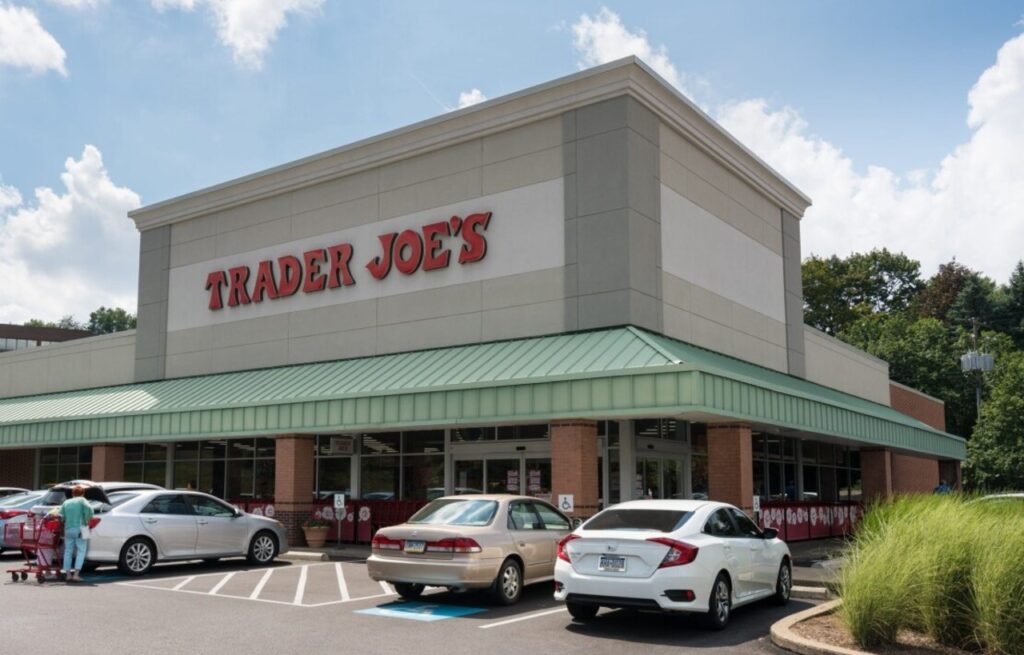
For years, a trip to Trader Joe’s felt less like routine shopping and more like a small adventure. The shelves were filled with unexpected finds, friendly touches, and products that made even a quick visit feel worth the effort.
But as the brand has grown, some of those defining details have quietly changed. Certain habits, features, and experiences that once set it apart are no longer as consistent or as noticeable as before.
This doesn’t mean the store has lost its appeal, but it does mean the experience feels different. Looking closer at these shifts reveals why longtime shoppers sometimes feel that something familiar is missing.
1. Unique Limited-Time Finds That Felt Special
Discovery was once the reason many shoppers made the trip. Trader Joe’s built excitement through seasonal and limited-time products that felt genuinely different. Each visit carried unpredictability, where even familiar aisles could offer something new worth trying.
Over time, that feeling has softened. New items still arrive, but many shoppers notice they follow more familiar patterns or flavor profiles. The sense of surprise remains, but it no longer feels as strong or as frequent as it once did.
This shift matters because it changes how people engage with the store. Without that constant sense of discovery, visits feel more routine. The brand still offers variety, but the experience feels less like a find and more like a regular stop.
2. Generous Product Sampling
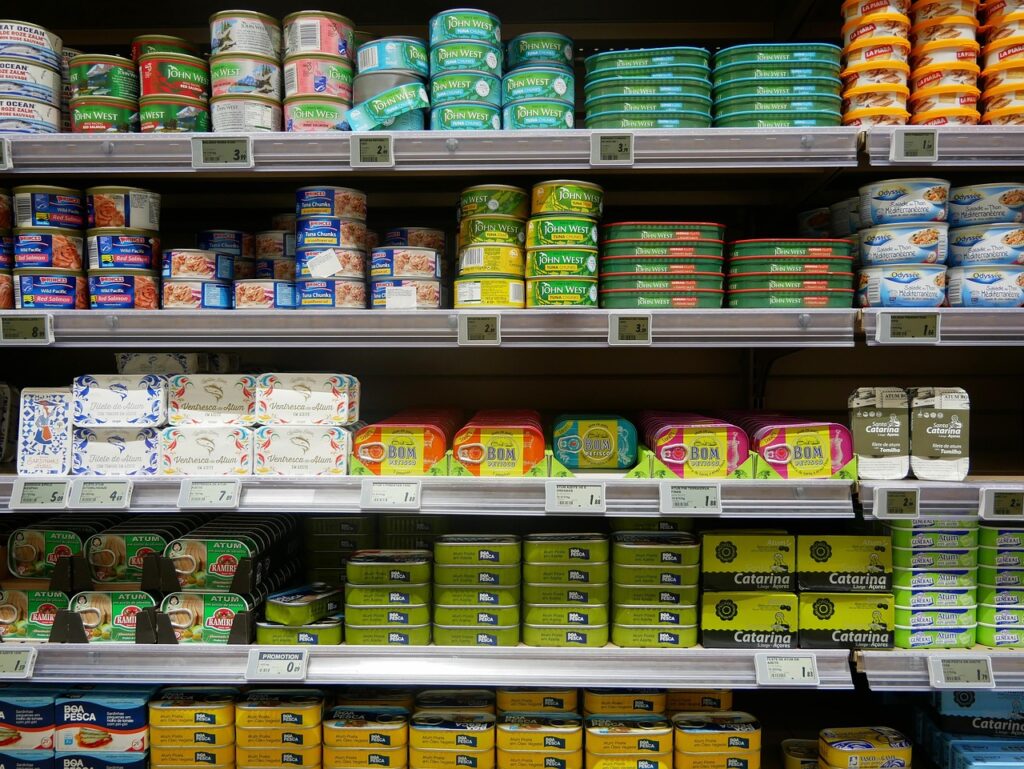
Sampling once turned shopping into an experience rather than a task. Trying products before buying helped customers discover new favorites without risk. It also made stores feel more interactive and welcoming, especially for first-time visitors.
In recent years, sampling has become less consistent. Some locations offer limited versions, while others have significantly reduced them. This change removes a simple but effective way to introduce new items.
Without sampling, customers rely more on packaging and guesswork. That can reduce impulse purchases and experimentation. What was once a strong engagement tool now plays a much smaller role in the overall experience.
3. Keeping Fan-Favorite Products Long-Term
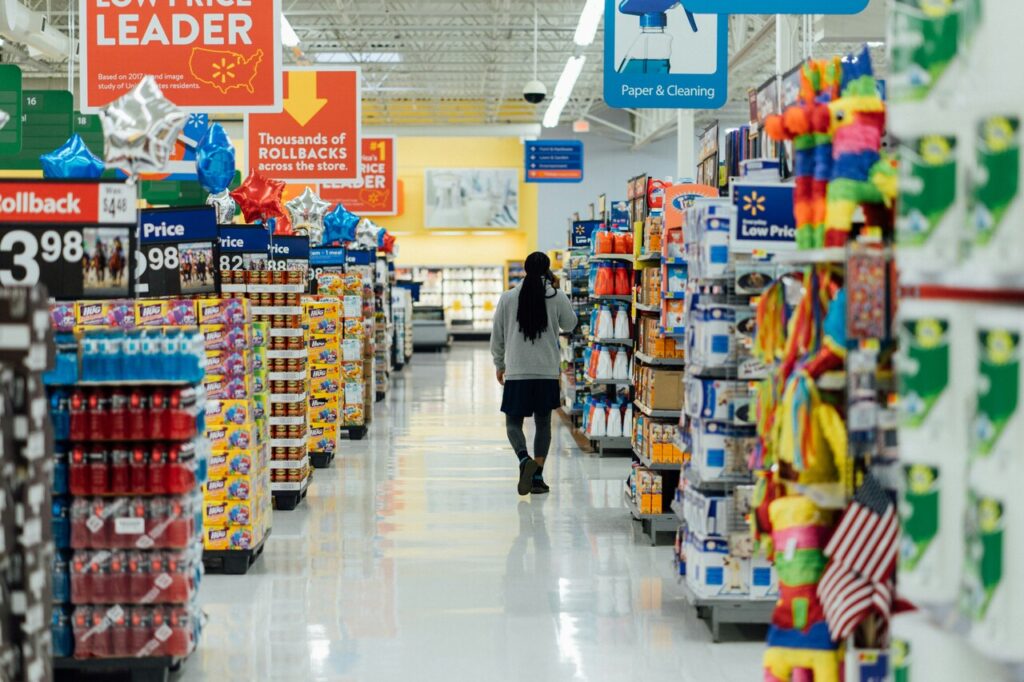
Loyalty often grows from consistency, and Trader Joe’s once balanced novelty with dependable staples. Many products stayed long enough to become part of regular shopping routines.
Now, frequent discontinuities have become a common frustration. Even popular items can disappear with little notice, making it harder for customers to rely on them. This unpredictability affects how people plan their purchases.
The result is a shift in behavior. Shoppers may enjoy trying new items, but they hesitate to depend on them. When favorites are not guaranteed, long-term loyalty becomes harder to maintain.
4. Consistent Portion Sizes and Value
Value has always been part of the appeal at Trader Joe’s. Products were seen as fairly priced, with portion sizes that felt reasonable for the cost. That balance helped build trust over time and encouraged repeat purchases.
Some shoppers now notice subtle changes. Portions may feel slightly smaller, while prices gradually increase across certain items. These shifts are often minor, but they become more noticeable with repeated purchases over time.
Even small adjustments can affect perception. When value feels less consistent, customers begin to compare more closely. Trust in pricing depends on stability, and any change can influence long-term confidence.
5. Truly Distinct Global-Inspired Products
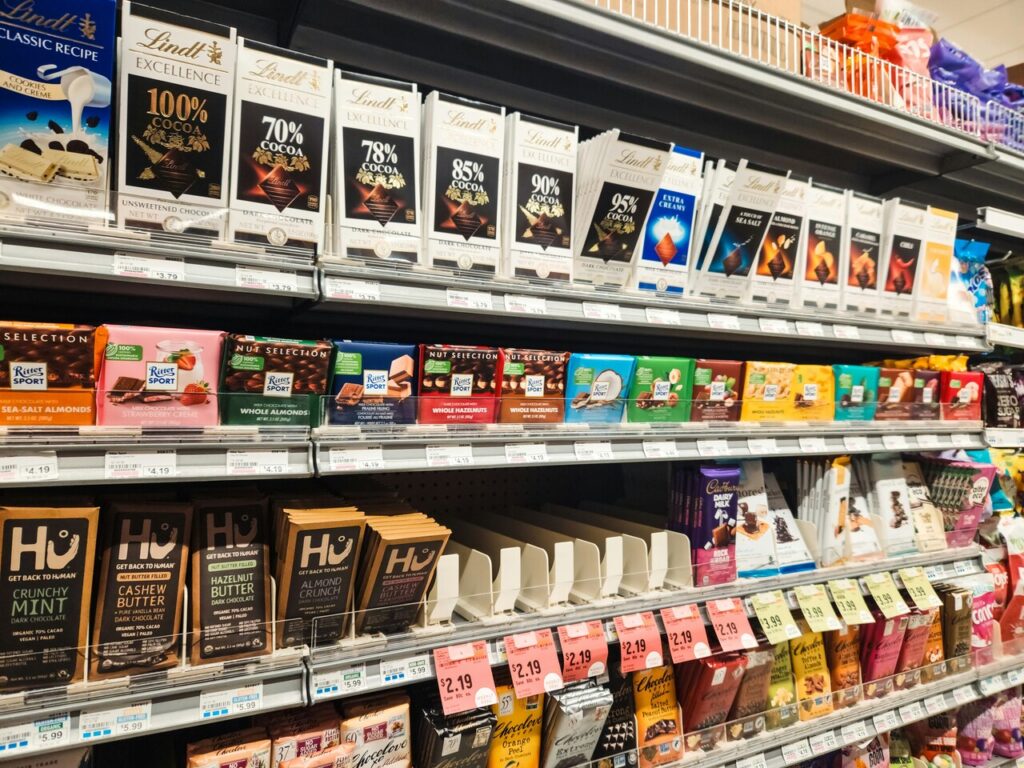
Global flavors once gave Trader Joe’s a clear identity. Products inspired by different cuisines felt bold and unique, offering something not easily found in standard grocery stores or typical supermarket shelves.
Recently, some newer items feel more adapted to broader tastes. While still enjoyable, they may not stand out as much as earlier offerings. The flavors can feel more familiar and slightly less adventurous overall.
This change softens what made the brand distinct. Exploration is still part of the experience, but it feels more limited. For shoppers seeking something different, the shift becomes easier to notice over time.
6. A Less Crowded, Easier Shopping Experience
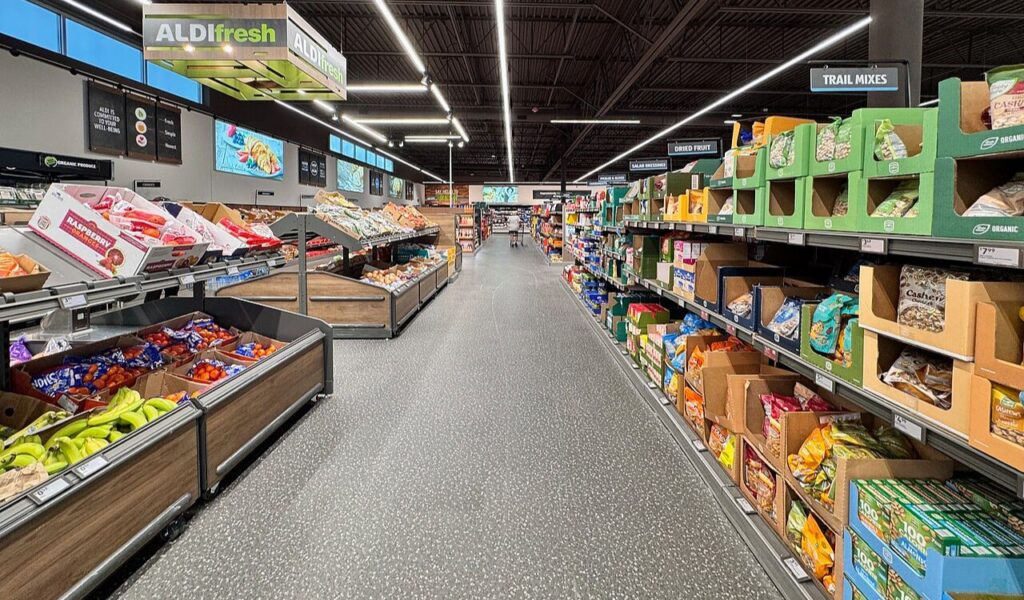
Smaller stores once felt efficient and manageable, even during busy hours. With limited space, the layout allowed for a smooth and relatively quick shopping trip without feeling overwhelming or stressful.
As popularity increased, crowding became more common across many locations. Narrow aisles and high foot traffic can make navigation slower, especially during peak hours and weekends. What was once a quick visit can now take more time and effort.
This affects the overall experience. Convenience was a key part of the appeal, and when that changes, the store feels less easy to shop. The environment remains functional, but noticeably less relaxed.
7. Clearer Product Transparency
Transparency has long been part of Trader Joe’s identity. Simple ingredient lists and clear labeling helped build trust among shoppers seeking straightforward, easy-to-understand products.
While standards remain strong, some customers feel that sourcing and processing details are not always as visible as expected. The information is available, but not always as detailed or as easy to interpret quickly.
This creates small gaps in understanding. Trust is built on clarity, and when details feel less accessible, questions can arise. Even minor uncertainty can influence how products are viewed over time.
8. Consistent Availability of Staples
Reliability is key for repeat purchases. Trader Joe’s once made it easy to return for the same items, knowing they would likely be in stock during regular shopping trips without needing to plan too much.
More recently, availability has become less predictable in some locations. Popular products can sell out quickly or take longer to return, disrupting regular shopping habits and making it harder for customers to rely on routine purchases.
This inconsistency noticeably affects convenience. When staples are not dependable, customers may need to look elsewhere or adjust their lists. Over time, that can change how often they choose to visit the store and how much they buy.
9. The “Fun, No-Rush” Shopping Atmosphere

The atmosphere once felt relaxed and slightly playful. Friendly staff and a steady pace made shopping feel less like a task and more like an enjoyable, low-pressure experience for regular customers who appreciated the slower rhythm.
As stores became busier, that feeling began to shift. Crowds and faster turnover create a more rushed environment, especially during peak times and busy hours throughout the week, leaving less room to browse comfortably.
The change is subtle but noticeable over time. The store still feels welcoming, but the slower, more enjoyable pace is harder to find. For many shoppers, that relaxed experience was a key part of what made the trip feel worthwhile.