9 Cold Smoked Seafood Products That Miss the Mark

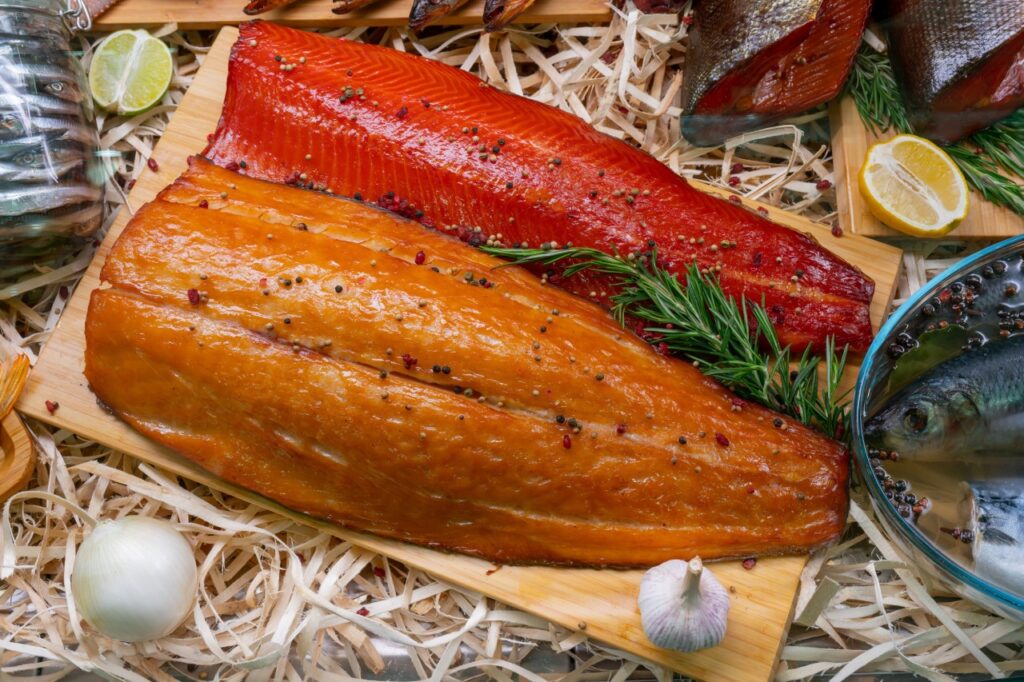
Cold-smoked seafood carries a certain quiet promise. Silky salmon, tender trout, and briny shellfish seem to whisper of careful curing, low smoke, and patient craftsmanship. On paper, these products feel refined, balanced, and deeply flavorful.
Yet not every vacuum-sealed slice lives up to that expectation. Factors like uneven curing, heavy brining, excess smoke, and extended storage can dull texture and flatten flavor. What should taste clean and nuanced can lean salty, rubbery, or one-dimensional.
This list takes a closer look at popular cold-smoked seafood products that often miss the mark. By understanding where technique and processing go wrong, you can better spot the difference between true quality and clever packaging.
1. Pre-Sliced Cold Smoked Salmon Packs
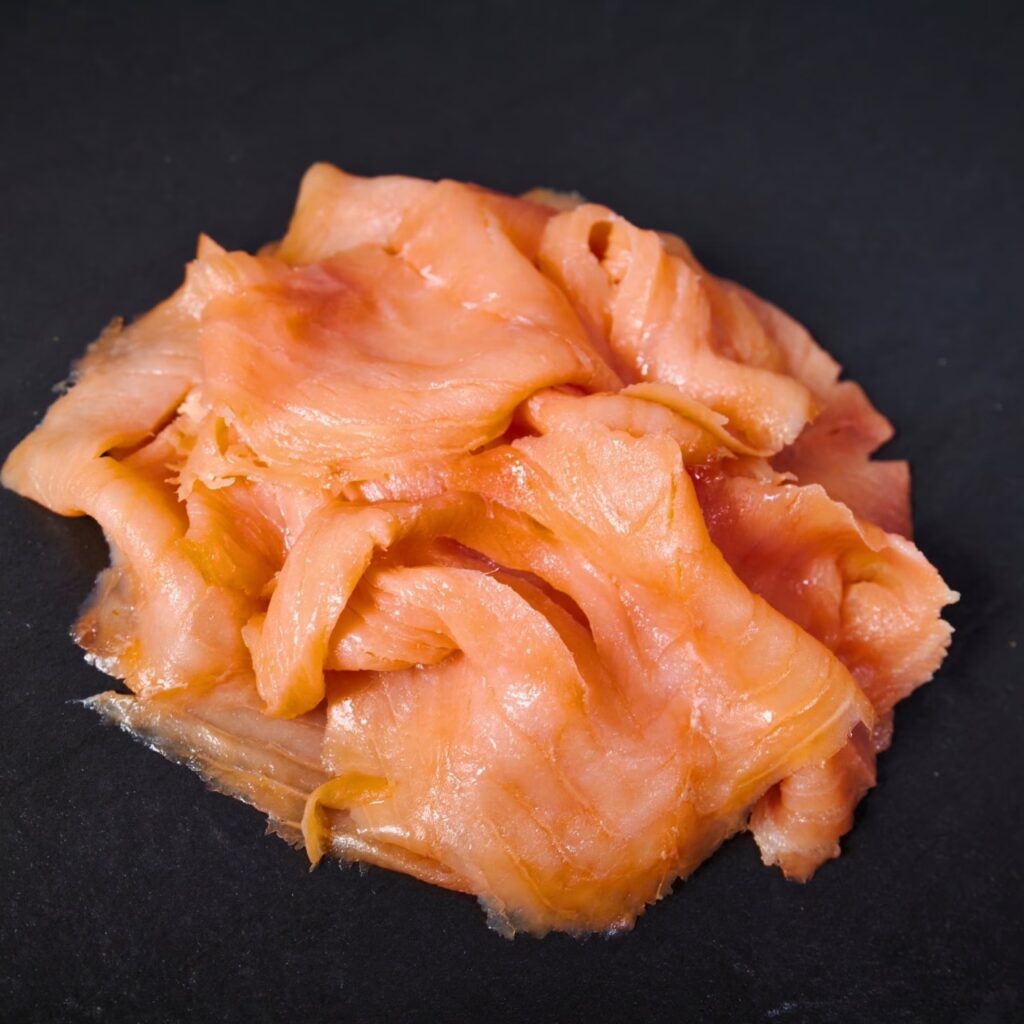
Few foods signal quiet luxury like cold-smoked salmon. Properly made, it begins with high-fat fish, usually Atlantic salmon, cured with salt and a little sugar to draw out moisture while protecting texture. It is smoked at low temperatures, under 30°C, so the flesh stays silky and translucent rather than cooked.
In large retail settings, shelf life often comes first. Fish may be previously frozen, which can alter texture once thawed and sliced. Packaging extends freshness but may mute aroma. Very thin machine slicing can expose uneven curing.
When salt is raised for preservation, the smoke can taste sharp. The salmon may feel slightly wet or rubbery, missing the buttery texture and clean finish of a careful cold smoke.
2. Budget Smoked Mackerel Fillets
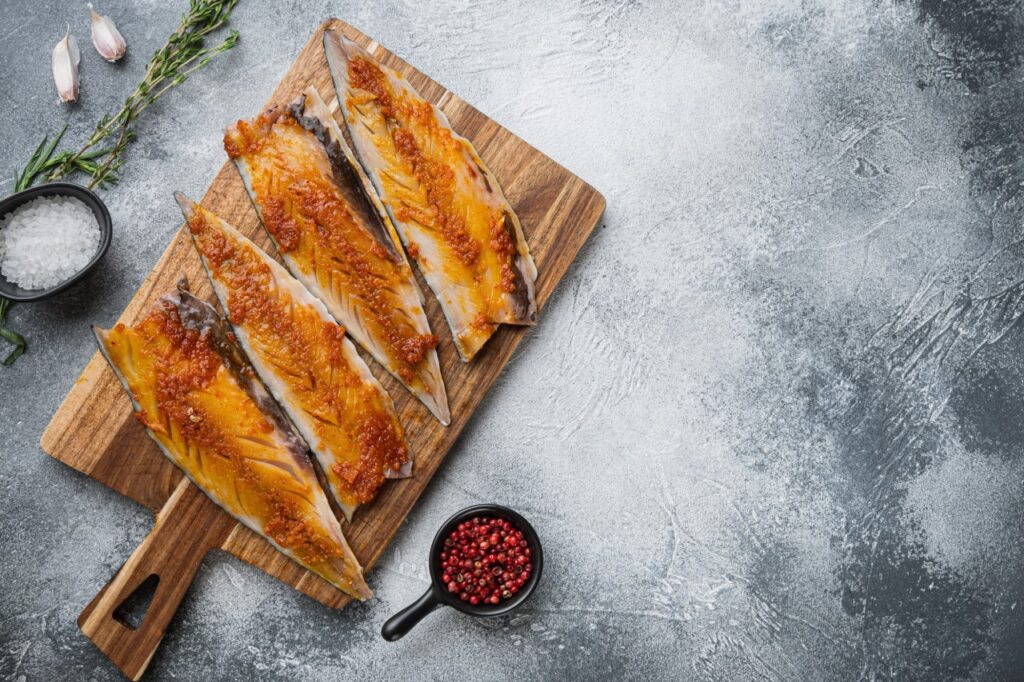
Mackerel is naturally rich, packed with omega-3 fats that carry smoke beautifully. In skilled hands, cold smoking enhances its deep flavor without overwhelming its briny sweetness. The flesh should remain moist and firm, flaking easily but not crumbling.
Lower-cost versions often begin with smaller fish or inconsistent fillets. Uneven thickness complicates curing because salt penetrates thin edges faster than thick centers. To manage food safety, producers may increase brine strength, which can dominate flavor.
The outcome is frequently aggressive saltiness paired with heavy smoke. Instead of clean ocean notes and supple texture, you get oil pooling on the surface and a finish that lingers too long. It fills the palate but lacks balance.
3. Cold Smoked Shrimp Trays
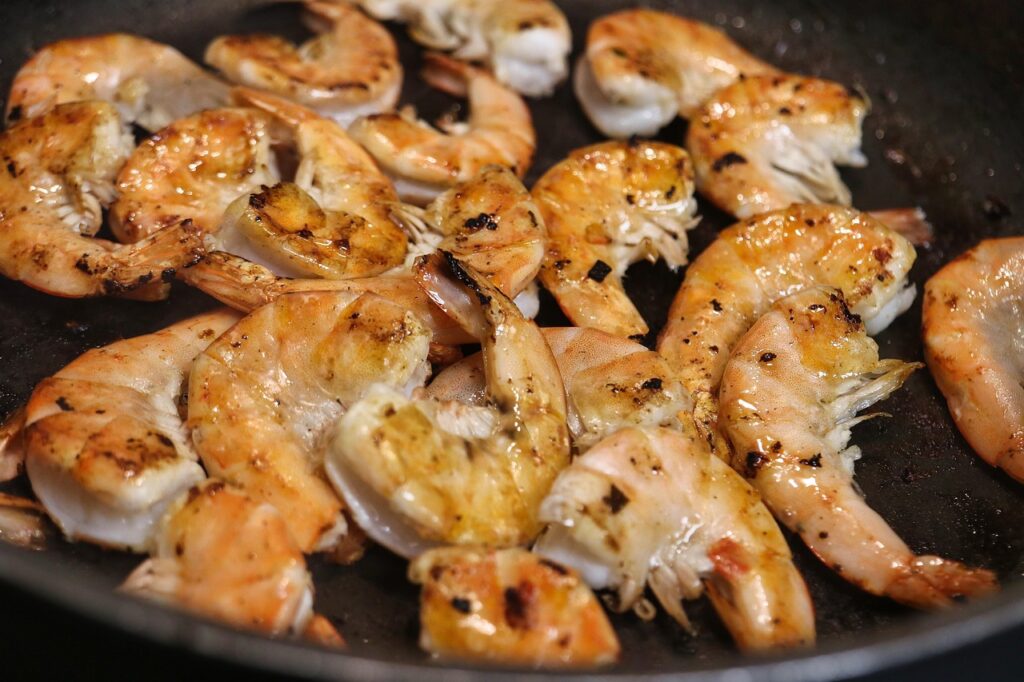
Shrimp present a technical challenge because their proteins tighten quickly with heat and salt. True cold smoking requires careful curing and gentle exposure to smoke so the shrimp retain tenderness and natural sweetness.
Many retail products start with pre-cooked shrimp to reduce microbial risk. Smoking them afterward can create a firmer texture, as the muscle fibers have already contracted once. Extended brining further firms the flesh.
The result can feel dense and slightly rubbery. Smoke may sit on the surface rather than integrate into the meat. Instead of a delicate snap followed by subtle sweetness, you experience salt and chew, which shifts the product closer to processed seafood than artisanal fare.
4. Cold Smoked Tuna Loin Portions
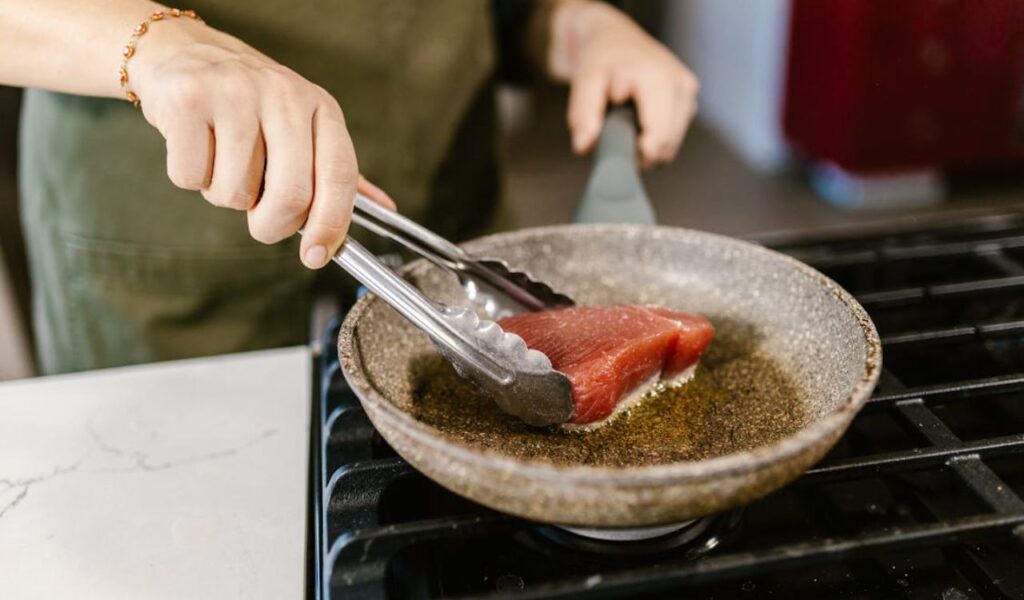
Tuna has a dense, meaty structure that responds well to precise curing. When done correctly, cold smoking adds gentle depth while preserving the fish’s clean, mineral character. The interior should remain supple, not dry.
Commercial producers sometimes select leaner cuts to control costs. Lean tuna contains less fat to buffer salt and smoke, making it more vulnerable to drying during curing. Heavier smoke may be applied to compensate for mild flavor.
If salt draws out too much moisture, the texture becomes tight and slightly chalky. Instead of a balanced umami profile, you get a concentrated smokiness that overshadows the tuna’s natural clarity and depth.
5. Smoked Trout Spread Tubs
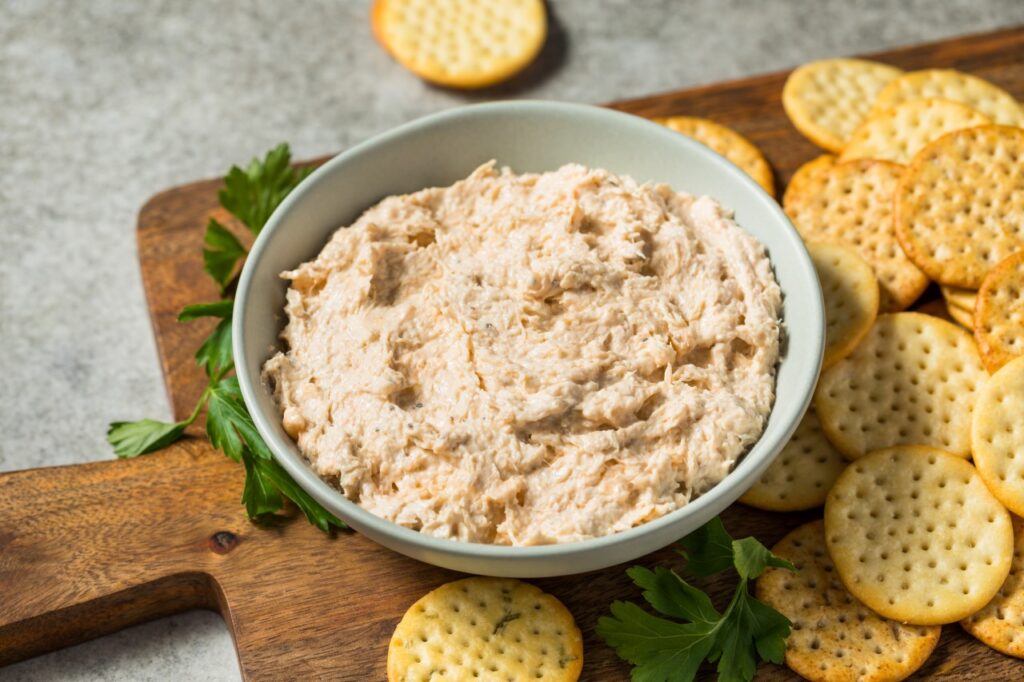
Smoked trout has a mild sweetness and fine flakes that make it ideal for spreads. In small-batch preparations, fresh trout is gently smoked, then folded with cream cheese, herbs, and lemon to create a light, airy texture.
Industrial tubs often include stabilizers, added oils, and higher salt levels to maintain consistency during storage. The proportion of actual trout can be modest compared to dairy-based ingredients.
When fish content is low, the spread tastes more like seasoned cream cheese than smoked seafood. The texture can feel dense and uniform rather than delicately flaky. You lose the brightness and clean smoke that define quality trout.
6. Vacuum-Packed Smoked Mussels
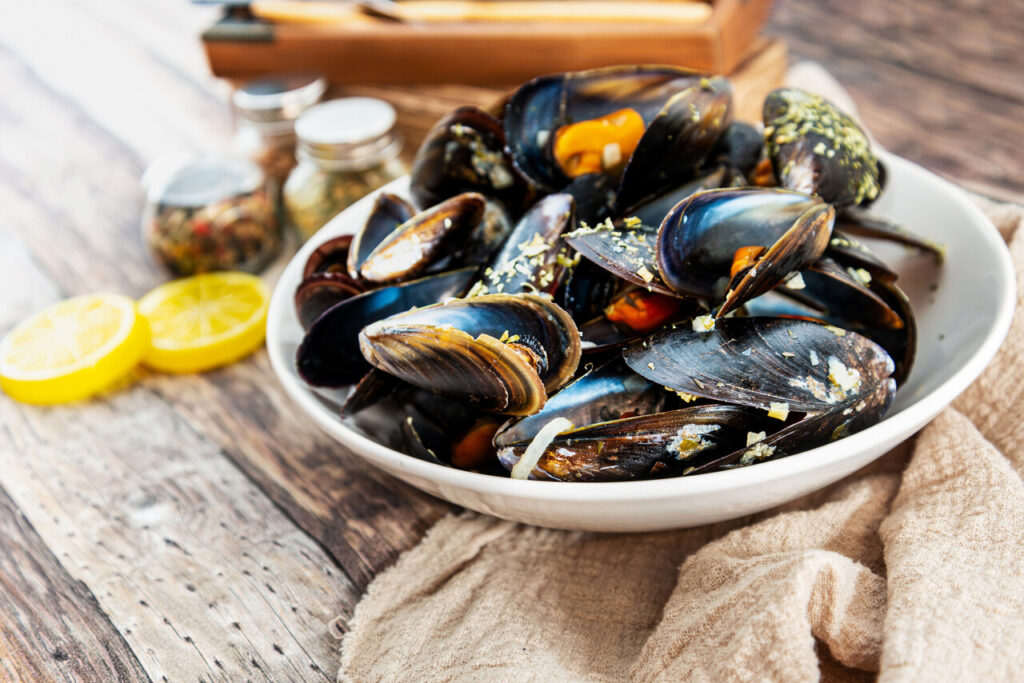
Mussels bring natural sweetness and a soft yet structured bite. Cold smoking should complement their briny depth without masking it. Timing is crucial because overexposure to salt or smoke quickly overwhelms their subtle flavor.
Vacuum packing often involves oil or brine to prevent oxidation. Extended storage in liquid can soften the muscle fibers and blur the texture. Uniform seasoning across batches may require assertive curing.
Instead of tender mussels with gentle smoke, you may find overly soft pieces coated in strong salt and oil. The marine freshness fades, replaced by preservation notes that linger longer than the seafood itself.
7. Smoked Swordfish Carpaccio Packs
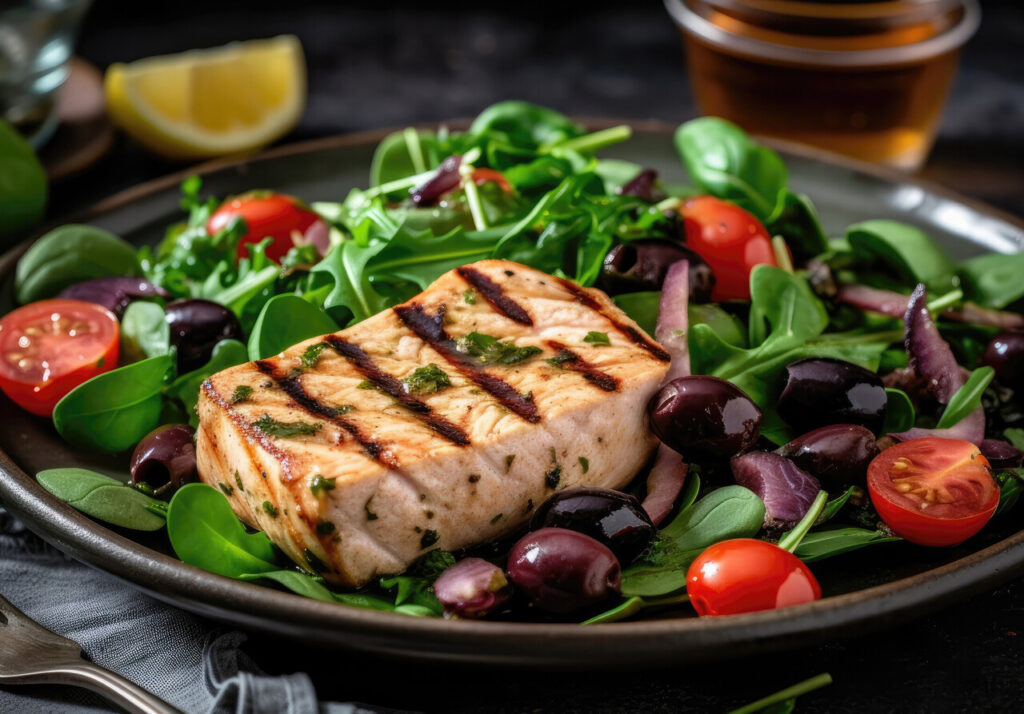
Swordfish is valued for its firm, lean flesh and clean flavor. In carpaccio form, it should be sliced thin, lightly cured, and gently smoked so the texture stays smooth and tender. Smoke should remain subtle, supporting the fish rather than covering it.
In large production, consistency is challenging. Mechanical slicing cannot always adjust for differences in grain and thickness. Thinner edges cure faster, while thicker pieces absorb salt more slowly. With little fat to buffer the process, precision is essential.
When balance is lost, the slices turn dry and slightly fibrous. Instead of feeling delicate on the tongue, they seem firm. Smoke and salt can overshadow the fish’s mild sweetness, leaving a product that feels heavier and less refined.
8. Flavored Smoked Salmon Variants
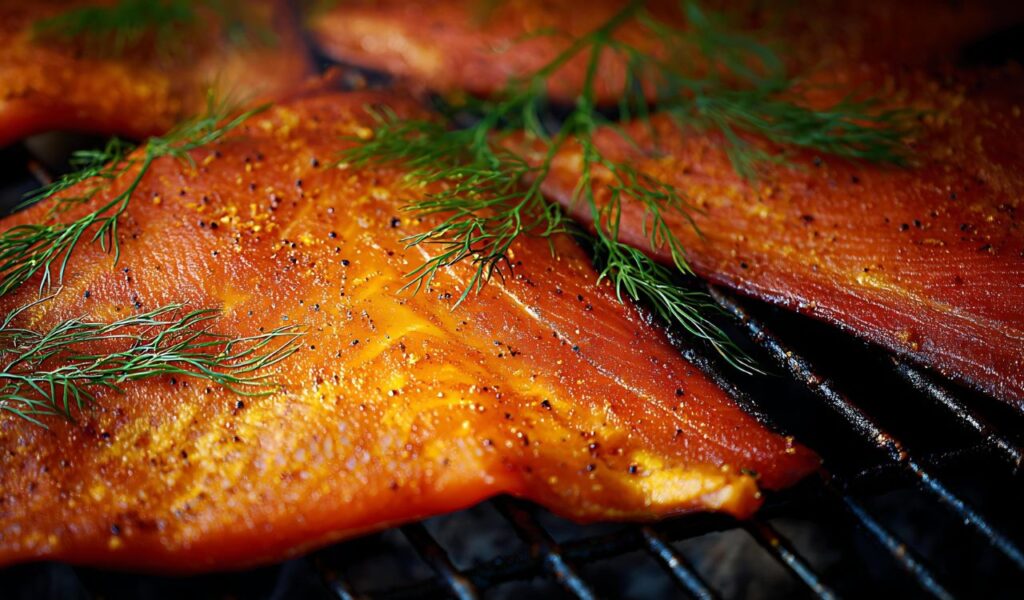
Dill, cracked pepper, or maple coatings are meant to add character to smoked salmon. When used carefully, these flavors enhance richness and add gentle contrast. The seasoning should complement the fish, not overpower it.
In many mass-market products, strong coatings help mask uneven curing or lower-grade cuts. Extra sweetness may offset high salt levels. Thick spice layers can distract from texture issues beneath the surface.
The result often feels unbalanced. Pepper heat or sugary glaze dominates the first bite, while the salmon’s natural oils and soft smoke take a back seat. Instead of layered flavor, you get bold surface notes with less depth from the fish itself.
9. Cold Smoked Seafood Sampler Platters
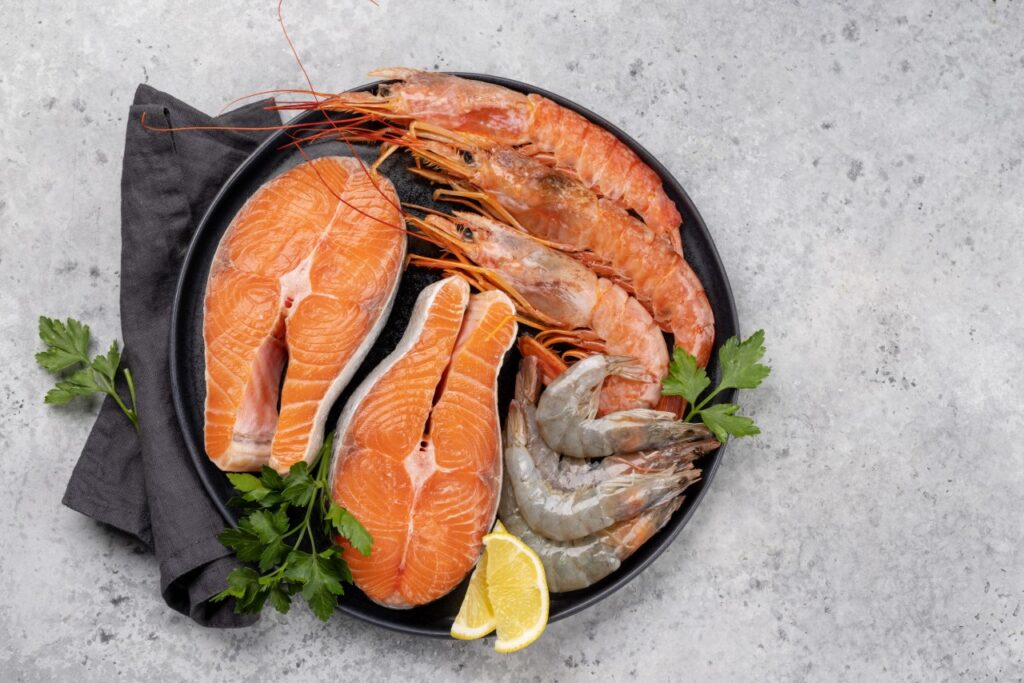
A sampler platter promises variety. Salmon, trout, shrimp, and sometimes tuna or mussels are arranged together to showcase contrast in texture and flavor. Ideally, each item should highlight its own character and smoke intensity.
To streamline production, many manufacturers use similar brines and smoke levels across different species. While efficient, this method reduces distinction. Each type of seafood reacts differently to salt and smoke, yet they are often treated the same.
The outcome can feel repetitive. Rich salmon and delicate shrimp end up sharing a similar salty, smoky taste. The tray looks diverse, but the flavors blend, offering less contrast than the presentation suggests.