9 World Famous Soups Every Food Lover Should Try

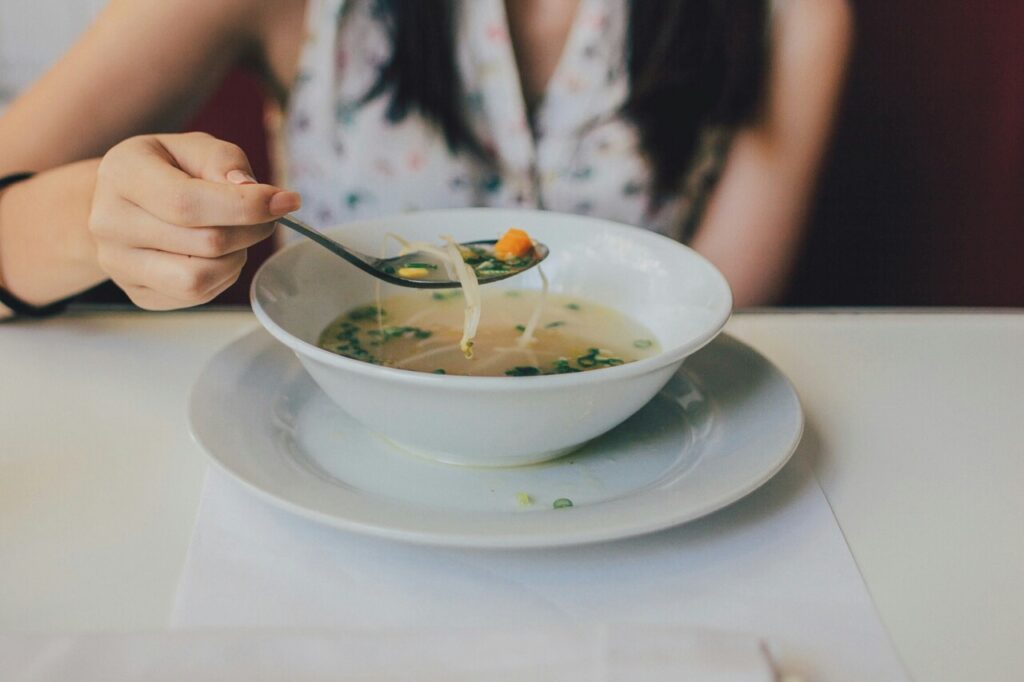
Soups hold a unique place in food culture because they reflect climate, tradition, and everyday life in a single bowl. Across the world, iconic soups have developed from local ingredients, cooking methods, and shared customs, becoming symbols of comfort and identity. Some are slow-simmered and deeply warming, while others are light, aromatic, or refreshing. These celebrated soups have endured because they balance nourishment with flavor and tell stories of the places they come from, making them essential experiences for any food lover.
1. Miso Soup
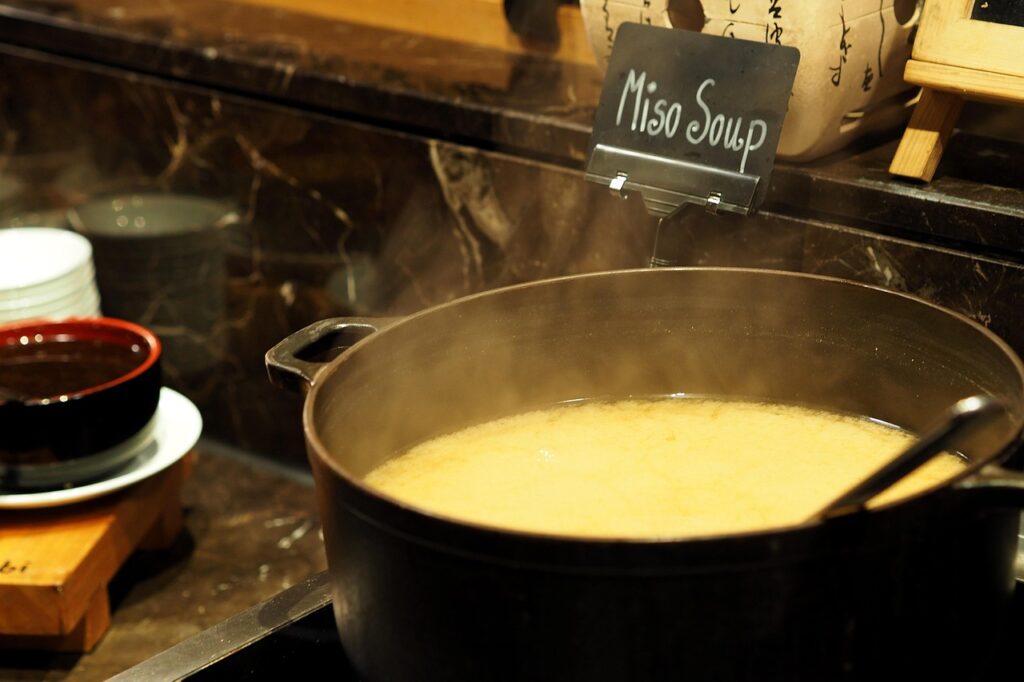
Miso soup is a foundational dish in Japanese cuisine, valued for its simplicity, nourishment, and balance. At its core is dashi, a light broth traditionally made from kombu seaweed and dried bonito flakes, which provides umami without heaviness. Miso paste, fermented from soybeans, rice, or barley, adds depth, salt, and beneficial probiotics when handled gently. Ingredients like tofu, scallions, and seaweed are added briefly to preserve texture and flavor. Miso soup is typically served at the beginning of meals to warm the body and prepare the palate. Its nutritional value comes from fermentation, minerals, and easily digestible protein.
2. Tom Kha Gai
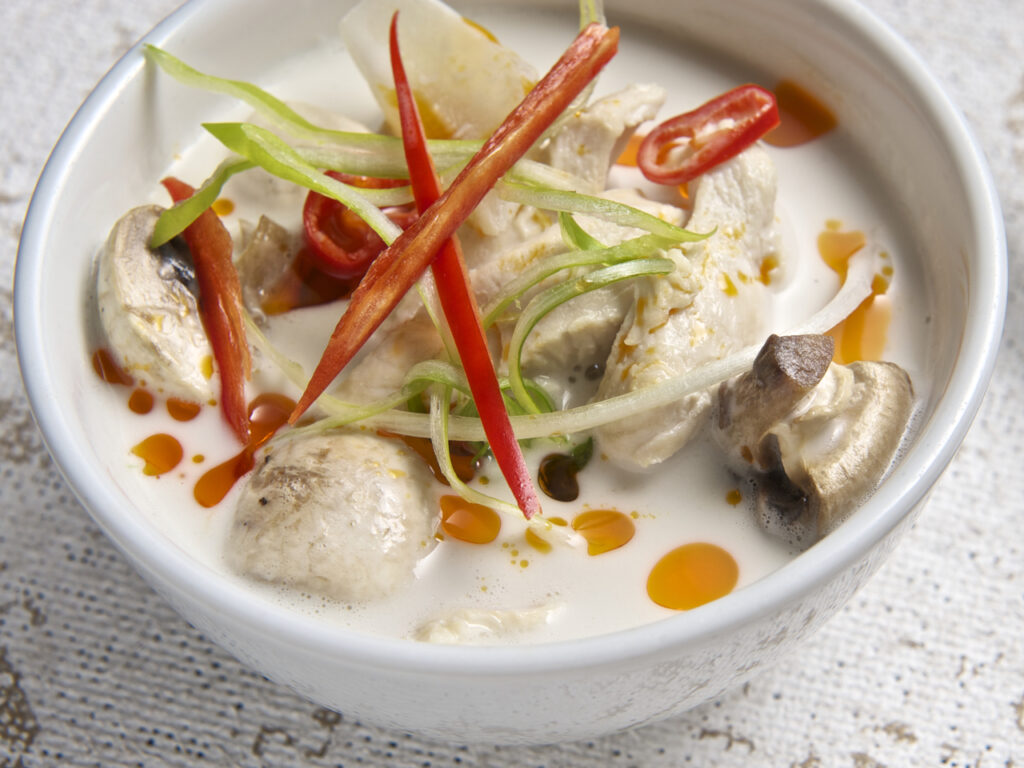
Tom Kha Gai is a Thai soup that stands out for its balance of richness and sharpness. Coconut milk forms the base, giving the soup body and a subtle sweetness that supports bolder aromatics. Galangal, lemongrass, and kaffir lime leaves provide citrusy and herbal notes that define the dish’s character. Chicken adds protein without overpowering the broth, while fish sauce and lime juice adjust salt and acidity toward the end of cooking. Unlike heavier coconut-based curries, Tom Kha Gai remains light enough to drink from a bowl. The soup reflects Thai cooking principles that emphasize contrast rather than dominance.
3. Borscht
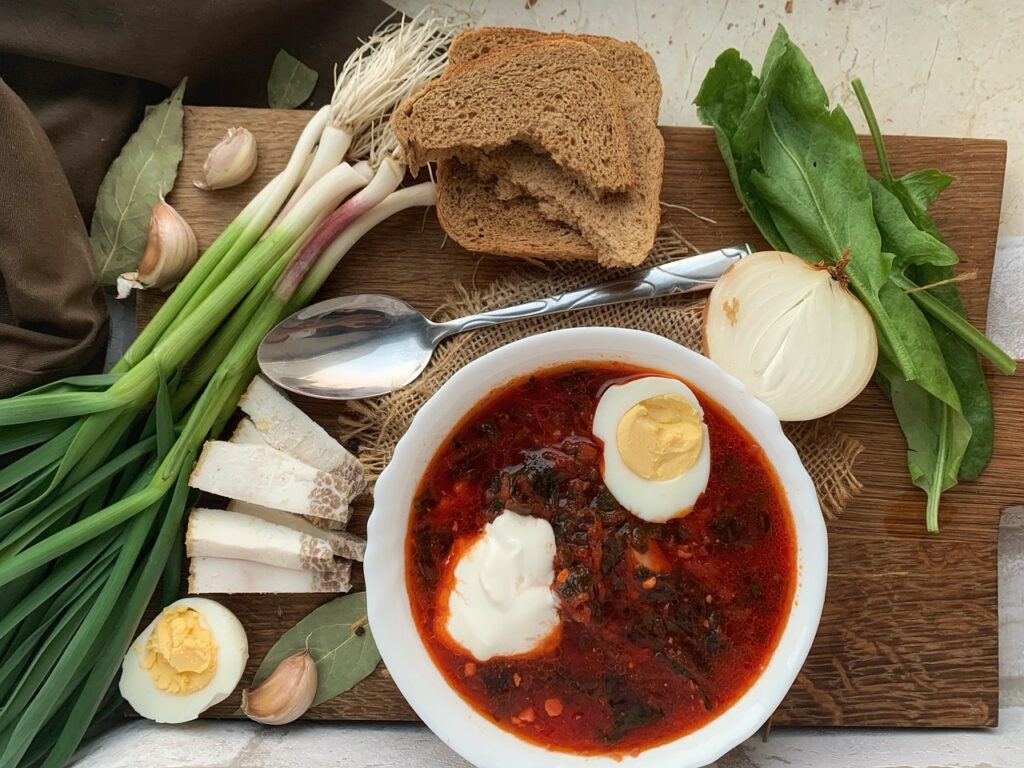
Borscht is most closely associated with Eastern Europe and Ukraine, where it holds cultural and historical importance. Beets give the soup its deep red color and natural sweetness, which is balanced by acidity from vinegar or fermented elements. Vegetables like cabbage, potatoes, and carrots add substance, while meat or bones may be included for depth. Borscht can be served hot or cold, depending on the season and region. Sour cream is often added at the table, softening the soup’s sharp edges and adding richness. Borscht represents resourceful cooking that transforms humble ingredients into a nourishing and enduring dish.
4. Minestrone
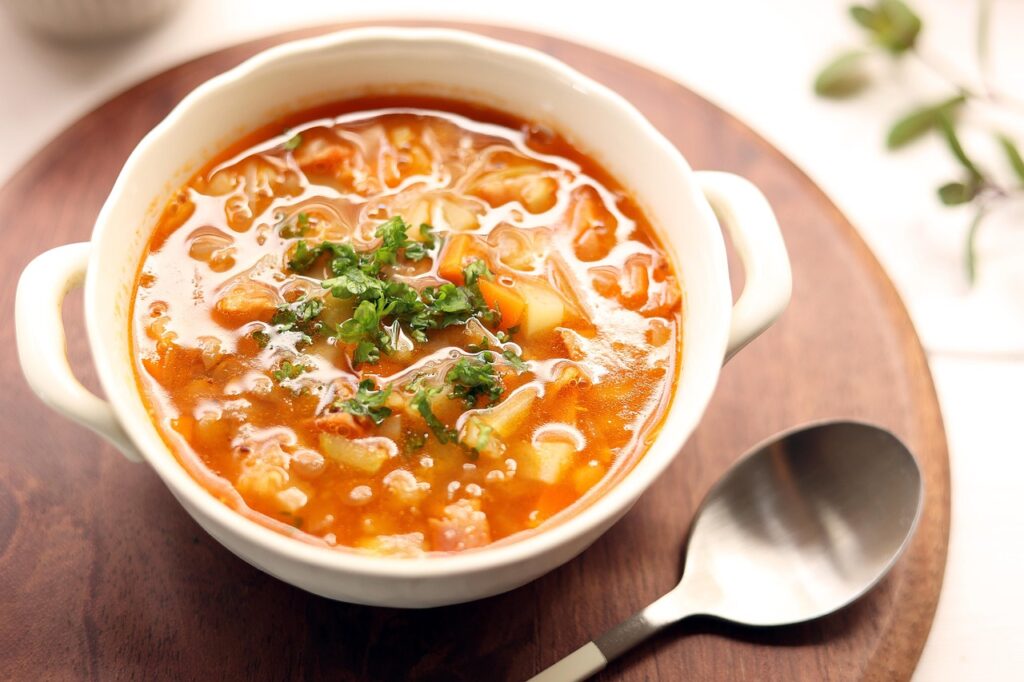
Minestrone is an Italian soup defined more by method than fixed ingredients. It typically includes vegetables, beans, and sometimes pasta or rice, simmered together into a hearty broth. Olive oil and herbs provide structure and aroma rather than heavy seasoning. Because minestrone adapts to what is in season, it reflects regional and household variation across Italy. Beans contribute protein and body, while vegetables soften into the broth, creating a cohesive texture. The soup is filling without being heavy and often tastes better the next day. Minestrone embodies Italian cooking values that prioritize simplicity and balance.
5. Pho
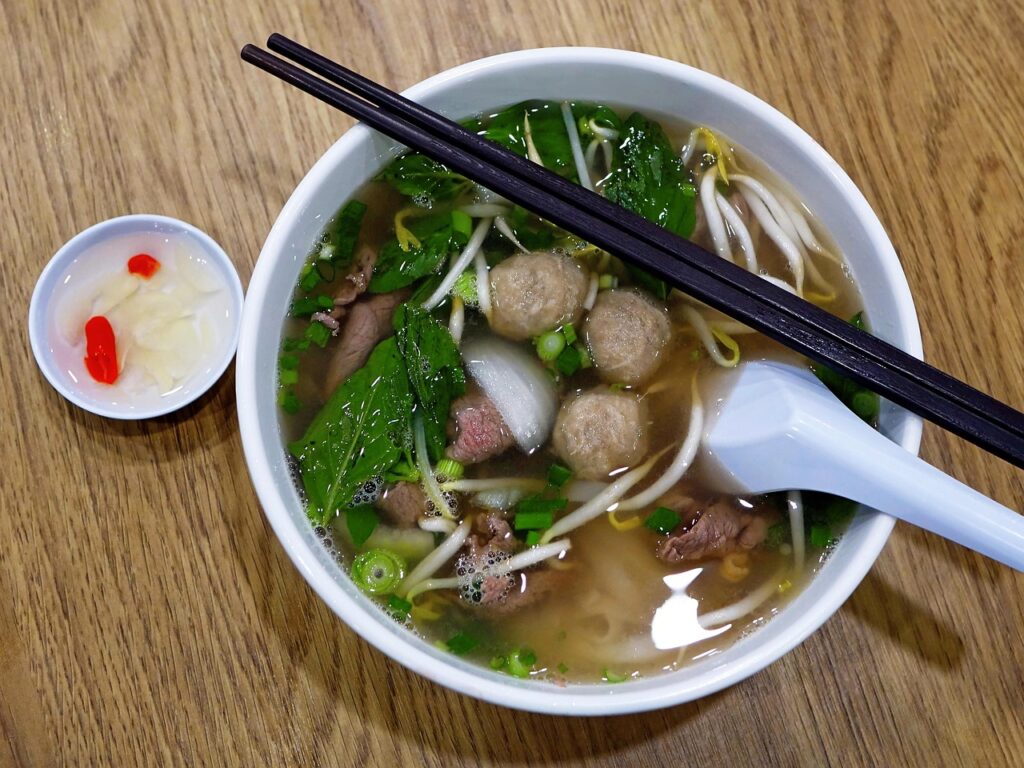
Pho is Vietnam’s most internationally recognized soup, built around a deeply aromatic broth that requires patience rather than complexity. Beef or chicken bones simmer for hours with spices like star anise, cinnamon, and cloves, producing clarity and depth. Rice noodles provide a gentle chew without heaviness, while thinly sliced meat cooks quickly in the hot broth. Fresh herbs, lime, and chili are added at the table, allowing diners to adjust flavor. Pho is both restorative and satisfying, often eaten in the morning or late at night. Its appeal lies in its clean yet layered broth, which feels comforting while remaining light and fragrant.
6. Bouillabaisse
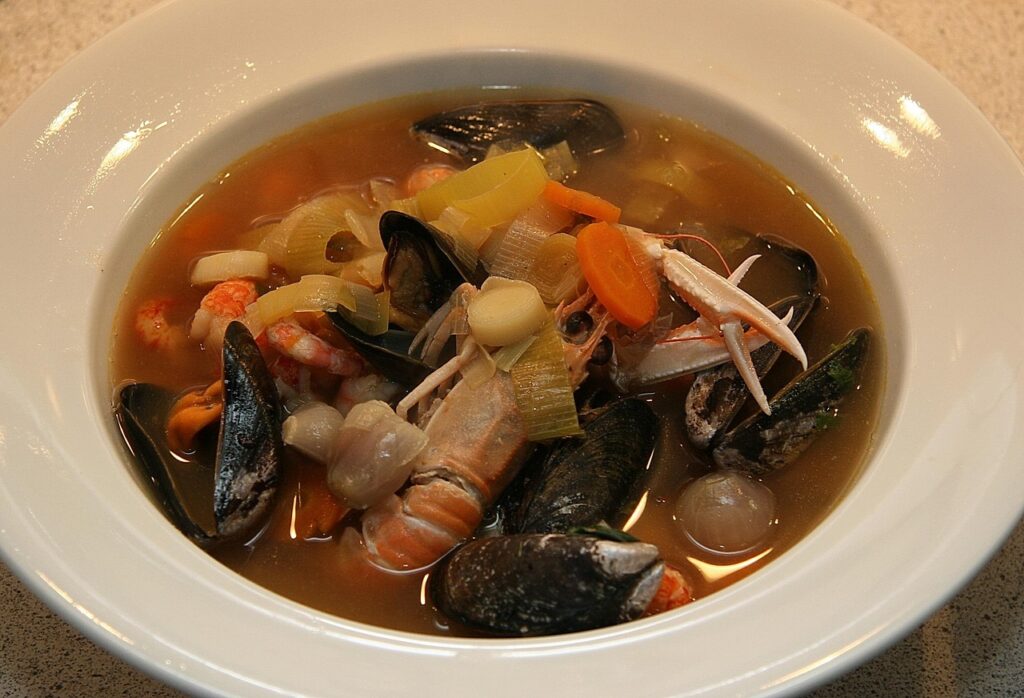
Bouillabaisse is a traditional fish soup from Marseille that reflects coastal cooking and regional pride. Multiple types of fish and shellfish are simmered gently to create a broth rich in seafood flavor. Aromatics like fennel, garlic, and tomato provide structure, while saffron adds warmth and color. The soup is often served in stages, with broth first and fish afterward. Rouille, a garlicky sauce, adds richness when stirred in. Bouillabaisse requires quality ingredients more than technique, relying on freshness for success. It represents a dish rooted in place, where local catch and tradition define its character.
7. Gazpacho
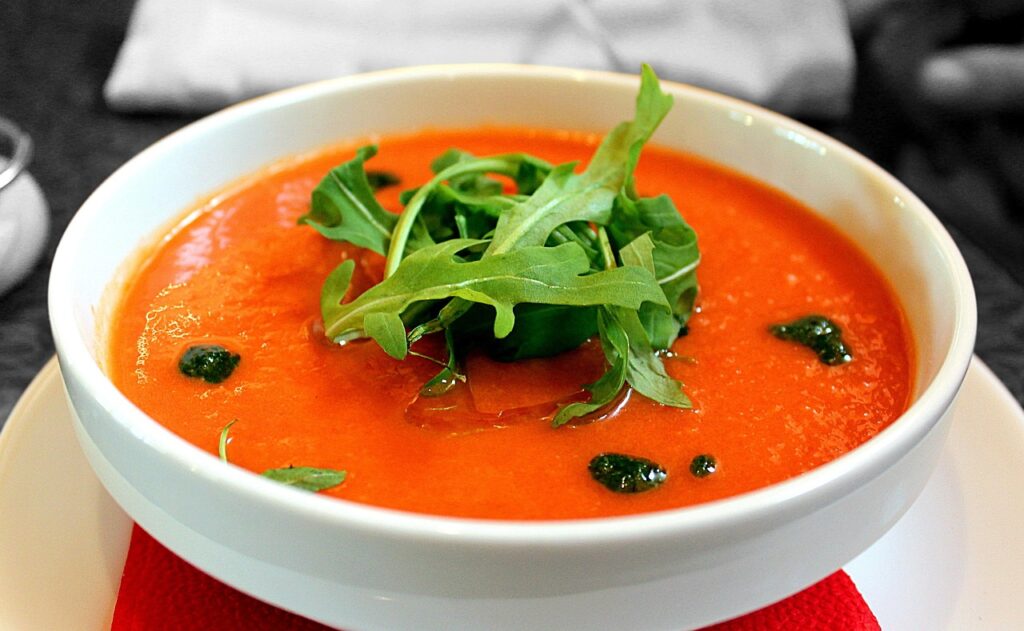
Gazpacho is a chilled Spanish soup that showcases raw ingredients at their peak. Tomatoes form the base, supported by cucumber, pepper, garlic, olive oil, and vinegar. Blending creates a smooth texture while preserving freshness and acidity. Served cold, gazpacho refreshes rather than warms, making it ideal for hot climates. The soup relies on balance rather than cooking to develop flavor, which highlights ingredient quality. Olive oil adds body and mouthfeel, while vinegar sharpens the finish. Gazpacho demonstrates how simplicity and restraint can produce bold flavor, earning its place among the world’s most famous soups.
8. Ash-e-Reshteh
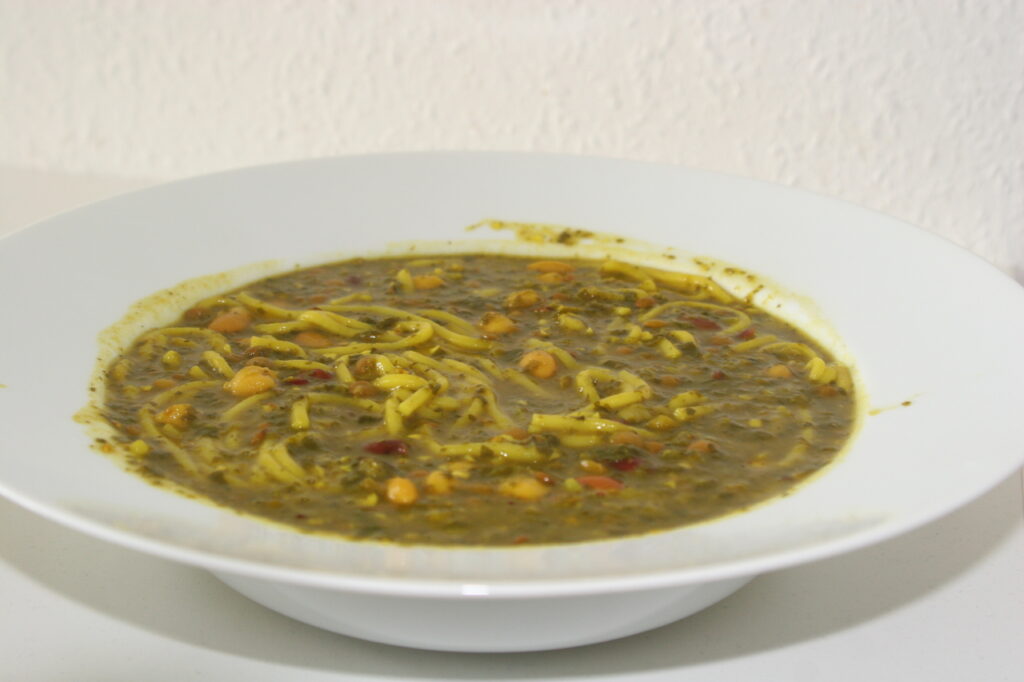
Ash-e-Reshteh is a Persian soup deeply tied to celebration and ritual. It combines beans, lentils, herbs, and thick noodles into a dense, nourishing bowl. Herbs like parsley, cilantro, and dill give the soup its distinctive aroma and freshness despite its richness. Whey or yogurt based toppings add tang and contrast. The soup is often prepared for special occasions, symbolizing abundance and care. Its long simmer allows flavors to integrate fully, creating depth without reliance on meat. Ash-e-Reshteh reflects Iranian culinary traditions that emphasize herbs, legumes, and slow cooking for both nourishment and meaning.
9. Taiwanese Beef Noodle Soup
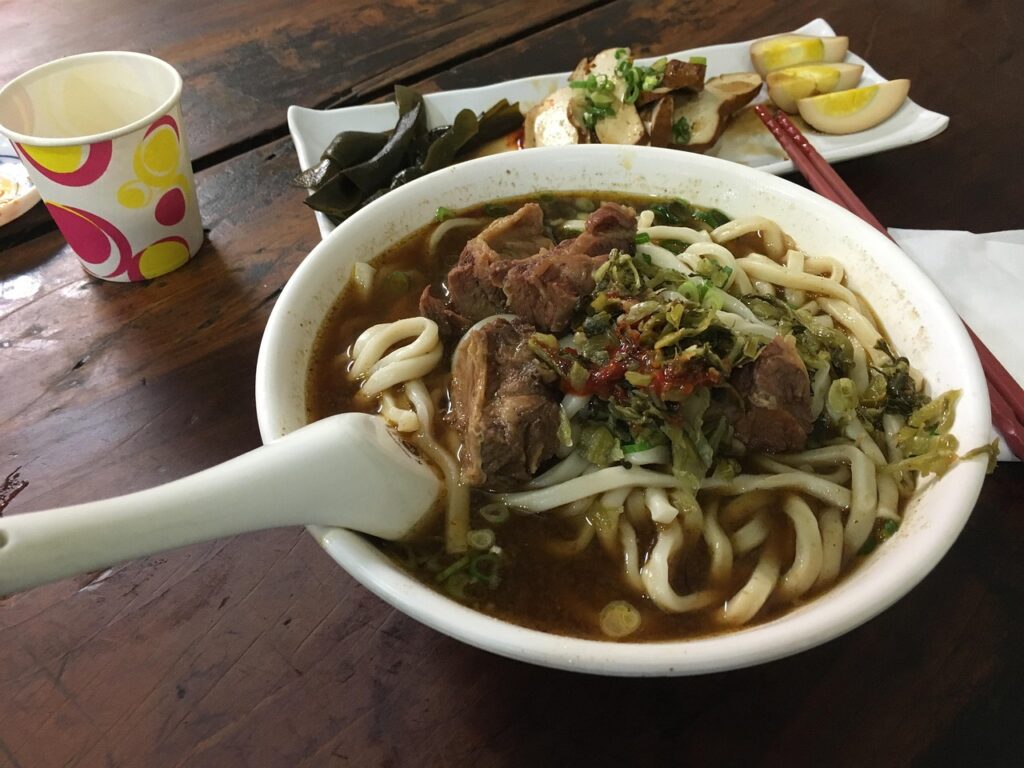
Taiwanese beef noodle soup is a national dish built around deeply flavored broth and tender braised beef. Soy sauce, spices, and aromatics create a savory base that develops through long simmering. Wheat noodles provide structure and chew, while pickled greens add brightness. The soup balances richness with acidity, preventing heaviness despite its depth. Each region and household has its own variation, reflecting personal and local preferences. Beef noodle soup is widely available in Taiwan, from street stalls to formal restaurants. Its popularity comes from its satisfying texture, complex broth, and adaptability, making it a comfort food.