Why Italians Never Throw Away Day Old Bread and How Home Cooks Can Use It

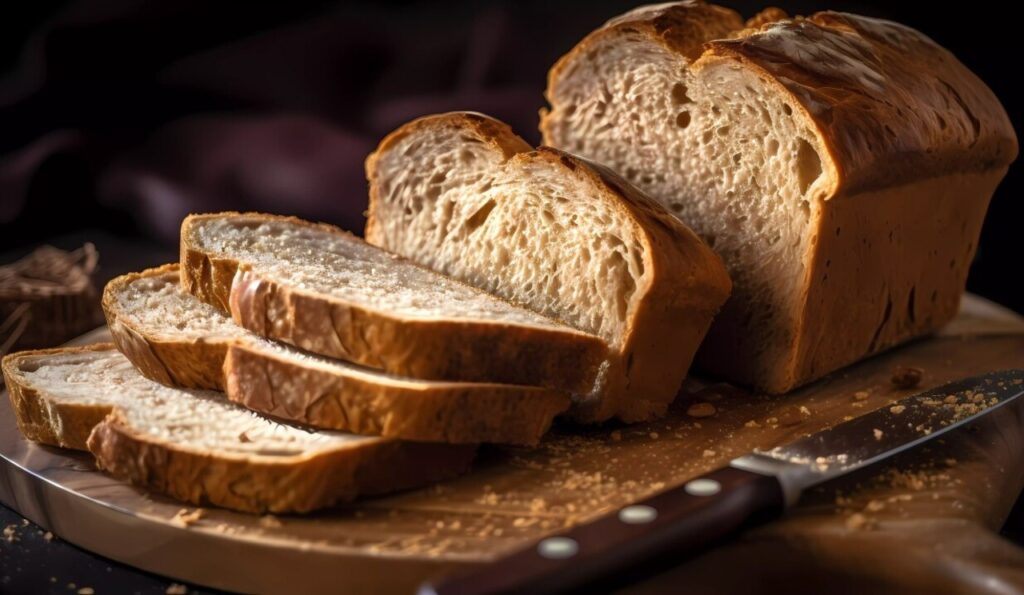
In Italian kitchens, day-old bread is never treated as a failure or an inconvenience. It is understood as a natural part of cooking life, a sign that bread has simply moved into its next stage of usefulness. Long before food waste became a modern discussion, Italian households learned to value every loaf because bread represented time, labor, and sustenance. Stale bread was firm, dependable, and versatile, capable of absorbing flavors rather than resisting them. This mindset shaped habits where nothing edible was discarded casually. Bread that had lost its softness was still respected, still planned for, and still expected to become part of another meal rather than ending up in the bin.
This tradition shows how deeply practicality and care are woven into Italian cooking. Simple habits developed out of necessity became instinct, teaching cooks to see ingredients for what they could become next. Day-old bread offered structure, texture, and nourishment, allowing meals to stretch without feeling compromised. When combined with oil, vegetables, broth, or tomatoes, it transformed into food that felt deliberate and comforting. Understanding this approach reveals a broader philosophy rooted in patience and awareness. Instead of chasing freshness alone, Italian cooks learned to work with time, turning leftovers into dishes that feel purposeful and deeply familiar at the table.
The Italian Respect for Bread
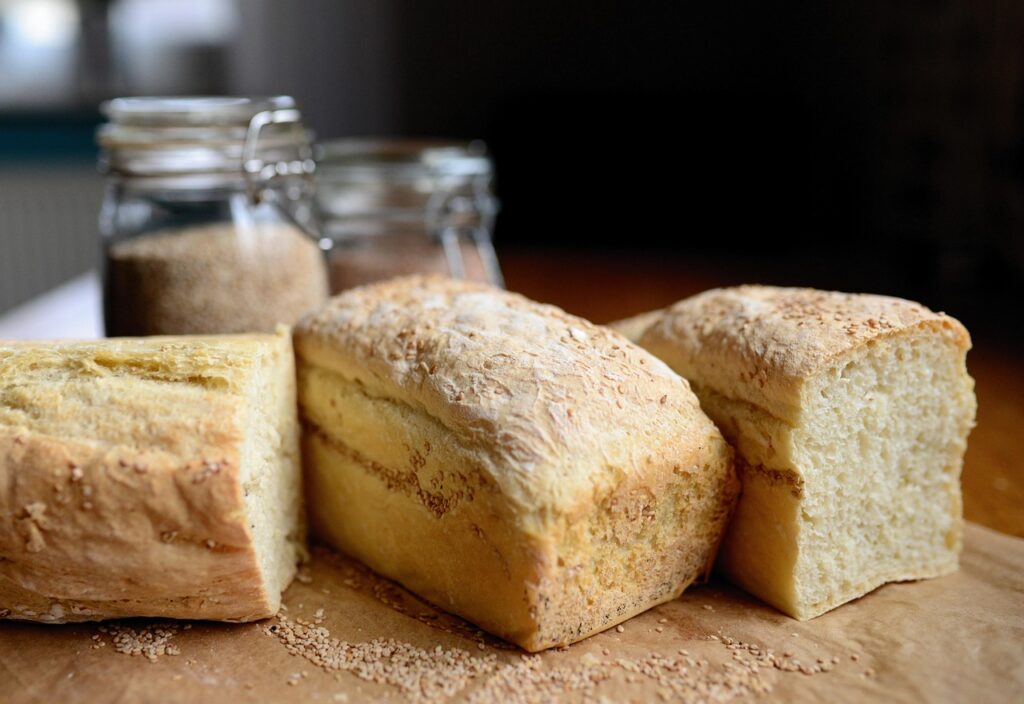
In Italy, bread is not treated as disposable food. It carries cultural weight shaped by centuries of scarcity, agriculture, and tradition. Bread represents labor, land, and time, which is why throwing it away is widely seen as wasteful rather than convenient. Many Italian households still follow habits passed down through generations, where bread is bought fresh, eaten thoughtfully, and reused when it becomes firm. This mindset developed long before modern refrigeration, when stretching ingredients was essential to survival. Bread was often baked or purchased daily, making its full use part of everyday planning rather than an afterthought.
Bread also plays a symbolic role at the table. It is meant to accompany meals, soak up sauces, and complete dishes rather than stand alone. When bread goes stale, its purpose does not end. Italians understand that firmness does not equal spoilage. Instead of discarding day-old bread, they see it as an ingredient that has simply changed form. This respect for bread reflects a broader Italian cooking philosophy rooted in appreciation, restraint, and practicality rather than excess. Meals are built around using what is available, not replacing it. In this way, bread becomes a bridge between one meal and the next, not a leftover to forget.
History of Frugal Cooking
Italian cuisine is often celebrated for simplicity, but that simplicity comes from necessity rather than minimalism. For much of Italy’s history, rural families cooked with limited resources and could not afford waste. Frugal cooking became a survival skill, shaping recipes that transformed leftovers into nourishing meals. Day-old bread fit perfectly into this approach because it was filling, affordable, and versatile. Instead of being seen as inferior, stale bread became a reliable base for soups, salads, and porridges. Families learned to plan meals around what remained rather than what was new. Cooking methods favored slow simmering and soaking to revive firm ingredients.
This tradition spread across regions, each adapting stale bread to local ingredients and conditions. In poorer households, bread often replaced pasta or meat as the main source of sustenance. Olive oil, vegetables, and herbs added flavor without adding cost. Over time, these practical solutions became beloved regional dishes shared across generations. What began as a necessity evolved into a culinary identity, reinforcing the idea that good food does not require waste or abundance. Frugal cooking remains deeply embedded in Italian kitchens today. It is often taught informally, passed down through observation rather than recipes. The practice is now valued as wisdom rooted in experience rather than hardship alone.
Why Stale Bread Still Matters
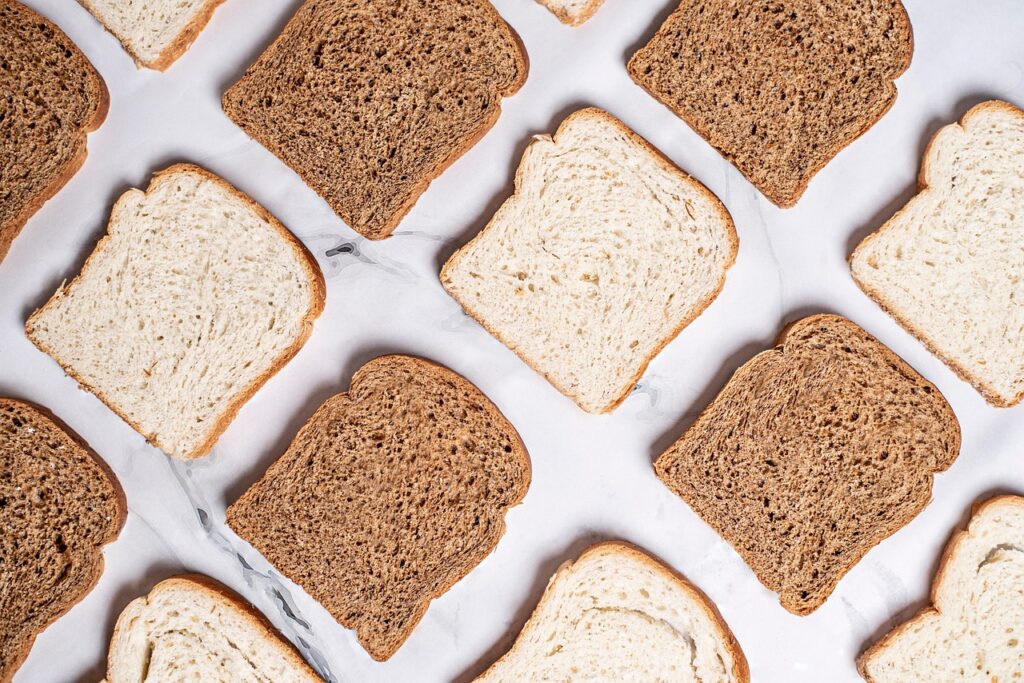
Stale bread behaves differently from fresh bread, and that difference is exactly why it continues to matter in Italian cooking. As bread loses moisture, its crumb structure tightens, giving it the ability to absorb liquids without collapsing or turning mushy. This makes it ideal for soups, salads, and stews where texture plays a critical role. Fresh bread would dissolve too quickly, disrupting balance, while stale bread softens gradually and evenly. Italian cooks learned to rely on this property because it adds body and substance without heaviness. The firmness allows bread to hold its shape while soaking up broth, oil, or tomato juices.
Stale bread also offers flavor qualities that fresh bread cannot provide. Toasting or soaking revives its aroma and brings forward deeper wheat notes that are often muted in soft loaves. When paired with olive oil, broth, or tomatoes, the bread releases richness instead of dullness, contributing complexity to simple dishes. Day-old bread remains nutritionally sound when stored properly, supplying carbohydrates and fiber without waste. Its drier texture can even improve mouthfeel, helping dishes feel intentional rather than improvised. This understanding transforms stale bread from a problem into a practical solution.
Classic Dishes Born from Leftovers
Some of Italy’s most enduring dishes exist because stale bread was treated as a resource rather than a mistake. In regions where ingredients were limited, cooks learned to build meals around what remained, and firm bread became central to that approach. Dishes like ribollita, pappa al pomodoro, and panzanella were not created to impress, but to nourish families using what was already on hand. Stale bread’s ability to absorb liquid without disintegrating made it ideal for soups thickened with vegetables, tomatoes, and beans. Olive oil and simple seasonings added richness, turning humble leftovers into meals that felt warm, filling, and intentional rather than improvised or lacking.
What makes these dishes remarkable is how balanced and complete they feel. Stale bread thickens soups naturally, removing the need for cream or flour. In salads, it anchors fresh vegetables without heaviness, adding texture and substance. In each case, bread is not a substitute for something better, but the foundation itself. These recipes show how reuse can lead to harmony rather than compromise. Over generations, what began as a necessity became a tradition, and tradition became pride. Many Italians still prepare these dishes today not out of obligation or thrift, but because the flavors are deeply satisfying and the textures feel exactly right.
Modern Uses for Day-Old Bread
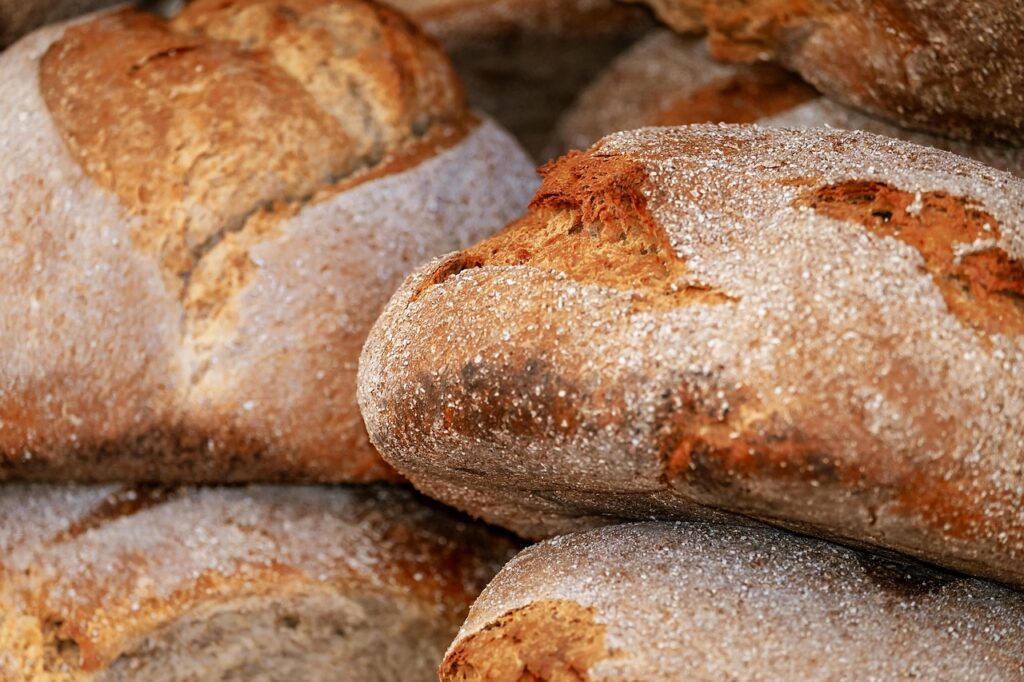
Today’s Italian home cooks continue to reuse day-old bread, but modern kitchens give them more ways than ever to do it well. Stale bread is commonly grated into fine breadcrumbs used for coating vegetables, fish, and meats, where its dryness helps coatings crisp evenly instead of turning soggy. It is also blended into meatballs and meatloaf, where it absorbs juices and keeps mixtures tender without added fat. In baked dishes and casseroles, stale bread provides structure, soaking up sauces while holding shape. It is frequently used in stuffings, dumplings, and thickened soups, where it replaces flour and adds depth. These methods reflect old instincts adapted to modern cooking habits.
For home cooks everywhere, the lesson behind these practices is practical and freeing. Day-old bread is not a sign of poor planning but a versatile ingredient waiting to be reused. With minimal effort, it can be transformed into croutons, salad bases, soup thickeners, or savory bakes that feel intentional rather than improvised. The Italian approach encourages slowing down and rethinking how ingredients age and change. Instead of chasing constant freshness, it values transformation and efficiency. By using bread across its full lifespan, cooks reduce waste, stretch grocery budgets, and create meals rooted in resourcefulness.
Reference
- Old Bread: Why Italians Never Throw It Away – vincenzosplate.com
- Don’t toss out stale bread. Use it to create a hearty Tuscan soup and other Italian dishes – edition.cnn.com
- 20 Recipes That Use Leftover Bread – southernliving.com