9 Dessert Shops in the West That Have Thrived for Generations

Some dessert shops become landmarks not because they chase attention, but because they earn trust one customer at a time. These long-standing spots have survived changing tastes, economic shifts, and trends by staying rooted in quality, routine, and familiarity. Generations return to the same counters for flavors tied to memories, celebrations, and everyday comfort. From old-fashioned ice cream parlors to bakeries that still follow time-tested methods, these shops prove that consistency can be just as powerful as creativity. Their success lies in simple ideas done well, repeated with care year after year, turning desserts into traditions that feel welcoming today as they did decades ago.
1. Fentons Creamery
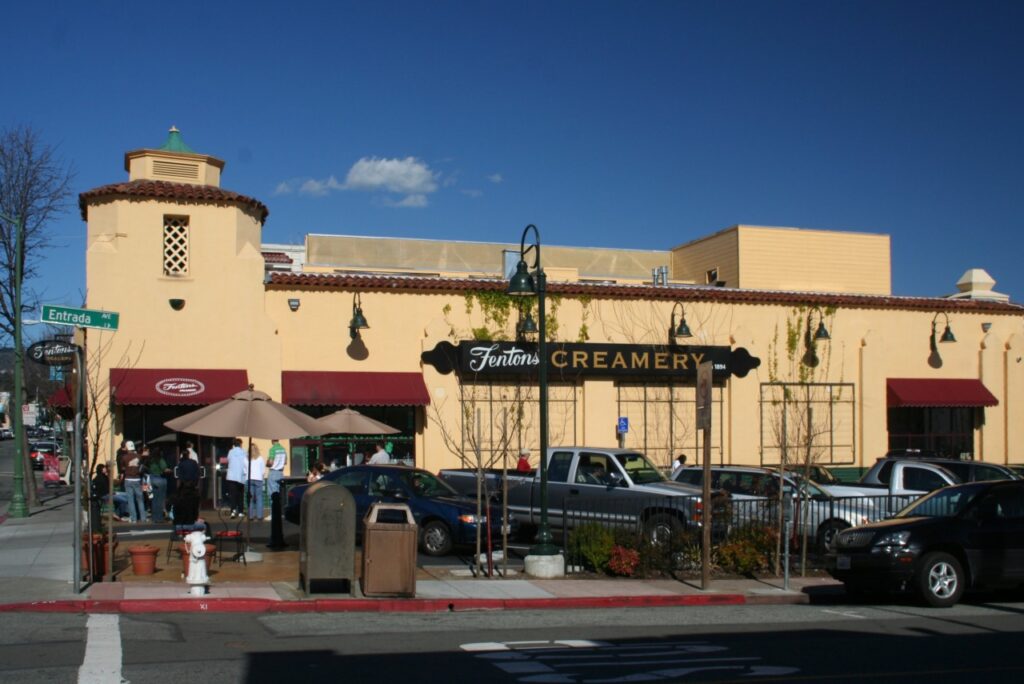
Fentons Creamery survives because it never chased trends, choosing instead to perfect familiarity. Founded in 1894, it built its reputation on rich, house-made ice cream produced with full-fat dairy and traditional methods. The shop still focuses on classic flavors and generous sundaes rather than novelty combinations. Recipes emphasize balance, using slow churning and carefully controlled freezing to create dense, creamy textures. Portions are intentionally abundant, reinforcing its role as a celebration spot for families. Multi-generational ownership preserved consistency even as Oakland changed around it.
2. Meadowlark Dairy
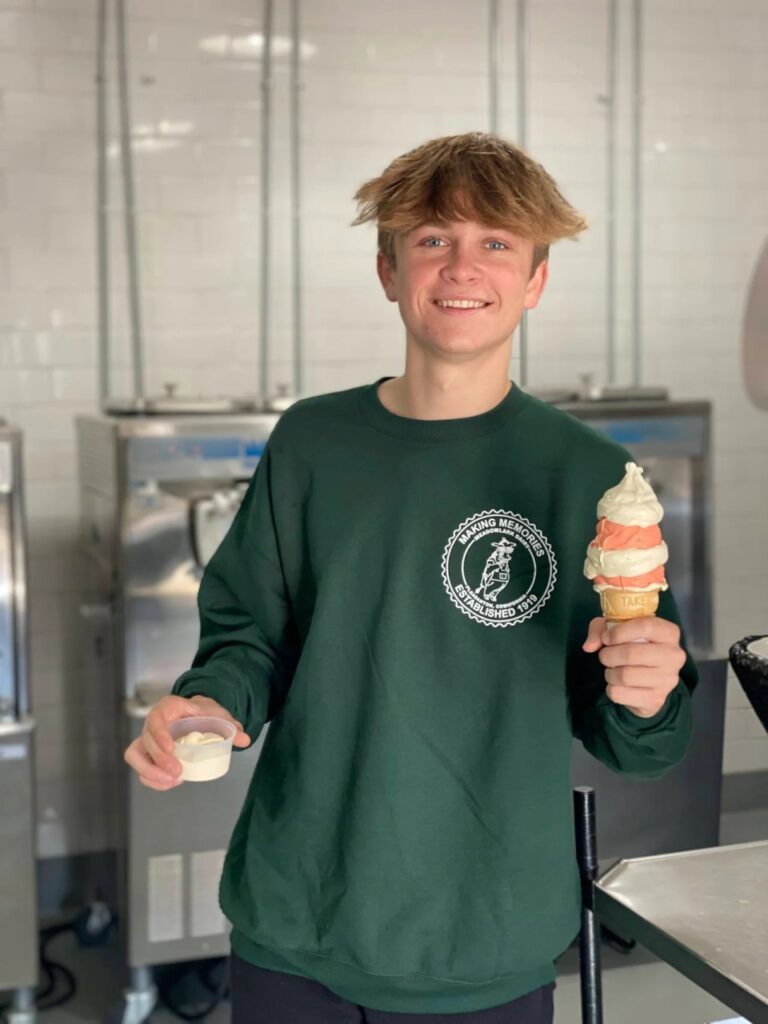
Meadowlark Dairy thrives by preserving the roadside ice cream stand experience almost unchanged since 1919. The menu is intentionally limited, focusing on smooth soft-serve, classic sundaes, and simple toppings. Dairy sourcing and machine maintenance are treated seriously, ensuring consistent texture and flavor. The shop’s open, walk-up format keeps overhead low while reinforcing charm. Generations of families associate Meadowlark with summer evenings and after-game treats, embedding it deeply into local culture. Its longevity comes from resisting expansion and modernization, allowing quality, affordability, and routine to do the work of keeping customers loyal decade after decade.
3. Loard’s Ice Cream
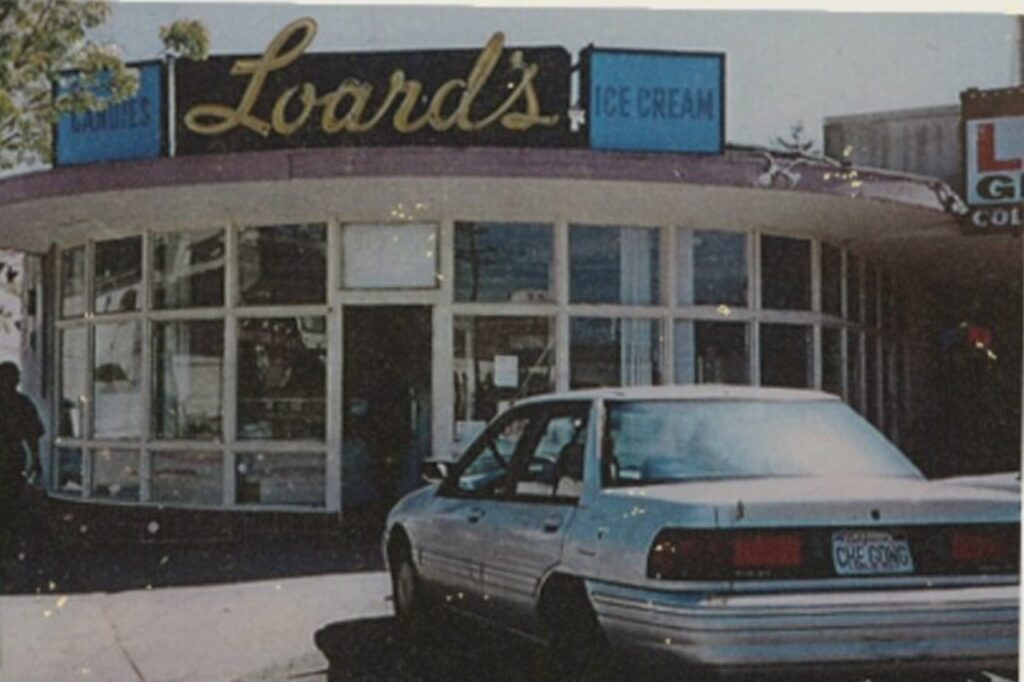
Loard’s Ice Cream earned its staying power through discipline rather than flash. Established in the mid-20th century, it specializes in straightforward, small-batch ice cream with an emphasis on texture and clean flavors. The company maintained tight control over production, distribution, and storage, which preserved quality even as locations expanded. Loard’s avoided heavy marketing, relying instead on neighborhood presence and word-of-mouth loyalty. Classic flavors remain central, while seasonal offerings rotate carefully. Its success lies in operational consistency, community trust, and a refusal to dilute standards while scaling within the Bay Area.
4. Roma Bakery
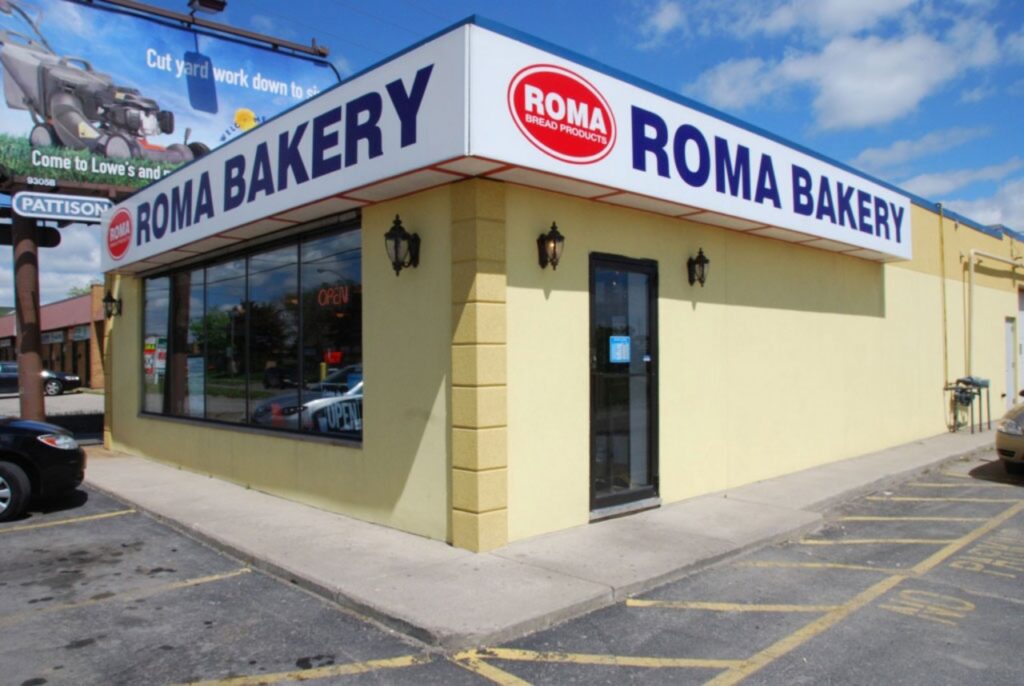
Roma Bakery has endured since 1911 by treating baking as a daily discipline rather than an art project. Its desserts and breads are rooted in Italian-American tradition, relying on long fermentation, careful proofing, and high-quality flour. Pastries emphasize structure and balance instead of decoration. The bakery’s production rhythm has remained largely unchanged, allowing workers to master repetition. Customers often visit for the same items week after week, reinforcing consistency as its core value. Roma’s longevity reflects a deep understanding that reliability, not reinvention, builds trust across generations.
5. McConnell’s Fine Ice Creams
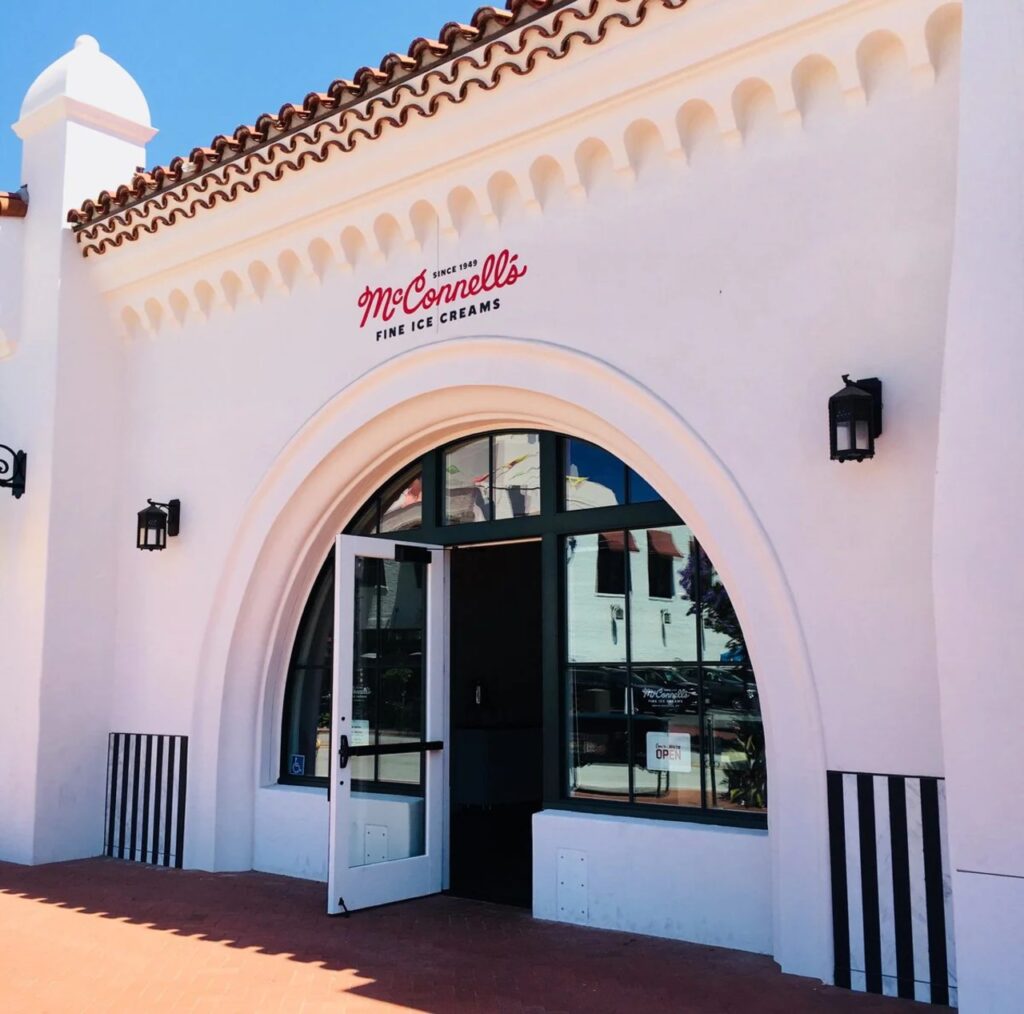
McConnell’s has survived since 1949 by prioritizing ingredient control above all else. It sources local dairy and builds flavors around quality cream rather than heavy stabilizers. Ice cream is churned slowly to maintain density and clean melt. The company modernized packaging and distribution while protecting its core recipes, allowing growth without sacrificing integrity. Seasonal flavors are introduced thoughtfully, guided by produce availability rather than trend cycles. McConnell’s success shows how modernization can coexist with tradition when production standards remain uncompromised. This balance ensures customers recognize the same richness and texture with every scoop.
6. Randy’s Donuts
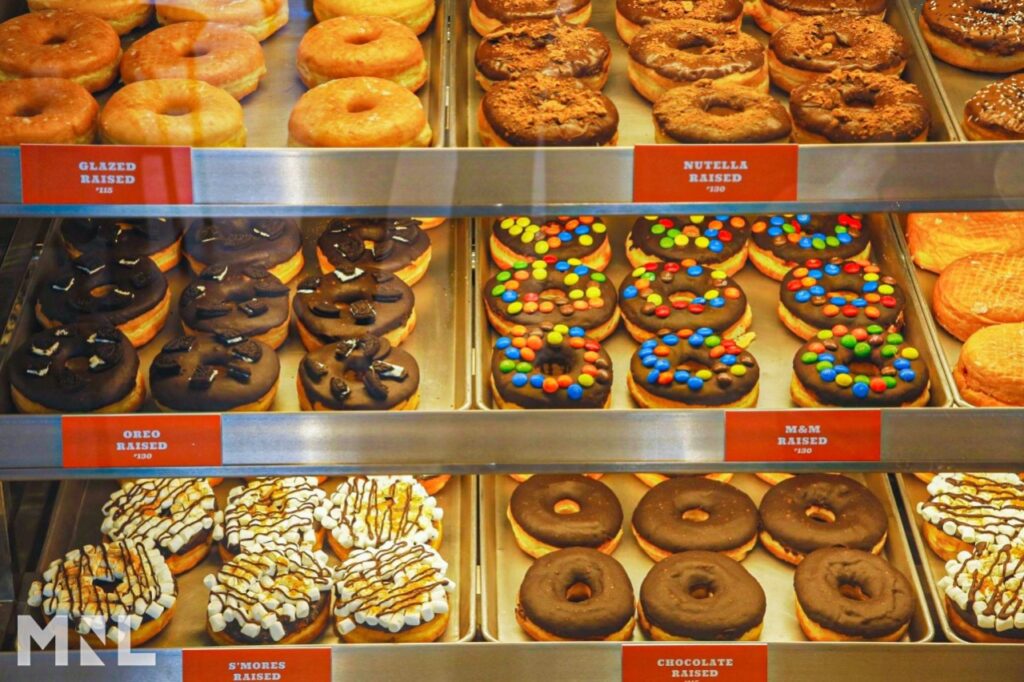
Randy’s Donuts became a generational landmark by combining visual identity with product consistency. Open since 1952, it relies on classic yeast-raised donuts made fresh throughout the day. Dough handling, frying temperature, and glaze timing are tightly controlled to ensure texture and flavor stability. The iconic rooftop donut created instant recognition, but repeat business comes from dependable execution. Randy expanded carefully, preserving production standards at each location. Its endurance comes from understanding that nostalgia only works when quality supports it. Customers return because the donuts taste the same as they remember, not because the sign is familiar.
7. Ghirardelli Ice Cream & Chocolate Shop
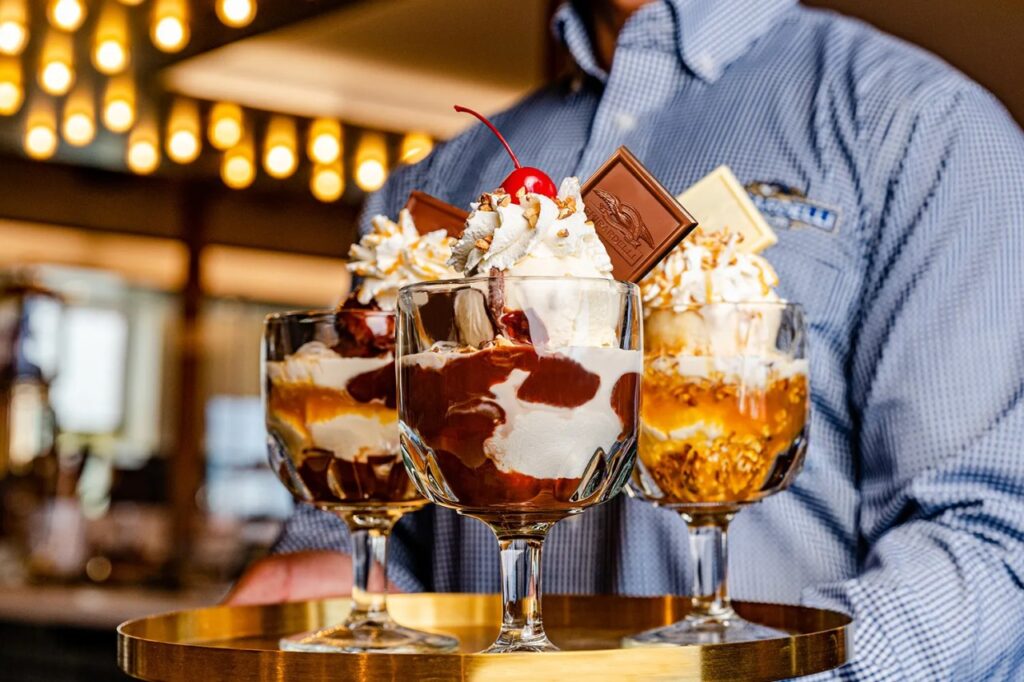
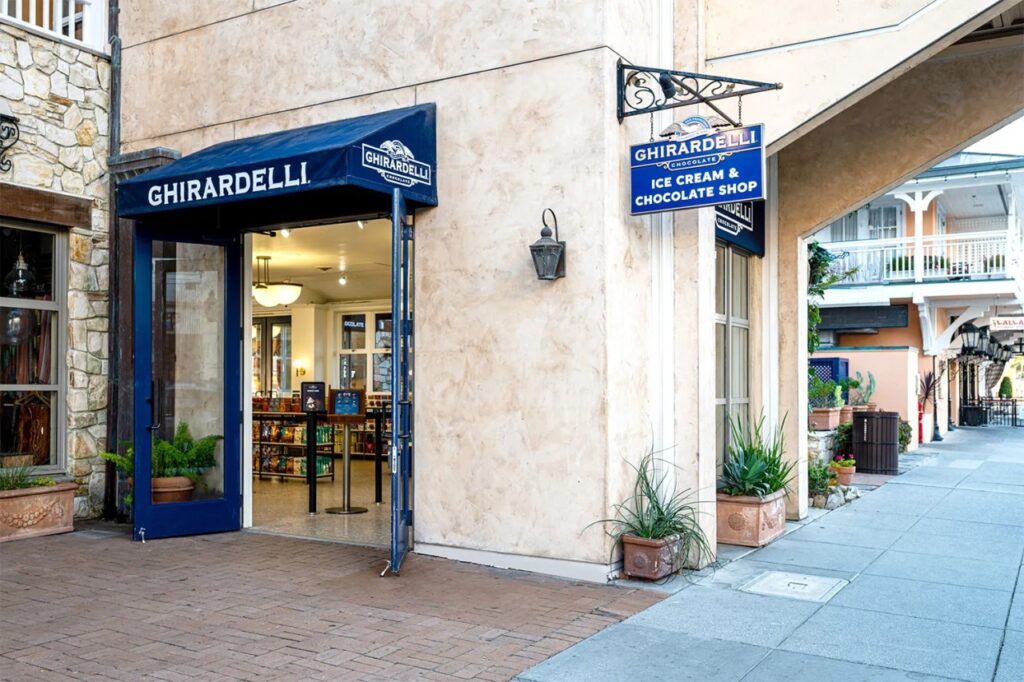
Ghirardelli’s dessert shops benefit from a chocolate legacy dating back to 1852. The ice cream counters highlight sundaes built around proprietary chocolate, produced under strict quality controls. Recipes focus on richness and balance, pairing dense chocolate with neutral dairy bases. Locations emphasize experience, blending tourism with retail efficiency. Despite large-scale operations, ingredient consistency remains central. Ghirardelli thrives because it leverages heritage without compromising manufacturing standards, ensuring every generation experiences the same core flavors. The brand’s longevity is built on protecting its chocolate, allowing everything else to evolve around it.
8. Le Panier
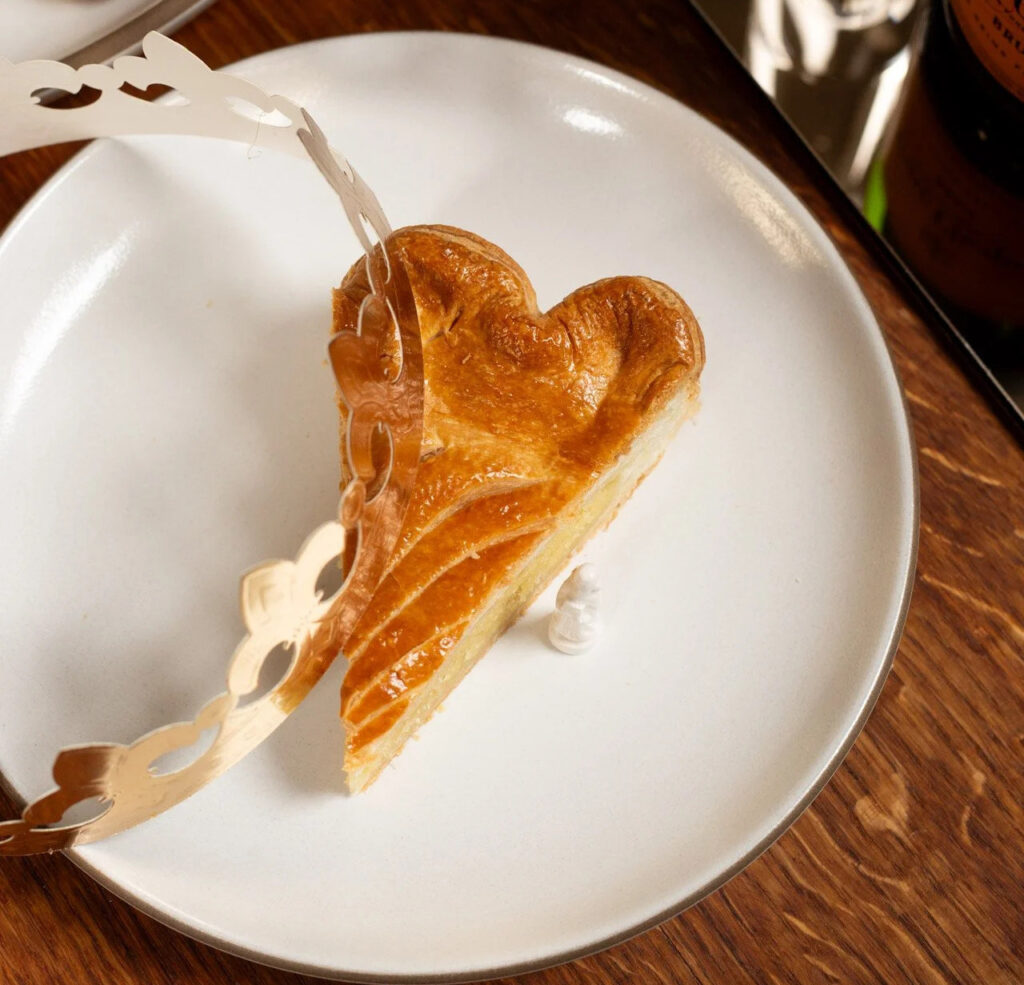
Le Panier has thrived by honoring French pastry fundamentals since 1983. Recipes rely on traditional ratios, careful lamination, and controlled baking temperatures. Pastries emphasize structure, crispness, and restrained sweetness. Located in Pike Place Market, the bakery operates at high volume while maintaining artisanal techniques. Staff training focuses on repetition and precision. Le Panier’s endurance reflects respect for craft and consistency rather than adaptation to trends. Even during peak hours, the bakery maintains strict production timing to protect quality. Its continued success shows how classical technique can remain timeless when executed with care.
9. Rimsky-Korsakoffee House
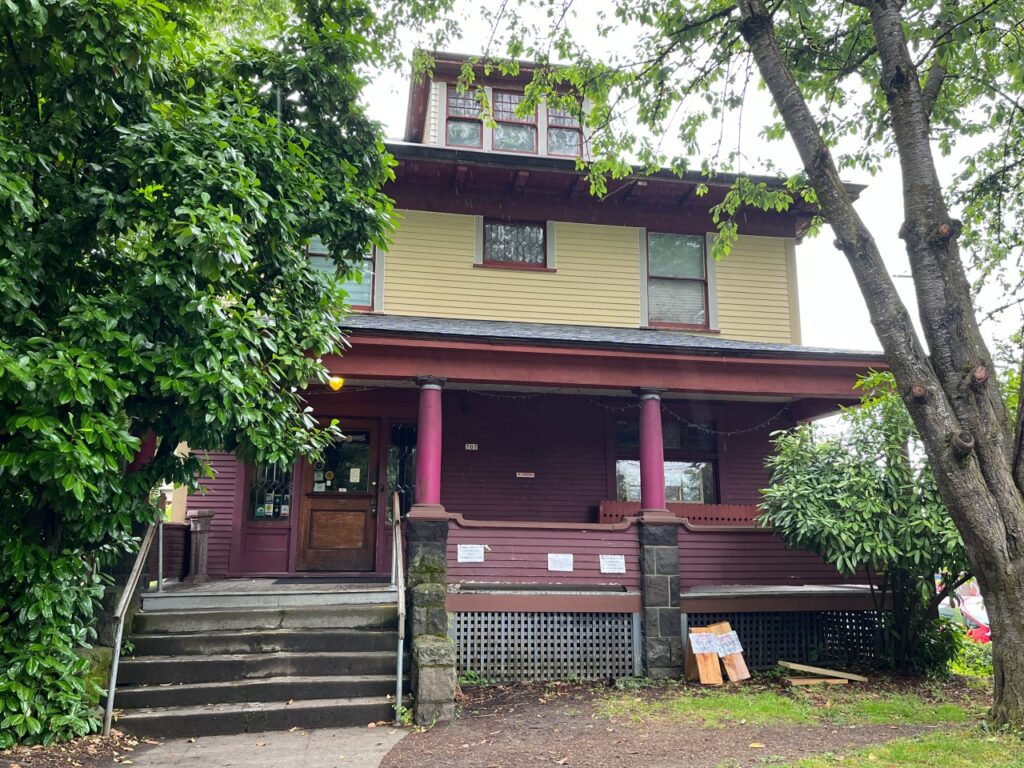
Rimsky-Korsakoffee House survives by offering an experience rooted in ritual. Opened in 1980, it combines desserts with coffee service in a quiet, intimate setting. Desserts are rich but restrained, emphasizing balance over excess. The late-night format fosters loyalty among regulars. Minimal changes to the menu and ambiance preserve its character. Its longevity is built on atmosphere, reliability, and an understanding that comfort keeps customers returning. The predictable rhythm of the space creates a sense of familiarity that regulars depend on. This emotional connection has allowed it to thrive without constant reinvention.