Store Brand vs. Name Brand: The 7 Where the Cheap Version Still Loses


Saving money with store brands often feels like an easy win. The packaging looks similar, the ingredients seem close enough, and the price difference makes the choice feel practical without much second thought.
But not every swap delivers the same experience. Some products rely on precise formulation, texture, or performance, and even small changes can affect how they taste, feel, or function in everyday use.
That’s where the difference becomes clear. While many store brands hold their own, a few still fall short in ways that are hard to ignore. These are the items where the cheaper option may save money upfront, but not always in the long run.
1. Ketchup

Ketchup may look simple, but it is built on careful balance. The right mix of tomato, vinegar, sugar, and seasoning creates a flavor that is both sweet and tangy without leaning too far in either direction. That balance is what makes it work across so many foods.
Name brands invest heavily in consistency. They control ingredient ratios and processing methods to ensure each bottle tastes the same, regardless of where it is purchased. Texture is also closely managed to achieve a smooth, pourable thickness.
Store brands can vary more than expected. Some are thinner, others sweeter or sharper in taste. These small differences become noticeable with regular use, making the overall experience feel less consistent compared to well-established versions.
2. Mayonnaise

Mayonnaise relies on precision more than most condiments. It is an emulsion of oil, egg, and acid, and its success depends on how well those elements are combined. The result should be smooth, stable, and easy to spread.
Name brands refine this process to maintain consistency. They use controlled mixing techniques and ingredient ratios to prevent separation and ensure a uniform texture. This makes the product reliable in both taste and performance.
Store versions can struggle with this balance. Some may feel heavier or less stable, while others can separate more easily over time. The flavor may also lack the same smooth integration, making it less versatile in everyday use.
3. Breakfast Cereal
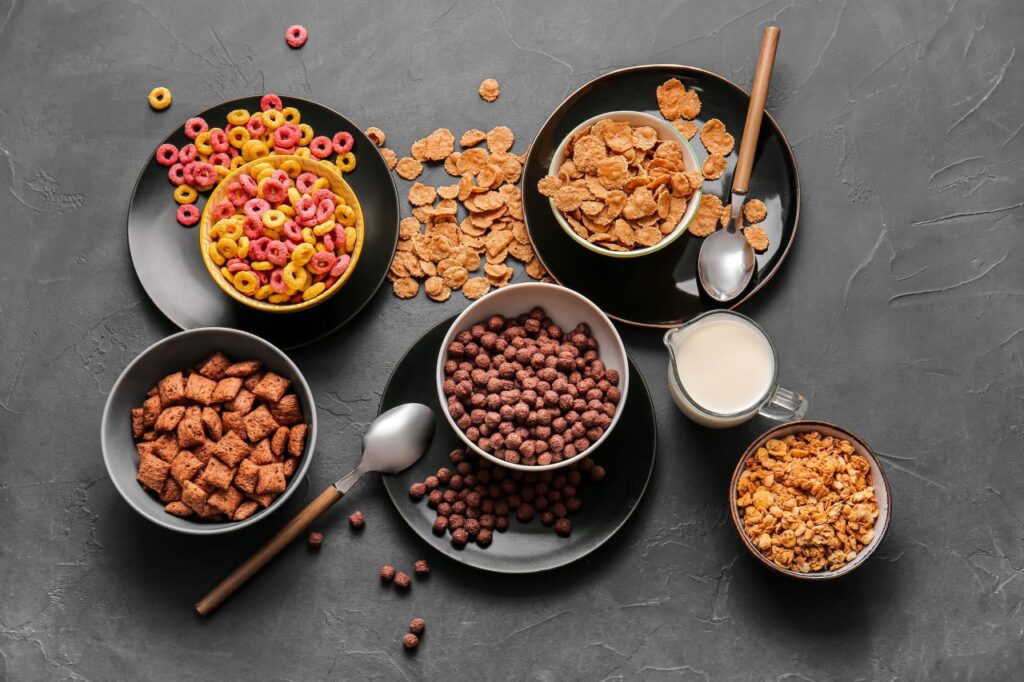
Cereal may seem straightforward, but texture plays a key role in its appeal. The ability to stay crisp in milk while maintaining flavor is carefully engineered. This balance is what defines many popular cereals.
Name brands focus on processing methods that control moisture and structure. This helps maintain crunch for longer and delivers a consistent taste in every bowl. Flavor development is also carefully standardized.
Store brands often resemble the original but may lose crispness more quickly. The flavor can feel less defined, especially in cereals built around strong taste profiles. These differences may seem small, but they become clear over time.
4. Ice Cream

Ice cream is one of those foods where texture matters just as much as taste. A good scoop should feel dense, smooth, and creamy, with a richness that holds its shape and melts slowly. That balance depends on fat content, air incorporation, and ingredient quality.
Name brands carefully control these elements during production. They often use higher milk fat and limit the amount of air churned into the mixture, resulting in a thicker consistency and more satisfying mouthfeel with each bite.
Store brands tend to include more air and stabilizers to keep costs lower. This creates a lighter texture that melts faster and can feel less creamy. The difference becomes clear quickly, especially when comparing how each scoop holds up over time.
5. Peanut Butter

Peanut butter seems straightforward, but its quality depends on precision. The roasting process, grinding consistency, and oil distribution all affect how smooth it spreads and how rich it tastes. Even small changes can shift the experience.
Name brands focus on uniform processing to create a consistent texture. The oils are evenly blended, preventing separation and ensuring a creamy, stable spread with a well-developed roasted flavor that stays the same from jar to jar.
Store brands often show more variation. Some may separate quickly, while others feel too thick or overly oily. The flavor can also seem less balanced, making it noticeable during regular use, especially in simple dishes where peanut butter is the main ingredient.
6. Paper Towels
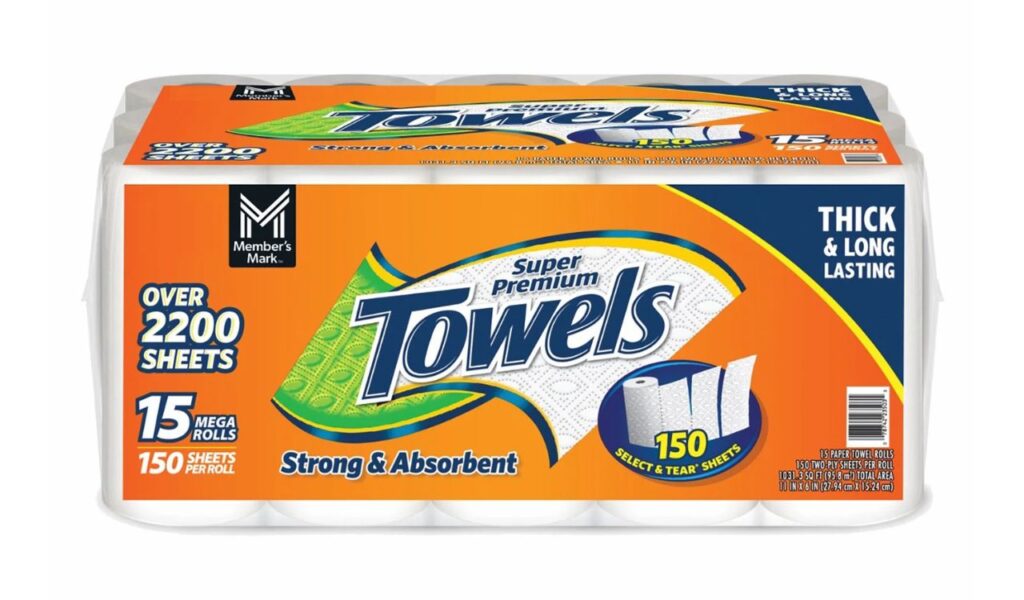
Paper towels may seem basic, but performance depends on strength and absorbency. A good one should handle spills without tearing and absorb liquid quickly without needing multiple sheets. These factors define overall value.
Name brands invest in layered construction and stronger fibers. This allows each sheet to stay intact when wet and absorb more in a single use. As a result, fewer sheets are needed, making them more efficient over time.
Store brands often use thinner materials to reduce cost. While cheaper upfront, they may tear more easily and absorb less per sheet. This can lead to using more sheets for the same task, reducing the actual savings.
7. Laundry Detergent
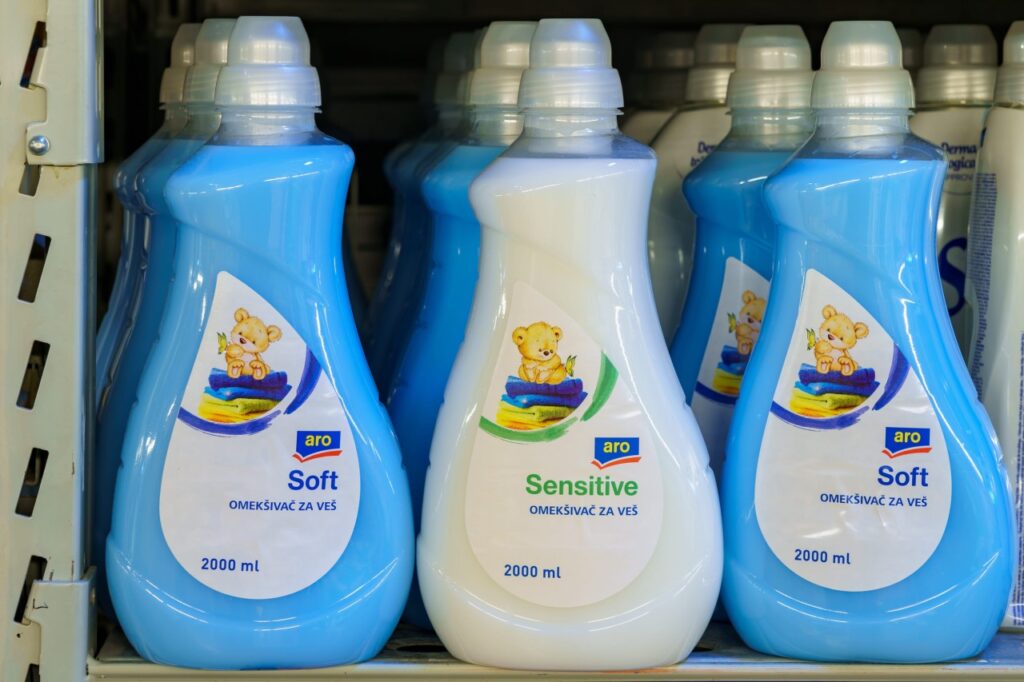
Laundry detergent performance depends on its ability to remove stains while protecting fabric. This requires a balance of cleaning agents, enzymes, and stabilizers.
Name brands invest in research to refine these formulas. They are designed to handle a wide range of stains while minimizing residue and maintaining fabric quality after repeated washes.
Store brands can perform adequately for basic cleaning but may struggle with tougher stains. They may also leave a slight residue or require more product per load. Over time, these differences can become more noticeable in both results and fabric care.