7 Airline Meals That Got Smaller in 2026

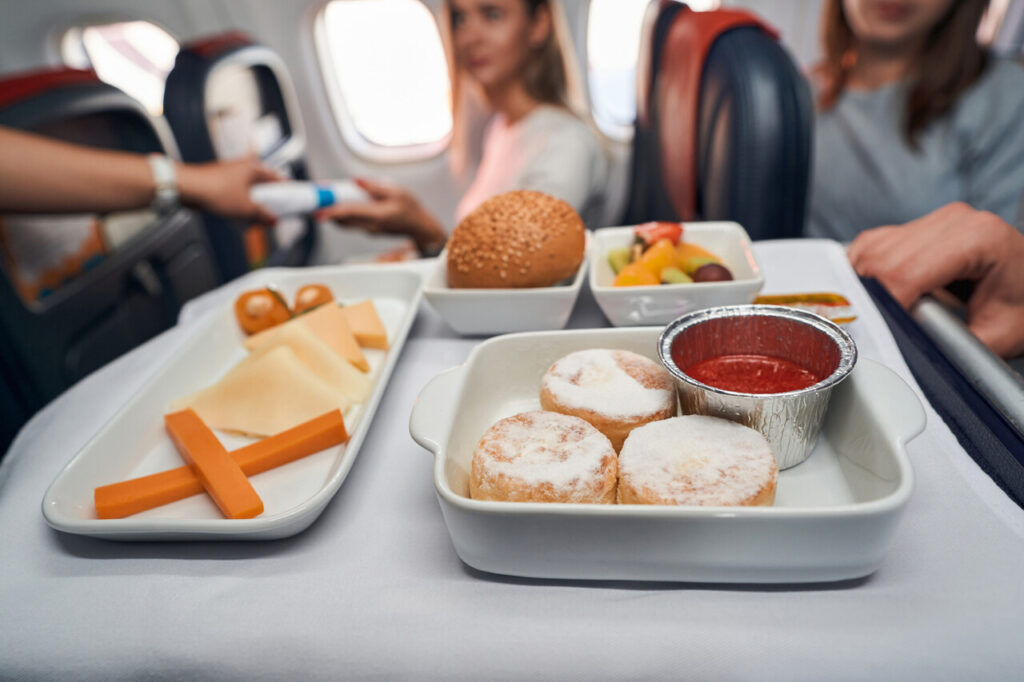
Air travel has always involved tradeoffs, but food service is where many passengers now notice the biggest changes. Meals that once felt filling and thoughtfully prepared are increasingly replaced by lighter trays, limited options, or smaller portions that leave travelers hungry before landing. Airlines point to rising costs, operational efficiency, and waste reduction as necessary reasons for scaling back.
Passengers, however, see a different story. They compare current meals to what used to be standard and feel the difference immediately. What looks like a minor catering adjustment on paper often feels like a noticeable downgrade at 30,000 feet, especially on longer routes where meals matter most.
1. United Airlines Economy Meals Feel More Limited Unless You Plan Ahead
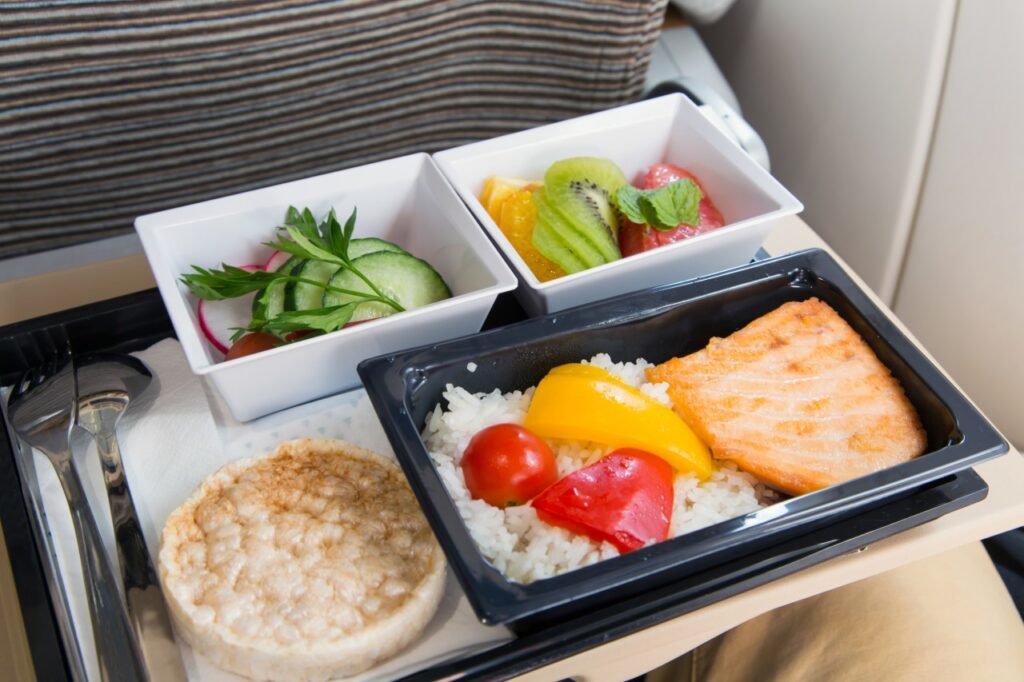
Flying United in economy now requires more planning than it used to, especially when it comes to meals. On many mid-length and long domestic routes, hot entrées and fresher meal options are no longer widely available to everyone on board. Passengers who forget to pre-order often discover that their choices are limited to snack boxes, packaged foods, or small cold items that do not resemble a full meal. The practical effect is that what used to be standard service now feels scaled back.
This change stems largely from cost control and waste reduction strategies. Airlines load fewer perishable items to avoid discarding unsold meals, which saves money but also reduces availability. Catering logistics have also become more centralized, meaning aircraft may depart with tighter inventory limits than in previous years. When demand exceeds projections, later-boarding passengers frequently find that popular items are already gone.
Travelers notice the difference because expectations were built around more flexible service. Economy flyers once assumed a hot meal would be available for purchase or included on longer routes. Now, food service feels conditional rather than guaranteed. The shift is subtle operationally, but from a passenger perspective, it feels like meal portions shrank because access to full meals effectively did.
2. British Airways Short Haul Breakfasts No Longer Feel Like a Full Meal
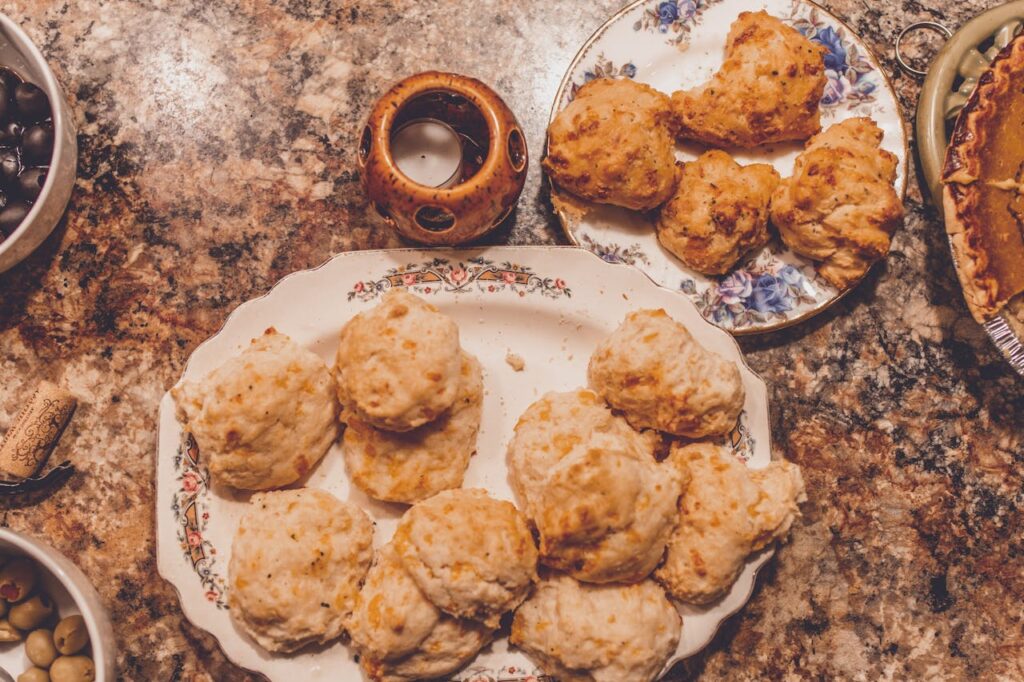
Morning flights within Europe once offered a hearty start for premium cabin passengers, but that experience has changed. Instead of the traditional hot breakfast plate that included eggs, meats, and warm sides, many routes now serve a lighter continental tray. The revised offering typically features fruit, yogurt, and a pastry, which is visually appealing but noticeably smaller and less filling.
Airlines defend the change as part of evolving passenger preferences and efficiency goals. Shorter flights leave less time for complex meal preparation and service, so streamlined trays reduce workload for cabin crews. Lighter menus also cut catering weight, which improves fuel efficiency across thousands of flights each year. From an operations standpoint, these adjustments make financial and logistical sense.
Passengers, however, experience the shift differently. Premium fares create expectations of a substantial meal, especially on early departures when travelers may skip airport dining. Replacing a hot plate with a smaller cold selection feels like a downgrade in value. The food quality may still be good, but portion size and perceived substance play a major role in how satisfying the service feels.
3. KLM Economy Service Now Offers Fewer Complimentary Food Options
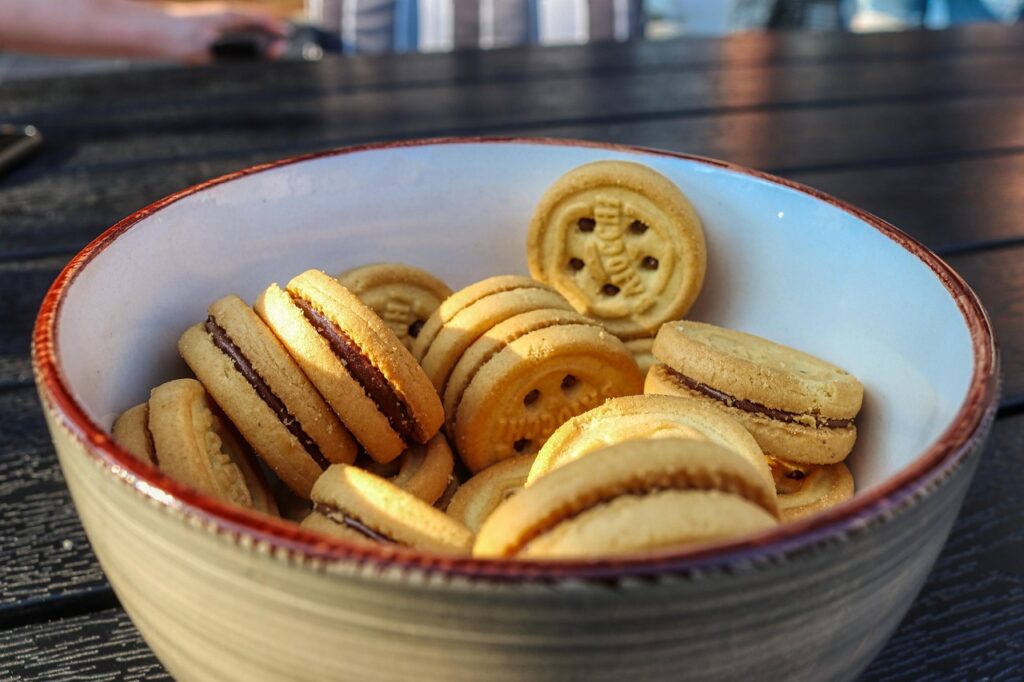
Economy travelers flying KLM are increasingly encountering a slimmer range of included food items. Where complimentary sandwiches or hot snacks were once common on many European routes, passengers may now receive only a small packaged item or be directed to paid onboard options. The reduction is not always dramatic, but frequent flyers notice that the tray or snack bag feels lighter than it did in past years.
These changes are tied to broader European airline trends that separate ticket price from onboard perks. Budget carriers normalized buy-on-board systems, and full-service airlines gradually adopted similar models on shorter routes to remain competitive. Offering fewer free items allows airlines to keep base fares attractive while generating extra revenue from passengers who choose to purchase upgraded food.
For travelers, the experience can feel like quiet downsizing rather than a transparent policy shift. Complimentary service sets expectations about care and comfort, and smaller offerings may seem like corners being cut. Even when prices remain similar, passengers often equate reduced food portions with declining value, particularly on flights where meal service once felt like a highlight.
4. Air France Short Haul Catering Feels More Like a Snack Than a Meal

Air France has adjusted its economy food service on shorter European routes, leading to smaller complimentary offerings. Instead of a more substantial snack or light meal, passengers are frequently given compact bakery items or simple packaged foods. These portions satisfy basic hunger but rarely feel like a proper meal, especially for travelers flying during traditional dining hours.
Operational efficiency drives much of this shift. Short-haul flights involve rapid turnarounds, limited galley space, and tighter budgets. Smaller portions reduce loading time, minimize food waste, and allow cabin crews to serve passengers quickly. The simplified approach also helps airlines standardize catering across different aircraft types, making logistics easier across large route networks.
Passengers notice the difference because expectations are shaped by past experiences. Travelers who remember fuller trays or more varied selections perceive today’s service as scaled down. Even if ticket prices have not increased significantly, the reduction in portion size contributes to a feeling that airlines are providing less for the same fare. Perception plays a powerful role in how airline service quality is judged.
5. Aer Lingus Economy Food Service Leaves Travelers Wanting More
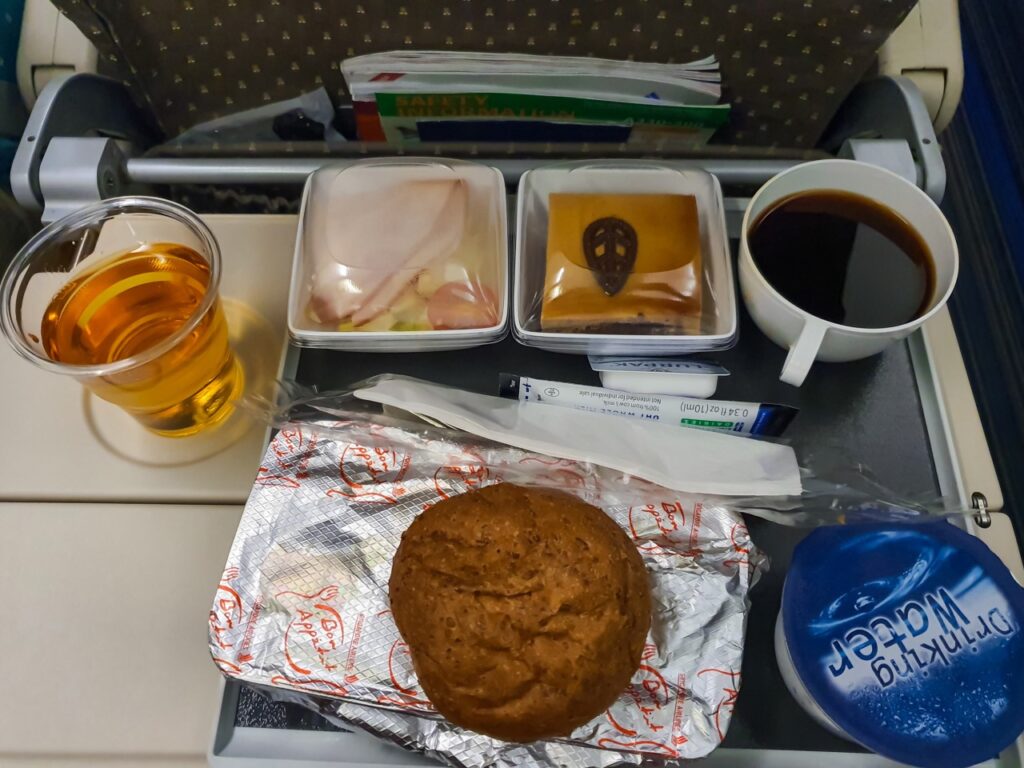
Aer Lingus has refined its onboard catering model in ways that reduce the amount of complimentary food offered to economy passengers. On many shorter routes, travelers may receive beverages but must purchase most food items separately. The absence of included light snacks makes the overall service feel leaner compared with previous years when small bites were standard.
This approach reflects financial realities facing mid-size international carriers. Catering costs, staffing constraints, and fluctuating fuel prices push airlines to prioritize efficiency. By removing complimentary snacks and focusing on paid menu options, airlines can better predict inventory needs while creating an additional revenue stream from onboard sales.
Passengers often experience this change as a downgrade in hospitality. Even modest complimentary items contribute to comfort and goodwill during travel. When those touches disappear, the cabin environment can feel more transactional and less accommodating. The reduction may seem minor on paper, but travelers frequently associate food service with overall care and service quality.
6. Limited Hot Meal Availability Makes United Service Feel Smaller Overall
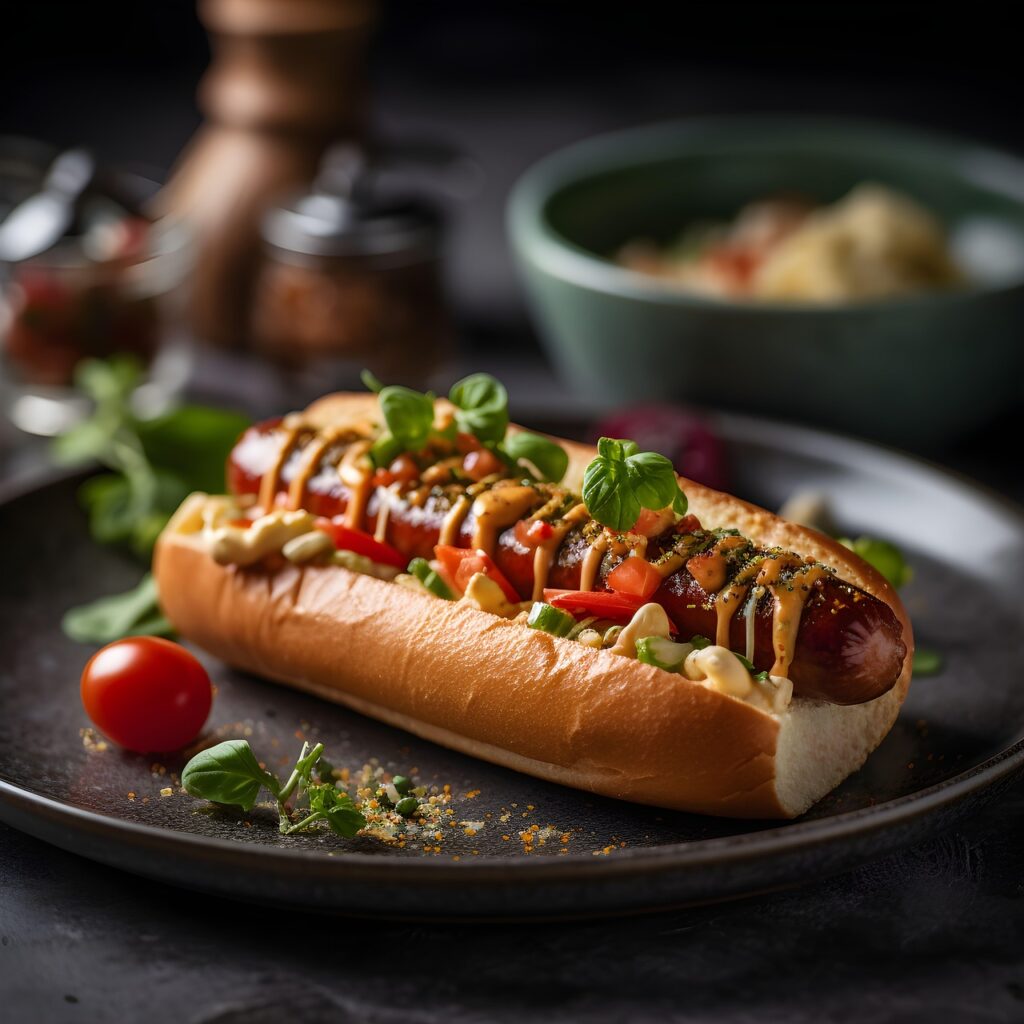
Another noticeable shift involves the number of hot meals loaded onto certain United flights. Even when hot food remains on the menu, aircraft sometimes carry fewer servings than there are interested passengers. Once the limited supply sells out, remaining travelers must settle for packaged alternatives that feel less satisfying and less substantial.
Inventory limitations stem from complex catering logistics. Airlines must estimate demand while balancing storage space, food safety rules, and waste reduction goals. Carrying too many hot meals risks spoilage and higher disposal costs, while carrying too few risks passenger dissatisfaction. Airlines increasingly choose conservative loading strategies to control expenses.
Passengers perceive this as a reduction in service rather than an inventory decision. When desired meals sell out early, the remaining options appear smaller and less appealing. Even if portion sizes remain technically unchanged, limited availability creates the impression that meal offerings have shrunk, particularly on longer flights where travelers expect heartier food.
7. Portion-Controlled Catering Is Becoming the Industry Standard
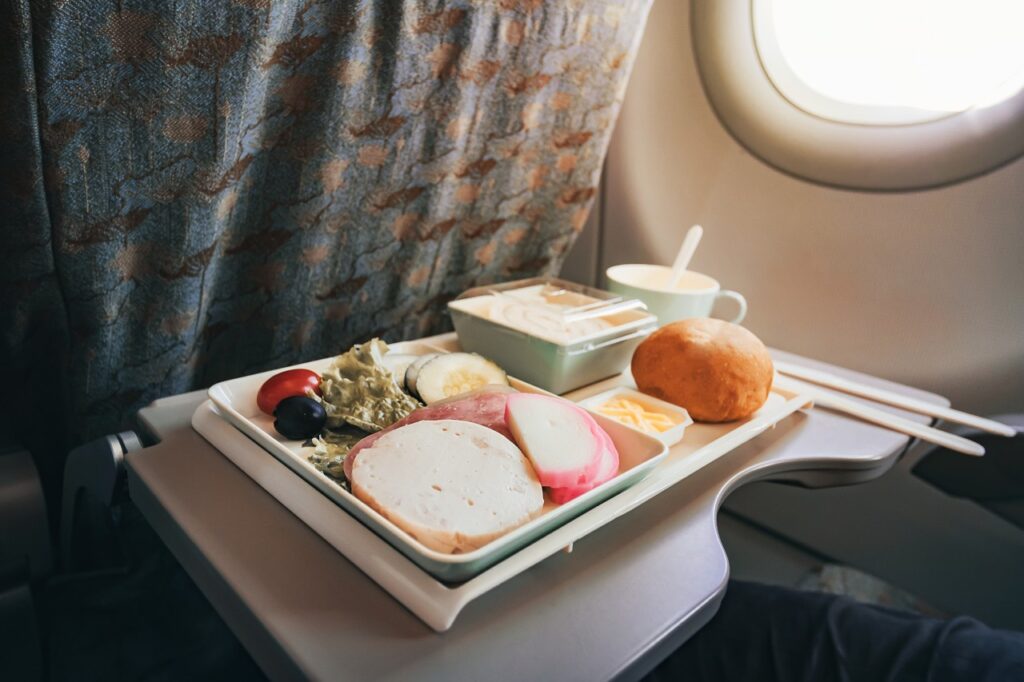
Across the airline industry, catering departments are standardizing portion sizes to control costs and reduce waste. Meals are increasingly designed with precise weight targets and simplified components. Trays that once included multiple side dishes may now feature fewer elements arranged more compactly, creating a leaner presentation that passengers immediately notice.
This shift is influenced by rising ingredient prices, supply chain volatility, and sustainability initiatives. Smaller portions reduce food waste and help airlines meet environmental targets while also lowering catering expenses. Standardized meal designs also streamline preparation at centralized kitchens, allowing airlines to manage large networks more efficiently.
For passengers, these changes can feel like a gradual downsizing. Travelers compare current meals to memories of more generous trays served years earlier. Even modest reductions in sides, bread portions, or dessert size contribute to a perception of shrinkage. As expectations remain tied to past experiences, portion-controlled catering often feels like a quiet but noticeable reduction in overall value.