12 Grocery Staples Hit Hardest by Supply Chain Delays

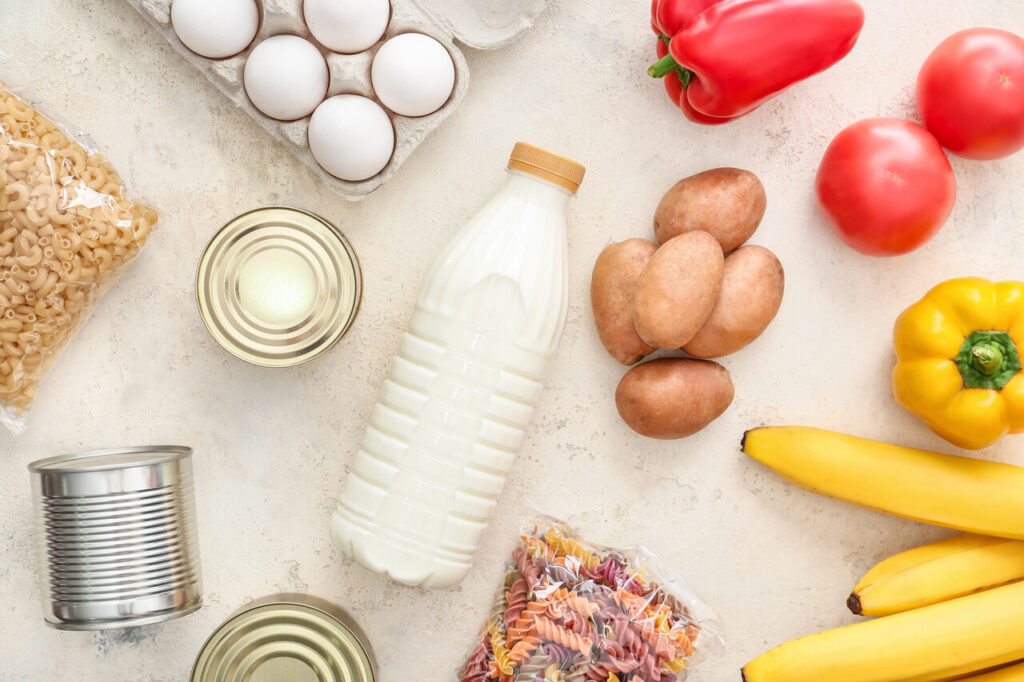
Here’s the thing about grocery shopping today. Many of the foods people rely on every single week are moving through supply chains that are far more fragile than they appear. Weather disruptions, labor shortages, transportation bottlenecks, and global trade complications all quietly affect how food gets from farms and factories to store shelves.
Most shoppers only notice the problem when prices jump, or favorite items suddenly become harder to find. What feels like a simple supermarket run is actually the final step in a long, complex system that can be disrupted at multiple points.
1. Eggs Are Becoming a Fragile Staple in Modern Supply Chains
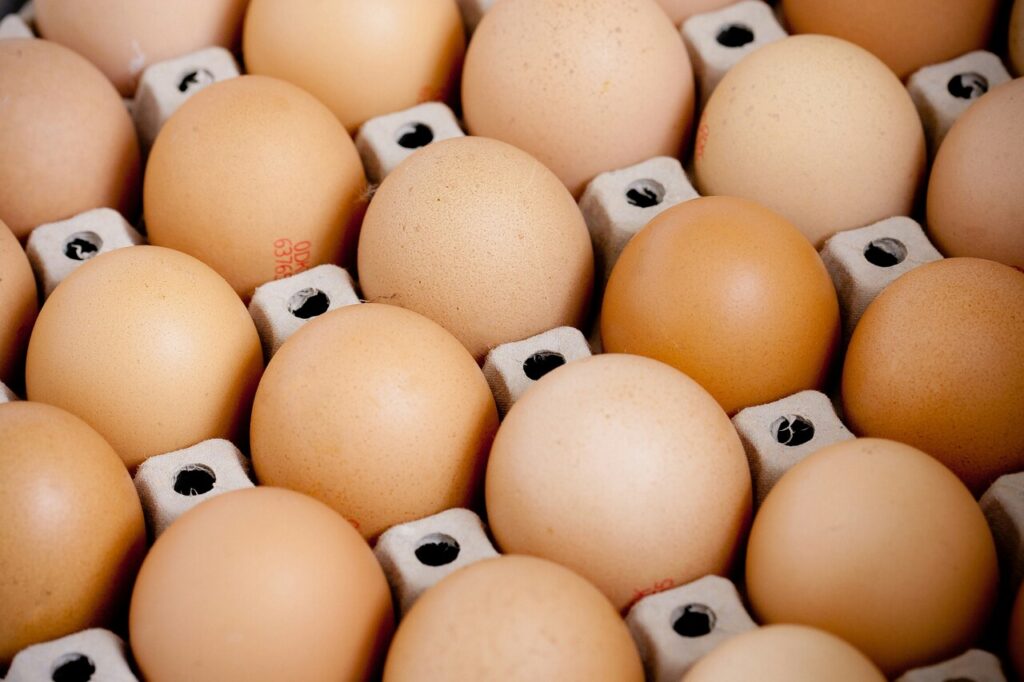
Eggs used to be one of the most dependable items in any grocery store, but they have become surprisingly vulnerable to disruption. Large-scale poultry farms rely on tightly scheduled feed deliveries, climate-controlled housing, specialized labor, and fast transportation to processing plants. When even one link in that chain slows down, production drops quickly. Disease outbreaks among hens, especially avian influenza, have also reduced flock sizes in several regions, shrinking supply long before cartons reach store shelves.
Processing facilities add another pressure point. Eggs must be cleaned, graded, packaged, and refrigerated within strict safety windows. Labor shortages at plants and transportation delays can create bottlenecks that force producers to discard product or reduce shipments. Unlike dry goods, eggs cannot sit in storage for long periods without quality loss, so timing matters more than volume.
Retailers also face distribution challenges once shipments arrive. Refrigerated trucking capacity remains limited in many areas, and stores often receive smaller deliveries more frequently to reduce spoilage risk. That change increases logistics costs and raises prices for shoppers. The result is a staple that feels abundant during stable periods but becomes scarce very quickly when supply lines are stressed.
2. Sugar Supplies Are Feeling the Strain of Global Production Hurdles
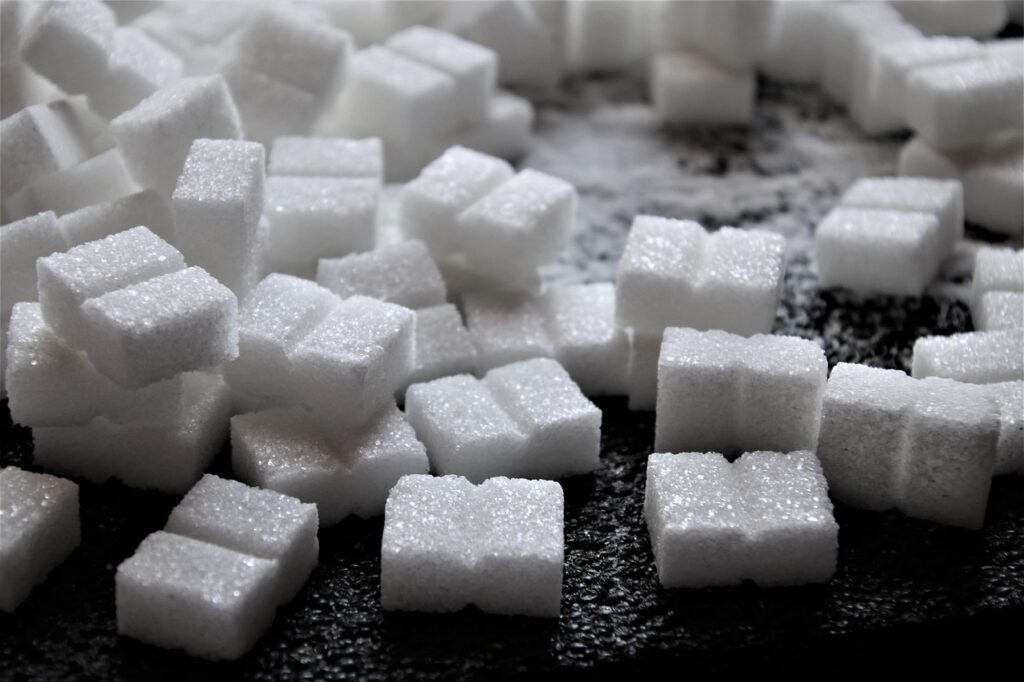
Sugar appears shelf-stable and simple, yet its production chain is complex and highly international. Most sugar originates from sugarcane or sugar beets grown in specific climates, processed in specialized mills, and shipped long distances before refining and packaging. Weather extremes such as droughts, floods, and unseasonal frost have reduced crop yields in several major producing regions, tightening global supply.
Milling and refining plants require heavy energy use and large workforces. When fuel costs spike or labor becomes scarce, production slows, and distribution backlogs build. Shipping delays at ports further complicate movement, especially when exporters prioritize larger bulk contracts over retail-packaged sugar. This creates uneven supply, where industrial buyers receive shipments while grocery inventories thin out.
Retail consumers notice the impact in both price and package size. Sugar is used in countless processed foods, so shortages ripple into bakery products, beverages, and household staples. Even when shelves remain stocked, rising wholesale costs often lead to smaller packages at higher prices. A product once considered basic and plentiful now reflects the vulnerabilities of global agricultural trade.
3. Chocolate Products Depend on a Delicate Cocoa Supply Network

Chocolate begins its journey with cocoa beans grown primarily in a few tropical regions. These crops are highly sensitive to weather shifts, soil conditions, and plant disease. When harvests fall short due to drought, heavy rains, or crop infections, global cocoa availability tightens quickly. Because production is geographically concentrated, a problem in one region can affect worldwide supply.
After harvesting, cocoa beans must be fermented, dried, shipped internationally, processed into cocoa mass and butter, and then manufactured into finished chocolate products. Each stage depends on reliable shipping schedules and temperature-controlled storage. Delays in maritime transport or port congestion can cause spoilage risks and slow factory production lines that rely on just-in-time ingredient deliveries.
Consumers often experience shortages indirectly through higher prices or smaller product sizes rather than empty shelves. Premium chocolate brands may reformulate recipes or reduce bar weights to offset ingredient costs. Seasonal items such as holiday candies are especially vulnerable since manufacturers must plan months ahead. A fragile agricultural base and complex logistics network make chocolate more supply-sensitive than many shoppers realize.
4. Wheat and Flour Supplies Reflect the Complexity of Global Grain Trade
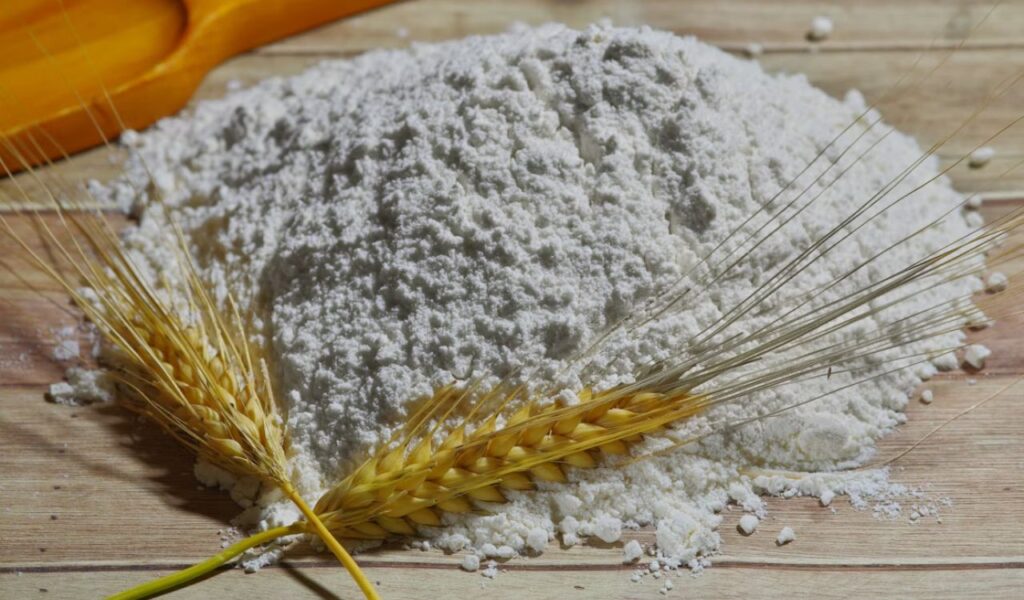
Wheat is one of the world’s most traded grains, making it essential for bread, pasta, cereals, and countless packaged foods. Major wheat producers export large volumes across continents, so transportation reliability is crucial. Weather disruptions, drought conditions, and soil degradation have reduced harvests in several agricultural regions, tightening international supply and pushing prices upward.
Milling wheat into flour requires industrial facilities that operate on strict schedules. When labor shortages, maintenance issues, or energy constraints affect these mills, production capacity falls quickly. Packaging materials and transport availability further influence how much flour reaches grocery shelves. Even a brief slowdown at a major mill can disrupt supply across multiple states or countries.
Retail shoppers often see these effects through rising prices and inconsistent availability of specialty flours. Whole wheat, bread flour, and specialty baking blends may disappear first because they are produced in smaller quantities. Flour remains available in general, but supply chain pressure changes variety and pricing. A global commodity once considered basic now mirrors the fragility of international logistics systems.
5. Fresh Produce Faces Unique Challenges Because It Cannot Wait
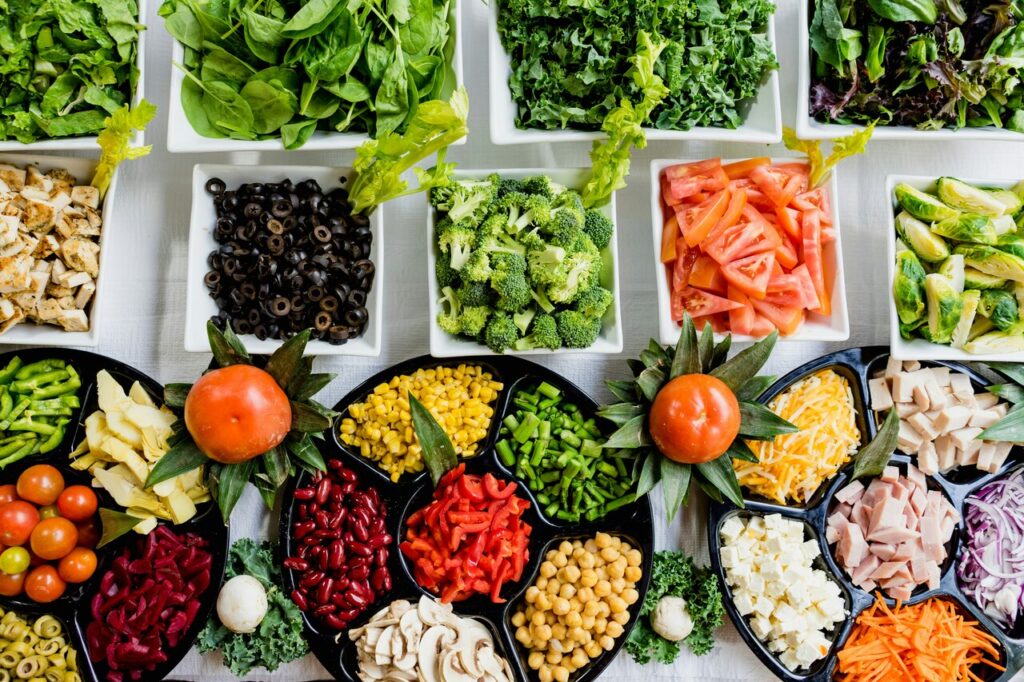
Fresh fruits and vegetables operate on a tight timeline from harvest to consumption. Unlike packaged goods, produce has a limited shelf life and requires rapid harvesting, cooling, transport, and stocking. Labor shortages on farms can delay picking schedules, leaving crops unharvested or harvested late, which reduces freshness and total usable supply.
Transportation adds another layer of vulnerability. Refrigerated trucks, known as reefer units, are essential for maintaining temperature control. Limited availability of these vehicles or rising fuel costs can delay deliveries and increase spoilage risk. Weather events such as storms or heatwaves can also disrupt transport routes and damage crops before they even leave the farm.
Retailers attempt to manage these risks by diversifying suppliers and importing produce from multiple regions. However, international shipping delays and customs slowdowns can still cause gaps in availability. Shoppers notice shorter shelf life and higher prices rather than complete stockouts. Perishable goods expose supply chain weaknesses more quickly than almost any other grocery category.
6. Dairy Products Depend on Time-Sensitive Processing and Transport

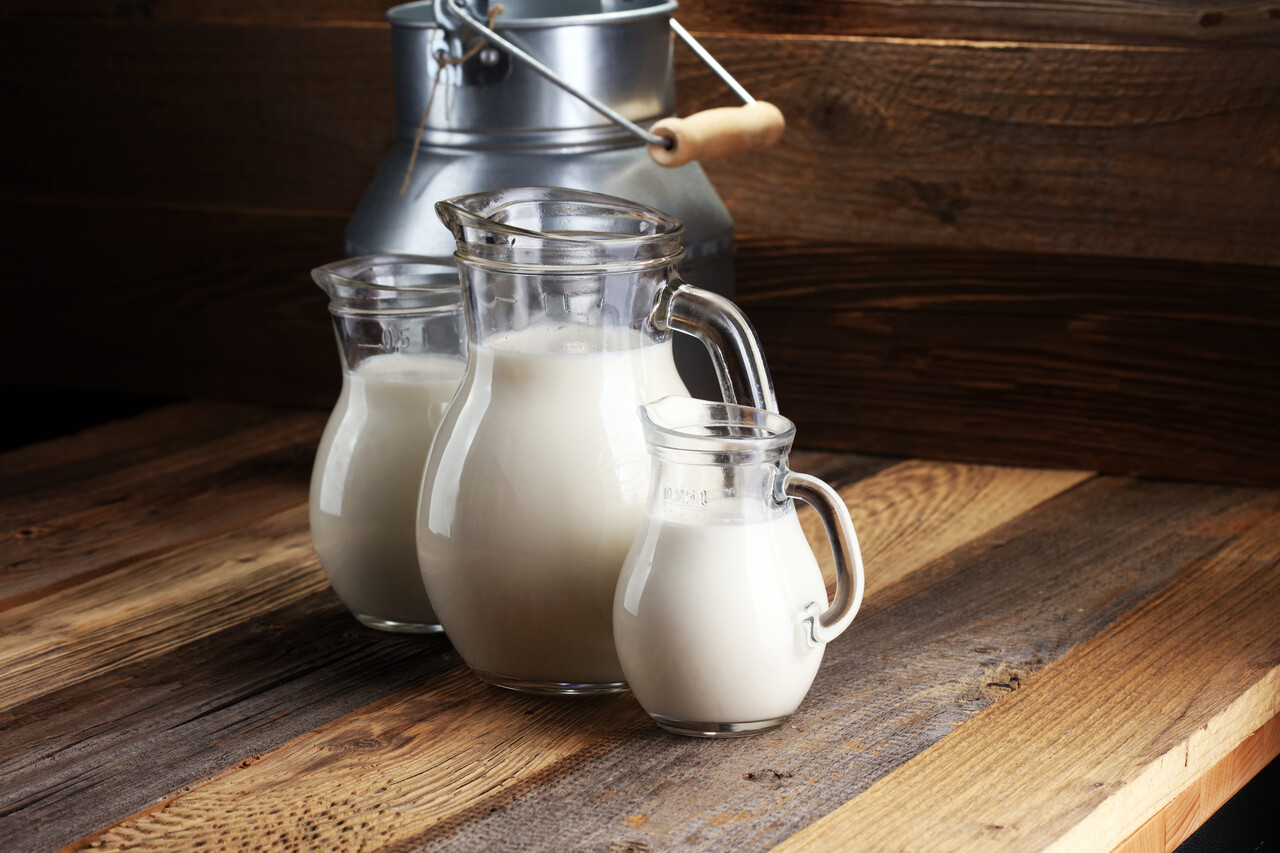
Milk, cheese, yogurt, and other dairy staples require constant refrigeration and rapid processing after production. Dairy farms operate daily milking cycles that cannot pause when transportation slows. If milk cannot reach processing plants quickly, it must be discarded, reducing the overall supply before products ever reach stores.
Processing facilities convert raw milk into pasteurized beverages, cheese, butter, and fermented products. These plants rely on specialized equipment and skilled labor. Staffing shortages or maintenance issues can slow production and create backlogs. Since dairy goods are perishable, delayed processing reduces shelf life and increases waste, tightening available inventory.
Distribution requires temperature-controlled storage and transport at every stage. Retailers must carefully manage stock rotation to avoid spoilage losses. Rising fuel costs and refrigeration expenses raise retail prices even when production remains stable. Dairy remains a daily essential, but its dependence on precise timing makes it particularly sensitive to supply chain inefficiencies.
7. Canned Goods Reveal How Packaging Can Limit Food Availability
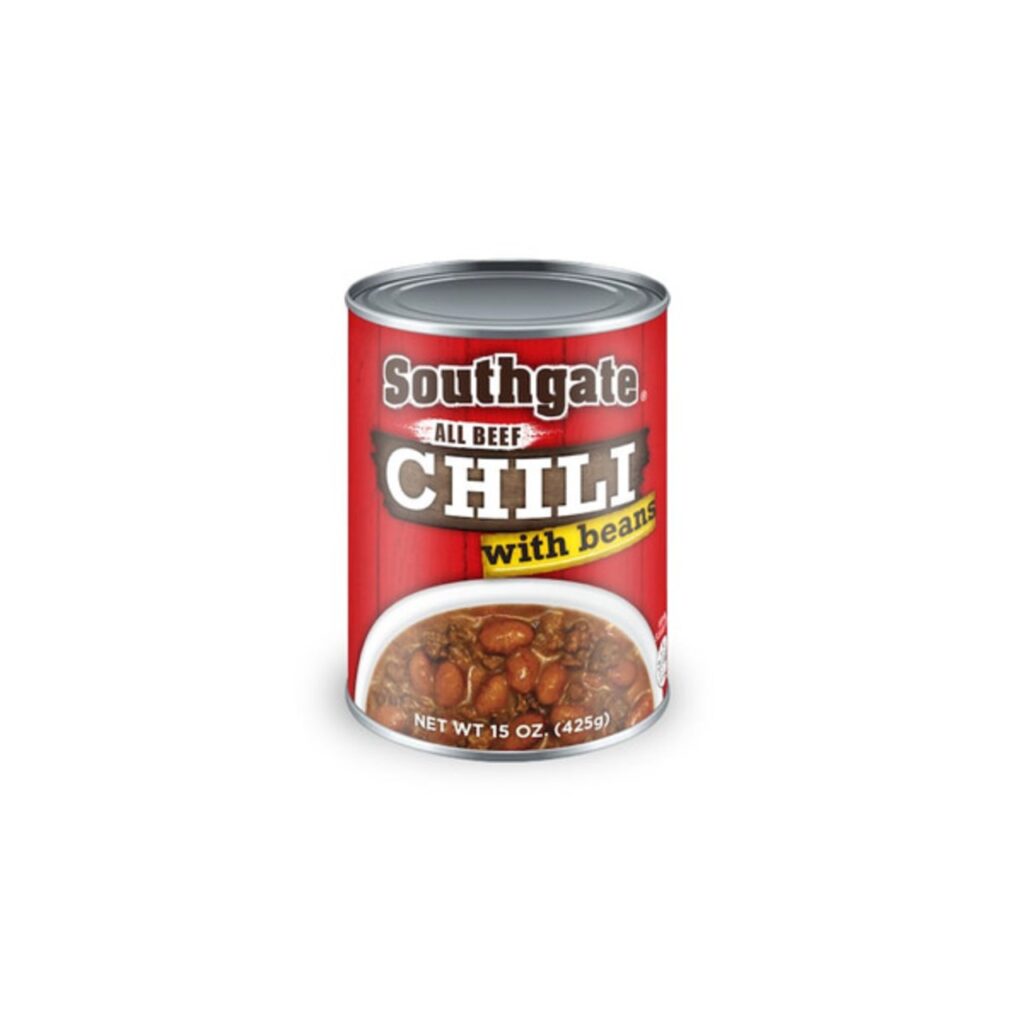
Canned foods are often viewed as emergency staples because of their long shelf life, yet their production depends heavily on packaging materials. Steel and aluminum shortages have slowed the manufacture of cans, limiting how much food processors can package even when ingredients are available.
Food processing plants must cook, sterilize, seal, and label products using specialized high-speed equipment. Any slowdown in machinery maintenance, staffing, or supply of packaging components disrupts production schedules. Because canned foods are often produced in large batches, missing a production window can delay restocking for weeks.
Transportation constraints also affect distribution since canned goods are heavy and costly to ship. Retailers prioritize high-demand items like soups and vegetables, reducing variety. Shoppers may find staple items but notice fewer brand options and higher prices. The issue is not food scarcity alone but packaging and logistics limitations that restrict supply flow.
8. Bottled Water Supply Depends on Plastic Production and Freight Capacity

Bottled water seems abundant, yet its availability relies on plastic packaging production and efficient freight systems. Plastic resin shortages can reduce bottle manufacturing, slowing the packaging process even when water sources remain stable. Labeling materials and caps also contribute to production bottlenecks.
Water bottling plants operate at high volumes and depend on continuous packaging supplies. When production slows, companies prioritize large contracts with institutional buyers, leaving retail shelves less consistently stocked. Transportation capacity also plays a role since bottled water is bulky and expensive to ship relative to its value.
Retailers often limit shelf space for bottled water due to storage costs. Supply disruptions therefore, lead to visible gaps quickly. Natural disasters and seasonal demand spikes worsen the situation as emergency needs redirect shipments. What appears to be a basic product is actually sensitive to material supply and freight economics.
9. Meat Products Reflect the Strain on Processing and Livestock Systems
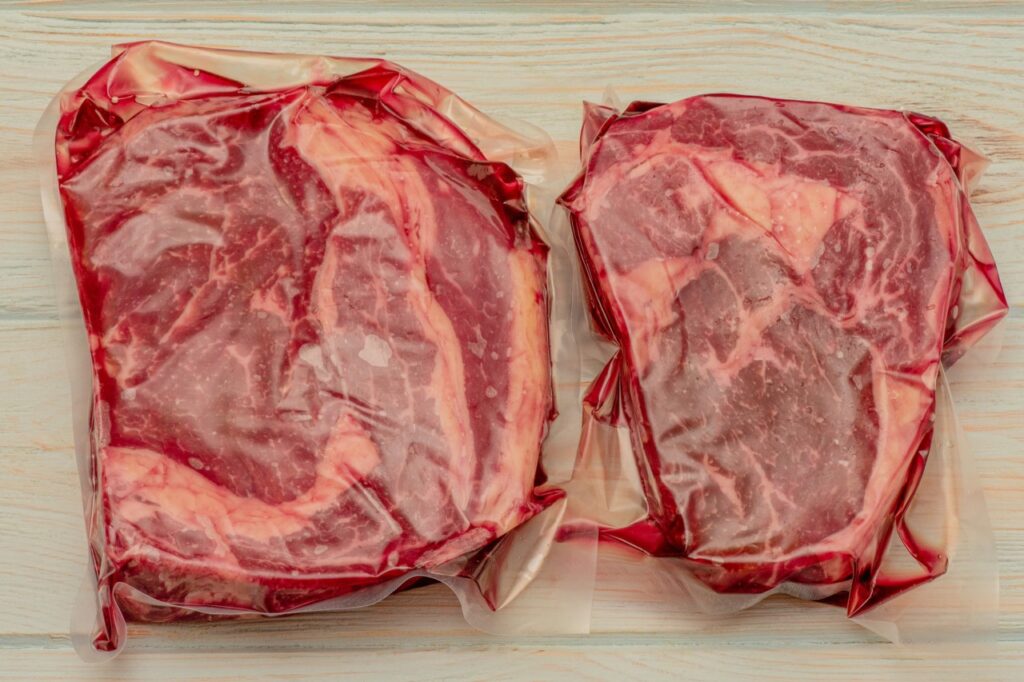
Meat supply chains begin with livestock farming, which requires feed availability, veterinary care, and long growth cycles. Farmers cannot rapidly increase production when demand rises because animals require months or years to mature. Feed price spikes and disease outbreaks further reduce herd sizes.
Processing plants present another bottleneck. Facilities must slaughter, process, package, and refrigerate meat quickly under strict safety standards. Labor shortages or plant shutdowns slow operations and create supply gaps. Since meat is perishable, delays lead to waste and reduced inventory rather than simple backlogs.
Distribution challenges include refrigerated trucking and export logistics. High fuel costs and equipment shortages increase shipping expenses, raising retail prices. Consumers notice smaller portions, higher prices, and fewer promotional sales. Meat remains available, but supply chain stress changes affordability and variety.
10. Rice and Grain Distribution Shows the Impact of Trade Disruptions
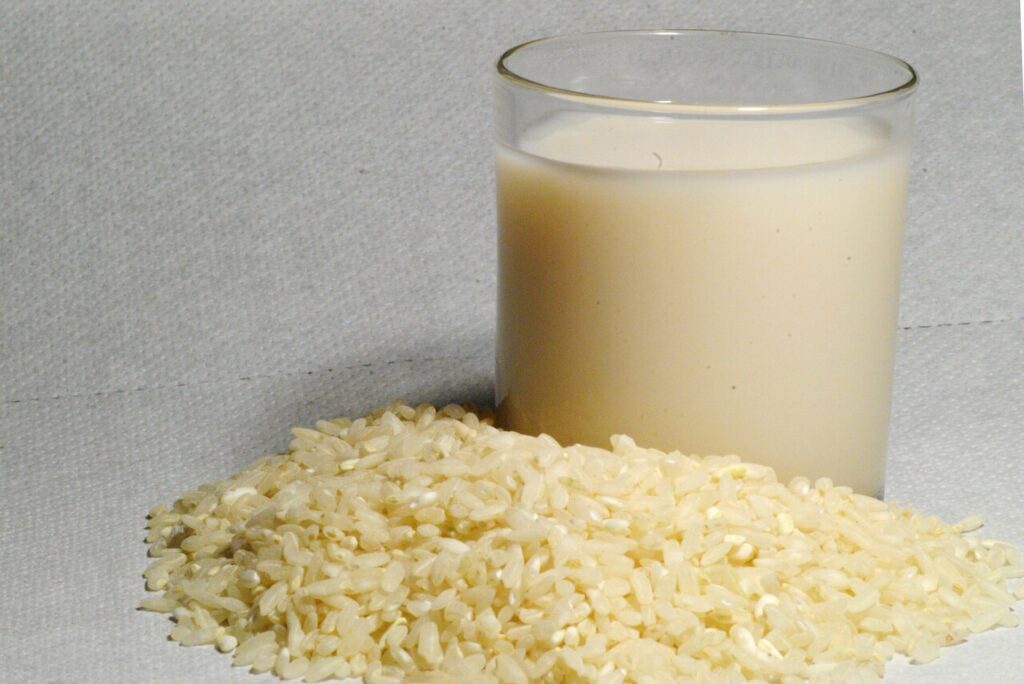
Rice and other grains are staple foods across the world, often traded internationally in large volumes. Export restrictions, port congestion, and geopolitical tensions can interrupt shipments and create uneven regional supply. Countries that rely heavily on imports are particularly vulnerable to delays.
Milling facilities process raw grains into polished rice and packaged products. Equipment maintenance issues or energy supply constraints can slow production rates. Packaging material shortages and transport limitations further affect distribution to retailers.
Retail shoppers may see steady availability of basic varieties while specialty grains become scarce. Price increases are common because importers must secure alternative suppliers at higher costs. Grains remain widely consumed, but global trade dependencies make their supply less predictable during disruptions.
11. Cooking Oils Depend on Harvest Cycles and Global Processing Networks

Cooking oils such as soybean, sunflower, and canola oil rely on oilseed harvests that occur seasonally. Poor weather conditions reduce yields and limit raw material availability for processing plants. Since oils are extracted and refined through industrial processes, any slowdown affects supply volumes.
Refining facilities require consistent energy supplies and specialized machinery. Maintenance issues or labor shortages can disrupt production schedules. International shipping delays also complicate distribution because many regions import large portions of their edible oil supply.
Consumers notice shortages through price increases and smaller bottle sizes. Restaurants and food manufacturers compete for bulk supplies, leaving retail markets tighter. Oils are everyday necessities, but their reliance on agricultural cycles and industrial processing makes them vulnerable to extended supply chain strain.
12. Flour Tortillas and Baked Staples Depend on Coordinated Ingredient Supply
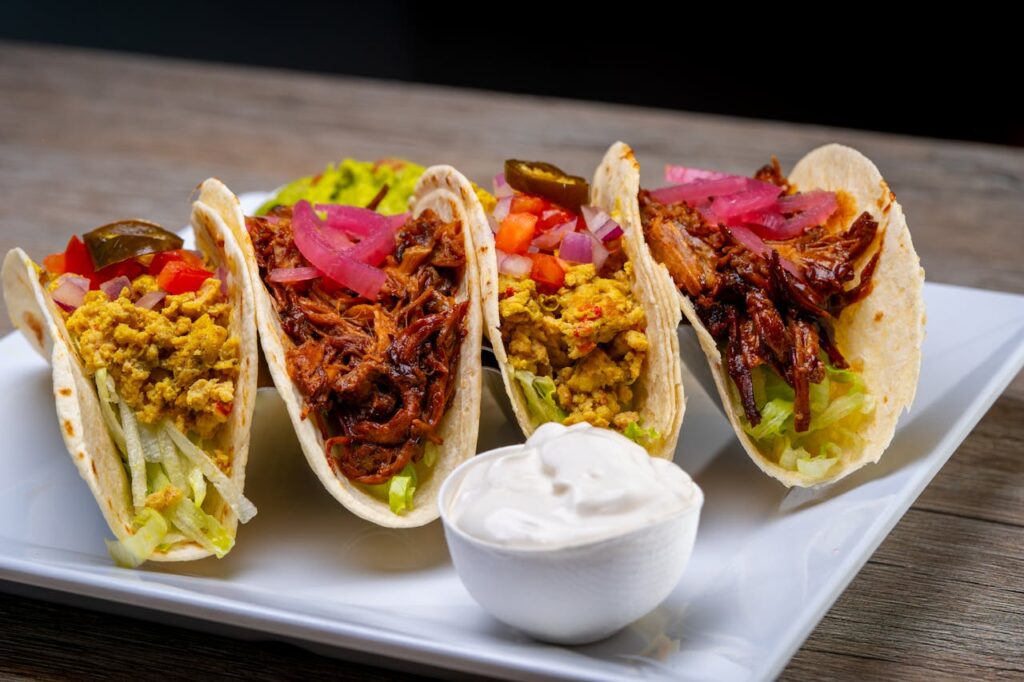
Flour tortillas and similar baked goods rely on consistent supplies of wheat flour, cooking oils, and packaging materials. When any ingredient faces shortages, production slows. Bakeries operate on tight schedules because fresh products have limited shelf life, making them sensitive to delays.
Manufacturing facilities must mix, cook, cool, package, and ship goods quickly. Equipment maintenance, labor shortages, or ingredient delays interrupt output. Since tortillas are often produced regionally, disruptions in local plants can affect entire markets.
Retailers may still stock bread alternatives, but tortilla variety and availability can decline. Price increases reflect higher ingredient and transport costs. A product once considered inexpensive and abundant now mirrors broader supply chain challenges affecting grain processing and food manufacturing.