9 Once-Popular ’80s Kitchen Staples That Quietly Disappeared

Once upon a grocery aisle, these ingredients and snack staples felt like permanent fixtures. They lived in lunchboxes, holiday spreads, and weeknight pantries without anyone questioning whether they’d still be around next year. But kitchens evolve faster than we realize. Health trends shift, convenience reshapes how people cook, and brands quietly retire products that no longer match modern habits or profit goals. Looking back at these forgotten ’80s kitchen favorites is a reminder of how much our tastes, shopping patterns, and expectations have changed, often without us noticing until something familiar is suddenly gone.
1. Mr. T Cereal
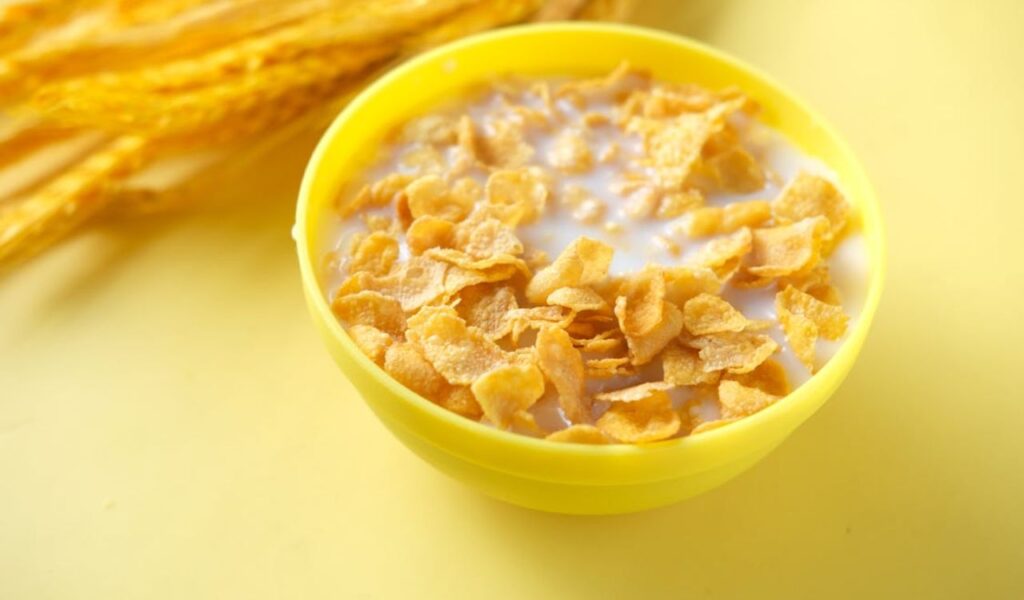
Celebrity food tie-ins were everywhere in the 1980s, and Mr. T Cereal captured that moment perfectly. Built around corn and oats with a slightly sweet crunch, it leaned heavily on the larger-than-life persona of Mr. T from The A-Team and Rocky III. Kids begged for it because the box itself felt like a toy and a badge of pop culture cool. What made it fade wasn’t taste alone, but how quickly novelty wears off when a brand depends on celebrity relevance. Once the show left prime time and new characters captured kids’ attention, the cereal lost its hook. Grocery shelves shifted toward health-focused cereals with fiber claims, whole grains, and less sugar marketing. Parents also became more skeptical about cartoon and celebrity branding aimed at kids. Without a nutritional angle or a long-term brand identity, Mr. T Cereal quietly disappeared. It’s now remembered more as a pop culture collectible than a breakfast food, showing how fast trend-driven ingredients and products can vanish once the spotlight moves on.
2. Deep-Fried Apple Pie

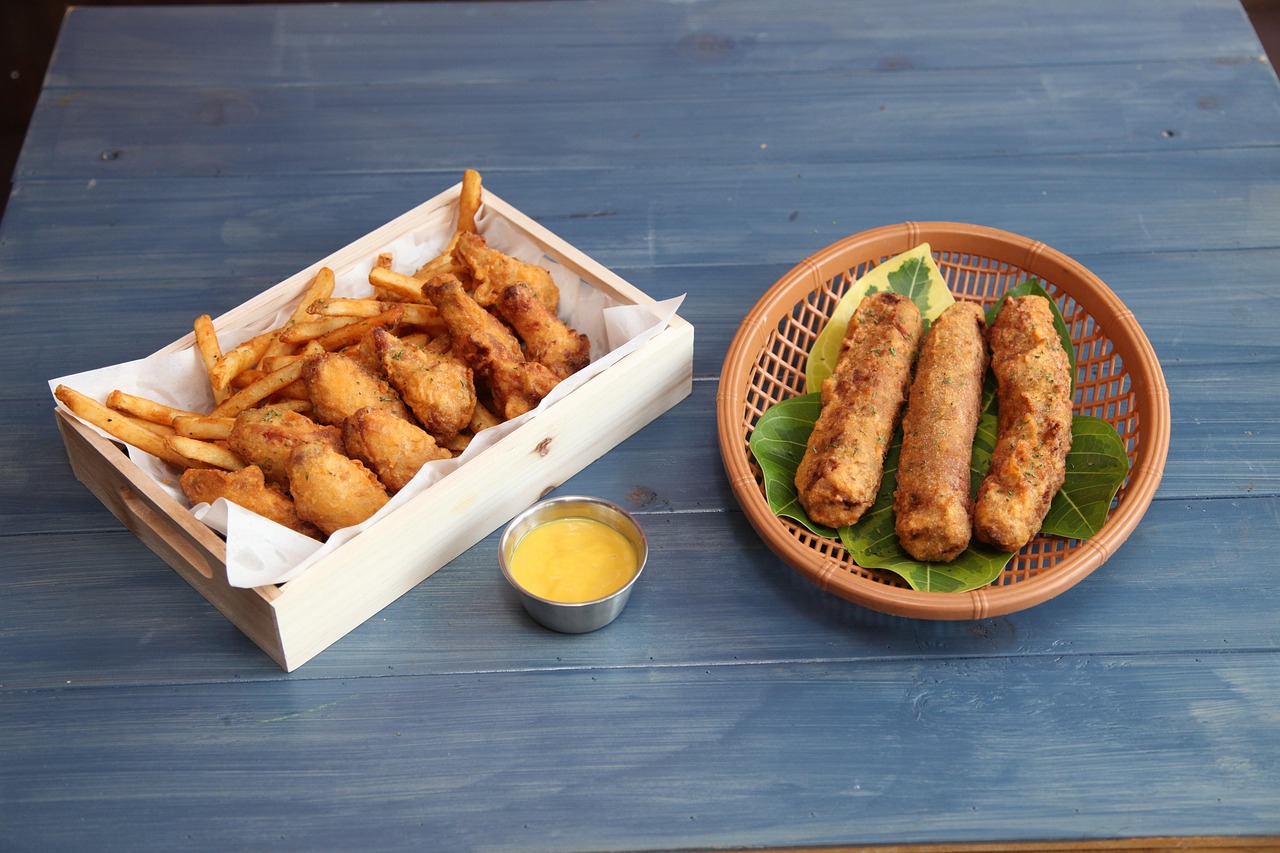
There was a time when biting into a fast-food apple pie meant cracking through a blistered, flaky shell filled with molten cinnamon apples. Deep-fried apple pies delivered texture and indulgence in a way baked versions simply don’t. The shift away from frying came as fast-food chains faced growing pressure around nutrition, oil quality, and calorie counts. Fryers require more maintenance, oil disposal costs, and food safety oversight. Baking allowed for easier standardization across locations and better alignment with changing health messaging. Consumers slowly accepted the softer crust even if it sacrificed crunch and richness. At home, people followed the same pattern, moving away from deep frying due to cleanup, oil waste, and safety concerns. What this really means is that flavor sometimes loses to convenience and perception. The fried version didn’t disappear because people disliked it, but because operating realities and health optics reshaped how dessert items were made and marketed.
3. Chocolate-Covered Ritz Crackers with Peanut Butter
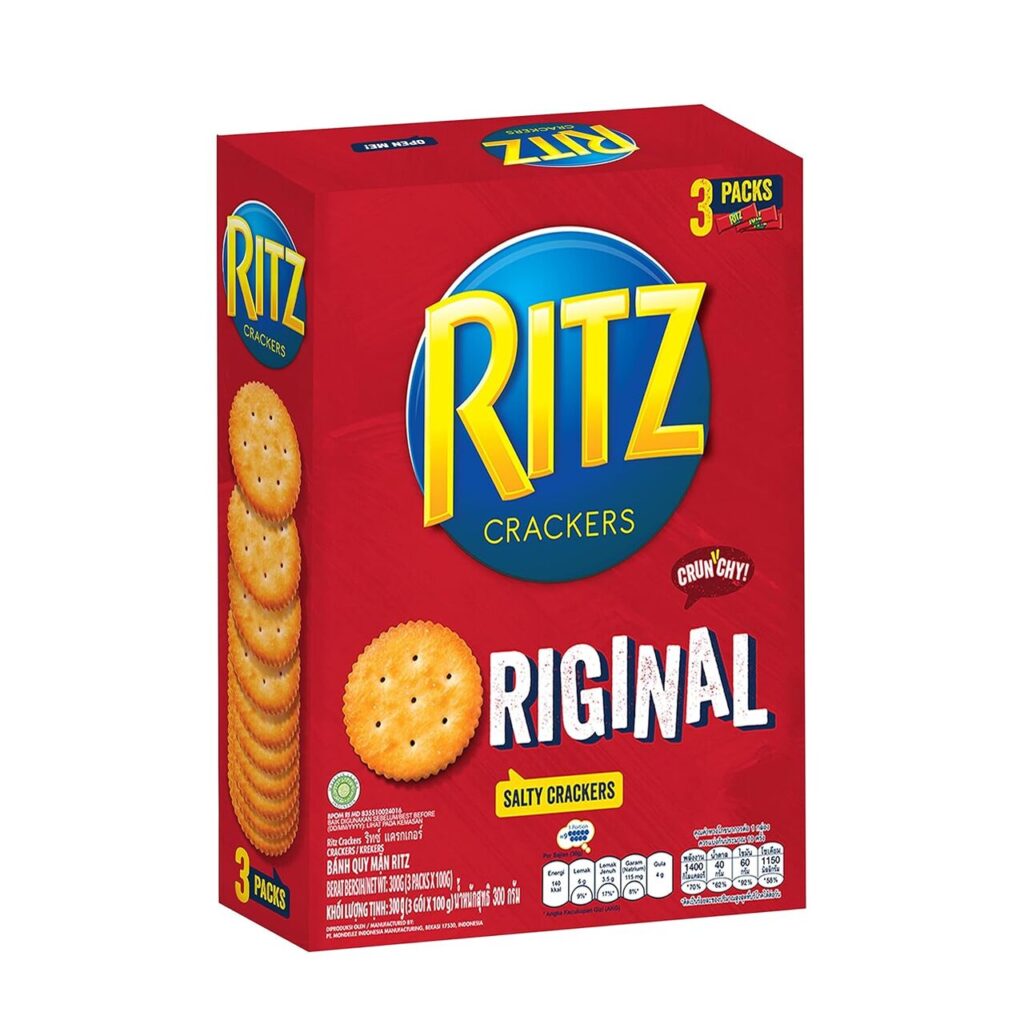
This snack blurred the line between candy and pantry improvisation. A Ritz cracker spread with peanut butter and dipped in melted chocolate became a common holiday tray staple because it required no baking and used ingredients already sitting in most kitchens. It delivered salty, sweet, creamy, and crunchy all at once. Over time, convenience foods evolved and ready-made snacks filled that same craving with less mess and more shelf life. Supermarkets introduced endless packaged chocolate snacks, nut clusters, and filled wafers that replaced homemade assembly treats. Food safety awareness also changed how people approached homemade items for potlucks and school events. Chocolate coating melts easily, and peanut butter can raise allergy concerns in group settings. As entertaining styles became simpler and more store-driven, this homemade classic quietly slipped away. It remains nostalgic for many families, but the shift toward grab-and-go packaged treats reduced the need for labor-intensive snack crafting at home.
4. Homemade Chex Party Mix
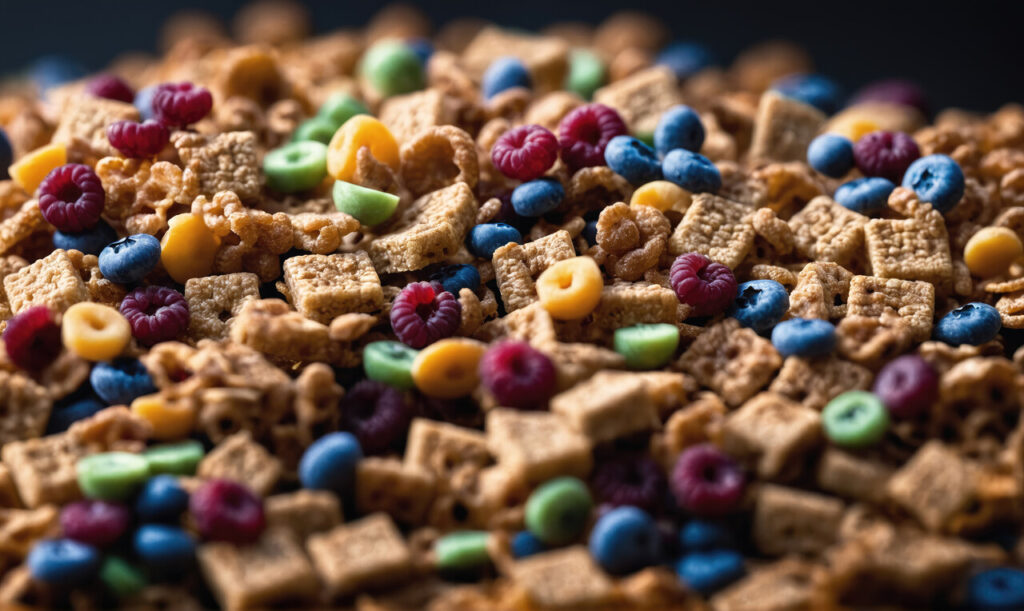
Making party mix used to feel like a ritual. Bowls of cereal, pretzels, nuts, melted butter, and seasoning filled kitchens with toasted aromas during holidays and game days. It wasn’t just food, it was a shared activity. The decline came when manufacturers started selling pre-seasoned mixes in resealable bags that tasted consistent and required zero cleanup. Modern households also have less time and fewer large gatherings that justify making huge batches. Ingredient costs rose, and ovens running for long baking cycles became less appealing from an energy standpoint. People also became more conscious of sodium and fat content, making the traditional butter-heavy mix less attractive. What replaced it was convenience and predictability. Homemade versions still appear in nostalgic kitchens, but the default shifted toward buying instead of baking. The disappearance isn’t about flavor loss. It’s about how cooking habits evolved toward speed, portion control, and minimal cleanup.
5. Velveeta Fudge
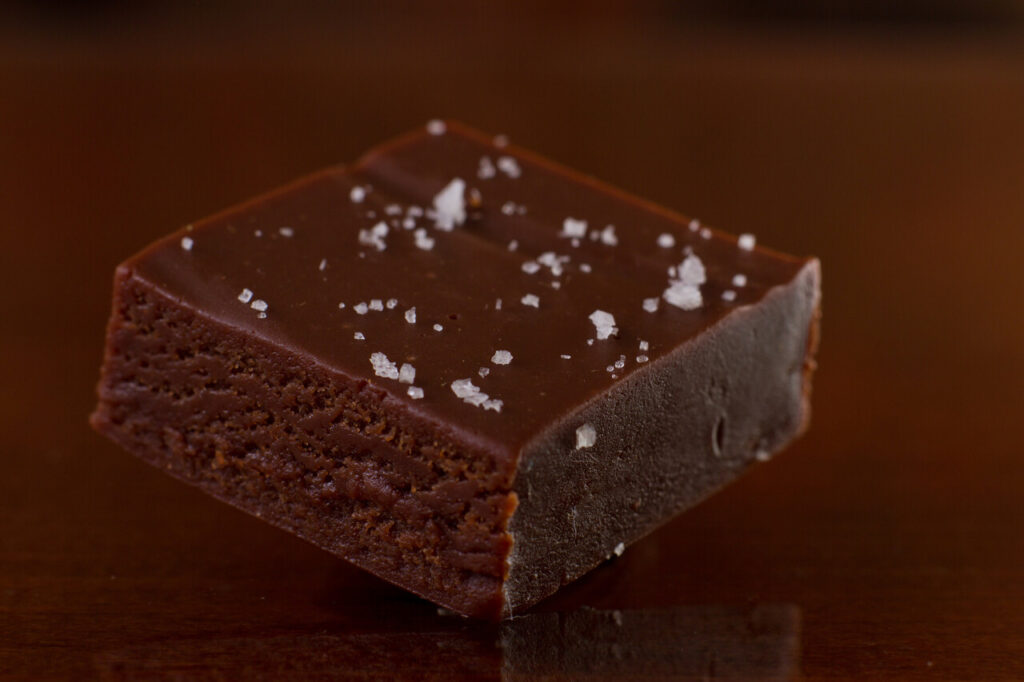
Velveeta fudge sounds strange now, but processed cheese once symbolized modern kitchen efficiency. The smooth emulsified texture melted evenly and created a creamy mouthfeel in sweet recipes without the need for tempering chocolate or managing dairy separation. As ingredient transparency became more important, consumers moved away from heavily processed products in desserts. Labels mattered more, and cheese in candy began to feel artificial rather than clever. Better chocolate availability and easier baking resources also made traditional fudge recipes more accessible. Home cooks learned techniques through television and online videos that reduced reliance on shortcut ingredients. Taste expectations shifted toward richer cocoa flavor and less sugary heaviness. Velveeta itself became more closely associated with savory comfort foods like queso and casseroles, further distancing it from dessert experimentation. The idea didn’t vanish overnight. It slowly faded as cooking culture embraced cleaner ingredients and more intentional flavor profiles.
6. Doritos Salsa Rio Chips
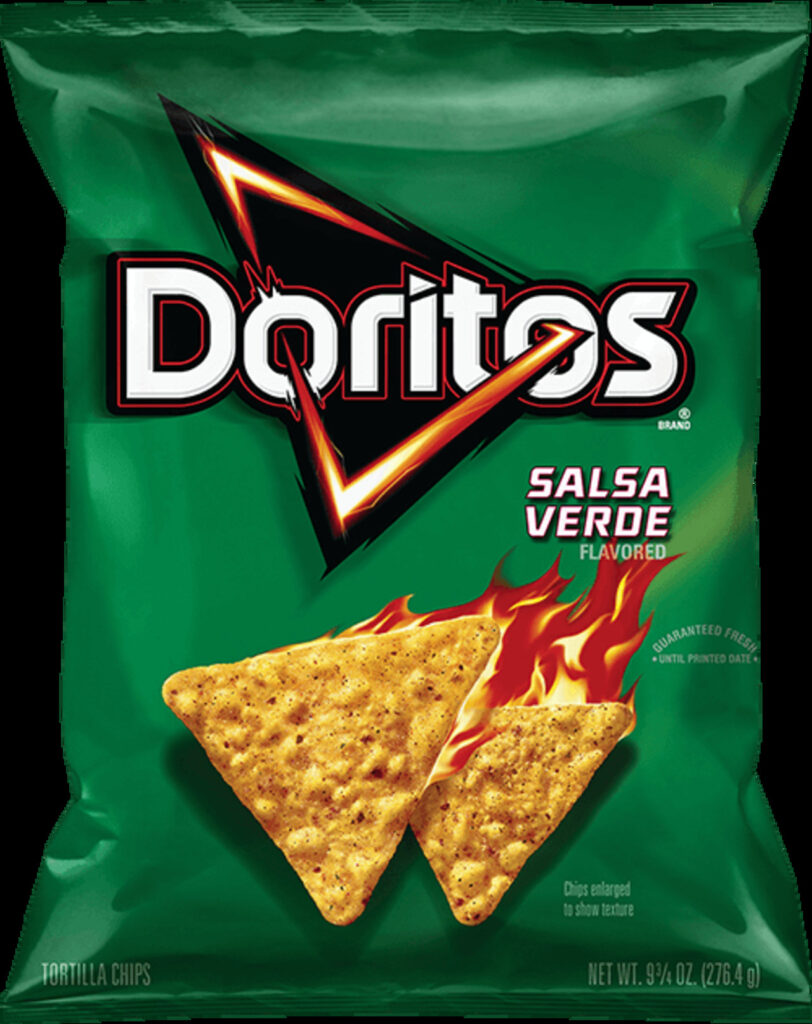
Snack flavors in the 1980s leaned bold and experimental. Salsa Rio combined tomato tang, spices, and sweetness in a way that felt exciting when fewer global flavors were widely available. As palates expanded and grocery aisles filled with authentic regional chips, Salsa Rio lost its novelty edge. Consumers began favoring sharper heat profiles, real pepper blends, and less sugary seasoning. Manufacturing also focuses on high-volume winners that move consistently across regions. Niche flavors struggle to justify shelf space. Once a flavor drops below velocity targets, it often disappears quietly. This is why many beloved snack flavors live on only in memory. Salsa Rio became a casualty of evolving taste preferences and retail efficiency. The disappearance reflects how quickly snack culture cycles through trends as consumers constantly seek new sensory experiences.
7. Keebler Tato Skins

Tato Skins capitalized on the loaded potato craze, delivering thick, crunchy chips flavored with cheese, bacon, and sour cream notes. They were filling and bold but also heavy in sodium and fats. As snack marketing moved toward lighter textures and cleaner ingredient messaging, dense potato snacks lost favor. Storage and freshness challenges also impacted shelf life consistency. Even when rebooted later, the product never recaptured its original appeal because consumer expectations had changed. Today’s snack buyers look for air-popped, baked, or vegetable-based options more often than ultra-rich chips. The shift reflects a broader trend toward perceived moderation even in indulgent categories. Tato Skins became a reminder of how indulgence cycles out when wellness narratives reshape buying behavior.
8. Nabisco Giggles Cookies
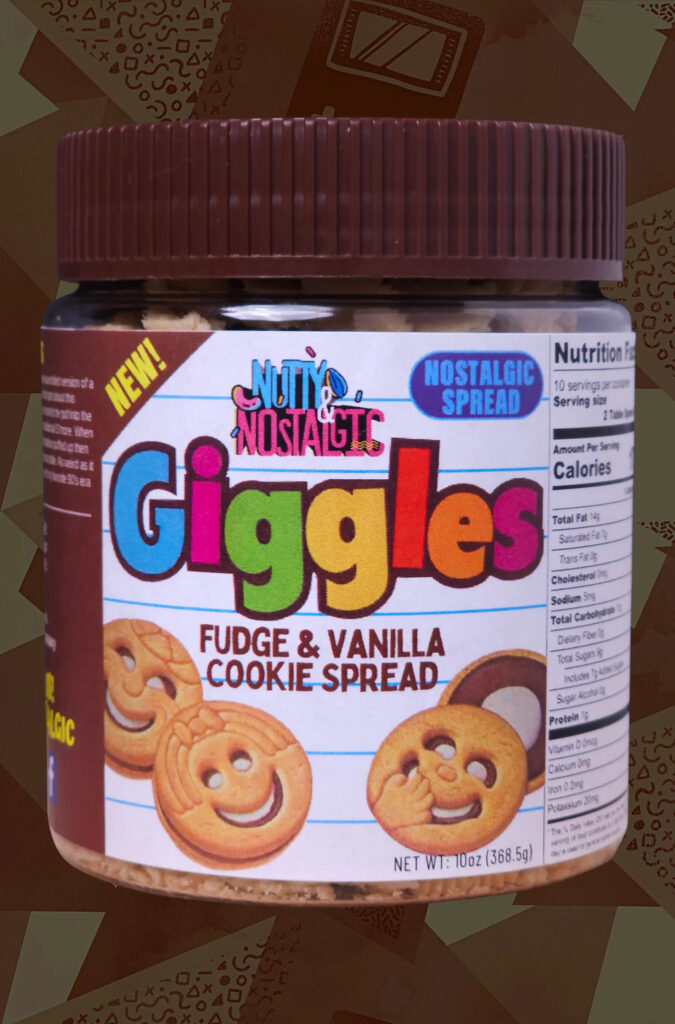
Giggles cookies were designed to entertain as much as feed. Smiling faces sandwiched around cream filling appealed directly to children’s imaginations. Over time, snack parents became more ingredient conscious and less drawn to novelty branding. Portion control, sugar awareness, and ingredient simplicity gained priority. Retail competition also intensified with private label cookies and global brands offering better price value. Shelf space narrowed, making it harder for novelty items to survive without consistent volume. What once felt playful began to feel unnecessary. Children’s tastes also shifted toward chocolate-forward and snack-pack formats rather than themed cookies. Giggles faded quietly as the snack aisle matured and purchasing decisions became more practical.
9. Carnation Breakfast Bars
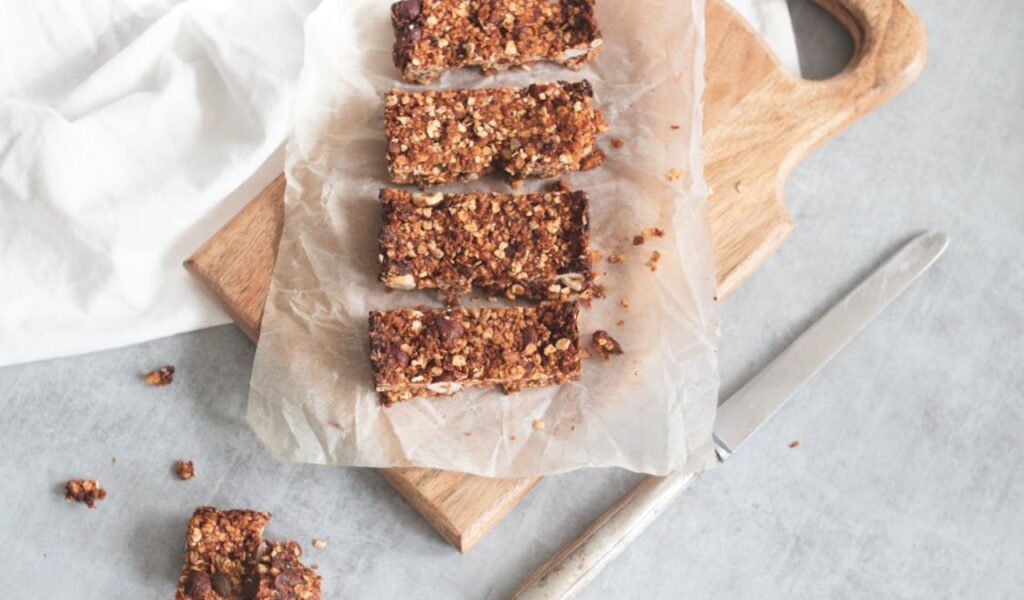
Breakfast bars promised nutrition, portability, and convenience long before protein bars flooded the market. They were often fortified with vitamins and marketed as complete meal replacements. As nutrition science evolved, consumers began questioning sugar content, ingredient processing, and protein quality. New brands offered cleaner labels, higher protein counts, and functional benefits like fiber and probiotics. Packaging design and flavor innovation also advanced, leaving older formulas behind. Retailers favored modern brands with stronger health positioning. Carnation bars slowly lost shelf presence as competition intensified. The disappearance illustrates how nutrition trends evolve rapidly and how products must continuously adapt to remain relevant.