8 Cakes With Surprisingly Strange Flavors That Somehow Work

Some cake flavors sound like a dare rather than a dessert order. Herbs, flowers, spices, even cocktail notes don’t exactly scream birthday party at first glance. But here’s the thing. When the right ingredients are paired with intention and balance, strange combinations can unlock depth, aroma, and contrast that traditional chocolate or vanilla simply can’t touch. Many of these cakes borrow ideas from global baking traditions, pastry kitchens, and flavor science, where sweetness is layered with bitterness, acidity, or gentle heat to keep the palate engaged. It often means more interesting, more memorable, and far more rewarding than expected. These cakes prove that curiosity in the kitchen can turn unlikely pairings into desserts people talk about long after the last slice is gone.
1. Pistachio and Rose Cake
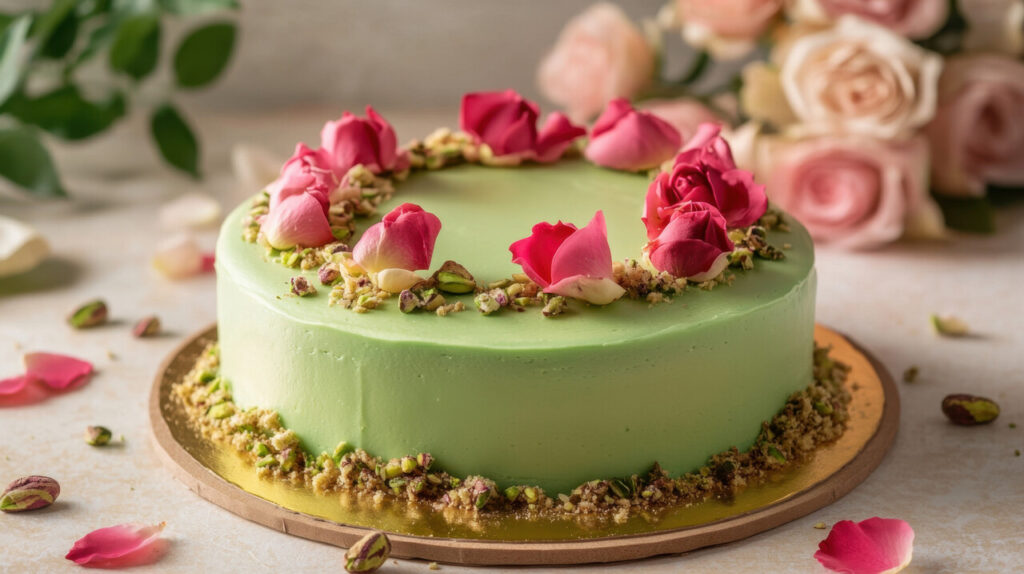
At first glance, pistachio and rose sound like they belong in a perfume bottle, not a cake pan. Here’s the thing though. This pairing has deep roots in Middle Eastern and South Asian desserts, where floral waters and nuts are used to create layered sweetness rather than blunt sugar overload. Pistachio brings a naturally buttery, slightly savory depth that keeps the cake grounded. Rose water, when used sparingly, adds a soft aromatic lift that feels clean and elegant instead of soapy. The real magic happens in balance. Too much rose overwhelms the palate, but a light hand lets the nutty richness shine while leaving a gentle floral finish. Texture matters too. Finely ground pistachios create a moist crumb that holds up well to syrup soaks or whipped cream fillings.
2. Chocolate Chili Orange Cake
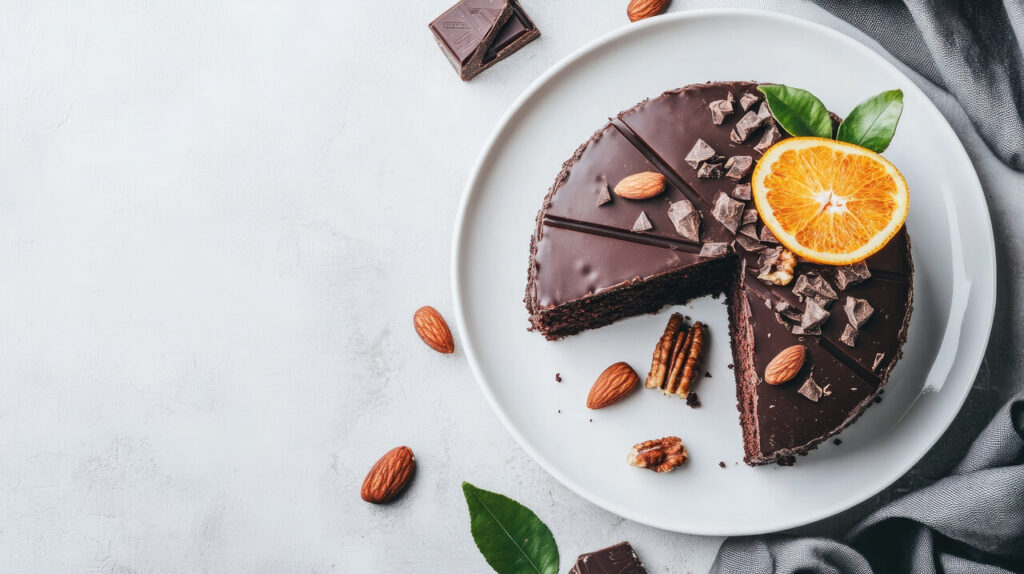
Chocolate and chili already share a long history in Mexican cuisine, but adding orange pushes this cake into bold, surprising territory. The cocoa brings bitterness and depth, the orange delivers bright acidity, and the chili introduces gentle heat that lingers rather than burns. When done right, the spice doesn’t dominate. It wakes up the palate and amplifies the chocolate’s richness instead of masking it. The citrus oils from orange zest cut through the density of cocoa, preventing the cake from feeling heavy or flat. Bakers often infuse the chili into syrup or ganache so the heat stays controlled and evenly distributed. The result feels dynamic rather than chaotic. Each bite moves from sweet to bright to warm in a smooth progression. Texture also plays a role.
3. Filter Coffee and Walnut Cake
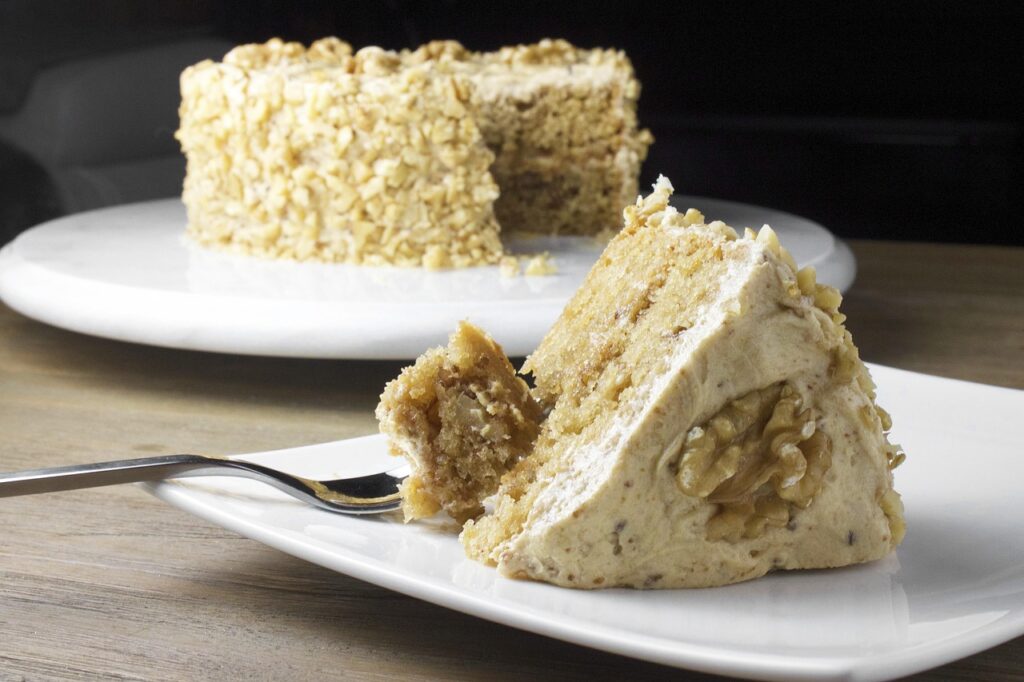
Coffee in cake isn’t unusual, but strong brewed filter coffee paired with walnuts creates a deeper, more complex experience than standard mocha desserts. The bitterness of coffee amplifies cocoa notes even in cakes without chocolate, while walnuts introduce earthy crunch and subtle oiliness. Together they create a flavor that feels grown-up, grounded, and comforting at the same time. Coffee also enhances moisture retention in batter, keeping the crumb tender for days. Walnuts bring structural contrast that prevents the cake from feeling soft and monotonous. Many bakers lightly toast the nuts first, which releases aromatic oils and adds a faint caramel note. Frostings often stay restrained, leaning toward cream cheese or light buttercream rather than heavy sweetness. What this really means is that the cake feels balanced rather than sugary. It pairs naturally with afternoon tea or breakfast coffee, making it versatile beyond dessert tables. The flavor works because both ingredients share roasted undertones, allowing them to reinforce each other instead of competing.
5. Lemon and Thyme Cake
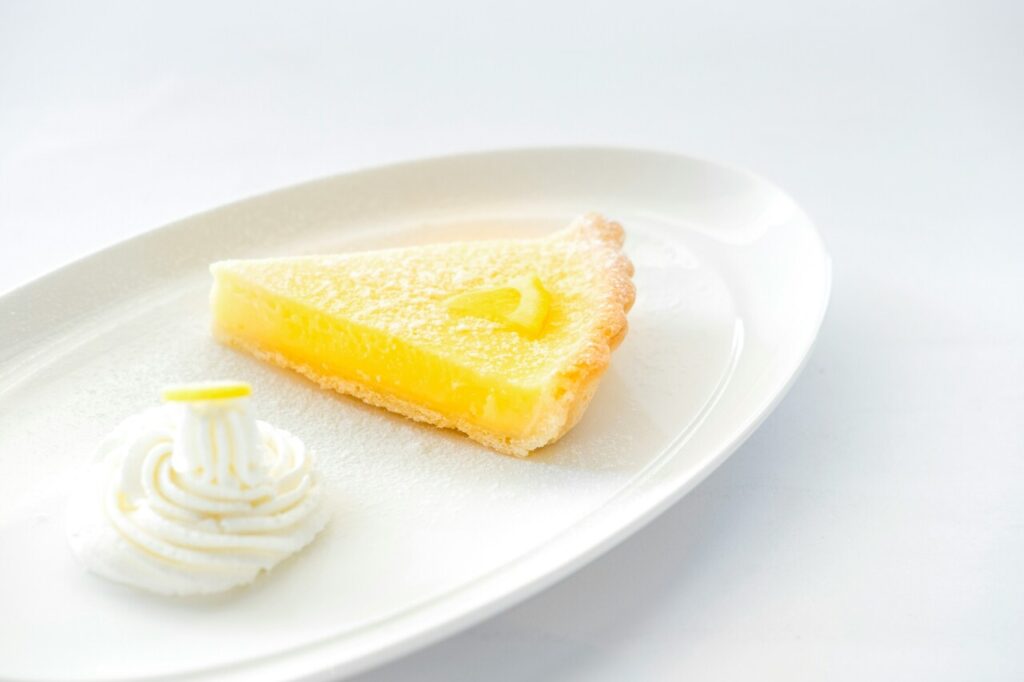
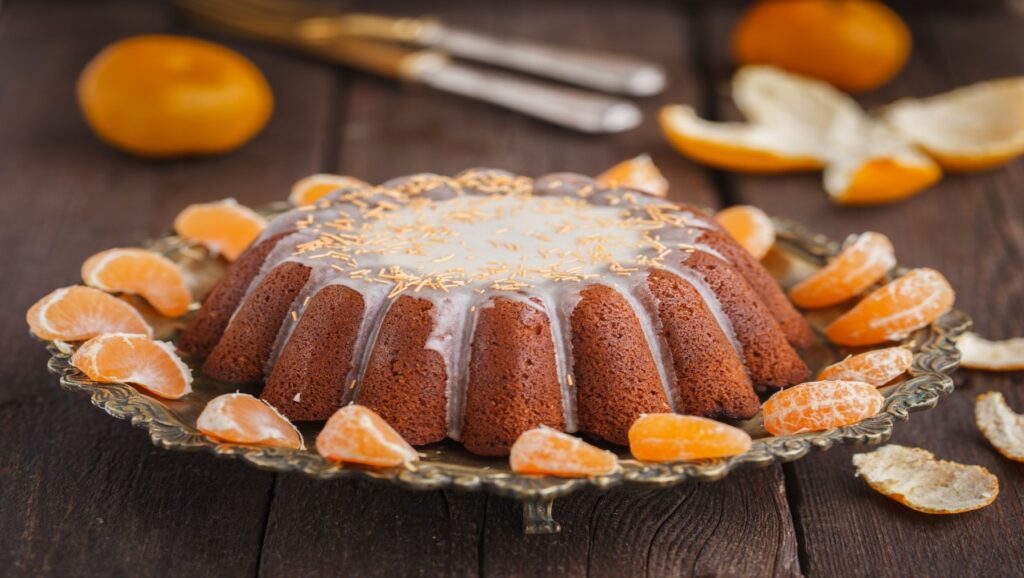
Herbs in dessert can sound risky, but thyme brings a subtle earthiness that complements citrus beautifully when handled with care. Lemon delivers sharp brightness that cuts through richness, while thyme adds gentle complexity without shouting for attention. The key is infusion control. Fresh thyme is often steeped into milk or syrup so its flavor remains delicate and aromatic rather than bitter. Lemon zest contributes essential oils that create lingering freshness, keeping the cake from tasting flat. The combination feels refreshing rather than sweet-heavy, which makes it especially appealing after rich meals. Texture matters too. A lighter crumb allows herbal notes to disperse evenly, preventing concentrated pockets of flavor. Bakers often glaze the cake with lemon syrup to lock in moisture and amplify aroma. This pairing works because herbs naturally enhance citrus in savory cooking, and the same logic applies in dessert when sugar levels stay moderate. It feels unexpected but intuitive once tasted.
6. Lavender and Lemon Cake
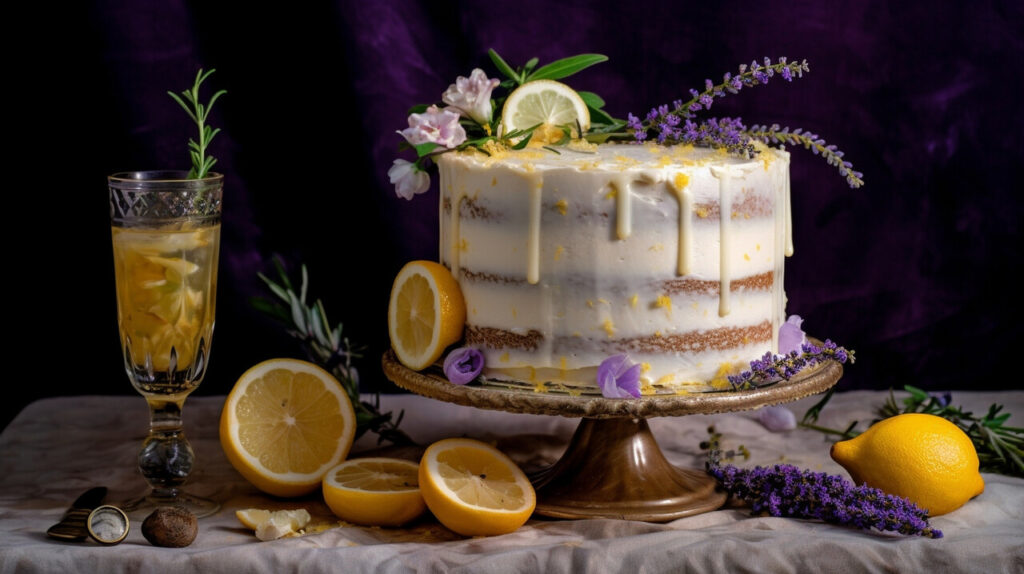
Lavender walks a fine line between soothing and overpowering. In small doses, it adds gentle floral depth that pairs beautifully with lemon’s acidity. Lemon keeps the lavender from drifting into medicinal territory by providing clarity and lift. The trick is precision. Culinary-grade lavender must be finely ground or lightly infused to prevent bitterness. Bakers often steep lavender into milk or sugar rather than adding it directly to batter. The result is fragrance without grit. Lemon zest reinforces brightness and creates a clean finish on the palate. Texture again plays a role. A soft crumb helps the floral aroma bloom gradually instead of hitting all at once. Frostings are usually restrained, favoring light citrus glazes or whipped mascarpone. What this really means is that this cake feels calming yet lively at the same time. It works because both flavors enhance freshness rather than adding heaviness, making it ideal for warm weather or afternoon gatherings.
7. Orange and Rosemary Cake
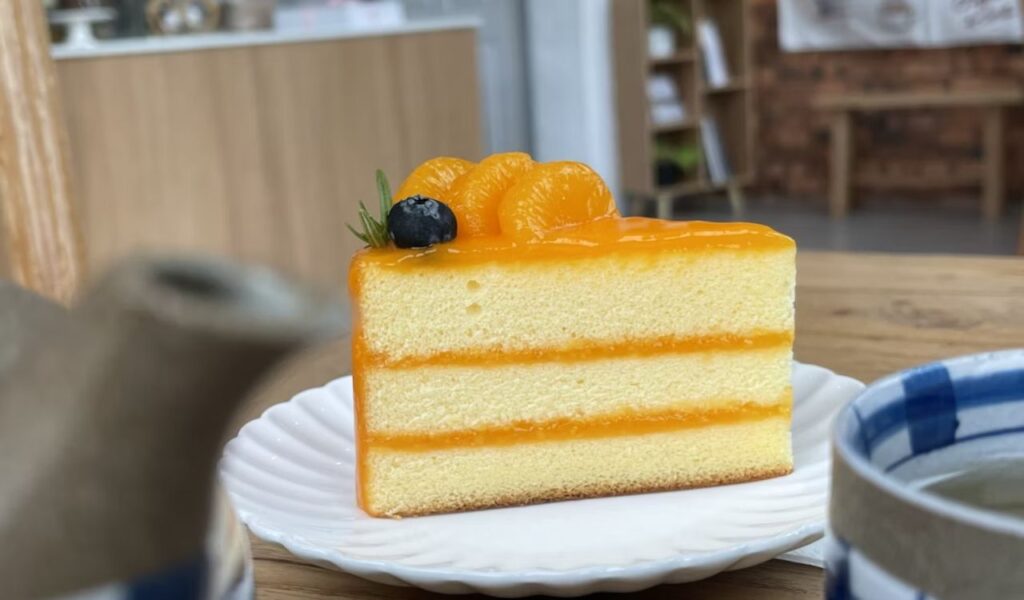
Rosemary might seem too savory for dessert, but its piney, resinous aroma pairs surprisingly well with sweet citrus. Orange provides juicy sweetness and natural acidity that balances rosemary’s intensity. When rosemary is finely chopped or infused into syrup, it delivers fragrance without rough texture. Bakers often use olive oil in this cake, which adds fruity depth and keeps the crumb moist for longer storage. Olive oil also bridges savory and sweet flavors, helping rosemary feel more at home in dessert. The cake often finishes with citrus glaze that locks in brightness and prevents dryness. What this really means is that this cake feels rustic and Mediterranean rather than strange. The flavors echo savory baking traditions while staying firmly in dessert territory. It’s bold yet comforting, making it memorable without feeling gimmicky.
8. Chocolate and Earl Grey Cake
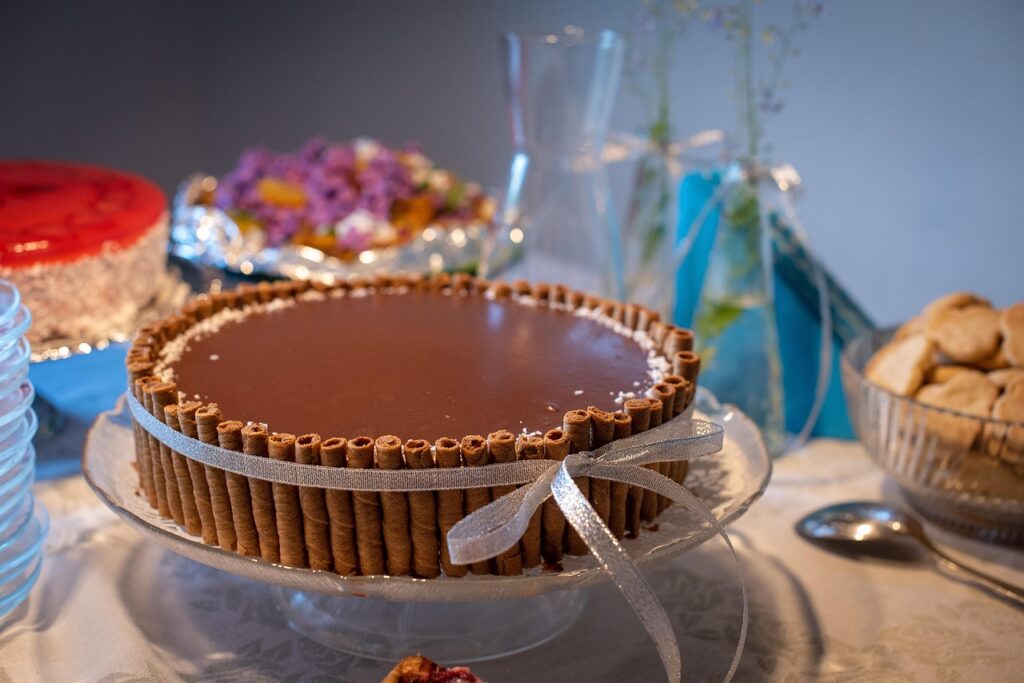
Earl Grey tea carries bergamot citrus oils that bring floral brightness to rich chocolate. When tea leaves are steeped into milk or cream, the aromatic oils infuse evenly into batter or ganache. The result is chocolate that tastes deeper, brighter, and more complex rather than heavier. Bergamot cuts through cocoa bitterness and adds perfume-like elegance without sweetness overload. Texture plays a role too. Moist chocolate crumb allows tea aromas to bloom gradually with warmth. Frostings often stay simple so the tea remains noticeable. What this really means is that this cake feels refined and layered instead of sugary and dense. It works because citrus oils naturally amplify cocoa aroma, creating a sophisticated dessert profile that feels restaurant-worthy yet approachable at home.
9. Smoked Old-Fashioned Cake
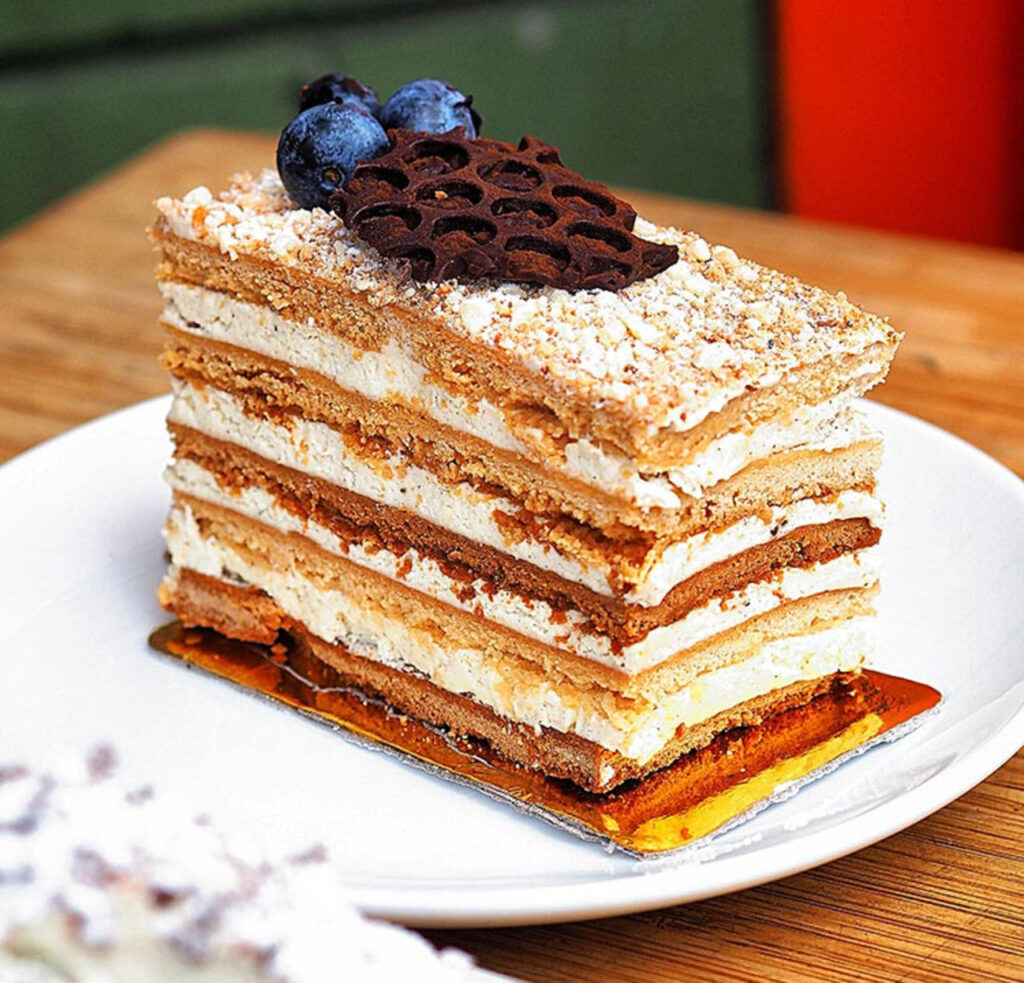
Turning a cocktail into a cake sounds risky, but the smoked Old-Fashioned profile translates surprisingly well into baked form. Bourbon brings caramel warmth and vanilla depth, orange zest adds brightness, and cherry contributes gentle fruit sweetness. Light smoke flavor adds complexity without bitterness when applied carefully through smoked sugar or wood-infused syrups. Alcohol evaporates during baking, leaving behind aroma rather than harshness. The crumb often leans toward buttery pound cake or moist sponge to carry layered flavors evenly. Glazes typically mirror cocktail notes, reinforcing cohesion. What this really means is that this cake feels indulgent and nostalgic rather than novelty-driven. It works because the flavor components already complement each other in liquid form. Baking simply transforms them into a new texture while preserving balance and warmth.