9 Grocery Store Ready Foods Shoppers Say Miss the Mark on Quality

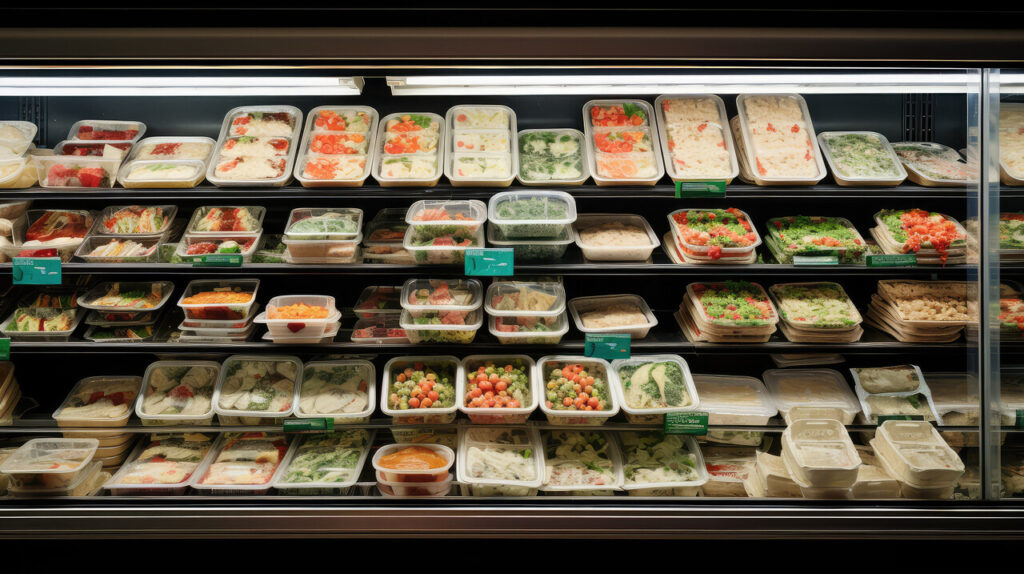
Grocery store shelves are packed with ready-to-eat foods that promise speed, savings, and dependable quality. On paper, they solve real problems for busy shoppers who want quick meals without cooking from scratch. In practice, many of these products quietly disappoint once they make it home. Flavors feel watered down, textures change in strange ways after heating, and freshness rarely matches what the packaging suggests. What this really shows is how much quality matters once convenience becomes routine. When taste, texture, and value fall short, loyalty fades fast, even for products that once felt like pantry staples.
1. Canned Chili That Promises Hearty Comfort but Delivers Thin Flavor
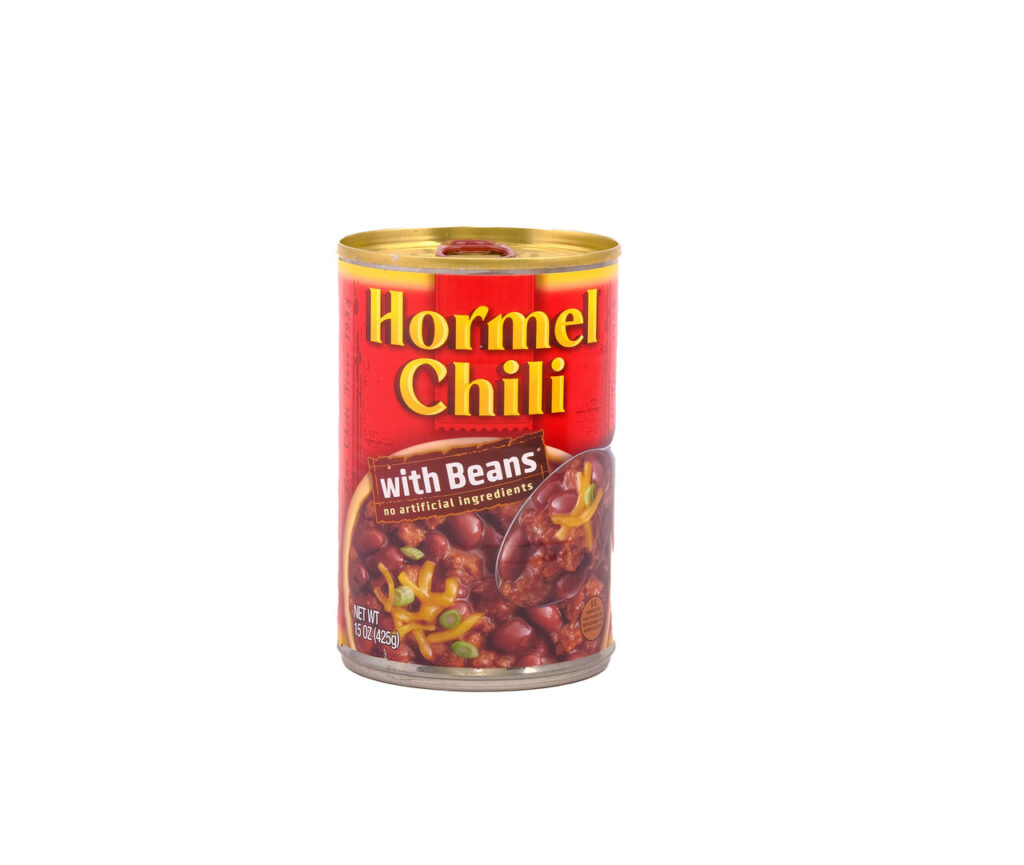
Here’s the thing about canned chili. People buy it expecting a rich, slow-simmered meal in minutes, something thick with beans, spices, and tender meat that actually feels filling. What many shoppers end up opening instead is a watery sauce with scattered ingredients and muted seasoning. The balance often leans too salty without enough depth from chili powder, cumin, garlic, or slow-cooked tomato richness. Texture is another letdown. Beans can feel chalky, meat pieces can be sparse or oddly soft, and the broth-like base never quite coats a spoon the way real chili should. Manufacturing shortcuts play a role here. To keep shelf life stable and costs down, formulas rely heavily on stabilizers, excess liquid, and conservative spice levels that won’t offend sensitive palates.
2. Canned Chicken That Looks Convenient but Feels Unnatural
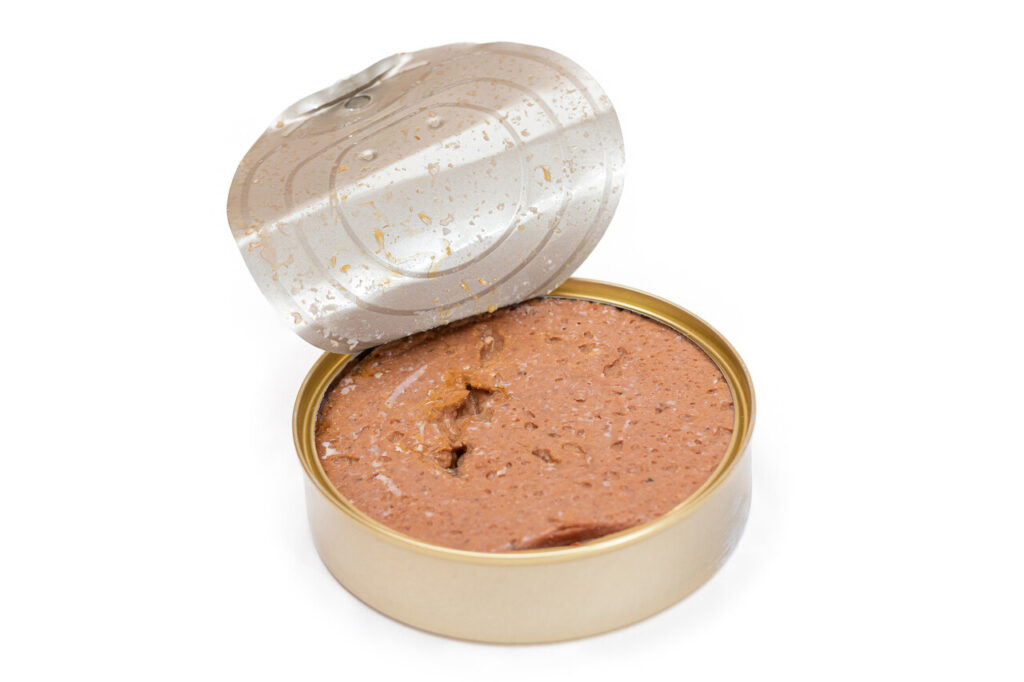
At first glance, canned chicken sounds like a smart shortcut for salads, wraps, and quick casseroles. The problem shows up the moment the lid comes off. The texture often feels spongy, stringy, or oddly gelatinous from the packing liquid and pressure cooking process. Flavor rarely resembles fresh or rotisserie chicken, leaning bland or aggressively salty instead of clean and savory. Protein fibers break down under high heat during canning, which changes the mouthfeel and removes the juicy bite people expect from poultry. Sodium levels are usually elevated to maintain safety and shelf stability, making it harder to control seasoning in finished dishes. Even rinsing doesn’t fully fix the texture issue.
3. Fruit Cocktail That Tastes More Like Syrup Than Fruit
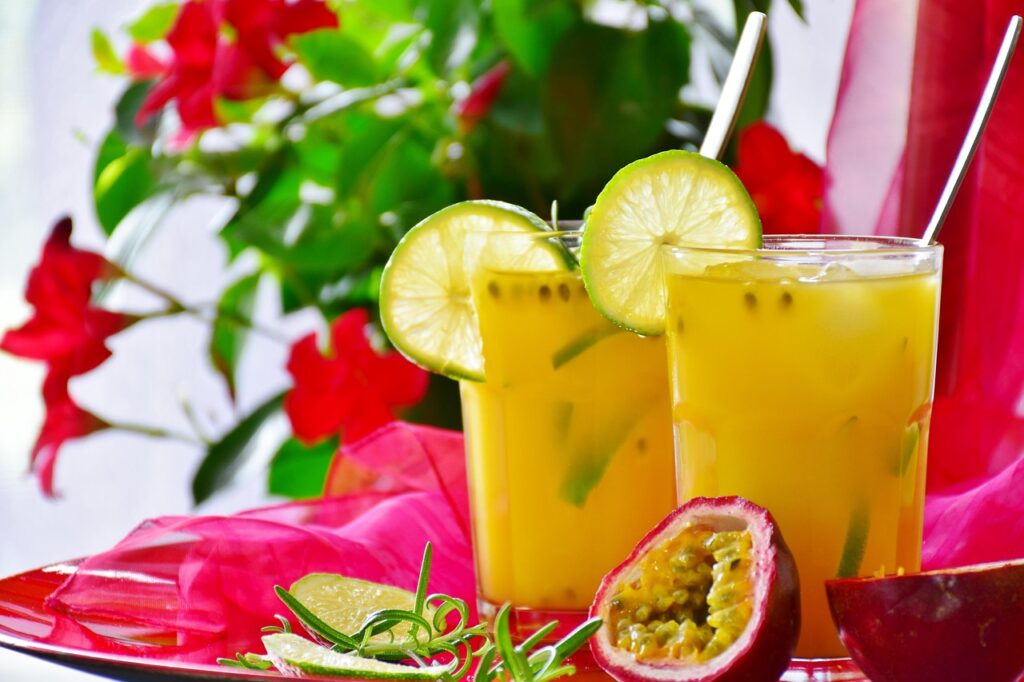
Fruit cocktail sounds cheerful and nostalgic, but many modern versions disappoint quickly. Instead of a balanced mix of bright fruits, shoppers often find a heavy concentration of pears and peaches swimming in thick syrup, with only an occasional cherry for contrast. The sweetness overwhelms natural fruit flavor, masking freshness and making every bite taste nearly identical. Texture can also suffer. Softer fruits turn mushy over time, while firmer pieces never quite regain a natural bite after canning. Nutritional value drops as fruit sits in sugary liquid rather than juice or light syrup alternatives.
4. Store Brand Prepared Meals That Lack Real Flavor Structure
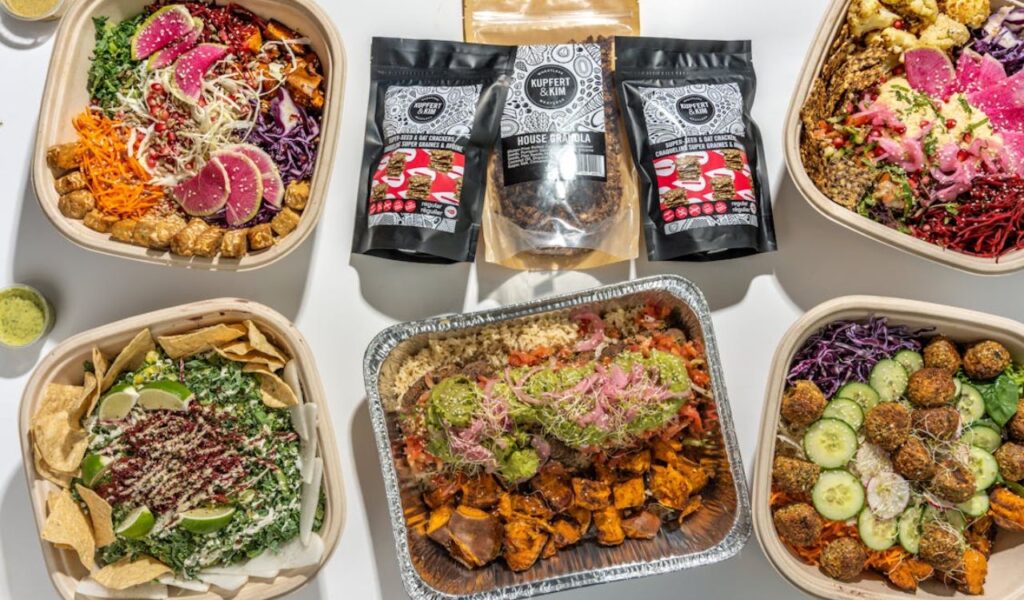
Prepared meals promise fast lunches and stress-free dinners, but store brand versions often struggle with flavor balance and texture consistency. Sauces may taste flat or overly sweet, starches can become gummy after reheating, and proteins often dry out under microwave heat. Many recipes are simplified to control cost and shelf stability, which means fewer spices, fewer aromatics, and minimal cooking depth. The result feels engineered rather than cooked. Portion ratios can also feel off, with too much pasta or rice and not enough vegetables or protein to make the meal satisfying. Packaging photos set high expectations that rarely match what comes out of the tray. Over time, shoppers notice that the convenience premium doesn’t translate into enjoyment or value. When meals feel like a compromise rather than comfort, people stop trusting them as reliable options for busy days.
5. Frozen Meals That Lose Texture and Freshness After Heating
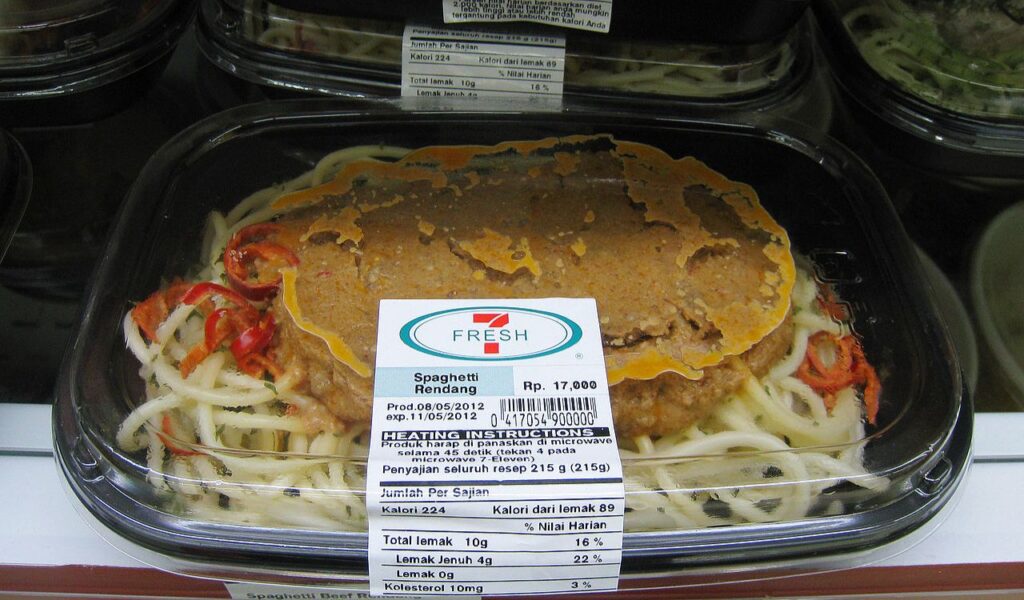
Frozen meals live or die on texture, and this is where many fall apart. Freezing and reheating can cause sauces to separate, vegetables to turn mushy, and meats to toughen or dry out. Ice crystals damage cell structure during freezing, which explains why some meals taste watery or grainy once heated. Seasoning can also dull over time in frozen storage, leaving dishes underwhelming despite bold packaging claims. Portion sizing sometimes feels mismatched to calorie counts, leaving people either unsatisfied or overloaded with starch. Even when the flavor is acceptable, the eating experience rarely feels fresh or satisfying. After repeated disappointments, shoppers begin treating frozen meals as emergency food rather than regular staples. Convenience remains appealing, but quality inconsistency pushes many consumers toward fresher shortcuts instead.
6. Fresh Produce That Spoils Faster Than Expected
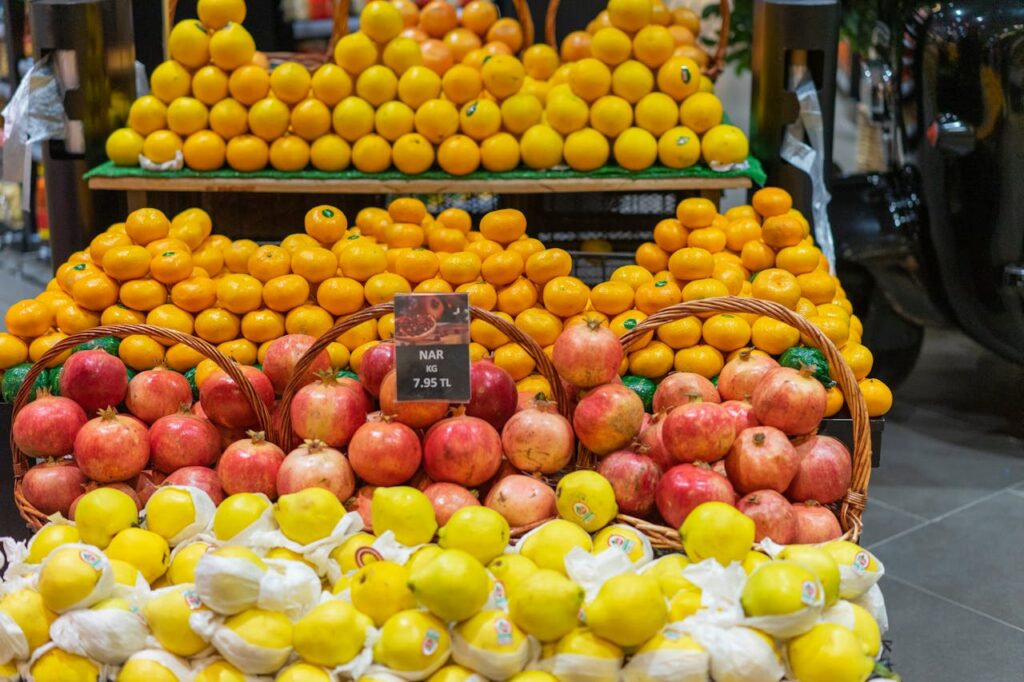
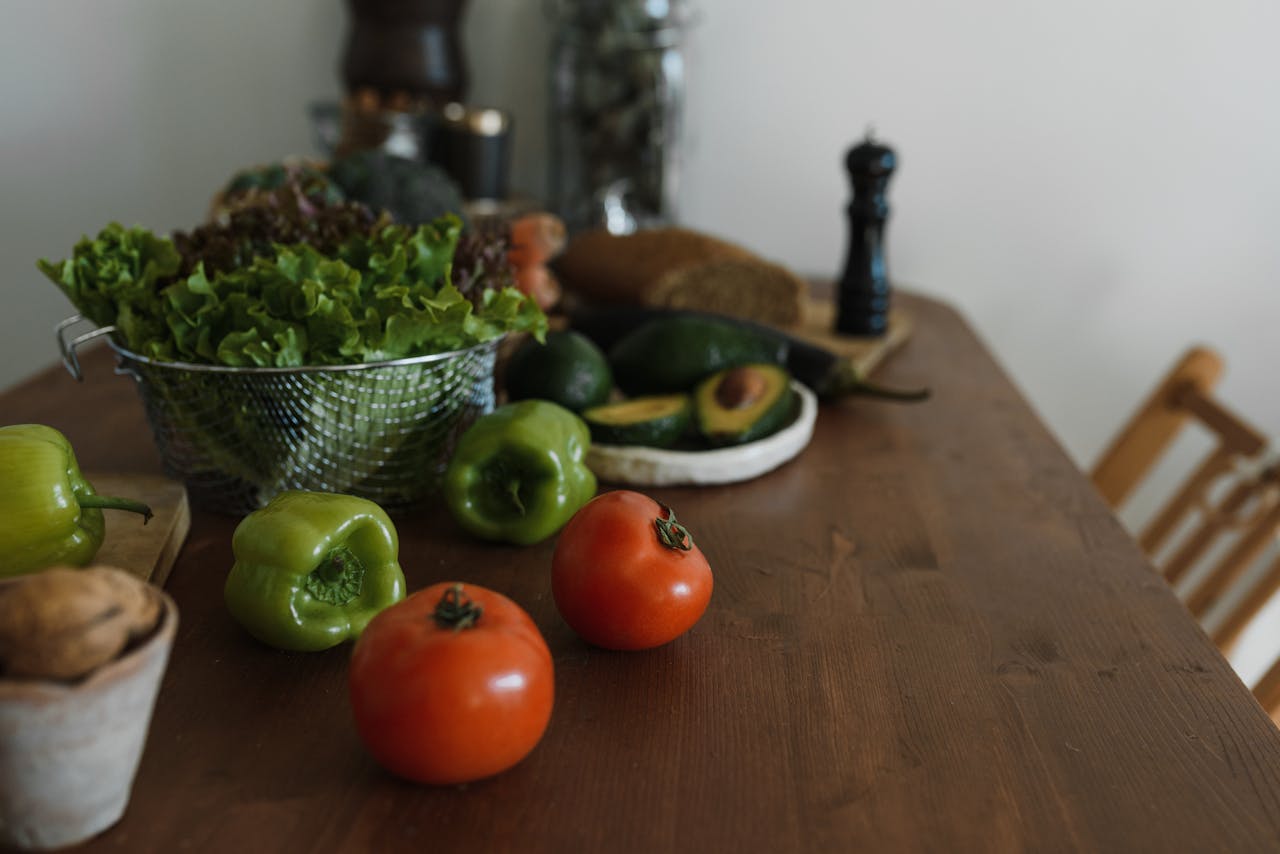
Few things frustrate shoppers more than produce that looks fine in the store and deteriorates within days at home. Berries mold quickly, leafy greens wilt, or slime, and avocados jump from underripe to overripe overnight. This happens due to long supply chains, temperature fluctuations during transport, and moisture trapped inside plastic packaging. Some produce is harvested early to survive shipping, which reduces flavor and shortens usable lifespan once ripening accelerates at home. Shoppers end up throwing away food they planned to eat, creating both waste and lost value. Even careful storage techniques can’t always overcome compromised freshness. Over time, consumers become cautious about buying certain ready produce items, choosing frozen or smaller quantities instead. Trust erodes when freshness feels unpredictable.
7. Protein Bars That Changed Texture Without Warning
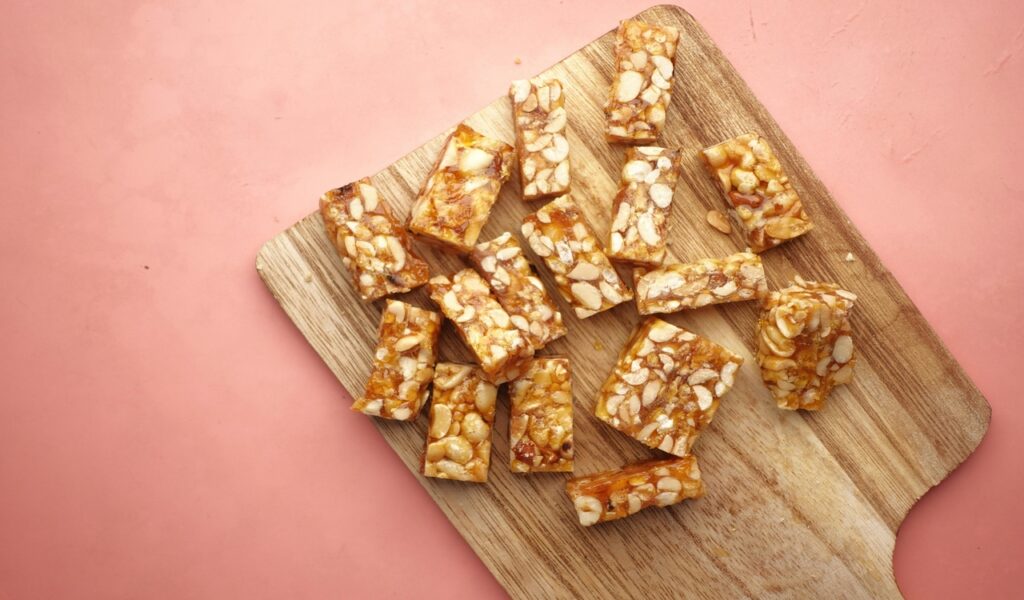
Protein bars often earn loyal followings until quiet formula changes alter taste or texture. Bars become harder, chalkier, stickier, or overly sweet as manufacturers adjust ingredients for cost, shelf stability, or labeling claims. Sugar alcohols, fiber syrups, and alternative proteins can dramatically change mouthfeel and digestive comfort. Long-time buyers notice immediately when a bar no longer feels satisfying or enjoyable. Once consistency disappears, trust disappears with it. These products are often purchased for convenience and reliability, so any shift in quality feels magnified. When texture becomes unpleasant, or flavors lose balance, shoppers quickly abandon brands they once stocked weekly.
8. Packaged Snacks That Taste Artificial or Overprocessed
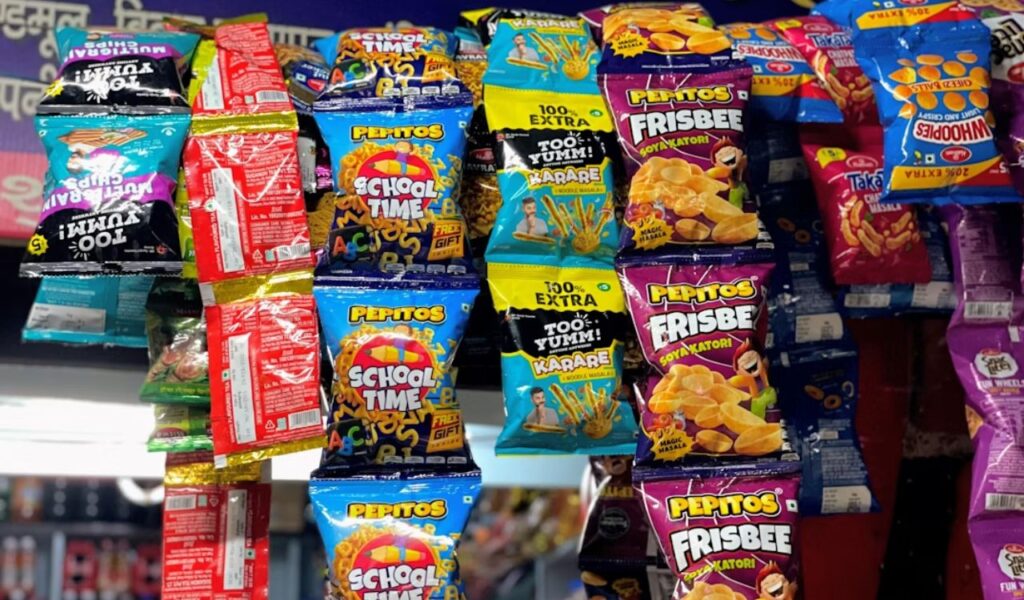
Many packaged snacks suffer from aggressive flavoring designed to stand out on shelves rather than satisfy real cravings. Excess salt, artificial sweeteners, and synthetic flavor blends can overpower natural ingredients. Chips may taste greasy or overly seasoned, while flavored nuts and crackers sometimes leave lingering aftertastes. Texture consistency can also suffer from extended shelf life requirements, making products feel stale faster than expected once opened. Over time, shoppers become more sensitive to ingredient quality and processing levels, especially when comparing these snacks to fresher alternatives. When eating feels more chemical than comforting, repeat purchases decline.
9. Ultra-Processed Ready Foods That Prioritize Shelf Life Over Satisfaction
Ultra-processed foods dominate modern grocery aisles because they travel well, store long, and offer predictable margins. The tradeoff is flavor depth, nutritional quality, and eating satisfaction. These products rely heavily on refined starches, added sugars, stabilizers, and flavor enhancers instead of whole ingredients. Meals may taste engineered rather than cooked, leaving people feeling full but not nourished. Digestive comfort and energy levels can also suffer from frequent consumption. Over time, many shoppers realize that convenience alone does not compensate for how these foods make them feel. As awareness grows, these items quietly fall out of carts in favor of simpler, minimally processed alternatives.