How to Prep Mashed Potatoes Ahead of Time Without Losing Texture

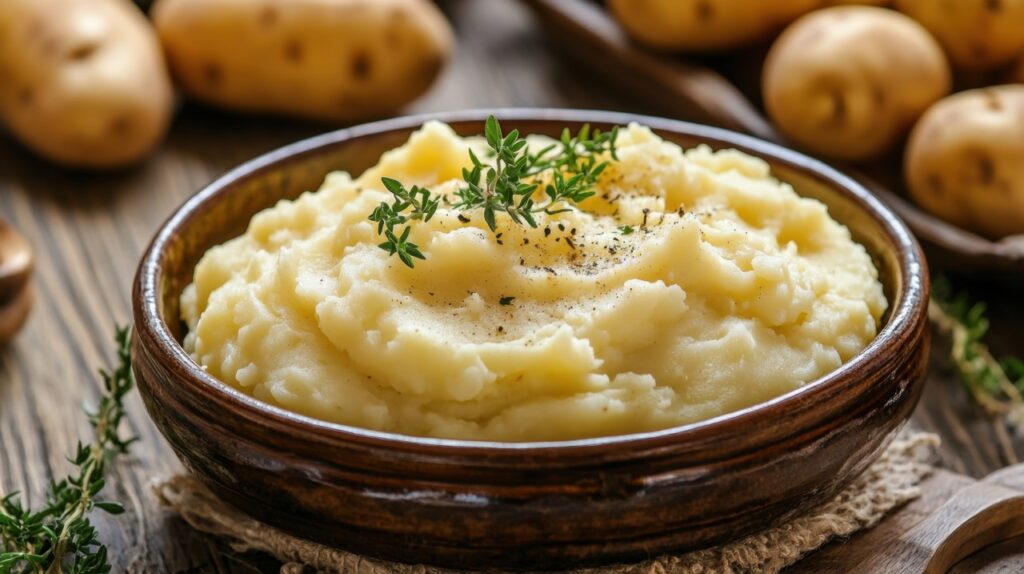
Mashed potatoes are a comfort food staple, yet they often cause last-minute stress when timing a full meal. Their texture can change quickly, which makes many cooks believe they must be prepared right before serving. In reality, the pressure comes from misunderstanding how potatoes behave once cooked. With the right handling, mashed potatoes can hold their creaminess without turning dense or dry. Paying attention to moisture, fat, and temperature control removes most of the risk. When planned correctly, making them ahead of time becomes a practical solution rather than a compromise, especially when cooking for large gatherings or holiday meals.
The key to success lies in preparation and rehearsing rather than speed. Simple techniques allow mashed potatoes to be made in advance while preserving their smooth, comforting texture. Gentle reheating paired with added warmth from dairy brings them back to life without damaging their structure. This approach gives cooks more flexibility and confidence in the kitchen. Instead of rushing at the last moment, you can focus on other dishes, knowing the potatoes will be just as satisfying as if they were freshly made, with no noticeable loss in flavor or quality. That peace of mind alone makes advance prep worth the effort.
Why Making Mashed Potatoes Ahead Isn’t as Risky as You Think
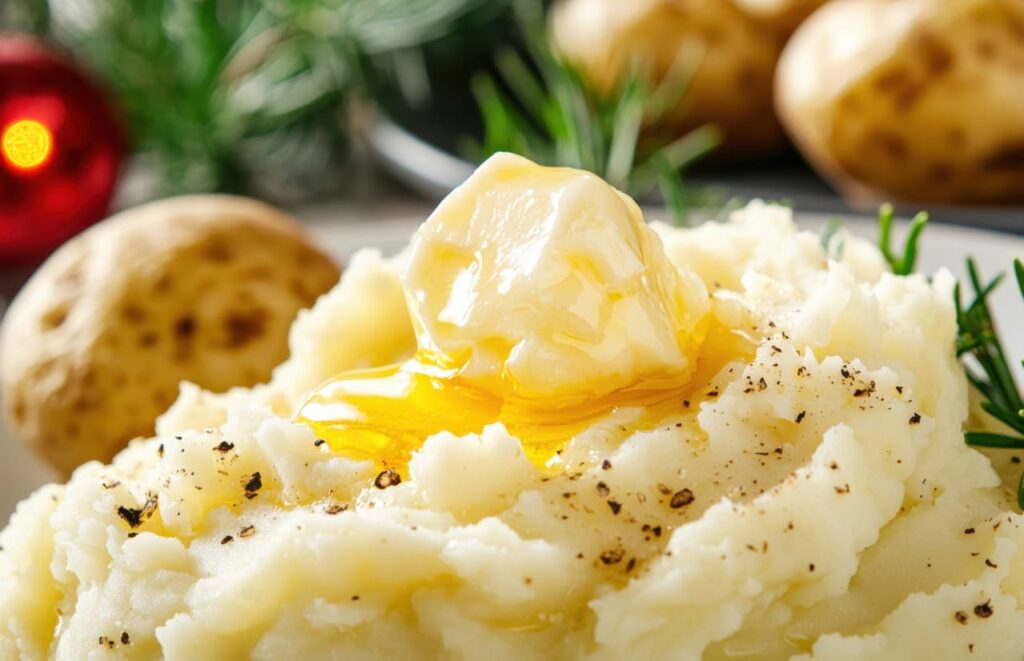
Many home cooks believe mashed potatoes must be cooked and served immediately, or they will lose their appeal. This concern comes from how potato starch reacts to heat and liquid. When potatoes are overworked or reheated incorrectly, starch granules swell too much and create a dense, gluey texture. Excess moisture can also cause separation, leaving the mash watery or grainy. These problems are common, but they are not inevitable. With the right approach, mashed potatoes can be prepared in advance without sacrificing creaminess, flavor, or structure. Understanding how starch behaves is the first step toward removing the fear around make-ahead preparation.
Preparing mashed potatoes ahead of time can actually work in your favor when done properly. As potatoes cool gradually, their starches relax instead of tightening, which helps preserve a smooth texture. The real secret lies in moisture control at every stage, from cooking and draining to cooling and storage. Allowing steam to escape, using enough fat, and storing the mash correctly all prevent the stiffness people worry about. When reheated gently with warm dairy, the potatoes regain their softness and richness. This makes preparation not only safe but practical, especially when managing large meals or tight cooking schedules.
The First Step: Choose the Right Potatoes
Choosing the right potatoes is the most important decision when planning to make mashed potatoes ahead of time. Different potato varieties behave very differently once cooked, cooled, and reheated. Starchy potatoes like Russets and Yukon Golds contain a higher starch content and lower moisture, which allows them to break down easily into a soft, fluffy mash. This structure absorbs butter and dairy evenly, creating a creamy texture that holds up well after chilling. Yukon Golds are especially forgiving because their natural richness adds smoothness without requiring excessive cream or butter, helping the mash stay balanced and stable over time.
Waxy potatoes, including red potatoes and new potatoes, are far less suited for make-ahead mashed dishes. Their lower starch and higher moisture content help them hold their shape, which is useful for roasting or salads but problematic for mashing. When cooled and reheated, waxy potatoes resist relaxing and can turn stiff or gluey as their starches tighten. This leads to dense texture and uneven reheating that is difficult to fix later. Starting with a starchy variety creates a dependable foundation, ensuring the mashed potatoes remain soft, cohesive, and pleasant even after preparation and reheating.
Prep Techniques That Preserve Texture
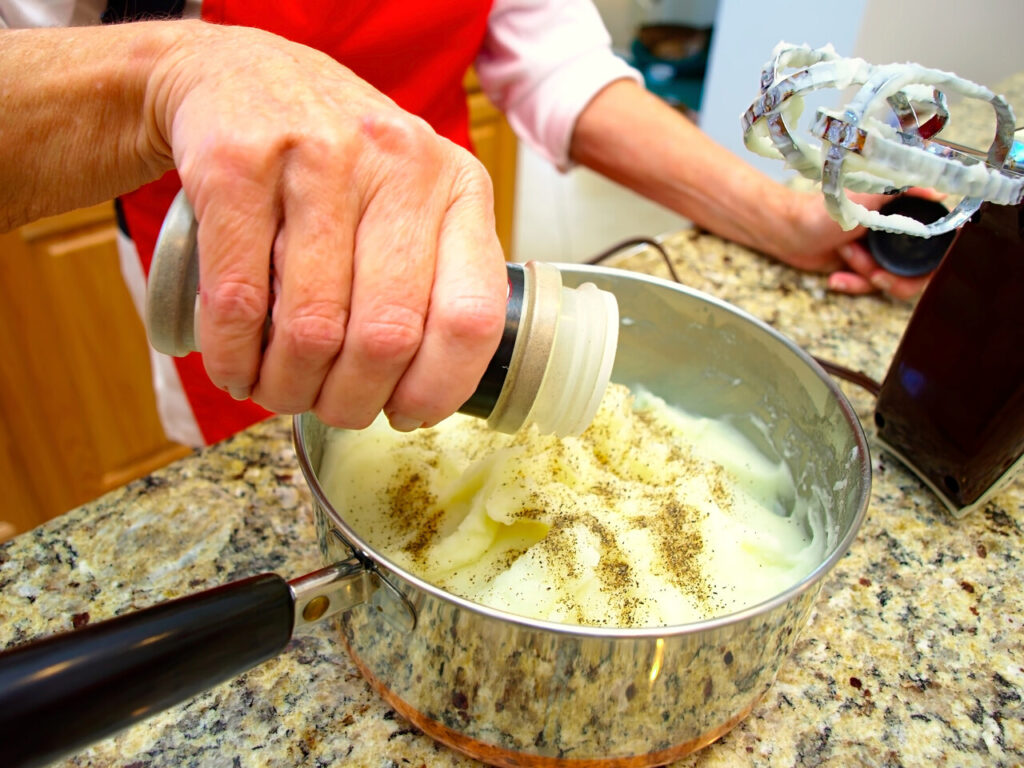
Before storage or reheating ever come into play, the way mashed potatoes are cooked and handled determines whether their texture will hold up later. Everything starts with cutting potatoes into evenly sized pieces so they cook at the same rate. This prevents some pieces from becoming waterlogged while others remain firm. Cooking them just until tender is equally important, since overcooking causes potatoes to absorb excess water. Once drained, letting the potatoes sit in the hot pot for a few minutes allows steam to escape. This simple step removes lingering moisture that would otherwise thin the mash and weaken its structure over time.
Timing and order matter when mashing, especially for make-ahead success. Working with potatoes while they are still warm allows butter and dairy to blend smoothly without forcing the starches to overwork. Adding melted butter first coats the starch granules, helping prevent a gluey texture, while warm milk or cream incorporates evenly without cooling the mixture too fast. Covering the finished mash with plastic wrap pressed directly against the surface prevents a dry layer from forming. Together, these techniques create mashed potatoes that stay creamy, cohesive, and resilient through chilling or freezing.
Smart Storage for Make-Ahead Success
Once mashed potatoes are prepared, storage becomes the deciding factor in whether their texture holds or falls apart. Refrigeration works best when moisture and air exposure are carefully controlled. Transferring the mash to an airtight container limits dehydration, while pressing plastic wrap directly against the surface prevents dry skin from forming. This contact barrier is crucial, as even small air pockets can cause crusting and moisture loss. Refrigerated mashed potatoes are at their best within two days, before starches begin tightening and dairy fats separate. Proper cooling and sealing keep the potatoes smooth, cohesive, and ready for gentle reheating.
Freezing mashed potatoes is another reliable option when longer storage is needed, provided it is done with care. The mash should be fully cooled before being packed into freezer-safe containers or bags with as little trapped air as possible. Excess air accelerates freezer burn and texture damage. Labeling containers helps track storage time, since quality is best within two months. Slow thawing in the refrigerator allows starches to relax evenly before reheating. When combined with thoughtful packaging, freezing preserves creaminess and prevents the grainy texture often associated with poorly stored mashed potatoes.
Reheat Without Ruining the Mash
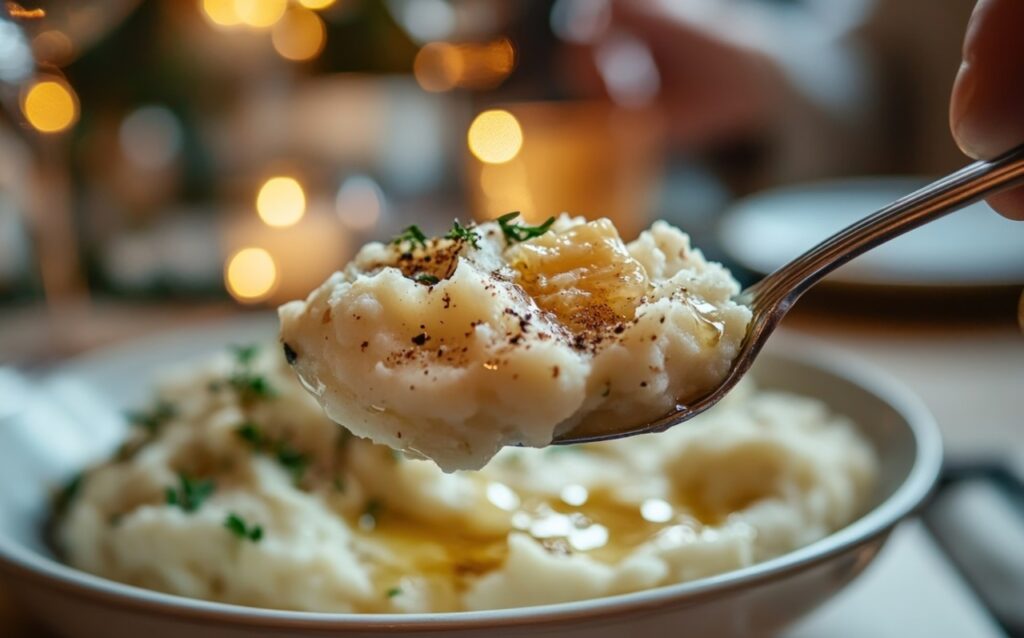
Reheating mashed potatoes is often where texture problems appear, but the right method brings them back to a smooth, creamy state. The oven is one of the most reliable options, especially for larger batches. Transfer the potatoes to an oven-safe dish, add a small amount of warm milk or cream, and dot the surface with butter to restore moisture. Covering the dish tightly with foil traps steam, which prevents drying as the potatoes heat. A moderate oven temperature allows the mash to warm evenly from edge to center. Stirring once midway helps redistribute heat and fat, ensuring the texture stays soft, cohesive, and rich rather than stiff or crusted.
Microwaves and slow cookers can also work well when used carefully and patiently. In the microwave, reheating in short intervals is essential. Stirring every minute and adding small splashes of warm dairy prevent hot spots and dried edges. Slow cookers are ideal for keeping mashed potatoes warm over longer periods, but they require a gentle approach. Using a low setting, adding warm cream or broth, and stirring occasionally helps maintain moisture. No matter the method, rushing is the biggest mistake. Gentle heat and added fat keep the starches relaxed, allowing the mashed potatoes to regain their original softness and comforting texture.
Reference
- How to Prep Mashed Potatoes in Advance Without Ruining the Texture – aol.com
- Here’s a Foolproof Way to Prep Mashed Potatoes So They Reheat Perfectly Soft – thekitchn.com
- How to Prep Mashed Potatoes in Advance Without Ruining the Texture – yahoo.com