9 Pantry Foods People Buy for Emergencies but Rarely End Up Using


Emergency pantry shopping usually begins with practical intentions, as families stock shelves with foods meant to last through storms, shortages, or unexpected disruptions, hoping to stay prepared for uncertain moments, yet many of these items rarely become part of everyday cooking, since fresh groceries and quicker meal choices take priority, leaving emergency supplies forgotten in pantry corners where they quietly expire long before anyone thinks to use them. The distance between planning and daily cooking habits often explains why supplies go unused.
1. Dried Beans and Legumes
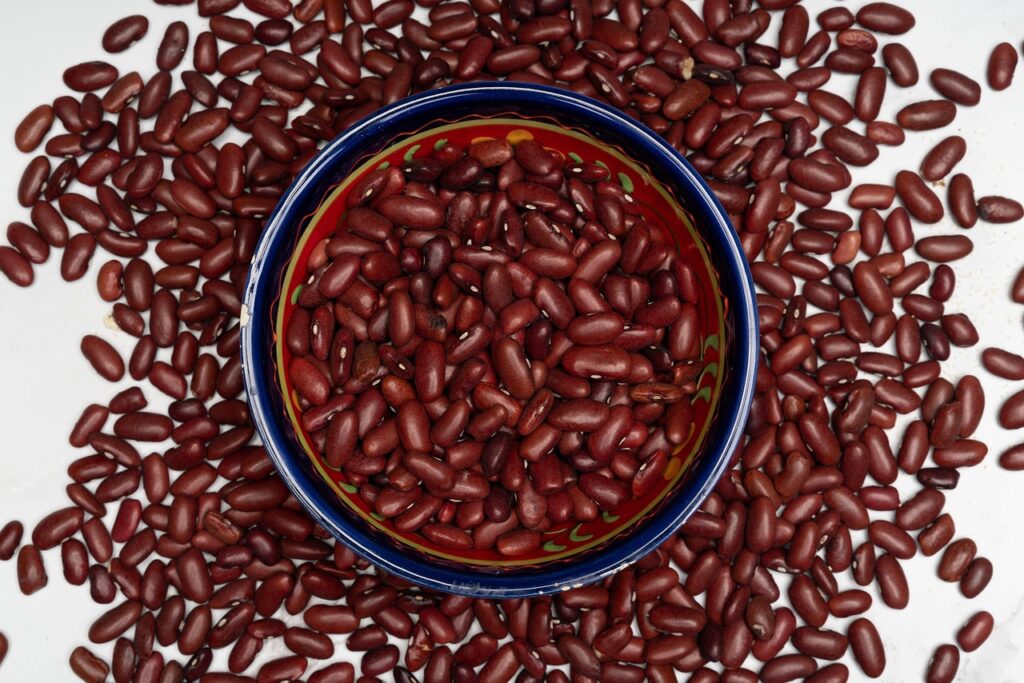
Dried beans look like the perfect emergency food because they last for years and pack protein into a small, affordable package. Many households buy large bags with good intentions, imagining soups and stews during power outages or supply shortages, yet those bags often sit untouched in pantry corners.
The challenge is preparation time. Beans usually need soaking and long cooking, which feels inconvenient during busy weeks and even less practical during emergencies when fuel or electricity may be limited.
People often lack quick recipes or cooking habits that include dried legumes regularly, so canned versions get used instead while dried versions remain stored indefinitely. Eventually, they grow older and tougher, requiring even longer cooking.
2. Powdered Milk

Powdered milk often appears in emergency supply lists because it lasts far longer than fresh milk and provides dairy nutrition without refrigeration. Many families buy it during preparedness phases, expecting it to replace fresh milk if supply chains break down.
Most households prefer fresh or refrigerated alternatives, and powdered milk’s flavor and texture feel unfamiliar unless someone grows up using it. Once fresh milk is readily available again, the stored powder remains forgotten on shelves.
Storage duration adds another complication. Containers sit unopened for months or years, and people hesitate to use them casually . By the time someone considers using them, freshness concerns or taste expectations often lead to replacement rather than consumption.
3. Whole Grains and Bulk Flour
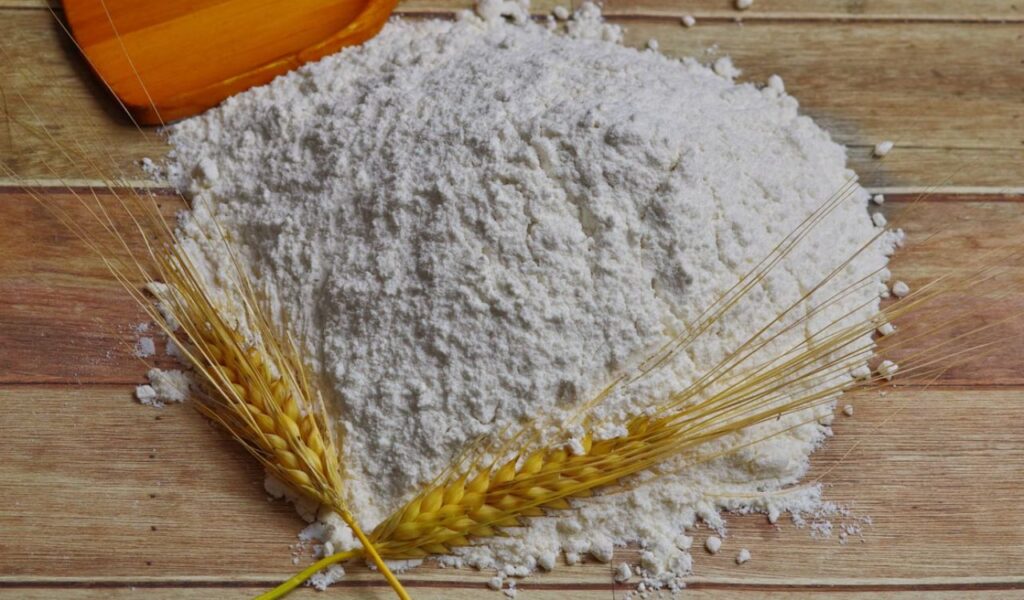
Bulk grains and flour seem logical during emergency planning because they offer versatility and long shelf life. Large bags promise the ability to bake bread, make pasta, or prepare filling meals without constant grocery trips.
However, these ingredients demand time and skill. Many households rarely bake from scratch, so flour and grains stay sealed while quicker meal options dominate everyday cooking. Without routine baking habits, supplies remain unused.
Storage also plays a role. Whole grains need proper containers to prevent pests and spoilage, and flour loses quality over time. Without regular rotation, emergency stock simply ages, making families replace rather than cook with supplies they initially stored for future security.
4. Canned Soups and Stews
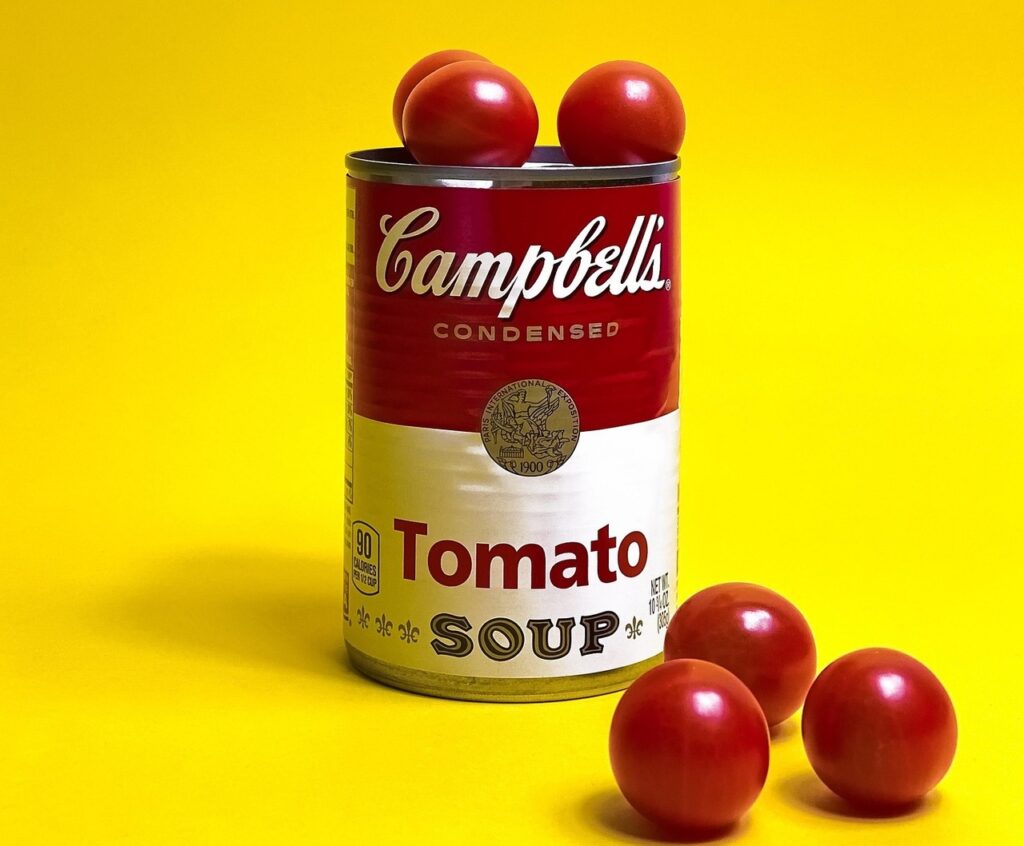
Canned soups feel like ideal emergency food because they are shelf-stable and require minimal preparation. Many people buy them during storm seasons or supply scares, expecting them to serve as easy meals when cooking becomes difficult.
Yet in normal circumstances, canned soup competes poorly with fresher options. Many households cook quick homemade meals or order takeout instead, leaving canned versions untouched until pantry cleanouts reveal forgotten stacks of cans.
Eating canned soup repeatedly during emergencies often reduces the desire to consume it casually afterward. People keep it reserved strictly for crisis situations, which means cans accumulate and sometimes expire before regular meals ever call for them.
5. Canned Fruits in Heavy Syrup

Canned fruit often enters emergency pantries because it lasts long and provides sweetness without refrigeration. Families imagine using it when fresh produce becomes unavailable, yet these cans frequently sit untouched.
Part of the problem lies in preference shifts. Many households now favor fresh or frozen fruit over syrup-packed versions, which can taste overly sweet compared to modern expectations. That makes canned fruit less appealing outside of emergencies.
As time passes, these cans get pushed further back on shelves. Without recipes or habits built around them, they remain backup items. Eventually, families donate or discard them while restocking newer emergency goods that again may go unused.
6. Crackers and Crisp Snacks

Shelf-stable crackers often join emergency food lists because they require no preparation and pair easily with canned goods or spreads. Families imagine them serving as quick carbohydrates when cooking is not possible.
In everyday life, however, crackers compete with fresher bread or snack options. Once opened, they lose crispness quickly, discouraging casual use. Unopened boxes, therefore, remain stored until expiration dates approach.
Another challenge is appetite appeal. Crackers alone rarely feel like a satisfying meal, so households overlook them when better options exist. During pantry cleanouts, many discover stacks of untouched boxes purchased with preparedness in mind but rarely integrated into daily eating habits.
7. Instant Mashed Potatoes

Instant mashed potatoes promise comfort food without peeling or boiling, making them seem like an obvious emergency staple. Families stock them expecting quick meals during disruptions, yet boxes often remain sealed.
In routine cooking, fresh potatoes feel more satisfying and affordable, so instant versions lose priority. Many people also associate them with bland texture, making them less appealing when time allows for fresh preparation.
Because they are purchased specifically for emergencies, instant potatoes become psychological backups rather than everyday ingredients. Over time, expiration dates pass unnoticed, and households replace containers instead of using them regularly, repeating the cycle with each new preparedness push.
8. Dry Pasta
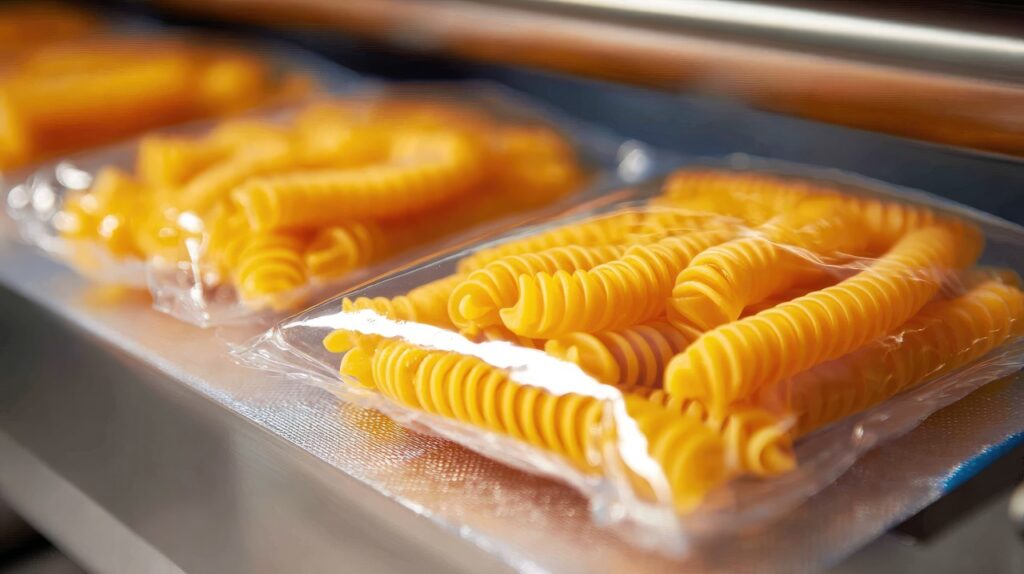
Dry pasta appears in nearly every emergency pantry because it stores easily and works with many sauces. Buying extra boxes feels safe, especially during uncertain periods when supply disruptions seem possible.
Yet pasta consumption patterns often remain unchanged after stocking up. People cook pasta occasionally, but rarely enough to rotate large reserves before quality declines. Boxes accumulate behind newer groceries.
Another issue is sauce dependence. Pasta requires additional ingredients, and when households lack sauce or protein pairings, they choose different meals. As a result, extra pasta remains stored as insurance rather than becoming part of weekly menus, eventually getting replaced rather than eaten.
9. Granola and Energy Bars

Energy bars seem ideal for emergencies because they are portable, calorie-dense, and ready to eat without preparation. Families store boxes for power outages or evacuation kits, expecting them to provide quick nutrition.
In everyday routines, however, preferences shift toward fresher snacks. Bars also have relatively short shelf lives compared to canned goods, meaning they expire faster if not consumed regularly.
Many people also tire of the taste quickly, reserving bars strictly for emergencies or travel. Without deliberate rotation, boxes sit untouched until expiration dates force disposal, showing how convenience foods meant for crises often remain unused during normal times.