12 Restaurant Tricks That Really Shouldn’t Be Allowed

Dining out is supposed to feel effortless and enjoyable, yet many restaurant experiences are shaped by subtle tactics most diners never notice in the moment. From how menus are designed to how servers frame suggestions, these behind-the-scenes strategies quietly influence what you order, how much you spend, and how satisfied you feel afterward. Some of these tricks are clever, but others cross into territory that feels more manipulative than hospitable. Understanding how these practices work gives diners back a sense of control and helps separate genuine service from persuasion. Recognizing these patterns helps diners make choices based on preference rather than pressure.
1. Menus Without Prices
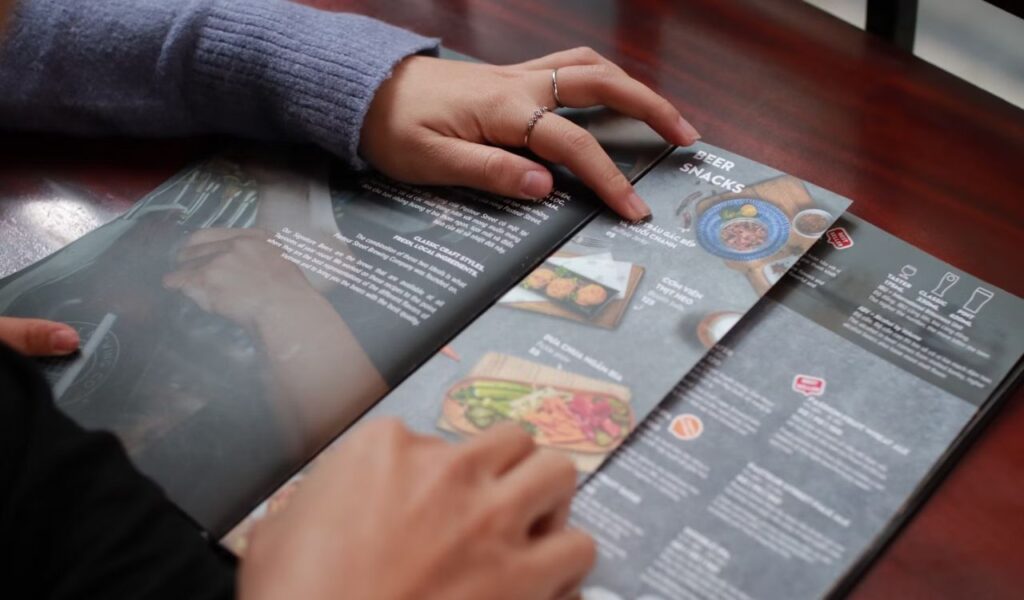
A menu without prices immediately reshapes how diners think and behave. Instead of weighing cost against portion size or ingredients, guests are pushed to rely on descriptions, atmosphere, or social cues. This tactic is common in upscale dining because removing numbers lowers resistance to spending and encourages emotionally driven choices. Many diners hesitate to ask servers about prices, especially in group settings, because it can feel awkward or embarrassing. That hesitation often leads to ordering without clarity, followed by shock or regret when the bill arrives. From a psychological standpoint, visible pricing creates a sense of control and trust.
2. Tiny Plates for “Large” Portions
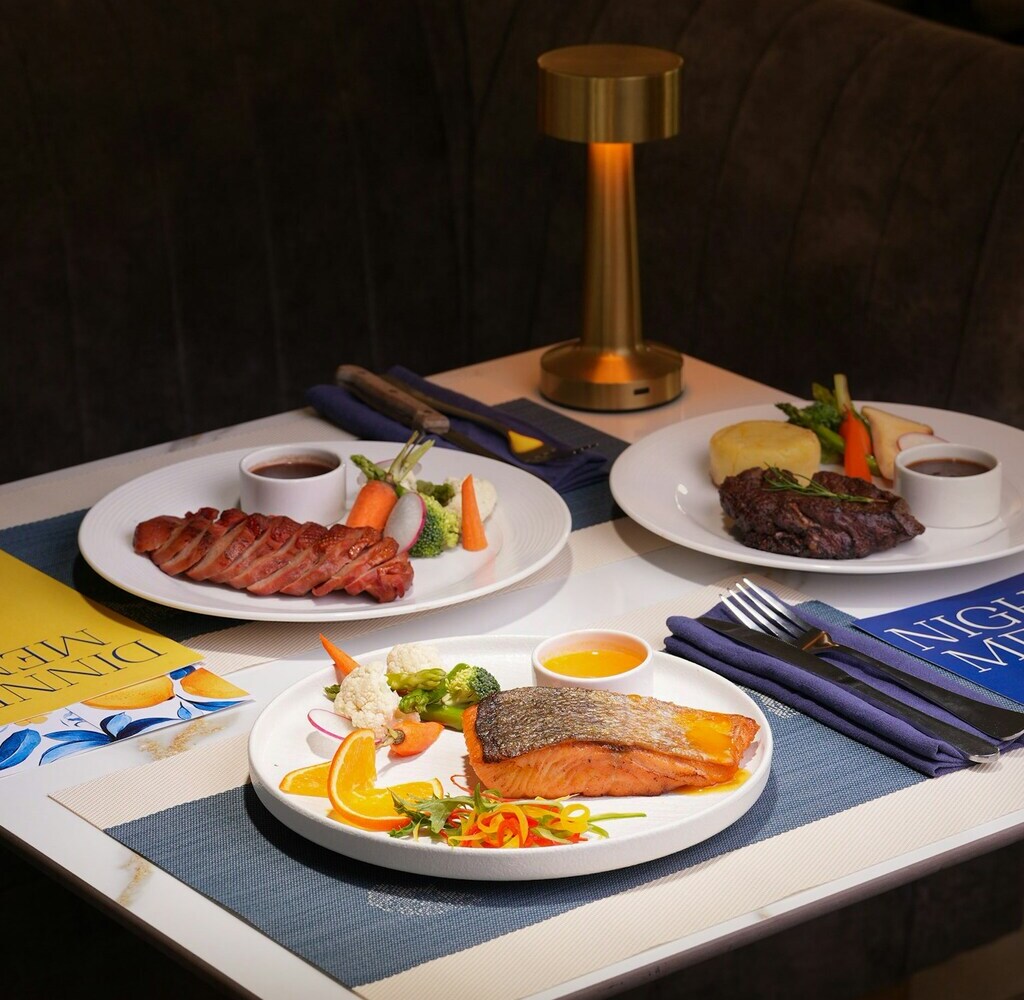
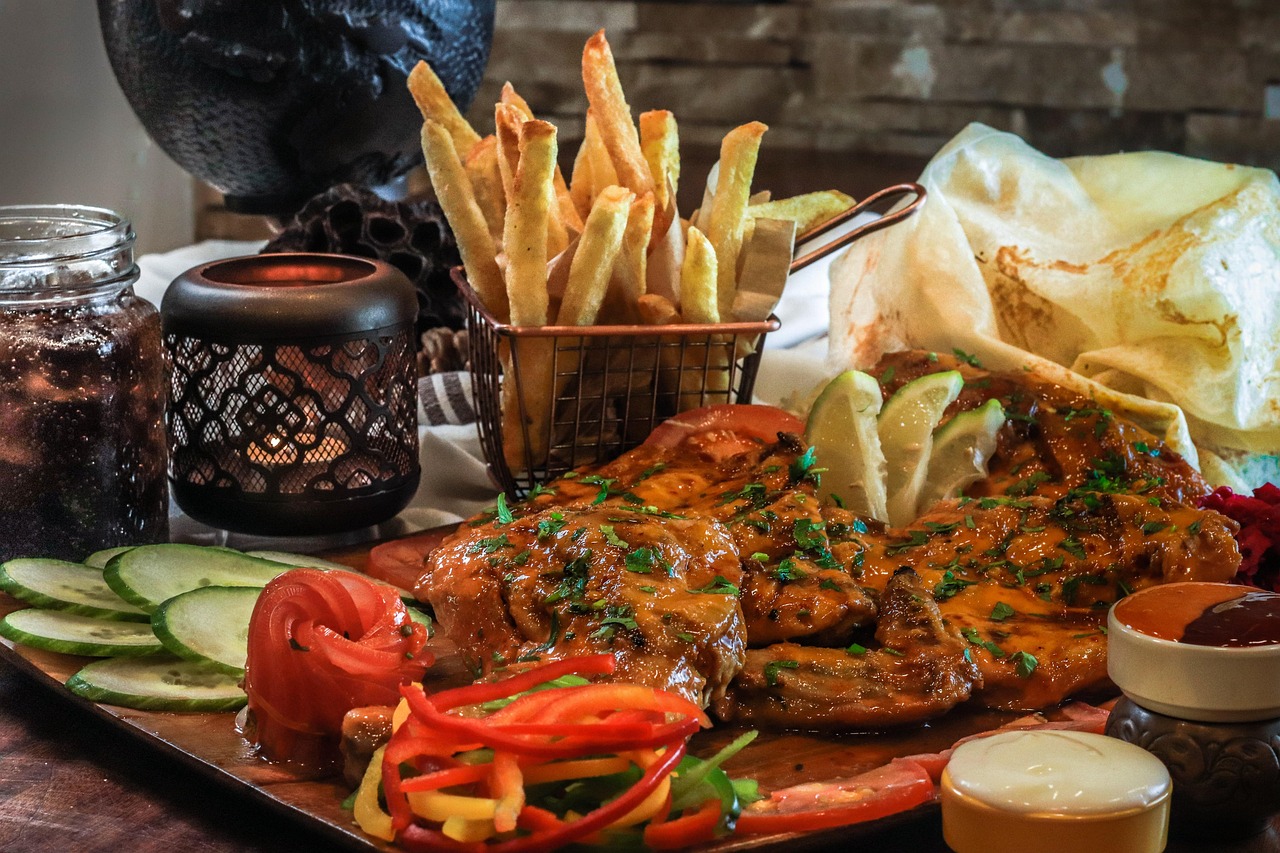
Plate size strongly affects how the brain interprets quantity. Smaller plates make modest servings appear generous because the food fills more visual space. Restaurants use this perception trick to reduce portion size while maintaining the appearance of abundance. Diners judge fullness by proportion, not by actual weight or volume. When a plate looks crowded, people assume they received a fair amount. This becomes frustrating when prices climb but portions quietly shrink. While thoughtful plating can improve presentation, using plate size to disguise less food crosses into manipulation. Guests should feel satisfied because the portion is adequate, not because their eyes were misled.
3. Strategic Lighting That Hides Food Flaws
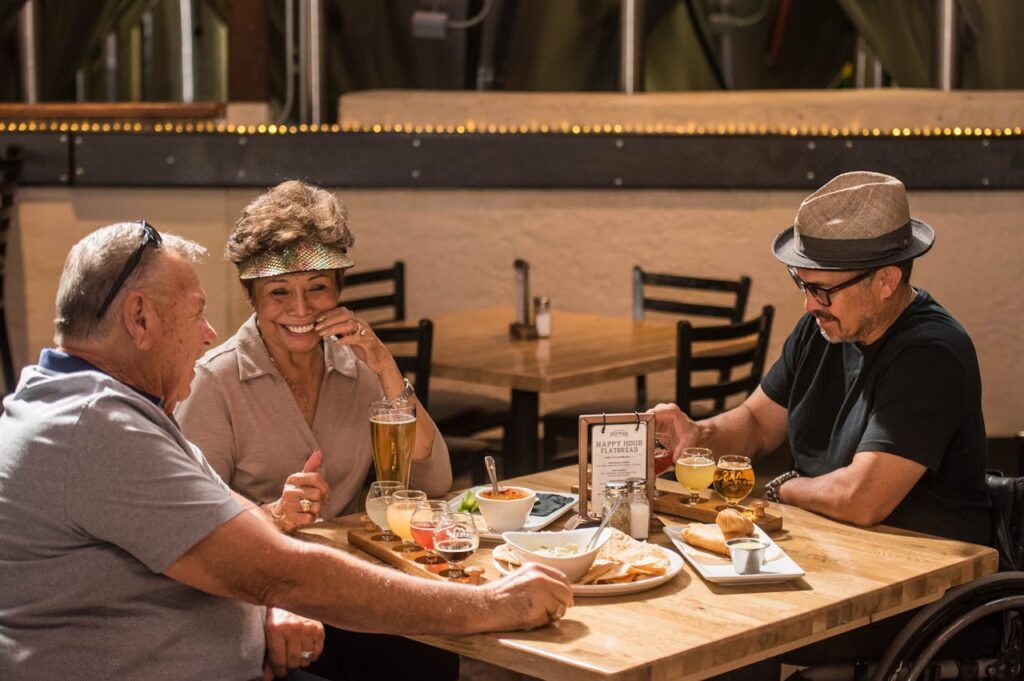
Lighting plays a powerful role in how food is perceived. Warm, dim lighting can make dishes appear richer and smoother, while masking dryness, uneven cooking, or poor texture. Shadows hide flaws, and amber tones enhance browning and color, even when execution falls short. Restaurants use lighting to create mood, but it also conveniently softens visual shortcomings. While atmosphere matters, lighting should complement good food, not compensate for weak preparation. When diners cannot clearly see texture or doneness, they lose the ability to judge quality accurately. Well cooked food holds up under neutral light.
4. Overly Complicated Menu Descriptions

Long, elaborate menu descriptions increase perceived value without changing the dish itself. Words like artisan, handcrafted, or farm inspired suggest care and quality, yet often describe very basic preparations. Research shows diners rate food as higher quality when descriptions are detailed, even if ingredients and execution remain unchanged. This tactic inflates expectations while avoiding real investment in better products. It can also overwhelm guests, turning ordering into a decoding exercise rather than a simple choice. Clear descriptions help diners understand flavor, preparation, and portion.
5. Automatic Service Charges Without Clear Notice
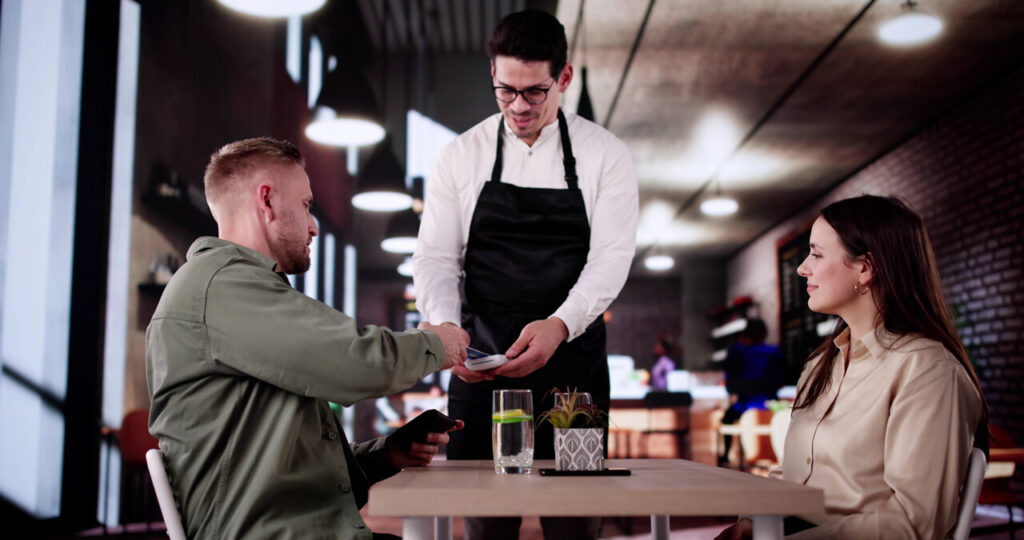
Service charges added without clear notice often catch diners off guard. Unlike tipping, which guests expect and control, these fees can vary widely and appear suddenly at checkout. Some restaurants claim service charges support staff wages, but the money does not always go directly to servers. Without clear explanation, diners feel misled rather than informed. Transparency is critical when extra charges can add a significant percentage to the bill. Discovering fees after the meal damages trust and overshadows the experience. Clear signage and upfront communication allow guests to make informed decisions before ordering.
6. Music That Speeds Up Eating
Music tempo subtly influences how quickly people eat and leave. Faster paced music encourages quicker bites and shorter stays, increasing table turnover during busy periods. Restaurants use this strategy to maximize revenue without saying a word. While most diners do not consciously notice the effect, they often feel rushed without knowing why. Eating quickly reduces enjoyment and dulls awareness of fullness, which can leave guests unsatisfied. Music should enhance comfort and mood, not manipulate behavior for efficiency. When sound design prioritizes profit over experience, dining becomes transactional.
7. “Market Price” Without Explanation
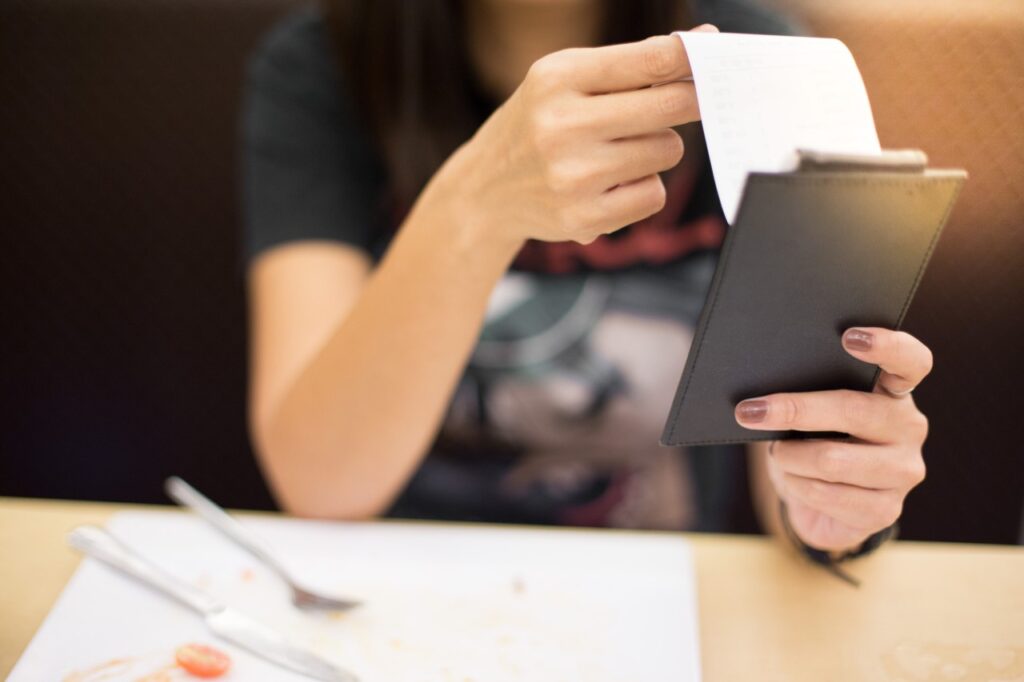
Market price sounds flexible and reasonable, but often lacks meaningful context. Without explanation, diners have no reference point and may assume premium pricing by default. Servers may hesitate to clarify unless asked, leaving guests uncertain until the bill arrives. While some ingredients genuinely fluctuate, vague labeling removes transparency and discourages questions. Clear ranges or upfront explanations would resolve confusion easily. Instead, ambiguity benefits the restaurant by shifting discomfort onto the diner. Social pressure often prevents guests from asking about cost. Transparency builds confidence and trust.
8. Upselling Disguised as Friendly Advice
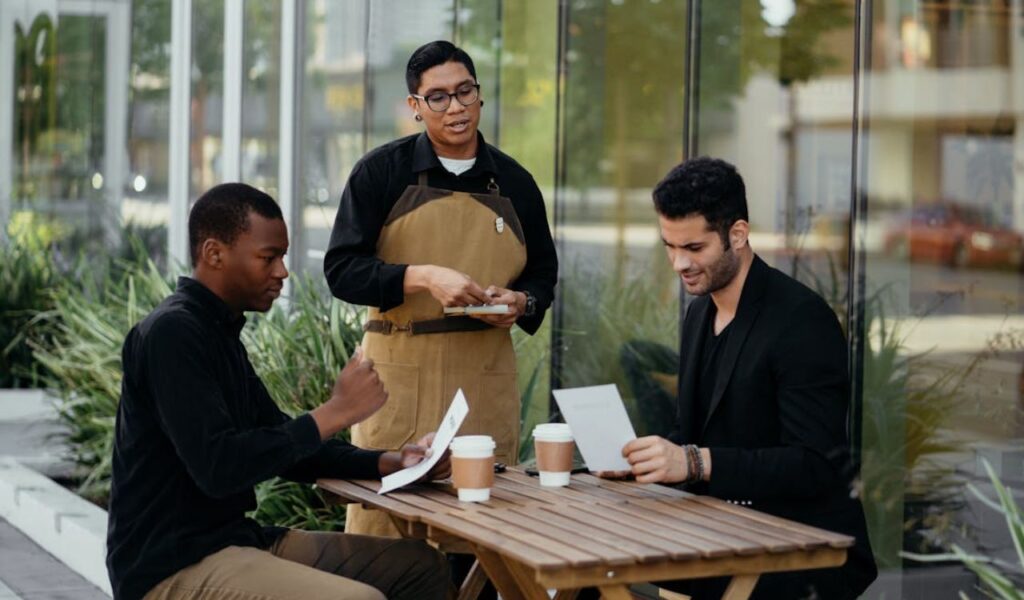
Servers are often trained to increase check size through subtle suggestions framed as personal recommendations. While guidance is part of good service, the line blurs when advice consistently steers diners toward higher priced options. Phrases like most popular or pairs perfectly gently push spending without explicit consent. Guests may agree to avoid appearing uninformed or difficult. Upselling itself is not unethical, but disguising it as neutral help undermines trust. Honest recommendations should prioritize taste, portion, and preference. When profit consistently drives advice, diners sense pressure rather than hospitality. Transparency builds rapport. Hidden motives quietly erode it.
9. Bread or Snacks Brought Without Asking
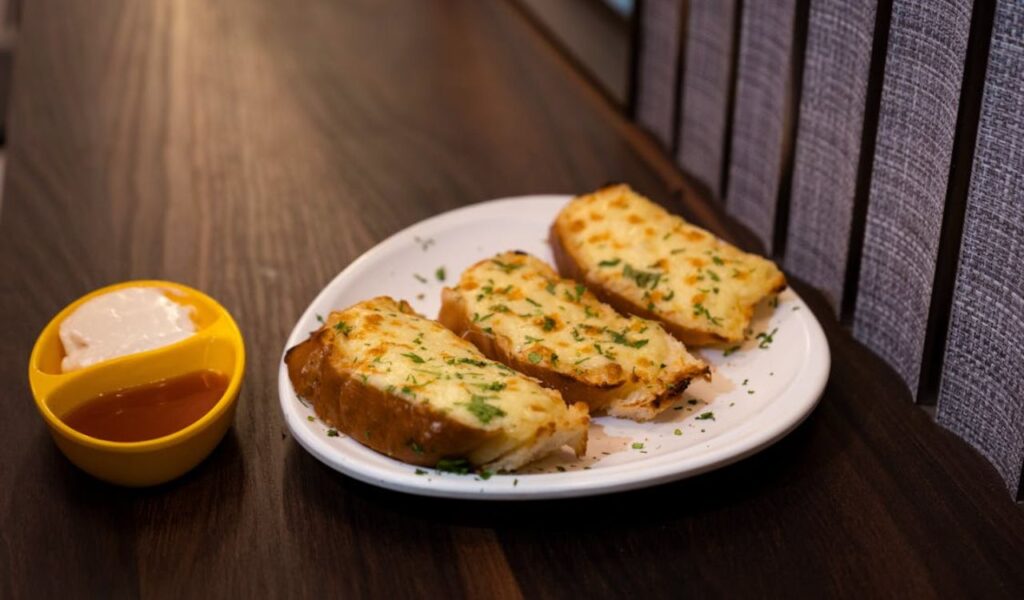
Placing bread or snacks on the table feels welcoming, but problems arise when those items are charged without consent. When nothing is said, diners reasonably assume the food is complimentary. Seeing it listed later on the bill creates irritation and distrust. This tactic relies on default acceptance, since most guests will not send food away once it arrives. Charging for unrequested items shifts responsibility unfairly onto the diner. If something costs money, permission should come first. Hospitality should feel generous and clear, not like a transaction revealed after the fact. Clear verbal confirmation upfront would eliminate confusion and preserve trust before the meal even begins.
10. Menu Layout That Pushes High Margin Items
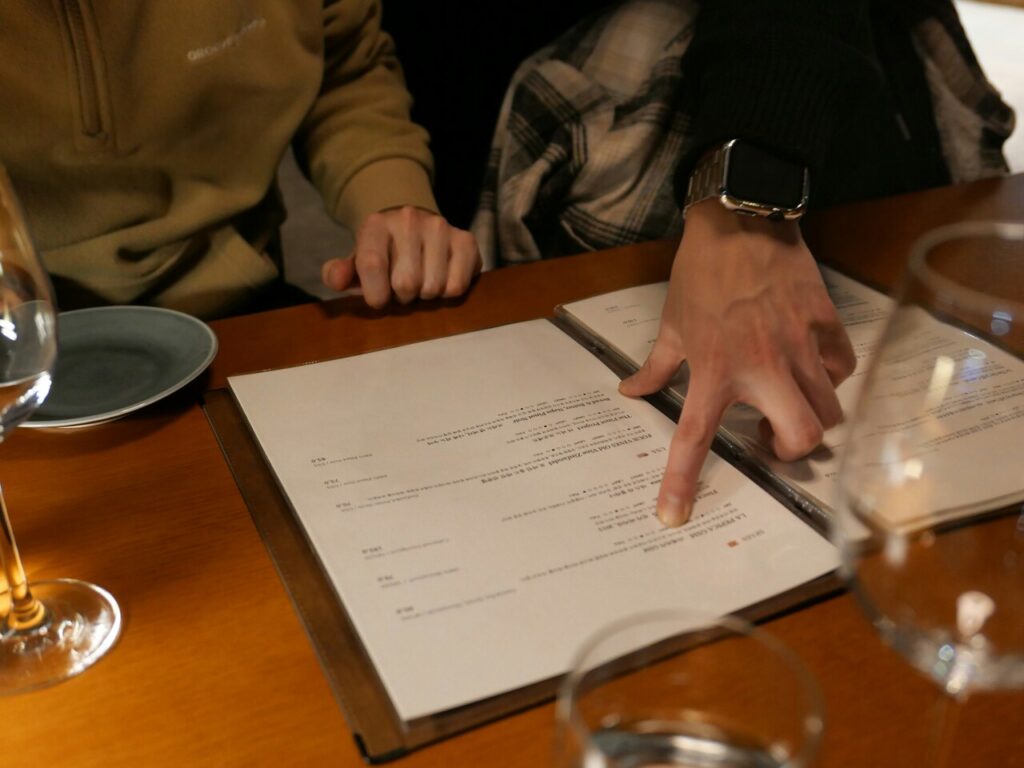
Menu design is rarely neutral. Boxes, bold fonts, photos, and strategic placement draw attention to items with the highest profit margins. Diners often choose from these highlighted areas, believing the dishes are popular or recommended. This visual steering influences decisions without awareness. While good design improves readability, manipulation crosses a line when it overrides genuine preference. Guests should feel free to explore options without being guided toward the most profitable choices. A menu should inform and clarify, not quietly direct spending through psychological cues disguised as helpful design.
11. Portion Shrinkage Framed as Refinement
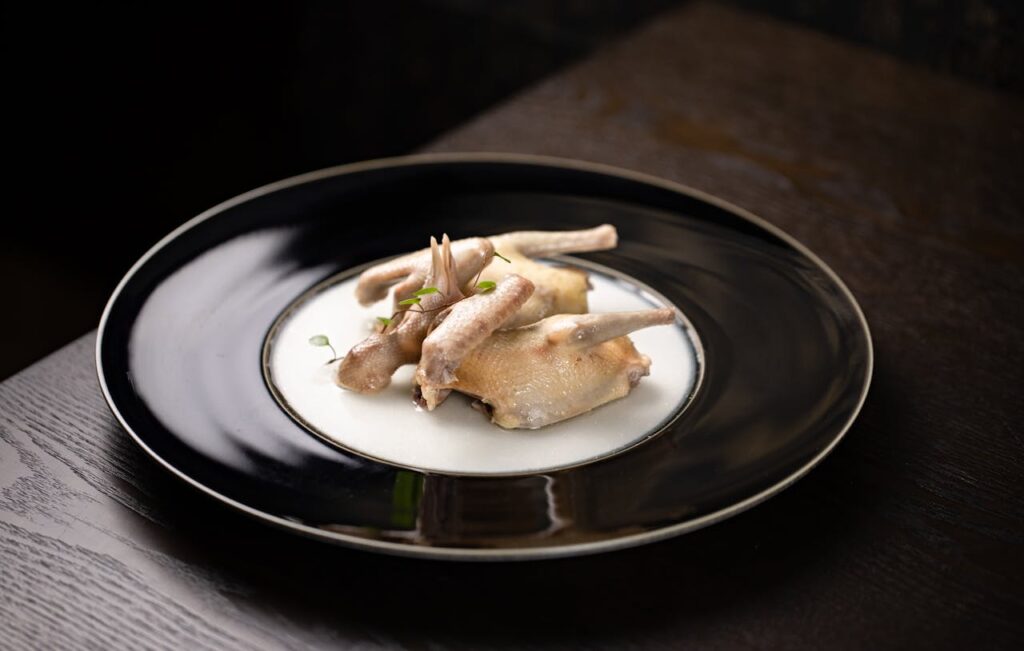
Smaller portions are often justified using words like balance, elegance, or refinement, even as prices increase. While thoughtful plating can enhance presentation, reducing quantity without adjusting cost feels deceptive. Diners notice when value changes, even if the plate looks nicer. Rebranding less food as sophistication attempts to mask cost cutting. True refinement comes from ingredient quality and technique, not from shrinking portions quietly. When serving sizes change, honesty matters. Guests respect transparency far more than marketing language designed to soften the reality of getting less for more.
12. Dessert Menus Delivered Automatically
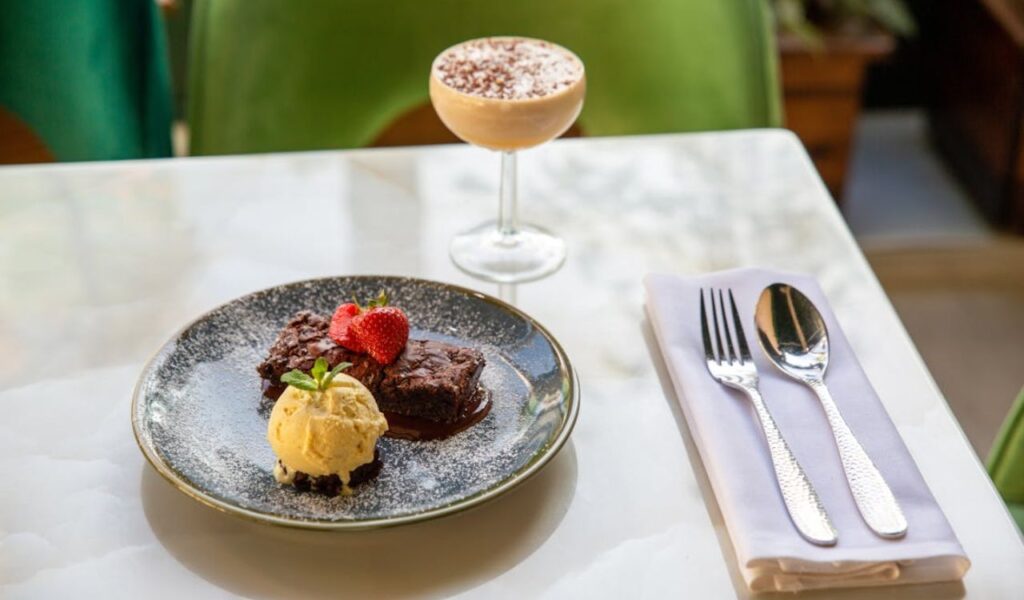
Presenting dessert menus without asking increases impulse spending. After a meal, decision fatigue sets in and self control weakens. Seeing dessert options triggers cravings, even when diners felt satisfied moments earlier. This tactic boosts sales by capitalizing on timing rather than desire. Offering dessert should feel like an invitation, not an assumption. When menus arrive automatically, choice becomes passive instead of intentional. Dining should end when guests decide they are finished, not when the next menu quietly pushes them to spend more. A simple verbal check-in respects the diner’s agency and keeps the experience feeling hospitable rather than sales driven.