11 Common Mistakes Tourists Make at American Restaurants

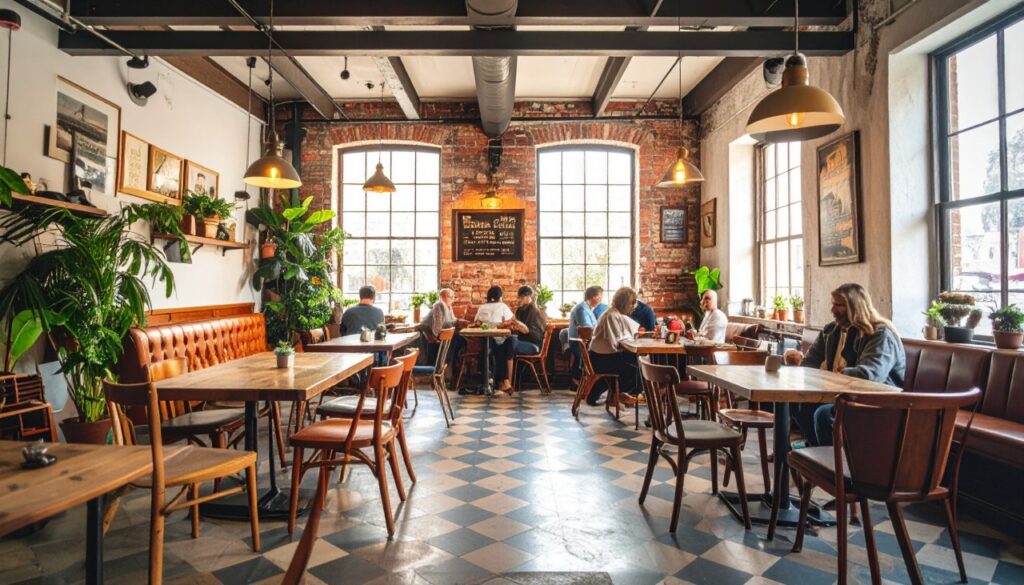
Dining out in the United States can feel familiar on the surface, yet many small details work differently than visitors expect. From how servers are paid to how food is portioned and priced, American restaurants follow customs that are rarely written on the menu. These unspoken rules shape everything from service pace to how bills are settled at the end of a meal. When tourists understand these habits in advance, dining becomes smoother, more comfortable, and far more enjoyable. Knowing what to expect helps you focus less on uncertainty and more on the food, the atmosphere, and the experience itself.
1. Not Understanding Tipping Culture
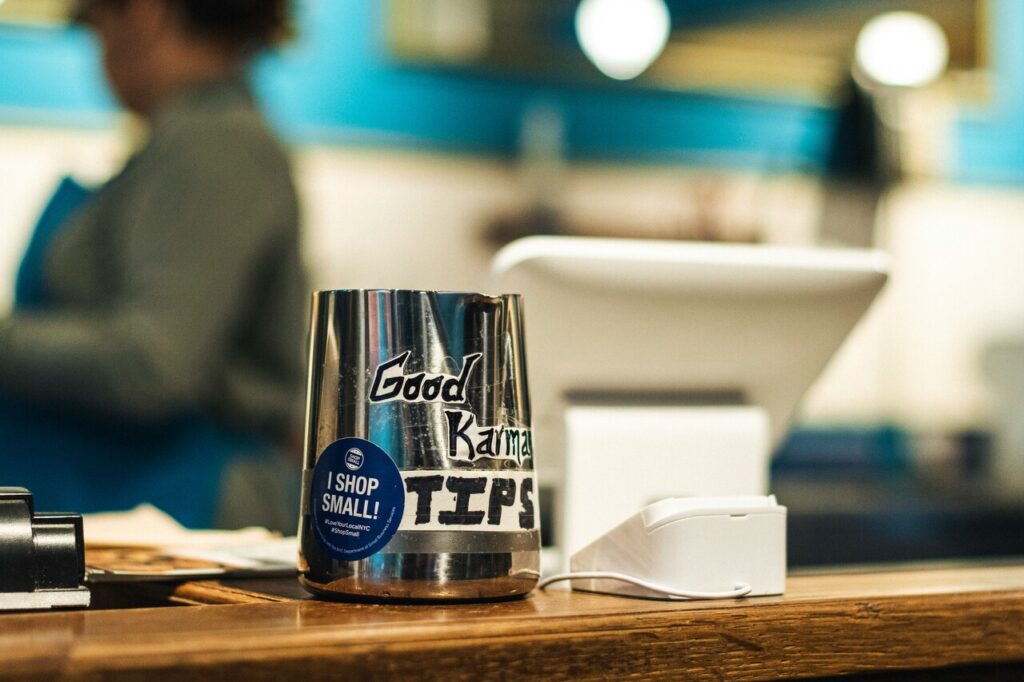
Tipping in American restaurants is not optional or symbolic. It is a core part of how service staff are paid. Servers often earn a base wage far below the standard minimum, with tips making up the majority of their income. When tourists leave little or no tip, it directly affects the server’s earnings, not the restaurant. The expected tip is generally 15 to 20 percent of the pre-tax bill for standard service, more for exceptional service. This system is deeply ingrained, and staff assume tips will be part of the payment. Ignoring tipping customs can create awkward situations and is often seen as disrespectful, even if the service was polite and attentive.
2. Assuming Water Is Always Bottled
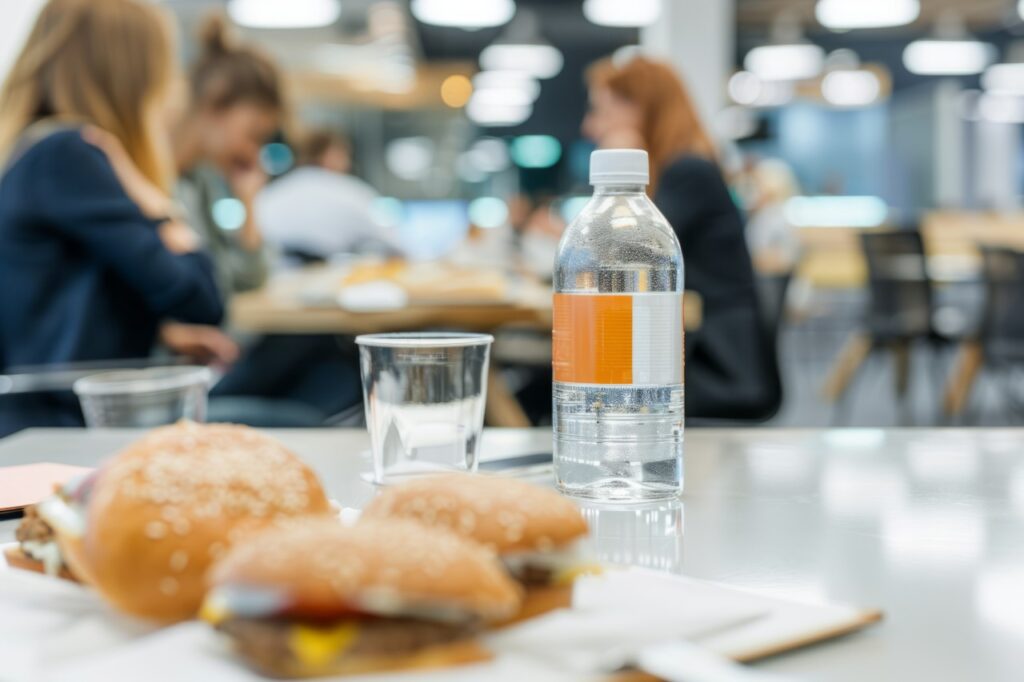
In most American restaurants, the default water served is tap water, usually filtered and safe to drink. Bottled water is typically offered only if requested and is almost always charged. Many tourists assume bottled water will be brought automatically, but that is uncommon unless the restaurant is high-end. Servers usually ask whether you want tap or bottled water, and choosing bottled water can significantly increase the bill. Understanding this avoids confusion and unexpected charges. Tap water is considered normal, acceptable, and widely consumed in the U.S., even in upscale dining settings. Choosing tap water is common and never seen as a lower-status option.
3. Underestimating Portion Sizes

American restaurant portions are famously large, and many visitors are surprised by how much food arrives at the table. Entrées are often enough for two people, especially at casual and mid-range restaurants. Side dishes can also be generous, sometimes rivaling main courses elsewhere. Ordering too much can lead to wasted food or discomfort. Locals often plan to take leftovers home, which is culturally normal. Being aware of portion size helps tourists order more strategically, share dishes, or pace the meal without feeling overwhelmed when the food arrives. Asking servers about portion sizes is common and can help you order with confidence.
4. Expecting Free Bread at Every Restaurant
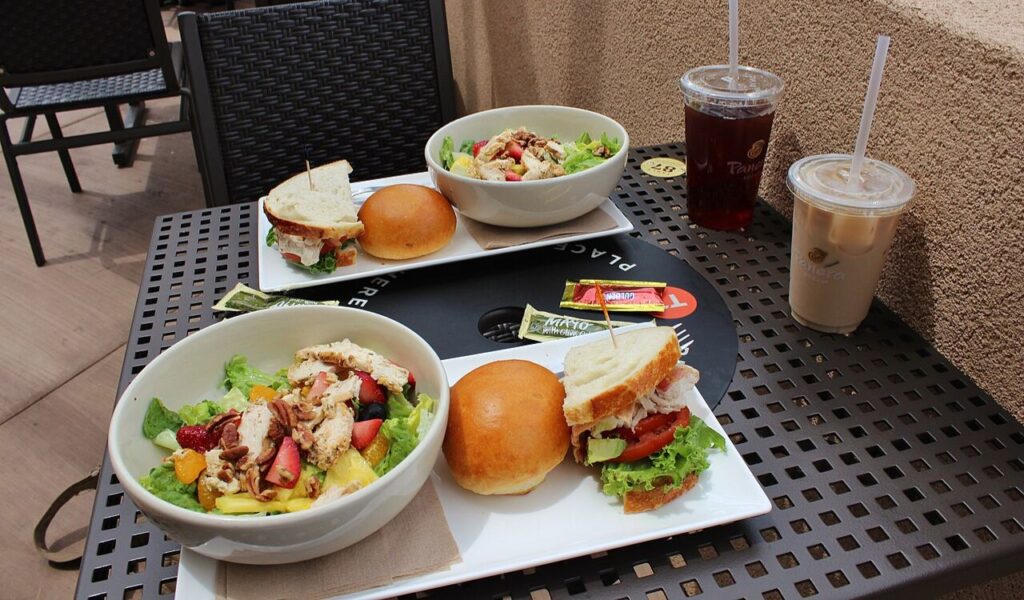
While some American restaurants offer complimentary bread or chips, many do not. This varies by region, cuisine, and restaurant style. Italian restaurants may serve bread, while others charge or skip it entirely. Assuming bread will be free can lead to disappointment or surprise charges. Some restaurants offer bread baskets as an appetizer item rather than a default. Understanding this helps set expectations and prevents confusion when the table remains empty before the main dishes arrive. In many places, bread service is used as a signal of restaurant style rather than generosity. Upscale restaurants may avoid free bread to control pacing and appetite.
5. Calling the Server Loudly or Aggressively
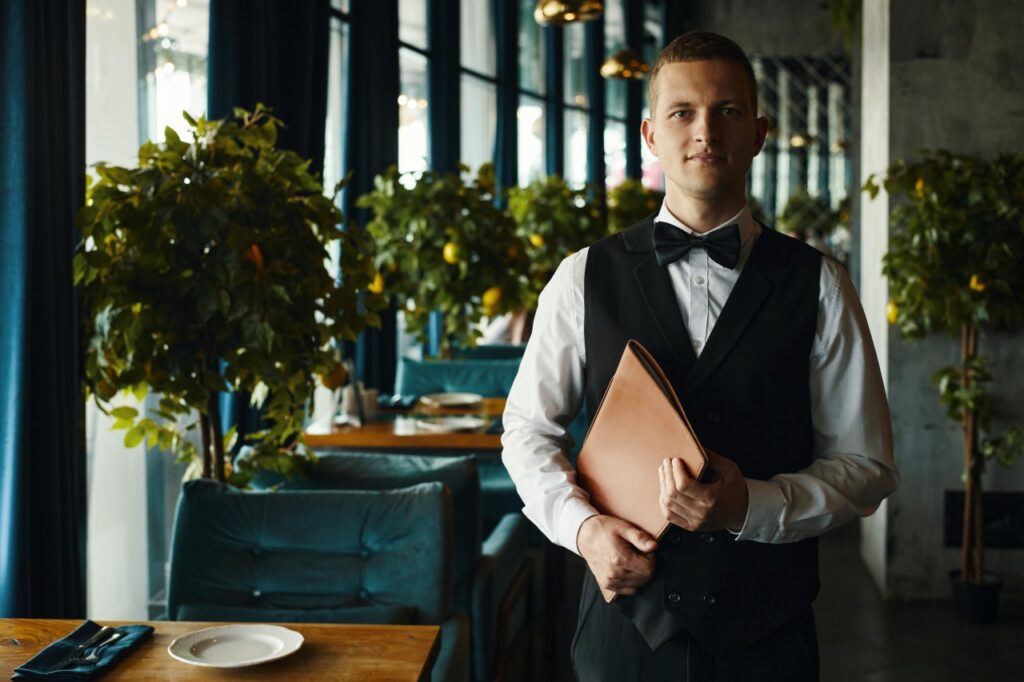
American dining culture values subtle communication. Snapping fingers, waving aggressively, or calling out to a server is considered rude. Servers are trained to check tables regularly, but they also manage multiple guests at once. Making eye contact, raising a hand slightly, or waiting briefly is the appropriate approach. Loud gestures can make staff uncomfortable and may affect service quality. Respectful patience is appreciated and aligns with local dining etiquette. Servers are expected to multitask, not hover constantly. Calm signals show awareness of this shared space. Polite behavior often results in better attention and smoother service overall.
6. Forgetting That Sales Tax Is Added Separately
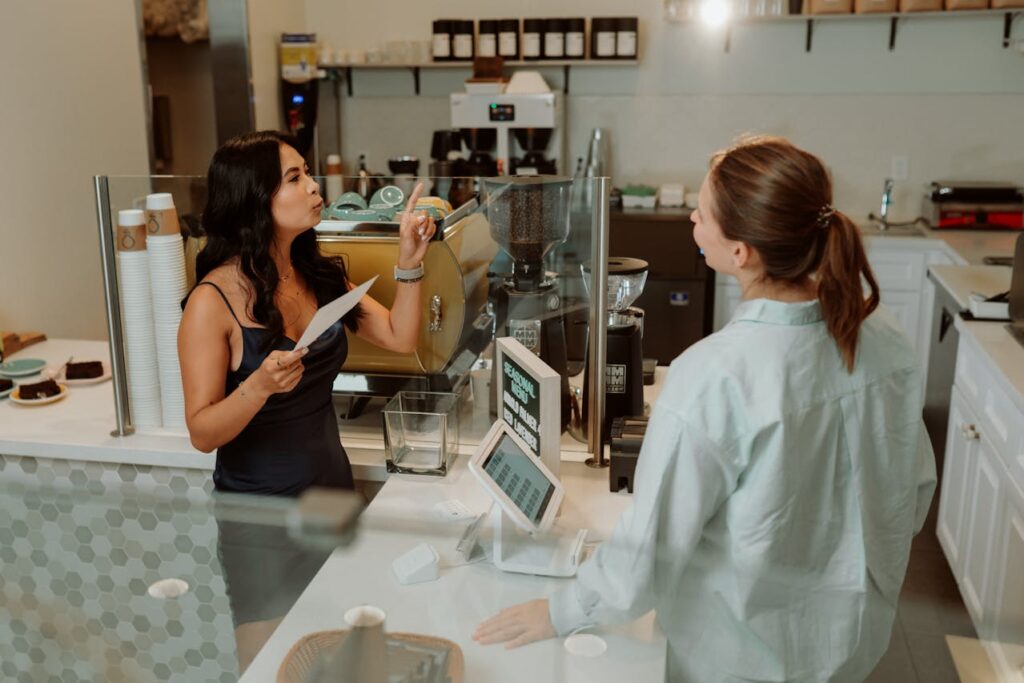
Menu prices in American restaurants do not include sales tax. The tax rate varies by state and city, and it is added to the bill at the end. Tourists often calculate costs based on menu prices alone and are surprised when the final bill is higher. This is standard practice across most retail and dining establishments in the U.S. Being aware of this helps avoid confusion and allows better budgeting for meals, especially in cities with higher tax rates. Taxes can range noticeably depending on location, sometimes exceeding expectations. This system is deeply normalized for locals. Planning a small buffer avoids sticker shock when the bill arrives.
7. Ordering Only One Dish When Sharing Is Normal
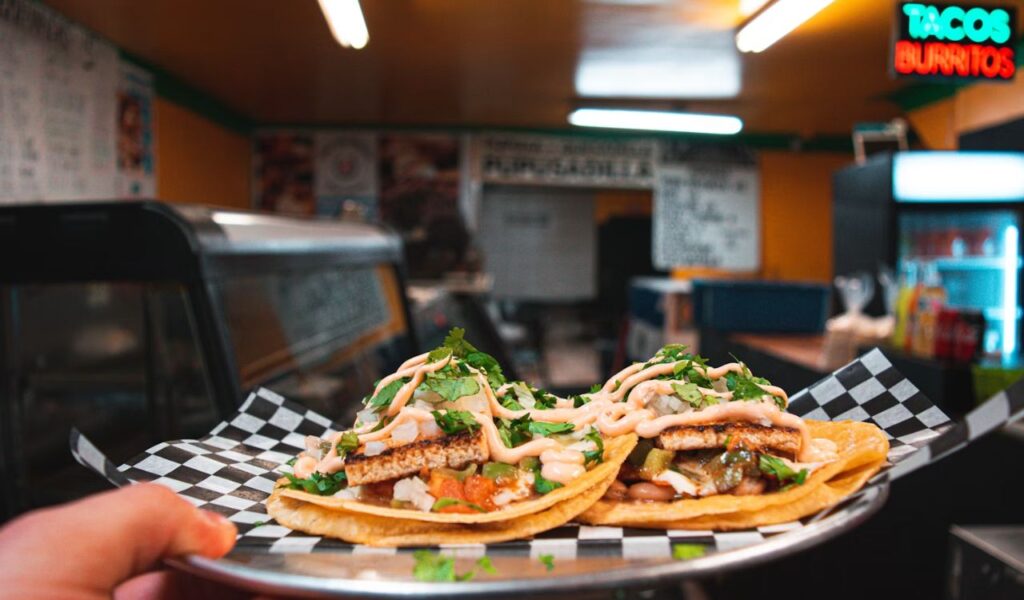
In many American restaurants, sharing food is common and welcomed. Dishes are often designed to be shared, especially appetizers and sides. Some tourists hesitate to share, assuming individual orders are expected. In reality, servers are accustomed to adjusting plates or splitting dishes when asked. Sharing helps manage portion sizes and allows diners to sample more items. It is socially acceptable and often encouraged in casual and family-style settings. Sharing also reduces waste and helps control costs. Many menus are built with this flexibility in mind. Servers rarely view sharing as inconvenient when communicated clearly.
8. Not Asking for a To-Go Box
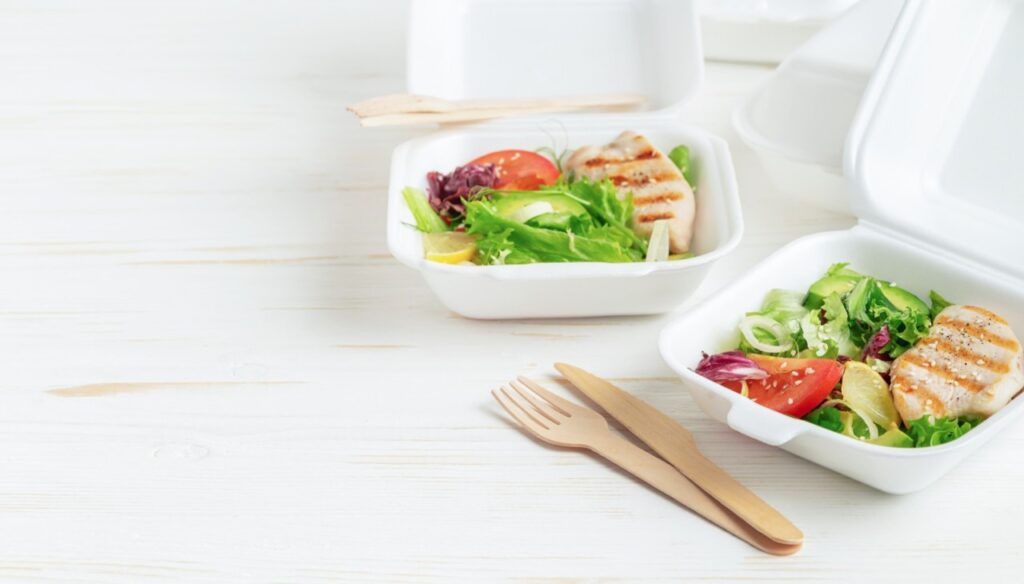
Taking leftovers home is normal in the U.S. Restaurants routinely offer to-go boxes, and asking for one is never considered impolite. Many tourists leave food behind, unaware that packing it up is standard practice. Leftovers are seen as a benefit, not a sign of poor planning. Asking for a to-go box helps reduce waste and lets you enjoy the meal again later. Servers usually offer without prompting, but requesting one is perfectly fine. Some restaurants even package leftovers neatly for travel. Locals often plan meals knowing leftovers are part of the value. Leaving food behind is more unusual than taking it home.
9. Expecting Fast Service During Busy Hours
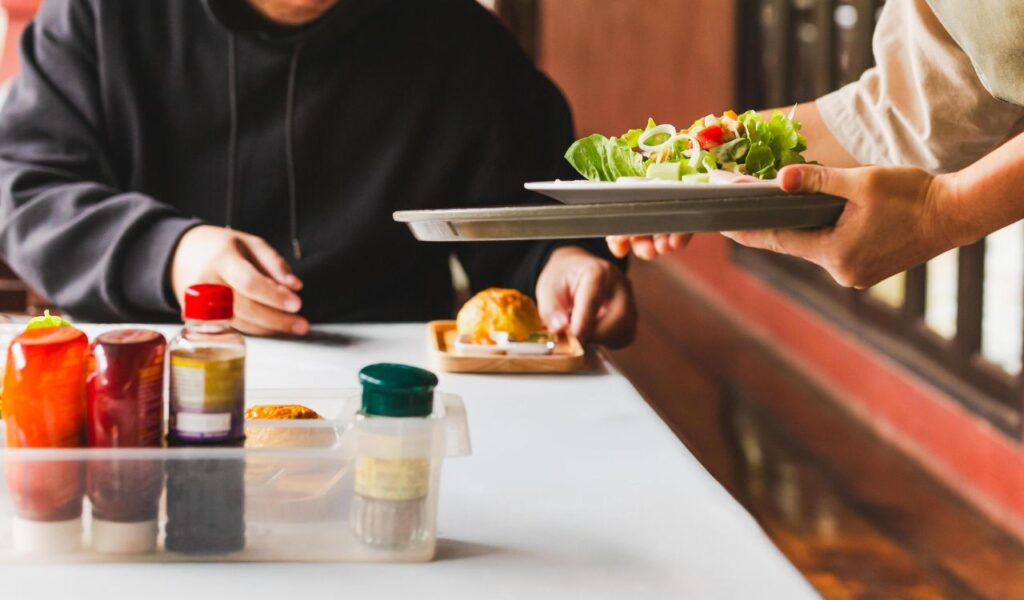
American restaurants prioritize pacing rather than speed, especially during peak hours. Lunch and dinner rushes mean kitchens and servers are handling many orders at once. Meals are meant to be enjoyed, not rushed. Tourists expecting quick service may feel frustrated during busy times. Understanding that dining is often a longer experience helps set realistic expectations. If you are short on time, it is best to mention this politely at the start of the meal. Service speed can also vary by restaurant style and region. Busy periods naturally slow everything down. Clear communication early helps servers guide timing more effectively.
10. Misunderstanding Menu Terms and Customizations

American menus often include customization options, substitutions, and cooking preferences. Terms like medium rare, house-made, or all-day breakfast may be unfamiliar. Servers expect questions and are trained to explain options. Some tourists avoid asking and end up with dishes they did not expect. Clarifying ingredients, portion size, or preparation is encouraged. Customization is common, and asking ensures the meal matches your preferences without confusion. Menus are often flexible rather than fixed. Adjustments are part of normal service. Asking questions signals engagement, not inconvenience.
11. Skipping Reservations at Popular Restaurants
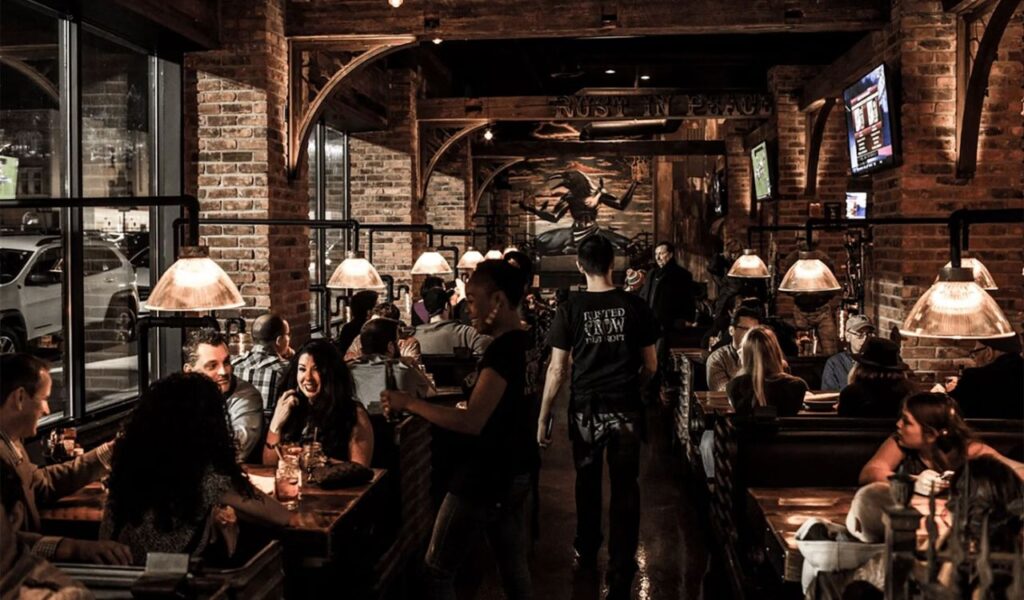
Many popular American restaurants operate at full capacity, especially on weekends and evenings. Walk-ins may face long waits or be turned away entirely. Tourists often underestimate how busy certain restaurants can be. Reservations are common and easy to make online or by phone. Planning saves time and reduces stress, particularly in major cities. Understanding this helps ensure a smoother dining experience and avoids disappointment at the door. Reservation systems are widely used and updated in real time. Even casual spots may book out quickly. A few minutes of planning can save hours of waiting.