Vintage Recipes Are Trending Again in American Home Kitchens

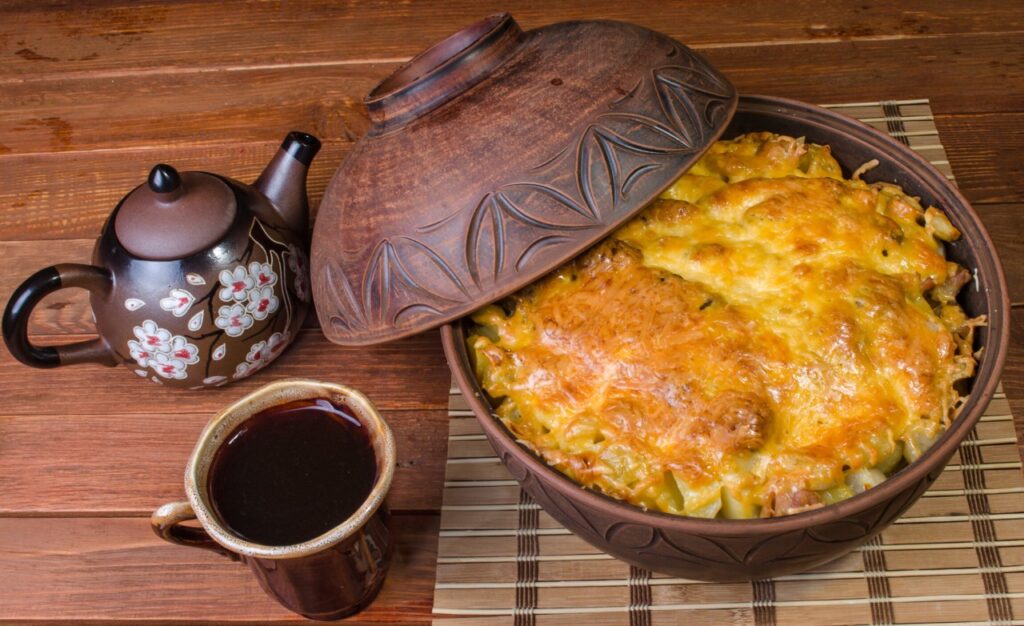
For many home cooks across the United States, the past is slowly finding its way back onto the dinner table. Vintage recipes that once lived on handwritten cards and old cookbook pages are being rediscovered with fresh interest. These dishes come from a time when meals were prepared from scratch using familiar ingredients found in most kitchens. Many people are opening old recipe boxes and finding instructions for pies, casseroles, breads, and soups that shaped everyday family meals for decades. More than just cooking instructions, these recipes carry memories of shared dinners and traditions that once defined American home kitchens.
As interest in nostalgic cooking continues to grow, more households are turning again to classic casseroles, traditional desserts, and dependable kitchen techniques that once guided everyday meals. What earlier generations considered ordinary home cooking now feels comforting and practical. Many vintage recipes rely on pantry staples, simple preparation methods, and instructions that are easy to follow. This straightforward approach appeals to modern cooks who want reliable meals without complicated steps or specialty ingredients. Preparing these dishes again allows families to reconnect with food traditions that shaped everyday cooking in earlier decades.
Nostalgia Driving the Revival
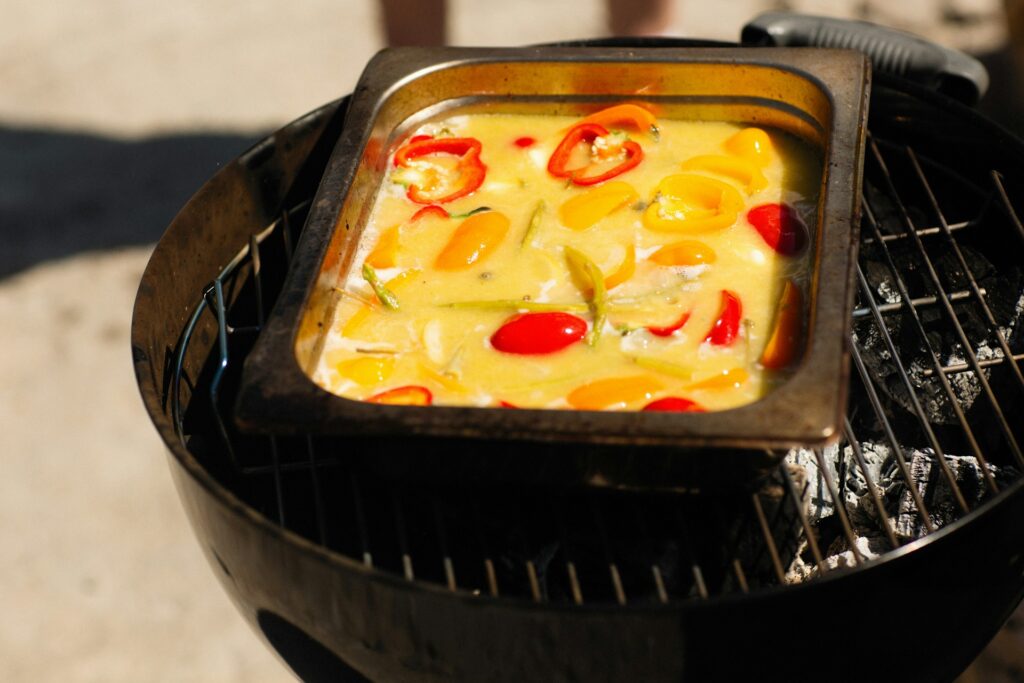
A powerful sense of nostalgia is helping bring vintage recipes back into American home kitchens. Many cooks today are rediscovering dishes that once appeared regularly on family tables during the middle decades of the twentieth century. Recipes for casseroles, homemade pies, puddings, and baked comfort foods are being pulled from old cookbooks and handwritten cards saved for years. These meals often remind people of childhood dinners, weekend gatherings, and holiday celebrations centered around home cooking. When people prepare these dishes again, they are not just following an old recipe. They are recreating flavors and traditions that once played an important role in daily family life.
Researchers who study food culture often point out that nostalgia becomes meaningful during periods of social change or uncertainty. Cooking familiar meals from the past can provide comfort and stability when modern life feels fast-paced. Vintage recipes also appeal to many people because they are usually clear and practical. They rely on simple ingredients, familiar cooking methods, and instructions that are easy to follow. This straightforward style makes them accessible for both experienced cooks and beginners. Preparing a recipe that has been shared through generations also creates a link to family history, allowing traditions and memories to continue through everyday meals.
Family Traditions Returning to the Table
Many of the vintage dishes gaining attention today come from family recipe boxes, handwritten cards, and well-worn community cookbooks passed down for decades. These collections often hold recipes shared among relatives, neighbors, and church groups, reflecting the everyday meals people prepared at home. Long before digital recipes became common, families saved these instructions because they represented trusted dishes that worked every time. Inside these boxes are recipes for soups, casseroles, desserts, and baked goods that once appeared regularly at family dinners and holiday gatherings, quietly documenting how earlier generations cooked and shared food.
As younger generations show more interest in cooking at home, many are turning to these family archives for inspiration. Preparing a grandmother’s soup recipe or a parent’s holiday dessert allows people to keep traditions alive while learning techniques that were once common in everyday kitchens. These recipes also reveal how earlier households relied on seasonal ingredients, practical cooking methods, and meals designed to feed families comfortably. By bringing these dishes back into regular rotation, modern cooks are preserving small pieces of family history while rediscovering flavors that once played a central role in daily life.
Social Media Fueling Retro Recipe Popularity
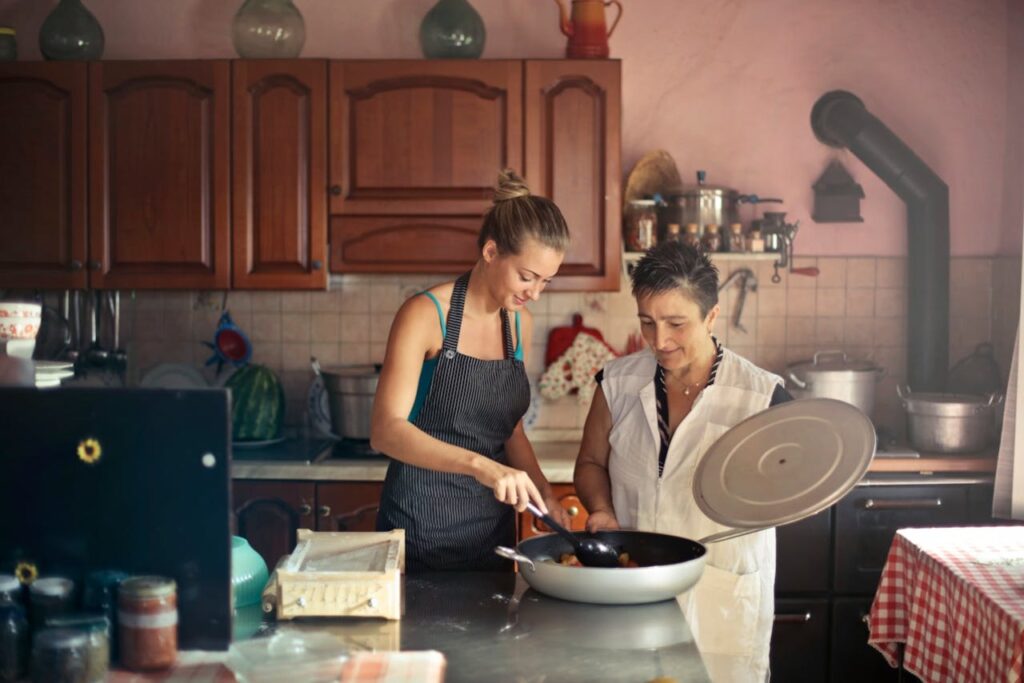
Social media has become a major force behind the renewed interest in vintage recipes. Platforms built around food content, including video sharing sites, blogs, and visual recipe feeds, allow creators to revisit dishes once common in American kitchens decades ago. Many cooks film themselves recreating recipes from cookbooks published in the 1940s, 1950s, and 1960s, introducing these meals to audiences who may never have seen them before. Viewers are often drawn to the simplicity of the ingredients and the clear step-by-step cooking methods. As these videos circulate online, recipes that once existed only in old cookbooks are gaining fresh attention among a wider and younger audience.
Content creators often go beyond simply preparing the dishes by explaining the background behind the recipes they recreate. Some explore how certain meals became popular during specific decades, while others discuss the cultural habits that shaped home cooking at the time. This storytelling element adds context that makes the recipes more meaningful for modern viewers. Because of this growing online interest, vintage recipes are no longer limited to family archives or aging cookbooks stored on shelves. Instead, they are part of a lively digital conversation where food history and modern home cooking come together in an accessible and engaging way.
Practical Cooking Lessons from the Past
Many vintage recipes were created during periods when households had to cook carefully with limited resources, and that practicality is one reason they are gaining attention again. Earlier generations often planned meals around what was already in the pantry or available during the season. Recipes were designed to make the most of simple ingredients while avoiding waste whenever possible. Leftover vegetables might become soup the next day, while extra bread could be turned into puddings or stuffing. These habits helped families stretch groceries across several meals. As a result, many traditional recipes reflect a thoughtful approach to cooking focused on efficiency and careful planning.
Modern home cooks are beginning to appreciate these practical lessons as food prices rise and awareness about waste grows. Vintage recipes often rely on pantry staples such as flour, beans, eggs, and preserved ingredients, making them both affordable and accessible. Their instructions are usually straightforward, emphasizing dependable methods rather than complicated techniques. This approach fits well with today’s interest in cooking meals that are both economical and satisfying. By exploring these older recipes, many people are rediscovering strategies that helped earlier generations manage household kitchens wisely.
Vintage Dishes Inspiring Modern Home Kitchens
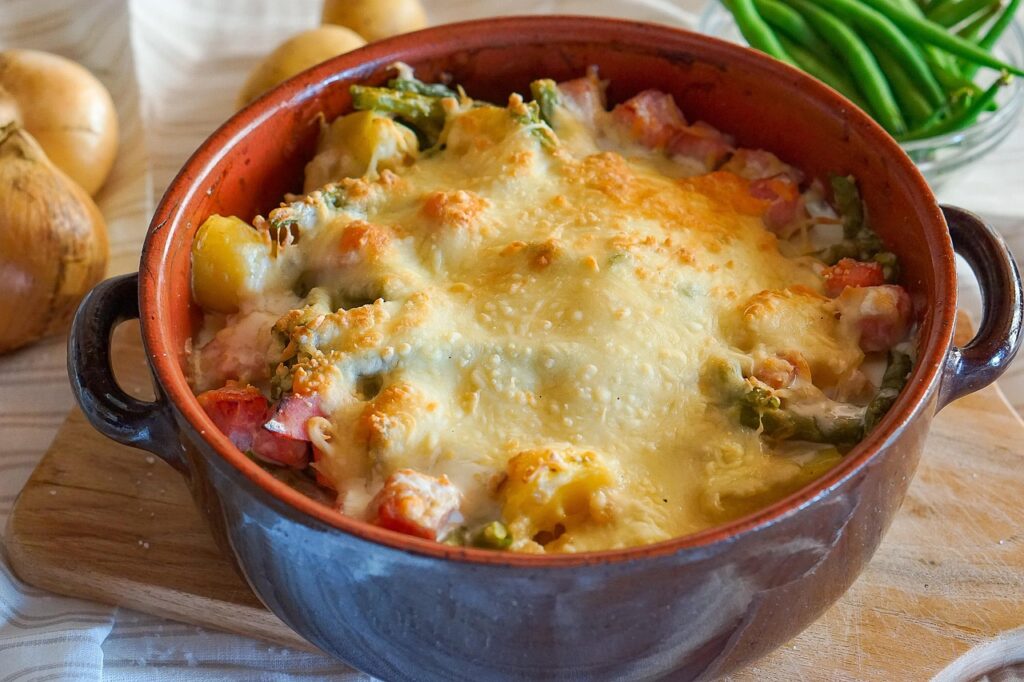
Many vintage recipes are not simply copied from old cookbooks. Instead, they are inspiring home cooks to reinterpret classic dishes in ways that fit modern kitchens. The original structure of the recipe often remains the same, but certain ingredients or techniques are adjusted to match current preferences. For example, a traditional casserole might be prepared with fresher vegetables or lighter sauces, while an older dessert recipe could be modified with less sugar or different baking methods. This approach allows cooks to enjoy the familiar comfort of vintage dishes while adapting them to today’s tastes, making old recipes feel practical and appealing again.
This blending of tradition and adaptation helps vintage recipes stay relevant in contemporary cooking. Many of the techniques found in older recipes, such as slow baking, layering flavors, and cooking with pantry staples, still work well in modern kitchens. Home cooks often appreciate the reliability of these time-tested methods while making small updates that reflect today’s ingredients and cooking habits. As a result, vintage recipes are no longer viewed only as relics from the past. They are becoming a source of inspiration that encourages people to combine traditional knowledge with modern creativity in everyday meals.