8 American Classic Dishes with Surprising and Dark Origins

Many foods now seen as comforting American classics were born from struggle rather than abundance. Behind familiar flavors are stories shaped by slavery, poverty, labor exploitation, and survival during economic hardship. These dishes emerged when people had limited access to quality ingredients and were forced to stretch what little they had. Over time, necessity driven meals became normalized, commercialized, and celebrated, often without acknowledgment of their origins. Exploring the darker histories behind these foods does not diminish their cultural value. Instead, it reveals how American cuisine reflects deeper social realities that continue to influence what ends up on our plates today.
1. Biscuits and Gravy
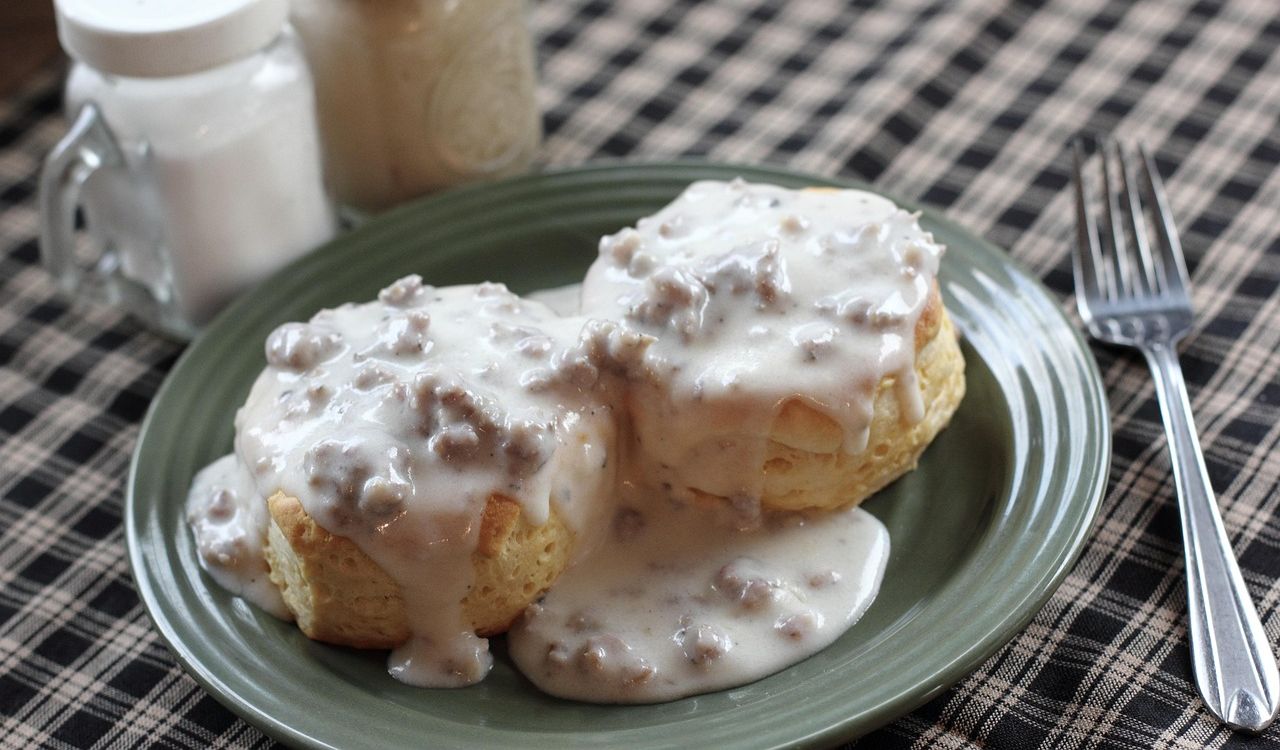
Biscuits and gravy originated in the rural American South as a low cost way to feed large families with limited resources. The dish relied on inexpensive flour, fat, and meat scraps rather than premium cuts. Sausage gravy was often made from leftover pork trimmings that could not be sold otherwise. This meal became common among laborers who needed filling calories rather than refined flavor. While now associated with comfort food culture, its roots reflect poverty driven cooking traditions where people used whatever ingredients were available to survive physically demanding workdays with minimal access to fresh or varied foods.
2. Cornbread
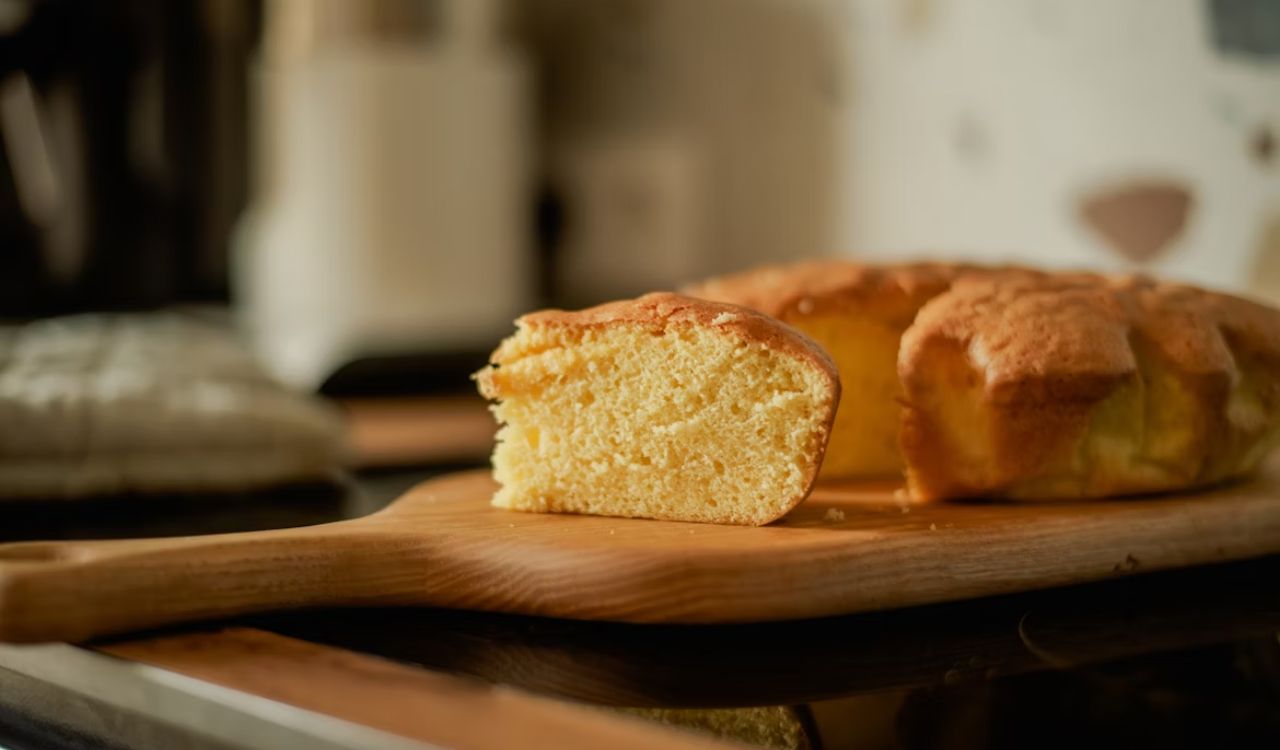
Cornbread has deep ties to survival cooking among Indigenous peoples and enslaved Africans in America. Corn was cheaper and more accessible than wheat, especially in the South, making it a staple for those denied economic power. Enslaved people often relied on coarse cornmeal rations as their primary food source. Cornbread required minimal ingredients and could be cooked quickly, making it practical under harsh conditions. While now celebrated as a classic side dish, its history reflects forced dependence on limited provisions and the creativity required to sustain nourishment under systems of control and exploitation.
3. Fried Chicken
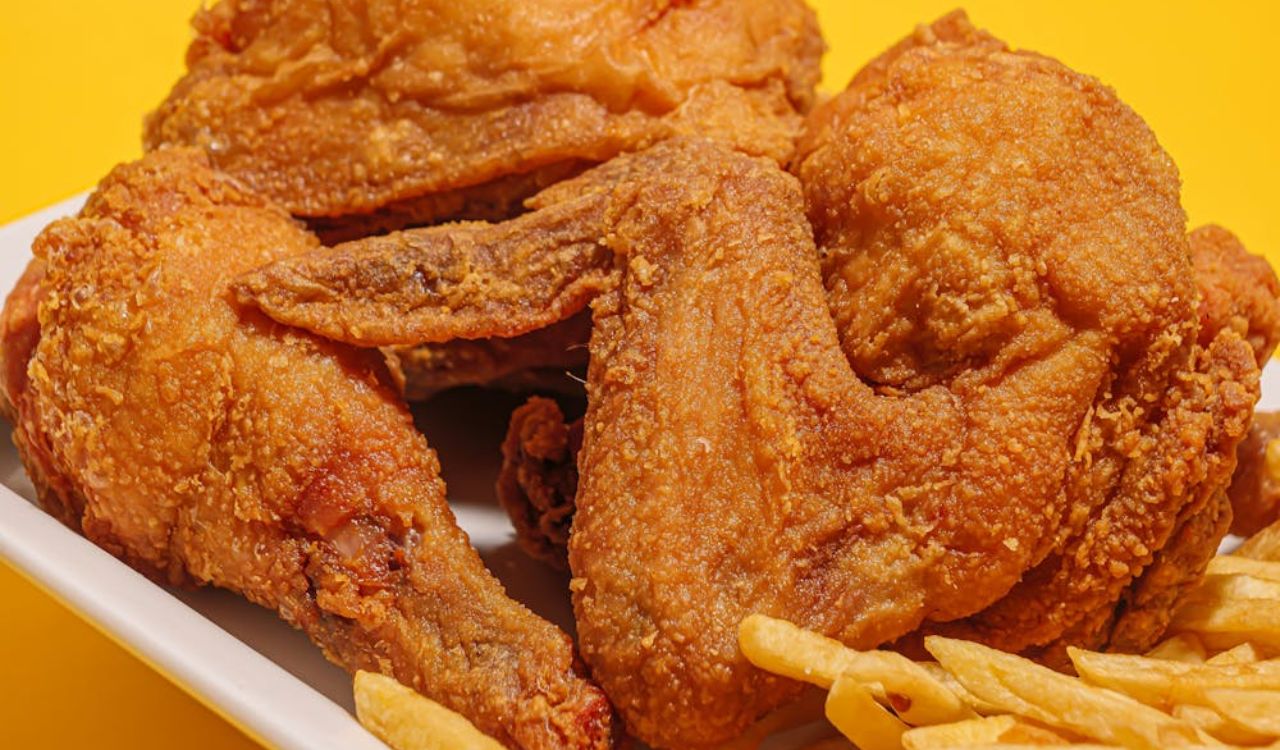
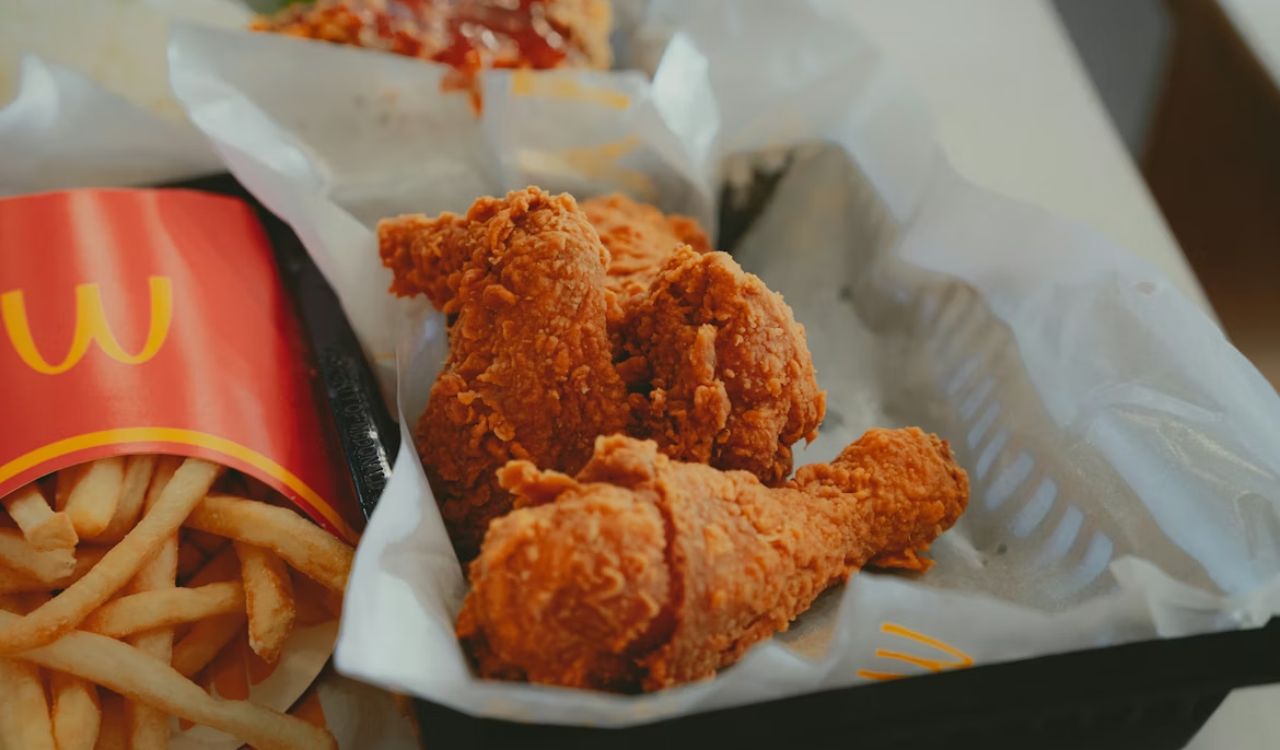
Fried chicken became associated with African American cooking through a complex and painful history. Enslaved cooks were often responsible for preparing meals and developed frying techniques using limited ingredients. Fried foods were also portable, which mattered when travel options were restricted. After emancipation, fried chicken became one of the few foods Black women could sell independently, often under racist economic limitations. Though now commercialized and celebrated nationwide, its origins are tied to survival, labor inequality, and the necessity of turning skill into income in a society that restricted opportunity.
4. Meatloaf
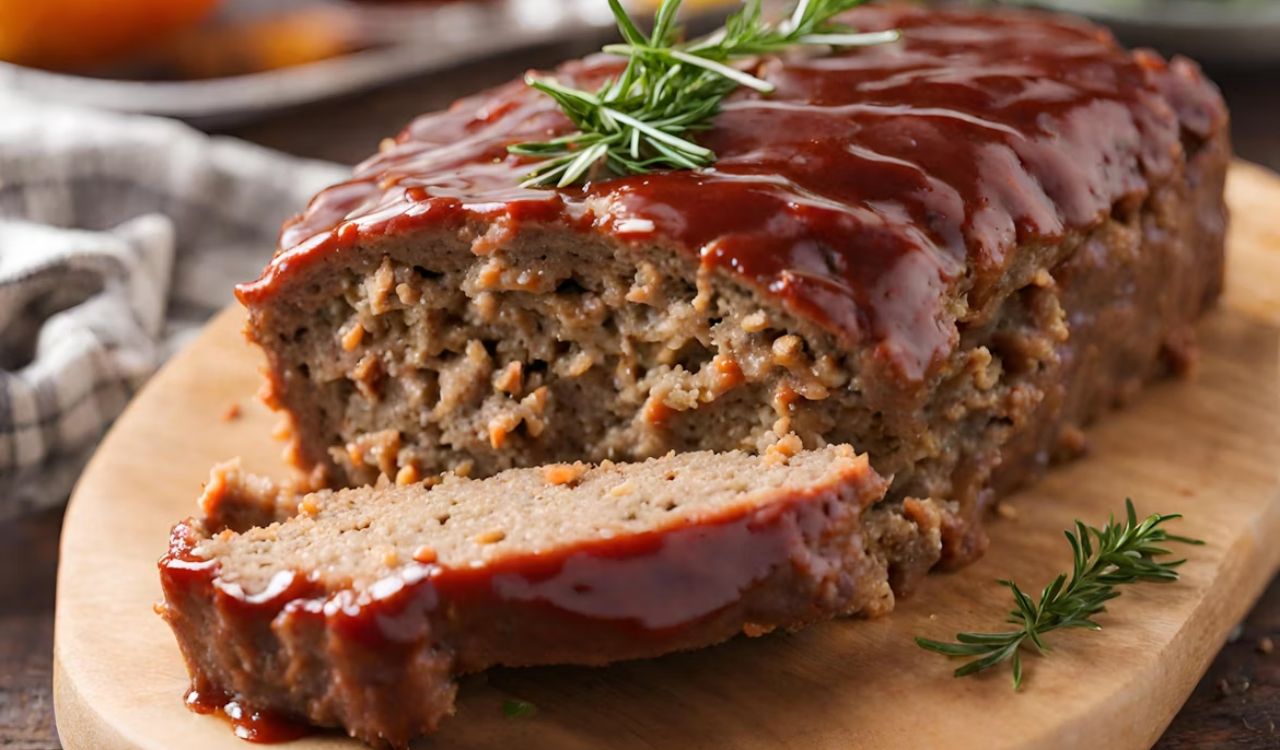
Meatloaf gained popularity during the Great Depression when families needed to stretch small amounts of meat. Breadcrumbs, oats, or fillers were added to make meals last longer and feed more people. Government pamphlets and rationing guidance promoted meatloaf as an efficient way to conserve protein during economic hardship and wartime shortages. The dish prioritized practicality over indulgence. While modern versions can be flavorful and comforting, meatloaf’s rise reflects eras of scarcity where households were forced to maximize calories and nutrition while facing widespread unemployment and limited access to fresh ingredients.
5. Hot Dogs
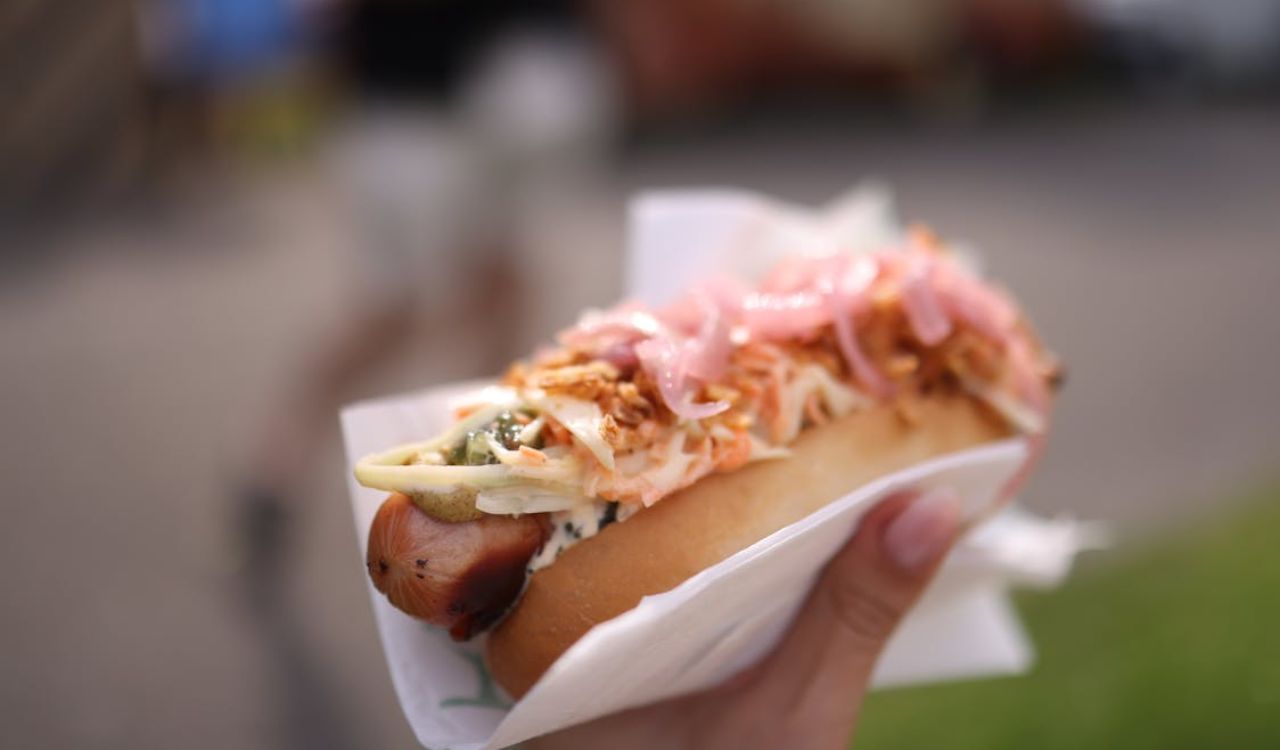
Hot dogs trace their American popularity to industrial meat processing in the late nineteenth and early twentieth centuries. They were made from leftover meat trimmings that could not be sold whole, allowing producers to reduce waste and increase profits. Hot dogs became cheap street food for factory workers and immigrants who needed fast, affordable meals. Their mass production reflected industrial efficiency rather than culinary care. Although now a symbol of baseball games and backyard cookouts, hot dogs originated from economic systems that prioritized volume, speed, and low cost over transparency or quality.
6. Macaroni and Cheese
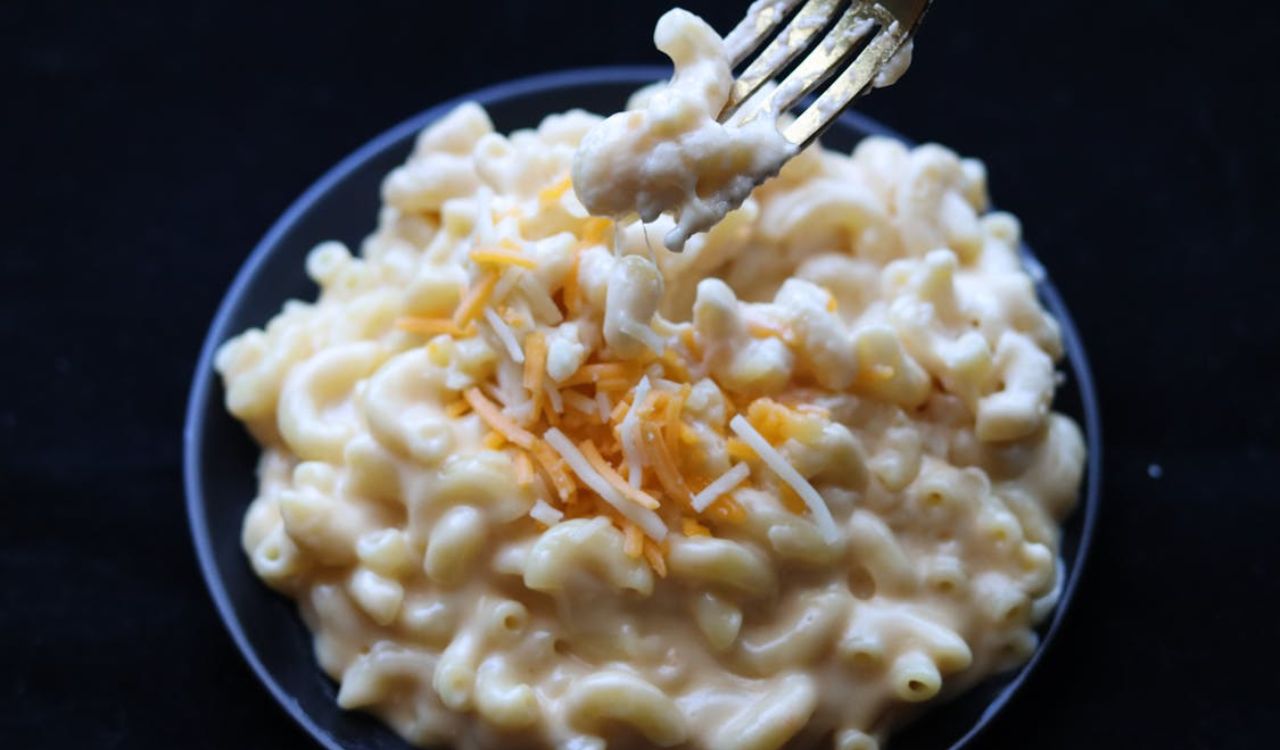
Macaroni and cheese evolved from a simple pasta and cheese combination into a survival food during economic downturns. Boxed versions gained popularity during the Great Depression because they were inexpensive, shelf stable, and filling. Families could feed several people with minimal cost and effort. Government rationing during wartime further encouraged reliance on processed cheese products. While now associated with comfort and nostalgia, its widespread adoption reflects periods when households needed affordable meals that required few ingredients and could compensate for limited access to fresh dairy or meat.
7. Pork and Beans
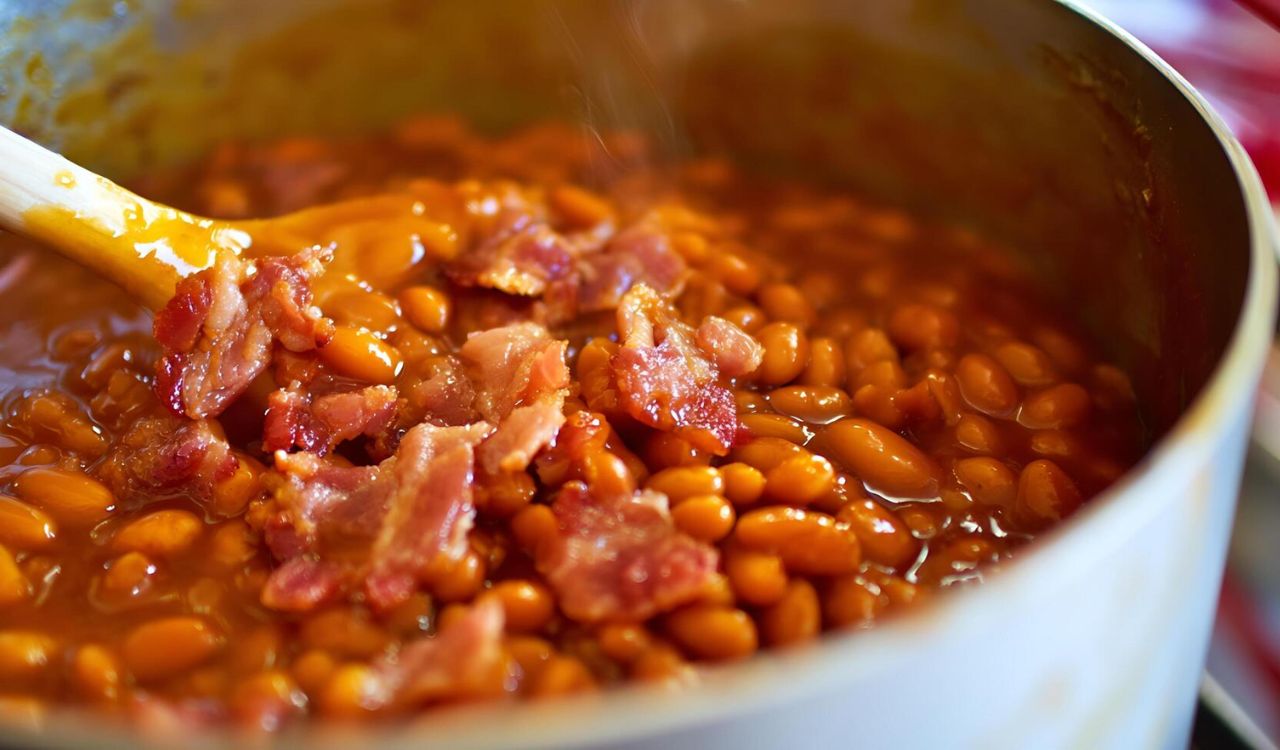
Pork and beans became a staple during times of industrial labor and military provisioning. Canned versions were marketed as an efficient, long lasting food that delivered protein and calories cheaply. Pork used in these dishes often came from less desirable cuts, while beans served as a filling base. This meal was heavily consumed by soldiers, factory workers, and families facing financial strain. Though now viewed as a simple side dish, pork and beans reflect how processed foods expanded to meet the needs of populations experiencing long hours, low wages, and limited food options.
8. Chicken and Dumplings
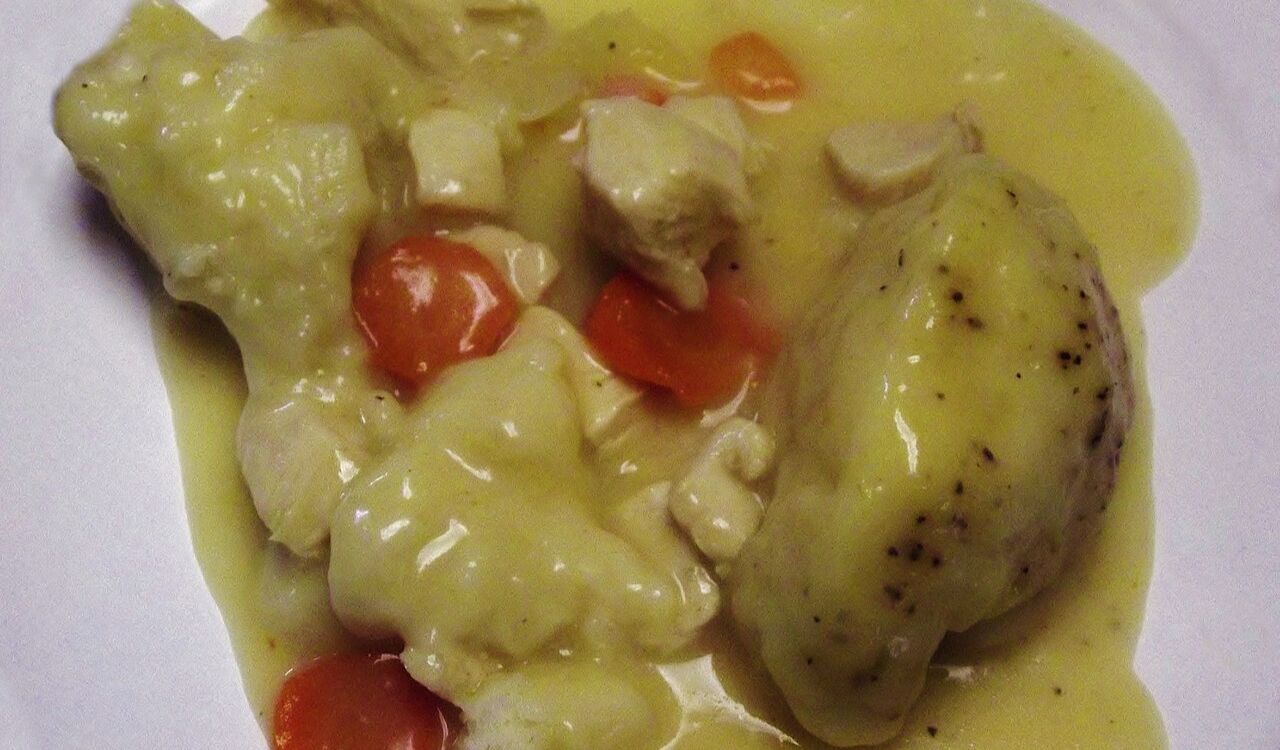
Chicken and dumplings originated as a way to make a single bird feed an entire household. Dumplings were added to stretch broth and increase fullness without requiring additional meat. This dish was common among poor rural families who relied on slow simmering methods to extract maximum nutrition from limited ingredients. The meal emphasized sustenance over luxury. Today it is considered a comforting classic, but its roots reflect economic hardship and the necessity of resourceful cooking during times when food scarcity and labor intensive lifestyles were common realities.