How Coffee Shops Decided What Your Morning Should Look Like and Why It Worked So Well

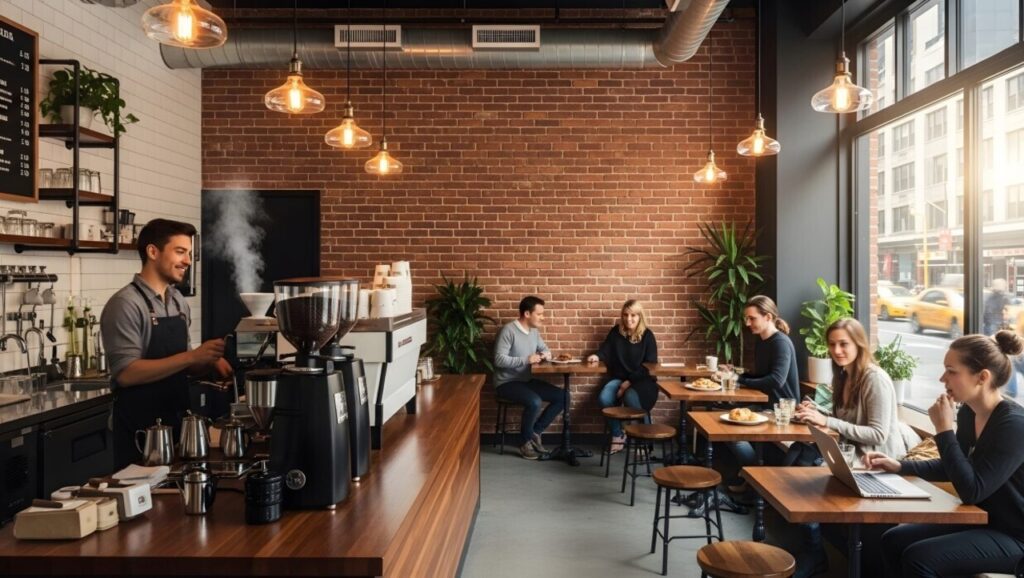
Mornings rarely begin by accident anymore, even if they seem effortless on the surface. The way people start their day has been quietly shaped over time, influenced not just by personal preference but by carefully designed experiences waiting just outside their door. Coffee shops have taken something as simple as a cup of coffee and turned it into a reliable starting point, where the rhythm of ordering, waiting, and taking that first sip feels almost automatic. This pattern creates a sense of ease, allowing people to move from rest to activity without friction, making mornings feel more structured, steady, and comfortably predictable.
What feels like a personal habit is often the result of thoughtful planning that works quietly in the background. From store layouts and menu simplicity to service speed and product placement, coffee shops have learned how to guide behavior without drawing attention to it. These spaces are designed to feel intuitive, reducing decision-making and encouraging repeat visits. Over time, these subtle cues shape patterns that customers begin to rely on daily. What starts as convenience gradually becomes routine, turning a simple coffee stop into a consistent ritual that influences how millions of people organize and experience their mornings.
Why Coffee Shops Still Define Modern Mornings

For many people, the day does not truly begin until they step into a coffee shop or hold a cup in their hand, and this pattern has been shaped over years of repeated experience. What feels like a small personal choice is often part of a larger, carefully designed system that fits neatly into early hours. Coffee shops open at times that match commuting schedules, place counters for quick access, and streamline ordering to reduce delays. These elements work together to create a smooth transition from rest to activity, helping people ease into their day with minimal effort while reinforcing a sense of routine that feels both natural and dependable.
What makes this influence last is how seamlessly it blends into a habit without requiring active thought from the customer. The decision to stop for coffee becomes automatic, shaped by familiarity rather than conscious planning. By delivering the same environment, taste, and service each day, cafés remove uncertainty and replace it with a steady sense of structure. This predictability is especially important in the morning, when mental energy is limited, and people prefer simple, reliable choices. Over time, this repeated experience strengthens the habit, allowing coffee shops to quietly define how millions of people begin their day.
How Routine Became a Powerful Business Model
What began as a simple beverage service has gradually evolved into a highly structured routine that businesses now rely on with remarkable consistency. Coffee shops are not just selling drinks; they are shaping repeat behavior that fits neatly into daily life. By encouraging customers to visit at similar times each day, they create a dependable flow of demand that can be anticipated and managed. This predictability allows businesses to optimize inventory, schedule staff efficiently, and maintain smooth operations even during peak hours, turning everyday habits into a stable and scalable system that supports long-term growth.
The strength of this model lies in how effortlessly it integrates into a customer’s routine without feeling forced or overly structured. Once coffee becomes part of a daily schedule, the likelihood of seeking alternatives naturally decreases. Features like loyalty programs, fast service, mobile ordering, and consistent product quality reinforce this behavior, making the habit feel convenient and rewarding. Over time, what begins as a simple personal preference evolves into a dependable pattern that benefits both sides, turning routine into a reliable engine for sustained revenue and customer retention.
The Lasting Appeal of a Perfect Morning Ritual
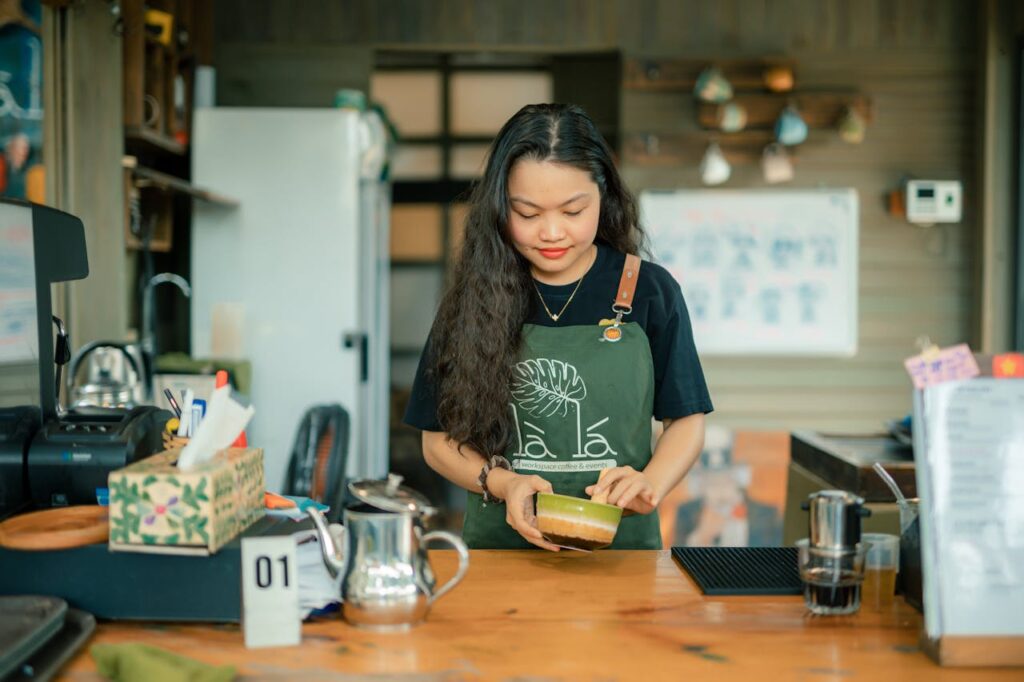
A well-shaped morning ritual does more than save time; it creates a steady mental starting point before the demands of the day begin to unfold. Coffee shops have carefully refined this idea by offering an experience that feels both personal and reliably familiar with every visit. The aroma of freshly brewed coffee, the steady hum of machines, and the predictable rhythm of preparation all work together to signal that the day has officially begun. These sensory cues are not random; they are consistent markers that help the brain shift from rest to alertness, making the transition feel smoother, calmer, and more intentional.
This sense of appeal grows stronger through repetition, as familiar actions gradually turn into comforting habits rather than routine tasks. When the same steps are followed each morning, the brain uses less energy making decisions, which helps reduce early fatigue and improves focus. This creates a subtle feeling of readiness before the day’s responsibilities take over. By delivering this consistent experience every time, coffee shops become more than just a stop for a drink. They turn into a dependable part of a daily rhythm, offering both practical ease and a sense of emotional grounding that people continue to seek.
Why Familiar Spaces Shape Daily Habits
The environment plays a powerful and often underestimated role in shaping human behavior, and coffee shops are carefully designed with this principle at their core. Every detail, from seating layout and lighting to background music and even walking flow, is arranged to feel intuitive and welcoming. These elements reduce uncertainty and make the space easy to understand at a glance, which is especially important during busy mornings. When people enter a place that feels familiar and predictable, they are more likely to relax, move confidently, and return without hesitation, reinforcing a sense of comfort tied directly to the environment.
Over time, these spaces begin to integrate into personal routines in ways that feel natural rather than intentional. Customers start forming small preferences, such as choosing the same seat, ordering the same drink, or arriving at a similar time each day. These repeated actions strengthen the link between place and habit, turning the café into more than just a functional stop. It becomes a reliable part of daily life, offering consistency in an otherwise changing schedule. This steady presence helps reinforce patterns that continue over long periods, making the space feel personally significant and hard to replace.
How Coffee Culture Continues to Influence Everyday Life

Coffee culture has gradually moved far beyond the simple act of drinking a beverage, shaping how people organize their mornings, connect with others, and even approach their workday. Cafés now function as flexible spaces that serve multiple purposes at once, acting as meeting spots, informal offices, and transition zones between home and professional life. This adaptability allows them to fit into a wide range of routines without losing their core identity. Whether someone stops briefly for a takeaway or settles in for hours, the environment supports both quick movement and extended stays with equal ease.
At the same time, coffee shops continue to evolve in response to changing expectations and lifestyles, refining how they deliver speed, variety, and personalization. Mobile ordering, customizable menus, and efficient service models are introduced to match modern demand while maintaining consistency. Even with these updates, the central goal remains unchanged: offer a dependable and appealing start to the day. This balance between innovation and familiarity ensures that coffee culture stays relevant, continuing to influence how people begin their mornings and structure the flow of their daily lives.