Why the Most Iconic Dishes in American Food History Were Almost Always Invented by Accident

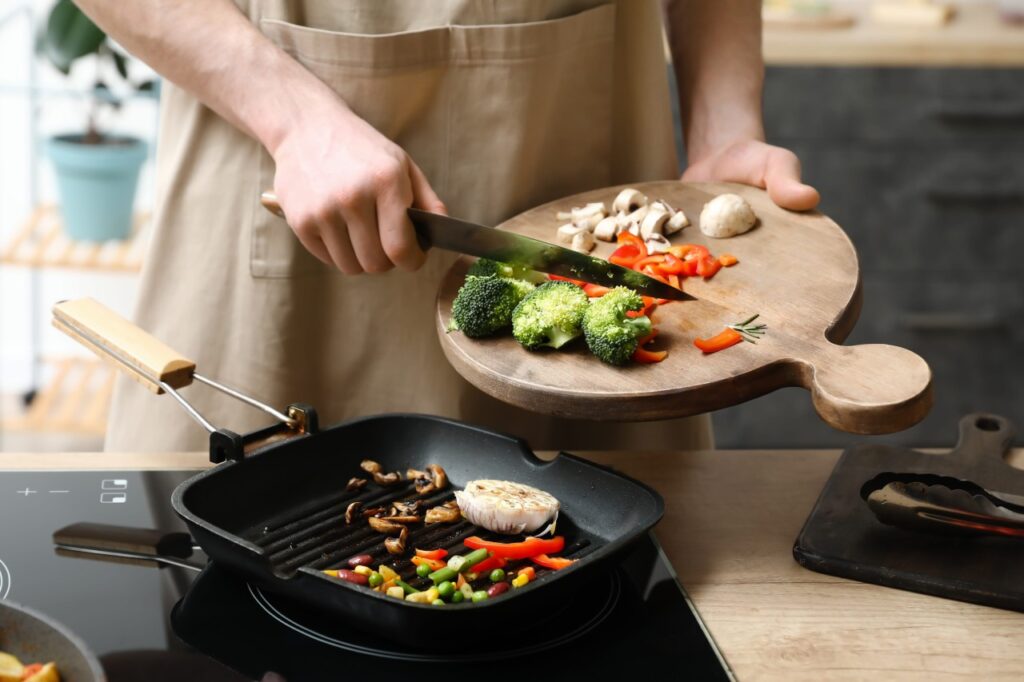
Some of the most iconic dishes in American food history were never carefully planned, fully perfected, or even expected to succeed in the first place. They came to life in moments of haste, distraction, or simple curiosity, when something shifted slightly off course in the kitchen. A missed step, an extra minute on the stove, or an unexpected combination of ingredients often led to results no one saw coming. Yet instead of failure, these moments produced flavors that felt surprisingly balanced and satisfying. What started as a small misstep evolved into something memorable, showing that great food rarely follows a straight or predictable path from idea to plate.
Behind these unexpected creations is a deeper and more revealing story about how cooking truly works in real environments. Kitchens are not controlled laboratories but dynamic spaces filled with movement, pressure, and constant decision-making. Ingredients vary, timing shifts, and cooks adapt in real time. These small variations can lead to entirely new outcomes, some of which stand out enough to be repeated and refined. Over time, such accidental discoveries have shaped menus, influenced traditions, and found their way into everyday meals across the country. They highlight how instinct, timing, and openness to change often matter just as much as planning in the creative process of cooking.
Why Accidental Dishes Continue to Win Hearts

Some of the most loved dishes in American food history were never meant to exist in the first place, and that unexpected origin is part of what makes them so enduring. They often emerged from small missteps, quick substitutions, or moments when something simply did not go according to plan in a busy kitchen. Instead of being discarded, these outcomes revealed flavors and textures that felt surprisingly complete. Because they were not overworked or forced into perfection, they carried a natural balance that people responded to immediately. Over time, what began as a mistake transformed into something reliable, showing that memorable food does not always come from careful design.
What keeps these accidental dishes relevant even today is their simplicity and strong emotional pull. Most of them are built on familiar ingredients and uncomplicated techniques, which makes them easy to recreate without specialized skills. This ease allows them to move across regions and generations without losing their appeal. People are drawn not only to how they taste, but also to the idea that something so good came from chance. That connection adds depth to the experience, turning ordinary meals into something meaningful while securing their place in everyday American cooking. It reminds us that great ideas often come when least expected.
How Mistakes Became America’s Culinary Identity
American cuisine has always been shaped by diversity, adaptation, and resourcefulness, making it especially open to unexpected outcomes. In such an environment, mistakes were rarely treated as outright failures. Instead, they became chances to adjust, rethink, and improve what was already in progress. Immigrants, home cooks, and professional chefs often worked with unfamiliar ingredients, changing conditions, or limited supplies, which naturally led to results that differed from the original plan. Rather than being discarded, many of these outcomes were tasted, reconsidered, and gradually refined into something worth keeping and repeating.
This openness to change helped shape a food culture that values creativity over strict tradition or rigid technique. Many iconic dishes reflect this mindset, blending influences and evolving through repeated trial and error. Instead of following fixed rules, American cooking often embraces flexibility and personal interpretation. This approach allows accidental creations to move beyond the moment they were discovered and become part of a broader culinary identity. Over time, these dishes gain recognition not just for their flavor, but for what they represent: an ability to adapt, experiment, and turn uncertainty into something lasting.
The Unexpected Genius Behind Everyday Favorites

Behind many everyday favorites lies a quiet moment of chance that ended up changing everything in ways no one could have predicted. It might have been an overcooked batch that developed a richer texture, a missing ingredient that led to an unexpected substitution, or a quick decision made under pressure in a busy kitchen. These small shifts often created results that stood out immediately, offering flavors or textures that felt more complete than the original plan. What initially appeared to be a mistake slowly revealed itself as something worth keeping, proving that not every successful dish begins with careful intention or precise execution.
This kind of accidental genius works because cooking exists at the intersection of science and instinct, where both structure and flexibility play important roles. While recipes provide guidance, real kitchens are filled with variables that constantly influence the outcome. Heat levels, ingredient quality, and timing can all shift, creating space for variation. When something unexpected works, it is often repeated, adjusted, and improved over time until it becomes consistent. What begins as a one-time accident gradually turns into a dependable favorite, with the original misstep becoming part of its identity and story.
Why Imperfect Cooking Often Delivers the Best Results
Perfection in cooking is often linked to control, precision, and carefully measured steps, yet some of the most satisfying flavors appear when things move slightly off course. A few extra seconds on heat can deepen caramelization, a longer cooking time can transform texture, and an unplanned mix of ingredients can unlock combinations that feel surprisingly balanced. These small deviations are not always flaws. In many cases, they allow flavors to develop more fully, creating results that feel richer and more complete than what a strict recipe might produce when followed exactly as written, often surprising even the cook.
This happens because cooking is driven by complex chemical reactions that respond to even minor changes in the environment. Heat, timing, and ingredient interactions can shift outcomes in ways that are not always predictable. When these shifts create new compounds, they can enhance aroma, taste, and mouthfeel all at once. Experienced cooks learn to recognize these moments and adapt rather than correct them. Over time, this approach builds confidence in working beyond rigid instructions, showing that some of the most memorable dishes are shaped not by perfect control, but by a willingness to embrace and refine the unexpected.
How Chance Still Inspires Modern American Cuisine
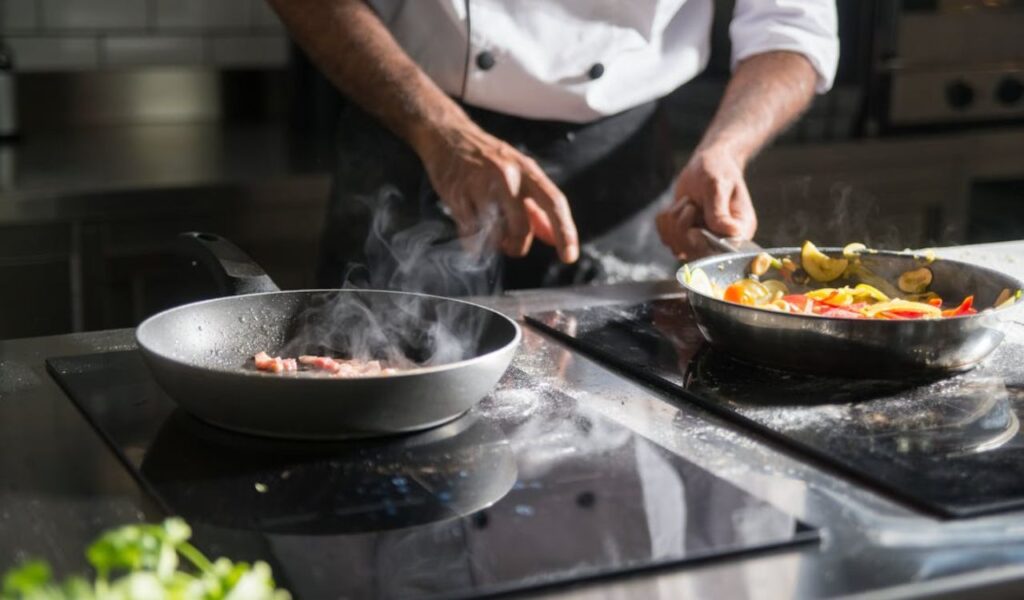
Even today, chance continues to play a meaningful role in shaping new dishes across the American food scene, even in highly structured and professional environments. In restaurant kitchens, where precision and consistency are expected, experimentation still happens regularly as chefs test ideas, refine techniques, and respond to changing ingredients. Not every attempt produces the intended result, yet these unexpected outcomes often reveal new flavor combinations or textures that stand out. Instead of discarding them, many chefs choose to explore these results further, turning what seemed like a misstep into a creative breakthrough that can evolve into a signature dish over time.
At the same time, home cooking remains one of the most active spaces where accidental creativity continues to thrive without pressure or strict rules. People frequently adjust recipes based on what is available, substituting ingredients or changing methods without overthinking the outcome. These small decisions often lead to unique variations that feel personal and satisfying. As these versions are repeated and shared, they can spread beyond individual kitchens. This ongoing cycle of trial, adaptation, and discovery keeps American cuisine flexible and evolving, showing that even in a world shaped by precision, chance still plays a lasting and valuable role.