The Real Reason Bread Smells So Good When It Comes Out of the Oven and Why Stores Exploit It

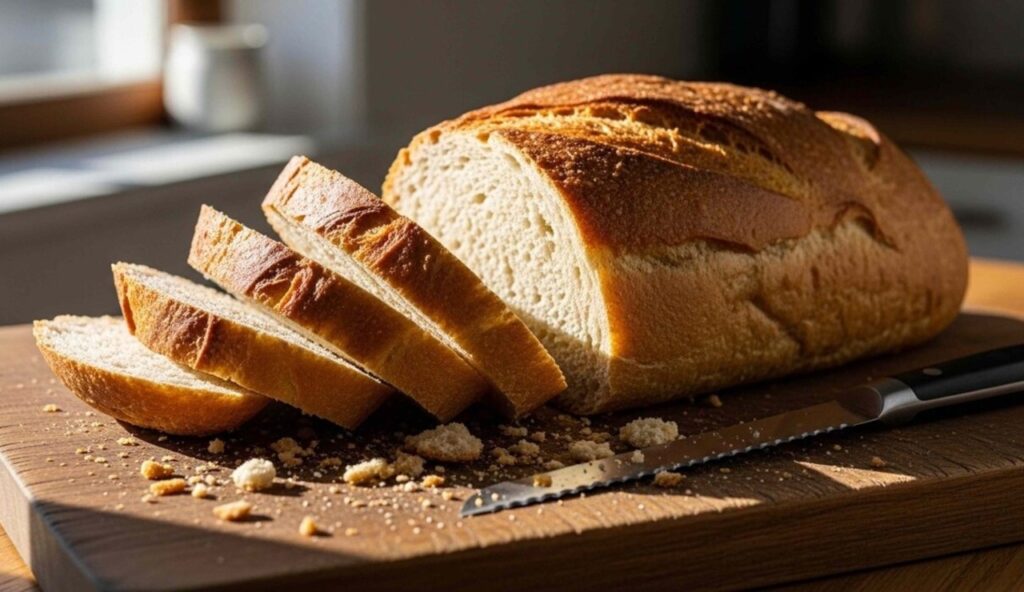
The smell of freshly baked bread has a way of stopping you mid-step, wrapping you in a sense of warmth that feels both comforting and deeply familiar. It drifts gently through the air, soft yet impossible to ignore, awakening memories you didn’t even realize were tucked away. For many, it recalls quiet kitchens, shared meals, or moments of simple ease. In that instant, hunger feels less like a physical need and more like an emotional pull, drawing you closer without effort. It creates a pause in your day, where something as ordinary as bread suddenly feels inviting, rich, and almost impossible to resist.
But that irresistible aroma is far from a simple byproduct of baking. Beneath that comforting scent lies a carefully understood blend of chemistry, psychology, and intentional design. As bread heats, complex reactions release compounds that our brains are wired to find appealing. Retailers have learned to harness this response, shaping store layouts and baking schedules to keep that smell present at just the right moments. What feels natural is often carefully timed. From ovens to aisles, the scent of bread becomes more than food, quietly guiding choices and influencing behavior in ways most people never stop to question.
Why the Smell of Fresh Bread Is So Hard to Resist
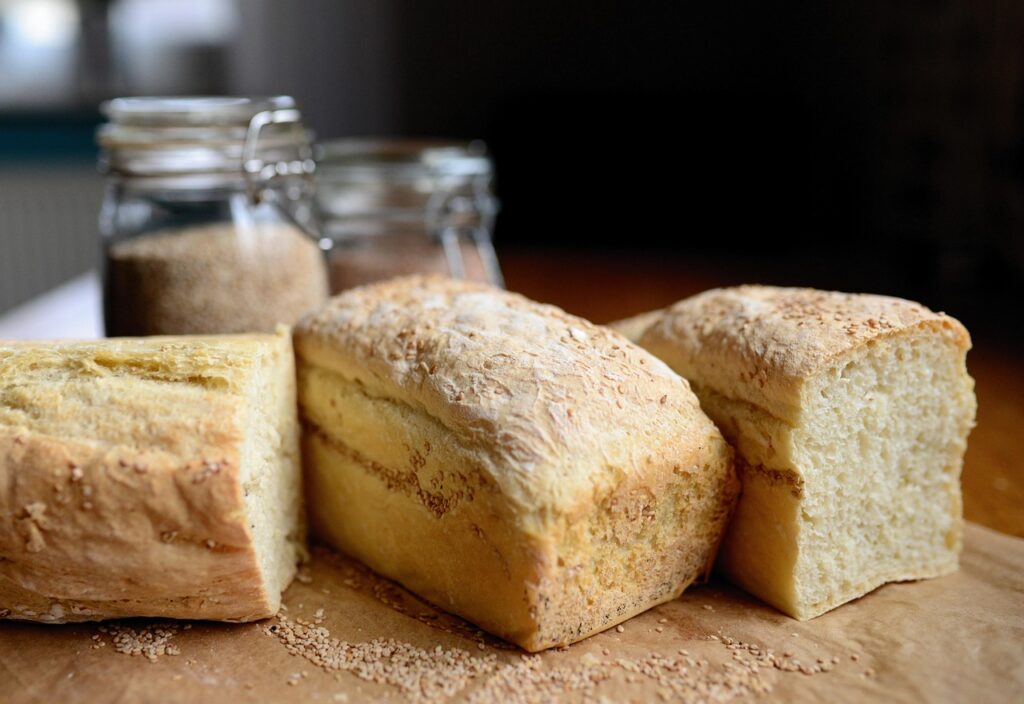
The moment bread begins to bake, a quiet transformation starts to unfold, filling the air with one of the most comforting and recognizable scents humans know. This aroma is not random or accidental. It is the result of the Maillard reaction, a heat-driven process where sugars and amino acids in the dough interact to create hundreds of new aromatic compounds. As the crust forms, these compounds are released into the air, producing that warm, slightly sweet, toasted smell that feels instantly familiar. The richness of this scent is layered, combining notes that signal both energy-rich food and safe preparation, making it deeply appealing on a sensory level.
What makes this smell especially powerful is the way our brains respond to it almost instantly. Unlike other senses, scent travels directly to the limbic system, the part of the brain closely tied to memory, emotion, and survival instincts. For many people, the smell of fresh bread is unconsciously linked to comfort, stability, and nourishment. This connection acts like a shortcut, triggering feelings of ease and subtle hunger even if you were not thinking about food before. The response feels natural and automatic, which is exactly why the aroma of baking bread has such a strong and lasting effect on human behavior.
How Retailers Turn Aroma Into a Powerful Sales Tool
Step into a supermarket, and the first thing that often greets you is not a visual display, but a scent that feels warm and inviting. This is rarely by chance. Many stores deliberately position their in-house bakeries near entrances or along high-traffic paths so that the smell of freshly baked bread reaches customers early. This immediate sensory cue gently shifts the shopper’s mindset, turning a routine visit into something more engaging. Instead of simply moving through a list, people begin to feel a subtle sense of hunger and curiosity, making them more open to exploring beyond what they originally planned to buy.
To strengthen this effect, retailers carefully manage how and when that aroma is released. Baking is often done in smaller batches throughout the day rather than all at once, ensuring the scent remains present and consistent. In some cases, airflow systems are designed to carry the smell across wider areas, while certain stores may enhance it using controlled scent diffusion. The intention is not obvious, yet it is highly effective. By creating a space that feels comforting and appetizing, stores increase the likelihood of impulse decisions, encouraging customers to add items they had no intention of purchasing.
The Subtle Psychology Behind Scent-Driven Buying
Smell has a quiet but remarkably strong influence on human behavior, often working beneath conscious awareness. Unlike bright displays or promotional signs that demand attention, scent operates gently in the background, shaping how people feel without interrupting their thoughts. Studies have shown that pleasant food-related aromas can subtly change the pace at which people move through a store, encouraging them to slow down and spend more time exploring. This extended presence increases familiarity and comfort, both of which are closely linked to a higher likelihood of making unplanned purchases during a routine shopping trip.
The scent of fresh bread is especially effective because it triggers what psychologists describe as “approach behavior,” an instinctive response that draws people toward appealing smells. Once customers move closer to the source, their decisions begin to shift in small but meaningful ways. Items that were not originally on the list, such as spreads, snacks, or complementary foods, suddenly feel more relevant and desirable. This creates a chain reaction where one sensory cue leads to multiple purchases. The process feels natural and self-driven, yet it is deeply rooted in how the brain responds to scent cues in a retail setting.
Where Sensory Marketing Crosses Ethical Boundaries
Scent marketing may feel harmless on the surface, but it opens the door to deeper ethical concerns about how influence is applied in everyday environments. Unlike visual advertising, which people can consciously evaluate or ignore, scent works quietly and often bypasses deliberate thought. Customers are not always aware that their mood, pace, or appetite is being shaped by something as subtle as an aroma in the air. This raises an important question about consent, as the influence is not clearly visible or openly communicated. The line between creating a pleasant atmosphere and guiding behavior without awareness becomes increasingly difficult to define in such cases.
The concern becomes sharper when the scent does not fully match reality. In some settings, the smell of freshly baked bread may be enhanced or maintained even when baking is minimal or absent, creating an impression that may not reflect the actual freshness of the products. Critics argue that this can lead to misplaced trust and encourage impulse decisions that customers might not have made otherwise. At the same time, supporters view scent as just another tool in designing enjoyable retail spaces. As these practices evolve, businesses face growing pressure to balance effectiveness with honesty, ensuring that customer experience does not come at the cost of transparency.
Why Bread’s Aroma Continues to Shape Modern Shopping Experiences
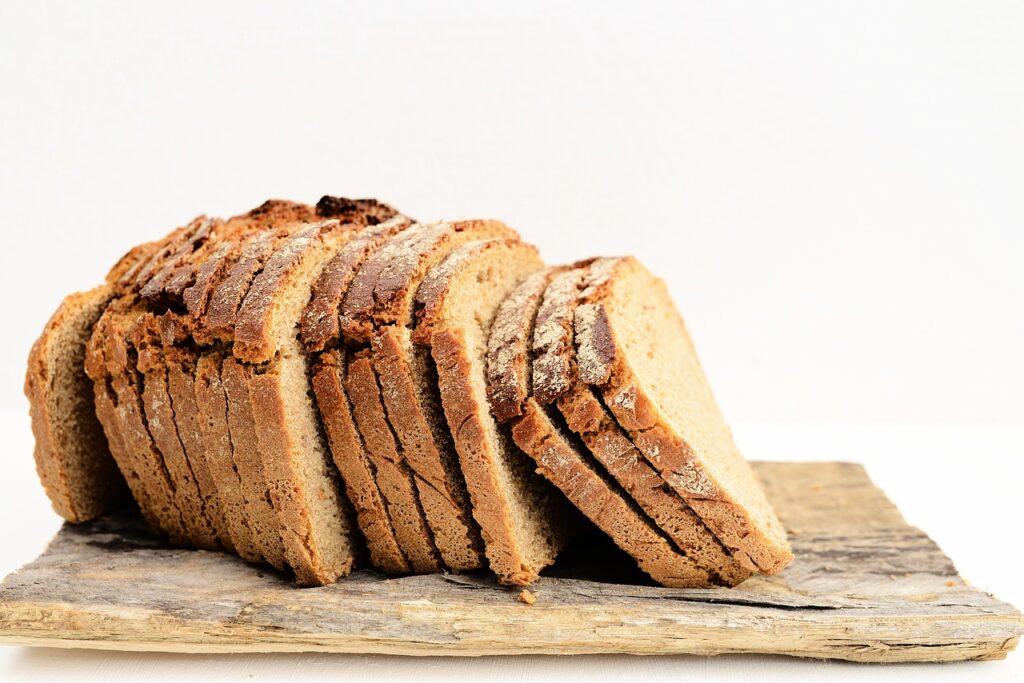
Even as shopping habits shift toward digital convenience, physical stores continue to rely on something far more instinctive to bring people through their doors. The smell of freshly baked bread offers an experience that cannot be replicated on a screen, creating an immediate sense of presence that feels both real and reassuring. It engages customers in a way that goes beyond visuals or pricing, tapping into emotion and memory at the same time. This sensory advantage allows brick-and-mortar spaces to stand out, turning a simple visit into something more immersive, where the environment itself becomes part of the reason people choose to stay longer and explore more.
At the same time, retailers are becoming increasingly precise in how they use this advantage. Modern store design now blends traditional baking practices with data-driven insights, carefully timing when bread is baked and how aromas are distributed across the space. Ventilation, layout, and even customer flow patterns are considered to ensure the scent reaches people at the right moment. While the technology behind it has evolved, the underlying principle remains unchanged. The familiar, comforting smell of bread continues to draw people in naturally, proving that even in a fast-changing retail world, deeply rooted human responses still shape how and why we shop.