14 Aldi Dupes Spoiling Faster Than Big Brands

Aldi’s biggest appeal has always been its promise of smart savings without sacrificing quality. But behind those low prices is a quieter reality that shoppers often learn the hard way. Not every dupe is built to last, and some shortcuts that keep costs down also shorten shelf life. From produce that turns faster than expected to pantry staples that lose freshness early, these items reveal how packaging, processing, and preservation choices matter just as much as price. Knowing which Aldi buys in demand quickly can mean the difference between real savings and hidden waste. A little awareness at the shelf can prevent throwing away the very savings you went there for.
1. Fresh Berries
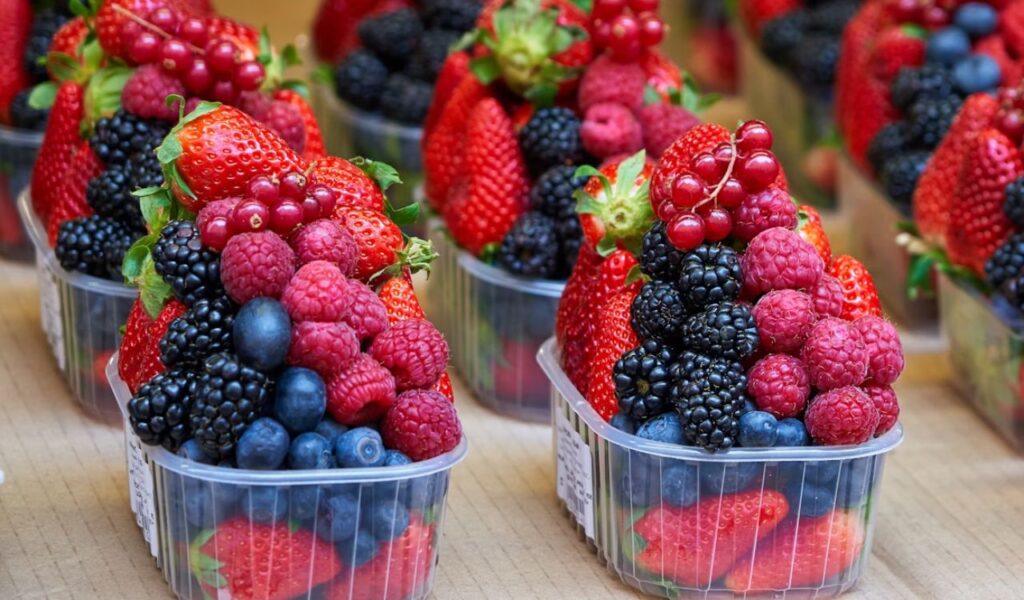
Berries expose the weakest points in any grocery supply chain because they are fragile, moisture sensitive, and harvested near ripeness. Aldi berries often arrive tasting excellent because they are picked closer to peak flavor, but that leaves little buffer for storage at home. The clamshells are lighter, with fewer moisture-absorbing pads, allowing condensation to build quickly in the fridge. Even small temperature swings during transport or home storage speed mold growth. Big brands slow this process with sturdier packaging and stricter post-harvest handling. Aldi berries should be treated as immediate-use fruit.
2. Bagged Salad Greens
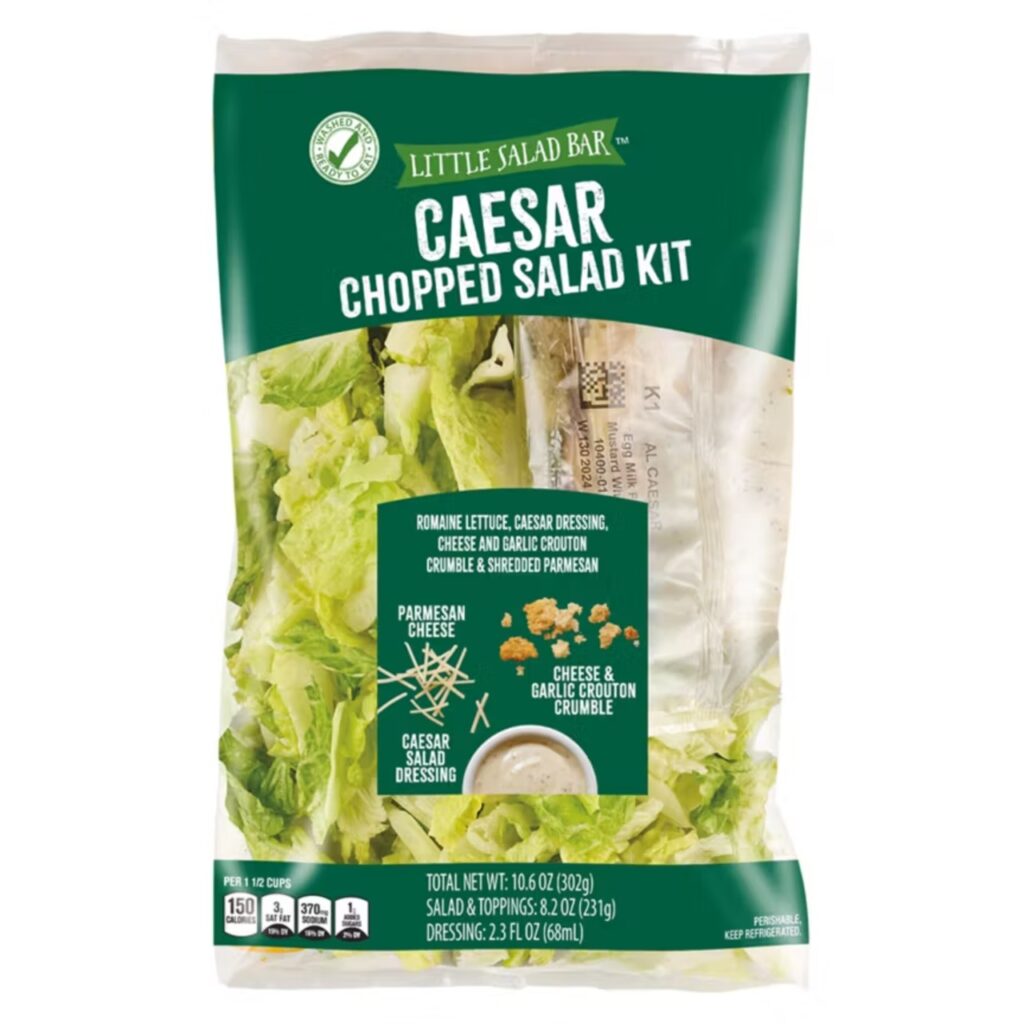
Bagged greens spoil when oxygen, moisture, and leaf damage are not tightly managed. Many national brands use modified-atmosphere packaging to slow respiration and browning. Aldi salad mixes often rely on simpler sealing, allowing leaves to keep breaking down after packaging. Small tears from harvesting become weak points where slime forms first. Once opened, excess moisture accelerates wilting and odor. The greens usually taste fresh on day one, which can be misleading. Aldi salads work best when eaten quickly and stored cold, away from the fridge door. Adding a paper towel can help absorb moisture, but these mixes are designed for short-term use, not extended storage.
3. Milk
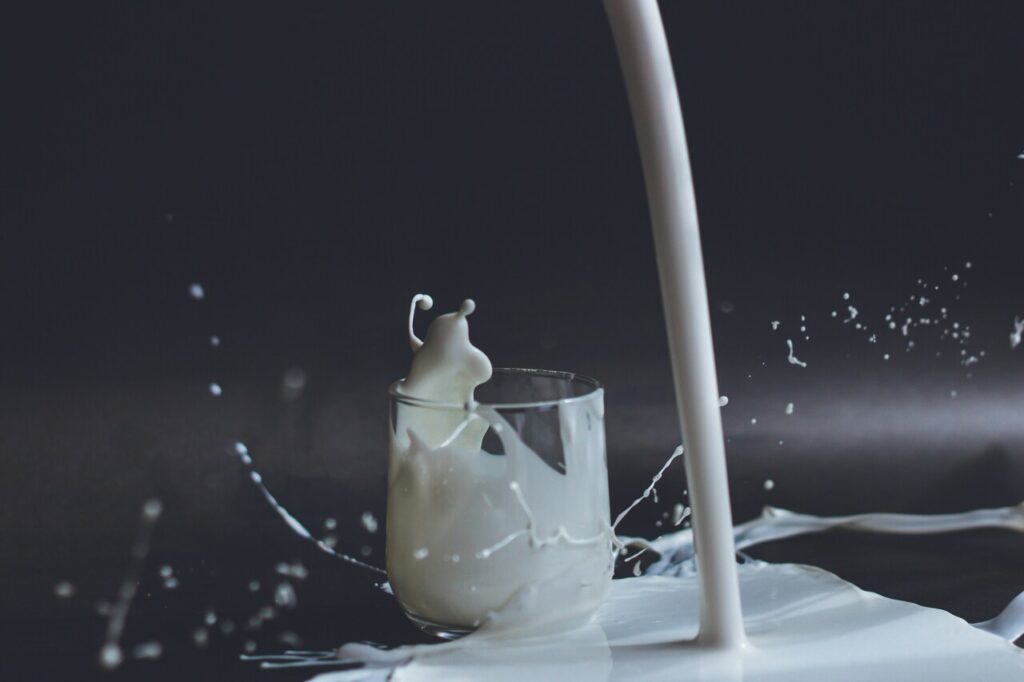
Milk freshness depends on processing methods and strict temperature control from plant to fridge. Many big brands use extra filtration or tighter cold-chain monitoring, extending usability after opening. Aldi milk is typically processed to standard pasteurization levels, keeping costs low but reducing tolerance for temperature changes. Every opening introduces bacteria, and storing milk near the fridge door exposes it to warmth. Flavor can degrade before visible spoilage appears. Aldi milk performs best when kept at the back of the fridge and used steadily within a few days. Stretching it too long often results in off tastes well before the printed date, even if it still looks fine.
4. Deli Meat
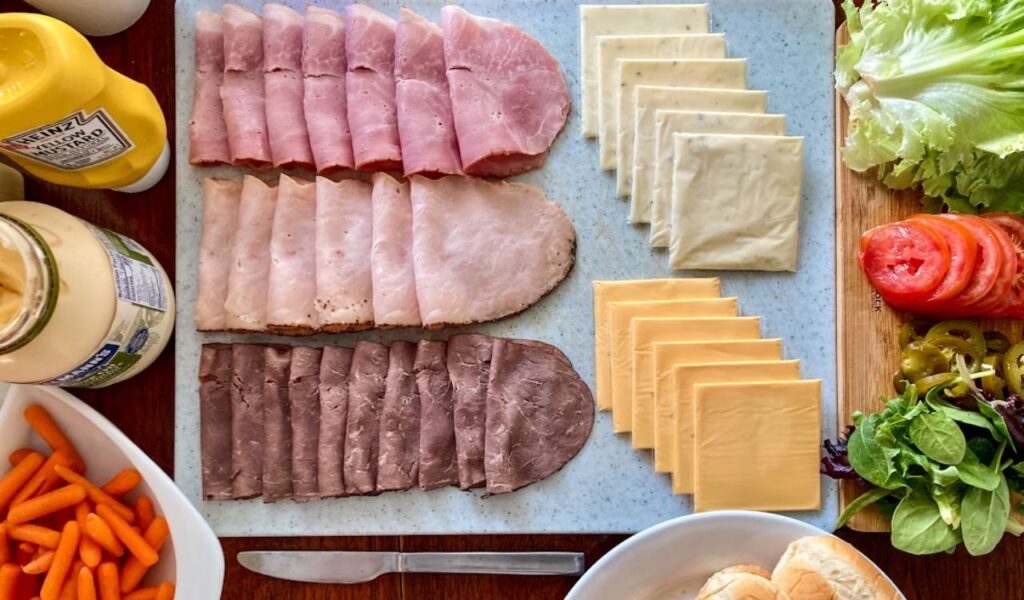
Aldi deli meats attract shoppers who prefer simpler ingredient lists, but fewer preservatives shorten usable life. Once opened, sliced meats are highly vulnerable to bacteria from air exposure and handling. Big brands slow this process with advanced resealable packaging and curing techniques. Aldi versions lack much of that protection, meaning spoilage signs like slime or sour odors appear sooner. These meats should be treated as fresh foods, not long-term fridge staples. Keeping slices tightly wrapped, minimizing air exposure, and using them within a few days preserves safety and flavor. Buying smaller packs often prevents waste and disappointment.
5. Shredded Cheese
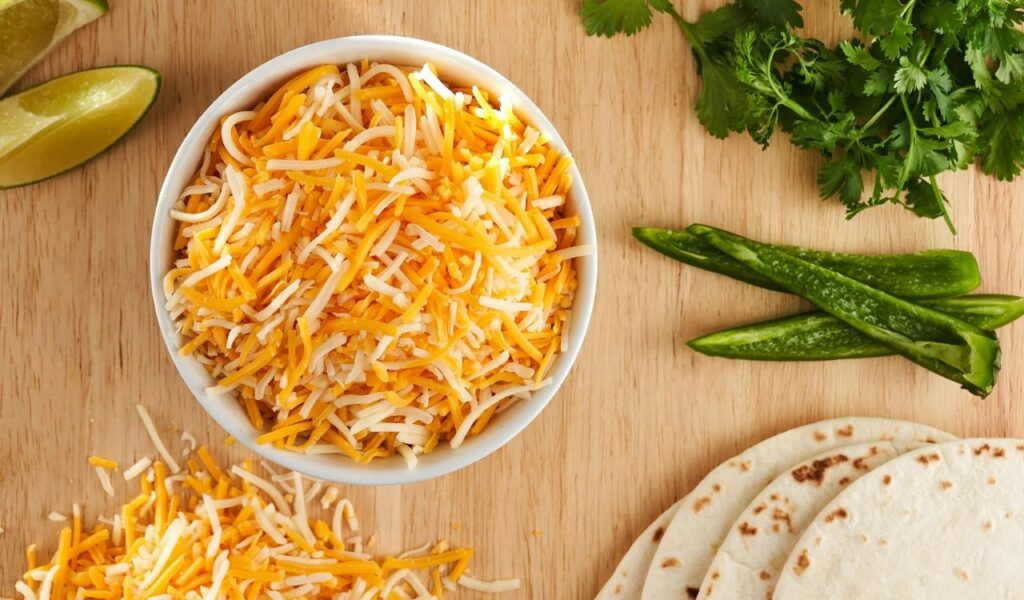
Shredded cheese spoils faster than blocks because every shred exposes more surface area to air. Aldi shredded cheese typically contains fewer anti-caking agents, which improves melting but allows moisture to collect. Clumping creates pockets where mold grows quickly once opened. Big brands slow this with heavier coatings and tighter packaging. Temperature fluctuations in the fridge also accelerate breakdown. Aldi shredded cheese works best when sealed tightly and used promptly. For longer storage and better value, blocks of cheese hold up far better and can be shredded as needed without sacrificing freshness.
6. Bread Loaves
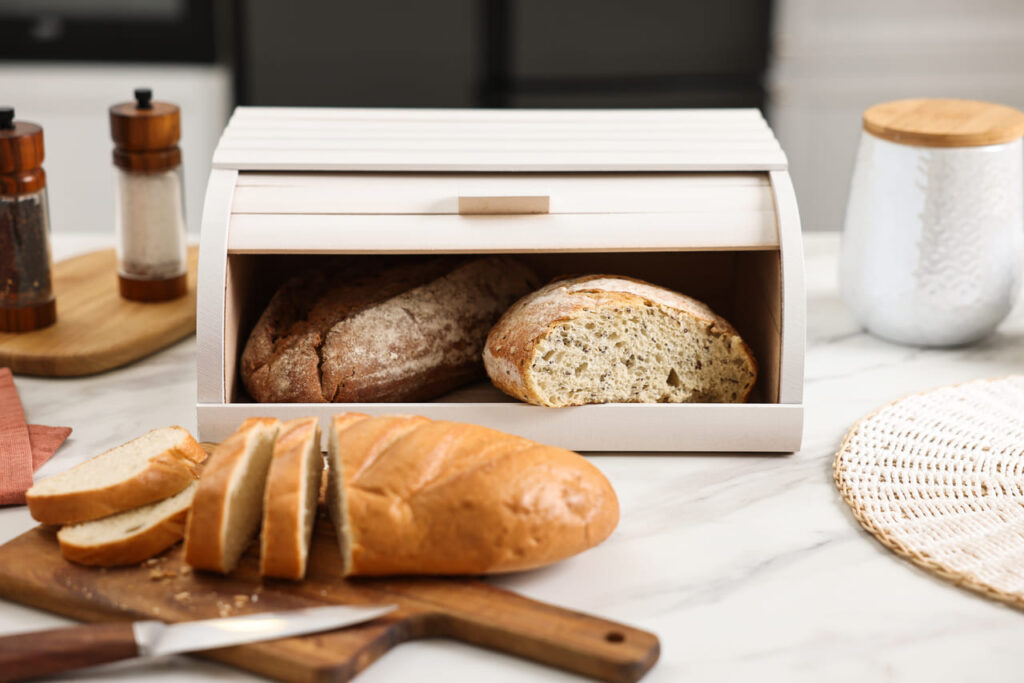
Aldi bread tastes fresh because it avoids aggressive preservatives, but that freshness fades quickly. Mold grows faster, especially in warm or humid kitchens. Big brands rely on enzymes and conditioners that delay spoilage without obvious flavor changes. Aldi bread behaves more like bakery bread, which requires faster consumption. Refrigeration dries it out, while room temperature invites mold. Freezing shortly after purchase preserves texture and flavor best. Without freezing, most Aldi bread is meant to be eaten within a few days, making it better suited for households that go through bread quickly.
7. Yogurt Cups
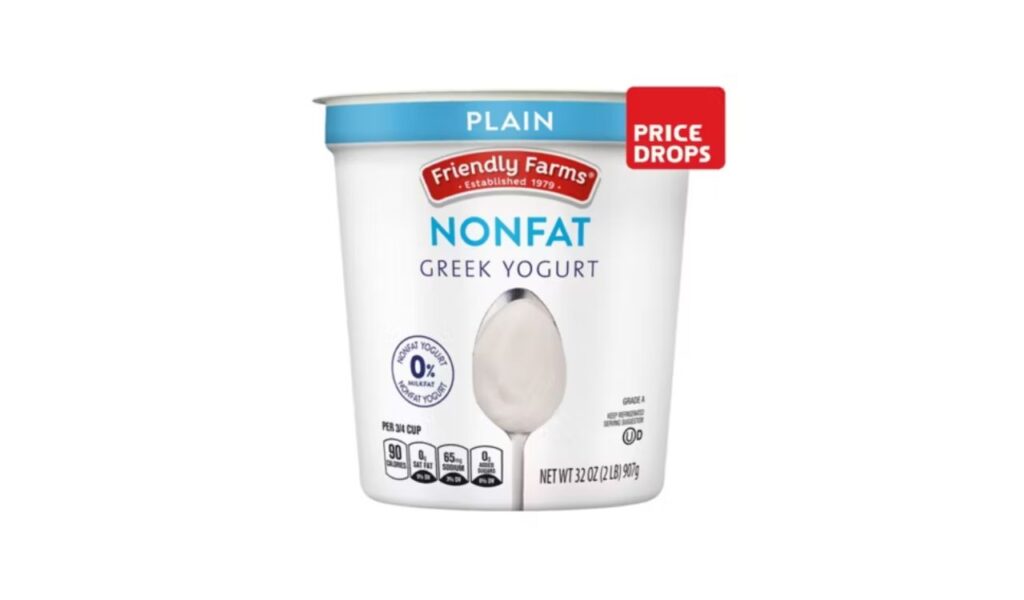
Yogurt stability depends on live cultures, stabilizers, and cold storage. Aldi yogurt often separates faster after opening because it contains fewer thickeners. While separation is safe, it signals ongoing bacterial activity that continues to change flavor. Temperature swings, especially near the fridge door, speed this process. Big brands maintain thicker texture longer through added stabilizers. Aldi yogurt should be stored cold and eaten soon after opening. Stirring restores texture temporarily, but sourness develops faster if cups sit unused, making smaller portions a smarter buy. Choosing single-serve cups reduces repeated exposure to air.
8. Fresh Pasta
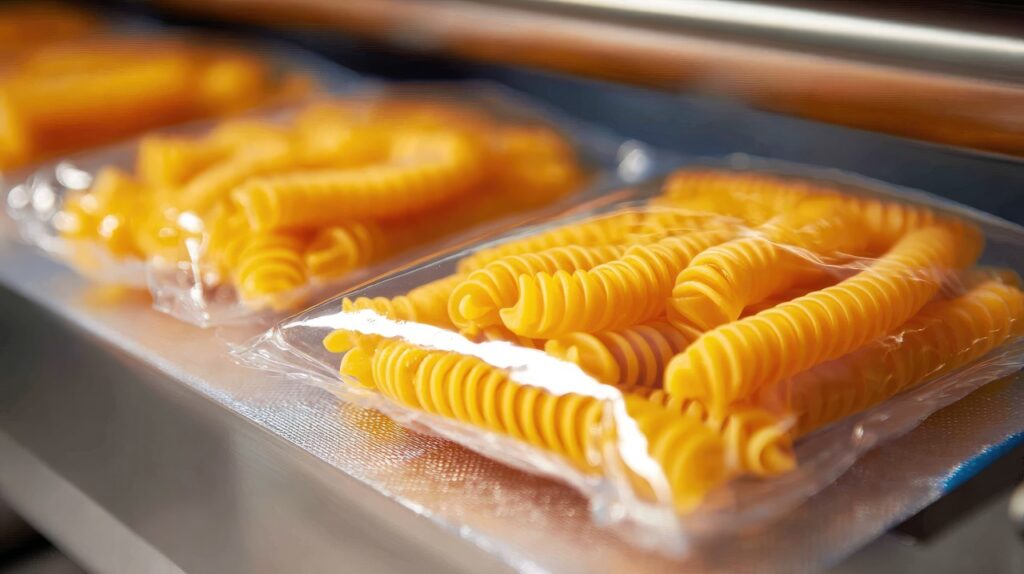
Fresh pasta contains high moisture, making it vulnerable once exposed to air. Aldi fresh pasta usually skips extended-life preservatives, limiting how long it stays usable after opening. Big brands sometimes use atmosphere-controlled packaging to slow fermentation. Aldi pasta can become sticky or develop sour notes within days. Keeping it sealed tightly and cooking soon after opening is essential. Freezing unused portions can extend life, though texture may soften slightly. This product works best when planned for immediate meals rather than gradual use across a week. Heat and humidity speed deterioration rapidly.
9. Pre-Cut Fruit

Pre-cut fruit loses its natural protection once skins are removed. Aldi containers often use simpler seals, allowing oxygen and moisture to accelerate browning and fermentation. Big brands may use antioxidant treatments and tighter packaging to extend shelf life. Aldi cut fruit tastes fresh initially but deteriorates quickly. It should be eaten within a day or two for best quality. Keeping containers very cold helps slightly, but this is a convenience item meant for short-term use, not prolonged storage. Natural sugars fuel rapid microbial growth. Texture often declines before visible spoilage appears. Whole fruit stays fresh far longer.
10. Cream Cheese
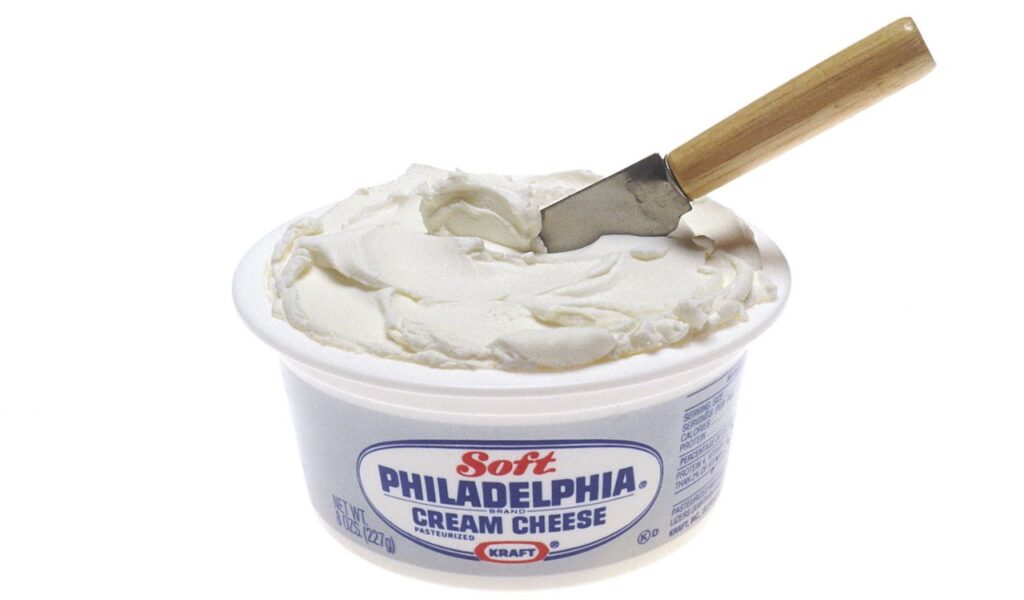
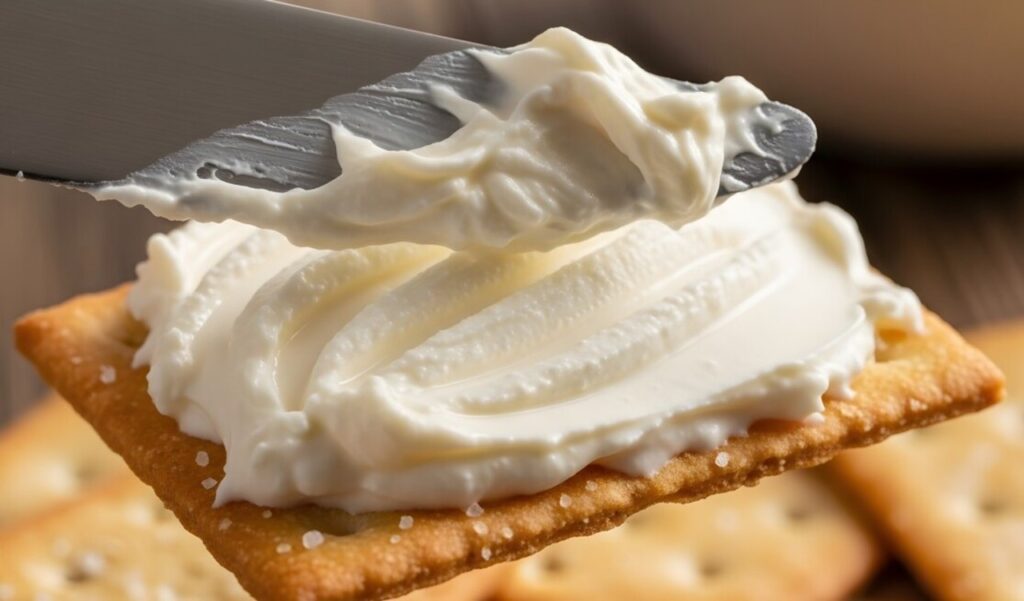
Cream cheese degrades when exposed to air and bacteria. Aldi versions often soften and sour sooner because they rely on fewer stabilizers. Big brands slow texture breakdown with emulsifiers. Once the foil seal is removed, contamination accelerates with every use. Using clean utensils and resealing tightly helps, but Aldi cream cheese is best consumed quickly. Flavor and consistency decline faster than many expect, making it better for planned recipes than occasional spreading over several weeks. Warm kitchen exposure speeds breakdown. Repeated knife contact introduces bacteria. Smaller packages reduce loss.
11. Tortillas
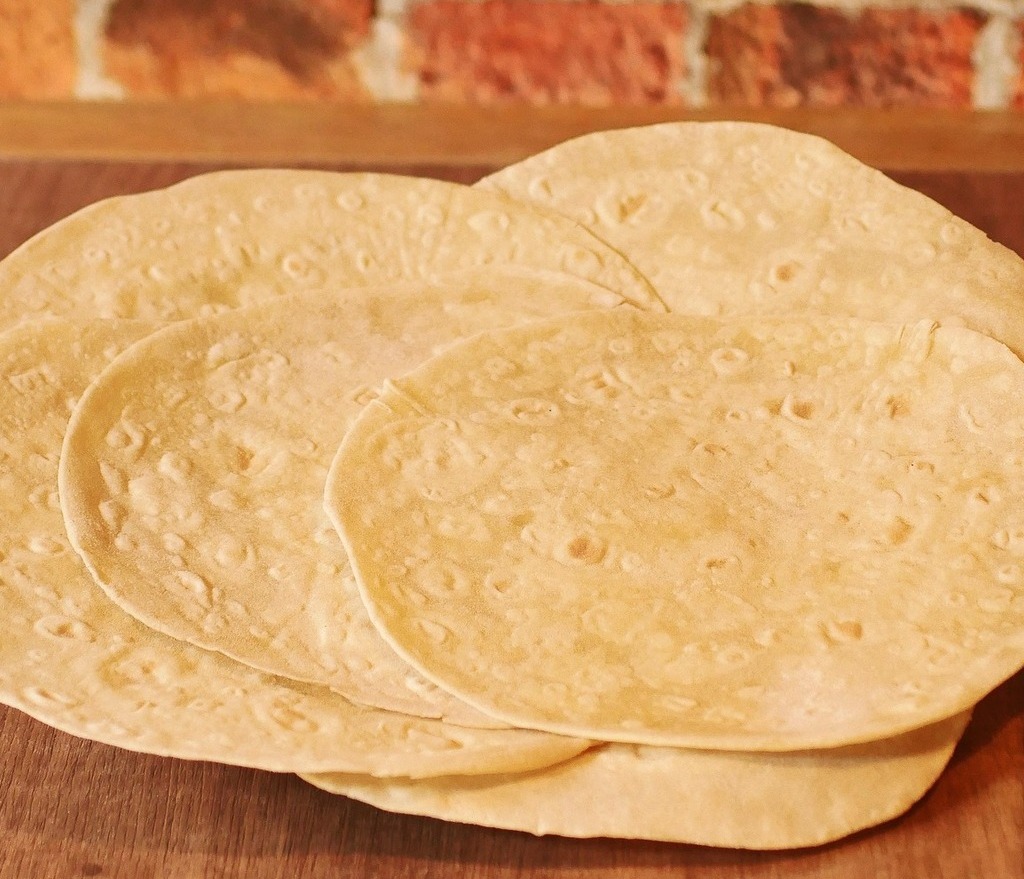
Tortillas spoil based on moisture and preservative levels. Aldi tortillas skip stronger shelf extenders, which improves initial flavor but shortens life. Big brands commonly use calcium propionate to delay mold growth. Aldi tortillas may dry out or mold sooner, especially in warm kitchens. Refrigeration slows spoilage but can stiffen texture slightly. Keeping them sealed tightly helps, but these tortillas are meant to be used quickly rather than stored long-term. Humidity encourages surface mold growth. Stacking loosely traps moisture. Freezing preserves texture best. Using them straight from the freezer often restores flexibility once warmed.
12. Store-Brand Hummus
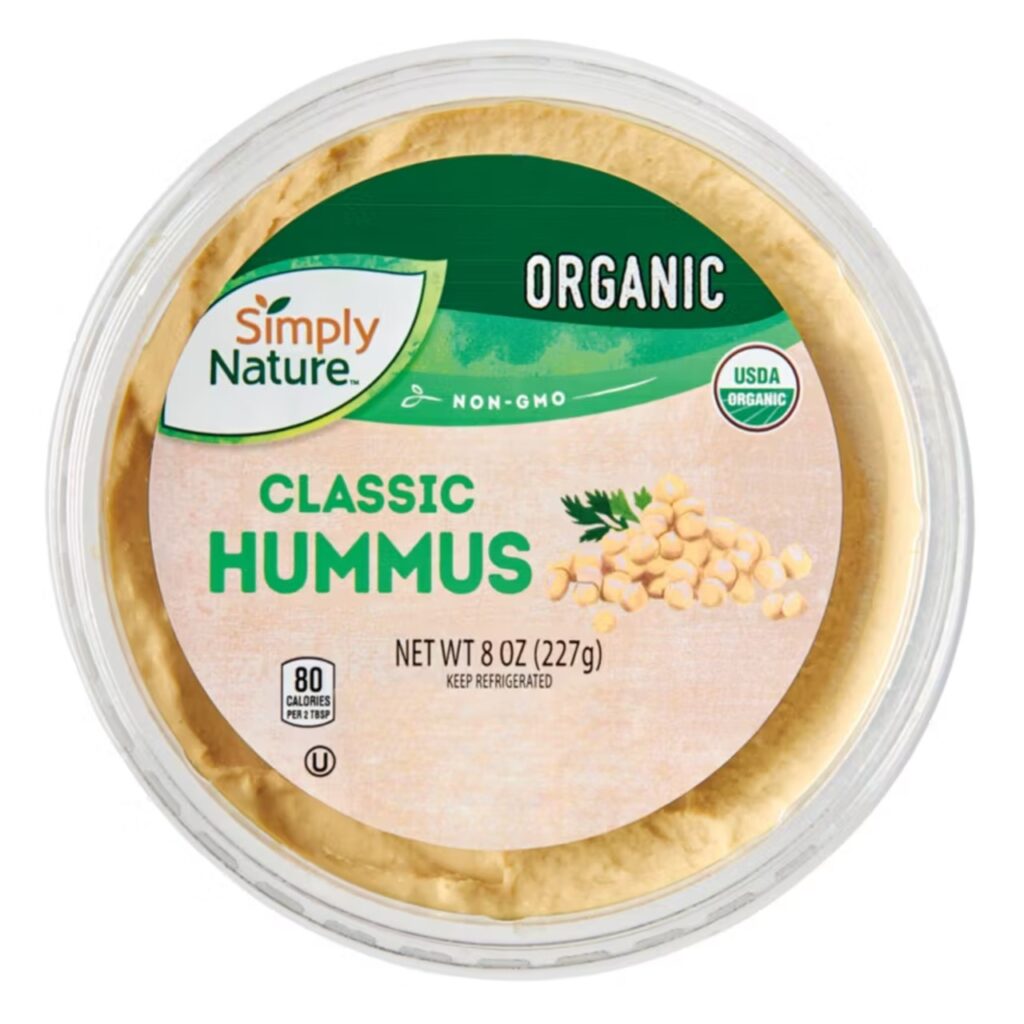
Hummus spoils when air dries the surface and bacteria multiply. Aldi hummus often has a shorter life after opening because it contains fewer preservatives. Big brands extend freshness with acids and stabilizers. Once opened, Aldi hummus should be smoothed flat to reduce air pockets and sealed tightly. Flavor and texture decline within days, making quick use essential. It is best treated as a fresh dip rather than a fridge staple. Surface darkening signals oxidation. Sour aromas appear quickly once air enters. Smaller tubs stay fresher. Scooping from the edges inward helps reduce repeated exposure to air.
13. Frozen Breaded Chicken
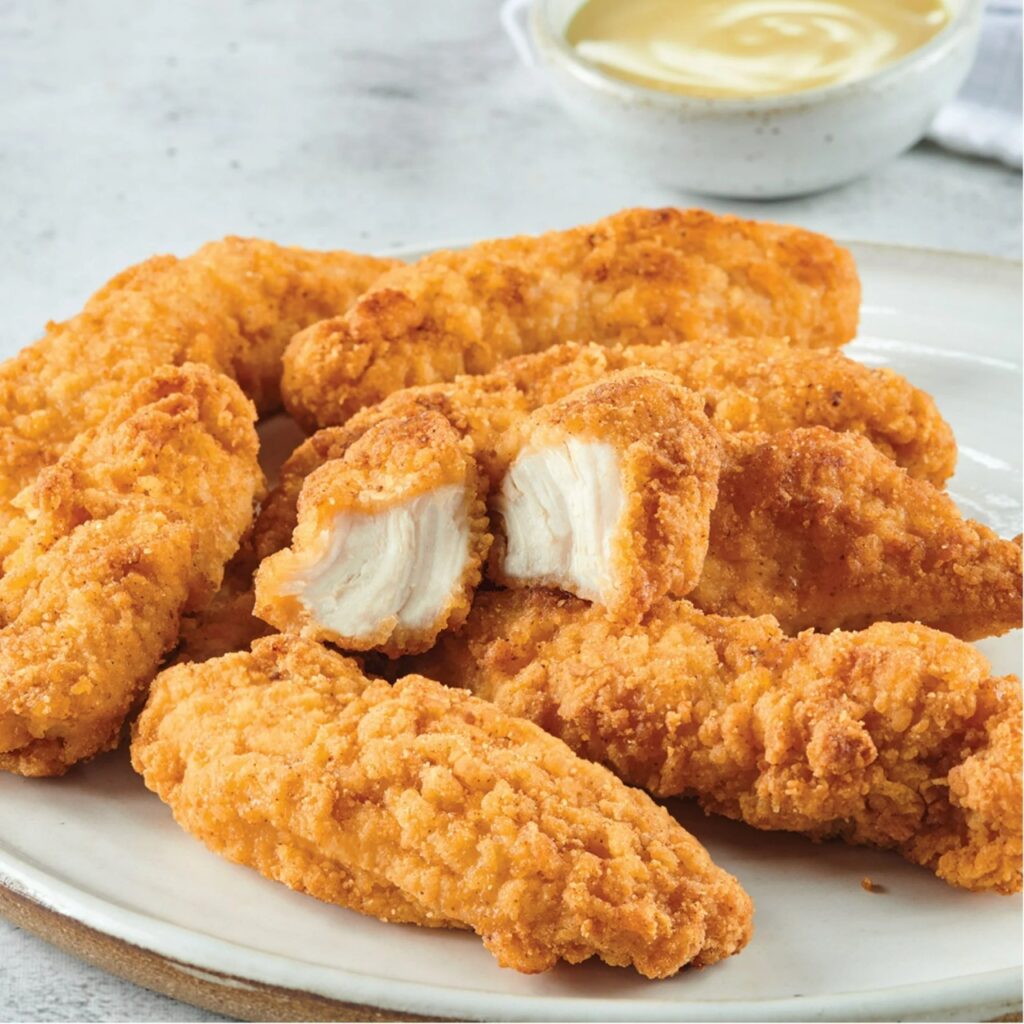
Frozen foods remain safe as long as they are kept airtight. Aldi breaded chicken often uses thinner inner packaging, allowing air to reach the product after opening. This leads to freezer burn and texture loss sooner than with big brands. Keeping bags tightly sealed and removing excess air helps preserve quality. While still safe to eat, flavor and crispness degrade faster if not protected, making careful storage important. Ice crystals damage the breading texture. Repeated thaw cycles worsen quality. Airtight containers slow deterioration. Portioning before freezing reduces how often the bag is reopened.
14. Snack Crackers
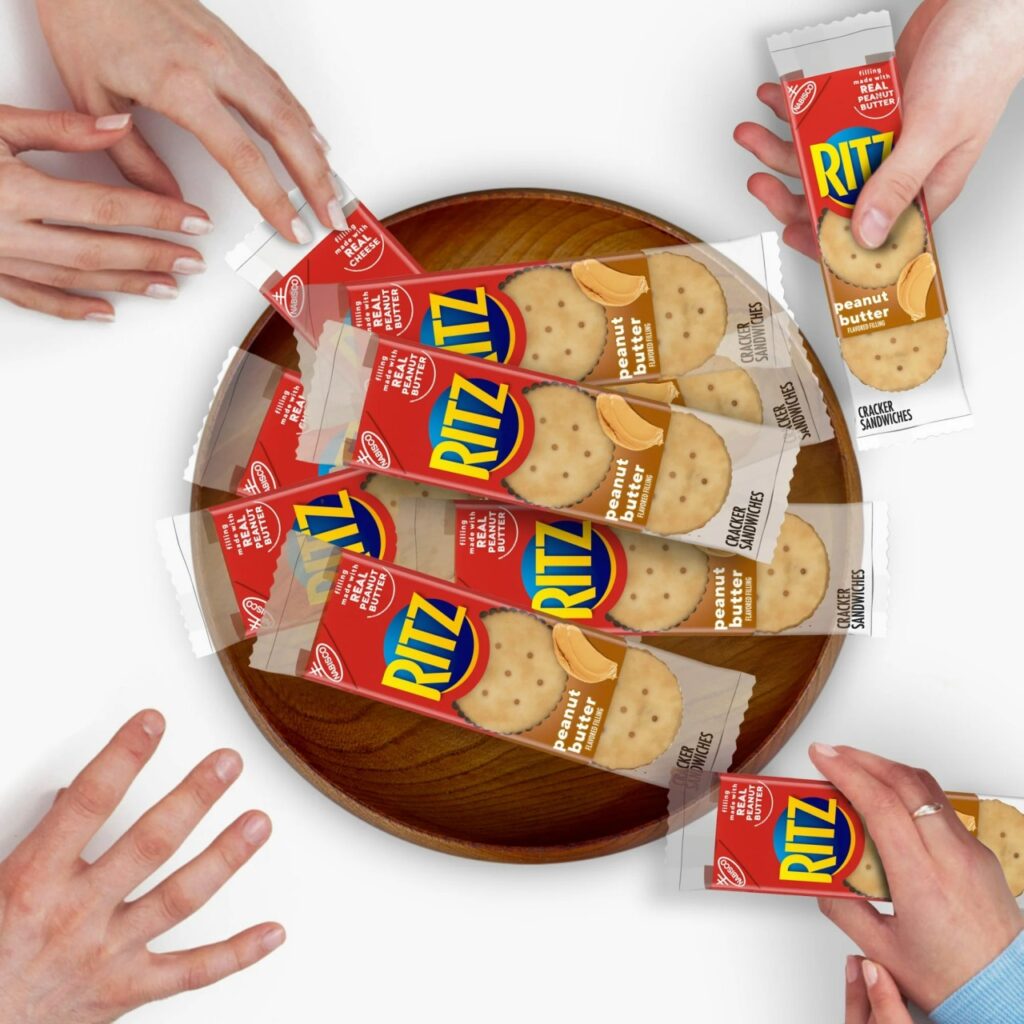
Crackers lose quality through air and humidity rather than spoilage. Aldi crackers often come in less airtight inner sleeves, allowing moisture to soften them quickly. Big brands invest in stronger moisture barriers to maintain crunch. Once opened, Aldi crackers should be transferred to airtight containers. Without that step, staleness sets in long before the date on the box, reducing enjoyment despite the initial savings. Texture loss happens quietly and fast. Flavor dulls as oils oxidize. Proper storage preserves crunch longer. Glass or metal containers work better than thin plastic bags. Once that crisp snap disappears, the eating experience rarely recovers.