7 70s Microwave Tricks Still Fooling Everyone

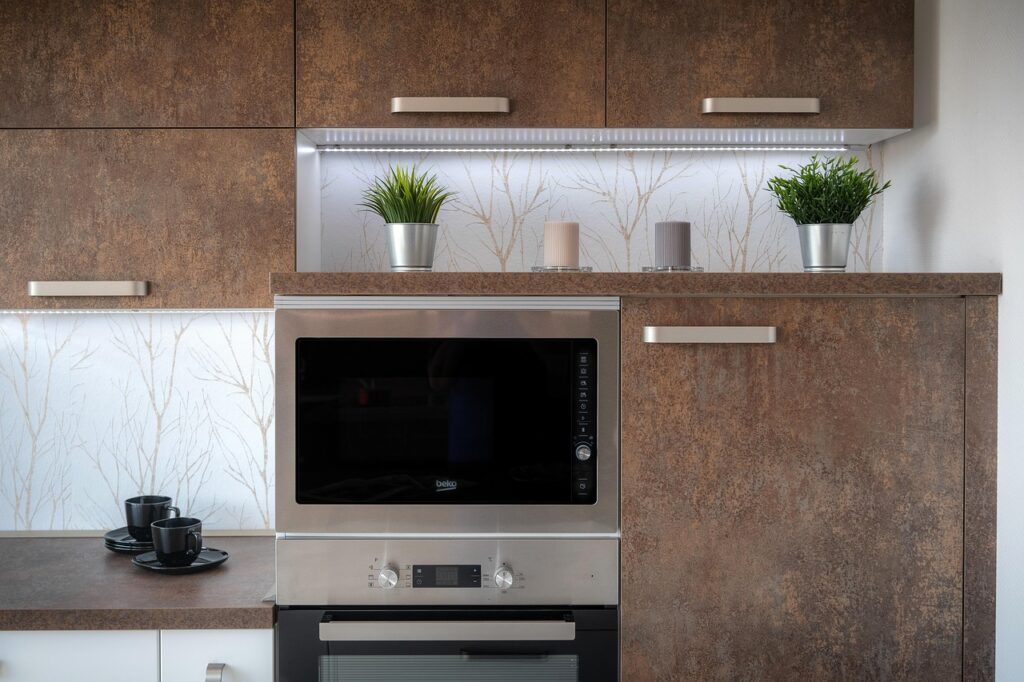
Microwaves entered homes in the 70s as futuristic time savers, yet many early tricks people learned to make food taste better still work just as well today. Simple habits like covering dishes, adding moisture, or letting food rest often solve the soggy, dry, or uneven reheating problems people still blame on the appliance itself. Revisiting these classic microwave techniques reveals how small adjustments can dramatically improve texture and flavor, proving that smarter reheating often matters more than newer technology.
1. Covering Food to Prevent Drying Out
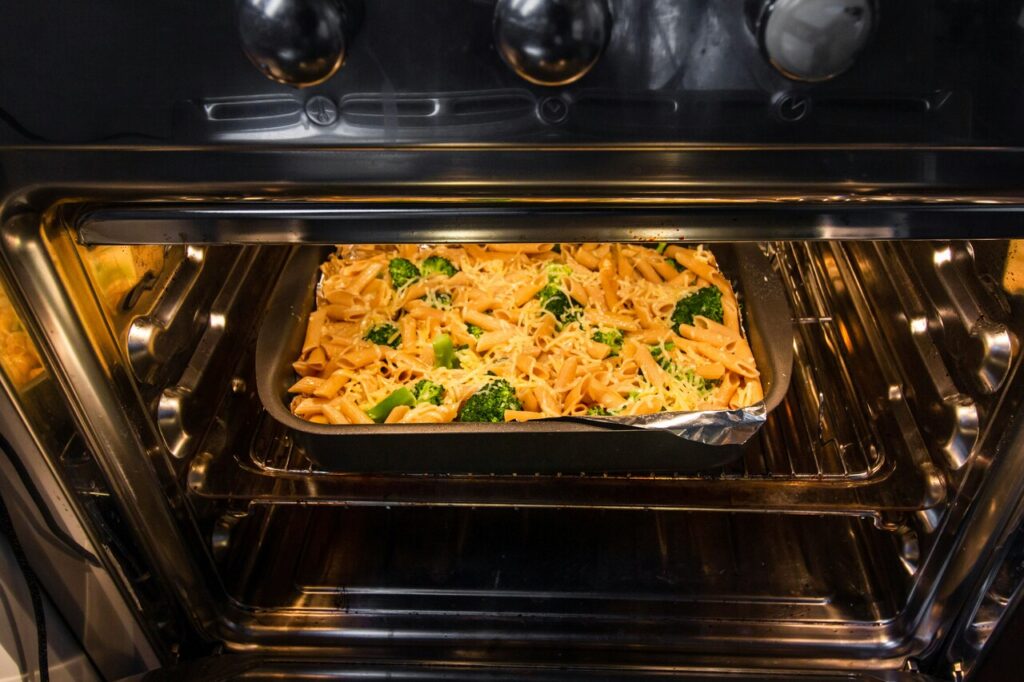
Early microwave users quickly discovered that uncovered food often reheated unevenly, leaving edges dry while centers stayed cool. Covering dishes with microwave-safe lids or wraps traps steam, keeping moisture close to the food rather than letting it escape into the oven cavity.
Steam produced during heating circulates around food, helping warm it more evenly while preventing tough or leathery textures, especially in rice, pasta, and leftover meats.
This method still surprises people because it feels like a small detail, yet it dramatically improves leftovers. Many assume microwaves always dry food, when in reality the problem often comes from reheating uncovered dishes rather than flaws in the appliance itself.
2. Adding Water Before Reheating Leftovers
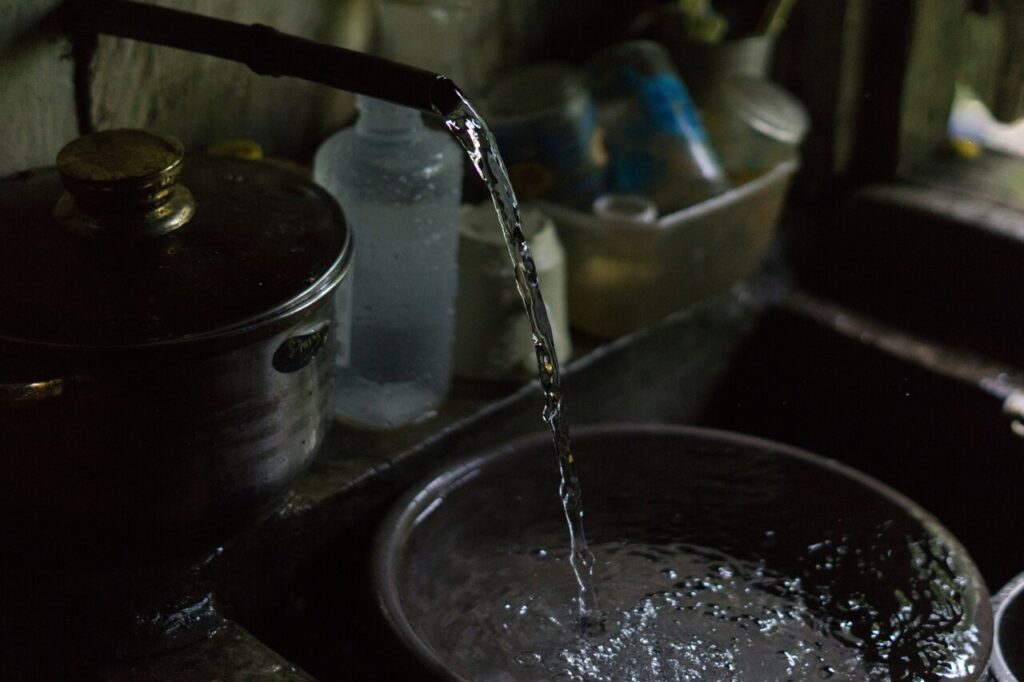
Microwaves heat water molecules first, so foods with little moisture tend to become rubbery or tough. Adding a spoonful of water before reheating creates steam that restores softness to items like rice, pasta, and sliced meats.
The added moisture compensates for water lost during initial cooking and refrigeration. As steam forms, it gently warms food and reduces temperature shock that often makes leftovers taste overcooked despite short reheating times.
Many people still skip this step, assuming leftovers simply reheat poorly. Yet adding water often brings dishes surprisingly close to their original texture, proving that smart reheating techniques matter just as much as original cooking methods.
3. Rotating or Stirring Food Midway Through Heating
Microwaves heat food unevenly because energy waves bounce around the oven cavity, creating hot and cool spots. Rotating plates or stirring dishes redistributes heat, ensuring food warms consistently instead of remaining cold in some areas.
Many microwave turntables now rotate automatically, but stirring remains important for soups, casseroles, and dense foods. Without mixing, heat concentrates near edges while centers lag behind, creating uneven temperatures that affect both taste and food safety.
This trick continues fooling users because many assume microwaves cook evenly on their own. Simple halfway stirring often fixes reheating complaints instantly, reminding cooks that manual adjustments still improve results even with modern appliances.
4. Using Paper Towels to Absorb Excess Grease
Microwaving foods like bacon or leftover pizza can leave surfaces greasy and soggy. Placing paper towels beneath or over food absorbs excess fat while allowing heat to circulate normally.
The towel pulls away rendered grease that otherwise pools around food, preventing crusts from softening too much. This technique works especially well for fried foods or reheated pastries that benefit from drier surfaces.
Many people believe microwaves automatically ruin crispy foods, yet removing excess grease makes reheated items taste fresher. A simple layer of paper towel changes texture significantly, helping foods retain structure rather than becoming limp.
5. Softening Butter in the Microwave
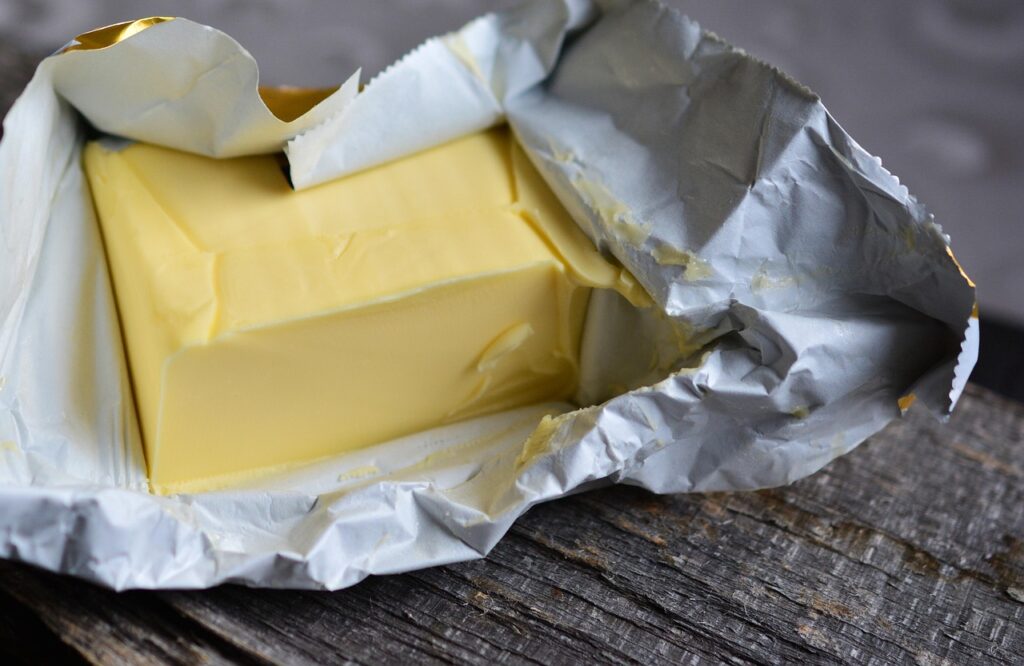
Cold butter straight from the refrigerator frustrates bakers trying to cream sugar or spread it quickly. Microwaving butter briefly at low power softens it evenly without fully melting, saving preparation time.
The key lies in short bursts of gentle heat rather than long exposure. Turning butter occasionally prevents hot spots that melt edges while centers stay firm, allowing cooks to achieve ideal spreading consistency.
Despite decades of microwave use, many still accidentally melt butter instead of softening it. Controlled low-power heating remains a practical shortcut, making baking preparation faster while avoiding messy stovetop methods.
6. Steaming Vegetables in the Microwave
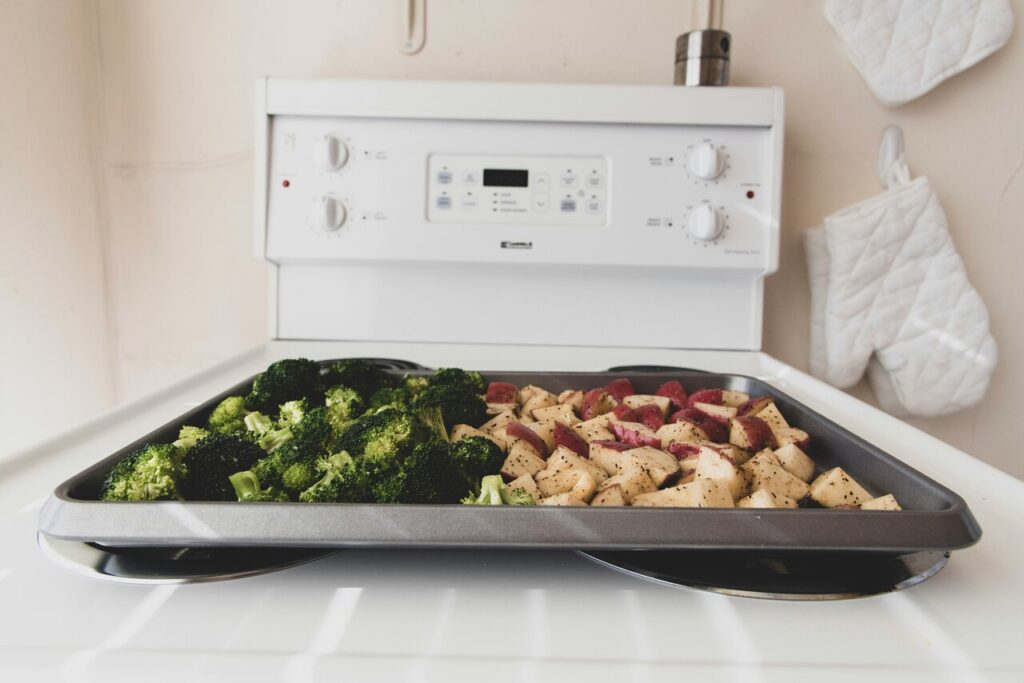
Microwaves often outperform stovetop boiling when steaming vegetables because they use minimal water, helping retain vitamins that dissolve during traditional cooking. Placing vegetables in covered bowls with small amounts of water creates quick steam cooking.
Steam builds rapidly inside covered containers, softening vegetables evenly while preserving color and texture. Broccoli, carrots, and green beans cook in minutes, reducing both time and energy use compared with boiling large pots.
Some cooks still view microwaves as inferior cooking tools, yet studies show microwave steaming preserves nutrients effectively. This method continues surprising people who discover vegetables remain vibrant rather than dull or waterlogged after cooking.
7. Letting Food Rest After Microwaving
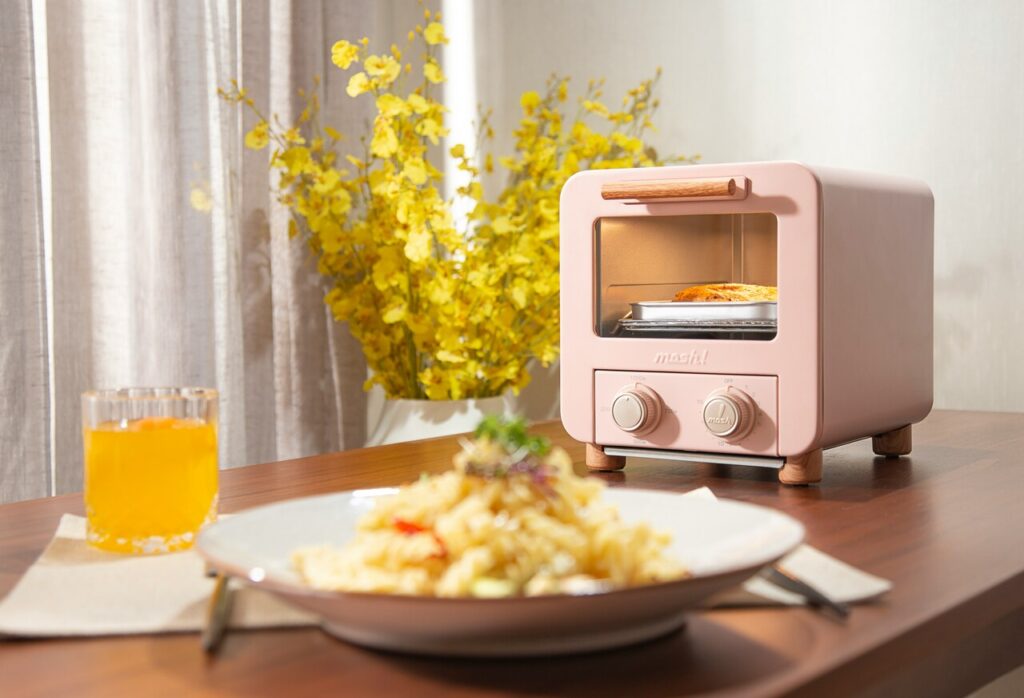
Food continues heating internally even after microwave power stops because energy distributes from hotter outer areas toward cooler centers. Allowing dishes to rest briefly ensures temperatures equalize throughout the food.
Resting helps avoid burning hot edges alongside cold interiors, a common microwave complaint. Covering food during rest keeps heat contained, improving both temperature balance and overall eating experience.
Many people immediately eat microwaved food, unaware that brief resting improves results significantly. This final step often determines whether reheated meals feel evenly warmed or frustratingly inconsistent, proving patience still plays a role even in fast cooking methods.