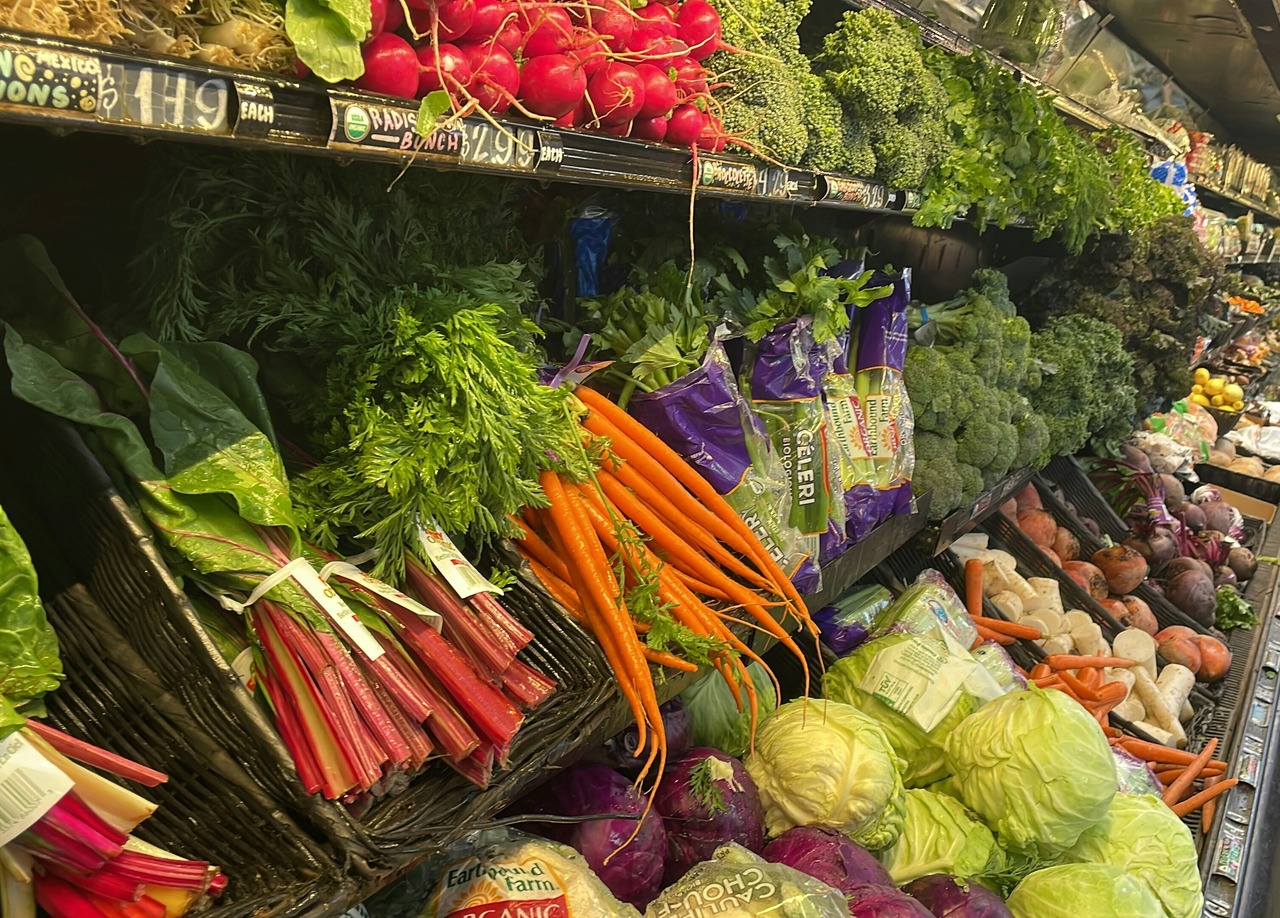
9 Grocery Shopping Habits That Feel Normal in Small Towns but Strange in Big Cities

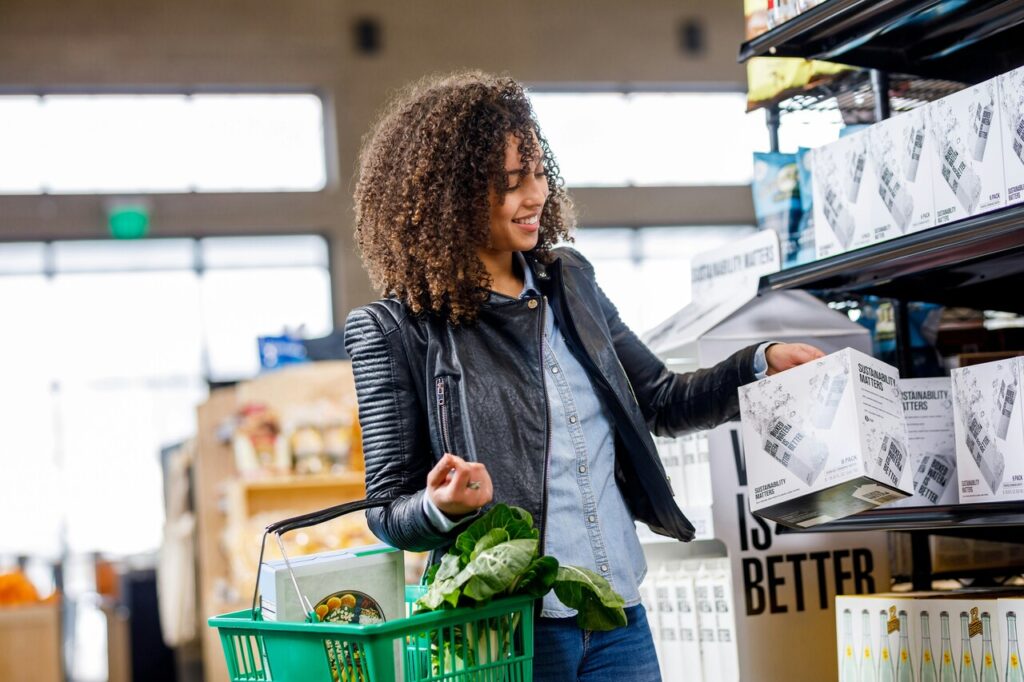
Grocery shopping looks very different depending on where daily life happens. In smaller towns, distance, storage space, and family routines encourage fewer trips and bigger purchases planned. Relationships with local suppliers also tend to remain part of the routine. Transportation also shapes decisions, since many small-town shoppers rely on cars while urban residents often walk or use transit. These differences influence how people plan meals, store food, and think about convenience throughout the week.
1. Weekly Stock-Up Trips in a Big Cart
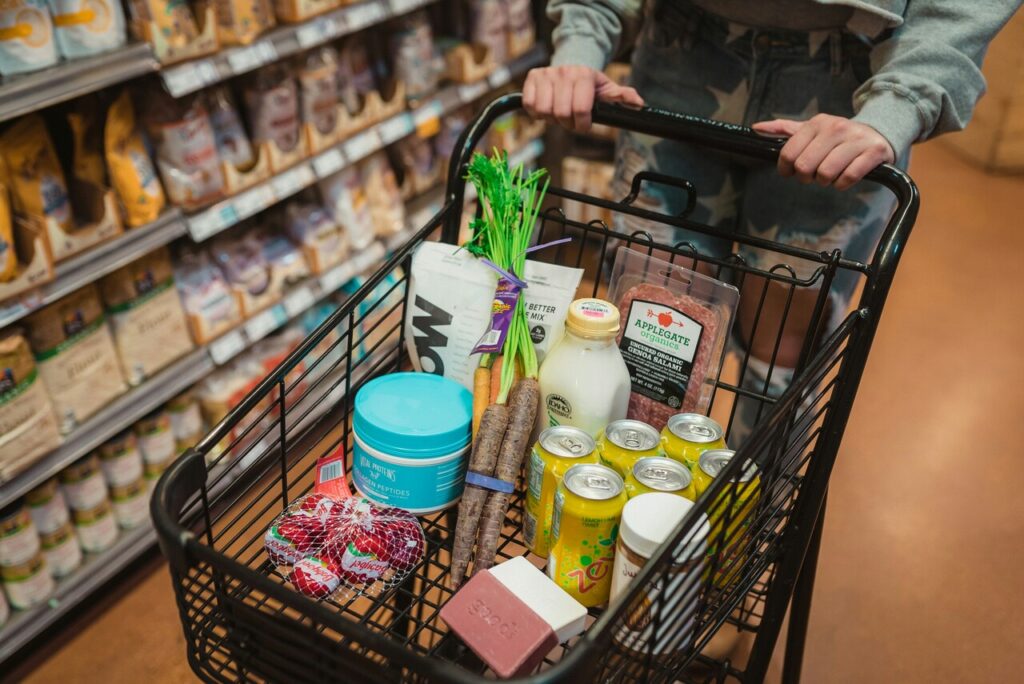
In many small towns, grocery shopping is treated as a weekly mission rather than a casual stop, because stores may sit several miles away and families plan meals around one organized trip. A full cart loaded once a week saves fuel, time, and repeated errands, and kitchens are often set up with space to store a week’s worth of food comfortably.
Large households also benefit, since cooking in larger batches stretches ingredients and reduces the need for extra store runs, making a single heavy shopping day practical.
In large cities, this approach often feels odd because smaller kitchens, limited storage, and walking or public transit make giant grocery hauls inconvenient.
2. Buying in Bulk from Wholesale Clubs
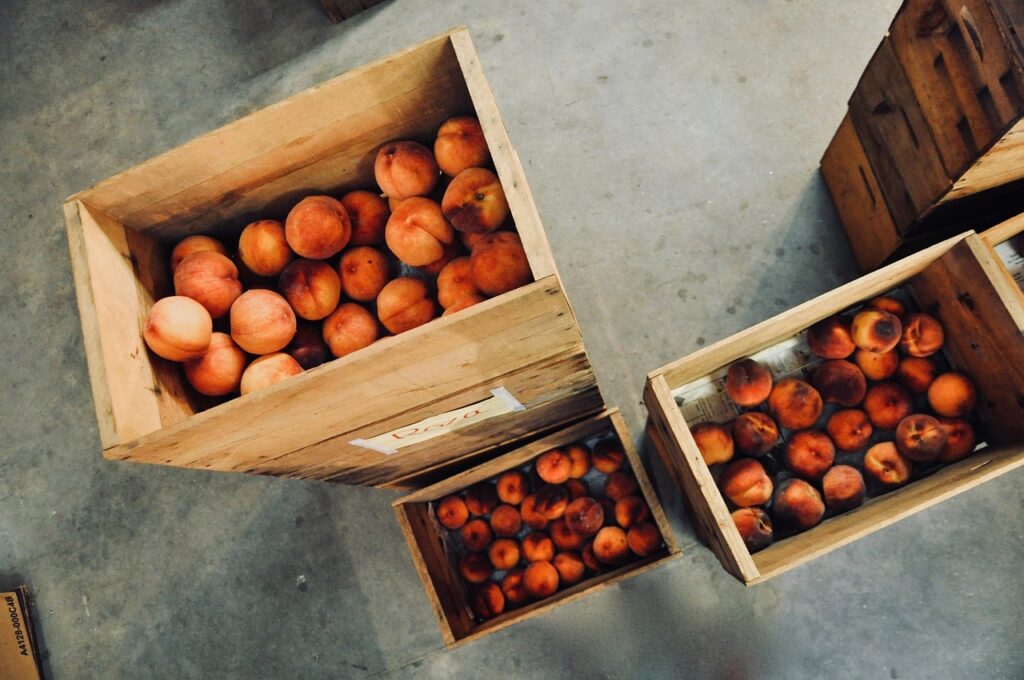
Bulk shopping feels normal in communities where homes have extra storage and families cook regularly at home, since buying larger quantities lowers cost per unit and reduces shopping frequency. Items like rice, canned goods, paper products, and frozen foods can last weeks, making bulk purchases logical for households planning ahead.
The approach also fits shared consumption patterns. Families, neighbors, or extended households often split goods or cook together, so large packages get used quickly rather than sitting untouched.
Carrying giant packages without a car also becomes impractical, so big-city shoppers often buy smaller amounts more often, making warehouse-scale shopping feel excessive.
3. Choosing Generic Store Brands Over Premium Labels
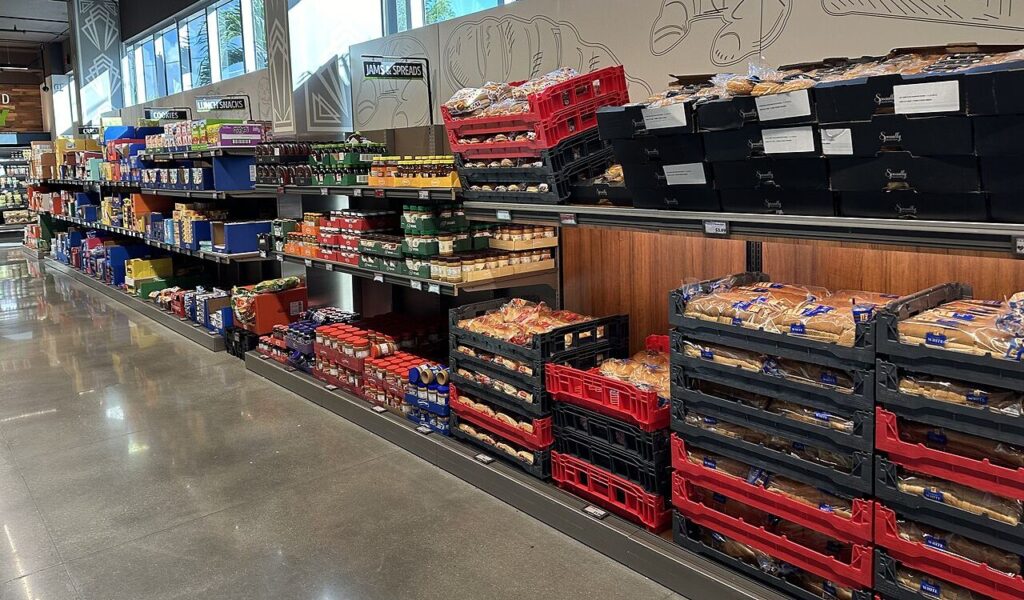
Small-town grocery culture often favors practicality over novelty, and store-brand products fit that mindset. Flour, canned vegetables, pasta, and dairy items often taste comparable regardless of label, so shoppers focus on value rather than branding.
Many families cook familiar recipes repeatedly, so trusted generic ingredients become routine, and loyalty shifts toward consistency rather than packaging or trends.
In large cities, shelves often overflow with specialty labels, imported goods, and niche products that encourage experimentation. Urban shoppers may chase new flavors or premium packaging, making heavy reliance on generic brands seem unusual even though the practical choice remains widespread elsewhere.
4. Planning Meals Around Weekly Ads and Coupons
Meal planning around sales remains common in smaller communities because grocery budgets often stretch further when menus follow discounts rather than cravings. Families scan weekly ads, build shopping lists around deals, and cook what is affordable rather than choosing recipes first.
Coupons and promotions also reward patience. Over time, households develop rotating meal patterns shaped by seasonal and weekly pricing shifts.
In big cities, speed and convenience often replace sales chasing. Many shoppers grab food on the way home or order delivery when schedules run tight, so planning menus around ads feels outdated. Yet in places where routines are slower and shopping trips are fewer, aligning meals with deals remains normal practice.
5. Favoring Full-Service Butchers and Local Suppliers
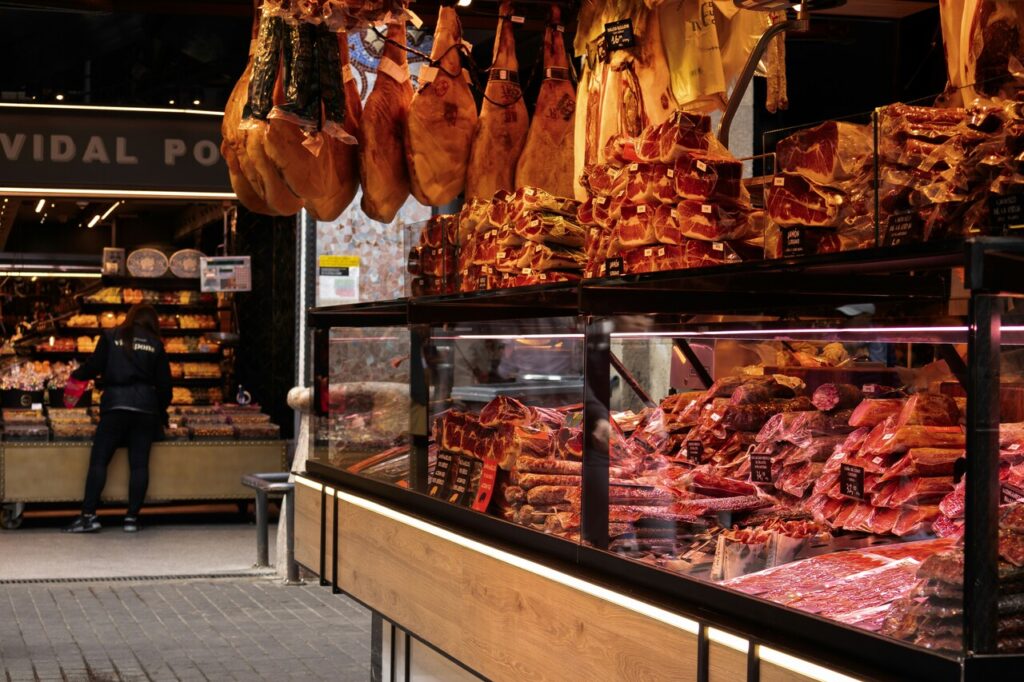
In smaller towns, grocery shopping often includes relationships, not just transactions, and visiting a local butcher or supplier becomes part of the routine. Regular customers trust recommendations, ask for custom cuts, and rely on consistent quality rather than grabbing prepackaged items quickly.
Personal service also helps with meal planning. Butchers can suggest cooking methods, portion sizes, or new cuts based on budget and preference, and that advice makes home cooking feel more manageable.
Prepackaged meats and delivery services allow quick purchases without conversation, and many shoppers rarely interact with food specialists. For someone used to chatting with a butcher weekly, the urban grab-and-go style can feel impersonal.
6. Reusing Fabric or Plastic Grocery Bags Religiously

Bag reuse often becomes second nature in small towns because habits form around practicality and community expectations. Shoppers keep reusable bags in vehicles or by doors, and clerks often recognize regular customers who bring them, making reuse part of a normal routine.
Environmental awareness also intersects with practicality. Reusing bags reduces clutter at home and avoids waste, and many smaller communities adopt shared habits faster because word spreads quickly among neighbors and local businesses.
In large cities, bag habits vary more. Some shoppers walk to stores unexpectedly or make spontaneous purchases, which makes carrying reusable bags less consistent.
7. Buying All Perishables in One Grocery Run

Small-town grocery trips often include buying fresh produce, meat, and dairy in one weekly visit because returning to the store frequently is inconvenient. Families plan meals so fresh ingredients get used quickly before switching to frozen or pantry foods later in the week.
This approach encourages planning. Cooking schedules align with ingredient lifespan, and leftovers are repurposed to avoid waste. Refrigerators and freezers often hold enough food to support this cycle, making weekly replenishment practical.
Smaller refrigerators, frequent dining out, and easy store access encourage buying perishables more often in smaller quantities. Seeing someone buy all the produce for an entire week in one go can look strange in cities.
8. Preferring Bulk Produce for Storage
Buying large amounts of produce during sales remains common in towns where cooking at home dominates weekly routines. Families purchase bags of potatoes, onions, apples, or seasonal vegetables when prices drop, storing them for multiple meals across several weeks.
Storage space supports this behavior. Basements, garages, and larger kitchens often accommodate extra produce, and preserving methods like freezing or canning extend shelf life further.
Limited storage and smaller refrigerators push shoppers toward buying only what can be used quickly. Bulk produce purchases can feel impractical when spoilage risk outweighs savings, making the small-town stock-up style appear unusual.
9. Stocking Up on Pantry Staples for Weeks
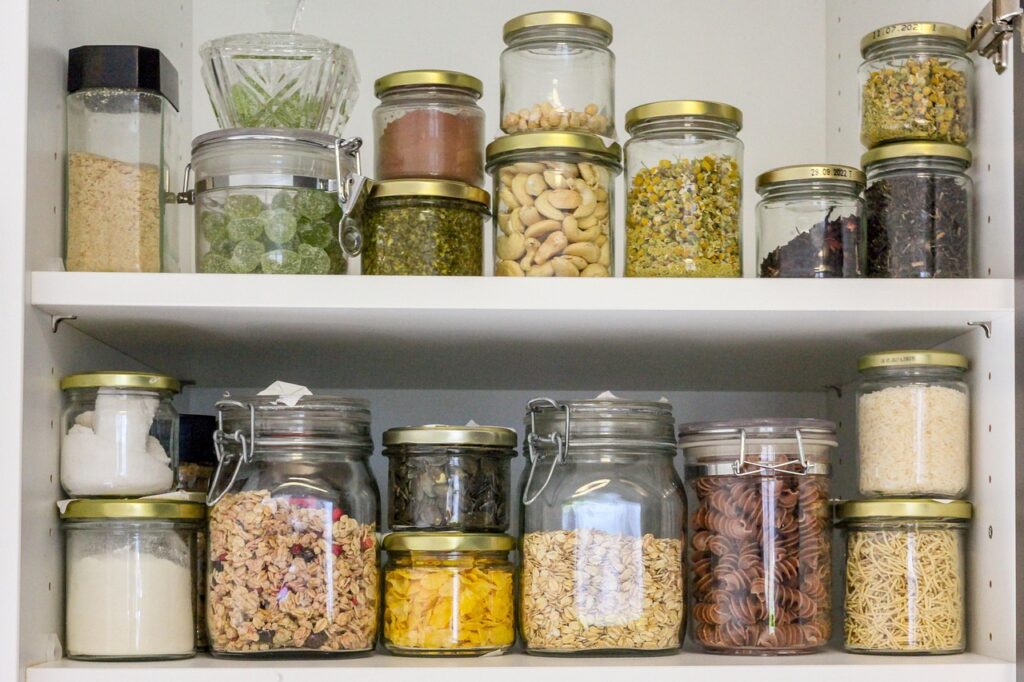
In many small towns, pantry shelves function like backup systems, stocked with canned goods, grains, and dry staples that last weeks or months. Shopping less frequently means keeping essentials on hand prevents emergency store runs, and supporting consistent meal preparation.
Weather disruptions, long travel distances, or unexpected schedule changes become easier to handle when food reserves already exist at home. Families often rotate pantry items to keep supplies fresh while maintaining readiness.
Frequent access to stores and delivery services makes long-term pantry stocking less necessary, and limited kitchen space discourages large reserves. As a result, deeply stocked cupboards common in small-town homes can seem excessive to big-city shoppers.