9 Best Chain Steakhouse Dry Aged Steaks You Can Order

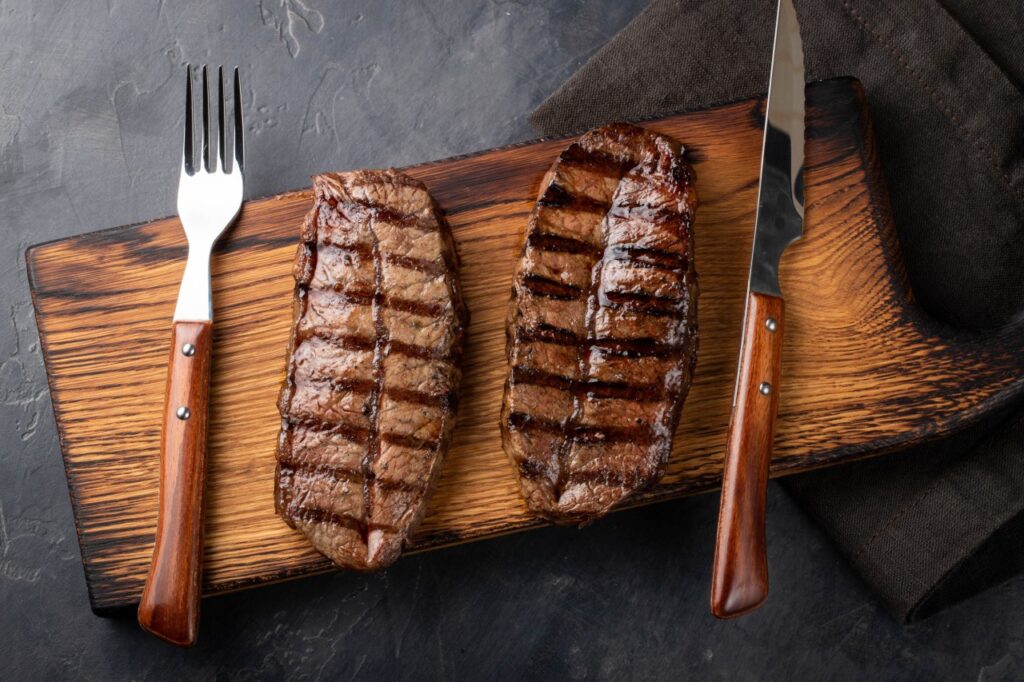
Dry-aged steak has a reputation for intensity, but at its best, it is really about balance and restraint. Aging allows beef to lose excess moisture while enzymes gently break down muscle, creating deeper flavor and improved texture. Chain steakhouses that do this well invest time, space, and consistency into the process, which is why certain cuts stand out year after year. These steaks are not about gimmicks or oversized portions. They are about understanding how aging works and pairing it with the right cut, heat, and seasoning. When done properly, dry aging turns a familiar steakhouse dinner into something memorable without losing its sense of comfort or approachability.
1. The Capital Grille Dry-Aged New York Strip
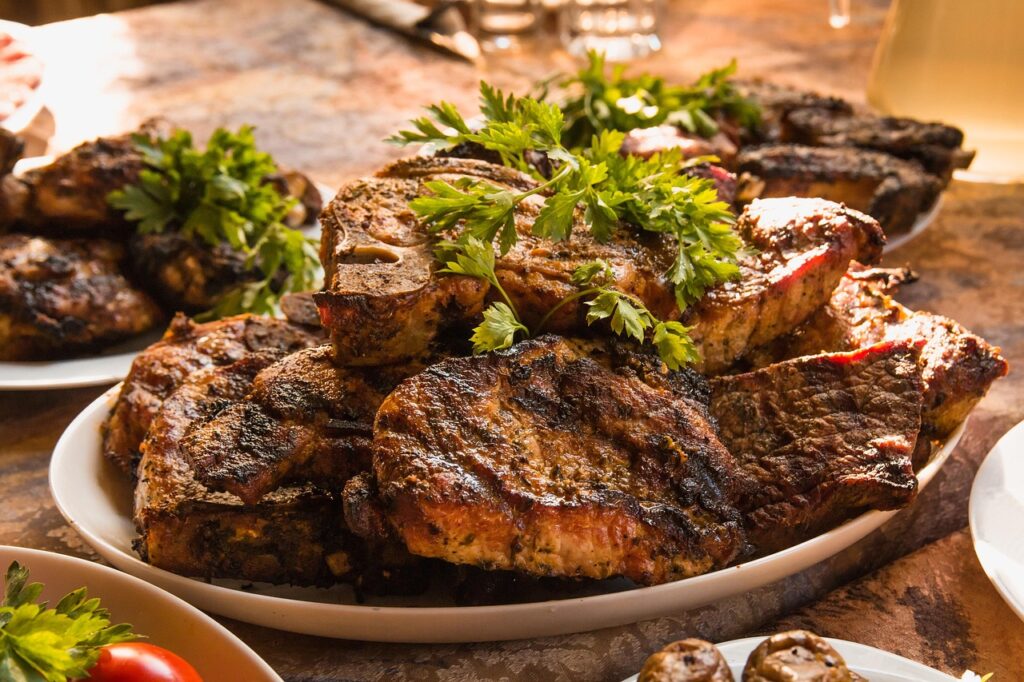
The dry-aged New York strip at The Capital Grille stands out because it represents what careful aging is meant to do rather than trying to impress through size alone. The steak is aged in-house for several weeks, allowing moisture to evaporate and natural enzymes to break down muscle fibers. This process concentrates beef flavor and improves tenderness without masking the meat’s structure. The strip cut is especially well suited to dry aging because it has enough marbling to stay juicy while developing a firmer bite. When cooked, the exterior sears cleanly while the interior remains dense and flavorful. Diners often notice a deeper, nuttier beef taste compared to wet-aged steak.
2. The Capital Grille Dry-Aged Porterhouse
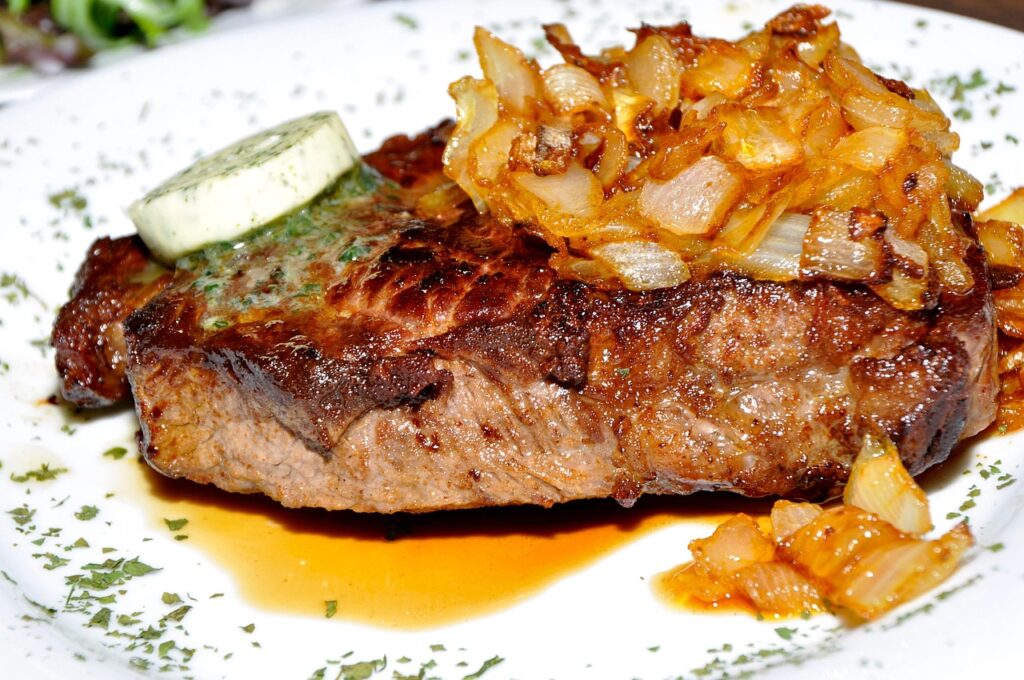
The dry-aged porterhouse at The Capital Grille appeals to diners who want both variety and depth of flavor in a single steak. This cut includes a New York strip on one side and a filet on the other, separated by the bone, which helps retain moisture during cooking. Dry aging intensifies the strip’s beefiness while keeping the filet tender and mild. The extended aging period enhances aroma and adds complexity without overpowering either muscle. Cooking a porterhouse well requires precision, and this chain’s consistency is part of its appeal. The result is a steak that feels substantial and balanced, offering two distinct textures and flavor profiles.
3. Morton’s The Steakhouse Dry-Aged Ribeye
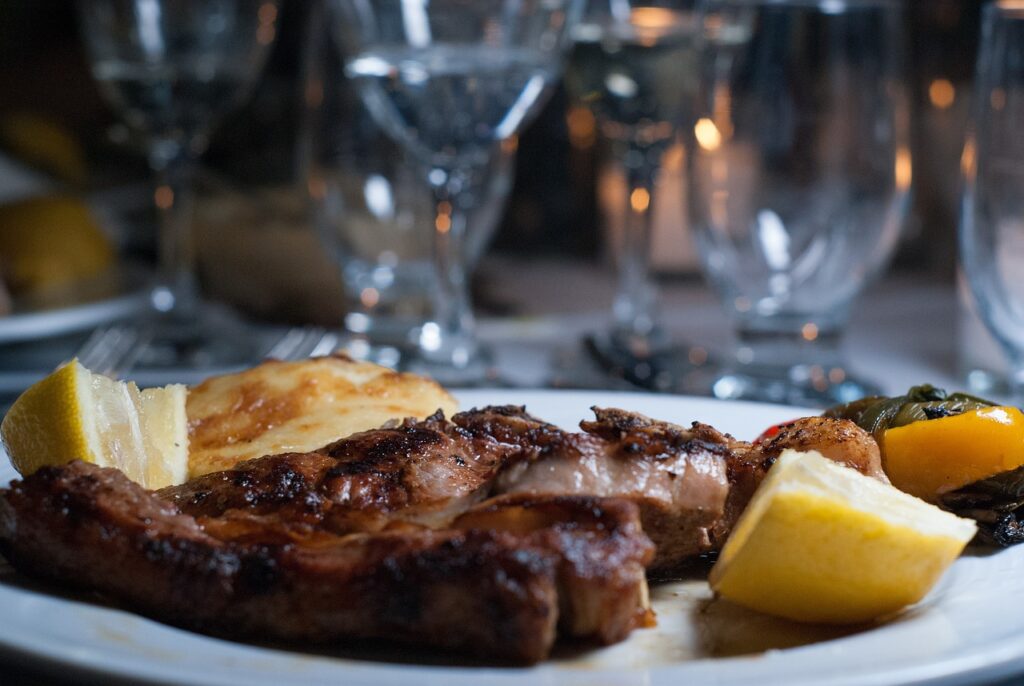
Morton’s dry-aged ribeye is designed for diners who prioritize richness above all else. Ribeye already contains generous marbling, and dry aging intensifies its savory depth while allowing excess moisture to evaporate. The result is a steak that tastes fuller and more concentrated without losing juiciness. At Morton’s, the ribeye is aged long enough to enhance flavor while keeping the fat supple rather than waxy. When seared, the fat renders slowly, basting the meat and creating a crisp exterior. This steak delivers a pronounced beef aroma and a buttery mouthfeel that fans of ribeye expect. It is especially satisfying for diners who prefer bold flavor over delicate texture.
4. Fleming’s Prime Steakhouse Prime Dry-Aged Ribeye
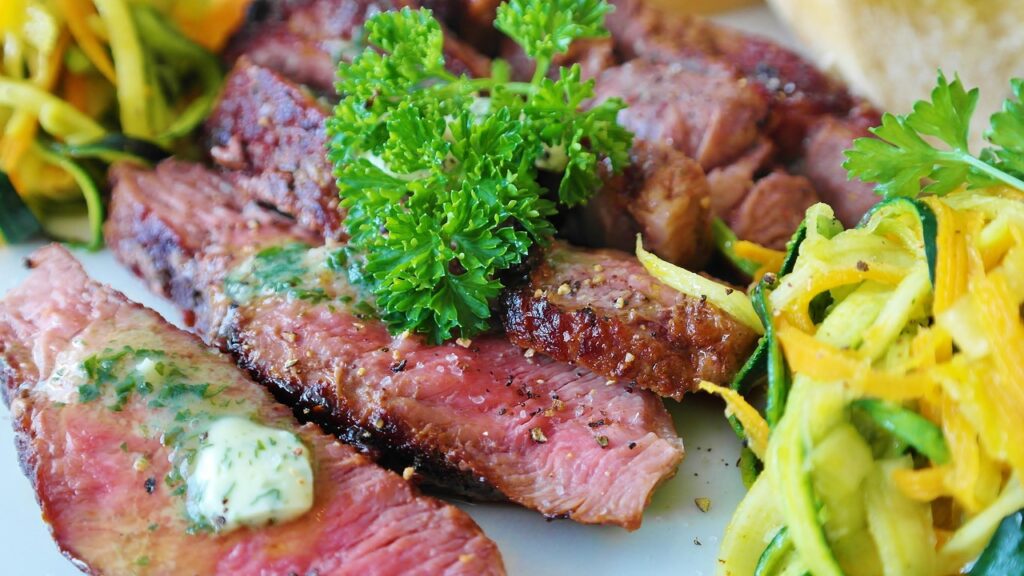
Fleming’s Prime dry-aged ribeye is notable for its longer aging window, which pushes flavor development further than many chain competitors. Aging times vary, but the goal is deeper umami and improved tenderness without crossing into bitterness. This ribeye benefits from controlled conditions that allow fat to mellow and muscle fibers to relax. The steak cooks evenly, producing a well-defined crust and a rich interior. Fleming’s approach balances indulgence with refinement, making the ribeye feel celebratory without being overwhelming. Diners often describe the flavor as round and savory rather than sharp.
5. Smith & Wollensky Prime Dry-Aged T-Bone
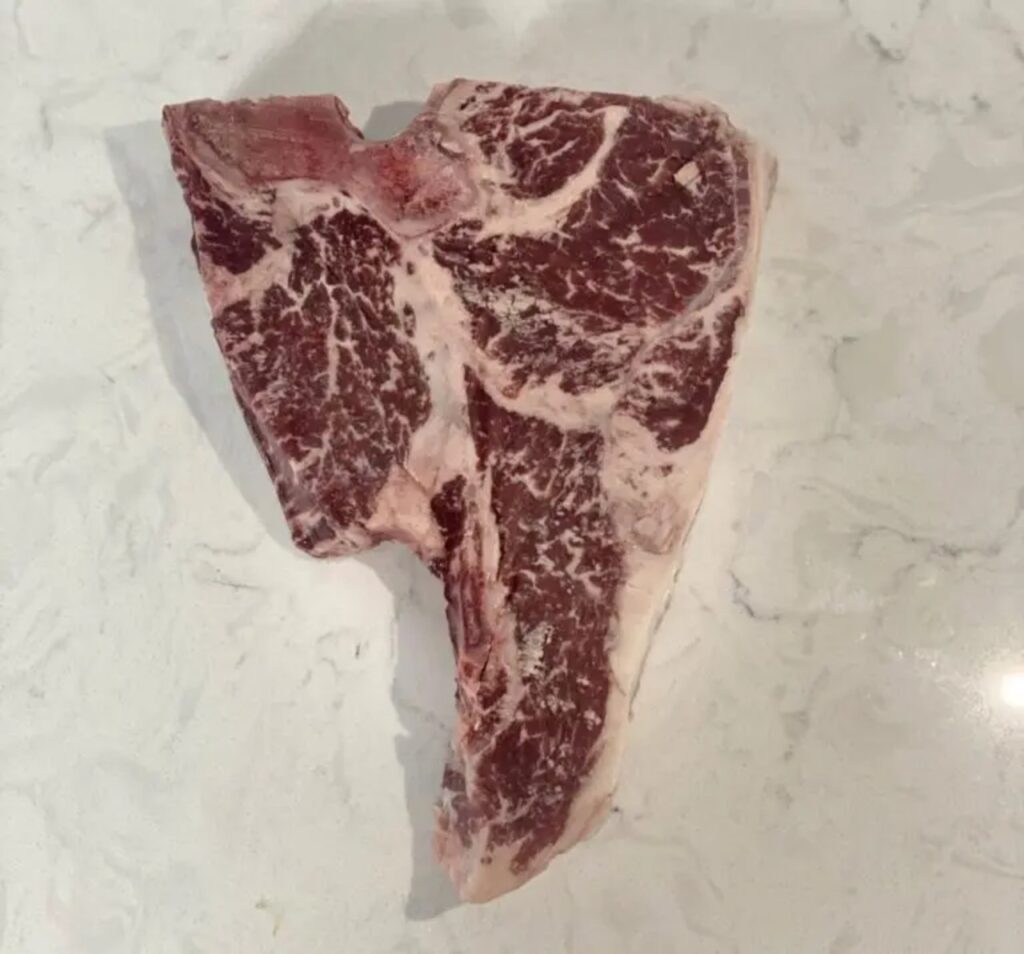
Smith & Wollensky’s dry-aged T-bone reflects the chain’s long-standing focus on traditional steakhouse technique. The steak is aged to concentrate flavor while preserving contrast between the strip and tenderloin. Dry aging enhances the strip side’s depth while allowing the filet to remain delicate. The bone plays a key role by slowing heat transfer and adding subtle flavor during cooking. This cut rewards proper searing and resting, resulting in a steak that feels structured rather than soft. Diners who order it often appreciate the clear beef flavor and classic texture. The T-bone remains popular because it delivers familiarity with elevated taste, showing how dry aging refines a cut.
6. Fogo de Chão Dry-Aged Tomahawk Ancho
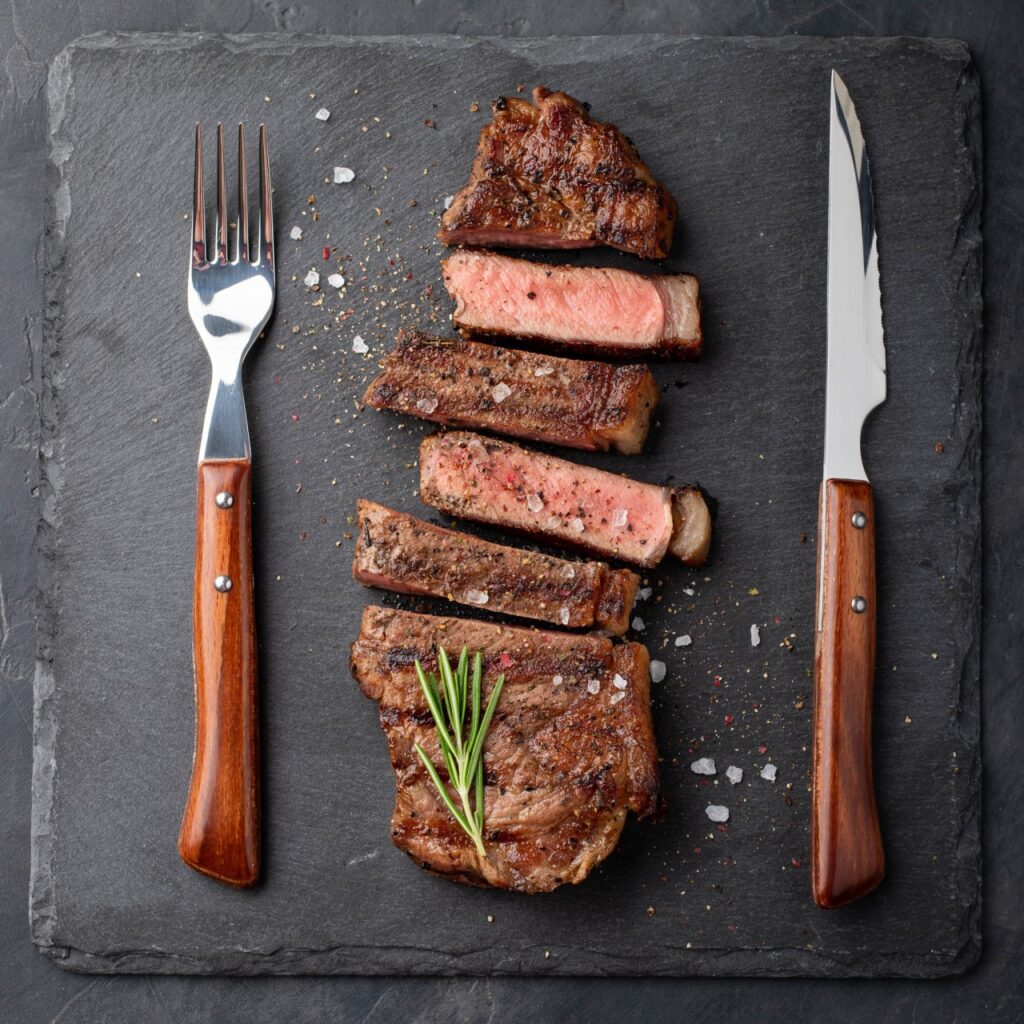
The dry-aged tomahawk ancho at Fogo de Chão is as much about flavor as it is about presence. Cut from the ribeye with the bone left long, this steak is aged for an extended period to deepen its savory profile. Dry aging reduces moisture while intensifying beefiness, which pairs well with the rich marbling of the cut. Despite its size, the steak remains balanced when cooked properly, with rendered fat and a firm, juicy interior. The extended aging adds complexity without overwhelming the natural meat flavor. Often shared, this steak delivers both texture and aroma that linger. It showcases how dry aging can elevate even dramatic cuts when handled with restraint.
7. STK Steakhouse Dry-Aged Delmonico
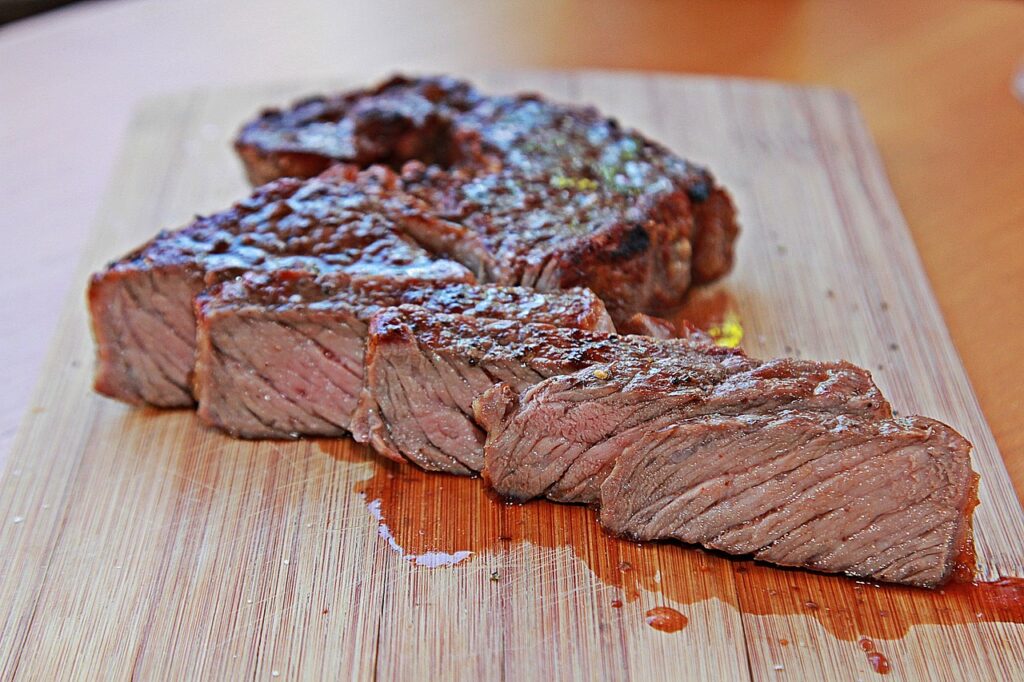
STK’s dry-aged Delmonico appeals to diners who want bold flavor with a modern presentation. The Delmonico cut offers a balance of marbling and structure, making it suitable for longer aging. As moisture evaporates, flavor concentrates and texture firms slightly, creating a satisfying chew. The steak develops a pronounced crust when seared, while the interior stays rich and juicy. STK’s version is often paired with simple sauces or sides, but the steak itself carries enough depth to stand alone. Diners appreciate that the aging enhances savoriness without masking the cut’s identity. It feels indulgent but controlled, aligning with the brand’s polished, contemporary approach.
8. Del Frisco’s Double Eagle Steakhouse Dry-Aged Prime Strip
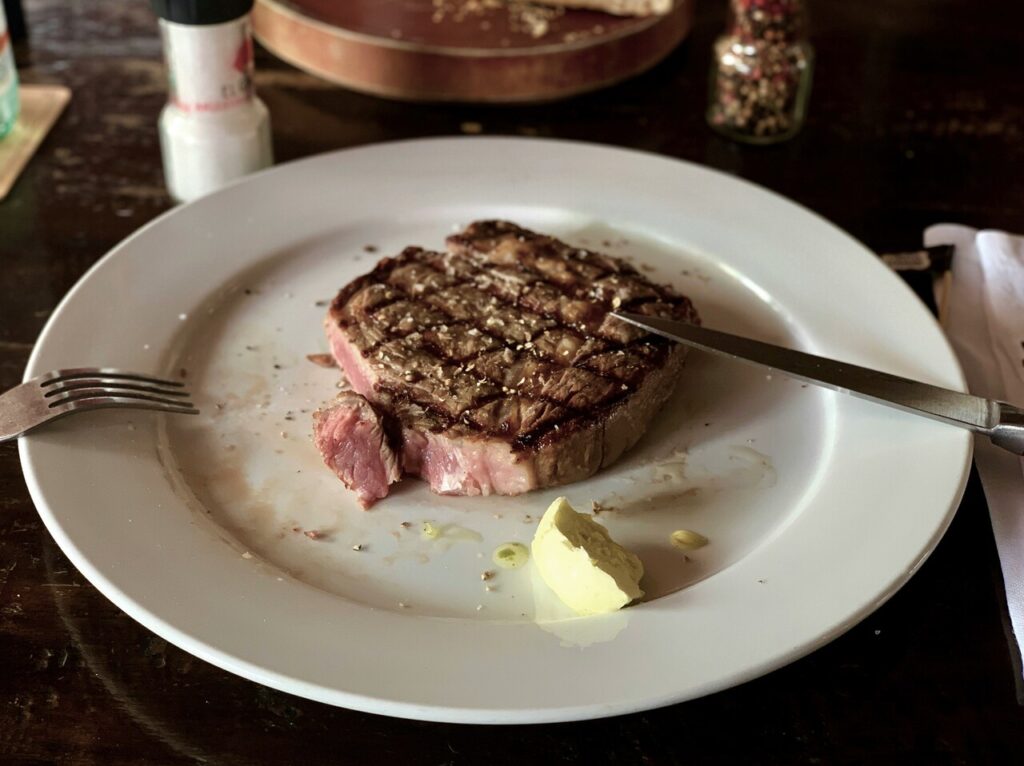
Del Frisco’s Double Eagle dry-aged prime strip is known for its extended aging, which pushes flavor development further than standard programs. The longer time allows enzymes to tenderize the meat while concentrating its beefy character. This results in a steak with a firm bite and pronounced aroma. The strip cut benefits from this approach because it holds structure while gaining complexity. When cooked, it develops a robust crust and a dense, flavorful interior. Diners who choose this steak often seek intensity rather than softness. It delivers a classic steakhouse experience with amplified flavor, making it a reliable option for those who want to clearly taste the effect of dry aging.
9. The Capital Grille Dry-Aged Bone-In Cuts
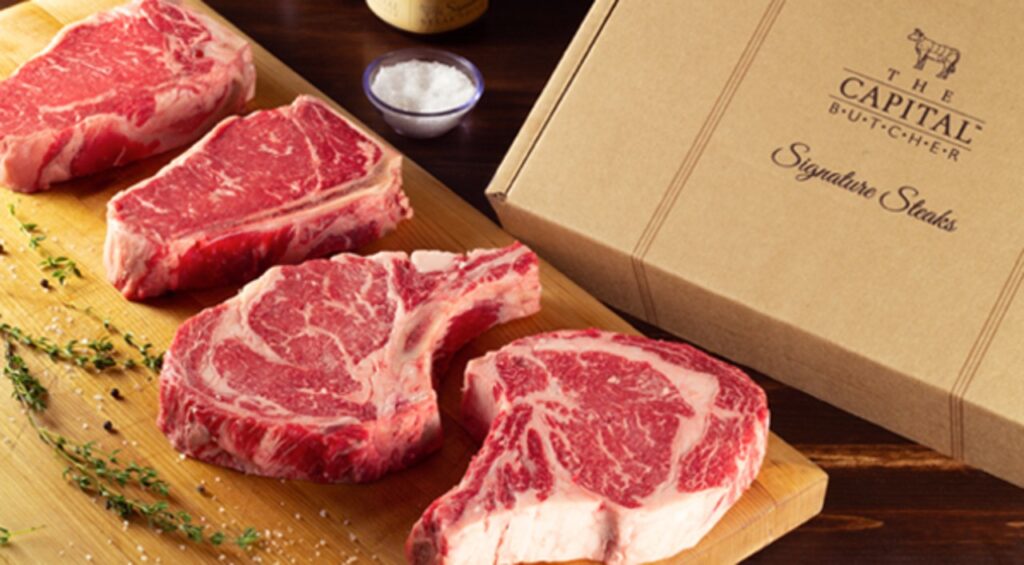
Beyond individual steaks, The Capital Grille’s dry-aged bone-in offerings deserve attention for consistency. Bone-in cuts retain heat differently and often cook more evenly, while dry aging adds depth and aroma. The bone contributes subtle flavor and helps protect the meat during high-heat cooking. These steaks develop a concentrated beef taste without sacrificing juiciness. The aging process tightens the texture slightly, creating a satisfying chew many diners associate with premium steak. These cuts appeal to those who value technique over novelty. They show how controlled aging, careful butchery, and straightforward cooking deliver a dependable, high-quality dry-aged steak across locations.