Does It Actually Matter Which Side of Aluminum Foil You Use

Few kitchen debates linger as stubbornly as the question of aluminum foil sides, passed along through advice, habits, and half-remembered rules. Many home cooks grow up hearing that the shiny side should face food or that the dull side works better for baking, yet few pause to question why. These beliefs feel logical because the two surfaces look different, inviting assumptions about function. In reality, the distinction has far more to do with how foil is made than how it performs. Understanding where this idea originated helps clear away confusion and replaces guesswork with clarity, especially for cooks who value simple, reliable techniques in everyday meals.
Looking closer at the truth behind foil’s two surfaces reveals how manufacturing processes, heat transfer, and cooking conditions intersect in practical ways. Once the science is understood, much of the mystery disappears. Aluminum foil behaves consistently in most kitchen situations, regardless of orientation, which means cooks can focus on timing, temperature, and preparation instead of worrying about surface shine. Knowing what truly matters builds confidence and streamlines cooking habits. Rather than following outdated kitchen myths, understanding the facts allows aluminum foil to be used as a dependable, flexible tool that supports good cooking.
Why Aluminum Foil Has Two Different Sides
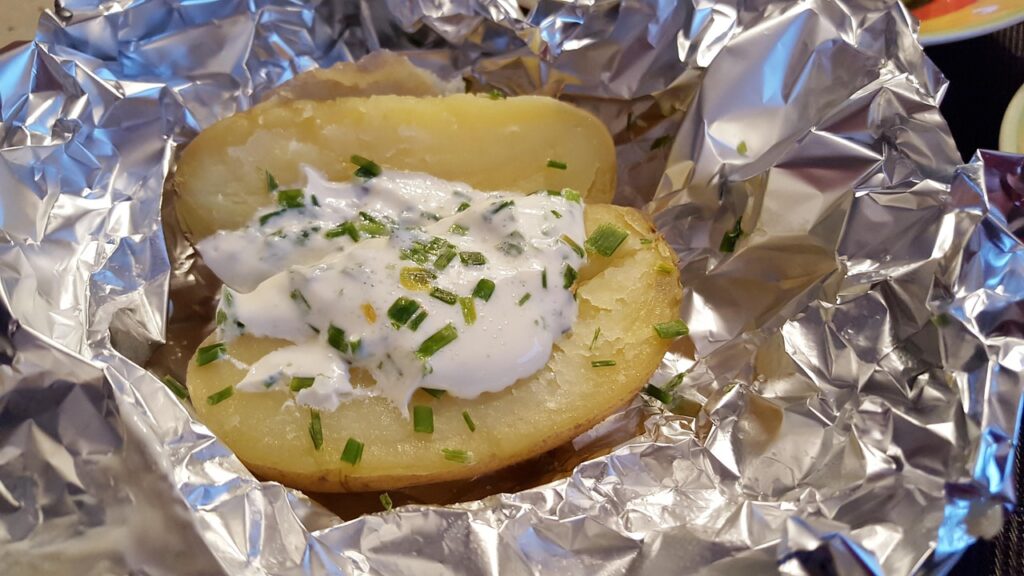
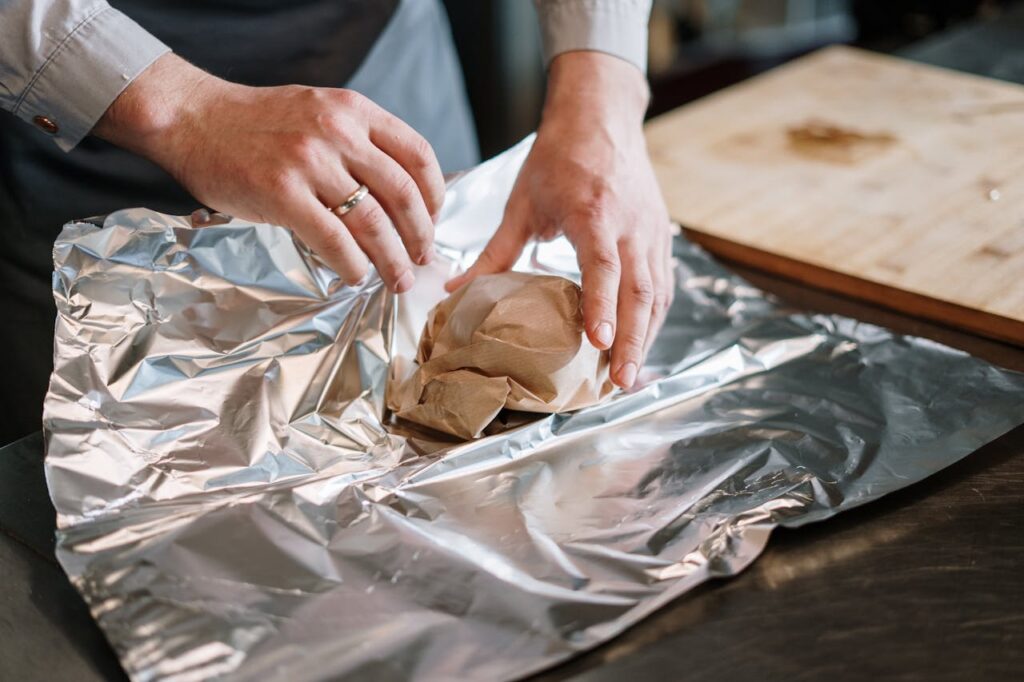
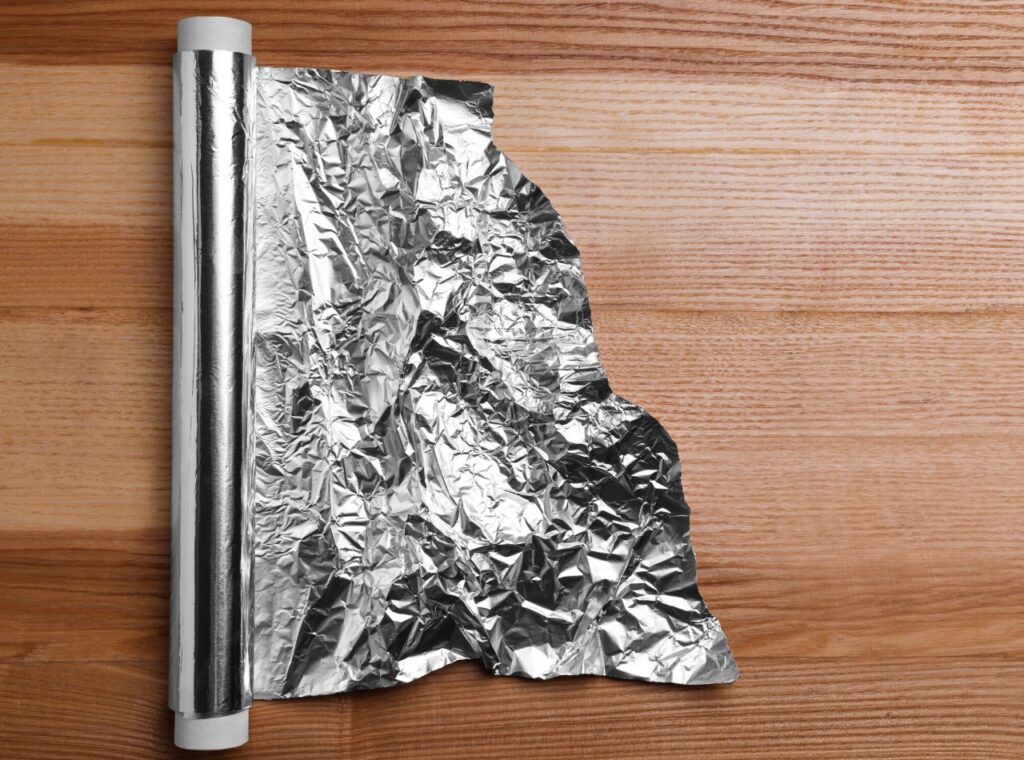
The moment a sheet of aluminum foil is pulled from the box, the contrast between its two sides is easy to spot. One surface looks bright and reflective, while the other appears softer and dull. This visual difference often leads people to assume the sides were designed for different uses, especially in cooking. In reality, the contrast has nothing to do with function and everything to do with manufacturing. Aluminum foil is pressed thinner and thinner during production, and at the final stage it becomes so delicate that two sheets must be rolled together to prevent tearing. This practical step creates the familiar two-sided look seen in kitchens everywhere.
During that final rolling process, only the outer surfaces of the paired sheets touch the highly polished steel rollers. Those contact points become smooth and shiny, while the sides pressed against each other remain matte. There is no coating, chemical treatment, or structural change between the two surfaces. Both sides are made of the same material and behave the same way when exposed to heat, moisture, or food. The difference exists purely because of how the foil is made efficiently at extreme thinness. Once this is understood, it becomes clear why foil performs the same regardless of which side faces up or down.
The Science Behind Heat and Reflection
Heat behavior is often cited as the main reason people believe aluminum foil sides matter, but everyday cooking conditions tell a different story. Aluminum is highly effective at reflecting radiant heat, yet the difference between the shiny and dull sides is extremely small. In controlled laboratory settings, the shiny surface reflects only a few percentage points more radiant energy than the dull one. Inside a home oven or grill, this minor difference is quickly lost. Air movement, oven walls, circulating heat, and food placement all overpower any reflective advantage the shiny side might offer, making surface appearance largely irrelevant during normal cooking.
Most household cooking depends far more on conduction than reflection. Heat moves into food primarily through direct contact with hot air, cookware, or the foil itself. Once foil wraps around food or lines a pan, it transfers heat evenly through the metal regardless of orientation. The foil does not act like a mirror in these conditions; it acts like a conductor. Browning, moisture retention, and cooking speed are determined by temperature, airflow, and timing, not which side faces outward. In practical kitchens, consistency and placement matter far more than foil sheen. This is why flipping the foil rarely changes the final result on the plate.
Cooking Myths Versus Reality
The belief that one side of aluminum foil works better than the other has circulated in home kitchens for generations, often passed down as practical wisdom rather than a tested fact. Some cooks swear the shiny side reflects heat into food, while others argue the dull side absorbs heat and prevents burning. These claims sound reasonable because they appear rooted in basic physics, yet everyday cooking does not operate under controlled or isolated conditions. When identical foods are wrapped or lined using opposite sides of standard foil, testing shows no meaningful difference in cooking time, moisture retention, browning, or final temperature.
This myth continues largely because the visual contrast between foil sides encourages assumption. Humans naturally associate visible differences with functional ones, especially in tools used daily. In reality, standard aluminum foil is uniform in composition and performance unless it has been altered with coatings or treatments. Its behavior remains stable regardless of which surface touches food or faces outward. Instead of focusing on shine, cooks can focus on factors that actually matter, such as temperature control, proper wrapping, airflow, and timing, all of which have a far greater impact on results than foil direction ever could.
When the Foil Side Can Matter
There are a few specific situations where the side of aluminum foil actually matters, and these cases are tied to added features rather than the foil itself. Nonstick aluminum foil is the most common example people encounter at home. This type of foil is coated on only one side with a food-safe nonstick layer designed to prevent sticking during baking or roasting. That coated side must face the food to work properly, and the packaging clearly marks which side it is. Using it incorrectly can lead to sticking or uneven results. The difference here has nothing to do with shine or dullness and everything to do with the applied coating, which changes how the surface interacts with food.
Foil orientation can also matter in specialized, non-kitchen applications where heat behavior is tightly controlled. In industrial insulation, laboratory settings, or scientific heat shielding, reflective surfaces are positioned deliberately to manage radiant heat. In those environments, even small differences in reflectivity can affect outcomes, so placement is carefully calculated. However, these uses operate under precise conditions that do not exist in home cooking. For everyday tasks like baking, roasting, grilling, or food storage, standard aluminum foil remains functionally identical on both sides.
Best Practices for Everyday Use
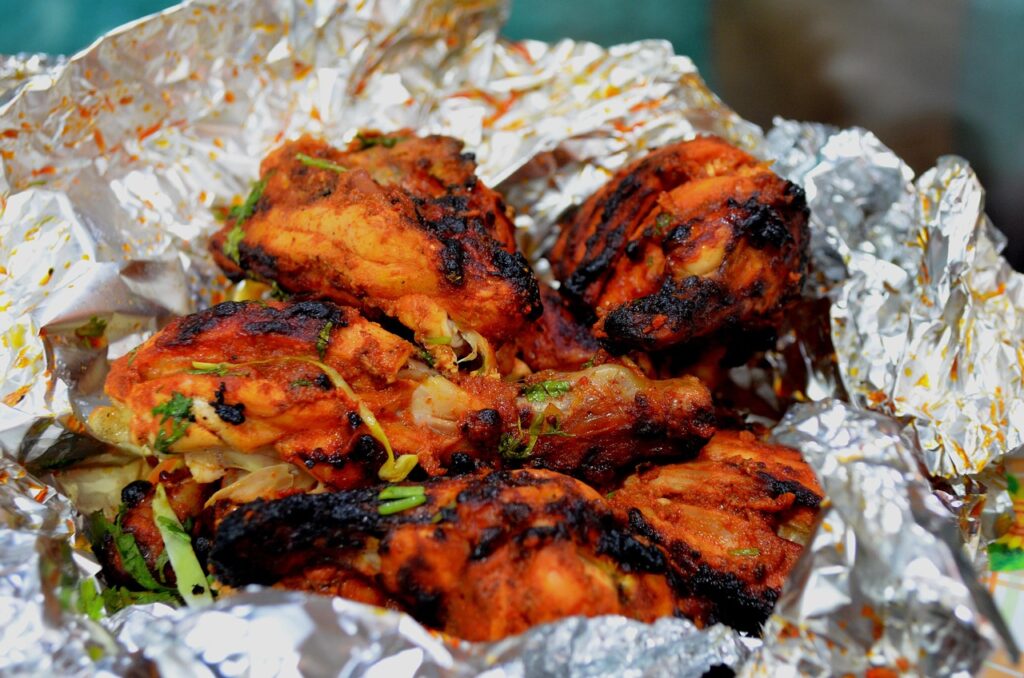
The most effective way to use aluminum foil is to focus on technique rather than which side faces up. How foil is shaped and applied has a far greater impact on results than surface appearance. Wrapping food tightly helps trap moisture and heat, which is useful for steaming vegetables or keeping meats tender. Loosely tenting foil, on the other hand, allows steam to escape while still protecting food from direct heat, preventing excessive browning. For roasting, pressing foil smoothly against pan edges reduces hot spots and uneven cooking. These practical choices influence texture and doneness far more than shine ever could.
Safety and practicality also play an important role in everyday foil use. Aluminum foil should not touch exposed heating elements and should never be used in microwaves unless specifically labeled safe. Acidic foods like tomatoes or citrus should not remain wrapped in foil for long periods, as prolonged contact can cause a mild metallic reaction. For storage, foil works best when paired with airtight containers to limit air exposure. Used thoughtfully, aluminum foil remains a reliable, flexible kitchen tool that performs consistently without worrying about orientation. These small precautions help ensure foil is both effective and safe in daily cooking.
References
- The Right Way to Use Aluminum Foil in Your Kitchen, According to Experts – marthastewart.com
- Should You Use the Shiny or Dull Side of Foil? Reynolds Settles the Debate – eatingwell.com
- Aluminum Foil Has Two Sides For A Reason, Here’s Why – mashed.com