Why Most Balsamic Vinegar in America Is Just Caramel Colored Sugar Water

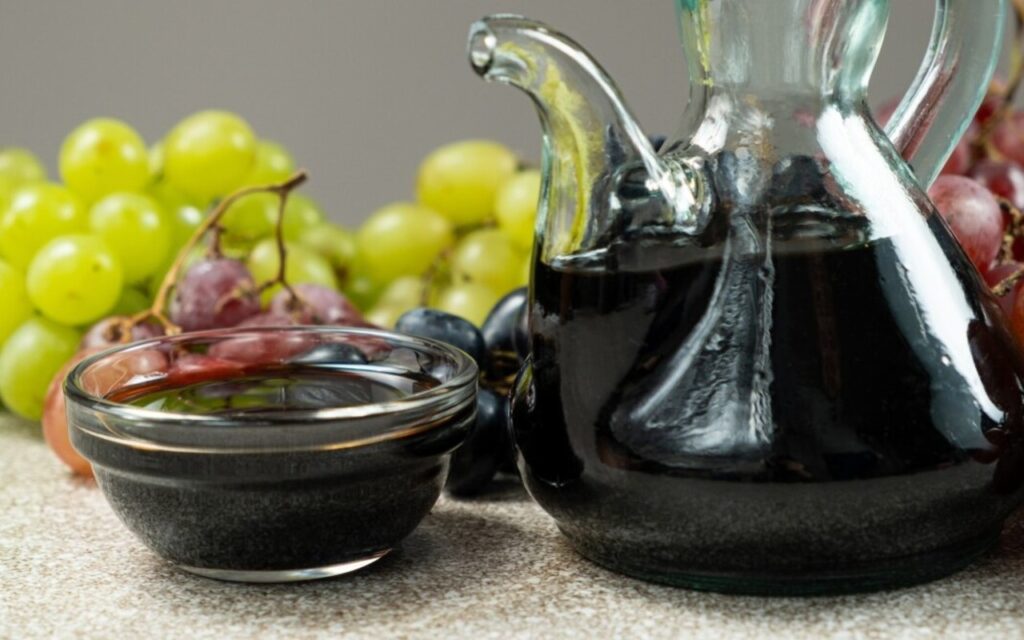
That glossy bottle of balsamic sitting in your kitchen might not be what you think it is. The label may suggest old-world Italian methods and barrels tucked away in attics, but most supermarket versions in America are produced on tight timelines built for scale. Instead of reduced grape must aged for years, many rely on wine vinegar blended with concentrated grape must, caramel coloring, and sometimes added sugar to create a darker shade and smoother finish. What appears rich and traditional is often the result of modern production designed to imitate depth without the long wait true aging requires.
True traditional balsamic, crafted in small batches in northern Italy, tells a very different story from the first drop. It begins with freshly pressed grapes that are gently cooked into a dense must, then transferred into wooden barrels where it rests and transforms for more than a decade. As seasons change, the liquid thickens through evaporation and absorbs subtle notes from oak, cherry, or chestnut wood. No artificial coloring or added sweeteners are needed because time builds the balance between sweetness and acidity. When you taste it, the flavor unfolds slowly, revealing layers that cannot be rushed and showing why authentic balsamic stands in a category of its own.
The Origins of True Balsamic Vinegar
Real balsamic vinegar begins with grapes, not wine, and that distinction defines everything that follows. In Italy’s Emilia-Romagna region, particularly around Modena and Reggio Emilia, traditional balsamic is crafted from freshly harvested Trebbiano and Lambrusco grapes gently cooked into concentrated must. This slow reduction deepens natural sugars without burning them, creating a rich base that requires no added vinegar to begin fermentation. The thickened must is then placed into a sequence of wooden barrels arranged from largest to smallest, where it begins a gradual transformation shaped by seasonal temperature changes and steady evaporation instead of mechanical intervention.
What makes this method remarkable is the role of time as a primary ingredient. Authentic Traditional Balsamic Vinegar protected under the European DOP designation must age for at least twelve years, with some batches resting for twenty-five years or longer. As the liquid moves through barrels made of oak, chestnut, cherry, mulberry, or juniper, it slowly concentrates and absorbs subtle notes from each wood. No caramel coloring, refined sugar, or thickeners are permitted under these strict standards. The finished vinegar becomes naturally dense and glossy, offering balanced sweetness and acidity developed solely from grapes, craftsmanship, and patience.
How Industrial Production Transformed Balsamic
Mass production reshaped balsamic from a guarded regional treasure into a global supermarket staple. As international demand expanded, producers outside the strict DOP framework developed faster and more economical methods to keep shelves stocked. Rather than relying solely on cooked grape must aged for decades, many commercial versions begin with wine vinegar as the base, then blend in concentrated grape must to introduce sweetness and depth. This approach shortens production time and increases volume, allowing manufacturers to supply export markets without committing to the slow, space-intensive barrel aging that defines traditional craftsmanship.
In these streamlined systems, aging is often limited to months instead of years, and stainless steel tanks frequently replace the succession of wooden barrels used in traditional attics. To recreate the dark color and syrupy body consumers associate with quality, some producers add caramel coloring or use thickening techniques. Bottles labeled “Balsamic Vinegar of Modena IGP” operate under broader guidelines that allow this flexibility. While many IGP products remain enjoyable, the standards are less restrictive than DOP rules. Industrial efficiency prioritizes uniform flavor, affordability, and scale, altering the depth and complexity found in long-aged balsamic.
What’s Really Inside Most American Bottles
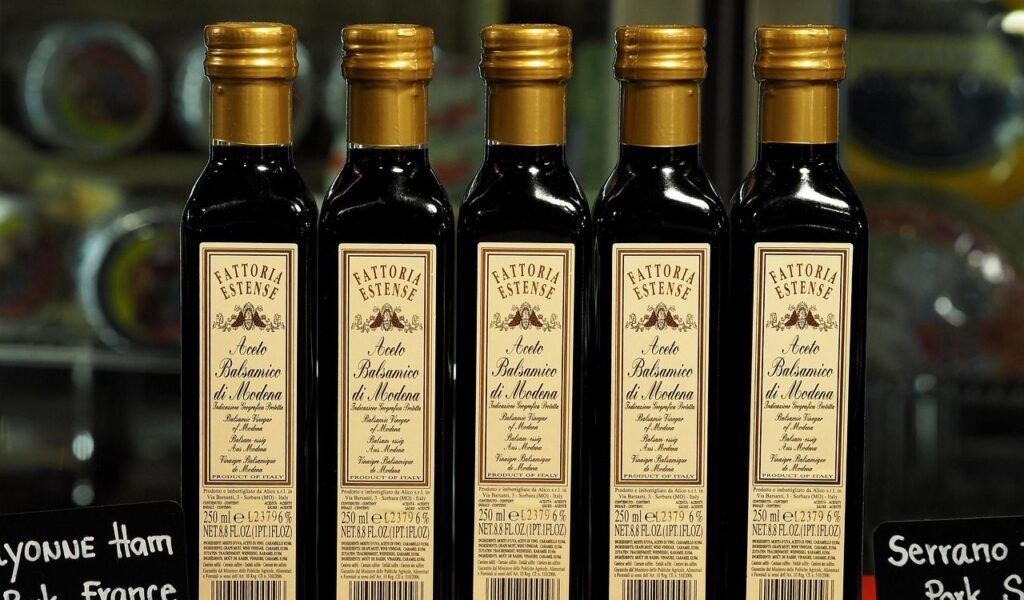
Pick up a typical bottle in an American grocery store and the ingredient list reveals more than the label’s romantic imagery ever will. In many cases, wine vinegar appears as the primary ingredient, followed by concentrated grape must, caramel coloring, and occasionally added sugar or stabilizers. Caramel coloring is used to create a deep brown shade that suggests long barrel aging, while added sugars soften the sharp acidity of wine vinegar to mimic natural sweetness. These components are blended for consistency, allowing producers to deliver a predictable flavor profile at a fraction of the time and cost required for traditional aging.
Because U.S. labeling regulations prioritize food safety over historical methods, these blends can legally be marketed as balsamic vinegar. The viscosity many consumers expect is often achieved through controlled reduction or permitted thickeners rather than slow evaporation in wood barrels. As a result, inexpensive bottles frequently taste sharply acidic at first, followed by a simple sweetness that lacks layered complexity. They are not counterfeit products, but they differ significantly from the protected Italian versions aged for years. The noticeable flavor gap reflects modern production efficiencies rather than the craftsmanship that defines traditional balsamic.
Marketing Myths and Label Confusion
Words such as “aged,” “reserve,” and “premium” carry powerful emotional weight, especially when printed on elegant labels with crests, gold lettering, and dark glass bottles. They suggest heritage, patience, and generations of expertise. Yet outside strict DOP certification, the word “aged” does not guarantee extended barrel maturation. In many cases, it may refer loosely to the average age of blended ingredients rather than continuous years spent in wood. A statement like “aged three years” can sound impressive while reflecting minimal time in storage. Decorative wax seals and rustic imagery often reinforce authenticity, even when production methods are largely modern and accelerated.
The clearest way to separate marketing language from regulated tradition is by looking for official European quality seals. Traditional Balsamic Vinegar of Modena DOP and Traditional Balsamic Vinegar of Reggio Emilia DOP are sold in legally protected bottles approved by their respective consortia, with strict oversight of ingredients and aging. By contrast, products labeled IGP operate under broader guidelines that allow blending and shorter maturation. Quality within IGP can vary widely depending on the producer. Many shoppers assume all balsamic follows the same rules, but these classifications represent distinct production standards that directly influence flavor, texture, and price.
How to Tell Real Balsamic from Sugar Water
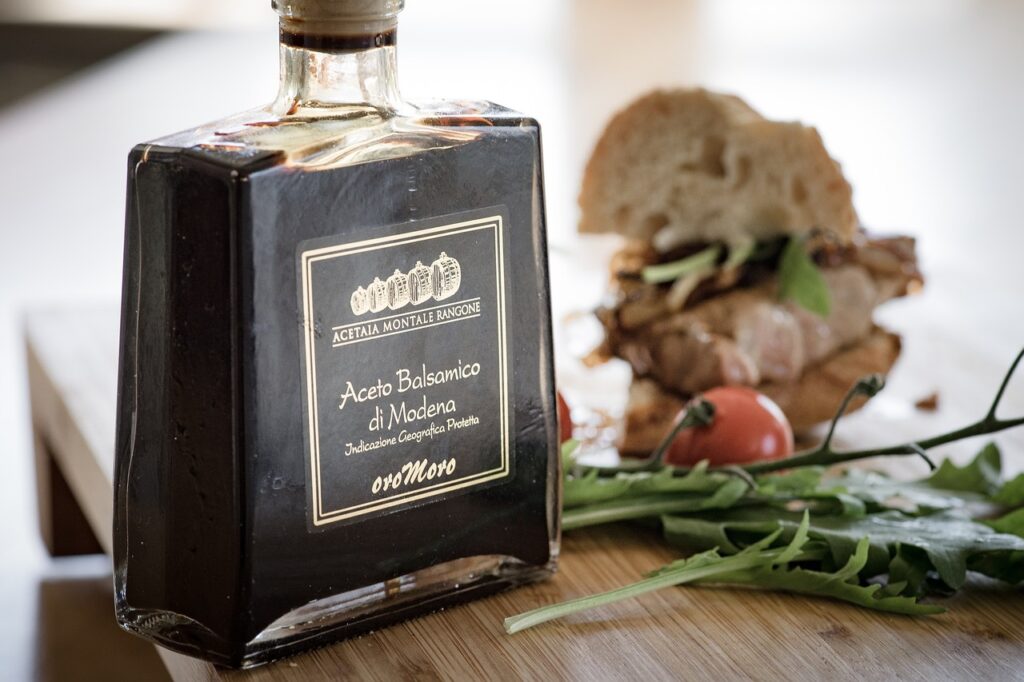
Authentic balsamic reveals its truth through practical clues long before it ever reaches your plate. Price is the most immediate signal. Genuine Traditional Balsamic Vinegar protected under DOP rules is costly because years of evaporation dramatically reduce the final volume, concentrating both flavor and value. A producer may begin with large quantities of cooked grape must, only to bottle a fraction after more than a decade of aging. If a full-sized bottle is priced cheaply, it simply cannot represent that level of time, storage space, and loss through natural evaporation. True aging demands patience, skilled oversight, and significant financial investment.
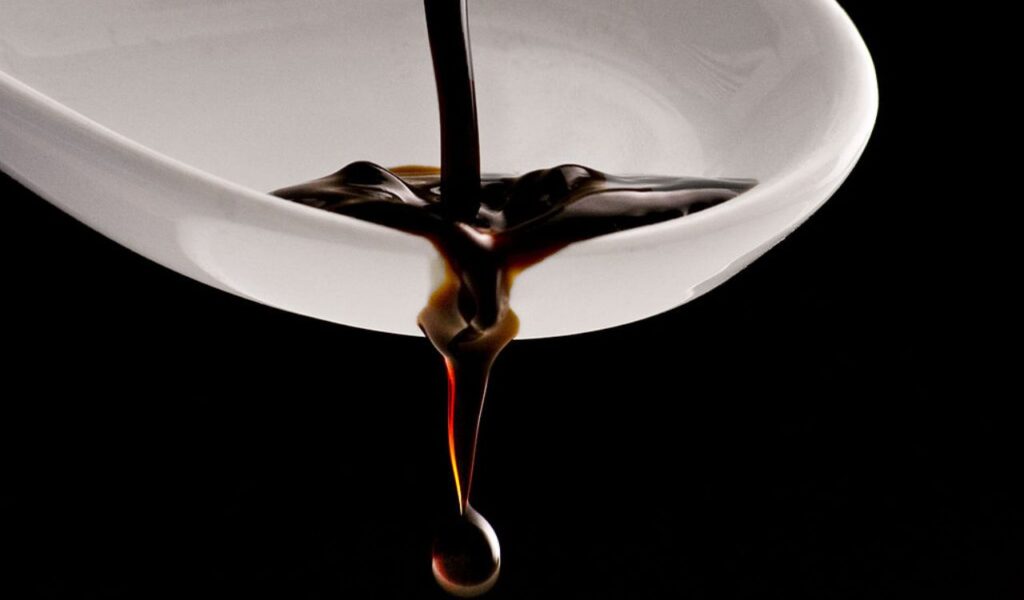
Ingredients offer the next reliable test. Traditional balsamic lists only cooked grape must, nothing more. There is no wine vinegar, caramel coloring, added sugar, or thickening agent. Its texture should feel dense yet smooth, coating the spoon without resembling sticky syrup. When tasted, authentic balsamic balances sweetness and acidity seamlessly, revealing gradual notes of dried fruit, wood, and gentle spice that linger rather than spike. Lower-cost versions often deliver a sharp acidic hit followed by straightforward sweetness from additives. Recognizing these distinctions helps consumers decide whether they want a complex finishing drizzle or a simple everyday dressing.